9 Years, Same Fight: Vegetarian Wife Served Meat at Every Single Family Meal
There are certain unspoken rules of etiquette we all learn growing up. One of the most common is that when you are a guest in someone’s home, you graciously eat what is served to you. You don’t make a fuss over boiled carrots if you prefer them roasted, and you certainly don’t complain about the choice of dessert. It’s simply good manners.
However, one woman recently took to the internet to share a story that proves this rule has its limits. What happens when the food you’re served goes against a deeply held principle you’ve maintained for nearly a decade? Her frustrating dilemma with her in-laws has sparked a major debate about where politeness ends and disrespect begins.

The Incident
Imagine this: You’ve been with your husband for nine years, married for seven. For that entire time, you’ve been a vegetarian. Your husband’s family knows this perfectly well. Yet, every single time you go to their home for a meal, you are inevitably served something containing meat. This is the frustrating reality for one woman who shared her story online.
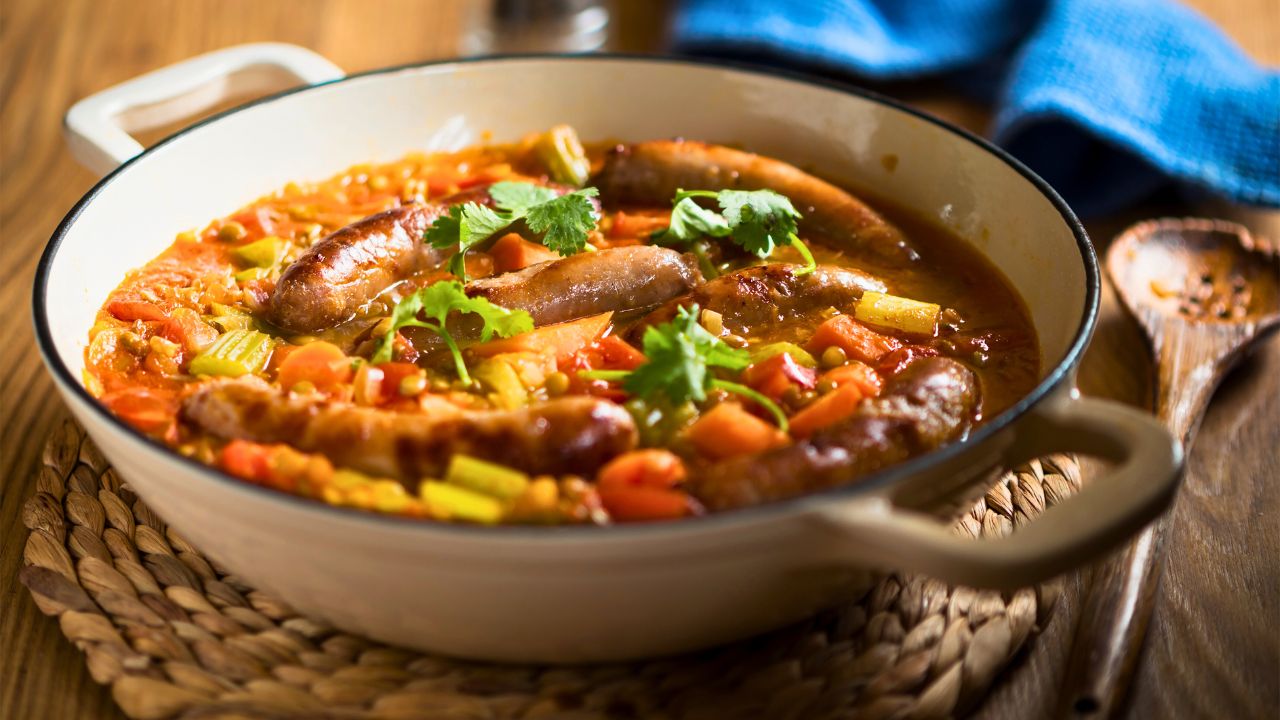
She explained the awkwardness of the situation, feeling like she’s the one being impolite by constantly having to refuse food. The latest incident was particularly baffling. “Yesterday the peas were ready prepared with mint and pancetta,” she wrote.
“My plate was dished up for me, so I ended up having to leave a load of food on my plate. It looks rude from my side, but I think it’s rude of them.”
It’s a situation that would make anyone feel uncomfortable and, frankly, unwelcome. She isn’t asking for a separate five-course meal. Her request is astonishingly simple: “I just want veg to be veg, not containing meat. Not hard.” To make matters worse, she feels trapped.
Her in-laws, she says, are “incredibly over sensitive people” who “control us with their moods,” making it impossible for her to bring her own food or decline their invitations without causing a major family drama.
The Internet Reacts
The online community was immediately engrossed, with hundreds of people weighing in. The reactions quickly fell into a few distinct camps, each with a strong opinion on the matter.
Camp 1: The “Absolutely Not” Crowd
The vast majority of readers were furious on the woman’s behalf, seeing the in-laws’ behavior as a clear sign of disrespect. One commenter, a meat-eater herself, didn’t mince words: “I eat meat so I’m not biased in your favour, but they’re being awful.”

Another user got straight to the point, stating, “These people have zero respect for you. They don’t care about you.”
Many felt it was a simple issue of common decency. As one person put it, accommodating a family member’s dietary needs is just “basic courtesy.” The consensus here was clear: after nine years, this isn’t forgetfulness; it’s a deliberate, passive-aggressive act.
Camp 2: The “Devil’s Advocate”
A smaller group tried to find a rational explanation for the in-laws’ behavior. Perhaps it wasn’t malicious, but a matter of convenience? One person wondered if they were “freezer food people” who simply buy pre-made dishes. “I saw peas with pancetta and mint in the supermarket last week in the ‘special Easter food’ section,” they noted, suggesting the in-laws might just be grabbing what’s easy without reading the label.
Another user suggested that if the visits were very frequent, perhaps the in-laws felt they shouldn’t have to change their entire cooking style. However, the original poster clarified they only visit for a meal “maybe every 8 weeks,” which makes that argument fall a bit flat.

Camp 3: The “Practical Solutions” Crowd
This group moved past the outrage and focused on what the woman could do next. Many pointed out that her husband needed to step up. “Why doesn’t your husband ask ‘mum/dad, you know she’s a vegetarian, don’t you, why have you served her meat again?’” one user asked. It’s a fair question, as he seems to be a passive observer in all this.
Others suggested a more direct, but polite, approach. One piece of advice was to call ahead and gently remind them, saying something like, “You do remember I’m vegetarian? Oh, is that an issue? Okay, we will pop over after lunch.” Another popular suggestion was to simply bring her own dish to share, regardless of whether her “over sensitive” in-laws would take offense.
The Etiquette Verdict
Let’s be perfectly clear: the in-laws are profoundly in the wrong. Being a good host is not about creating a Michelin-star menu; it’s about creating a warm and welcoming environment for your guests. That means showing them you care enough to remember a significant detail about their life, especially after nine years of family gatherings.

To repeatedly ignore a guest’s dietary principles—whether it’s vegetarianism, a religious restriction, or a serious allergy—is the height of poor manners. It sends a clear message: your comfort and beliefs are not important to us. The Golden Rule of hosting is to make your guests feel valued. This behavior does the exact opposite.
Your Turn to Weigh In
This situation has clearly touched a nerve for many. But what do you think is really going on here? Are the in-laws just hopelessly forgetful, or are they deliberately being disrespectful to their daughter-in-law?
Ready for the next level of insight? Discover more in my latest article here.