My In-Laws Booked a $120-Per-Person Birthday Dinner Without Asking. Now They’re Furious We Can’t Afford It.
It is a universal truth of good manners that when you organize a group outing, you consider everyone’s circumstances. Whether it’s choosing a restaurant or planning a trip, the gracious host or planner always discusses the budget and schedule with their guests beforehand. It’s simply a matter of respect.
However, one woman recently took to the internet to share a story that proves not everyone plays by these common-sense rules, especially when family is involved.
The Incident
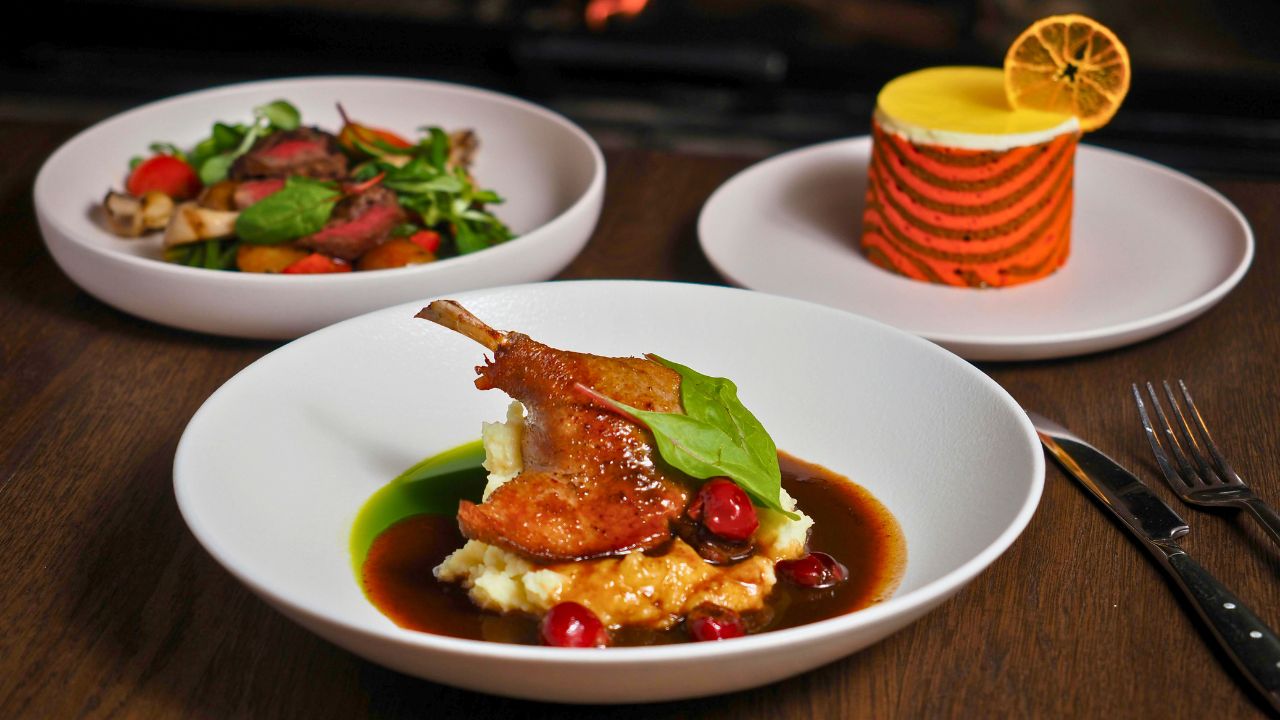
A woman shared her disbelief after her sister-in-law and mother-in-law booked a surprise birthday dinner for her father-in-law. The problem? They never asked her or her husband about their budget or availability. They were simply informed of the plan after the fact. Upon looking up the restaurant, her heart sank. It was a high-end establishment with a set menu costing an astonishing $120 per person, and that was before drinks.
Knowing this was completely out of reach for their single-income household, which was already strained by unexpected bills, the couple voiced their concerns. The sister-in-law’s response was shockingly dismissive. She said she “didn’t care” and told them to “work something out.” When they appealed to the mother-in-law, they were again “brushed off and told that we are going and too bad.”
What makes this particularly galling is that the in-laws were fully aware of the couple’s tight financial situation. The final straw was learning the time of the booking, which would require the woman to leave work early, adding another layer of inconvenience to an already stressful situation.
Eventually, the mother-in-law offered to pay for their meals, but the woman rightly felt this missed the point entirely. It wasn’t just about the money; it was about the profound lack of consideration and respect.
The Internet Reacts
The online community was abuzz with opinions, with most people siding firmly with the woman and her husband. The reactions generally fell into three distinct camps, ranging from outrage to strategic advice.
First, there was the “Absolutely Not” Crowd. These readers were furious on the couple’s behalf, seeing the in-laws’ behavior as a blatant display of disrespect. One person stated the obvious truth that most loving parents feel: “I doubt that the FIL would want one of his children to go into debt in order to attend his birthday dinner.”
Another commenter was blunt, saying, “They don’t have the courtesy to involve you in the discussion, they don’t call the shots about where you go.” These readers felt the couple was right to stand their ground against being railroaded.
Next came the “Practical Advice” Crowd. These individuals looked past the initial anger and offered constructive solutions. The overwhelming consensus was that the couple should simply not attend the dinner. “Plan something special or get a special little gift, and explain why you were unable to attend, afterwards,” one person suggested.
Another clever idea was to take control of the situation by calling the restaurant directly to “change the number of people on the reservation.” This would prevent the in-laws from being charged for no-shows while making a firm, clear statement.
Finally, there was the “Petty Revenge” Crowd, who believed such rudeness deserved a more dramatic response. One of the most popular suggestions was to “show up while everyone is waiting to be seated, deliver their gifts to the birthday honoree, then make their apologies to him directly that they can’t stay.”
Another user took it a step further, suggesting they spoil the surprise entirely by visiting the father-in-law before the dinner to give him his gift and explain why they couldn’t make it. As one person put it, “Don’t let the AH’s get off consequence-free for trying to pull a stunt like this.”
The Etiquette Verdict
Let’s be perfectly clear: in polite society, this behavior is absolutely unacceptable. When planning a celebration where guests are expected to contribute financially, consultation is not optional—it is mandatory. To dictate a time and a costly venue to family members, especially when you are aware of their financial struggles, is the height of poor manners.
It transforms a celebration of love into an exercise in control and thoughtlessness. The mother-in-law’s offer to pay, while seemingly generous, came only after she was called out and does not erase the initial disrespect. True generosity is considerate from the start.

Your Thoughts
What do you think of this situation? Were the mother-in-law and sister-in-law simply being thoughtless, or was this a deliberate power move to put the couple in their place?