14 Surprising Protein-Packed Picks Beyond Meat and Dairy
Protein doesn’t have to come from the usual suspects. I’ve discovered incredible plant-based sources that pack serious nutritional punch while adding exciting flavors to your kitchen repertoire. These ingredients transform simple meals into powerhouse dishes that satisfy both your body and your taste preferences.
From ancient grains like quinoa and amaranth to superfoods like spirulina and hemp seeds, nature offers remarkable alternatives. I love incorporating these ingredients into my daily cooking because they bring unique textures and surprising versatility. Each one tells its own story through flavor while delivering complete amino acid profiles.
These fourteen picks represent my favorite discoveries for creating wholesome, scratch-made meals. They work beautifully in everything from breakfast bowls to dinner mains, proving that plant-based eating never means compromising on satisfaction or nutrition. Your body will thank you for these nourishing choices.
Pumpkin Seeds
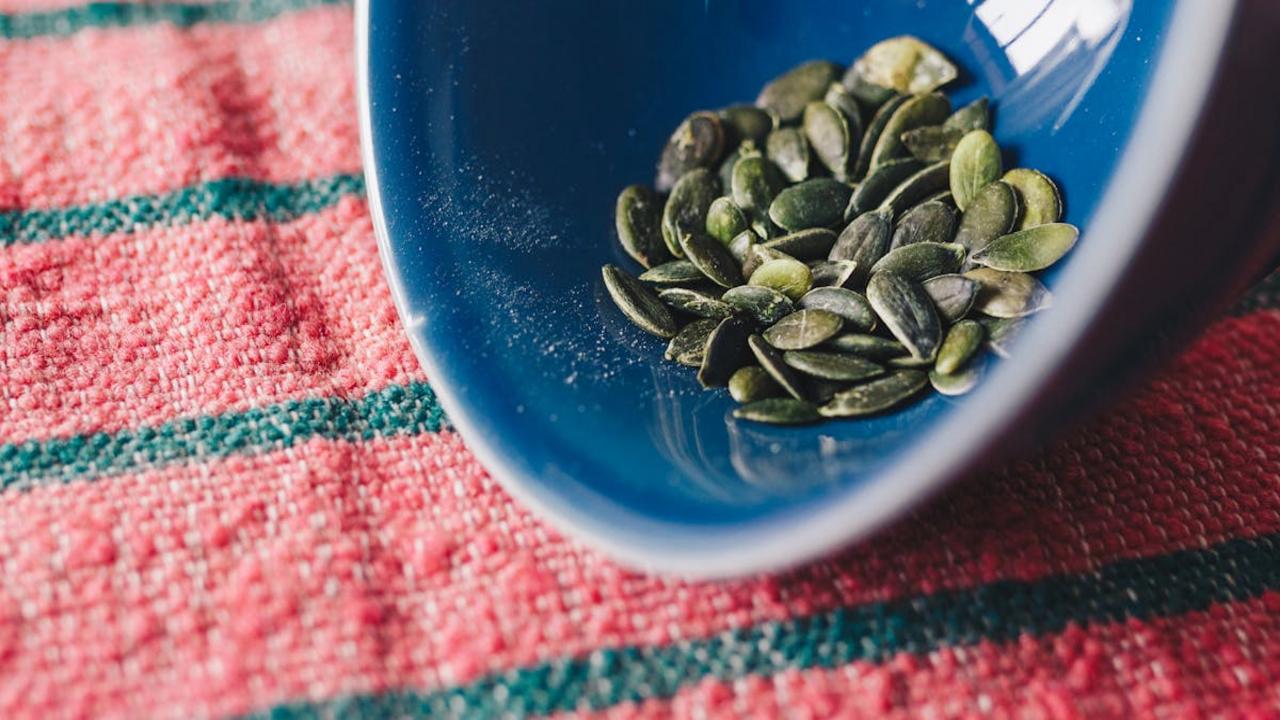
Those little green treasures you usually toss in the trash? Stop right there! Pumpkin seeds pack an incredible 9 grams of protein per ounce, making them one of nature’s most underrated protein powerhouses. I keep a jar of toasted pumpkin seeds on my counter year-round because they transform any dish from ordinary to extraordinary. Whether you’re carving jack-o’-lanterns or cooking with fresh pumpkin, save every single seed – your body will thank you for the complete amino acid profile they provide.
The magic happens when you toast them with just a sprinkle of sea salt and your favorite spices. I love tossing mine with sumac and za’atar for a Middle Eastern twist, or go Mexican-inspired with lime juice and chili powder. These crunchy gems elevate salads, grain bowls, and soups while sneaking extra protein into your meals. Pro tip: soak raw seeds in salted water overnight before roasting – this creates the perfect crispy texture while making them easier to digest. Your future self will appreciate having homemade protein-rich snacks ready to grab whenever hunger strikes.
Lupini Beans
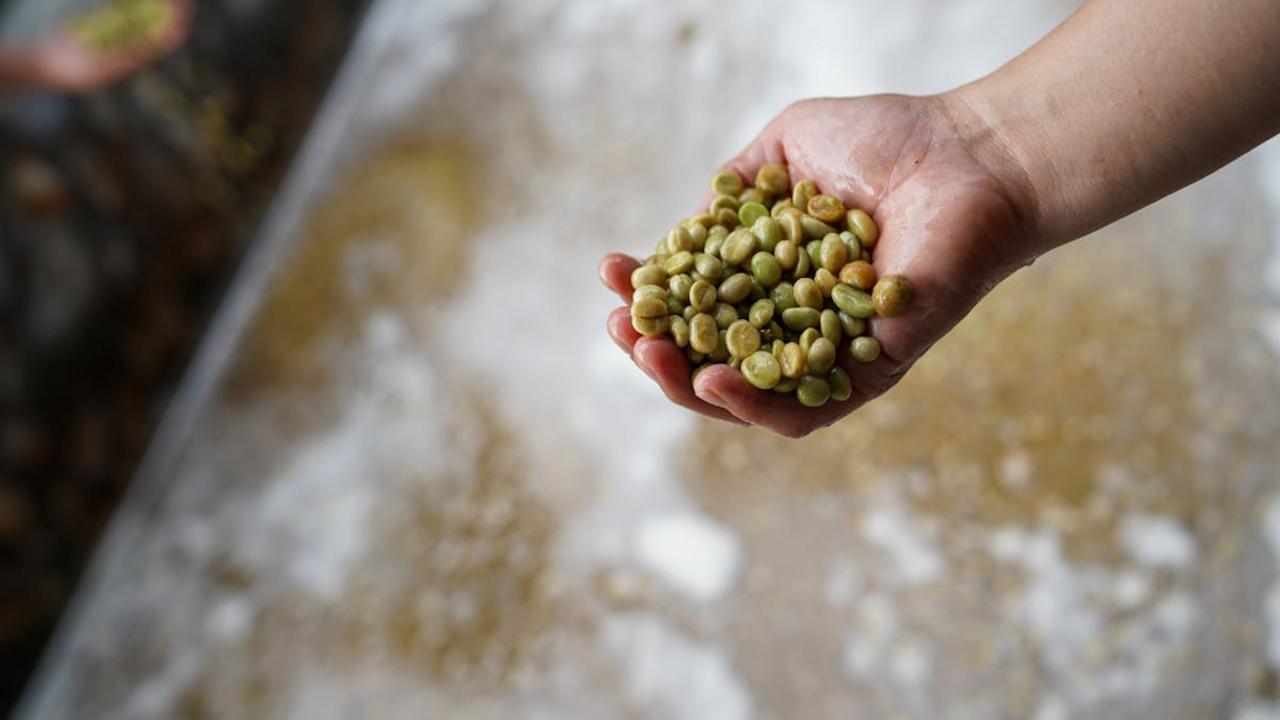
You know those mysterious yellow beans floating in brine at Mediterranean delis? Those are lupini beans, and they’re about to become your new protein obsession. These ancient legumes pack an incredible 26 grams of protein per cup – more than most meats! I first discovered them during a trip to a Greek market, where the vendor handed me a small cup and taught me the traditional way to pop them out of their tough outer skin with my teeth.
What makes lupini beans special goes beyond their impressive protein content. They’re naturally gluten-free, low in carbs, and loaded with fiber that keeps you satisfied for hours. I love incorporating them into my weekly meal prep by marinating them in olive oil, lemon juice, and herbs for a quick protein-rich snack. You can also blend them into hummus, toss them into salads, or even grind them into flour for baking. Just remember to buy them pre-brined from the store – the raw beans require extensive soaking to remove their natural bitterness, a process that takes several days.
Black Rice
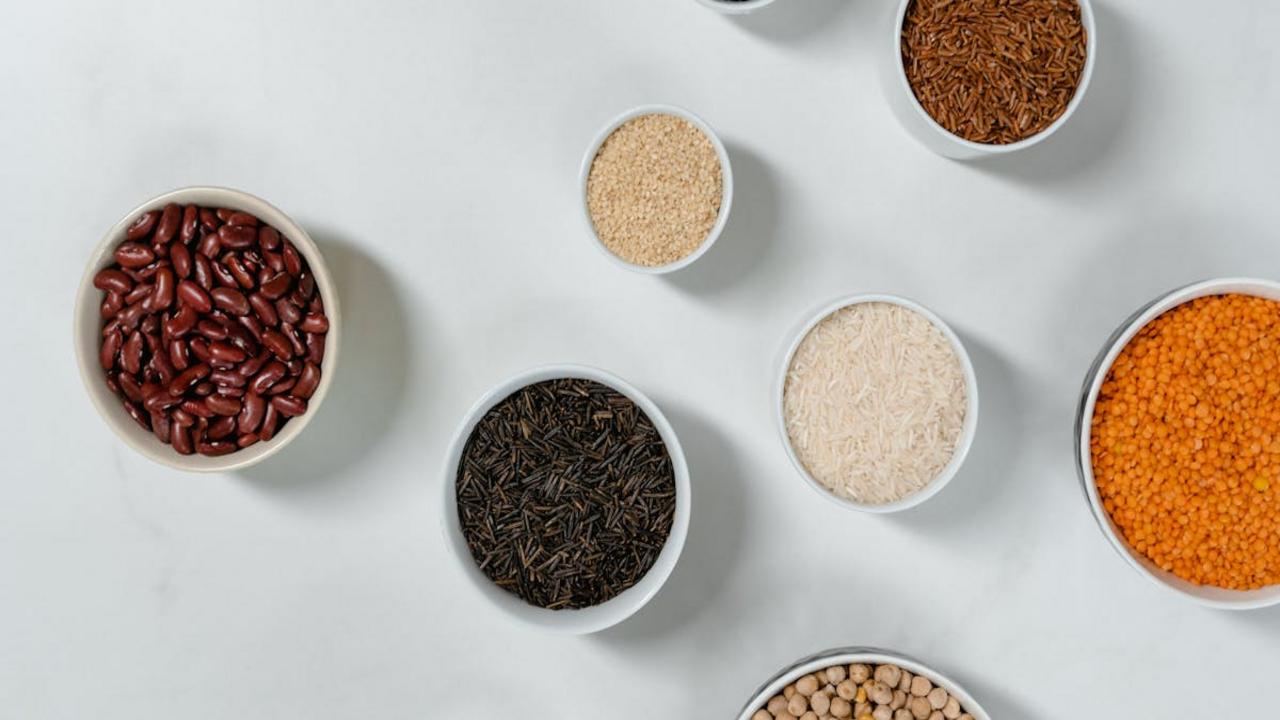
You know that moment when you discover something that completely shifts your perspective on an ingredient? That happened to me with black rice. This gorgeous, deep purple grain doesn’t just look stunning on your plate—it delivers an impressive 5 grams of protein per cooked cup, making it one of the most protein-rich grains you can find. I love cooking with black rice because it brings this nutty, slightly sweet flavor that works beautifully in both savory and sweet applications. The texture has this wonderful chewiness that satisfies in a way white rice never could.
What really excites me about black rice is how it transforms simple meals into something special. I often cook it in coconut milk with a touch of ginger for a creamy base, then top it with roasted vegetables and a sprinkle of hemp seeds for extra protein. The anthocyanins that give black rice its dramatic color also pack serious antioxidant power, so you’re getting nutrition and visual appeal in one beautiful package. Try swapping it into your regular rice dishes—the extra protein and fiber will keep you fuller longer, and your Instagram feed will thank you for those gorgeous purple grains!
Chia Seeds
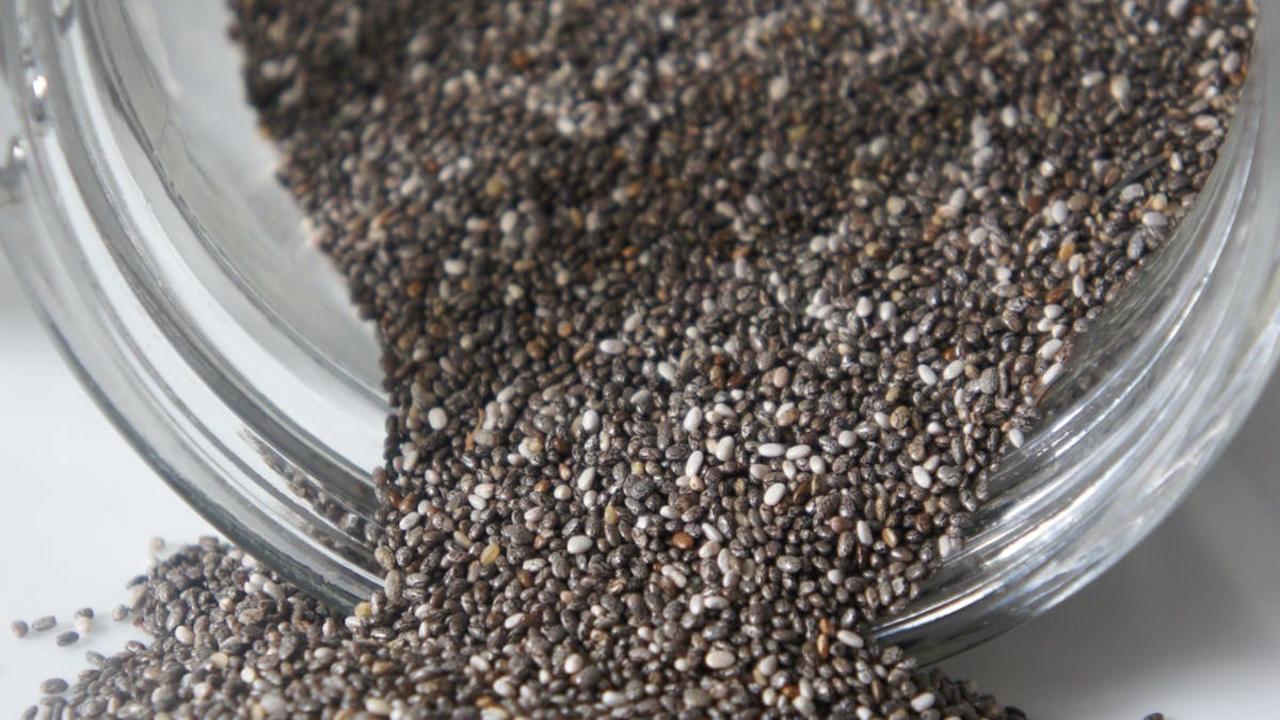
These tiny black and white seeds pack an incredible protein punch that most people completely overlook. I started sprinkling chia seeds into my morning smoothies years ago, thinking they were just another trendy superfood, but then I discovered they contain about 4 grams of complete protein per 2 tablespoons. That’s more protein than many nuts! What makes chia seeds even more special is their ability to absorb liquid and create this amazing gel-like texture that works beautifully in puddings, overnight oats, and even as an egg substitute in baking.
You can transform these little powerhouses into countless creative dishes beyond the basic chia pudding. I love mixing them into my homemade granola bars, stirring them into soups for extra thickness and nutrition, or creating savory chia crackers with herbs and spices. The neutral flavor means they blend seamlessly into both sweet and savory recipes without overwhelming other ingredients. Plus, they’re naturally gluten-free and loaded with omega-3 fatty acids, fiber, and minerals. Keep a jar in your pantry and start experimenting – you’ll be amazed at how these unassuming seeds can boost the protein content of practically any meal.
Nori
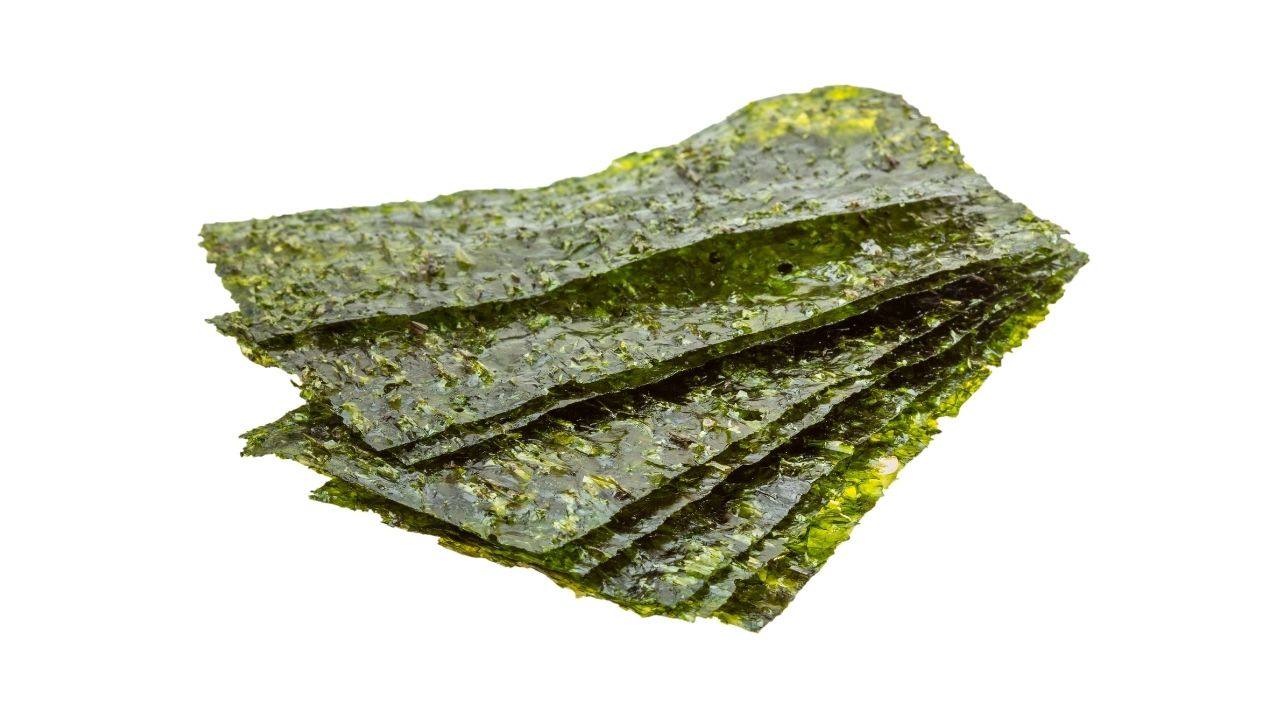
You know that crisp, dark green sheet wrapped around your favorite sushi roll? That’s nori, and this sea vegetable packs way more protein than you’d expect! Each sheet contains about 1.5 grams of protein, which might sound modest until you consider how light and concentrated this ocean treasure is. I love keeping nori sheets in my pantry because they transform simple meals into something special while sneaking in extra nutrition. The umami-rich flavor adds depth to everything from rice bowls to homemade snacks.
My go-to move is tearing nori into flakes and sprinkling it over scrambled eggs or avocado toast for an instant protein boost with that satisfying oceanic taste. You can also blend whole sheets into smoothies (trust me on this one!), wrap them around cucumber and hummus for a quick snack, or crumble them into salads for extra crunch and minerals. The beauty of nori lies in its versatility – it works beautifully in both Asian-inspired dishes and unexpected combinations. Plus, you’re getting iodine, vitamins, and that complete protein profile that makes this sea vegetable a true nutritional powerhouse hiding in plain sight.
Amaranth
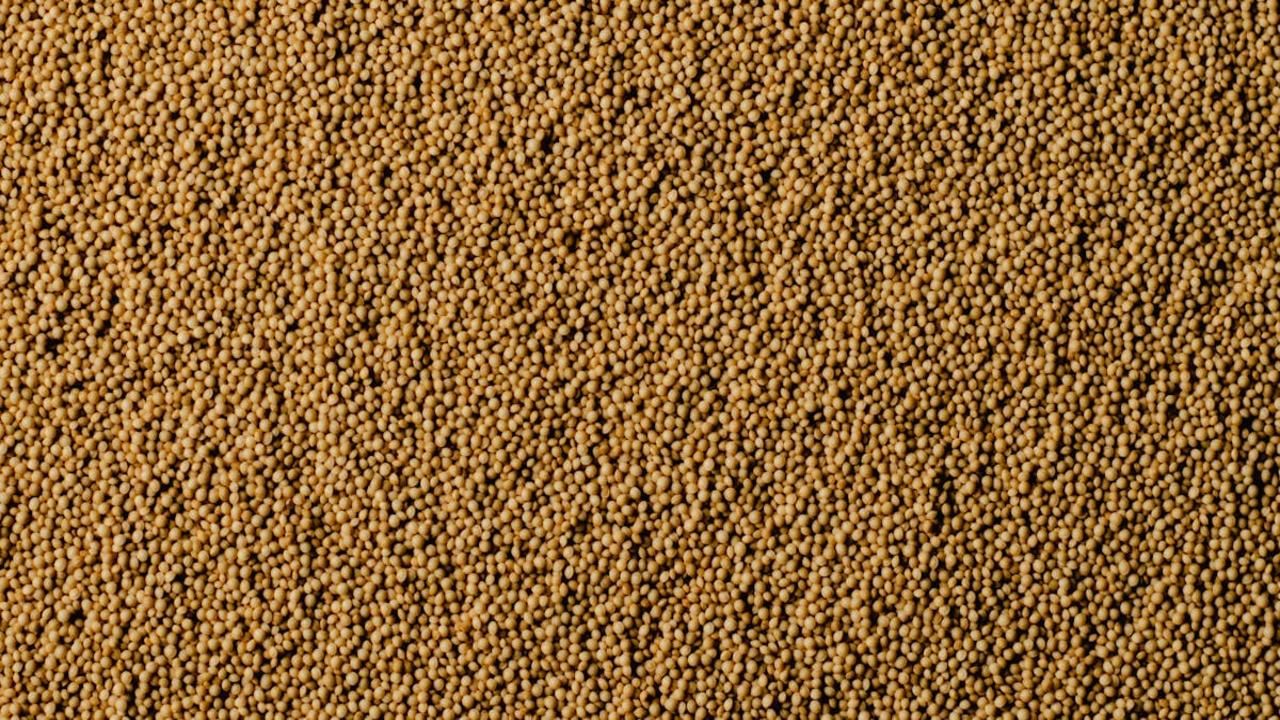
You know that moment when you discover an ingredient that completely shifts your perspective on plant-based protein? That’s exactly what happened when I first started cooking with amaranth. This tiny pseudocereal packs an impressive 9 grams of complete protein per cooked cup, meaning it contains all nine amino acids your body can’t produce on its own. I love how amaranth brings this nutty, almost popcorn-like flavor to my kitchen creations, and the best part? You can pop it just like popcorn for an incredible crunchy topping that transforms ordinary salads into something extraordinary.
What really draws me to amaranth is its incredible versatility in both sweet and savory applications. I cook it like rice for protein-rich grain bowls, blend it into smoothies for extra nutrition, or grind it into flour for gluten-free baking adventures. The texture becomes beautifully creamy when you simmer it slowly, making it perfect for breakfast porridges where I stir in cinnamon and fresh fruit. Since amaranth was a sacred crop for the Aztecs, I feel connected to generations of cooks who understood the power of this nutrient-dense grain, and now you can bring that same ancient wisdom into your modern kitchen.
Buckwheat
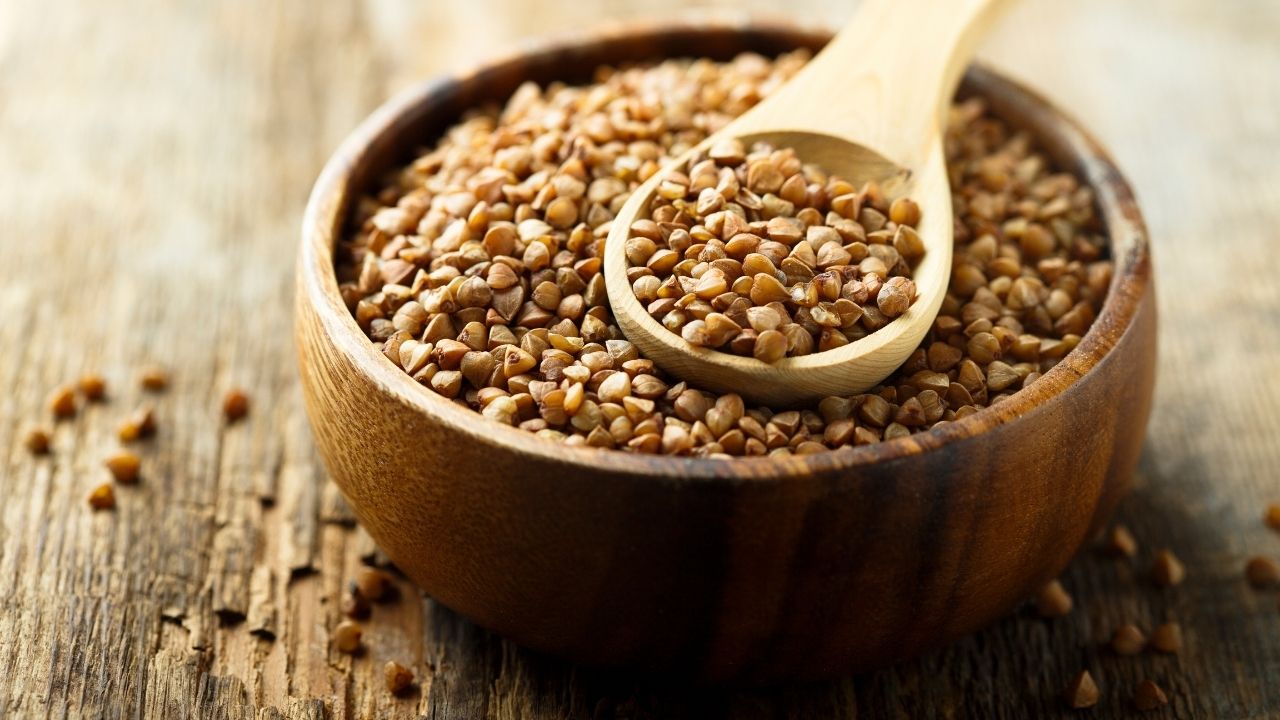
Don’t let the name fool you—buckwheat isn’t wheat at all! This gluten-free pseudocereal packs about 6 grams of complete protein per cooked cup, making it a fantastic base for hearty bowls and creative grain salads. I love how buckwheat brings this nutty, earthy flavor that pairs beautifully with everything from roasted vegetables to tangy yogurt sauces. You can toast the raw groats in a dry pan for just a few minutes to intensify that rich, almost coffee-like aroma before cooking.
What makes buckwheat special is its versatility across different cooking traditions. I grind it into flour for protein-rich pancakes that actually hold together without eggs, or cook the whole groats like rice for a satisfying pilaf. Russian kasha, Japanese soba noodles, French galettes—buckwheat shows up in cuisines worldwide for good reason. Try mixing cooked buckwheat with diced apples, walnuts, and a drizzle of honey for a protein-packed breakfast that keeps you full for hours. The texture is pleasantly chewy, and it absorbs flavors wonderfully while maintaining its own distinctive character.
Edamame
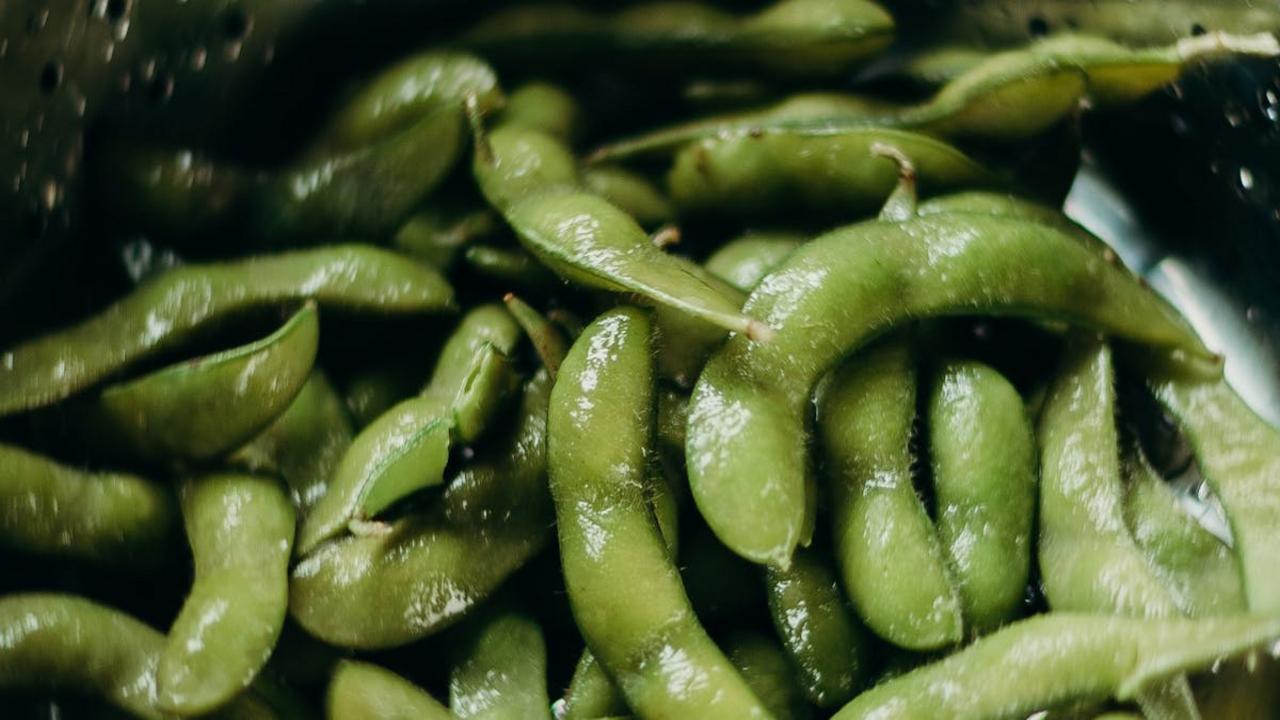
Picture this: you’re at your favorite Japanese restaurant, and those little green pods arrive as an appetizer. You pop them open, sprinkle some sea salt, and suddenly you’re getting a serious protein boost without even realizing it! Edamame delivers about 8 grams of complete protein per half-cup serving, making these young soybeans a powerhouse snack that I always keep in my freezer. What makes me excited about edamame is how it contains all nine amino acids your body needs – something rare in the plant world.
I love tossing edamame into my weeknight stir-fries or blending them into a vibrant green hummus that surprises everyone who tries it. You can buy them fresh or frozen, and they cook in just 3-5 minutes in boiling salted water. Try roasting them with garlic and chili flakes for a crunchy snack, or fold them into grain bowls for extra substance. My kids grab handfuls straight from the pod as an after-school snack, and I feel good knowing they’re getting quality nutrition. These little green gems prove that getting your protein doesn’t have to be complicated – sometimes the simplest foods pack the biggest nutritional punch.
Tempeh
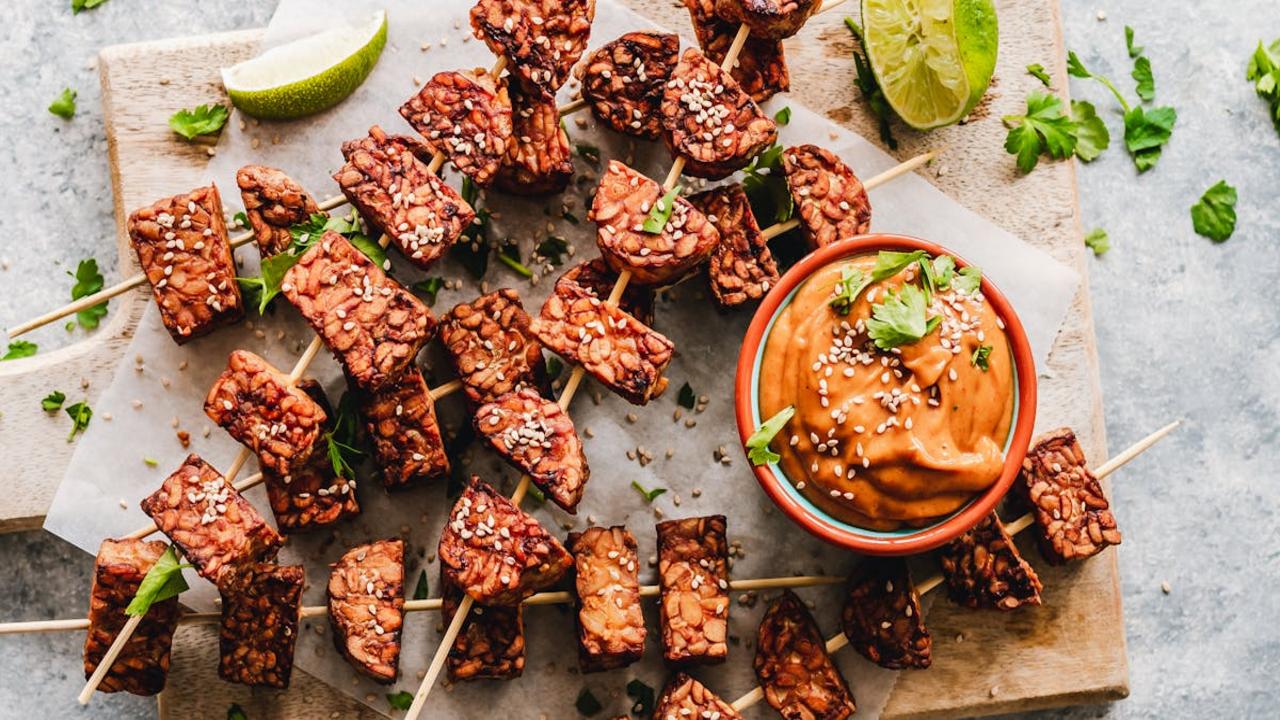
I remember the first time I picked up a block of tempeh at my local Asian market—this dense, nutty-smelling cake of fermented soybeans that looked nothing like the tofu I was familiar with. Unlike its softer cousin, tempeh brings a hearty, almost meaty texture that holds up beautifully in stir-fries, curries, and grilled dishes. What makes tempeh truly special is its fermentation process, which creates probiotics that support digestive health while concentrating the protein content to an impressive 15-20 grams per serving.
In my kitchen, tempeh becomes the star of Indonesian-inspired dishes where I marinate thin slices in a blend of soy sauce, ginger, and palm sugar before pan-frying until golden and crispy. The fermentation gives tempeh a complex, umami-rich flavor that pairs wonderfully with bold spices—try crumbling it into a spicy sambal or adding chunks to a coconut curry. You can steam it first to mellow any bitter notes, but I often skip this step and go straight to seasoning, appreciating how readily tempeh absorbs marinades and sauces while maintaining its satisfying bite.
Seitan
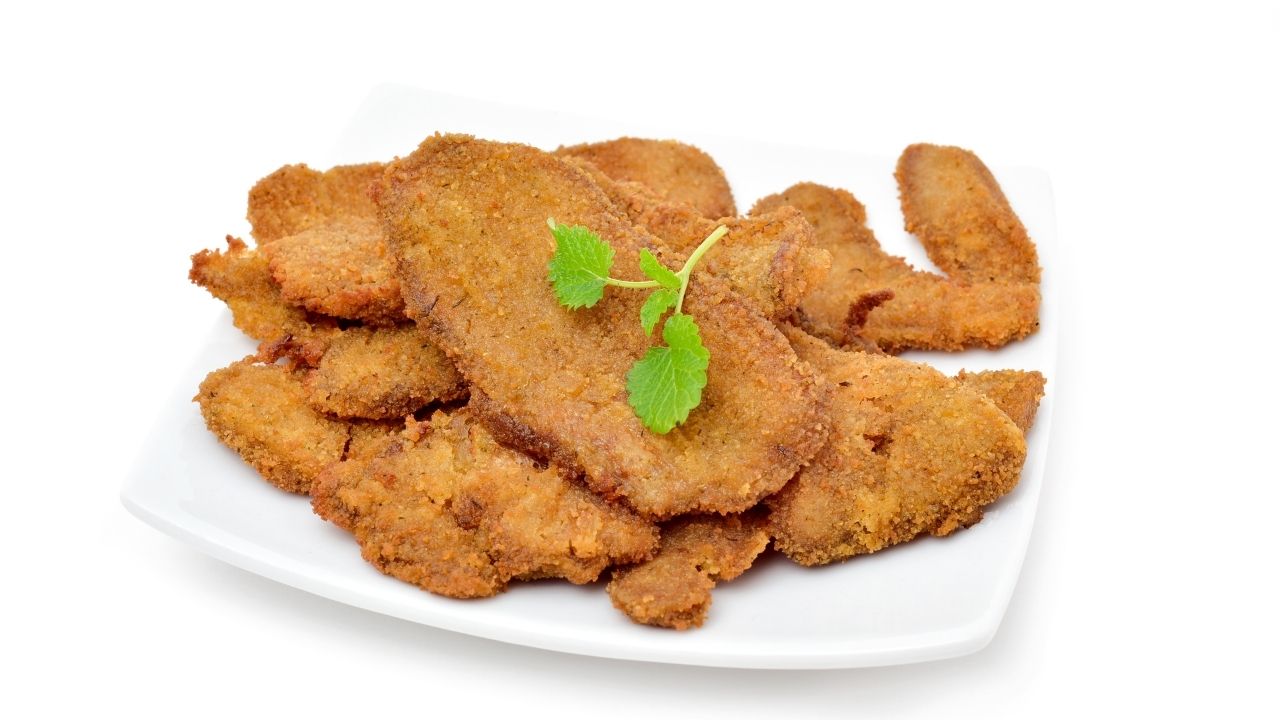
You know what gets me excited in the kitchen? When I stumble upon ingredients that completely flip your protein expectations. Seitan does exactly that – this wheat gluten powerhouse packs around 25 grams of protein per 3.5-ounce serving, making it one of the most protein-dense foods you can find. I love how seitan takes on whatever flavors you throw at it, whether that’s a smoky barbecue marinade or aromatic Asian five-spice blend. The texture reminds me of tender, chewy meat, which makes it perfect for stir-fries, sandwiches, or even Sunday roasts.
Making seitan from scratch has become one of my favorite weekend projects because you control every single ingredient that goes into it. I start with vital wheat gluten flour, add some nutritional yeast for that umami depth, then season with soy sauce, garlic, and whatever spices match my mood that day. The kneading process feels meditative, and watching the dough transform into this protein-rich foundation never gets old. Once you simmer it in a flavorful broth, you get this incredibly satisfying ingredient that stores beautifully in the fridge for quick weeknight meals throughout the week.
Hemp Seeds
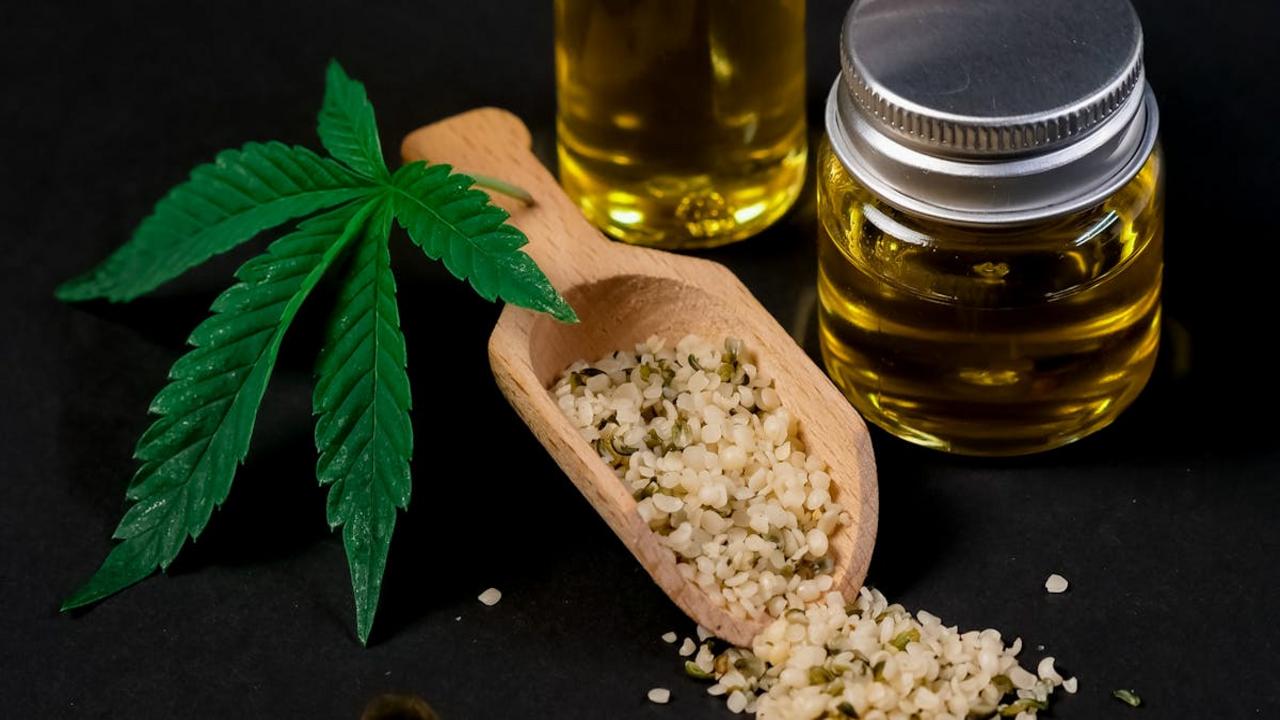
Hemp seeds pack an incredible protein punch that will transform how you think about plant-based nutrition. These tiny powerhouses contain all nine amino acids your body needs, making them a complete protein source that rivals any animal product. Just three tablespoons deliver about 10 grams of high-quality protein, plus healthy omega fatty acids that your body craves. I keep a jar of these nutty gems on my kitchen counter because they work magic in both sweet and savory dishes without any fussy preparation.
What makes hemp seeds so brilliant is their versatility – you can sprinkle them raw over smoothie bowls, blend them into homemade nut milk, or toast them lightly for extra crunch in salads and grain bowls. I love grinding them into a flour substitute for gluten-free baking or whisking them into my morning oatmeal for sustained energy. Their mild, nutty flavor never overwhelms other ingredients, making them perfect for experimenting with global flavors. Whether you’re creating a vibrant Thai-inspired salad or a hearty Mediterranean grain bowl, hemp seeds add nutrition and texture that elevates every bite naturally.
Nutritional Yeast
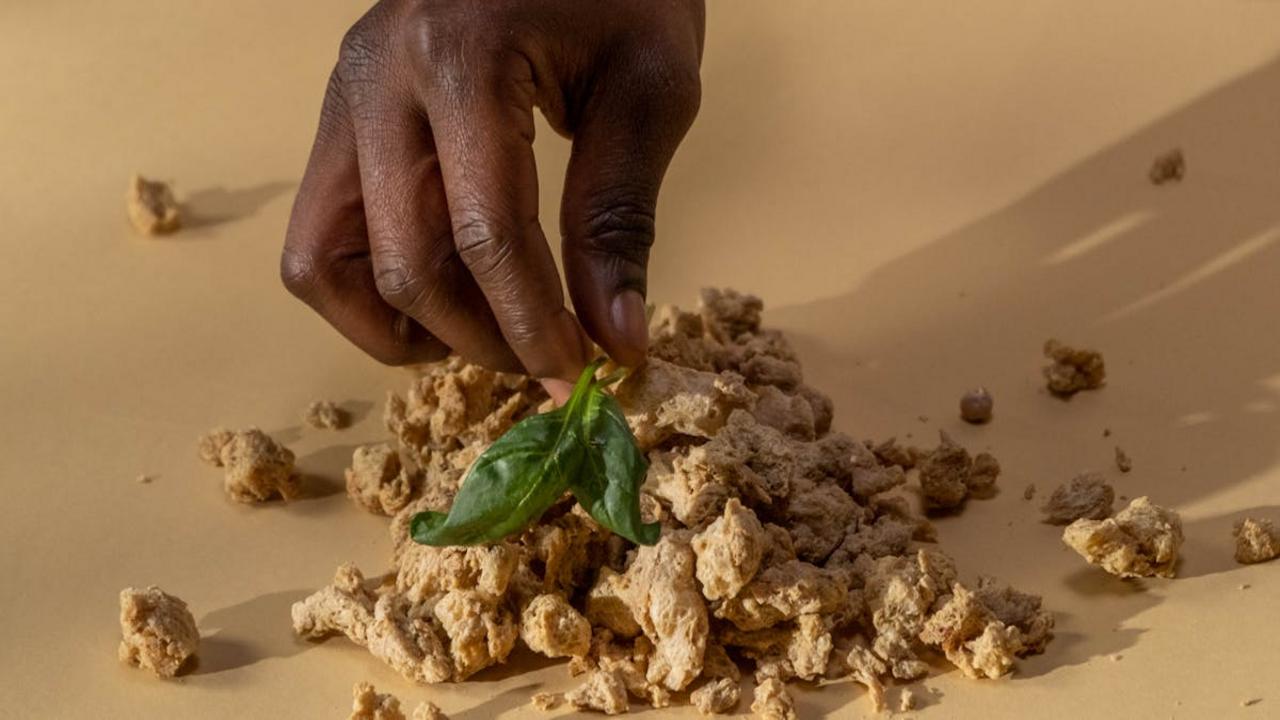
You know that golden, flaky powder sitting in the health food aisle? Nutritional yeast deserves a permanent spot in your pantry. I keep mine in a mason jar right next to my spice collection because this deactivated yeast brings an incredibly nutty, almost cheese-like flavor to dishes while packing 8 grams of protein per quarter cup. The best part? It’s naturally rich in B vitamins, including B12, making it a powerhouse for anyone reducing animal products in their cooking.
I sprinkle nutritional yeast over everything—from my morning scrambled tofu to roasted vegetables and even homemade popcorn. Mix it into cashew cream for the most convincing dairy-free alfredo sauce, or blend it with herbs and nuts for a parmesan-style topping that transforms simple pasta into something extraordinary. The umami depth it adds reminds me of aged cheese, but without any dairy involvement. Start with small amounts and taste as you go—a little goes a long way, and once you discover how it enhances your cooking, you’ll wonder how you ever lived without this magical ingredient.
Spirulina
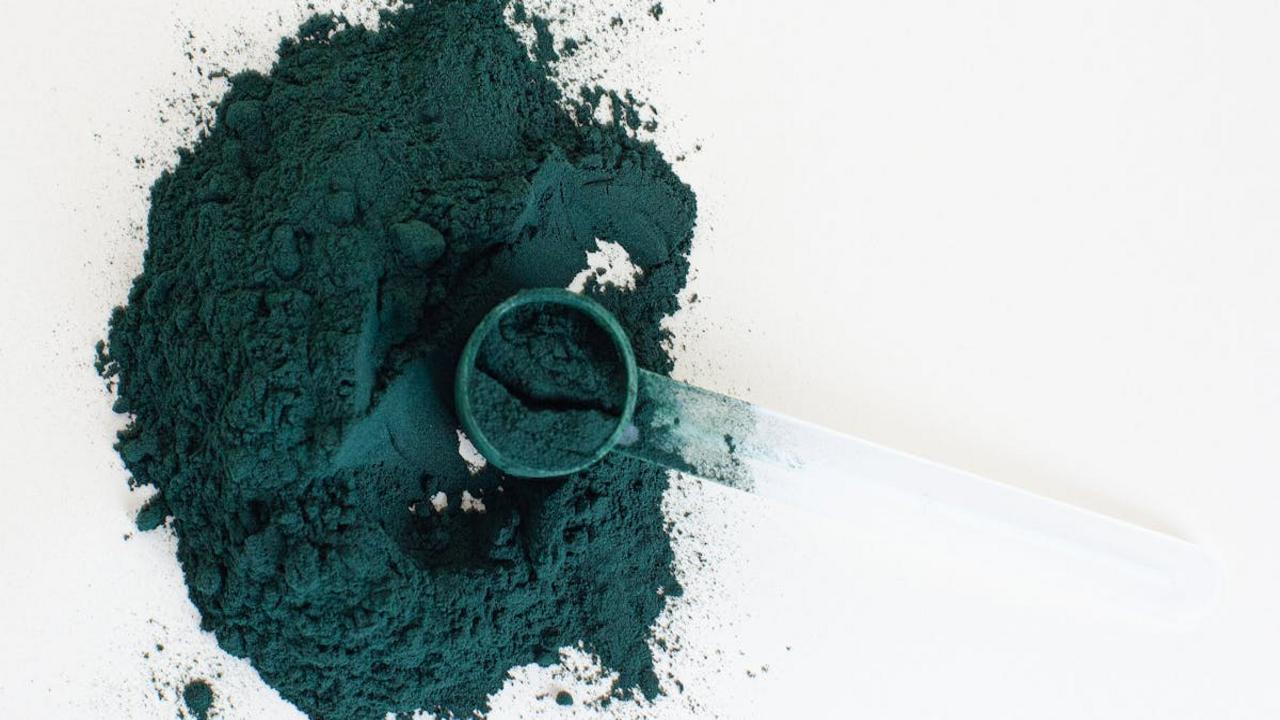
You know that vibrant blue-green powder taking over health food stores? That’s spirulina, and trust me, this tiny algae packs more protein per gram than most foods in your kitchen. With about 57 grams of complete protein per 100 grams, spirulina contains all nine amino acids your body needs. I started adding just half a teaspoon to my morning smoothies, and the earthy, slightly oceanic flavor actually complements tropical fruits beautifully. Don’t let the intense color intimidate you – start small and work your way up.
What I love most about spirulina is how it transforms ordinary recipes into nutritional powerhouses without overwhelming the dish. I blend it into homemade energy balls with dates and almonds, or whisk a pinch into salad dressings for an unexpected nutritional boost. The key is balance – too much creates that fishy taste nobody wants, but the right amount adds depth while delivering impressive amounts of iron, B vitamins, and antioxidants. My favorite trick? Mix spirulina into coconut yogurt with honey and lime zest for a stunning breakfast bowl that tastes as good as it looks.
Quinoa
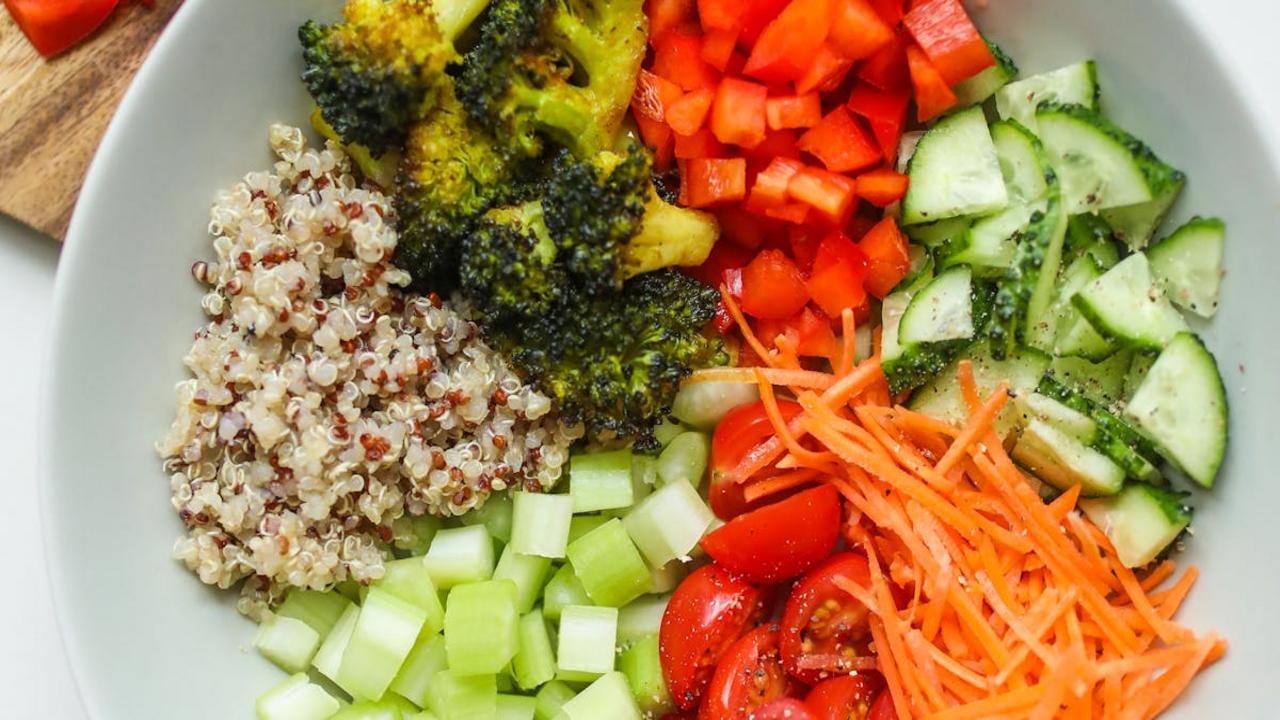
Listen, quinoa isn’t just another trendy grain – it’s actually a complete protein powerhouse that I’ve been cooking with long before it became the darling of health food stores. This tiny seed (yes, it’s technically a seed!) contains all nine amino acids your body needs, making it one of the few plant-based complete proteins out there. I love how quinoa transforms from these small, hard pellets into fluffy, slightly nutty grains that absorb whatever flavors you throw at them.
What really gets me excited about quinoa is its incredible versatility in the kitchen. I toss it into my morning smoothie bowls for extra protein, use it as a base for hearty salads loaded with roasted vegetables, and even blend cooked quinoa into my homemade veggie burgers for that perfect binding texture. The best part? You can cook a big batch on Sunday and use it throughout the week – it keeps beautifully in the fridge and works just as well cold in salads as it does warm in stir-fries. With about 8 grams of protein per cooked cup, quinoa proves that plant-based eating doesn’t mean compromising on nutrition.