10 Iconic Hawaiian Dishes Every Food Lover Should Try in the Aloha State
Hawaii’s food scene tells a beautiful story of cultures meeting on volcanic islands. Portuguese malasadas, Japanese musubi, Korean plate lunches, and native Hawaiian ingredients create something entirely unique. I’ve spent years studying how these influences blend, and what fascinates me most is how locals took comfort foods from around the world and made them distinctly Hawaiian.
You’ll discover dishes here that challenge everything you think you know about island cooking. Spam becomes gourmet. Rice transforms into dessert. Simple fish turns into soul-warming bowls that feed families. These aren’t fusion experiments – they’re genuine expressions of Hawaii’s multicultural heart, born from plantation workers sharing meals and creating new traditions.
Each dish represents generations of home cooks who understood that food builds community. From shaved ice that cools you after beach days to hearty plate lunches that fuel hard work, Hawaiian food prioritizes nourishment and joy. These ten dishes will show you why Hawaiian cuisine deserves serious respect in the global food conversation.
Coconut Cake
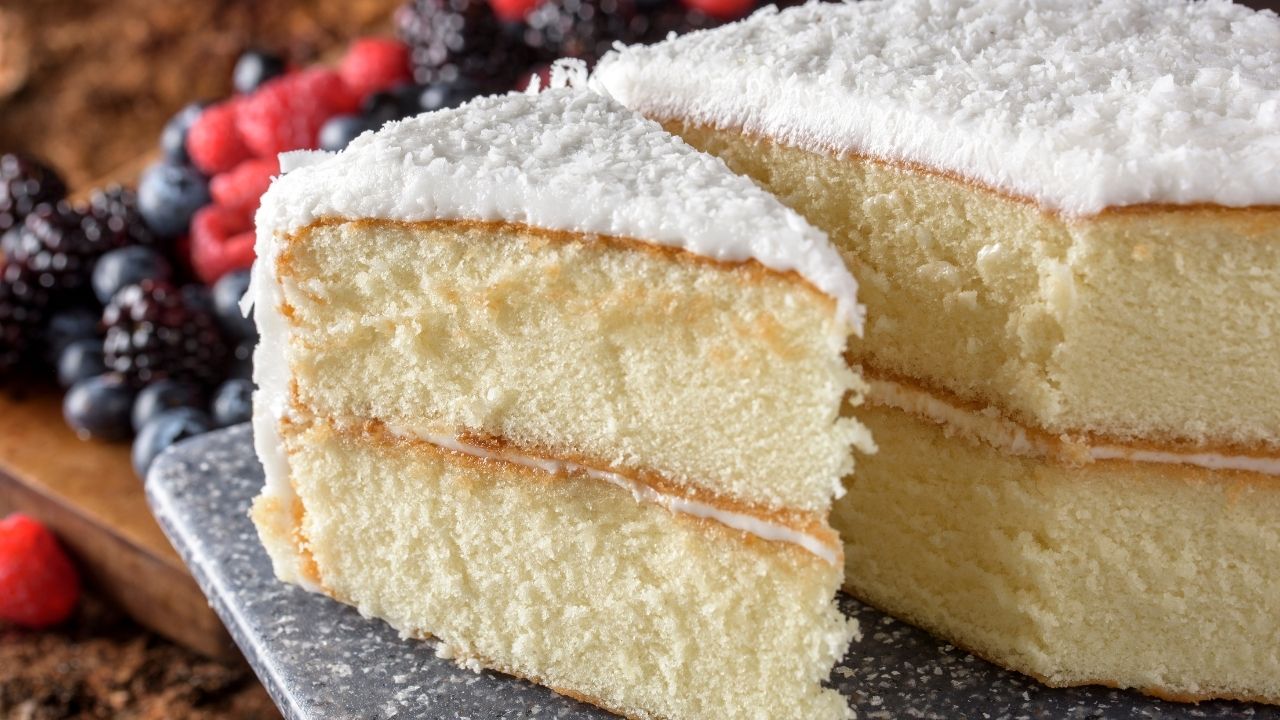
Picture this: you’re sitting on a lanai overlooking the Pacific, and someone places a slice of Hawaiian coconut cake in front of you. This isn’t your typical mainland dessert – it’s a cloud of tropical heaven that captures the pure spirit of the islands. I’ve spent countless afternoons perfecting my version at home, and what makes Hawaiian coconut cake truly special is how it transforms simple, whole ingredients into something extraordinary. Fresh coconut milk replaces heavy cream, real coconut flakes add texture, and often you’ll find layers of passion fruit or pineapple that speak to Hawaii’s abundant natural bounty.
What I love most about making this cake from scratch is how the coconut becomes the star without overwhelming your palate. Unlike processed coconut extracts that can taste artificial, using fresh coconut creates layers of flavor – creamy, nutty, and subtly sweet. I always toast my coconut flakes lightly before folding them into the batter, which adds a beautiful golden color and deeper flavor. The frosting typically features cream cheese lightened with coconut cream, creating something that feels indulgent yet surprisingly fresh. When you bite into authentic Hawaiian coconut cake, you taste the warmth of the islands and understand why this simple combination has become such an iconic part of Hawaii’s dessert tradition.
Shaved Ice
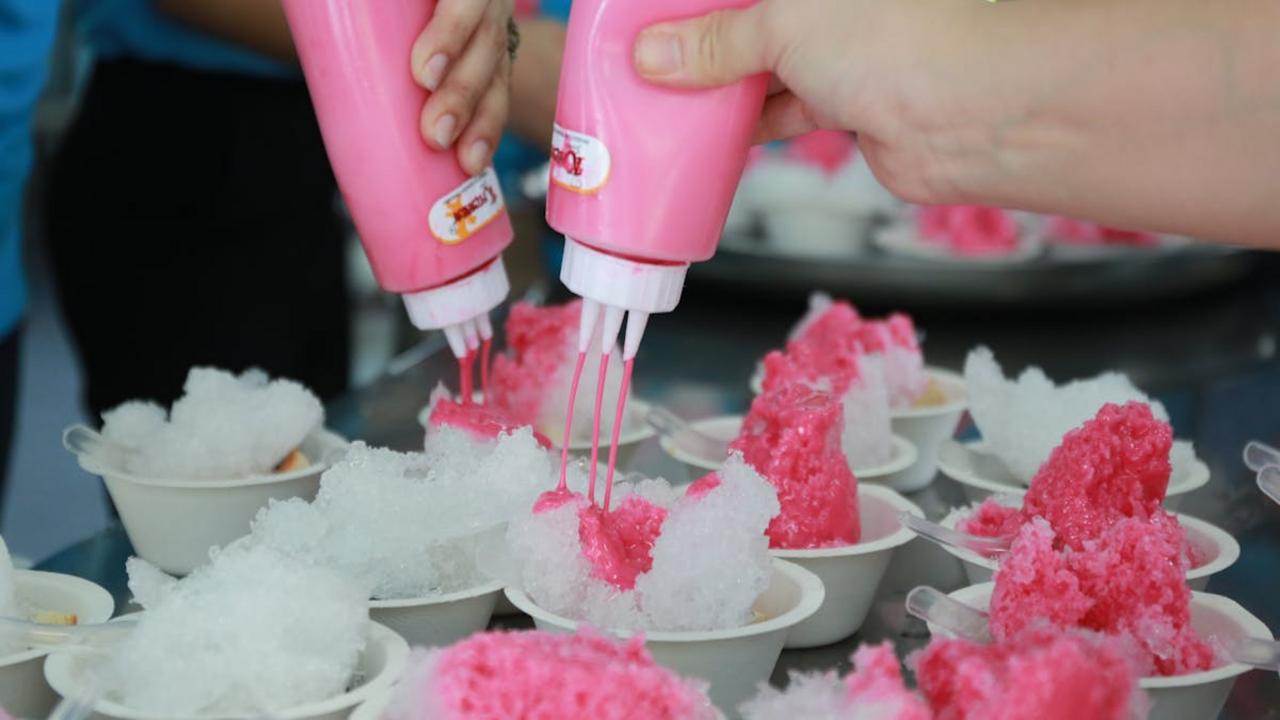
Picture this: you’re walking down a sun-drenched Hawaiian street, sweat beading on your forehead, when you spot a colorful shaved ice stand. This isn’t your mainland snow cone—Hawaiian shaved ice transforms simple frozen water into something magical. The ice gets shaved so fine it’s almost powder-soft, creating the perfect canvas for vibrant tropical syrups. I love how this treat brings people together, from keiki (children) to kupuna (elders), all sharing sticky-sweet smiles under the island sun.
What makes Hawaiian shaved ice special goes beyond the texture. Traditional flavors like li hing mui (salty dried plum), coconut, and passion fruit connect you directly to local ingredients and cultural traditions. Smart vendors often add fresh fruit, mochi balls, or even a scoop of ice cream at the bottom—turning a simple cool-down into a complete dessert experience. When you make this at home, skip the artificial colors and create natural syrups from real fruit purees. Blend fresh pineapple with a touch of honey, or muddle local berries with lime juice. Your homemade version becomes a celebration of seasonal flavors while keeping all those processed additives out of your family’s treats.
Fish Bowl
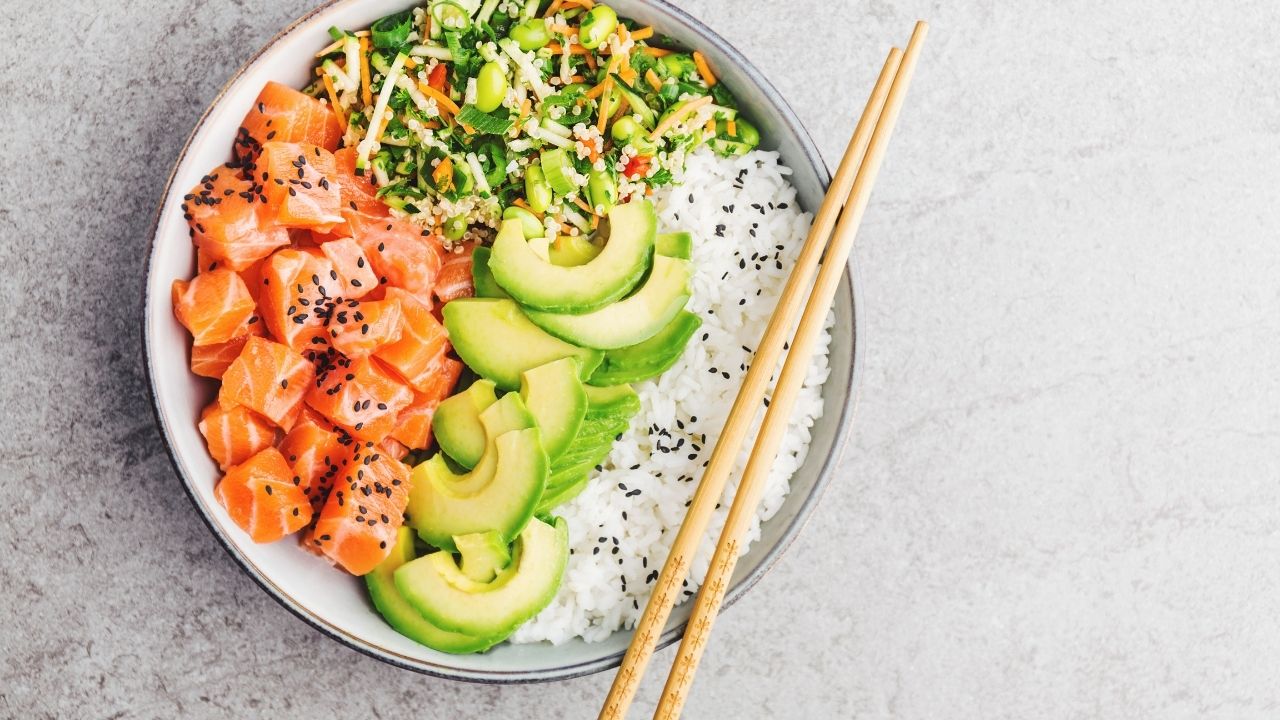
Picture this: you’re strolling through a Hawaiian market, and you spot a vibrant bowl packed with cubes of impossibly fresh fish, creamy avocado, and colorful vegetables. That’s a fish bowl – or more traditionally known as poke bowl – and it’s become my absolute favorite way to showcase the pure, clean flavors of the Pacific. This dish started as a simple snack for Hawaiian fishermen who would season their catch with sea salt, seaweed, and whatever they had on hand. Today, it’s evolved into a customizable masterpiece that perfectly captures my philosophy of wholesome, unprocessed eating.
What I love most about fish bowls is how they celebrate the natural sweetness of ultra-fresh fish without masking it with heavy sauces or complicated preparations. You start with sushi-grade ahi tuna or salmon, cube it up, and toss it with just enough seasoning to enhance rather than overpower – think soy sauce, sesame oil, maybe some spicy mayo if you’re feeling adventurous. Then you build your bowl with brown rice, edamame, cucumber, and whatever fresh vegetables make you happy. The beauty lies in the simplicity and the way each ingredient maintains its distinct character while creating something greater together. It’s healthy fast food at its finest, proving that the best meals often come from the purest ingredients prepared with respect and intention.
Sweet Potato
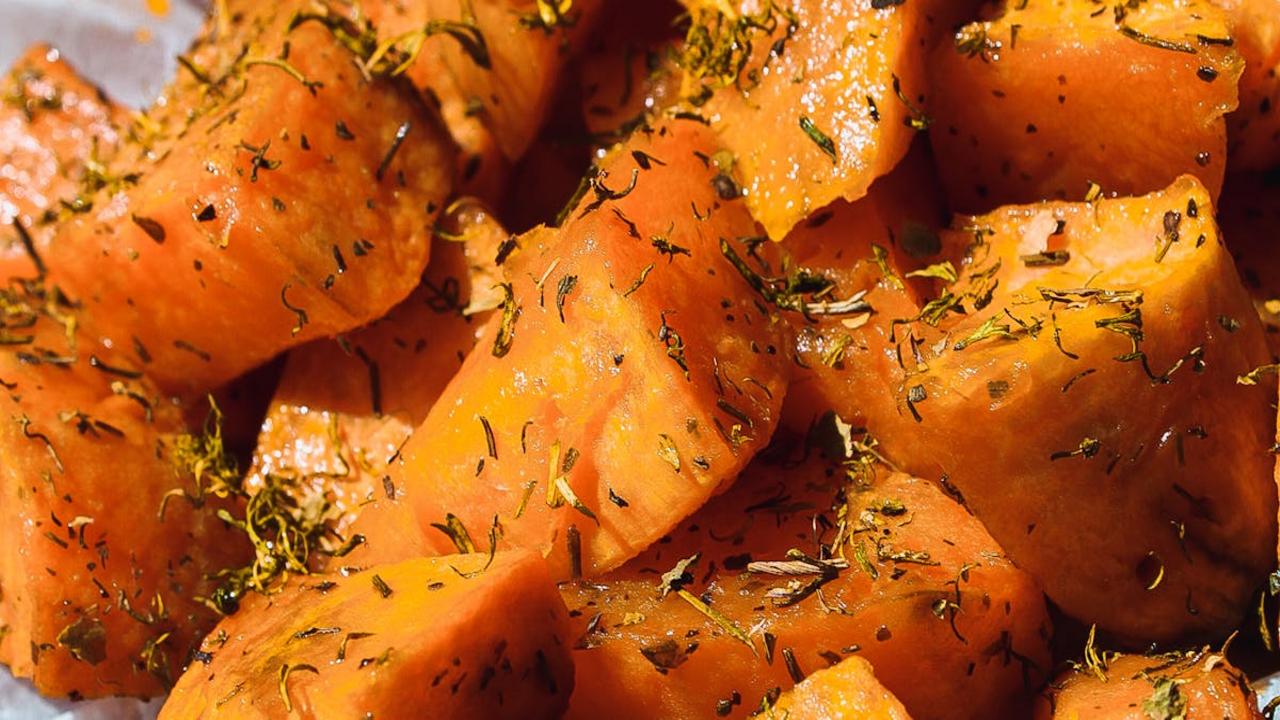
Sweet potatoes hold a special place in Hawaiian cuisine, and I want you to know why they’re so much more than just a side dish. The local varieties, particularly the purple-fleshed Okinawan sweet potato, bring an earthy sweetness that pairs beautifully with both savory and sweet preparations. I love how these vibrant tubers connect Hawaii’s agricultural heritage with modern farm-to-table cooking. You can roast them whole until the skin caramelizes, creating natural sugars that rival any dessert. The texture becomes creamy and almost custard-like, making them perfect for everything from breakfast bowls to dinner plates.
What excites me most about Hawaiian sweet potatoes is their versatility in healthy cooking. You can spiralize them into noodles, mash them with coconut milk for a tropical twist, or slice them thin for crispy chips baked in the oven. The purple varieties contain powerful antioxidants that give them their stunning color, proving that nutritious food can be visually striking too. I often incorporate them into my morning smoothies or use them as a base for veggie burgers. Their natural sweetness means you need minimal added sugars, and their fiber content keeps you satisfied longer. These root vegetables truly represent the wholesome, nourishing approach to cooking that makes Hawaiian cuisine so appealing to health-conscious food lovers.
Roasted Pork
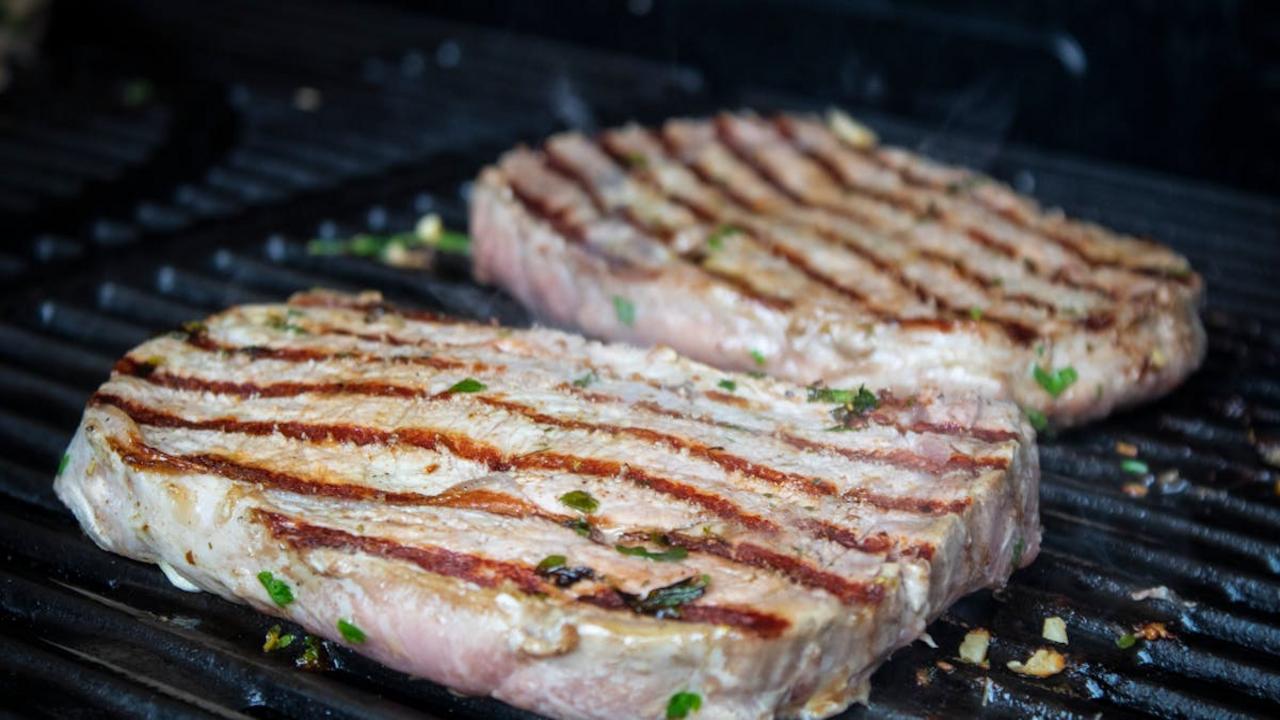
When you think Hawaiian comfort food, roasted pork—or kalua pig—sits right at the heart of island tradition. I’ve spent countless hours perfecting my own version of this smoky, tender masterpiece that traditionally gets cooked in an underground oven called an imu. The whole process teaches patience and respect for ingredients, something I deeply value in my cooking philosophy. You take a whole pig, wrap it in ti leaves, and let it slow-cook for hours until the meat falls apart with just a fork’s touch.
What makes this dish so special goes beyond technique—it’s about bringing people together around food that nourishes both body and spirit. I adapt this ancient method for home kitchens by using liquid smoke, sea salt, and a slow cooker or oven, creating that signature flavor without digging up your backyard. The result gives you incredibly versatile protein that works in everything from rice bowls to breakfast hash. This isn’t just meat; it’s a celebration of Hawaiian culture that connects you to generations of island cooks who understood that the best meals come from taking time and honoring your ingredients.
Pineapple Rice
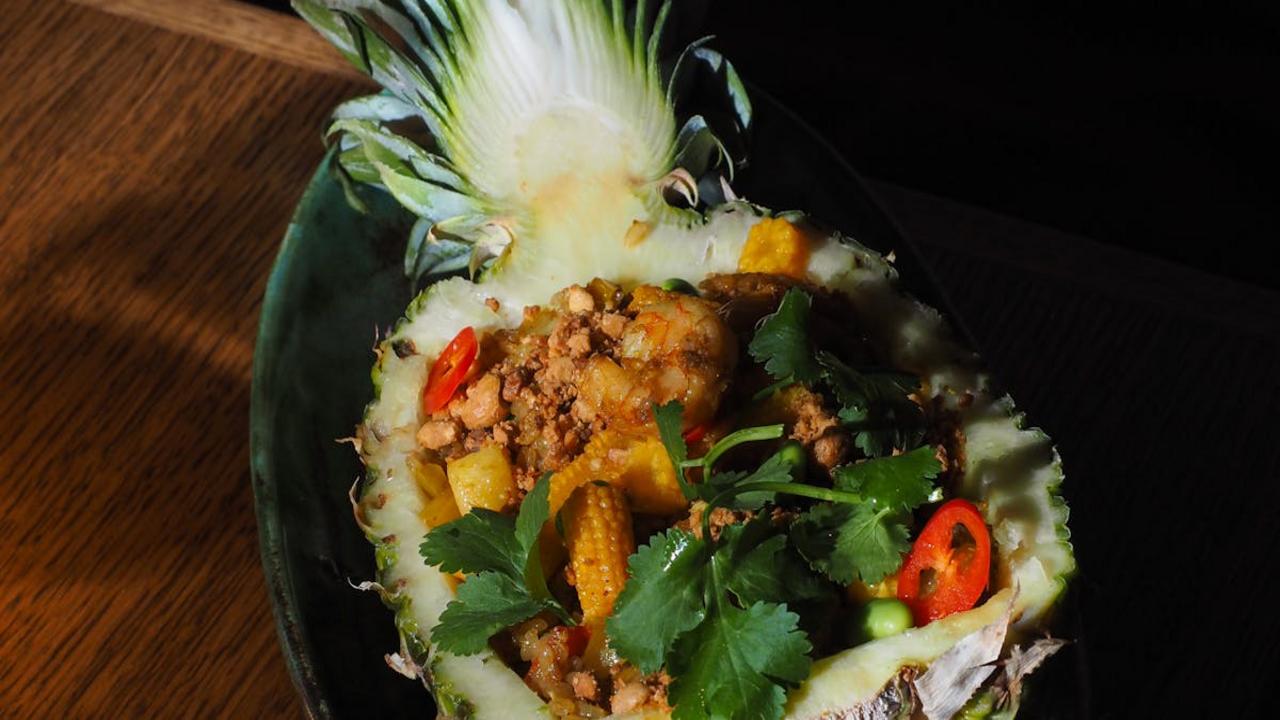
Picture this: you’re wandering through a Hawaiian market, and you spot something that makes you stop in your tracks – a whole pineapple carved into a bowl, filled with fragrant jasmine rice studded with chunks of sweet, juicy pineapple. This is pineapple rice, and trust me, it’s one of those dishes that perfectly captures Hawaii’s fusion spirit. I love how this dish brings together the tropical sweetness of fresh pineapple with savory rice, often enhanced with cashews, raisins, and a hint of curry powder that speaks to the islands’ diverse cultural influences.
What makes this dish so special is how the pineapple transforms from just a serving vessel into an active ingredient. The natural sugars and acids from the fruit infuse the rice with incredible flavor while you cook everything together. I always recommend using day-old rice for the best texture – it prevents mushiness and gives you those perfect, separate grains that soak up all those wonderful flavors. The beauty of pineapple rice lies in its versatility too. You can keep it simple with just pineapple and rice, or go bold with additions like coconut flakes, fresh herbs, or even some diced bell peppers for crunch. Every bite delivers that perfect balance of sweet and savory that makes Hawaiian cuisine so memorable.
Coconut Shrimp
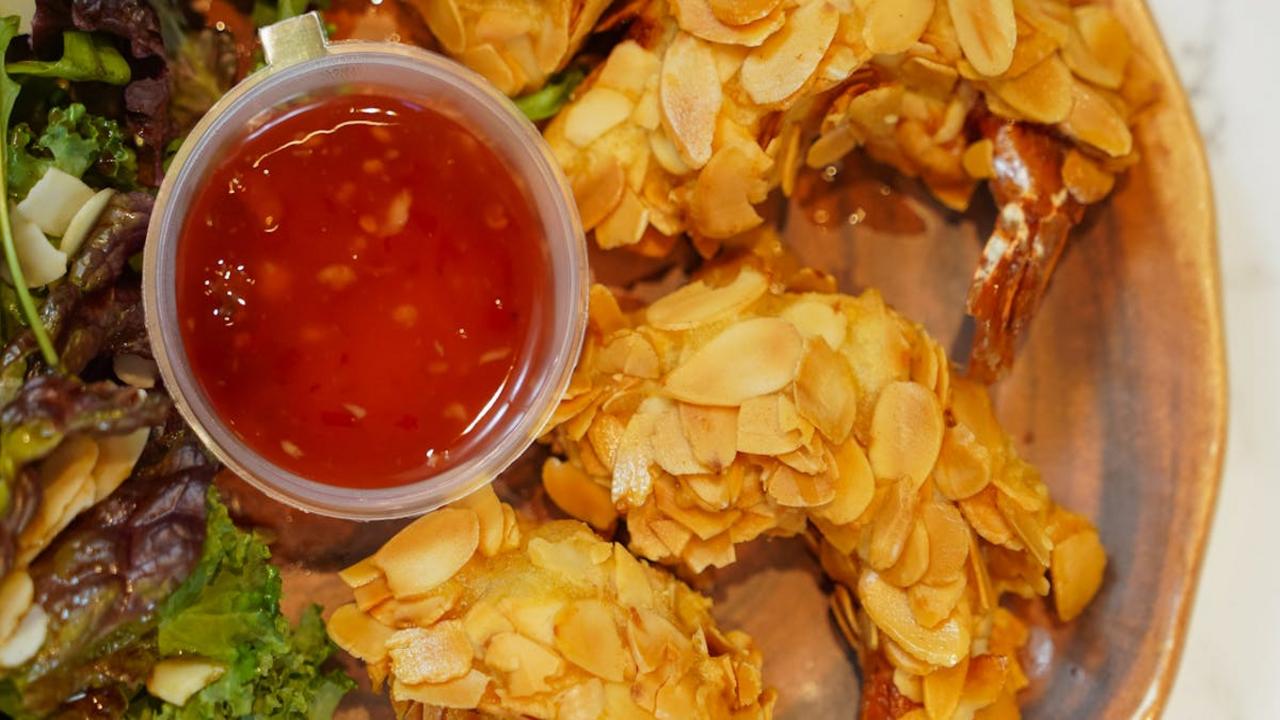
Picture this: golden, crispy shrimp coated in sweet coconut flakes that crunch between your teeth while the ocean breeze carries hints of plumeria through your kitchen. That’s the magic of Hawaiian coconut shrimp, and trust me, once you make this at home, you’ll wonder why you ever ordered it from a restaurant. I love how this dish bridges the gap between indulgent comfort food and fresh island flavors – the natural sweetness of coconut paired with succulent shrimp creates something truly special that speaks to both your craving for something satisfying and your desire for clean, wholesome ingredients.
What I find beautiful about coconut shrimp is how simple ingredients transform into something extraordinary through mindful preparation. Skip the processed breadcrumb mixtures and reach for unsweetened coconut flakes, fresh panko, and wild-caught shrimp – your body will thank you for choosing real food over artificial shortcuts. The key lies in the double coating: a light flour dusting, then egg wash, followed by that gorgeous coconut-panko blend that turns golden perfection in hot oil. Serve these beauties with a homemade mango-chili dipping sauce made from ripe mangoes, fresh lime juice, and a whisper of local chili – it’s that perfect sweet-heat balance that makes Hawaiian food so memorable and nourishing for the soul.
Sweet Bread
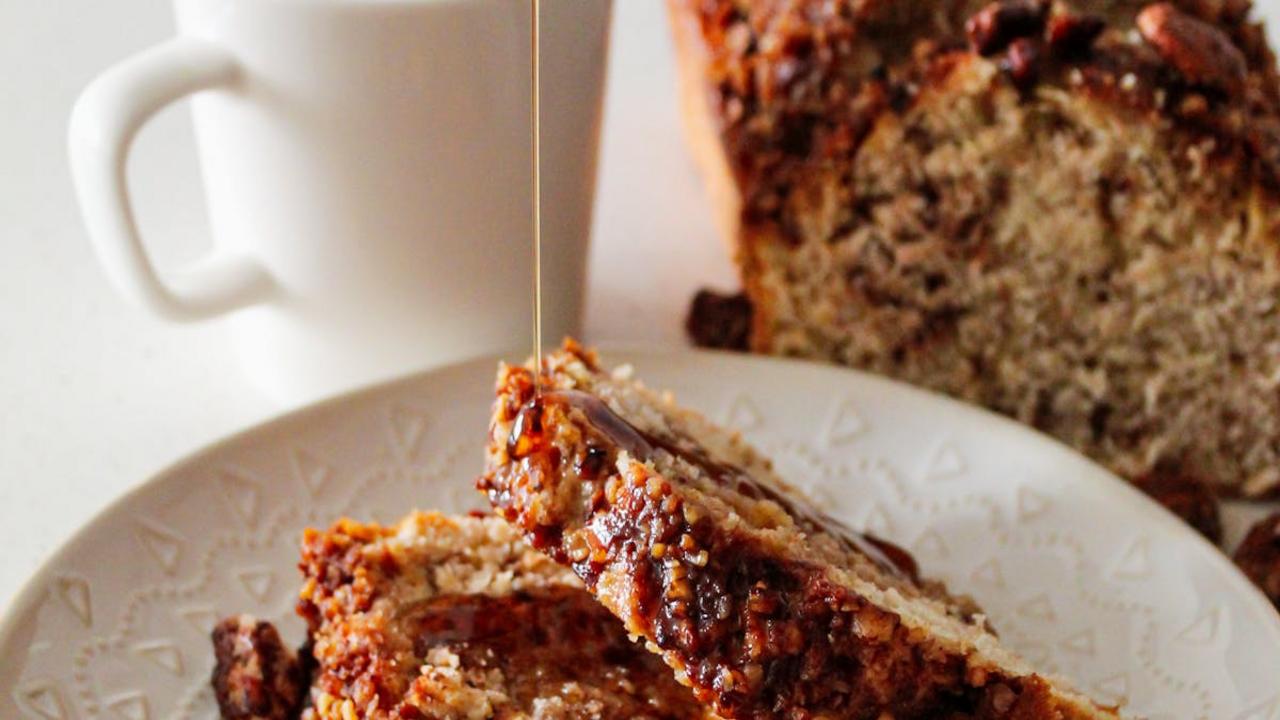
Sweet bread holds a special place in Hawaiian food culture, and I want you to know this isn’t your typical mainland sweet bread. This Portuguese-influenced malasada cousin brings together the best of both worlds – the pillowy softness that makes you close your eyes with satisfaction and that subtle sweetness that never overwhelms your palate. You’ll find this golden treasure at local bakeries across the islands, where families have perfected recipes passed down through generations. The texture reminds me of brioche but with its own unique Hawaiian personality that comes from the perfect balance of eggs, butter, and just enough sugar to make each bite memorable.
What makes Hawaiian sweet bread so incredible is how it brings people together around the table. I love making my own version at home, letting the dough rise slowly while the kitchen fills with that unmistakable yeast aroma that signals something magical is happening. You can enjoy it fresh from the oven with a pat of local butter, turn it into the most amazing French toast for weekend mornings, or slice it thick for sandwiches that transform simple ingredients into something extraordinary. The beauty of sweet bread lies in its versatility – it works just as well for breakfast with tropical fruit preserves as it does for dinner rolls alongside grilled fish and fresh vegetables from the garden.
Grilled Chicken Plate
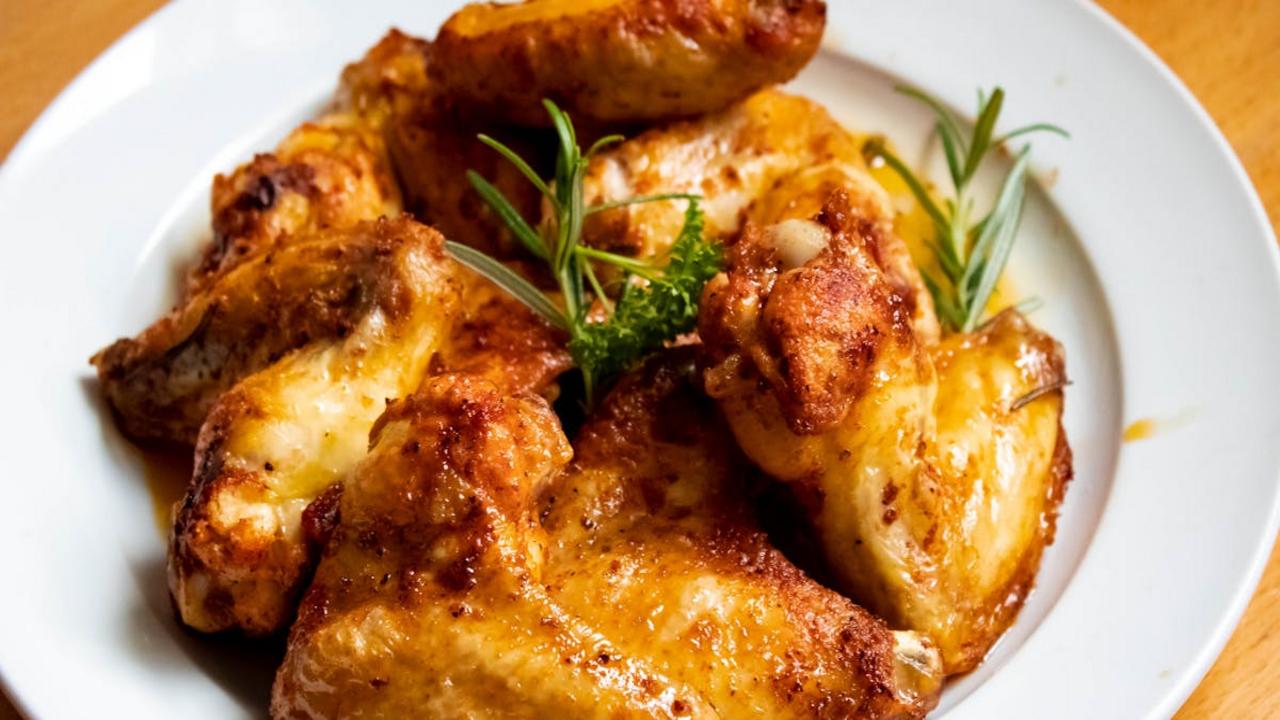
You know what I love about Hawaiian grilled chicken plates? They capture this beautiful simplicity that speaks to my soul as someone who believes in honest, wholesome cooking. Picture this: marinated chicken thighs kissed by the grill, served alongside two scoops of rice and a generous helping of macaroni salad. The chicken gets its magic from a marinade that usually includes soy sauce, ginger, garlic, and brown sugar – ingredients that create this perfect balance of salty, sweet, and aromatic flavors that make your kitchen smell like paradise.
What makes me excited about this dish is how it represents everything I stand for in cooking – taking simple, real ingredients and transforming them into something extraordinary. The chicken stays juicy because those thighs hold their moisture beautifully on the grill, while the marinade caramelizes into this gorgeous glaze. I always tell people to marinate overnight if they can – it’s one of those small steps that makes a huge difference. The combination with rice and mac salad might seem unusual to newcomers, but trust me, this trio works like magic together. Each component plays its role: the protein-packed chicken, the comforting rice that soaks up all those delicious juices, and the creamy mac salad that provides the perfect cooling contrast.
Spam Rice Roll
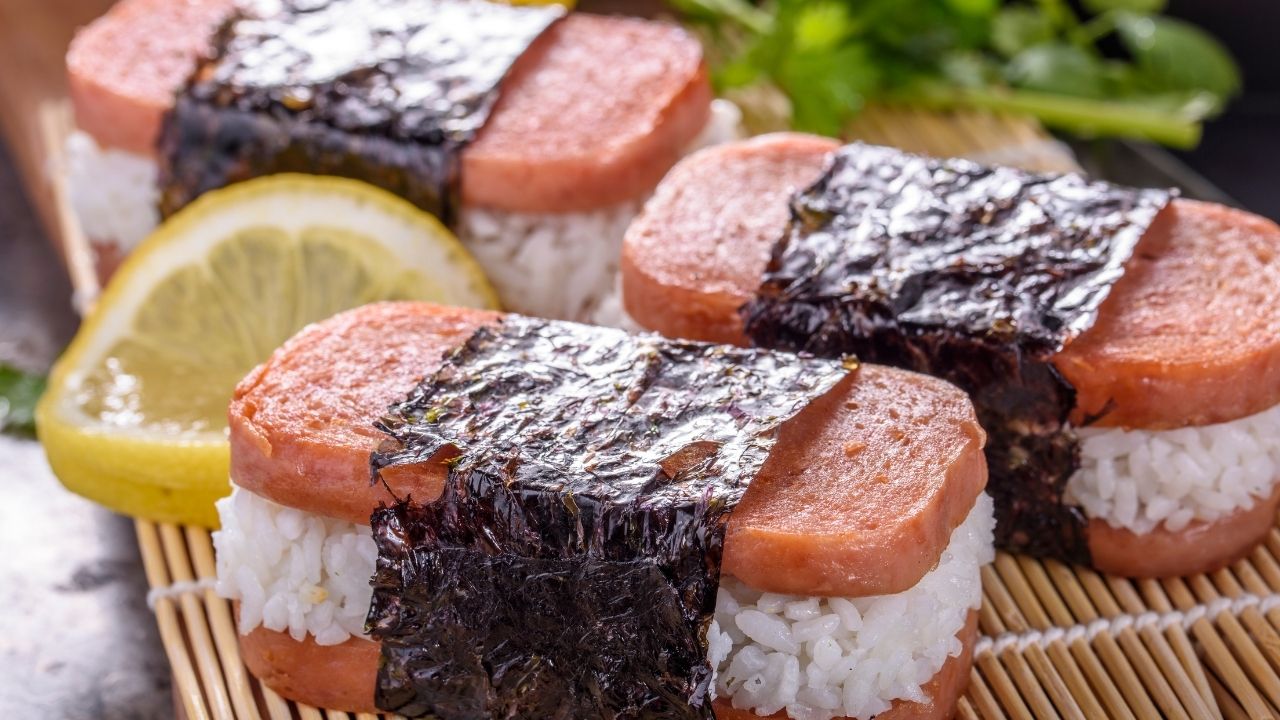
You know how sometimes the most unexpected combinations create pure magic? That’s exactly what happens when you bite into a Spam rice roll – Hawaii’s brilliant take on sushi that turns humble ingredients into something absolutely irresistible. I remember the first time I watched my Hawaiian friend’s grandmother make these beauties, slicing that golden-seared Spam with such precision and wrapping it in perfectly seasoned sushi rice and crisp nori. The contrast between the salty, caramelized pork and the tender, slightly sweet rice creates this incredible harmony that makes perfect sense once you understand Hawaii’s unique food culture.
What I love most about musubi is how it represents everything I believe about cooking – taking simple, accessible ingredients and transforming them into something special through technique and care. While I typically steer away from processed meats, I make an exception for this iconic dish because it tells such an important story about adaptation and creativity in the kitchen. The key lies in getting that Spam perfectly golden and slightly crispy, then pairing it with rice that’s been kissed with just the right amount of rice vinegar and a whisper of sugar. When you make these at home, you’re not just creating a snack – you’re connecting with generations of island cooks who understood that good food doesn’t always come from fancy ingredients, but from the love and intention you put into every step.