I Skipped the Tip at a $40 Dinner to Save My Train Fare. My Waiter Followed Me to Demand 10% and Called Me Rude.
We all have a general understanding of the unwritten rules of dining out. You plan ahead, you dress appropriately for the establishment, and you treat the staff with respect. A key part of this social contract, especially in certain countries, is budgeting for a gratuity to thank your server for their hard work. It’s simply part of the cost of the experience.
However, a recent story that surfaced online shows a very different approach, sparking a heated debate about who was truly in the wrong when a meal ended with a tense confrontation instead of a tip.
The Incident
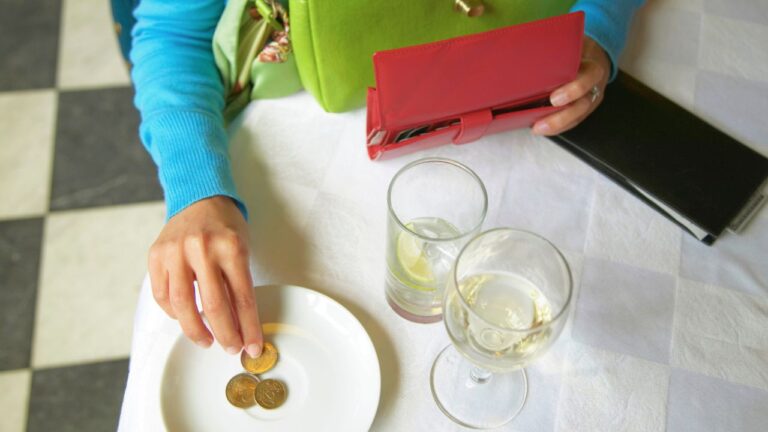
A diner, feeling conflicted, shared the details of an uncomfortable evening out with a friend at what they described as a “somewhat expensive restaurant.” The trouble began at the end of the meal, when the bill arrived for around $40. The diner realized they hadn’t budgeted properly and needed to save their remaining cash for the train ride home and other necessities.
Faced with a choice, they decided not to leave a tip. This did not go unnoticed. When the waiter returned to the table, he pointedly remarked, “The price doesn’t include the service you know.”
The diner confirmed their intention, replying, “Yeah I’m not tipping sorry.” The waiter pressed on, stating, “You know it’s rude to not tip 10% of the meal.” Flustered, the diner offered what little they could spare, saying, “I can tip you 2 dollars.”
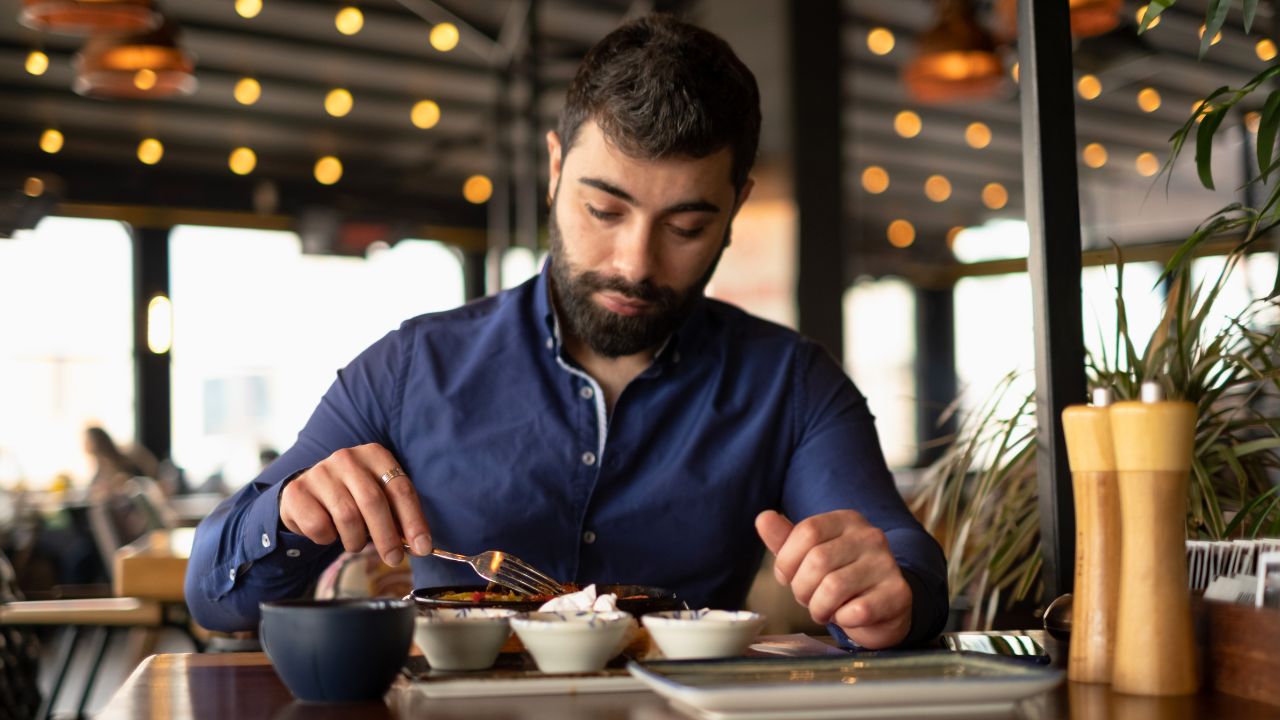
But the waiter was not having it. He snapped back, “Whatever just forget it! Tips are my income you know!” before walking away. The diner was left feeling terrible, but also felt the waiter was incredibly rude to “guilt me into tipping him.”
The Internet Reacts
The story quickly divided the internet, with people falling into a few distinct camps. It seems nearly everyone had a strong opinion on this matter.
First, there was the “You Can’t Afford to Eat Out” crowd, who sided firmly with the waiter. These readers felt the diner was completely at fault for poor planning. One of the most popular comments put it bluntly: “If you can’t afford to tip for decent service you can’t afford to eat out.”
Another added, “The food didn’t ‘end up’ costing $40, you spent $40 and didn’t account for tip.” For this group, the tip is a non-negotiable part of the meal’s cost, and failing to pay it is a major social blunder.
On the other side was the “Tipping is Optional” camp. These individuals defended the diner, arguing that no one should be pressured or shamed by service staff, regardless of the circumstances. “It’s wrong for the waiter to pressure you like that, especially not knowing your situation at all,” one person wrote.
Another felt the waiter’s behavior negated any right to a tip: “If a waiter is gonna get mad about your tip then he don’t deserve a tip… he should have known that when he applied for this job.”

Finally, a third group believed that “Everyone Was Wrong Here.” These commenters saw fault on both sides of the table. They acknowledged the diner’s mistake while also calling out the waiter’s lack of professionalism.
As one person summarized perfectly, “You shouldn’t eat out if you don’t have money to pay for it. He shouldn’t call out costumers who choose not to tip.” This perspective suggests that while the diner broke an important social rule, the waiter broke an equally important professional one.
The Etiquette Verdict
While the debate over tipping culture is a complicated one, some rules of etiquette are crystal clear. Under no circumstances is it appropriate for a server to confront a customer about the amount of their gratuity. It is unprofessional, creates an incredibly awkward atmosphere, and reflects poorly on the entire establishment. A tip, by definition, is a gift, and one should never demand a gift.
The golden rule here is simple: if you are dining in a place where tipping is the cultural norm, you must factor that cost into your budget before you even walk through the door. If money is tight, the proper and respectful choice is to opt for a more casual restaurant or enjoy a lovely meal at home. Planning ahead prevents these uncomfortable situations and ensures everyone is treated with fairness and dignity.
Your Thoughts
So, where do you stand on this? Was the diner completely out of line for not budgeting for a tip, or did the waiter’s rude behavior mean he deserved nothing?