15 Foods Once Considered Too Weird That Everyone Eats Now
Food trends have a funny way of sneaking up on us. What seemed strange or even off-putting just a decade ago now fills grocery store shelves and restaurant menus everywhere. These once-unfamiliar ingredients have become staples in kitchens across the country, proving that adventurous eating pays off.
The shift happened gradually as people became more health-conscious and curious about global cuisines. Ingredients that raised eyebrows at farmers’ markets are now pantry must-haves. Social media helped too, turning exotic foods into Instagram stars that everyone wanted to try.
From fermented drinks to plant-based proteins, these 15 foods prove that “weird” is just “wonderful” waiting to be discovered. Each one offers unique flavors and impressive nutritional benefits that make them worth adding to your regular rotation. Ready to see which former oddballs made the list?
Jackfruit
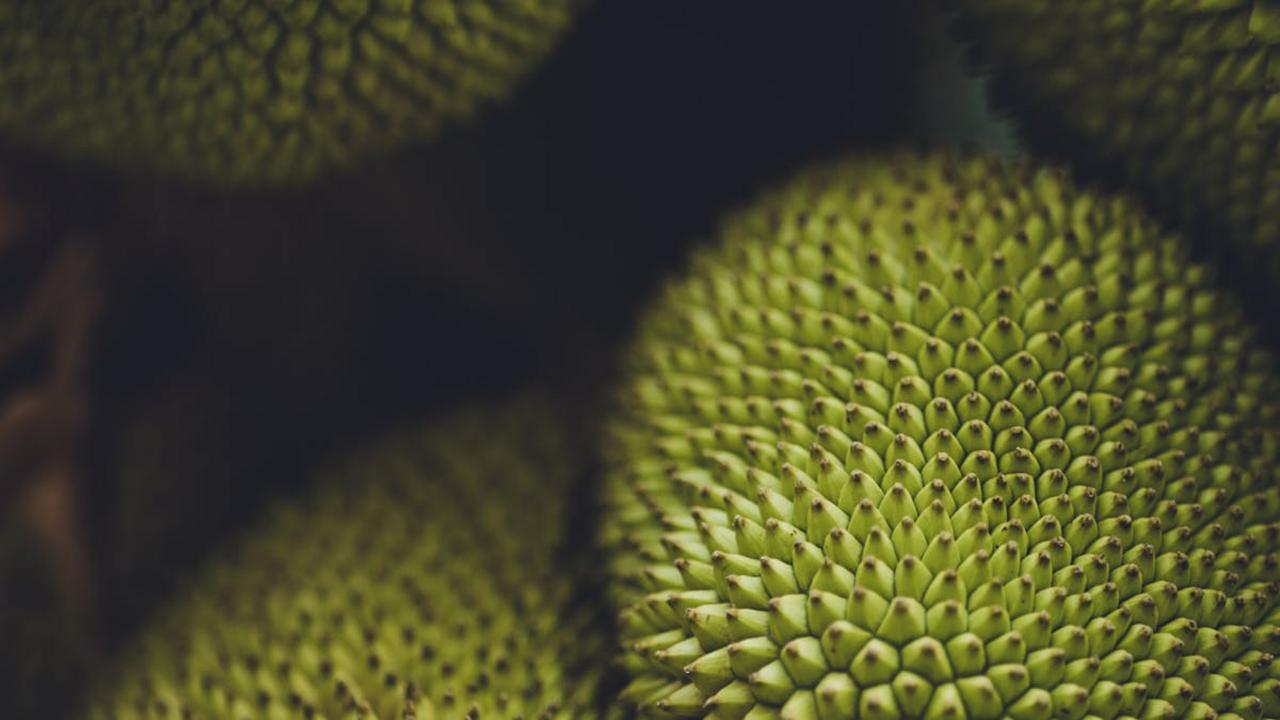
This massive tropical fruit used to seem downright bizarre to most people outside of South Asia. With its spiky green exterior and strange, pod-like interior, jackfruit didn’t exactly scream “appetizing” at first glance. The texture was unfamiliar, the preparation seemed complicated, and honestly, many folks had no idea what to do with this giant that could weigh up to 80 pounds. For years, it sat ignored in specialty markets, a curiosity more than a staple. But times have changed dramatically, and now jackfruit has become the darling of plant-based cooking everywhere you look.
The secret to jackfruit’s sudden popularity? Its incredible ability to mimic pulled pork when cooked. Young, unripe jackfruit has a neutral flavor and a fibrous texture that soaks up marinades and sauces beautifully. Toss it with barbecue sauce, and you’ve got a convincing plant-based alternative that even meat lovers appreciate. You can find it in tacos, sandwiches, curries, and even pizza toppings at restaurants coast to coast. The ripe version offers a completely different experience—sweet, fragrant, and perfect for smoothies or desserts. Health-conscious eaters love that it’s low in calories, high in fiber, and packed with vitamins. What once seemed too weird has become a versatile ingredient that proves you don’t need meat to create satisfying, flavorful meals. Give it a try, and you’ll see why this once-strange fruit has won over so many converts.
Tempeh
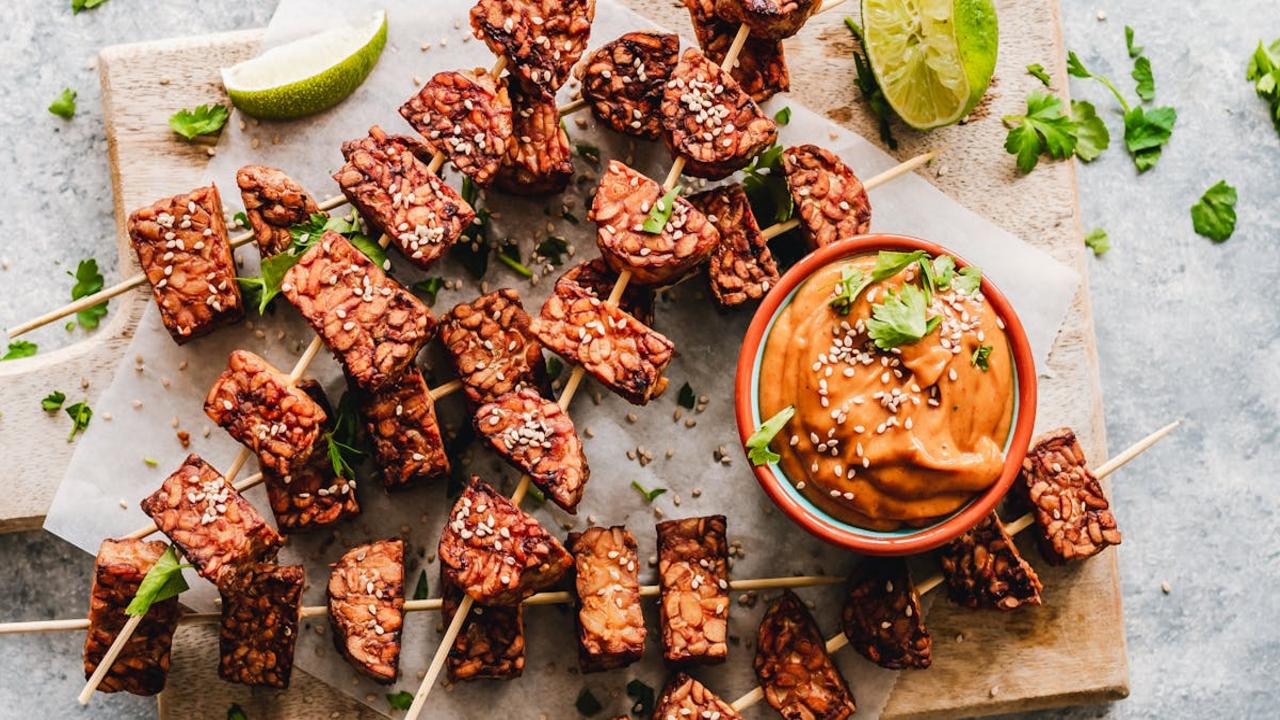
Tempeh might look a bit funky at first glance with its bumpy, cake-like texture and earthy appearance, but don’t let that fool you. This Indonesian fermented soybean product has been around for centuries, yet it only started gaining serious traction in Western kitchens over the past couple of decades. The fermentation process binds whole soybeans into a firm patty, creating something that’s packed with protein, probiotics, and a nutty flavor that’s actually pretty amazing once you get to know it. Sure, it seemed strange to folks used to their meat and potatoes, but tempeh’s versatility has won over countless skeptics who now can’t imagine their meal prep without it.
What makes tempeh so brilliant is how it soaks up whatever flavors you throw at it. Marinate it in soy sauce and ginger, crumble it into tacos, or slice it thin and pan-fry until crispy—the possibilities are endless. Plus, it’s a complete protein with all nine amino acids, making it a powerhouse for vegetarians and meat-eaters alike. You’ll find it in everything from grain bowls to sandwiches these days, sitting right next to tofu on grocery store shelves like it’s always belonged there. The weirdness factor has completely faded as people discover just how satisfying and nutritious this fermented wonder can be. Give it a chance, and you might just find yourself reaching for tempeh on your next shopping trip.
Matcha
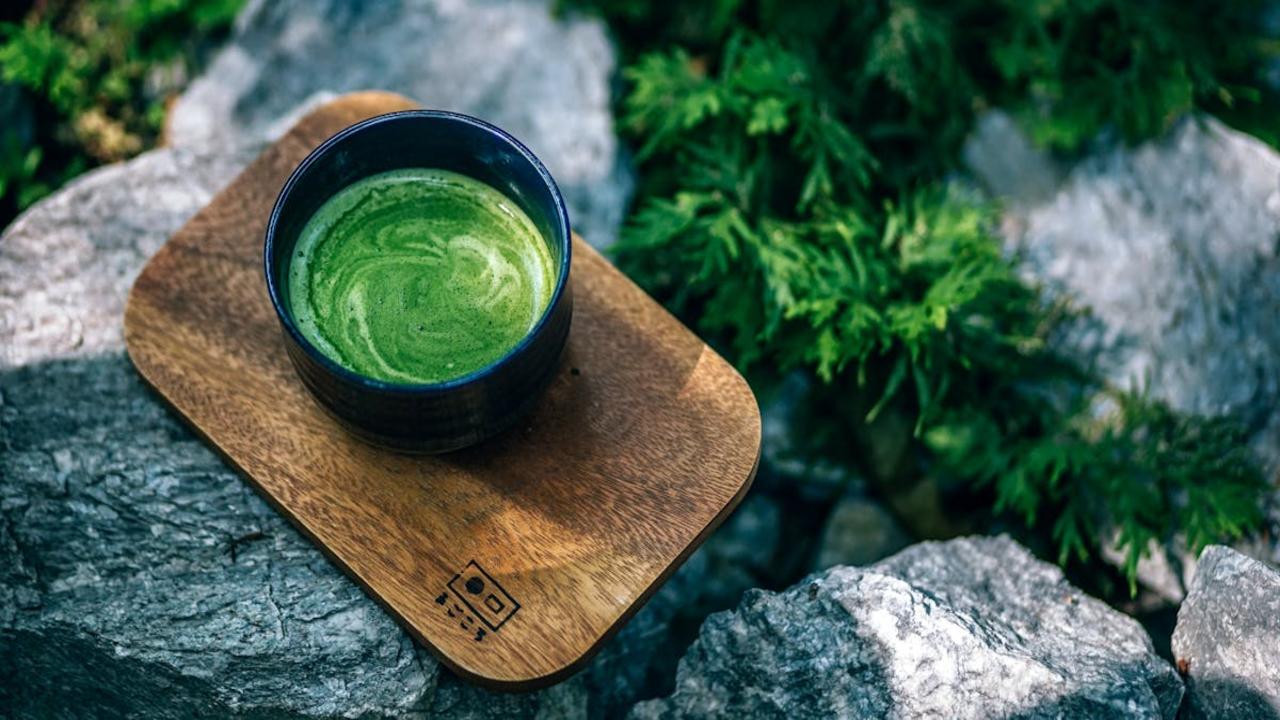
Green tea powder seemed bizarre to Western palates not too long ago, but matcha has become a mainstream favorite in cafes and kitchens across the globe. This vibrant green powder, traditionally whisked into ceremonial tea in Japan, offers a concentrated dose of antioxidants and a gentle caffeine boost that many prefer over coffee’s jolt. The earthy, slightly sweet flavor profile initially puzzled people unfamiliar with its unique taste, but now you’ll find matcha in everything from lattes and smoothies to ice cream and baked goods.
What makes matcha special is that you consume the entire tea leaf ground into a fine powder, which means you get more nutrients than steeping regular tea leaves. The preparation itself has become part of the appeal—watching the bright green powder transform into a frothy drink feels meditative and satisfying. Start with a simple matcha latte at home using hot milk and a teaspoon of quality matcha powder, whisking until smooth and creamy. The versatility of this ingredient means you can add it to your morning oatmeal, blend it into energy balls, or even mix it into salad dressings for an unexpected twist. Once you understand the balance between matcha’s grassy notes and complementary flavors like vanilla or honey, you’ll find countless ways to incorporate this powerhouse ingredient into your daily routine.
Spirulina

This blue-green algae used to make people scrunch up their noses in confusion. Spirulina looked more like pond scum than something you’d voluntarily consume, and the idea of eating algae seemed downright bizarre to most folks. Fast forward to today, and spirulina has become a superstar ingredient in smoothie bowls, energy bars, and health drinks across the globe. You can find it in powder form, tablets, and even mixed into fancy lattes at trendy cafés. The transformation from “weird swamp stuff” to mainstream superfood happened pretty quickly once people discovered its impressive nutritional profile.
What makes spirulina so special? This tiny organism packs a serious protein punch, containing all nine essential amino acids your body needs. It’s also loaded with B vitamins, iron, and antioxidants that support your immune system and overall health. The taste takes some getting used to—it’s earthy and slightly oceanic—but that’s why most people blend it into fruit smoothies or stir it into juice rather than eating it straight. Start with just a teaspoon mixed into your morning drink, and you’ll barely notice it’s there. Once you experience the energy boost and health benefits, that vibrant blue-green color becomes something you actively look for in your pantry.
Edamame
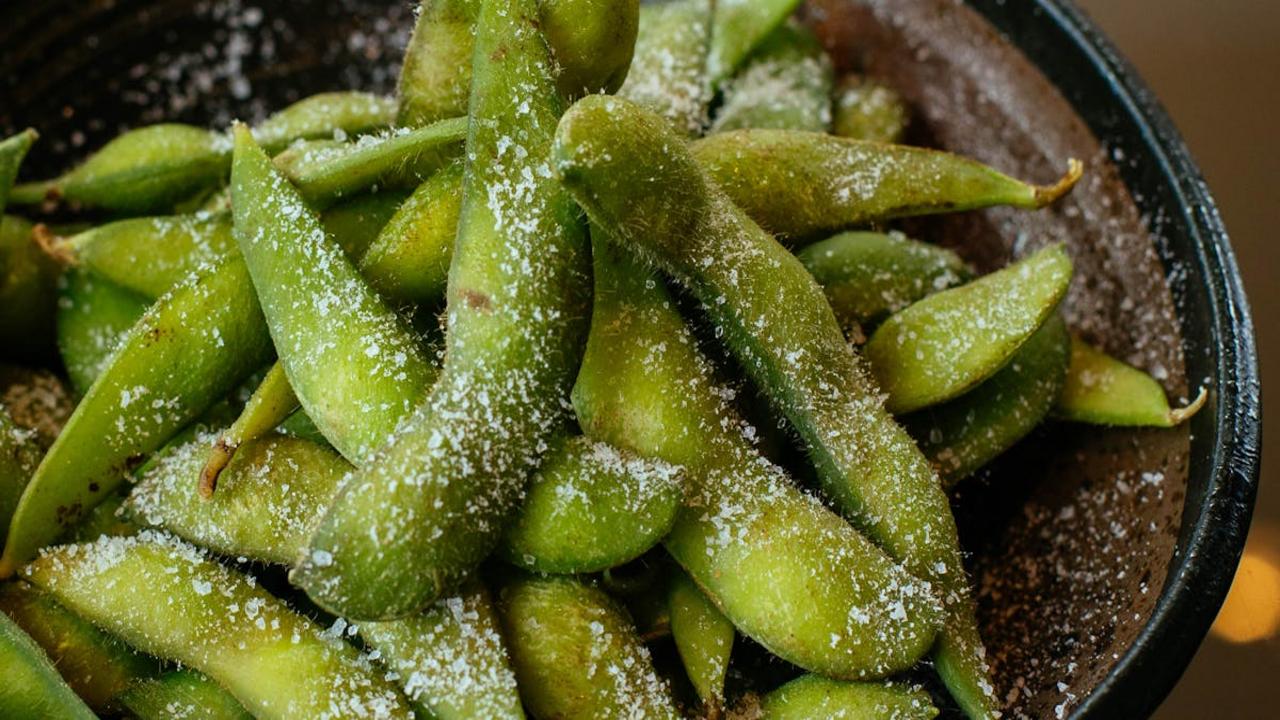
Remember when seeing these bright green soybeans in their fuzzy pods at restaurants made you do a double-take? Now you can find edamame everywhere from airport snack bars to elementary school lunch menus. These protein-packed pods seemed strange to many Americans just a couple of decades ago, but they’ve become such a mainstream snack that you’ll spot them in the frozen section of practically every grocery store. The transformation happened fast once people realized how incredibly easy they are to prepare and how satisfying they are to eat. Just boil or steam them for a few minutes, sprinkle with sea salt, and pop those tender beans straight from the pod into your mouth.
What makes edamame so appealing is how they deliver serious nutrition without any fuss. Each serving gives you about 17 grams of plant-based protein, plus fiber, vitamins, and minerals that support your overall health. They’re naturally low in calories but keep you feeling full, making them perfect for that afternoon slump when you need something substantial. You can enjoy them plain with just salt, toss the shelled beans into salads and grain bowls, or blend them into a vibrant green hummus. The mild, slightly sweet flavor works with so many different seasonings too – try garlic powder, chili flakes, or even a squeeze of lime. These little green gems have earned their spot as a snack staple because they’re nutritious, delicious, and genuinely fun to eat.
Cauliflower rice
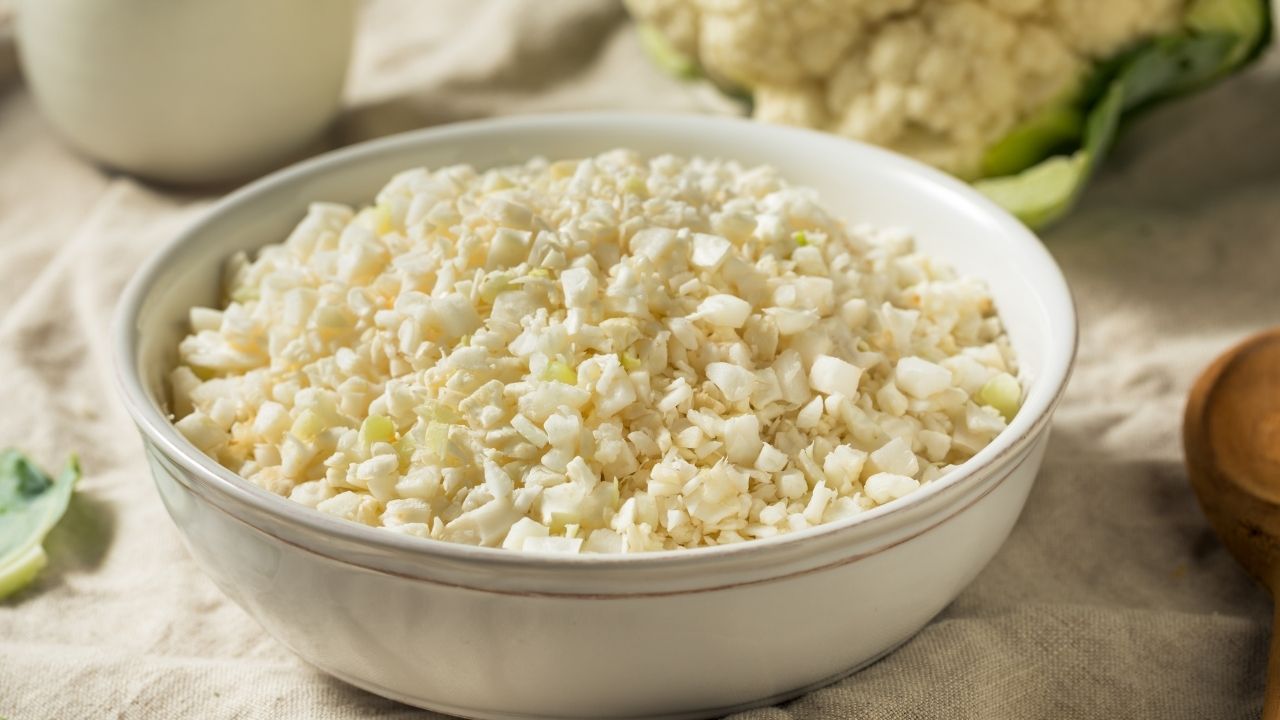
Remember when cauliflower was just that bland white vegetable hiding on your dinner plate? Now it’s the rockstar of the low-carb world, especially in its riced form. Cauliflower rice has completely transformed how people think about this cruciferous vegetable. What started as a niche diet hack has become a mainstream staple you can find in nearly every grocery store’s freezer section. The beauty of cauliflower rice lies in its incredible versatility and neutral flavor that absorbs whatever seasonings you throw at it. You can stir-fry it with garlic and ginger, toss it into burrito bowls, or even use it as a base for fried rice that won’t leave you feeling sluggish afterward.
Making your own cauliflower rice at home takes just minutes with a food processor or box grater, and honestly, it’s become one of those things that saves dinner on busy weeknights. The texture mimics traditional rice surprisingly well, and you’re sneaking in extra vegetables without even trying. People who once wrinkled their noses at the idea of vegetable “rice” now stock multiple bags in their freezers for quick meal prep. It’s proof that sometimes the weirdest food trends actually stick around because they genuinely make your life easier and healthier. Whether you’re watching your carb intake or simply want more vegetables in your diet, cauliflower rice delivers without the lecture.
Tofu
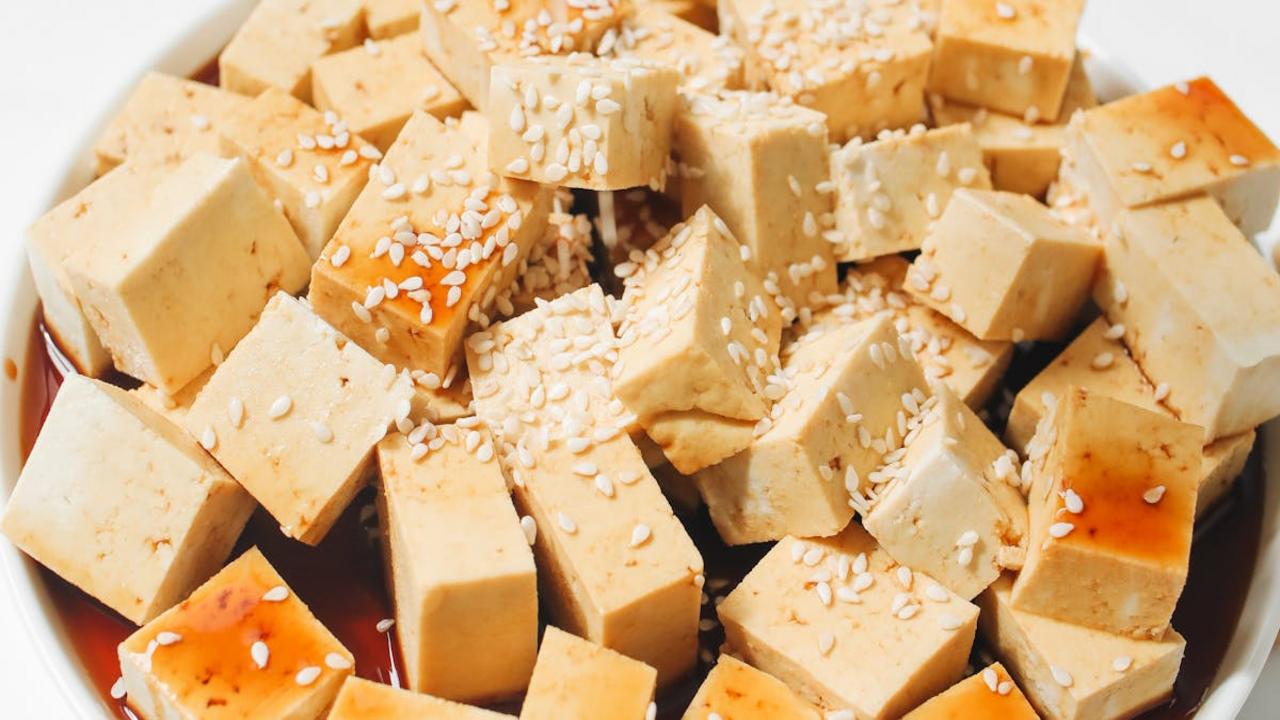
Remember when tofu was that mysterious white block sitting in your grocery store’s refrigerated section, and nobody quite knew what to do with it? Fast forward to today, and this soy-based protein has become a kitchen staple for vegetarians, vegans, and meat-eaters alike. What once seemed like an intimidating ingredient reserved for health food enthusiasts has transformed into a versatile protein that absorbs flavors like a sponge and adapts to countless cooking methods. You can scramble it for breakfast, toss it into stir-fries, blend it into smoothies, or even bake it into desserts.
The beauty of tofu lies in its chameleon-like nature—press it, marinate it, and cook it right, and you’ll discover why millions of people have made it a regular part of their meal rotation. Whether you’re crisping up cubes in an air fryer for a crunchy snack or using silken tofu to create creamy sauces without dairy, this ingredient proves that plant-based eating doesn’t mean sacrificing texture or satisfaction. Plus, it’s packed with protein, iron, and calcium, making it a nutritional powerhouse that supports your health goals. Give tofu a chance in your kitchen, and you’ll wonder why you ever hesitated to bring it home.
Seaweed

Seaweed has transformed from something many people only associated with the beach or sushi restaurants into a mainstream snack food you can grab at any grocery store. Those crispy, salted nori sheets that you might have initially wrinkled your nose at are now a go-to healthy snack for kids and adults alike. Rich in iodine, vitamins, and minerals, seaweed packs serious nutritional power in those thin, ocean-flavored sheets. What was once considered strange ocean vegetation is now recognized as one of the most nutrient-dense foods on the planet, and chefs worldwide are incorporating different varieties into everything from salads to smoothies.
The shift happened gradually as more people discovered that seaweed isn’t just for wrapping sushi rolls. You can sprinkle dulse flakes on popcorn, add wakame to your miso soup, or snack on roasted nori straight from the package. The umami flavor that seaweed brings to dishes has made it a favorite among home cooks who want to add depth without meat or heavy sauces. Plus, sustainable seaweed farming is actually good for ocean ecosystems, making this former oddity a smart choice for your health and the environment. Whether you’re crunching on seaweed chips or using kombu to add flavor to your broths, this ocean vegetable has earned its spot in your pantry.
Avocado
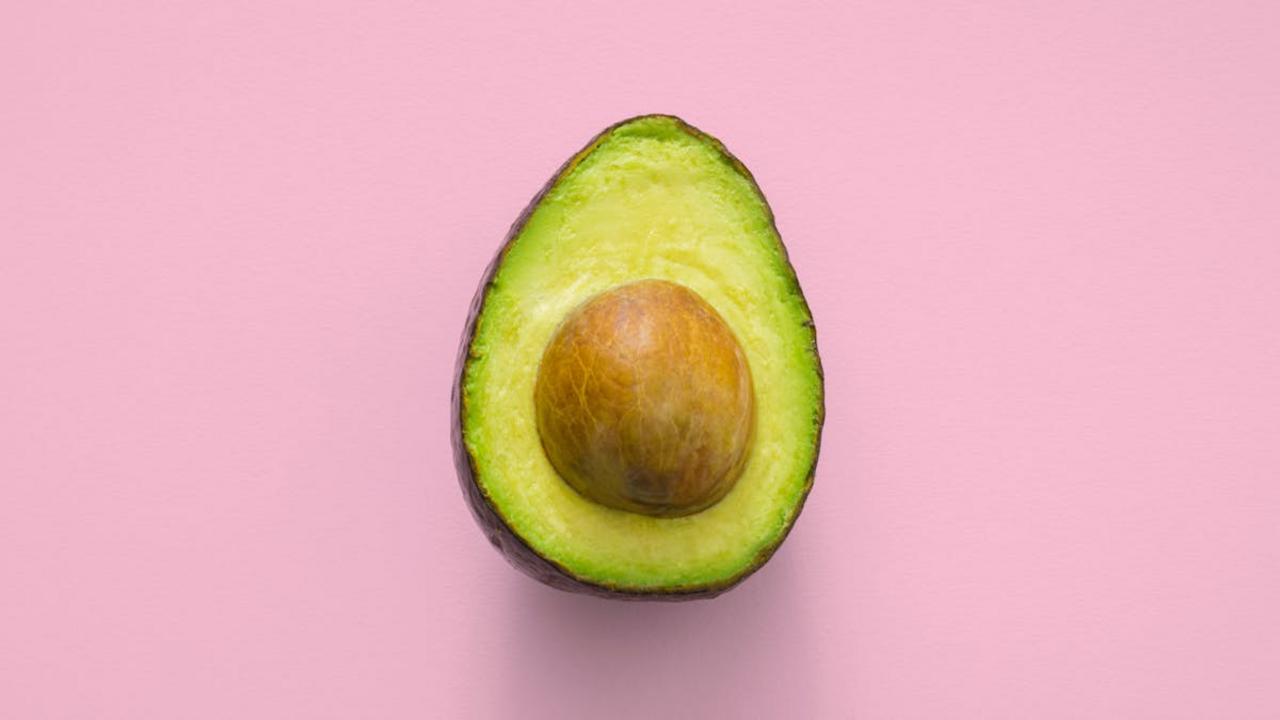
Remember when avocados were that strange, bumpy green fruit your mom might have bought once in a blue moon? Fast forward to today, and they’re practically the poster child of modern eating. This buttery fruit—yes, it’s technically a fruit—has transformed from an exotic oddity to a breakfast staple that millennials supposedly can’t afford houses because of. But seriously, avocados earned their place on our plates for good reason. They’re packed with heart-healthy monounsaturated fats, fiber, potassium, and vitamins that support everything from your skin to your cardiovascular system. The creamy texture makes them incredibly versatile, whether you’re mashing them on toast, blending them into smoothies, or adding chunks to your salads.
What makes avocados so brilliant is how they’ve broken through the “weird food” barrier by being genuinely delicious and satisfying. Their mild, slightly nutty flavor pairs with almost anything—sweet or savory. You can spread them on sandwiches, dice them into salsas, blend them into chocolate pudding (trust me on this one), or simply eat them with a spoon and a sprinkle of salt. The fat content keeps you full for hours, making them perfect for anyone trying to eat more mindfully. Sure, they go brown pretty quickly once you cut them open, but a little lemon juice fixes that problem right up. Now you’ll find avocados at every grocery store, farmer’s market, and brunch spot across the country.
Kombucha

This fizzy fermented tea drink looked downright suspicious when it first appeared in health food stores with its floating SCOBY (that mushroom-like culture) visible through the bottle. Many people turned away from what seemed like science experiment gone wrong, but now kombucha occupies entire refrigerated sections in grocery stores nationwide. The tangy, slightly vinegary flavor profile that once seemed too intense has become a refreshing alternative to soda, and brands have expanded into countless flavor combinations from ginger-turmeric to strawberry-basil. What was once considered too weird for mainstream consumers now represents a multi-billion dollar industry.
The fermentation process that creates kombucha produces beneficial probiotics, which appealed to health-conscious consumers looking for gut-friendly beverages. As more people learned about the potential digestive benefits and experienced the energizing effects of this lightly caffeinated drink, kombucha shed its “weird” reputation. Home-brewing communities sprung up everywhere, with people proudly cultivating their own SCOBYs and experimenting with creative flavor infusions. The slightly effervescent texture and natural sweetness balanced with acidity made it perfect for those reducing sugar intake but still craving something more interesting than plain water. Today, you’ll find kombucha on tap at trendy cafes, in cocktail mixers at bars, and even in popsicle form at farmers markets.
Kale
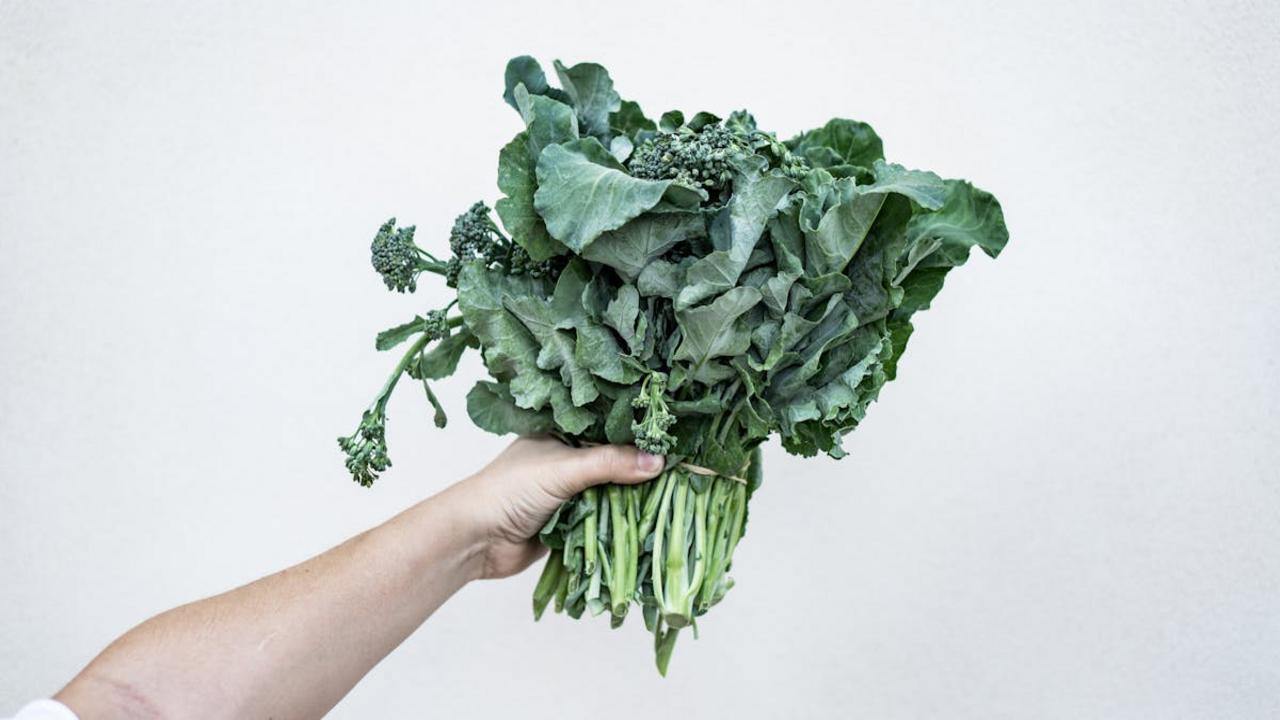
Remember when kale was just that weird, bitter green your grandma might have grown in her garden? For years, this leafy vegetable sat on the sidelines while iceberg lettuce and spinach got all the attention. People thought it was too tough, too earthy, and frankly, not worth the effort. Fast forward to today, and kale has become one of the most popular superfoods on the planet. You’ll find it in everything from smoothies to salads, chips to pasta dishes. What changed? We finally figured out how to prepare it right. Massaging those leaves with a bit of olive oil and salt breaks down their fibrous texture, making them tender and delicious. Baking them into crispy chips transforms that bitterness into an addictive snack.
The health benefits didn’t hurt either. Once people learned that kale packs more vitamin C than an orange, more calcium than milk, and enough iron to rival beef, it became impossible to ignore. Now you can grab a kale Caesar salad at your local café or toss a handful into your morning smoothie without anyone raising an eyebrow. The dark leafy green that once seemed too strange for mainstream America has earned its spot in kitchens everywhere. Whether you sauté it with garlic, blend it into pesto, or add it to soups, kale proves that sometimes the foods we overlook turn out to be exactly what we needed all along.
Chia seeds
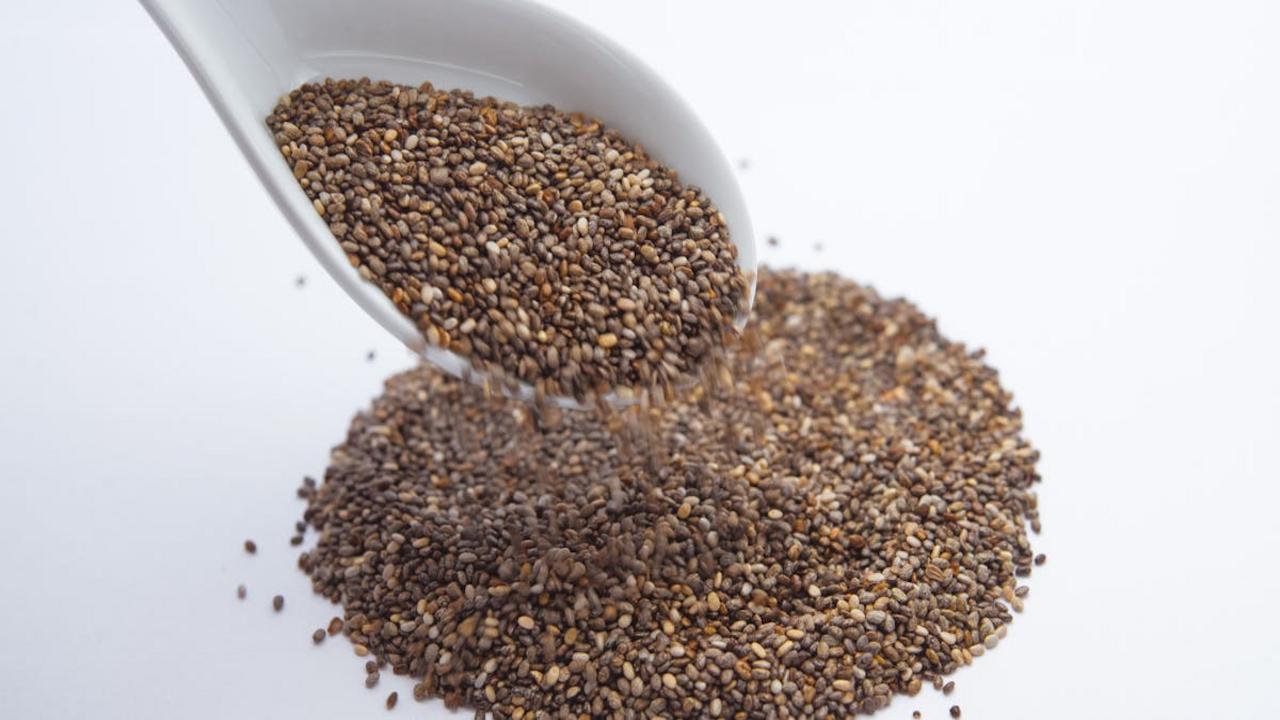
Remember when chia seeds were just those little specks you’d sprinkle on a novelty pet to grow green “fur”? Yeah, that was their claim to fame for decades. Fast forward to today, and these tiny black and white seeds have become a breakfast staple that nutrition enthusiasts can’t get enough of. What changed? People discovered that chia seeds pack an incredible punch of omega-3 fatty acids, fiber, and protein in every spoonful. Suddenly, that weird texture and peculiar appearance didn’t matter anymore. The health benefits were simply too good to ignore, and now you’ll find them in everything from smoothie bowls to energy bars.
The transformation of chia seeds from oddity to pantry must-have is pretty remarkable. These ancient Aztec superfoods create that distinctive gel-like consistency when mixed with liquid, which admittedly freaked people out at first. But once you realize that same quality makes them perfect for creating puddings, thickening smoothies, or replacing eggs in baking, they become incredibly versatile. They’re completely flavorless, so you can toss them into just about anything without altering the taste. Whether you’re making overnight oats, adding them to your yogurt, or whipping up a chia pudding with almond milk and berries, these seeds have earned their spot in modern kitchens everywhere.
Quinoa
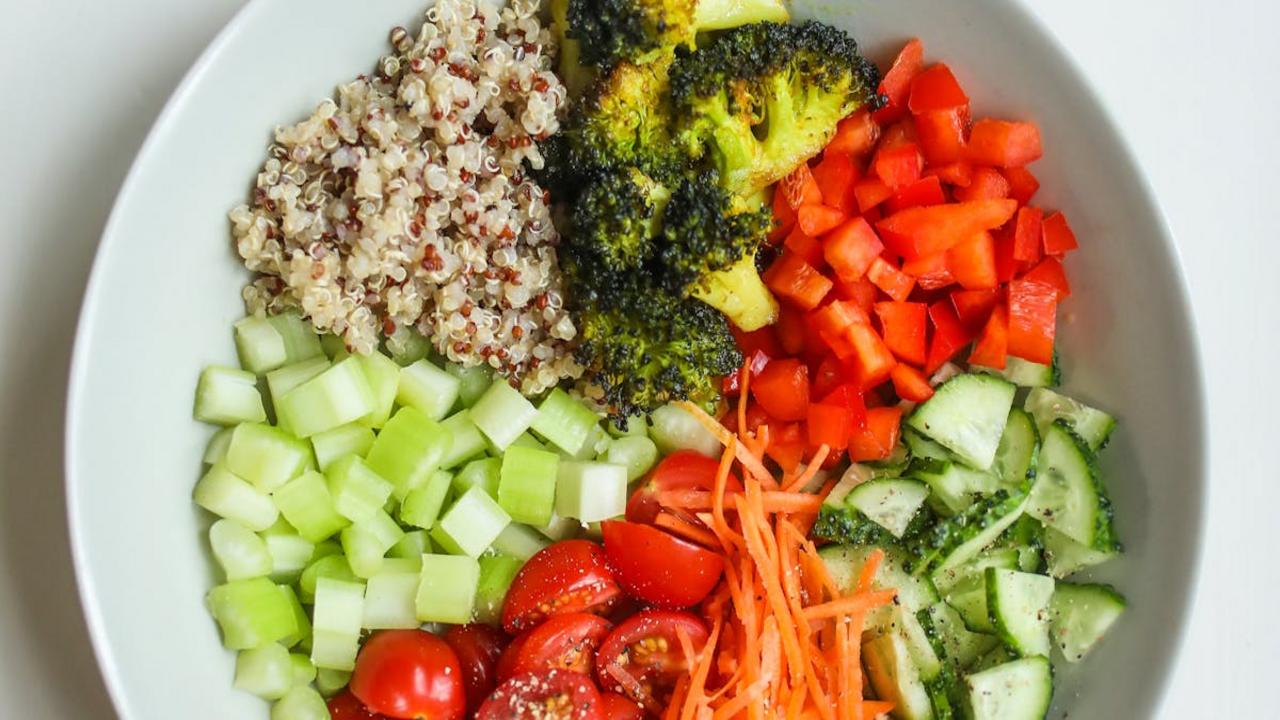
Remember when quinoa was that mysterious grain nobody could pronounce? Now it’s everywhere—from trendy cafés to your local supermarket shelves. This ancient seed (yes, it’s technically a seed, not a grain!) was once considered too exotic for mainstream American kitchens. People didn’t know what to do with it, how to cook it, or why they’d want to try it in the first place. Fast forward to today, and quinoa has become a staple in healthy eating. It’s packed with protein, contains all nine essential amino acids, and cooks up fluffy and light in just 15 minutes. You can toss it into salads, use it as a base for Buddha bowls, or even make breakfast porridge with it.
What makes quinoa so special is its incredible versatility and nutritional punch. Unlike white rice or pasta, quinoa keeps you full longer thanks to its fiber content and protein power. You can find it in white, red, or black varieties—each with a slightly different texture and nutty flavor. Try swapping it for rice in your favorite stir-fry, mixing it into veggie burgers, or creating a refreshing cold salad with cherry tomatoes, cucumber, and lemon dressing. The best part? Quinoa is naturally gluten-free, making it perfect for anyone with dietary restrictions. Once you master the basic cooking method (hint: use a 2:1 water-to-quinoa ratio), you’ll wonder how you ever lived without this nutritional powerhouse in your pantry.
Kimchi
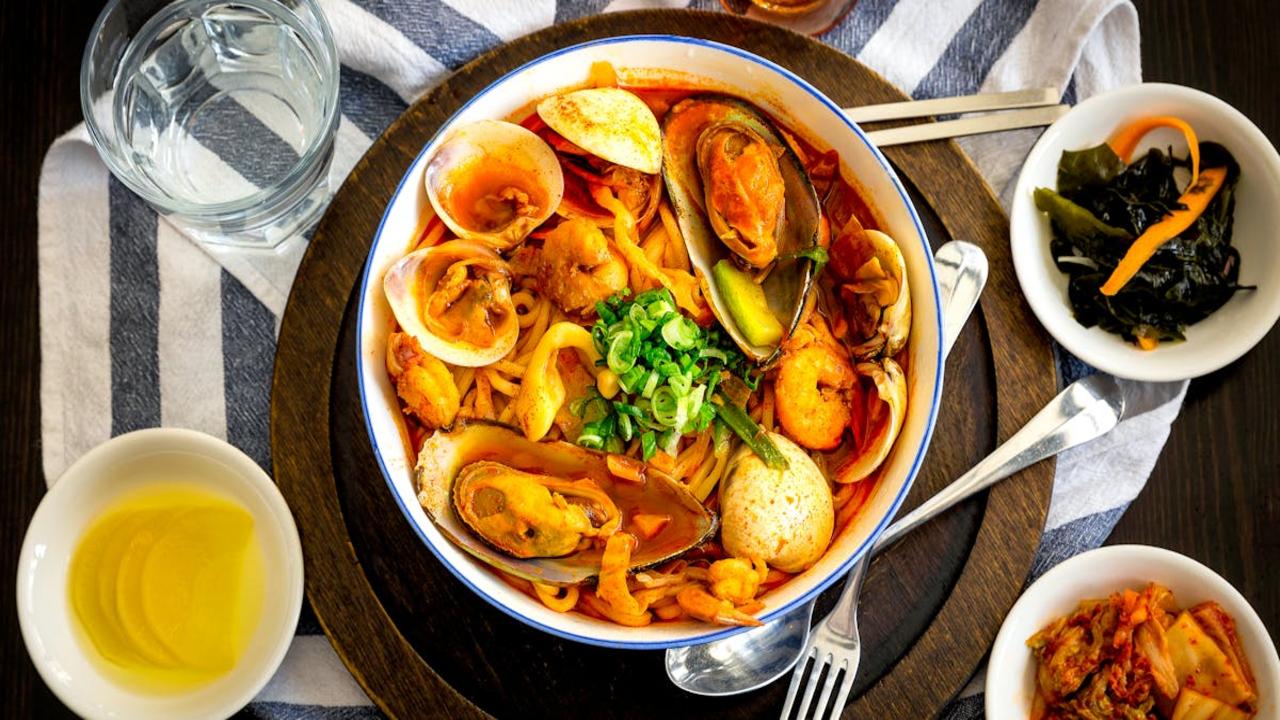
Kimchi has transformed from that mysterious fermented cabbage your Korean friend brought to lunch into a staple you can grab at any grocery store. This spicy, tangy side dish was once considered too pungent and strange for Western palates, but now it’s everywhere—from trendy restaurant menus to your neighbor’s homemade batch cooling in the fridge. The fermentation process that once seemed intimidating now represents everything we love about gut-healthy foods. People have discovered that this traditional Korean dish isn’t just about bold flavors; it’s packed with probiotics, vitamins, and the kind of depth that makes every meal more interesting.
What makes kimchi so appealing today is its incredible versatility. You can pile it on tacos, stir it into fried rice, fold it into grilled cheese sandwiches, or simply eat it straight from the jar as a crunchy, spicy snack. The initial shock of its strong aroma and fiery kick has given way to genuine appreciation for its complex flavor profile—sweet, sour, spicy, and umami all at once. Making your own kimchi at home has become a badge of honor for adventurous home cooks, and the process is surprisingly straightforward once you understand the basics. This once-unfamiliar food has earned its place in kitchens worldwide, proving that bold, fermented flavors deserve recognition beyond their country of origin.
Sushi
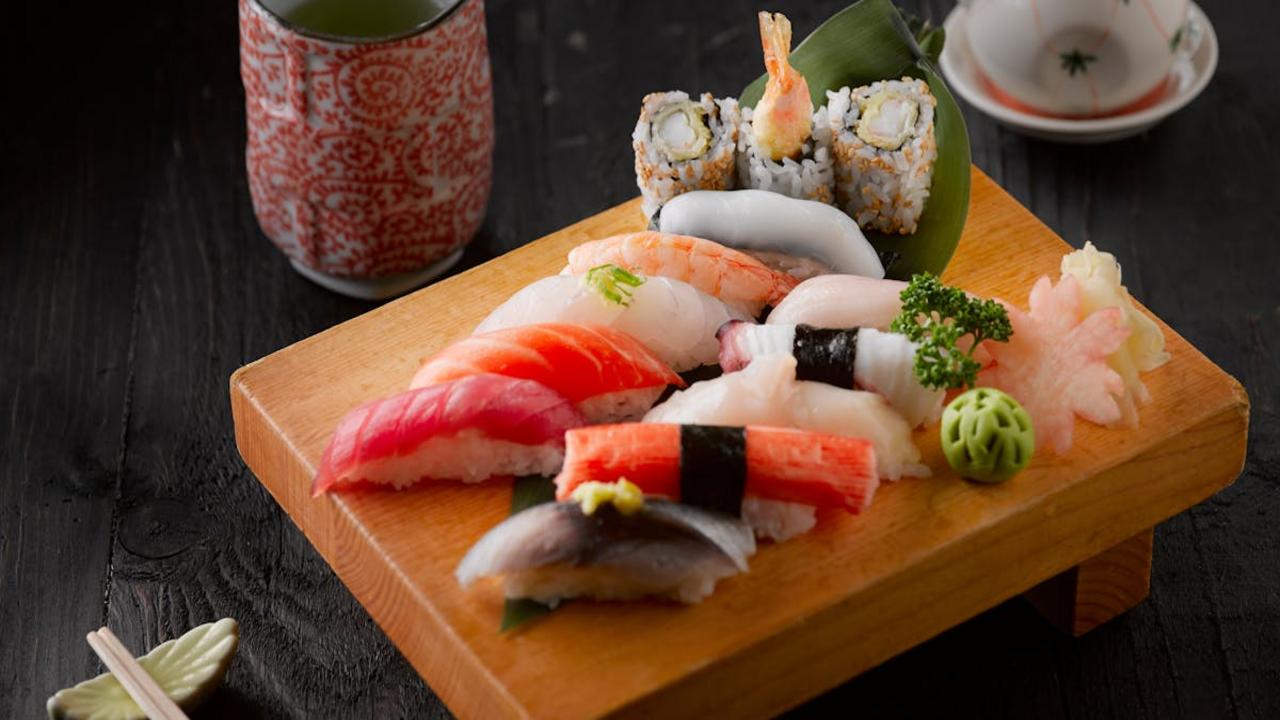
Raw fish on rice? Yeah, that used to freak people out big time. Back in the day, the idea of eating uncooked seafood seemed downright dangerous to most Americans. Sushi was this mysterious Japanese food that only the most adventurous eaters would touch. Fast forward to today, and you can grab a California roll at your local grocery store without batting an eye. What changed? People started understanding that fresh, high-quality fish prepared properly is not only safe but incredibly delicious.
Now sushi restaurants are everywhere, from strip malls to fancy dining establishments. You’ve got options ranging from traditional nigiri to creative fusion rolls packed with avocado, cream cheese, and even mango. The beauty of sushi is how it celebrates fresh ingredients in their purest form—no heavy sauces or complicated cooking methods needed. Plus, it’s packed with omega-3 fatty acids and lean protein, making it a smart choice for your health. Whether you’re a salmon lover or prefer vegetarian options like cucumber rolls, there’s something for everyone. Give it a try if you haven’t already, and you’ll see why this once-weird food has become a mainstream favorite that people can’t get enough of.