I Strictly Avoid Eating Pastry. Father-in-Law Accused Me of Disrespecting His Greek Cooking.
We all know that when you are a guest in someone’s home, you eat what is served. It’s a simple sign of respect and gratitude for the host’s effort. However, one young woman recently took to the internet to share a story that proves this age-old rule isn’t always so straightforward, especially when a host refuses to take “no” for an answer.
Her story reminds us that sometimes, behind a simple refusal, there’s a much more complicated and personal reason that deserves our compassion, not our judgment.
The Incident
A 26-year-old woman, married for just over a year, shared her deeply uncomfortable encounter with her estranged father-in-law. Her husband, Nikolas, has a strained relationship with his Greek father, who was visiting from abroad. The couple was invited over for “a few drinks and a chat,” with no mention of a meal.
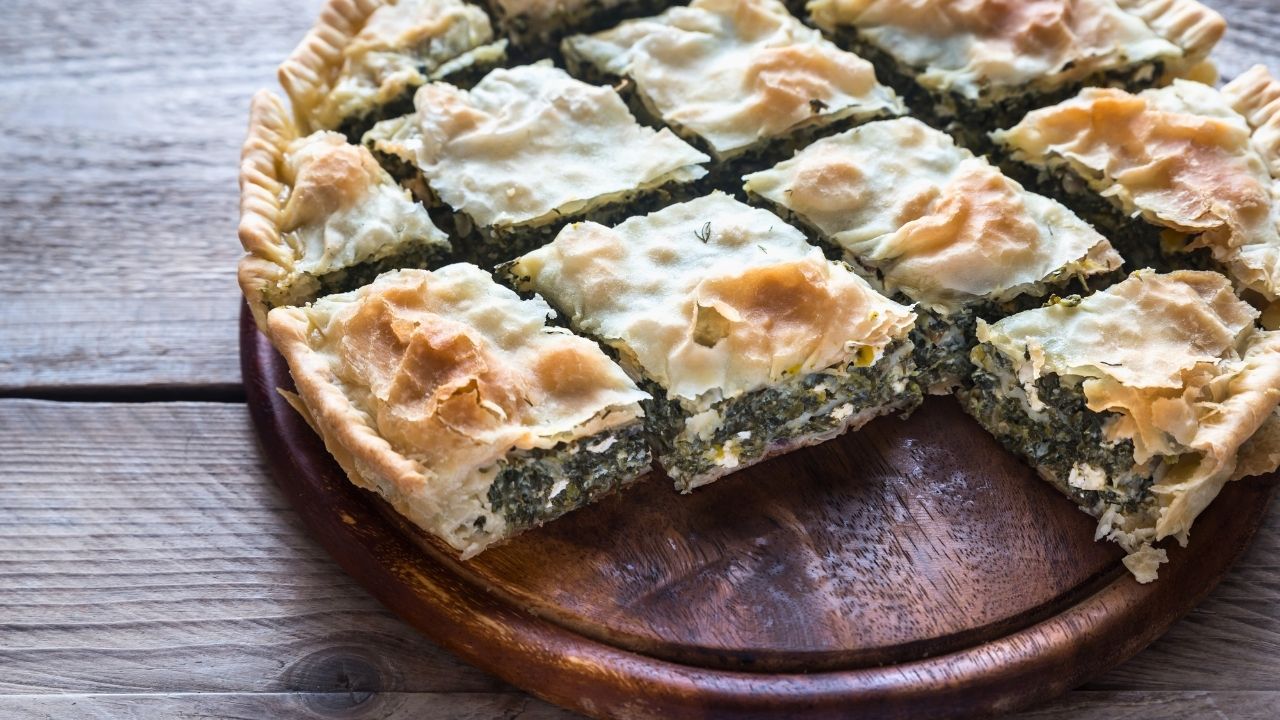
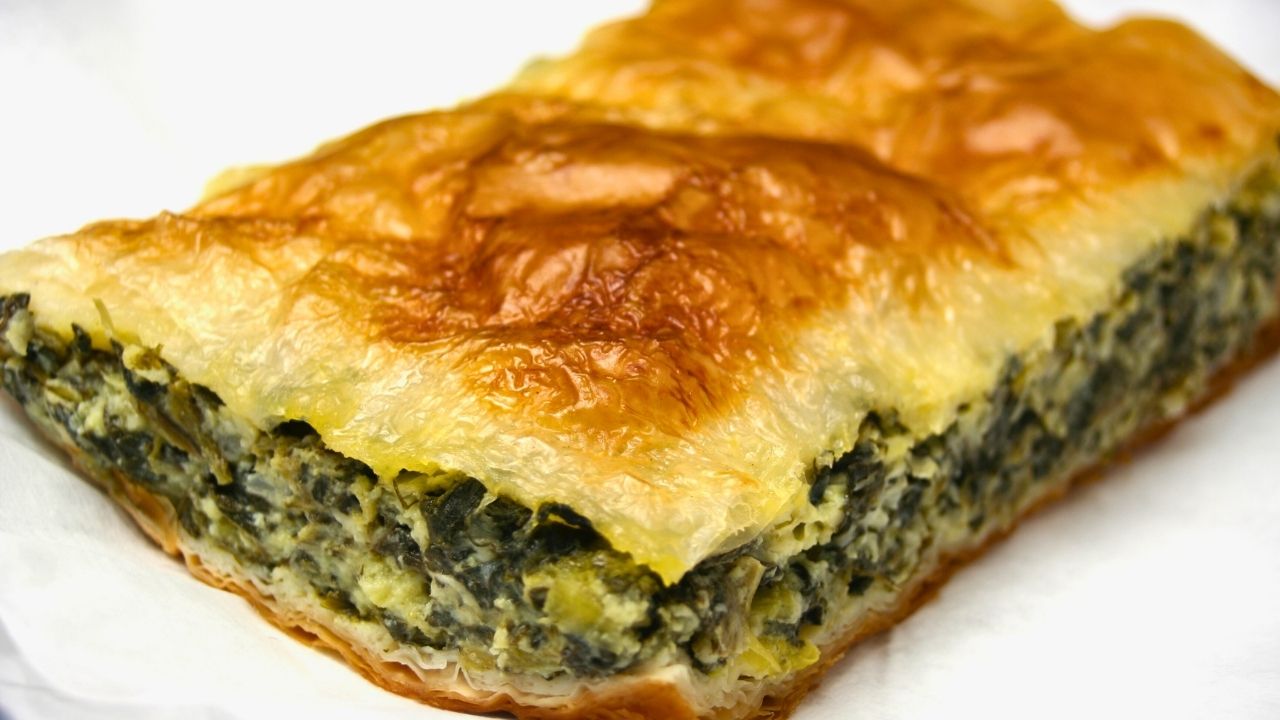
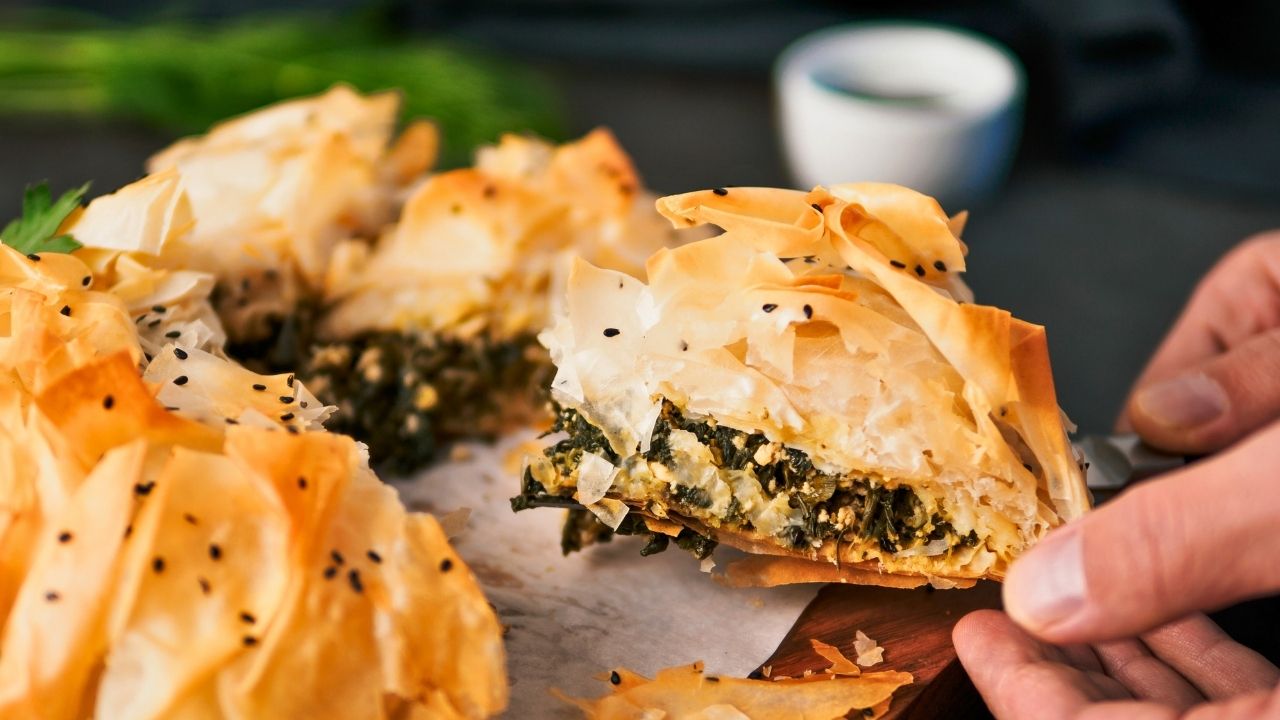
When they arrived, however, the father-in-law had prepared a homemade spanakopita, a traditional Greek spinach and feta pie. For the young woman, this was an immediate source of anxiety. As she explained, “I have a history of anorexia, and eating in front of people that I don’t really know is still an issue for me, and anything with pastry is something that I tend to avoid even now.”
She politely declined the food. Her husband, sensing her discomfort, quickly stepped in and told his father they had already eaten. But this is where a simple visit turned into a confrontation. The father-in-law didn’t just express disappointment; he became irate.
He “got very up in arms about how he’d gone to the effort of making the food,” insisting it “shouldn’t be such an issue” for them to just eat some. The woman was horrified as he accused them of disrespecting him. The evening ended with the couple apologizing and leaving while the father remained angry, turning a gesture of hospitality into a source of conflict and shame.
The Internet Reacts
The online community was immediately buzzing with opinions, and people quickly sorted themselves into different camps over who was truly in the wrong.
The “Absolutely Not” Crowd was furious on the woman’s behalf. They argued that a host’s primary responsibility is to make a guest feel comfortable, not to force food on them. Many pointed out the incredible insensitivity of the father-in-law’s behavior. One commenter wisely noted the difference in how people react to various reasons for not eating: “While most people will be generally understanding about ‘I can’t eat shrimp, I’ll die’, they usually take badly to ‘I have an eating disorder’. Especially with anorexia, people tend to be extra pushy because ‘you need to eat’.”
Another offered a gentle script for future situations: “I wish I could eat the food, but I have a medical issue that doesn’t allow me to. It’s something I don’t care to discuss.” This, they felt, was a polite way to set a boundary without oversharing.
Then there was the “Devil’s Advocate” camp, which tried to explain the father-in-law’s perspective, even if they didn’t condone his outburst. These readers focused on the cultural aspect of the interaction. One person explained, “This is a cultural thing with Greeks, food is how we show our love, so this would be considered very rude, especially without a reason.”
Another echoed this, stating, “In Mediterranean culture, Food is a love language and you showed your FIL disrespect by refusing the food.” For them, the father-in-law wasn’t just angry about rejected pastry; he felt his love was being rejected, too.
Finally, the “Alternative Solutions” crowd chimed in with what they would have done. These pragmatic commenters felt the situation could have been avoided with a little white lie or a different strategy. “You could have said you had a stomach bug, or that you’re on a restricted diet for medical reasons,” one person suggested.
Another offered a clever deflection: “I’m really full but I would love to try it! Could I take some home for later?” Many also pointed out that the husband could have smoothed things over by simply having a piece himself to honor his father’s efforts, a point that is hard to argue with.
The Etiquette Verdict
Let’s be perfectly clear: while cultural traditions surrounding food are beautiful and important, they are never an excuse for bullying a guest. A host’s love and effort are not measured by how much food someone consumes, but by the warmth and comfort they provide.
The moment a guest says “no, thank you,” the conversation should be over. To pressure, guilt, or accuse them of disrespect is a profound failure of etiquette. The golden rule of hosting is to ensure your guests feel welcome and at ease. This father-in-law, sadly, did the exact opposite, prioritizing his own feelings over his daughter-in-law’s comfort.
What Do You Think?
This situation is certainly a clash of culture, family dynamics, and personal struggles. But when it comes to manners, where do you stand?
Was the father-in-law’s reaction an understandable cultural misunderstanding, or was his behavior completely out of line?
Ready for the next level of insight? Discover more in my latest article here.