Pregnant Mom is Terrified After Her MIL Regularly Defrosts Meat in Melting Plastic for the Kids. She’s Scared to Speak Up.
We all know that when you are a guest in someone’s home, particularly an in-law’s, you typically eat what is served with a smile. It’s a simple rule of good manners that keeps family gatherings pleasant. Politeness often means overlooking a dish that’s a bit too salty or a dessert that isn’t quite to your taste.
However, one woman recently took to the internet to share a story that proves this rule has its limits, especially when health and safety are involved. Her mother-in-law’s questionable kitchen habits have put her in a terribly awkward position, and she’s wondering if it’s time to break that golden rule of silence.
The Incident
The woman, a mother of two small children with a third on the way, explained that her family lives several hours away from her in-laws. This means that when they visit, it’s not just for a quick dinner; they often stay for an entire weekend or even a full week, sharing most of their meals together.
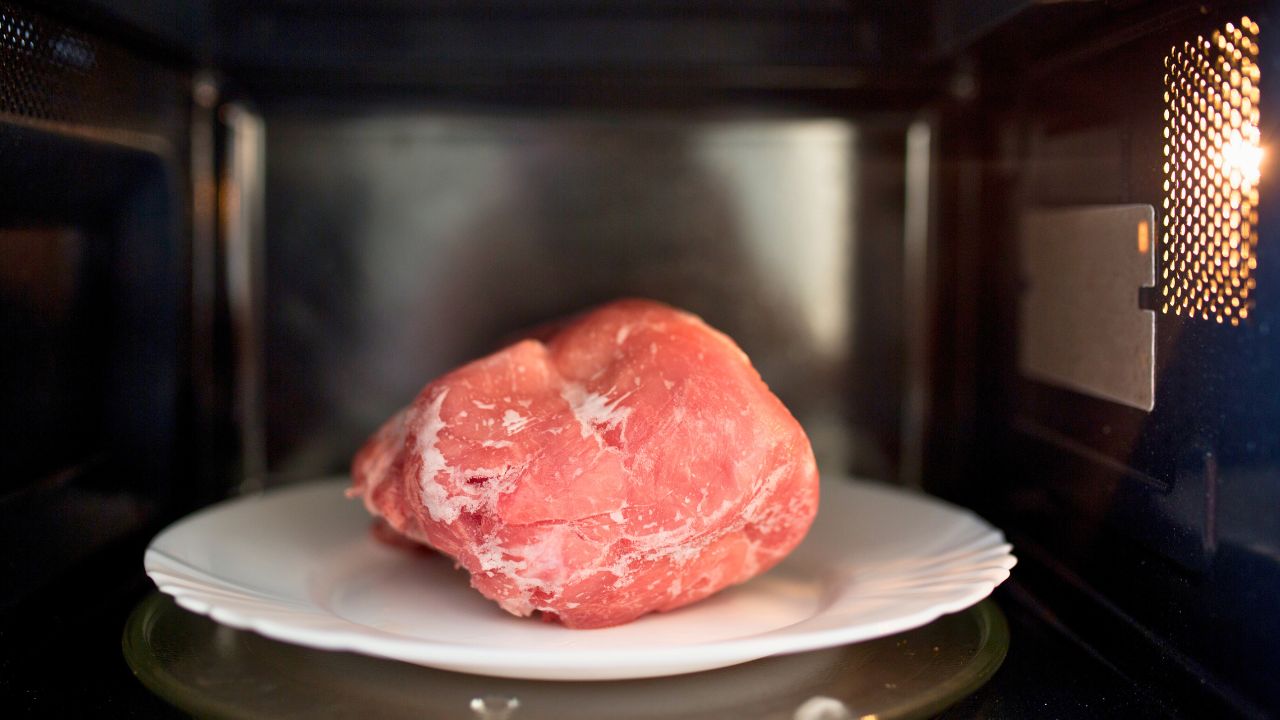
The problem arises from her mother-in-law’s method of preparing food. She described watching her MIL take frozen meat, still in its original plastic packaging or cling wrap, and defrost it in the microwave. “When it comes out that plastic is sooo hot,” the concerned mother wrote. “And it’s so bad for our health.”
She feels torn. While she acknowledges that we can’t avoid every health hazard in life, this one feels entirely preventable. “I really really dislike the thought of my children eating that meat,” she confessed. The situation is made more delicate because her mother-in-law is known to be “sensitive.”
The two already have differing views on healthy eating, with the daughter-in-law often having to gently refuse the constant stream of sweets the grandmother offers the children.
She doesn’t want her MIL to feel criticized or that she “knows better,” but the thought of her young children consuming food potentially tainted by heated plastic is, as she put it, “bugging me so much!”
The Internet Reacts
The online community was deeply divided, with opinions falling into a few distinct camps. The poll attached to her post was nearly a 50/50 split, proving just how tricky this situation is.
First, there was the “Absolutely Not” Crowd, who were firmly on the mother’s side. They shared her concerns about food safety and couldn’t believe anyone would cook that way. One commenter stated simply, “I wouldn’t want melted plastic in my food either!”
Another user offered a more scientific explanation, warning about “plasticer migration,” where microscopic plastic molecules can leak into food at high temperatures. One person even wondered if the mother-in-law’s “cognitive faculties are starting to wane.”
Then came the “Devil’s Advocate” camp, who felt the daughter-in-law was overreacting. Many pointed out that telling someone how to cook in their own home is a serious breach of etiquette. “You can’t tell someone how to cook in their own home, no,” one person stated bluntly.
Others admitted to doing the exact same thing, with one user joking, “I always defrost in the microwave in packaging. Am I going to die?” Another agreed, saying, “The plastic is hot but doesn’t melt.” Their general feeling was that an occasional meal prepared this way was not worth risking the grandparent relationship over.
Finally, there was the “Practical Solutions” Crowd. These commenters skipped the debate and offered strategic advice. Many suggested simply avoiding meals there altogether. “I would find reasons to not eat there. Time visits accordingly,” one person advised.
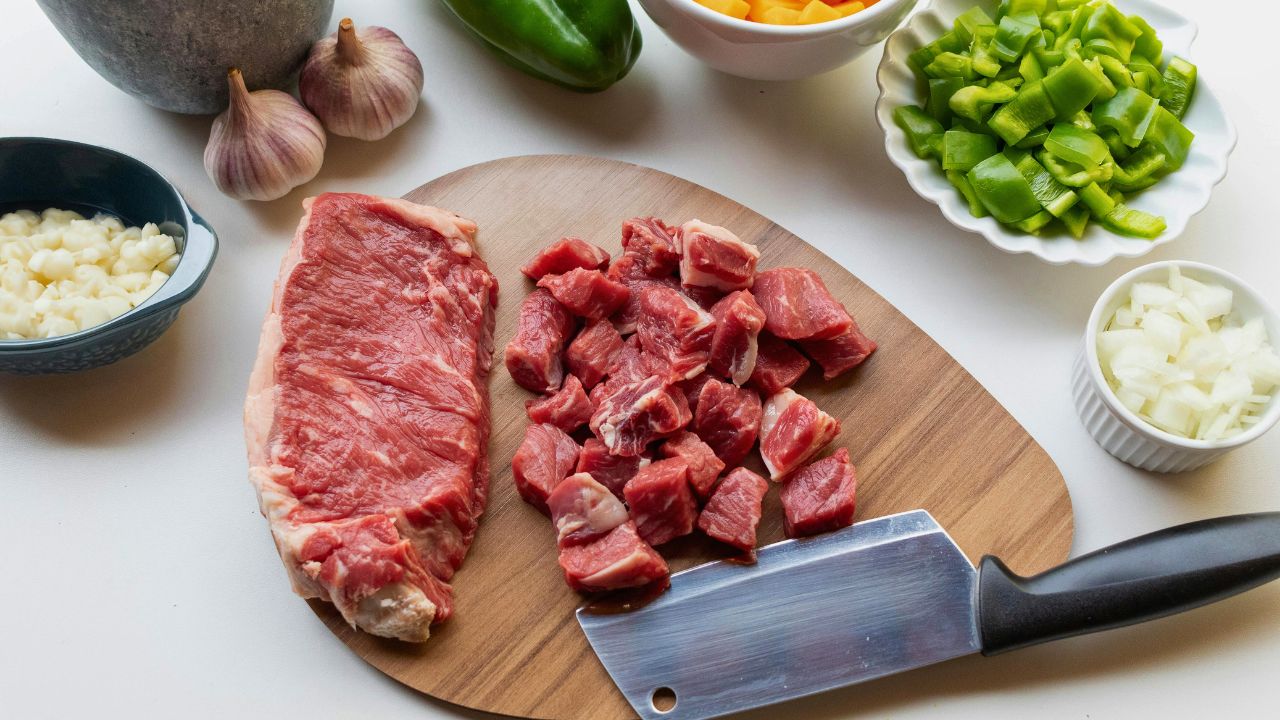
Others suggested taking control of the cooking by offering to make dinner or bringing fresh, already-defrosted meat for everyone to share. A popular suggestion was to have her husband address the issue, as the message might be better received coming from her own son.
The Etiquette Verdict
Navigating in-law relationships requires a delicate balance of respect and self-advocacy. While it is certainly poor form to critique your host’s cooking, this situation transcends simple matters of taste. A parent’s first duty is to protect their children, and when there is a legitimate health concern on the table, that responsibility must take precedence over sparing someone’s feelings.
The mother-in-law may have been doing this for decades without issue, but that doesn’t make her daughter-in-law’s concerns invalid. The kindest, most effective approach would be for the husband to speak to his mother, framing it as a preference rather than a judgment. If that fails, the family is well within their rights to manage the situation by bringing their own food or politely declining meals.

Your Thoughts
When it comes to family, some lines are hard to draw. What do you think is the right thing to do here?
Should the daughter-in-law speak up for her children’s health, or should she respect her mother-in-law’s kitchen rules?