12 Strangest Foods Ever Found in a Can for Sale
Think you’ve seen everything in the canned food aisle? Think again! From whole chickens squished into metal containers to actual city air sealed for posterity, the world of canned goods holds some truly bizarre treasures. These peculiar preserved products will make your regular canned beans look downright boring.
If you dare to venture beyond traditional tomato soup and tuna, you’ll find rattlesnakes coiled up next to cobra meat, and fermented shark keeping company with silkworm pupae. Yes, these are real products you can buy – though you might question why anyone would want to.
Some of these canned curiosities started as novelty items, while others represent genuine cultural delicacies. Whether it’s a cheeseburger in a can (thanks, Germany!) or bread that’s somehow better canned than fresh, these 12 strange offerings prove that humans will try to preserve just about anything in a metal container.
Canned Air from Different Cities

You’ve probably bought souvenirs from your travels, but how about capturing the actual air from your favorite city? Companies now sell canned air from various metropolitan areas worldwide, giving new meaning to “taking a piece of the city home with you.” These novelty items contain genuine air collected from specific locations, sealed in metal cans with fancy labels showing landmarks or city names. The most popular ones come from Paris, New York, and London, with some people claiming they can actually smell subtle differences between each city’s atmospheric blend.
The quirky concept started as an art statement about pollution and city life but quickly turned into a legitimate product that tourists buy. Each can costs between $10-20 and contains about 8 ounces of city air. Some manufacturers even market their cans as “emergency air supply” for smog-filled days, though that’s more marketing than practicality. My favorite part? The warning label on a New York City air can reads “May contain traces of hot dog water and subway steam” – at least someone in packaging has a sense of humor! While it might seem totally absurd, these canned air souvenirs have found their niche market among tourists and collectors who want something uniquely different from the usual keychains and postcards.
Canned Cobra

You might think I’m pulling your leg, but canned cobra is a real product you can buy! Popular in Southeast Asian markets, these serpentine delicacies pack whole cobra meat into tin cans, complete with their distinctive scales and sometimes even the head. The cobra meat itself has a unique texture – somewhere between chicken and fish – and carries a mild, slightly gamey flavor that makes it a hit in traditional medicine and adventurous cooking circles.
During my visit to a Vietnamese market, I spotted these metallic cylinders lined up on shelves, each containing a coiled cobra preserved in a savory broth. The locals told me they often add the meat to soups or stir-fries, believing it boosts energy and health. The most fascinating part? Some brands include cobra blood and venom in the preservation liquid – don’t worry though, the canning process neutralizes any dangerous compounds. Just remember to check the expiration date if you’re brave enough to try this serpentine snack!
Canned Bacon
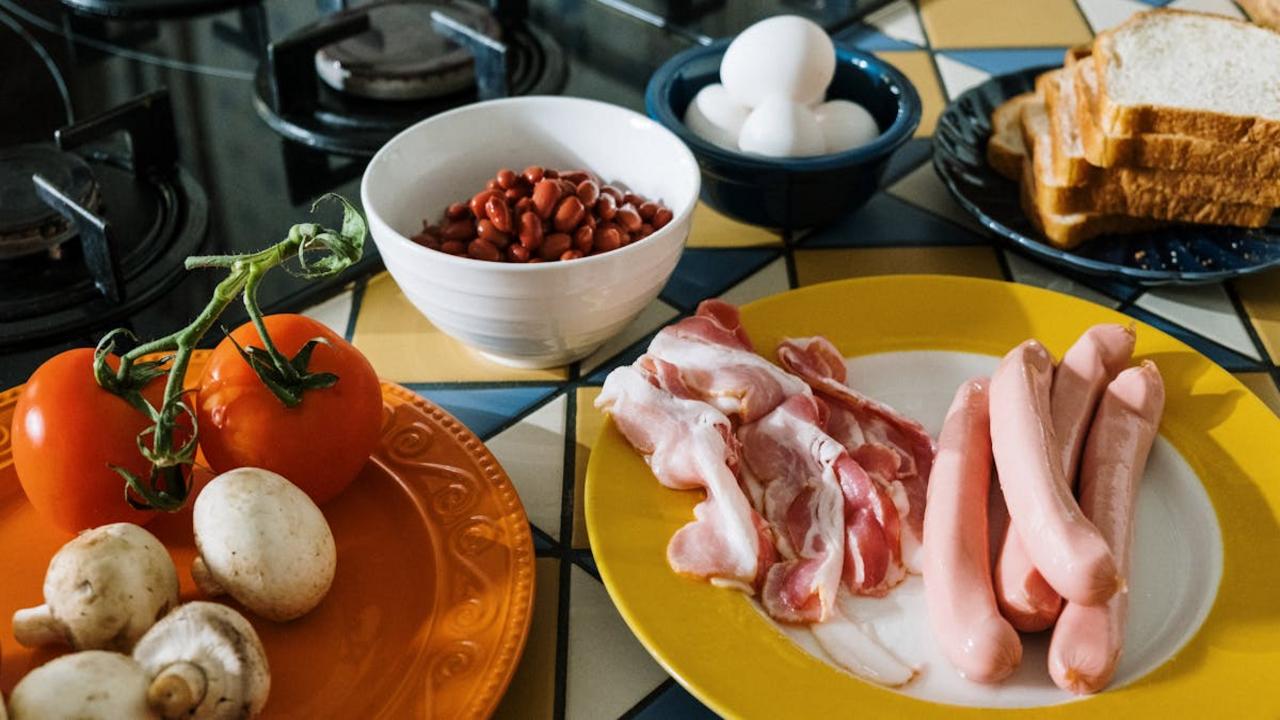
You might think bacon only belongs in a frying pan, but someone decided to stuff this beloved breakfast meat into a can! Trekking Maxx, a company known for its survival foods, created this peculiar product that promises to keep your bacon fresh for up to 10 years. Each can contains about 50-60 slices of pre-cooked bacon, vacuum-sealed and ready to eat straight from the container. The bacon comes rolled up in kraft paper, which you can unroll and heat up whenever your bacon craving strikes – even during a zombie apocalypse!
While the idea of canned bacon might make you raise an eyebrow, it actually makes perfect sense for emergency preparedness or outdoor adventures. The military has used canned bacon since World War II to feed troops in the field. The bacon maintains its smoky flavor and crispy texture remarkably well, though some consumers report it’s a bit saltier than fresh bacon. You can find these cans online or in survival stores, usually priced around $20-30 per can. Sure, it’s not the same as sizzling fresh strips on Sunday morning, but knowing you’ve got a decade’s worth of bacon tucked away in your pantry? That’s some serious peace of mind for bacon lovers!
Reindeer Pâté

If you thought Rudolph only brought presents, wait until you try him spread on a cracker! Scandinavian countries, particularly Finland and Sweden, have turned Santa’s favorite mode of transportation into a smooth, rich pâté that’ll make you question everything you knew about Christmas dinner. This unique canned delicacy combines tender reindeer meat with pork fat, herbs, and spices to create a spreadable meat paste that’s surprisingly popular among locals and adventurous food tourists.
I found this peculiar can in a tiny Finnish market and couldn’t resist bringing it home. The meat itself has a gamey yet mild flavor – think venison meets beef with subtle notes of juniper berries and black pepper. The texture? Silky smooth, like butter that spent a semester abroad in Lapland. While the idea of eating Dasher or Dancer might make some squeamish, reindeer farming has been a sustainable practice in Nordic regions for centuries. Plus, these hardy animals roam free in the Arctic tundra, munching on wild berries and lichen, which gives their meat a unique and natural flavor profile.
Hákarl Fermented Shark
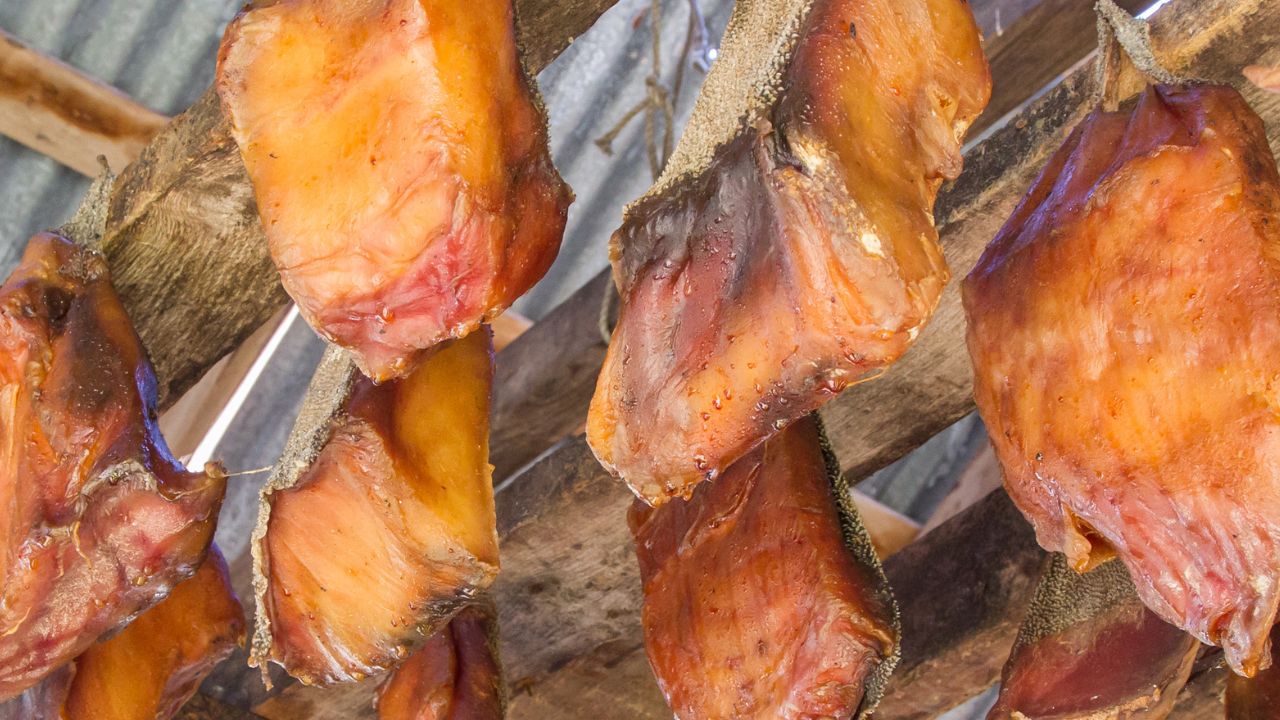
You haven’t lived until you’ve tried hákarl, the infamously pungent Icelandic fermented shark that comes neatly packed in a can! Picture this: Greenland shark meat, buried underground for months, then hung to dry and cure until it develops an overwhelming ammonia smell that’ll make your eyes water. The brave souls who’ve sampled this Nordic delicacy often compare the taste to strong cheese mixed with a hint of fishy gasoline. Yes, you read that right – and yes, people actually pay good money to eat this!
The canning process makes this traditional Icelandic food more accessible to adventurous eaters worldwide, though I’d recommend opening the can outdoors. The shark meat goes through a unique preparation process because fresh Greenland shark meat contains toxic compounds that make it inedible. The fermentation neutralizes these toxins, creating what Anthony Bourdain once called “the single worst, most disgusting thing” he’d ever eaten. Still, hákarl holds a special place in Icelandic culture, often served during midwinter festivals and washed down with a shot of brennivín, the local schnapps that helps mask the intense flavor.
Canned Brown Bread
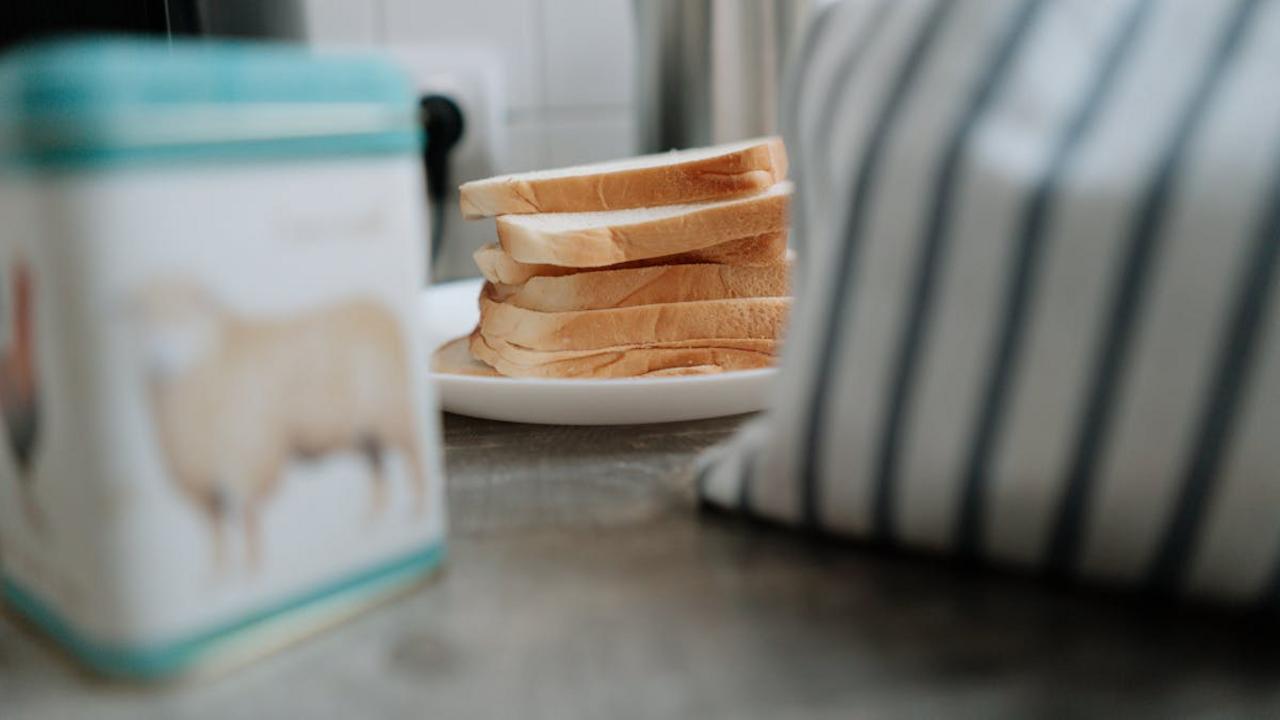
You might think bread in a can sounds like a joke, but B&M Brown Bread has been a New England staple since the 1870s! This quirky creation combines whole wheat flour, molasses, and cornmeal, steamed right inside the can to create a dense, sweet loaf that’s surprisingly delicious. The tradition started with colonial sailors who needed bread that wouldn’t spoil during long voyages – and somehow this cylinder-shaped bread stuck around for centuries. I’ve found nothing beats slicing this unique bread, toasting it up, and slathering it with cream cheese or butter.
The most entertaining part? Opening the can requires both ends to be removed, then pushing the perfectly round loaf out like a Push Pop (remember those?). The bread slides out with that signature can ridges imprinted on its sides – a detail that makes New Englanders nostalgic and leaves everyone else scratching their heads. You’ll find this canned curiosity served alongside baked beans at traditional Saturday night suppers across Maine, Massachusetts, and other northeastern states. Who knew bread could come with such a side of history and humor?
Canned Alligator Meat

Want to add some prehistoric flair to your pantry? You’ll find canned alligator meat sitting right between the tuna and chicken at specialty stores! This Southern delicacy brings the bayou straight to your kitchen, packed with tender chunks of farm-raised gator meat that tastes like a wild mix between chicken and fish. Companies like Louisiana’s Bayou Foods have turned this regional protein into a shelf-stable sensation, making it easier than ever to whip up authentic gator gumbo or jambalaya without wrestling one yourself.
Beyond its novelty factor, canned alligator meat packs some serious nutritional punch. It’s lean, high in protein, and rich in omega-3 fatty acids – basically the bodybuilder’s dream food that happens to come from a reptile! The meat gets pressure-cooked right in the can, which keeps it tender and ready for your next Cajun creation. Just remember to invite me over when you crack open that can – I’m dying to see your guests’ faces when you casually mention they’re eating alligator from a tin!
Canned Cheeseburger
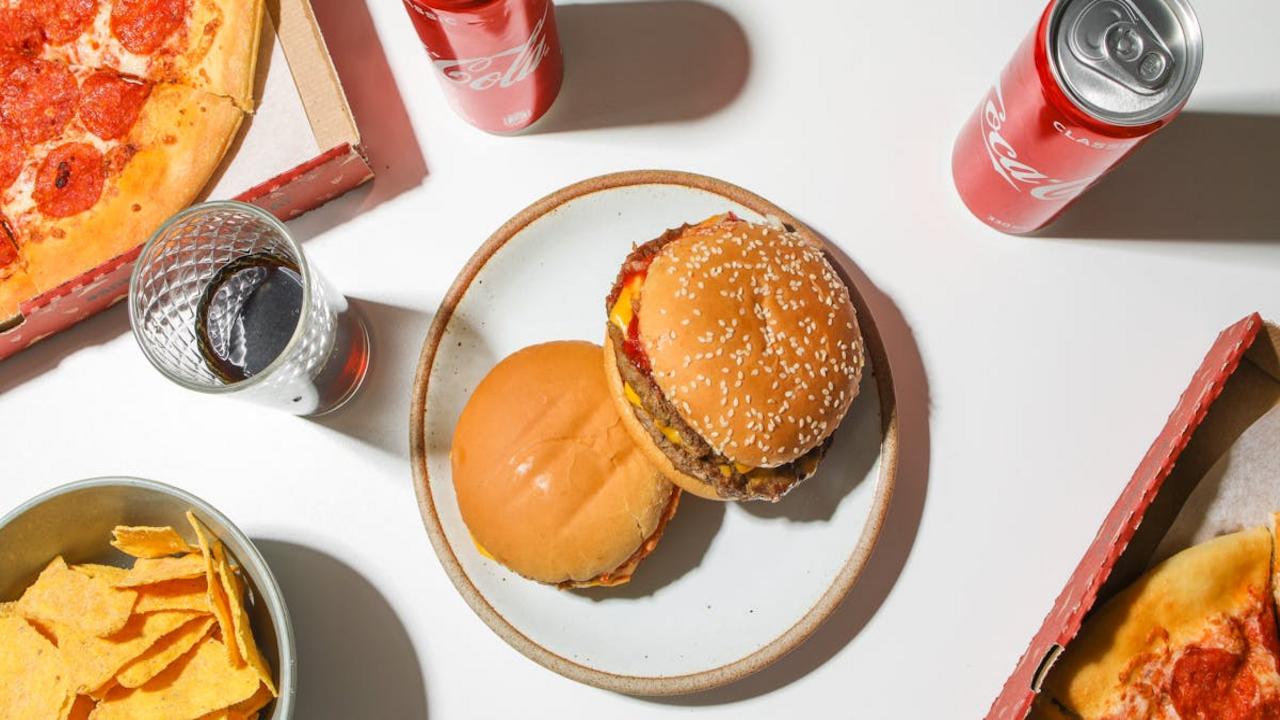
You might think I’m pulling your leg, but canned cheeseburgers are absolutely real! A German company called Trekking-Mahlzeiten created these peculiar portable meals for campers and outdoor enthusiasts who want a hot burger without the hassle of grilling. The can contains a complete cheeseburger – bun, beef patty, cheese, and condiments – all sealed inside and ready to eat after a quick warm-up in boiling water. The company promises these burgers stay fresh for at least one year, making them perfect for your apocalypse bunker or extreme wilderness adventures.
I had the chance to try one of these canned curiosities, and I’ll be honest – it’s exactly what you’d expect from a burger that’s been living in a metal container. The bun turns out surprisingly okay after warming, though the texture sits somewhere between bread and a strange sponge. The meat and cheese fuse into one interesting amalgamation that somehow maintains a recognizable burger flavor. While it won’t replace your favorite drive-through burger, it’s a fascinating example of food innovation gone wonderfully weird. The company sells thousands of these annually, proving that sometimes the strangest food concepts find their dedicated fans.
Silkworm Pupae
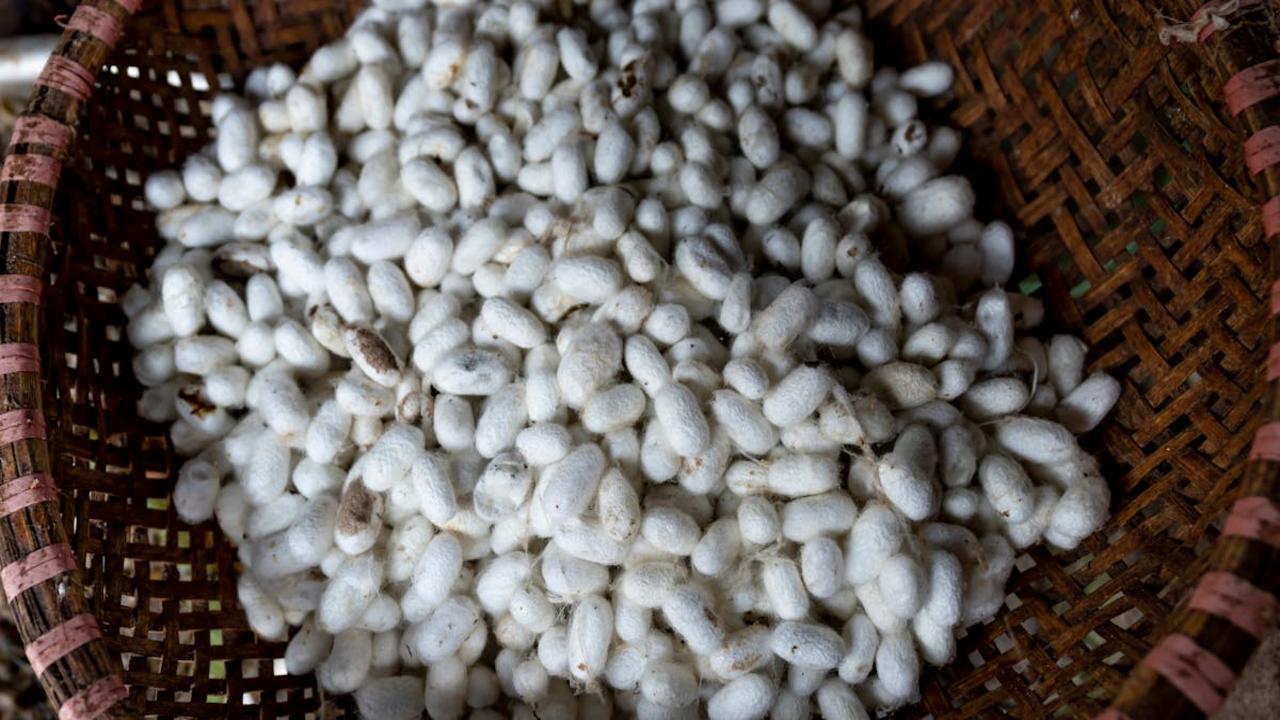
I’ll admit, finding canned silkworm pupae at my local Asian market made me do a double-take. These little protein-packed morsels, popular in Korean, Chinese, and Vietnamese cuisine, pack a whopping 55 grams of protein per 100 grams! The canning process actually preserves their unique nutty flavor and slightly crunchy texture. While the idea of munching on silkworm pupae might make some squeamish, they’ve been a traditional snack and beer companion in many Asian countries for generations.
The best part? These canned insects offer a sustainable protein alternative that requires minimal resources to produce. Once the silk industry harvests the valuable threads from silkworm cocoons, the pupae become a nutritious by-product ready for consumption. Many street vendors in Seoul serve them piping hot, seasoned with salt and pepper. If you’re feeling adventurous, you can heat the canned version in a pan with garlic and soy sauce for an authentic Korean bar snack experience. Just remember – one can typically contains enough pupae for 2-3 servings, so invite your bravest friends to join the fun!
Canned Rattlesnake

I couldn’t believe my eyes when I first spotted canned rattlesnake at a specialty foods store in Arizona. These serpentine delicacies, packed in a broth with light seasoning, bring the Wild West right to your pantry! The meat itself has a texture similar to alligator or frog legs – lean, white, and slightly chewy. Most brands source their snakes from professional hunters who catch Western Diamondbacks, the most common rattlesnake species in North America. One 10-ounce can typically contains an entire snake, skinned and chopped into bite-sized pieces.
The most popular way to eat canned rattlesnake is to drain the broth and fry the meat with garlic, butter, and herbs. Some adventurous cooks add it to stews or use it as a conversation-starting pizza topping. While the protein-rich meat has a mild, almost chicken-like flavor, you’ll pay around $30-40 per can for this unique experience. The high price comes from the dangerous and time-consuming process of catching and processing the snakes. Fun fact: rattlesnake meat contains almost no fat and packs more protein per ounce than chicken or beef!
Canned Cheesecake

I couldn’t believe my eyes when I first spotted canned cheesecake at a Japanese convenience store. Yes, you read that right – a whole cheesecake, squeezed into a can! The Japanese company Bourbon created this portable dessert phenomenon, offering both plain and strawberry flavors. When you push the bottom of the can up (like those push-pop ice creams from your childhood), out slides a perfectly formed mini cheesecake that keeps its shape and texture. The crazy part? It actually holds up pretty well, maintaining that signature creamy consistency cheesecake fans know and love.
The genius behind this invention lies in its convenience and preservation method. Unlike traditional cheesecakes that need constant refrigeration, these canned versions stay fresh at room temperature for months. The company uses a special sterilization process that kills bacteria while keeping the cake’s texture intact. While purists might turn up their noses, these portable cheesecakes have built quite a following in Japan and among adventurous snackers worldwide. I’ve tried both flavors, and though they won’t replace my mom’s homemade cheesecake anytime soon, they make for a fun conversation starter at parties!
Canned Whole Chicken
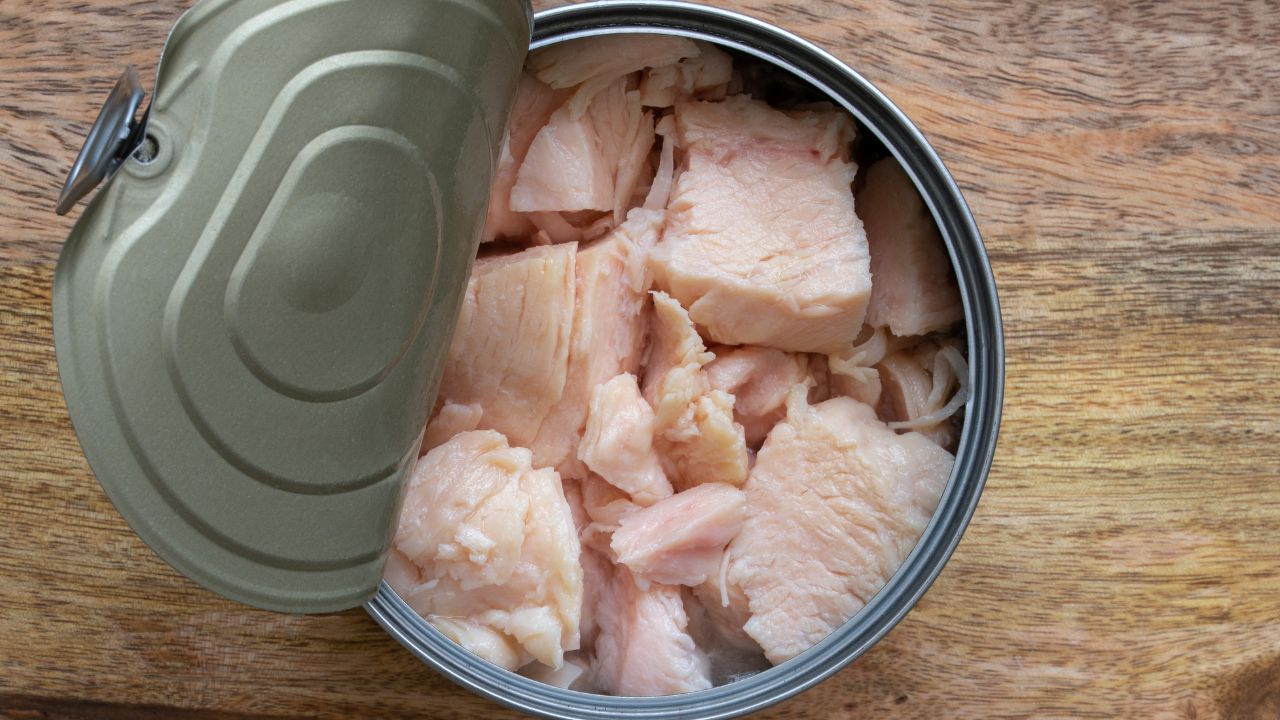
You’d think a whole chicken would be the last thing you’d find in a can, but Sweet Sue Canned Whole Chicken exists – and yes, it’s exactly what it sounds like! Picture this: a fully cooked chicken, bones and all, squeezed into a tall metal can filled with broth. The product gained internet fame for its rather unsettling appearance when removed from the can, often maintaining the cylindrical shape of its container. While technically edible and shelf-stable for years, this peculiar poultry product has become more of a novelty item and conversation starter than a practical meal solution.
The history behind canned whole chicken dates back to the 1950s when food preservation methods were gaining popularity in American households. Companies marketed these as convenient emergency food supplies or camping provisions. Opening one reveals a pale, somewhat gelatinous bird that requires heating before consumption. Food reviewers who’ve braved tasting it report a texture similar to boiled chicken, though many can’t get past the visual impact of seeing an entire bird emerge from a can. Some brave souls have even turned it into a social media challenge, documenting their reactions to this unusual preserved protein.