15 Delicious Roaring 1920s Street Foods You Have to Taste to Believe
Step back into the jazzy days of the 1920s, where street vendors lined bustling sidewalks with mouthwatering treats that defined an era. From humble pushcarts to corner stands, these street foods brought people together in a time of speakeasies and social revolution.
Picture yourself strolling down a cobblestone street, the scent of roasted peanuts mixing with sweet cotton candy in the air. The 1920s didn’t just give us flappers and fast cars – it created some of America’s most beloved snacks, many of which still make our mouths water today.
Each bite of these classic street foods tells a story of innovation and simple pleasures. Whether it’s the satisfying snap of a hot dog casing or the sticky sweetness of saltwater taffy, these treats capture the spirit of an unforgettable decade. Get ready to discover (or rediscover) why these 15 street foods became American classics.
Frosted Malted Milk
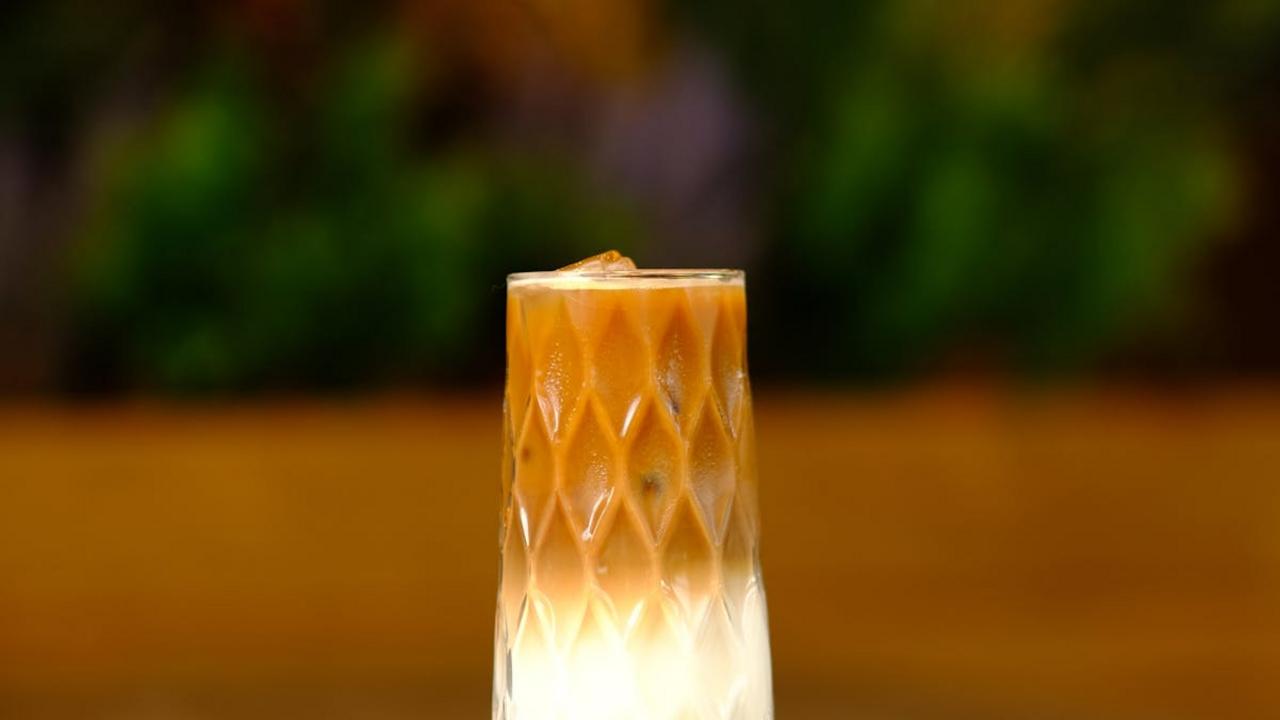
Oh my goodness, you haven’t lived until you’ve tried a Frosted Malted Milk from the 1920s! Picture this: a tall, frosty glass filled with creamy malted milk, topped with a generous scoop of vanilla ice cream that slowly melts and swirls into the drink. The secret ingredient? Horlick’s malted milk powder, which gave it that distinctive nutty, toasted flavor that had flappers and dapper dans lining up at soda fountains across America. I swear, this drink was so popular during Prohibition that some folks called it their “legal high” – though it was just the sugar rush talking!
The beauty of a Frosted Malted was in its simple preparation that created pure magic. Soda jerks would mix malted milk powder with cold milk until smooth, add a splash of vanilla extract, then blend it with shaved ice until frothy. The finishing touch? A perfectly rounded scoop of ice cream floating on top like a little frozen island. The best part was watching it slowly sink into the malted milk, creating ribbons of vanilla cream throughout your drink. During the scorching summers of the Roaring Twenties, nothing beat the heat quite like this frosty, creamy concoction!
Hamburger Sliders
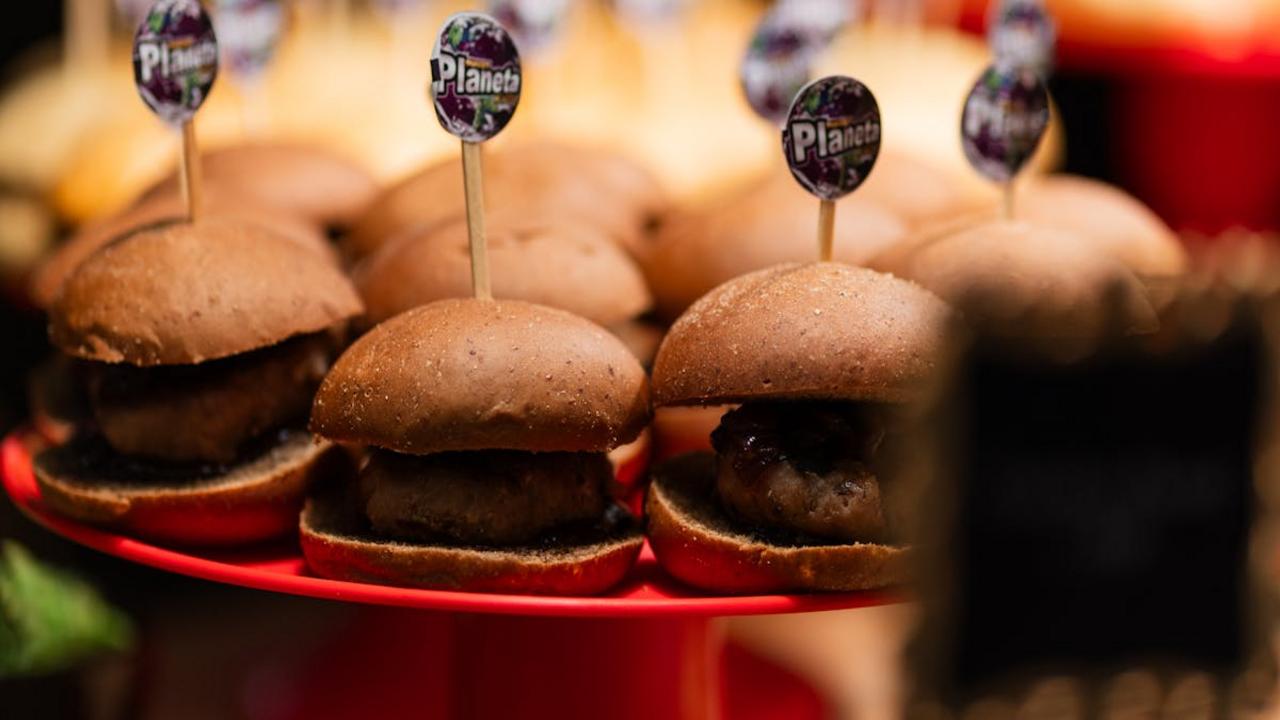
Before White Castle made mini burgers famous nationwide in the 1920s, street vendors had already mastered the art of these palm-sized beauties. The compact burgers gained popularity among late-night workers and party-goers who wanted a quick, satisfying bite without breaking the bank. Street cooks would fry up these juicy little numbers on makeshift griddles, adding diced onions that would caramelize right into the meat as it sizzled. The smell alone would draw crowds from blocks away!
The magic of these 1920s sliders lay in their simple preparation – a small ball of ground beef smashed thin on a hot griddle, seasoned with just salt and pepper, topped with those gorgeous golden onions and maybe a pickle or two. Unlike today’s fancy mini burgers loaded with exotic toppings, these street food classics kept it basic but absolutely perfect. The meat would develop a beautiful crust while staying tender inside, and the soft bun would soak up all those amazing juices. One was never enough – people would order them by the bagful, which led to the nickname “belly bombers” among the regular customers.
Hot Corn on the Cob
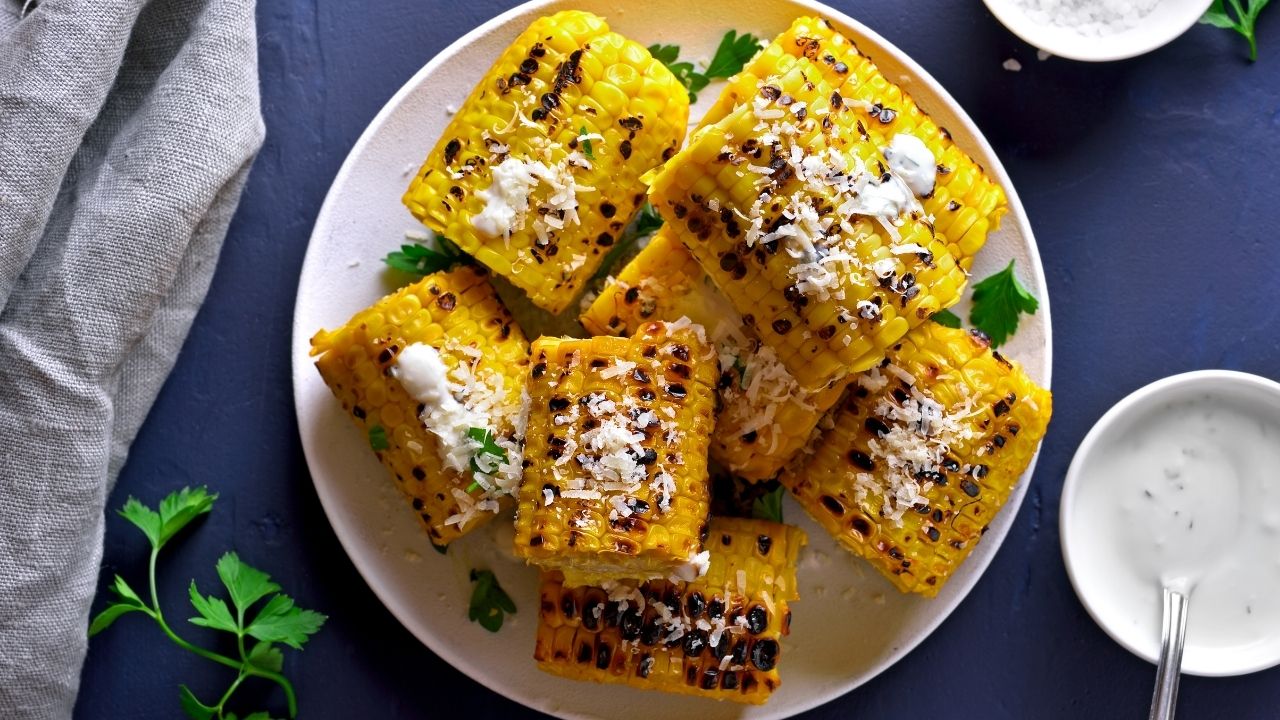
You haven’t lived until you’ve tasted a piping hot ear of corn slathered in butter from a 1920s street cart! These golden beauties became a sidewalk sensation during the Jazz Age, with vendors rolling their portable corn-cooking stations through bustling city streets. The setup was simple but genius – a large pot of boiling water heated by coal or wood, where fresh corn ears bobbed until a customer came along. The vendor would fish one out with special tongs, wrap it in paper, and hand it over with a generous pat of butter melting into every kernel.
The best part? This street food classic cost just a nickel back then! Kids would save their pennies all week to grab one on Saturday afternoons, and businessmen in their fancy suits would risk butter drips on their ties for a quick lunch. Some creative vendors even offered salt, pepper, and paprika for extra zing. The tradition lives on today at county fairs and festivals, but nothing beats the mental image of a dapper flapper, decked out in beads and fringe, carefully nibbling corn on the cob while trying not to smudge her lipstick!
Cracker Jack
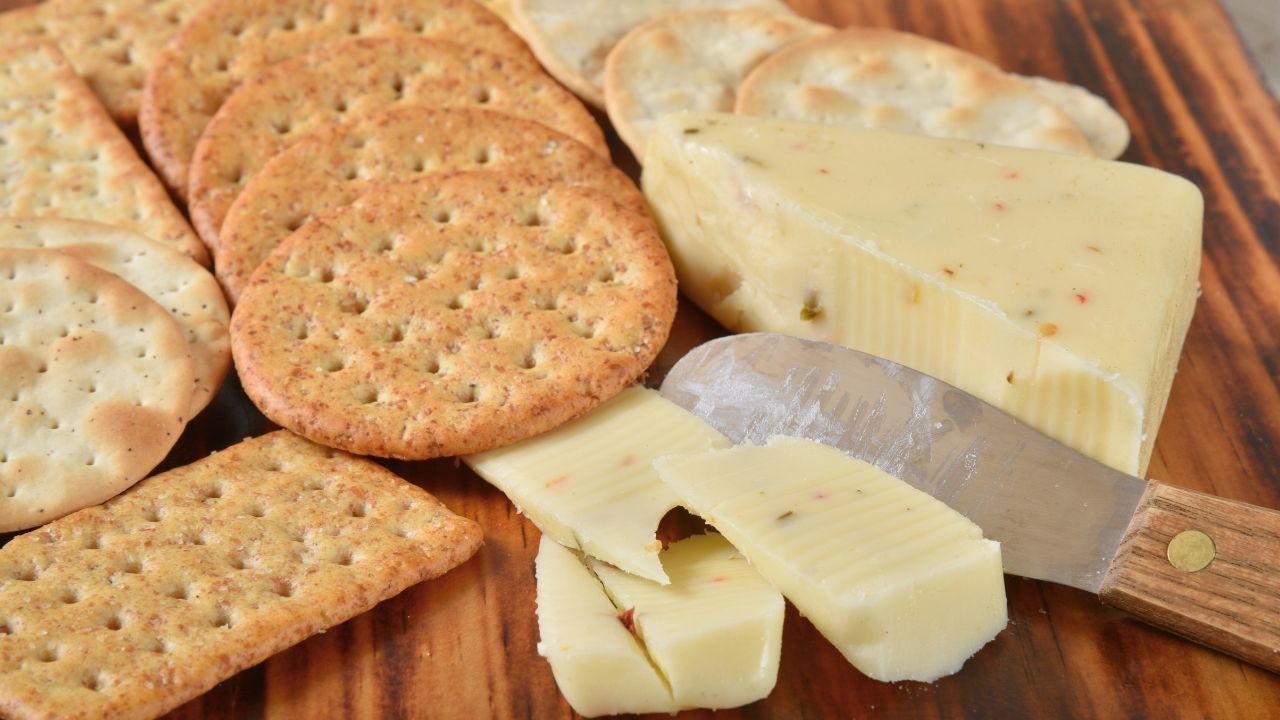
Oh my goodness, you haven’t lived until you’ve plunged your hand into a warm box of Cracker Jack! This iconic treat became a street food sensation in the 1920s, combining sweet caramel-coated popcorn with crunchy peanuts in a perfect symphony of flavors. The story goes that German immigrants Frederick and Louis Rueckheim created this addictive snack back in 1893, but it hit peak popularity during the Roaring Twenties when vendors would sell it at every baseball game, carnival, and street corner in America.
The real magic of Cracker Jack wasn’t just in its mouthwatering combination of sweet and salty – it was the prize inside! Kids (and let’s be honest, adults too) would dig through the box searching for tiny toys, baseball cards, or temporary tattoos. The treats became so tied to American baseball that the 1908 song “Take Me Out to the Ball Game” immortalized it forever with the line “buy me some peanuts and Cracker Jack.” Today, you can still grab this nostalgic treat at ballparks nationwide, though modern prizes might not match up to those charming vintage trinkets from the 1920s.
Caramel Corn
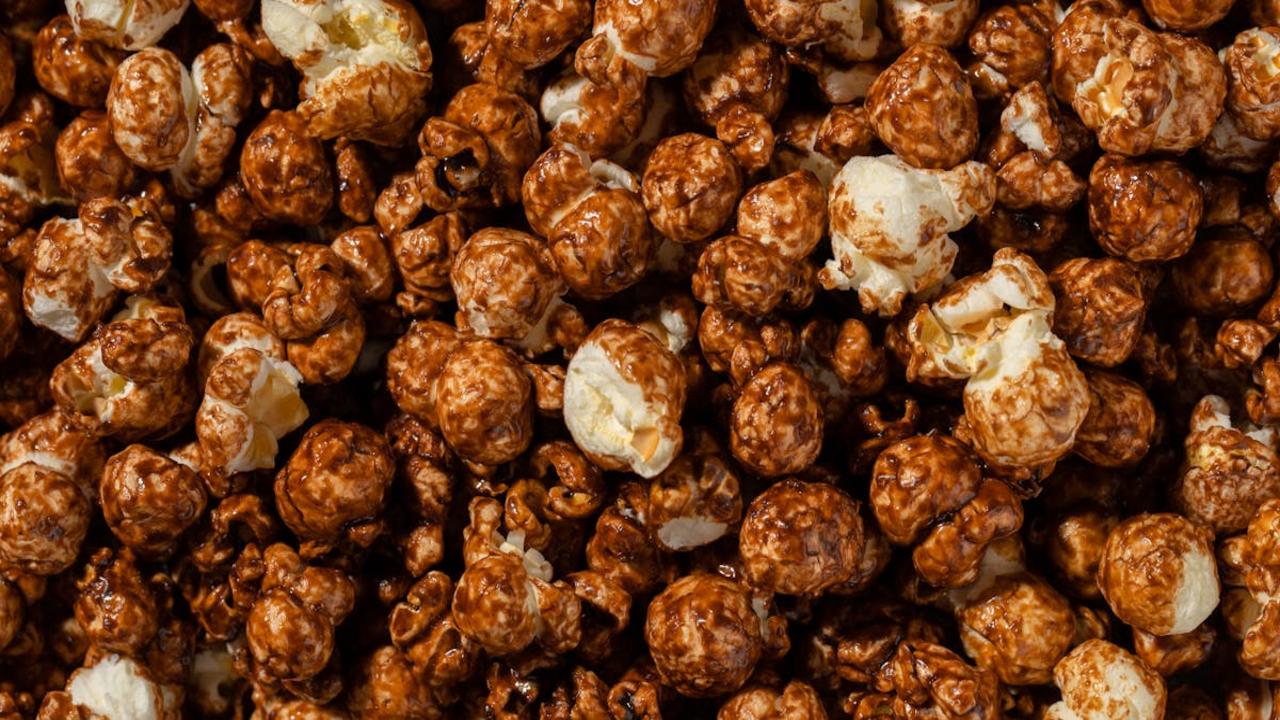
Oh, honey, you haven’t lived until you’ve tried authentic 1920s caramel corn! Picture this: sweet, crunchy kernels of popcorn wrapped in a golden-brown caramel coating that makes your fingers delightfully sticky. Back in the Roaring Twenties, street vendors would stir huge copper kettles of bubbling caramel, creating a heavenly aroma that drew crowds from blocks away. The secret? A dash of vanilla and a pinch of sea salt in the caramel mixture – a combination that made this treat absolutely irresistible to flappers and businessmen alike.
The best part? Caramel corn became a movie theater staple during this era, with vendors selling paper bags full of this sweet creation for just a nickel. The trend caught on so fast that some enterprising sellers started mixing in peanuts – an early predecessor to today’s Cracker Jack! I’ve tried recreating this classic treat at home, and here’s a pro tip: heat your caramel to exactly 250°F (the “hard-ball” stage) for that perfect, glossy coating that won’t get tooth-breakingly hard. Your grandma probably remembers munching on this exact same snack while watching Charlie Chaplin’s latest film!
Saltwater Taffy
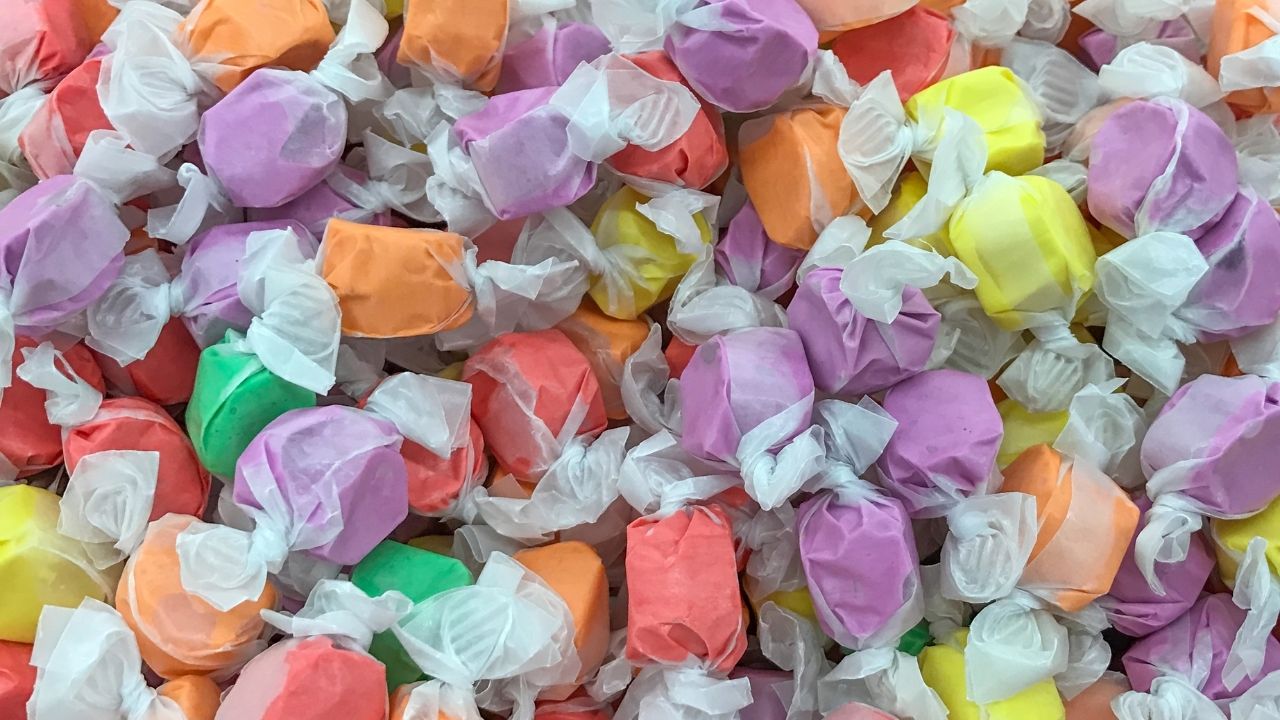
You haven’t lived until you’ve sunk your teeth into a piece of authentic 1920s saltwater taffy! This chewy, colorful confection became a boardwalk sensation during the Roaring Twenties, with vendors pulling and stretching the candy right in front of mesmerized crowds. Despite its name, saltwater taffy doesn’t actually contain any seawater – the story goes that a candy shop on the Atlantic City boardwalk flooded during a major storm in 1883, prompting the owner to jokingly offer his soaked merchandise as “saltwater taffy.” The name stuck, and Americans couldn’t get enough of this sweet treat.
Making saltwater taffy was quite the workout – candy makers would hook the sticky mass onto a taffy-pulling machine that stretched and folded it repeatedly until it reached the perfect consistency. The process incorporated tiny air bubbles that gave the candy its signature texture. Flavors ran wild in the 20s, from classic vanilla and strawberry to more adventurous combinations like molasses-mint and maple-pecan. The wrapped pieces would stay fresh for weeks, making them perfect souvenirs for beach-goers to take home. Today, you can still find traditional saltwater taffy made using these century-old methods at historic candy shops along America’s boardwalks.
Hot Roasted Peanuts
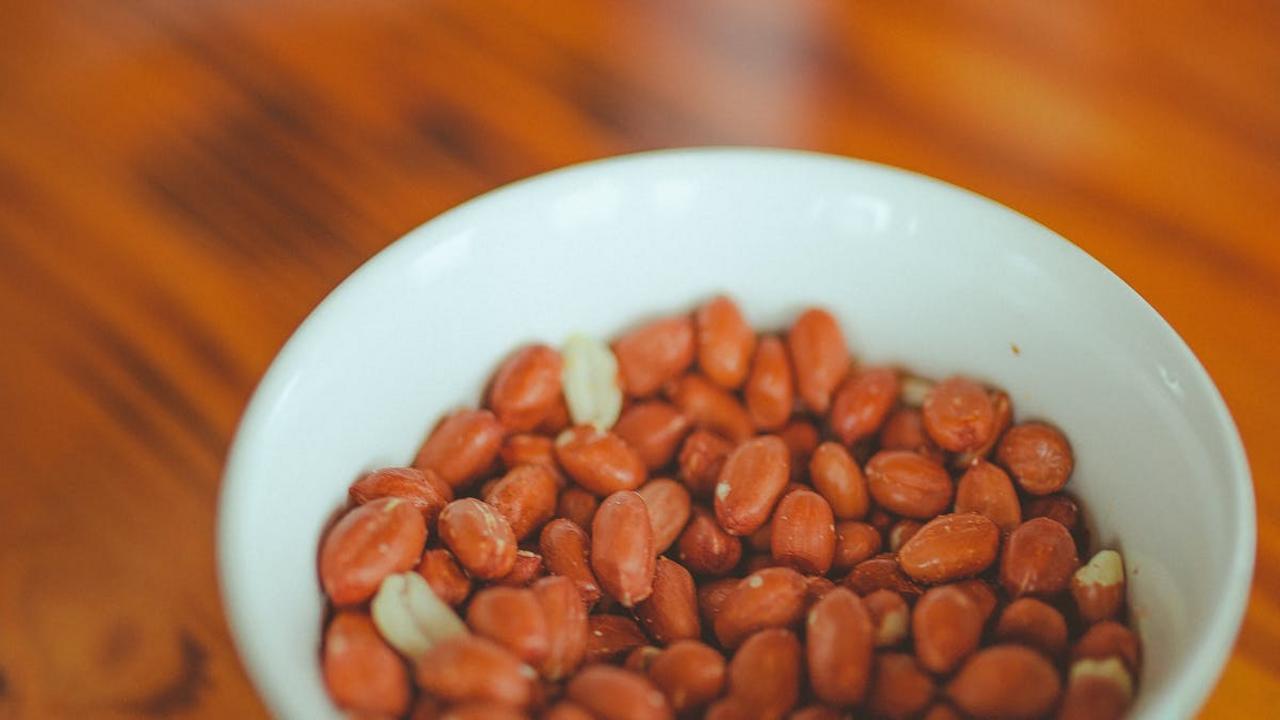
Picture this: You’re strolling down a bustling 1920s street when the warm, nutty aroma of freshly roasted peanuts hits your nose. These crispy, golden-brown beauties were a street food superstar of the era, sold by vendors who’d crank their metal roasters right there on the sidewalk. The gentle click-clack of the turning drum would mix with the vendors’ cheerful calls of “Peanuts! Get your hot roasted peanuts!” – a soundtrack that defined city life during the Jazz Age. The simple combination of raw peanuts, a dash of salt, and careful roasting created an irresistible snack that cost just a nickel per bag.
What made these peanuts extra special was the roasting technique. Vendors would carefully monitor the temperature, turning the drum at just the right speed to ensure every peanut reached perfect golden-brown perfection. The result? A snack with a satisfying crunch and deep, rich flavor that modern machine-roasted nuts just can’t match. These weren’t just any old peanuts – they were hot, fresh, and often came wrapped in paper cones made from yesterday’s newspaper, adding an extra layer of charm to this simple street treat. Some vendors even sprinkled their secret spice blends into the mix, creating signature flavors that kept customers coming back day after day.
Soft Pretzels
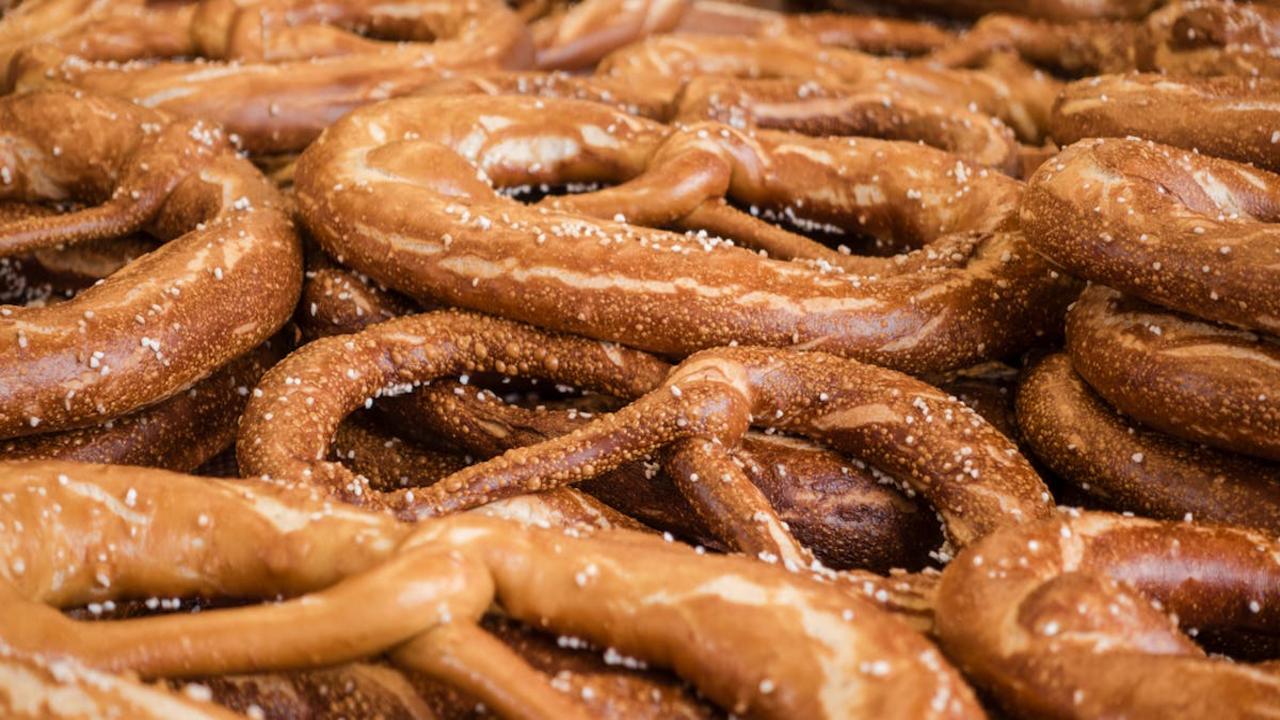
Oh, those warm, twisty-turny soft pretzels from 1920s street carts! The vendors would call out “Fresh pretzels, two cents!” while carrying baskets loaded with these golden-brown beauties. The German immigrants brought this cherished snack to America’s streets, and boy, did it catch on fast. Each pretzel got a quick dip in lye solution before baking, creating that signature deep mahogany color and chewy exterior that made everyone’s mouth water. The salt crystals on top would glisten in the sunlight, making them impossible to resist.
Street vendors had a special technique for storing their pretzels – they’d stack them on long wooden dowels, creating what looked like edible jewelry displays. The smart vendors kept their pretzels under cloth to trap the warmth and aroma. A quick spritz of water before reheating brought back that fresh-baked magic. Kids would often save their pennies just to buy these twisted treats, and some crafty vendors even created special “pretzel points” cards – buy 10, get one free! The tradition lives on today, though you’ll need more than two cents to snag one.
Candied Apples
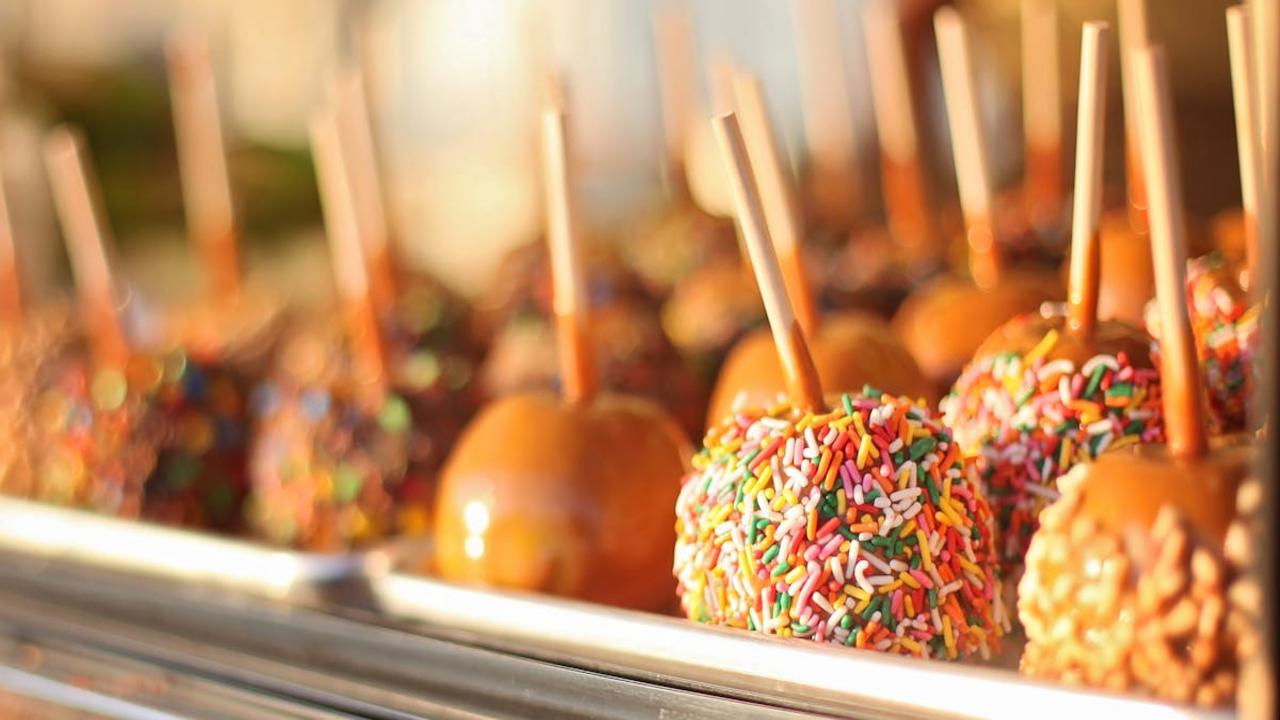
Picture yourself at a bustling 1920s street fair, surrounded by the sweet aroma of caramel and sugar wafting through the air. Candied apples stood out as the crown jewel of street treats during the Roaring Twenties, with their glossy red shells catching the sunlight like edible rubies. A candy maker named William Kolb accidentally created these beauties in 1908 while experimenting with Christmas candy displays in his Newark shop. He dunked apples in a bright red cinnamon mixture, put them in his window, and sold them for 5 cents each – talk about a happy accident!
Making these vintage treats requires just the right technique to achieve that perfect crack when you bite into them. The secret lies in heating the candy mixture to exactly 300°F (the “hard crack” stage) before dipping your apples. Vendors would often compete to create the shiniest, most perfectly coated specimens, with some even adding food coloring to make their apples stand out from the competition. The best part? You can still find these nostalgic treats at fairs and carnivals today, though modern versions often come dressed up with nuts, sprinkles, or chocolate drizzles – something those 1920s candy makers could only dream about!
Ice Cream Sandwiches
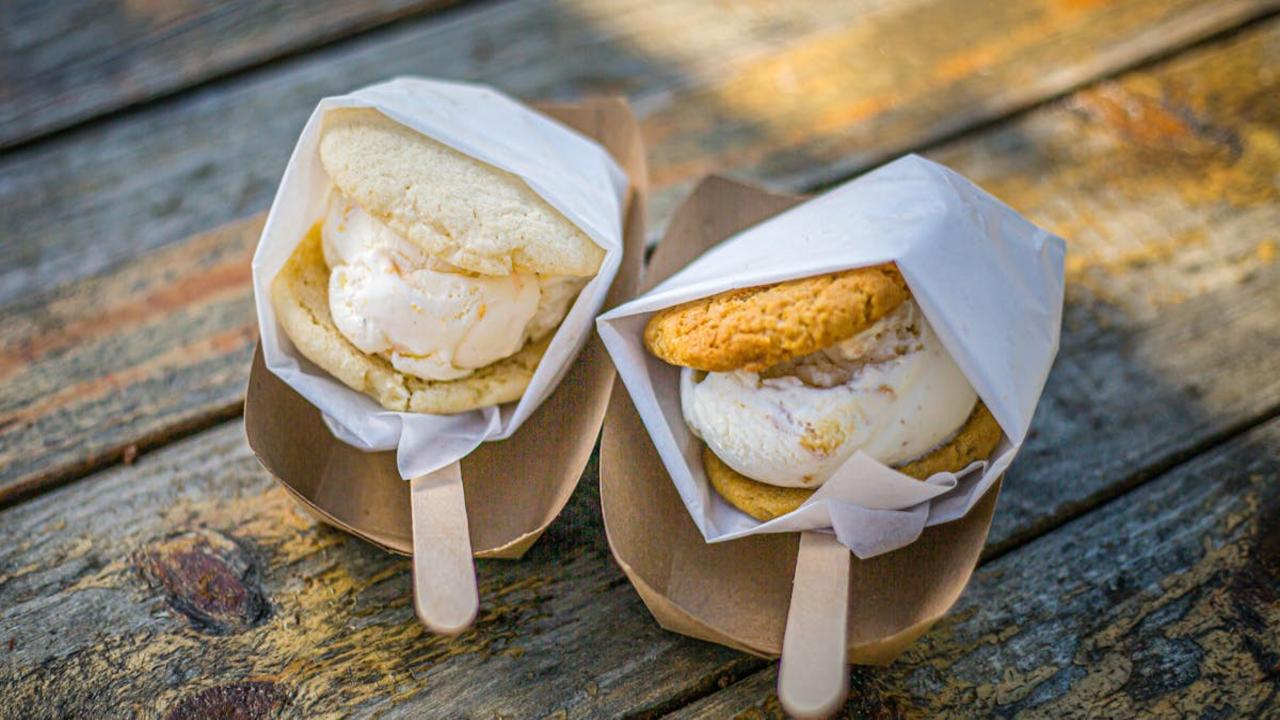
You haven’t lived until you’ve bitten into a 1920s-style ice cream sandwich! Back then, street vendors would slap generous scoops of vanilla ice cream between two crispy chocolate wafers, creating pure magic for just a nickel. The frozen treat became a hit during hot summer days when New Yorkers would flock to pushcarts, eager to get their hands on these portable pieces of heaven. The vendors had a special technique – they’d wrap each sandwich in paper and press it flat, creating that iconic rectangular shape we know today.
The best part? These sandwiches sparked some hilarious social situations. Picture this: proper ladies in their fancy dresses, trying to eat melting ice cream without making a mess, while newspaper boys would compete to see who could eat one the fastest without getting brain freeze. Some clever vendors even created “double-deckers” – two layers of ice cream between three wafers. Though today’s versions come in countless flavors, nothing beats the simple charm of those original vanilla and chocolate combinations that made everyone smile during the Roaring Twenties.
Popcorn Balls
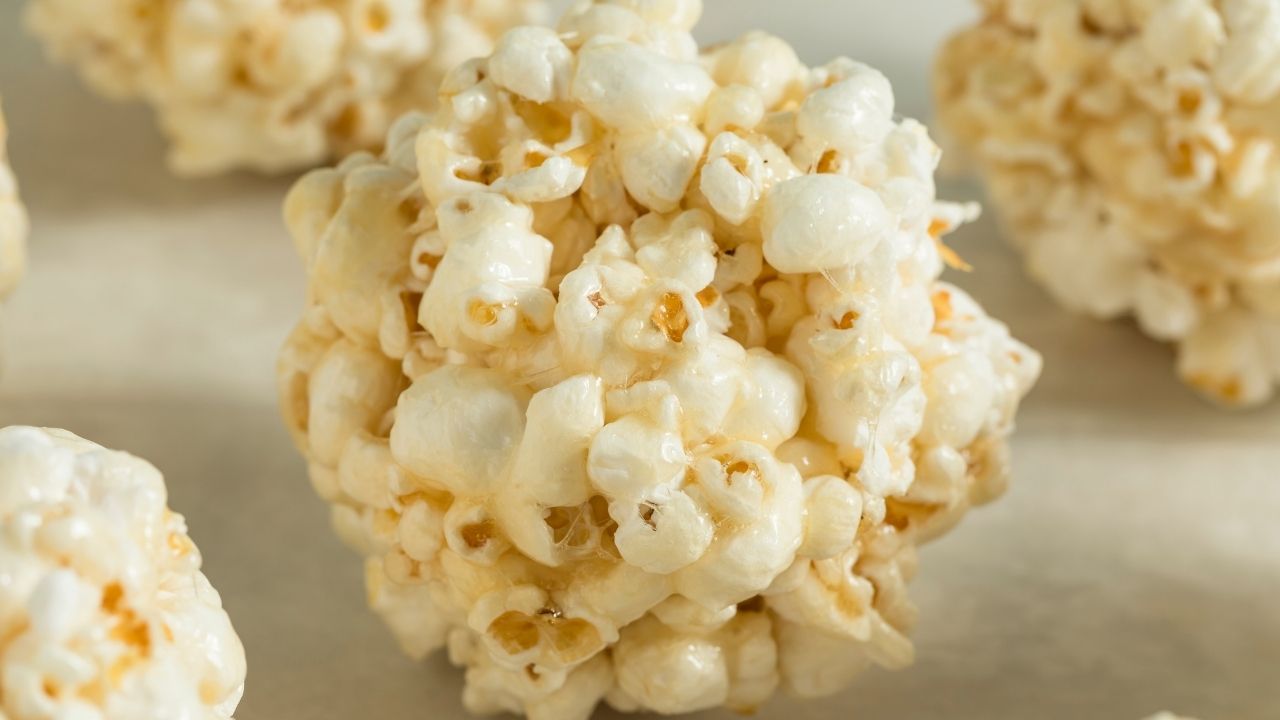
Oh my goodness, you haven’t lived until you’ve sunk your teeth into a sticky-sweet popcorn ball from the 1920s! These fist-sized beauties brought pure joy to kids and adults alike during the Roaring Twenties, combining freshly popped corn with molasses or corn syrup, butter, and sometimes nuts or candies. Street vendors would make them right on the spot, and the warm, gooey treats would cool into perfect spheres that you could hold without making a total mess (though let’s be honest, getting a little sticky was half the fun!).
The best part? These treats were super affordable at just a penny each, making them a favorite among schoolchildren who’d rush to buy them after class. The vendors had a neat trick – they’d dip their hands in cold water before shaping the balls to prevent the hot syrup mixture from burning them. You can still make these vintage treats today with a simple recipe: mix popped corn with a heated combination of corn syrup, sugar, and butter, then shape them quickly before they cool. Just watch out – these babies are seriously addictive, and you might find yourself making batch after batch!
Cotton Candy

You haven’t lived until you’ve experienced the pure magic of 1920s cotton candy, spun fresh right before your eyes on those busy street corners! Back then, street vendors would create this fluffy confection with dramatic flair, wielding their spinning machines like musical conductors. The sugar would dance and whirl into gossamer-thin strands, forming clouds of pink and blue sweetness that melted instantly on your tongue. The vendors called it “fairy floss” – a name that perfectly captured its ethereal nature.
What made 1920s cotton candy extra special was its connection to the era’s newfound mechanical marvels. The electric cotton candy machine, invented by dentist William Morrison (oh, the irony!), became a street food sensation during this decade. Kids and adults would gather around vendors, mesmerized by the transformation of simple sugar into these weightless, colorful puffs. The best part? Unlike today’s pre-packaged versions, these street treats came warm and fresh, with a texture so light it seemed to float right off the paper cone. Some creative vendors even mixed in natural fruit essences like strawberry or raspberry to give their cotton candy unique flavors!
Oyster Stew
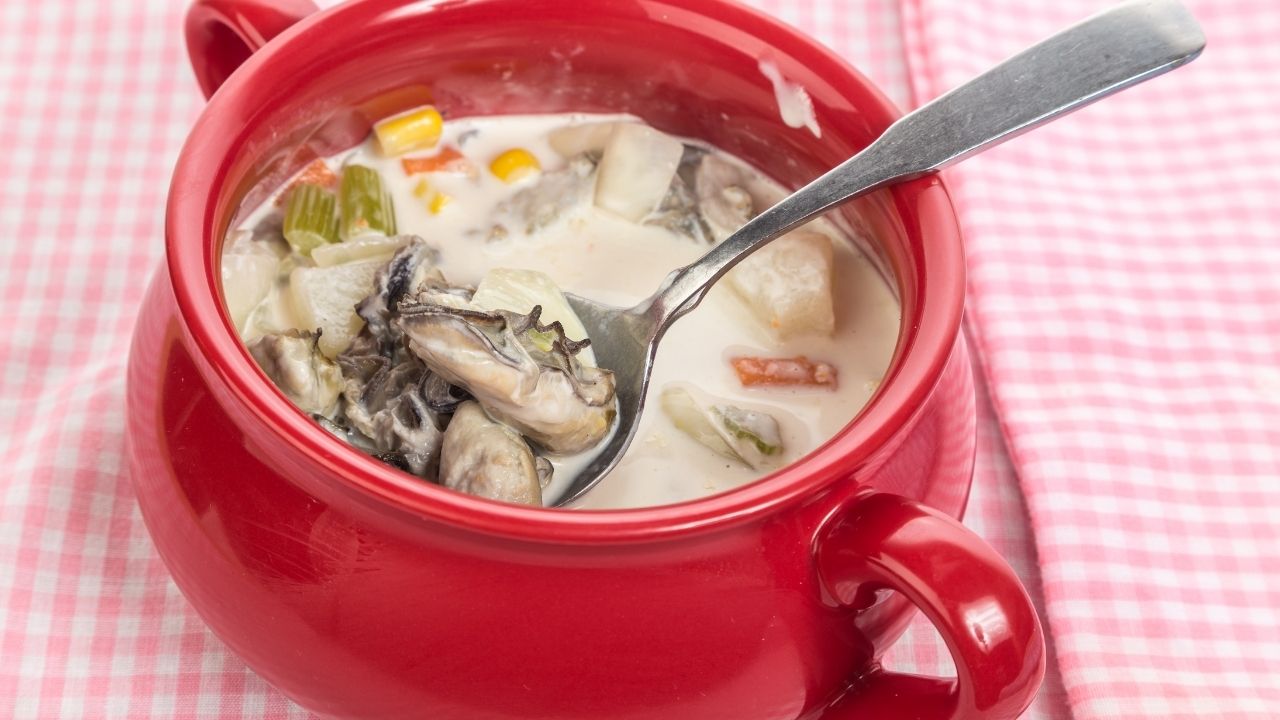
Oh my goodness, you haven’t lived until you’ve tried a steaming bowl of 1920s-style oyster stew! This rich, creamy concoction was a street food superstar during the Roaring Twenties, with vendors ladling out bowls from big copper pots to eager customers. The secret lies in its simplicity – fresh oysters swimming in a velvety pool of warm milk and butter, with just a pinch of salt and pepper. Street vendors would keep their pots simmering all day long, and the aroma would draw crowds from blocks away.
Back then, oysters were so cheap and plentiful that even working-class folks could afford this luxurious treat. The stew became a go-to meal for both laborers and flappers hitting the town. My favorite historical tidbit? Some vendors claimed their stew could cure hangovers – perfect for those post-speakeasy mornings! They’d serve it with oyster crackers (naturally) and sometimes a dash of hot sauce for brave souls. Today, you can recreate this classic by simmering fresh oysters in whole milk with a generous knob of butter, letting the briny sweetness of the sea mingle with that creamy goodness.
Roasted Chestnuts
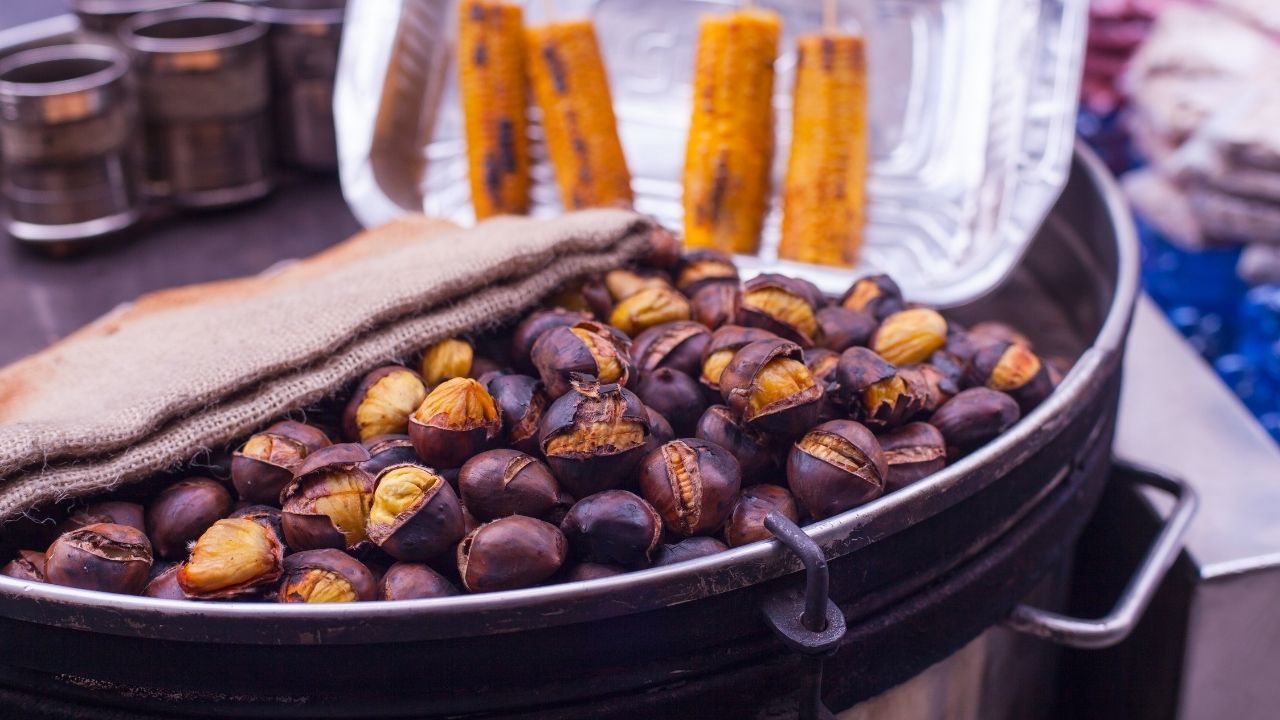
Picture yourself walking down a bustling 1920s street corner in December, the crisp winter air nipping at your nose. That’s when you’d spot the chestnut vendor, smoke rising from his portable roasting cart as he carefully rotates each batch of chestnuts to golden-brown perfection. These sweet, nutty treats became a winter staple for New Yorkers who’d warm their hands on paper bags filled with hot chestnuts while catching the latest Charlie Chaplin flick. The vendors would score an X on each chestnut before roasting them, creating that signature crackled appearance that meant they were ready to eat.
Want to recreate this classic street snack at home? Score your chestnuts, pop them in a 425°F oven for about 20-25 minutes, and you’ll get that same tender, buttery flavor that made them so popular. Back in the day, vendors would charge just a nickel for a dozen hot chestnuts – quite the bargain considering how labor-intensive the roasting process was! The smell alone would draw crowds from blocks away, with some creative vendors adding a sprinkle of cinnamon or sugar to make their chestnuts stand out from the competition. Trust me, once you crack open that warm, toasty shell and bite into the sweet, meaty center, you’ll understand why these nuts were worth every penny.
Hot Dogs from Pushcarts
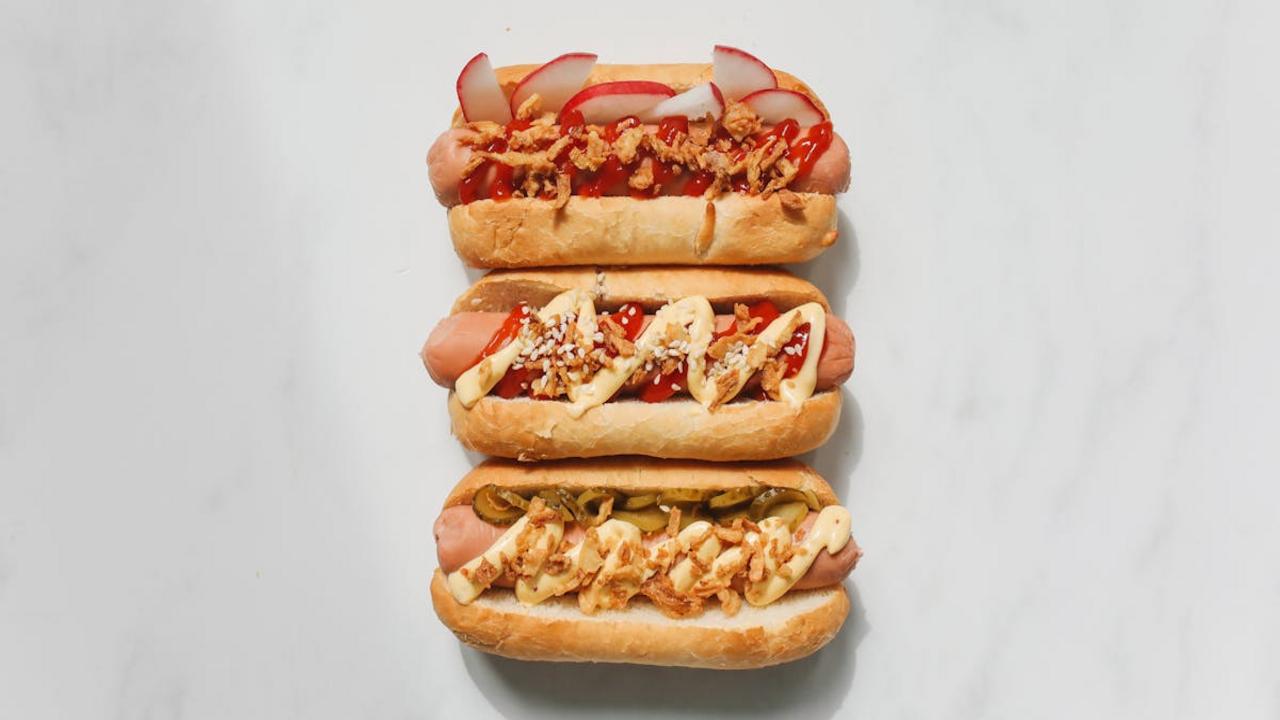
You haven’t lived until you’ve grabbed a sizzling hot dog from a 1920s pushcart vendor on a bustling New York City street corner! These simple yet satisfying sausages became the ultimate quick lunch for busy workers and casual strollers alike. The vendors would park their metal carts near factories and office buildings, drawing crowds with the irresistible aroma of grilled meat and the cheerful calls of “Get your red hots!” Most carts featured a charcoal grill and a water pan to keep the dogs warm and juicy, while some clever vendors added secret spice blends to make their offerings stand out.
Back then, you’d pay just a nickel for a hot dog topped with tangy mustard, sweet relish, and golden sautéed onions. The buns came steamed to perfection, creating that perfect soft-yet-sturdy vessel for your meaty treat. What made these street dogs extra special was the community atmosphere around the carts – workers would swap stories and jokes while waiting in line, and regular customers often knew their favorite vendor by name. Some historians say these pushcart hot dogs helped break down social barriers, as everyone from bank executives to factory workers stood shoulder-to-shoulder, united in their love for this simple American food.