15 Wallet-Friendly Grilling Hacks for Bold Flavor on a Budget
Summer grilling doesn’t need to drain your wallet! With a few smart strategies and creative tricks, you can serve up mouthwatering barbecue meals while keeping your grocery budget in check. From choosing budget-friendly cuts to making the most of your equipment, these money-saving tips will transform your backyard cooking game.
I’ve spent years perfecting these budget-conscious grilling techniques in my own backyard, testing different methods to get the most flavor bang for my buck. Whether you’re cooking for a family weeknight dinner or hosting a weekend gathering, these practical hacks will help you create amazing grilled dishes without breaking the bank.
Your grill can become a powerhouse of affordable, flavorful meals with just a few simple adjustments to your shopping and cooking routines. Ready to discover how to make the most of your grilling budget while still impressing family and friends with delicious food? These 15 wallet-friendly tips will show you the way.
Maximize Grill Space
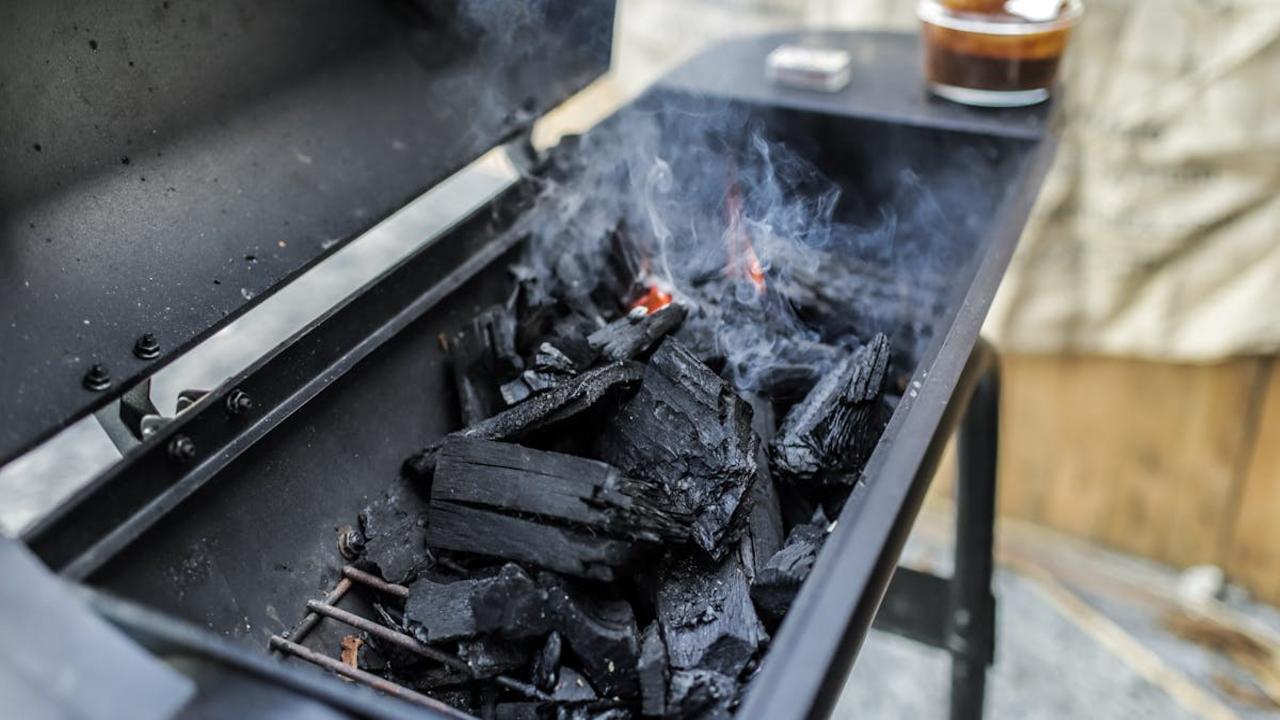
Your grill’s cooking area is prime real estate during summer cookouts, so make every inch count! I always recommend creating different heat zones by stacking your charcoal on one side for high heat and leaving the other side with less or no charcoal for lower temperatures. This simple setup lets you cook multiple items at once – sear those steaks on the hot side while your vegetables cook slowly on the cooler side. You can also add a second cooking level using a wire rack or even aluminum foil boats to hold delicate items above the main grate.
Smart arrangement of your food makes a huge difference too. Place larger cuts of meat toward the back of the grill where heat tends to be more consistent, and keep quick-cooking items near the front for easy access. Don’t be afraid to pack items close together – just leave about half an inch between pieces to allow proper heat circulation. I love using vertical roasting stands for chickens or kebab skewers to free up valuable grill space. Remember to keep a small section clear for moving food around as needed during cooking.
Create Foil Packet Meals
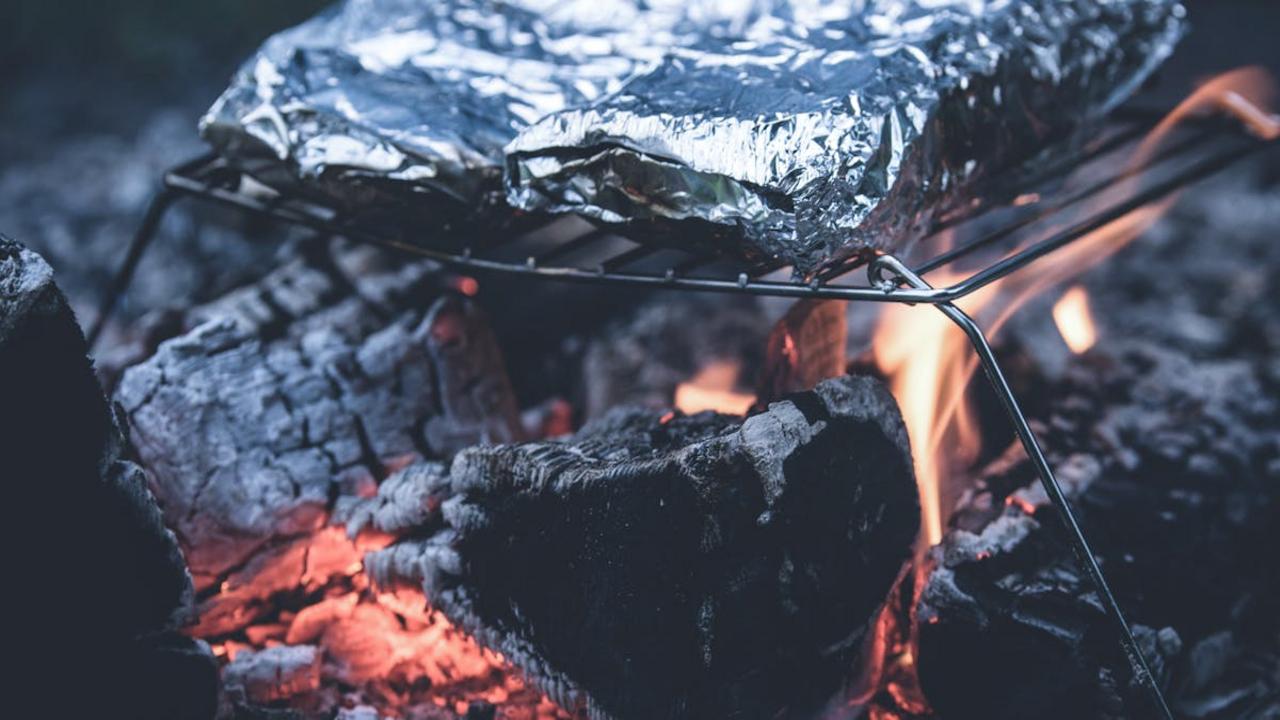
Foil packet meals will revolutionize your grilling game while keeping your wallet happy! Simply lay out a sheet of aluminum foil, add your favorite protein like chicken or fish, pile on some budget-friendly vegetables, and season with herbs and a drizzle of olive oil. The magic happens when you fold the edges to create a secure packet – the ingredients steam together, creating an incredibly moist and flavorful meal without any fancy ingredients or equipment.
You’ll love how these packets prevent food from sticking to the grill and make cleanup a breeze – just toss the foil when done! Try combinations like chicken with potatoes and carrots, or tilapia with zucchini and tomatoes. The best part? You can prep these packets ahead of time and customize each one for different family members’ preferences. Plus, the steam trapped inside infuses everything with amazing flavors while requiring minimal added fats or expensive marinades to keep things juicy and delicious.
Control Charcoal Usage
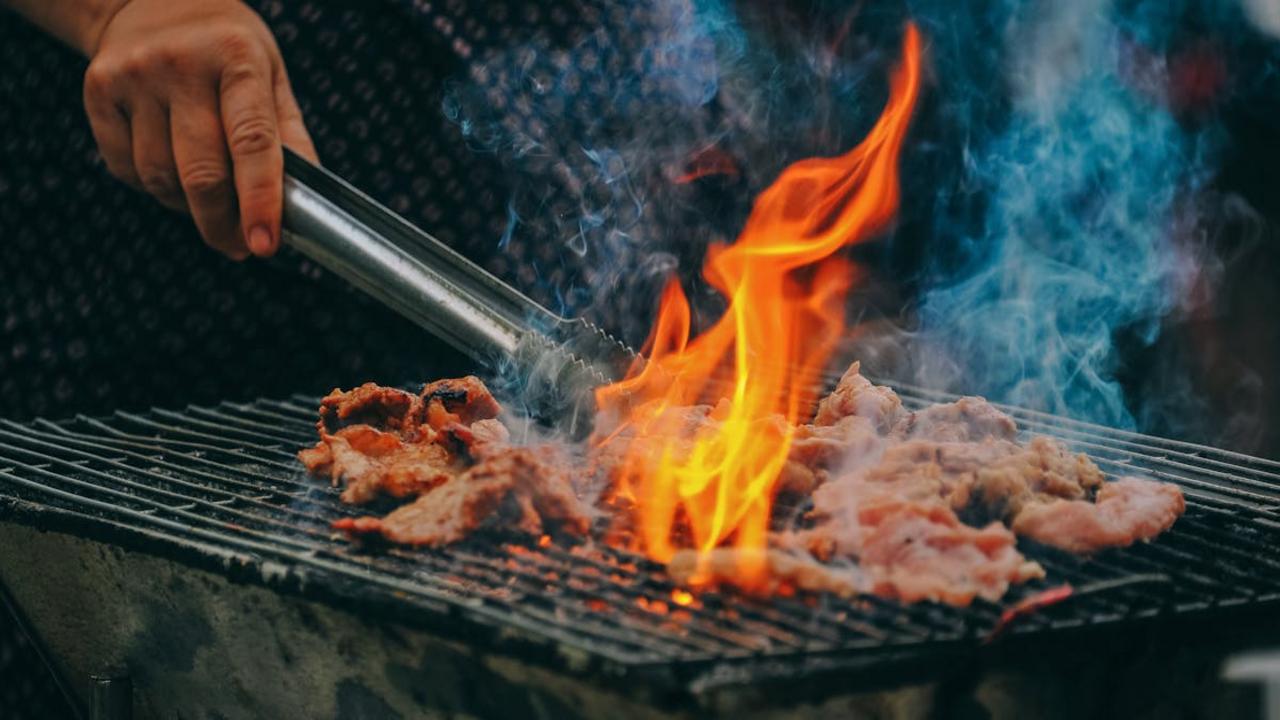
You don’t need to dump an entire bag of charcoal into your grill for a successful cookout! I’ve found that arranging your charcoal strategically in zones helps you save money while still getting perfect results. Create a two-zone fire by piling most of your charcoal on one side of the grill, leaving the other side empty. This setup gives you a hot area for searing and a cooler zone for slower cooking, making your charcoal last longer and working smarter with what you have.
Start with about 15-20 briquettes for a standard cooking session – you’ll be amazed at how far they can go when properly arranged. Remember to keep your vents partially closed to control airflow and prevent the charcoal from burning too quickly. You can always add a few more briquettes if needed, but being mindful of your usage from the start will stretch your charcoal budget further. Plus, using less charcoal means less ash to clean up afterward, making your post-grilling cleanup much easier.
Share Grilling Costs

Want to make your grilling budget stretch further? Team up with friends, family, or neighbors to split the costs of your backyard barbecue! I love organizing potluck-style cookouts where everyone brings different items – some handle the proteins, others bring sides, drinks, or desserts. This way, you’ll spend less while getting to sample a wider variety of dishes. Plus, sharing the expenses means you can buy better quality meats and ingredients in bulk, which often costs less per serving.
You can also coordinate with your grilling buddies to share equipment costs. Instead of everyone buying their own smoker box, rotisserie attachment, or specialty tools, divide up who gets what and share them among the group. My neighbors and I created a shared spreadsheet to track who owns which grilling accessories, and we freely borrow from each other. This system helps us avoid duplicate purchases while building stronger community bonds. The money we save goes right back into buying more amazing ingredients for our next cookout!
Cook Extra for Leftovers
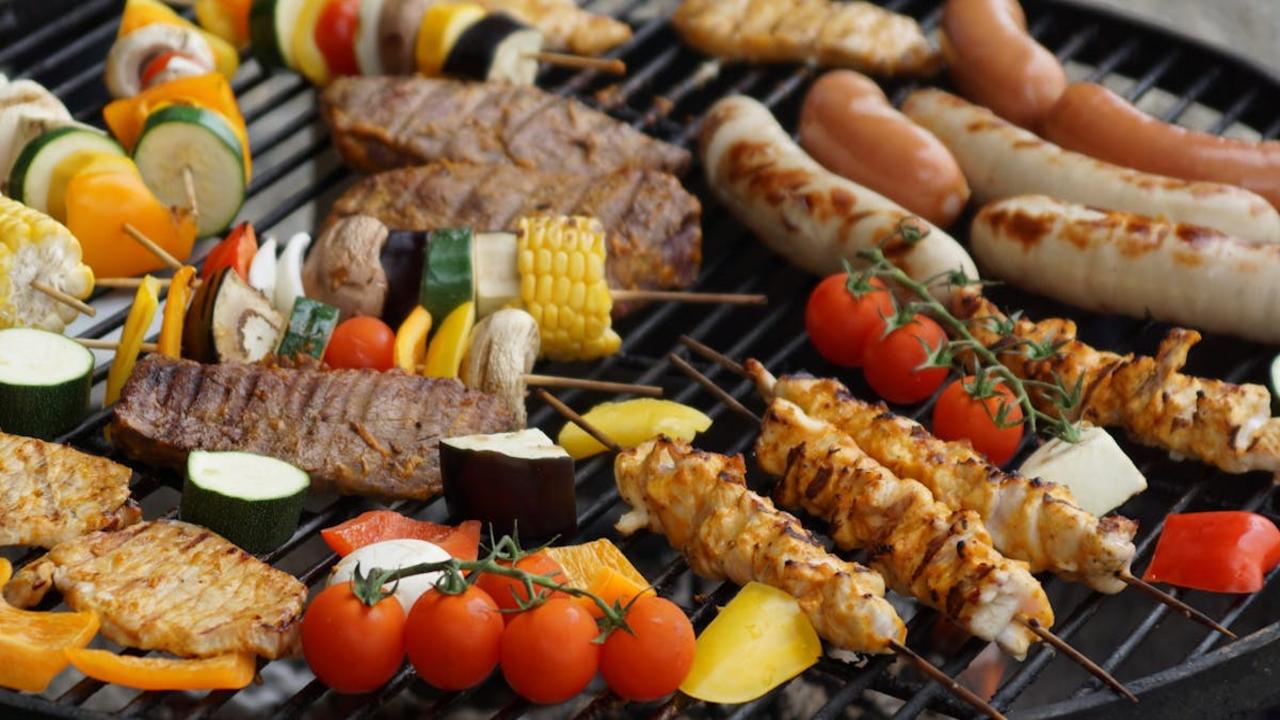
I absolutely love turning my grilling sessions into a meal-prep opportunity! By throwing on extra portions of meat, veggies, or even fruit while your grill runs hot, you’ll save both money and time. Think about tossing a few extra chicken breasts or a larger cut of beef on the grill – these extras will transform into quick lunches, easy dinner ingredients, or even completely new meals throughout the week. The initial cost might be slightly higher, but you’ll stretch your grocery budget further by cooking smart.
Your grilled leftovers open up endless budget-friendly possibilities for creative meals. Slice that extra grilled chicken for sandwiches, chop it up for tacos, or add it to a fresh salad. Those extra grilled vegetables make perfect additions to pasta dishes, omelets, or grain bowls. The best part? You’ll only fire up the grill once, saving on fuel costs while getting multiple meals out of one cooking session. Plus, having ready-to-eat proteins and vegetables in your fridge helps avoid expensive takeout on busy weeknights.
Shop at Local Markets
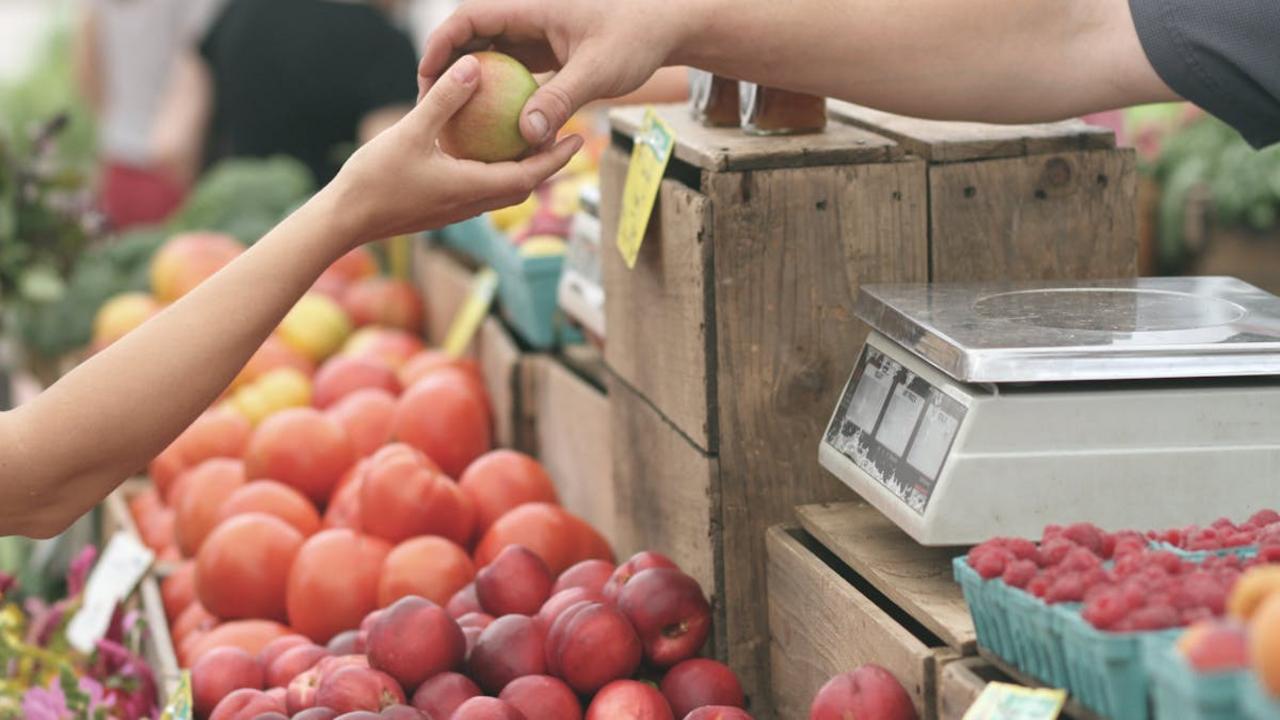
Your local farmers’ markets and neighborhood produce stands can be gold mines for budget-friendly grilling ingredients. I’ve found that market vendors often sell their fresh vegetables, herbs, and even meats at lower prices than big supermarkets – especially during peak growing seasons. Plus, buying directly from local farmers means you’ll get the freshest ingredients, which naturally pack more flavor into your grilled dishes without needing extra seasonings or marinades.
Make it a habit to visit your local market early in the morning when vendors are more likely to offer better deals. Talk to the farmers and build relationships – they’ll often give you heads-up about upcoming sales or throw in extra items. Many will also sell “ugly” produce at steep discounts, perfect for grilling since appearance matters less once food hits the grates. Look for seasonal specials and bulk deals, then plan your grilling menu around what’s available rather than shopping for specific recipes.
Clean and Maintain Your Grill
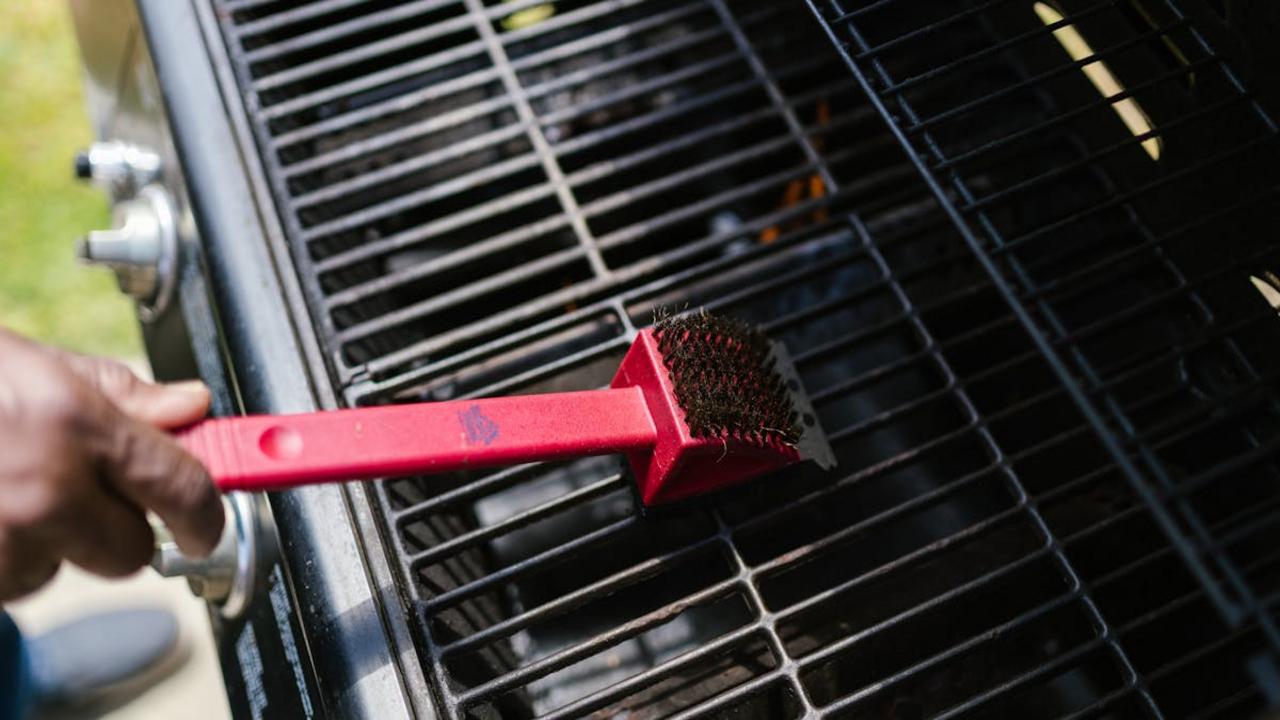
Your grill needs regular cleaning and maintenance to deliver the best flavors while saving you money in the long run. A clean grill prevents stuck-on food residue from transferring unwanted flavors to your dishes, helping you get the most out of your budget-friendly ingredients. I recommend brushing your grates thoroughly after each use while they’re still warm – this makes cleanup much faster and prevents rust from forming on your cooking surfaces.
Make it a habit to give your grill a deep clean every month during grilling season. Start by scrubbing the grates with a quality wire brush, then wipe down the inside of the lid and bowl with soapy water. Don’t forget to clean out the grease trap and check your burners for any clogs. By keeping your grill in top condition, you’ll extend its life significantly and avoid having to replace expensive parts. Plus, a well-maintained grill heats more efficiently, which means you’ll use less fuel and save money on charcoal or gas.
Keep Equipment Simple
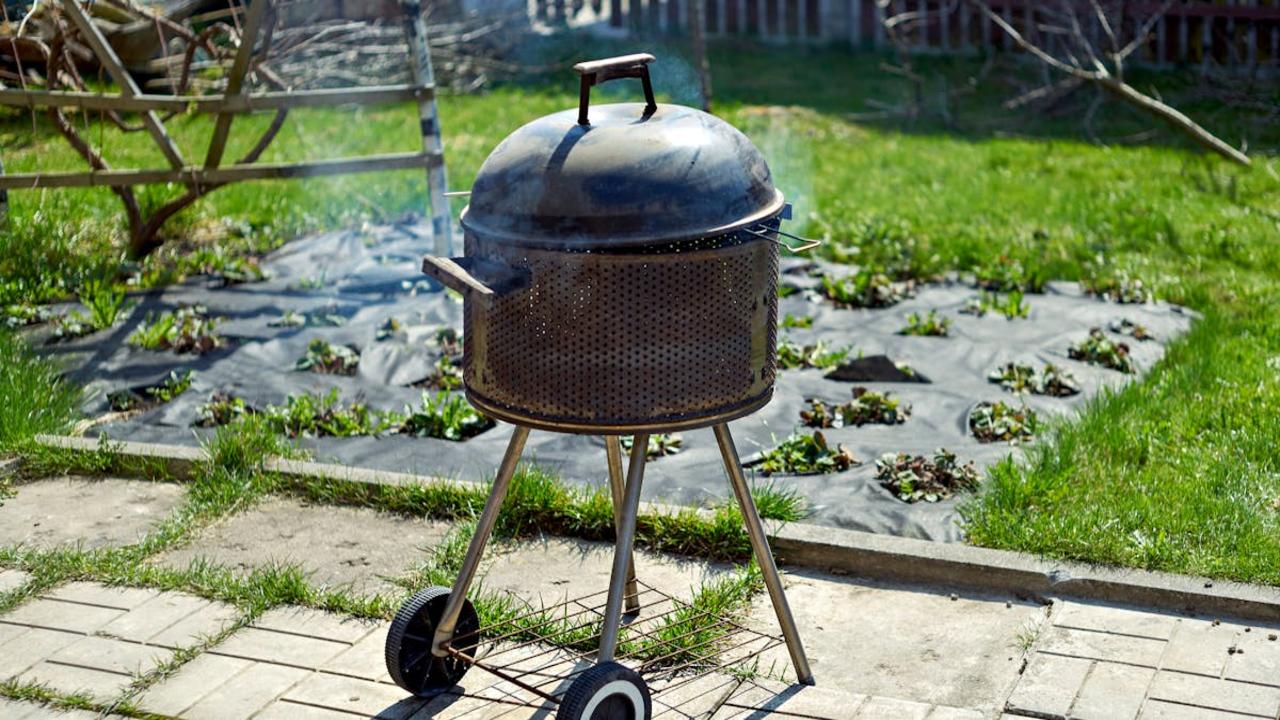
You don’t need a fancy setup to grill amazing food on a budget! I’ve found through years of backyard cooking that a basic charcoal grill and a few key tools will serve you perfectly well. Stick to the fundamentals: long-handled tongs, a sturdy spatula, a wire brush for cleaning, and a meat thermometer. These basic items will help you create mouth-watering grilled dishes without breaking the bank on expensive gadgets that often just collect dust.
Skip the pricey rotisserie attachments, specialized skewers, or high-tech temperature controls. Focus your money on quality ingredients instead of fancy equipment. My go-to setup includes a $5 spray bottle for controlling flare-ups, aluminum foil for makeshift smoking packets, and a simple charcoal chimney starter. I’ve cooked hundreds of memorable meals with just these basics, proving that great grilling depends more on technique and timing than having the latest expensive tools. Remember – it’s your skills and creativity that make the food wonderful, not the price tag of your equipment.
Use Seasonal Vegetables
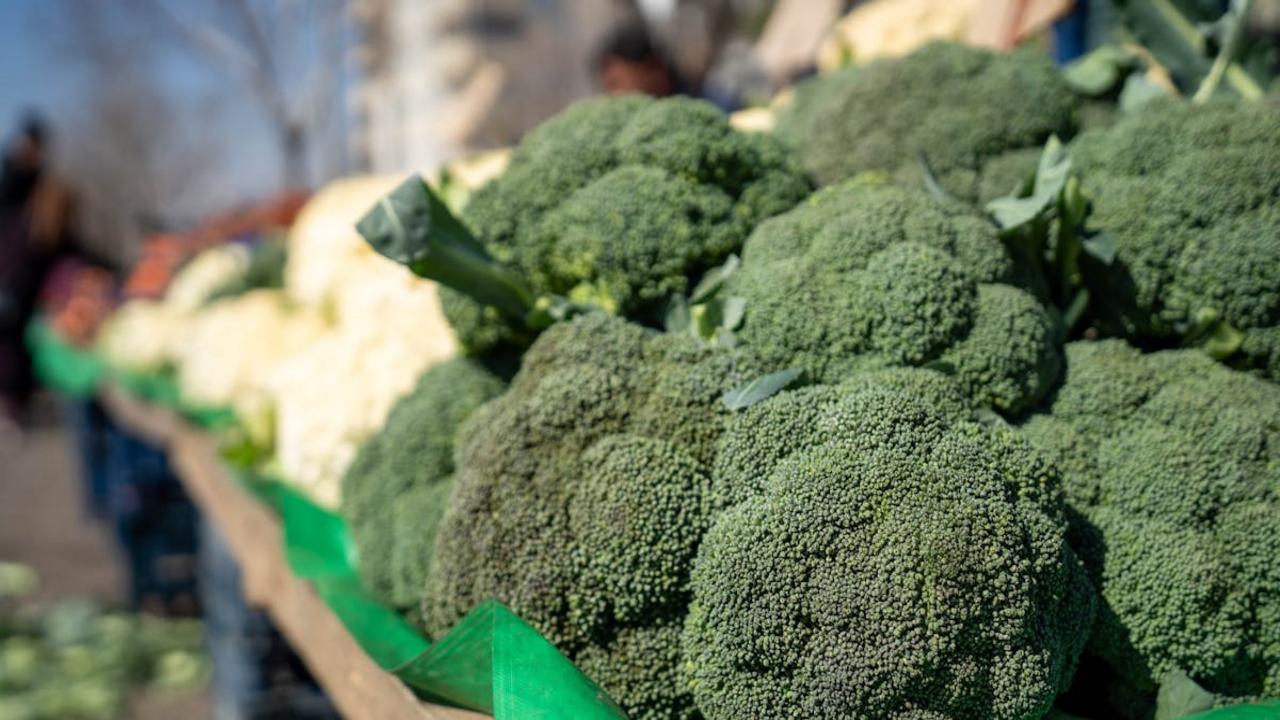
I always get excited shopping for seasonal vegetables at my local farmers market – they pack amazing flavor and cost way less than out-of-season produce! During summer months, you’ll find incredible deals on zucchini, bell peppers, corn, eggplant, and tomatoes that taste incredible after a quick char on the grill. The natural sugars in fresh seasonal vegetables caramelize beautifully over the flames, creating deep, complex flavors without needing expensive marinades or seasonings.
Your wallet will thank you for choosing what’s in season, since produce prices drop significantly during peak harvest times. I recommend building your grilling menu around whatever vegetables look freshest and most abundant at the market. Right now, I’m loving grilled asparagus in spring, juicy tomatoes and corn in summer, and hearty squash varieties in fall. A simple brush of olive oil, salt, and pepper is all these fresh veggies need to shine. The money you save on seasonal produce means you can splurge a bit more on quality proteins or other ingredients.
Skip Premade Kabobs
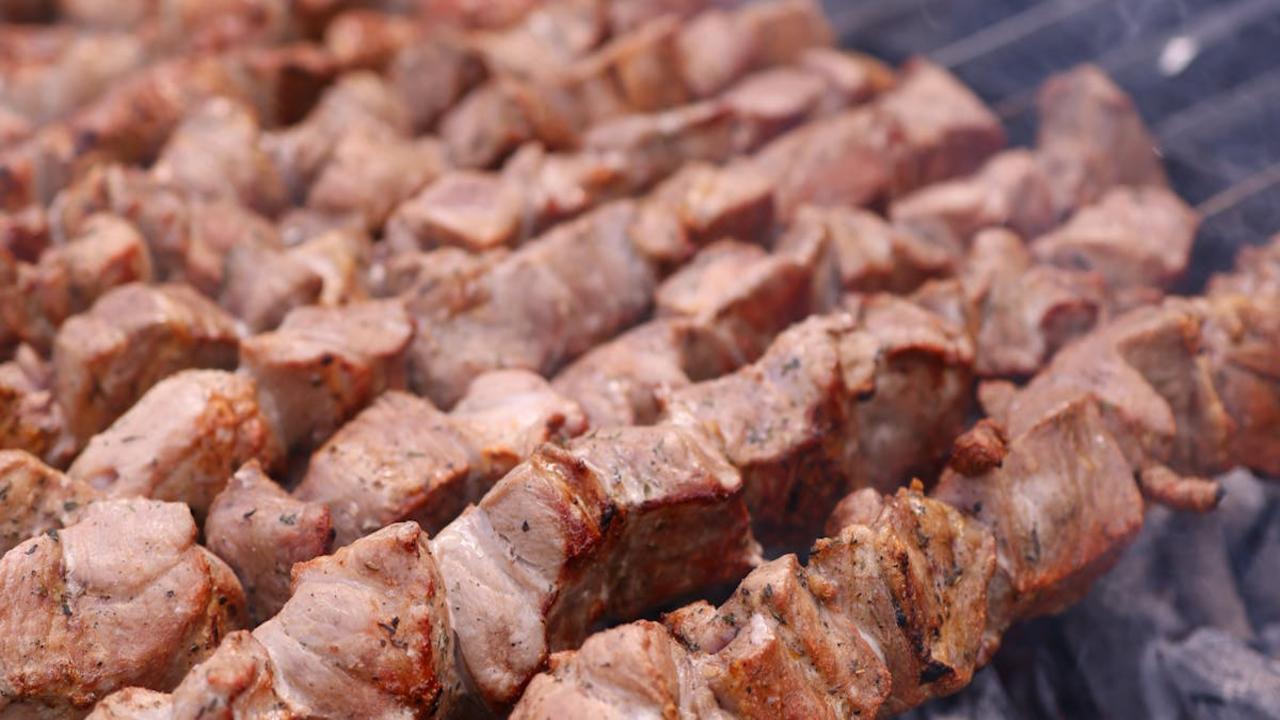
I’ll let you in on a little money-saving secret: those premade kabobs at the grocery store come with a hefty markup! You’re paying extra for someone else to cut and assemble meat and veggies that you can easily prep at home. By buying whole cuts of meat and fresh vegetables separately, you’ll save significant cash while having complete control over the quality and portions of your ingredients. Plus, you can mix and match exactly what you and your family love.
Creating your own kabobs gives you the freedom to be creative with flavors and combinations. You can stretch your meat budget by loading up on colorful bell peppers, onions, mushrooms, and zucchini between meat chunks. Want a budget-friendly tip? Choose less expensive cuts like chicken thighs instead of breast meat, or opt for beef sirloin instead of filet mignon. The grilling process will make them tender and juicy, and your wallet will thank you for the smart swap.
Make Your Own Marinades
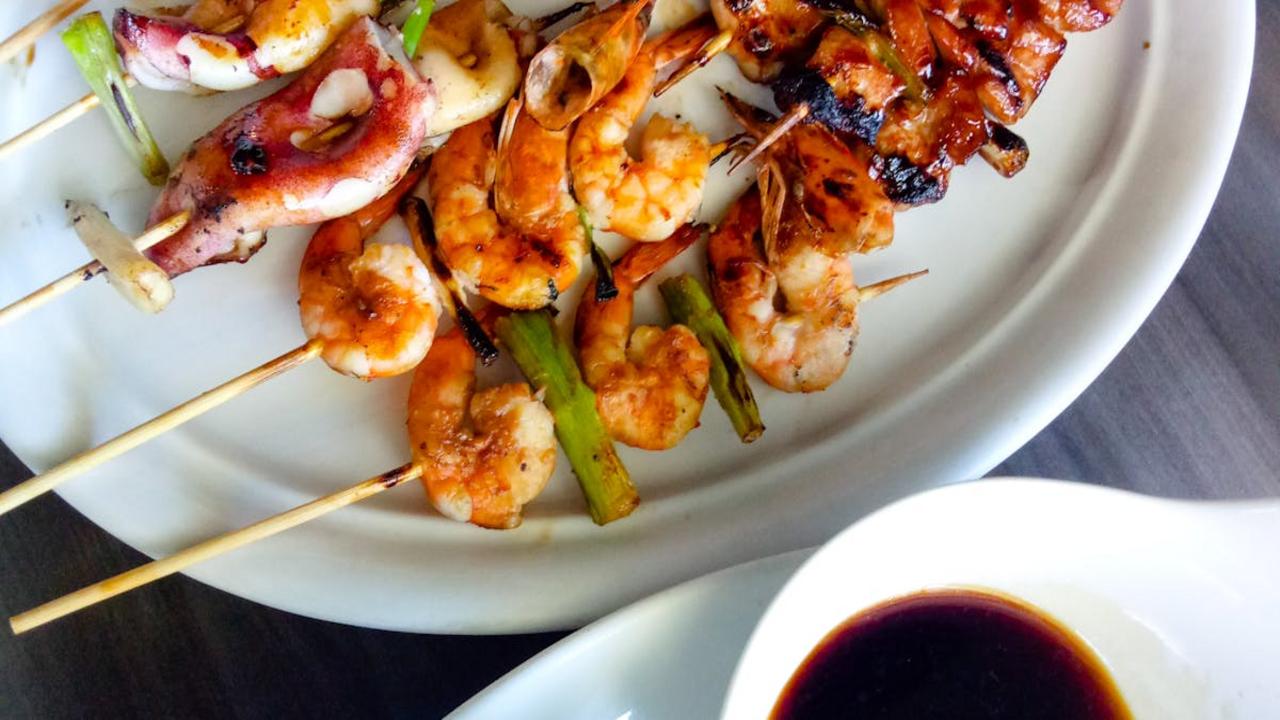
Skip those expensive bottled marinades at the grocery store and create your own flavorful blends with ingredients you already have in your pantry! I mix equal parts oil with acidic ingredients like lemon juice, vinegar, or wine, then add minced garlic, herbs, and spices to match my mood. My go-to combination includes olive oil, balsamic vinegar, fresh rosemary, and cracked black pepper – it costs just pennies per serving and makes chicken or vegetables sing with rich, homemade flavor.
The best part about making your own marinades? You control exactly what goes into them while saving money. Start with a simple ratio of 3 parts oil to 1 part acid, then add seasonings like soy sauce, Worcestershire sauce, honey, or Dijon mustard to build layers of flavor. I love creating Asian-inspired marinades with sesame oil, rice vinegar, ginger, and a touch of brown sugar. Remember to reserve a portion of your marinade before adding raw meat if you want to use it as a sauce later – this keeps things food-safe while stretching your marinade further.
Opt for Cheaper Cuts
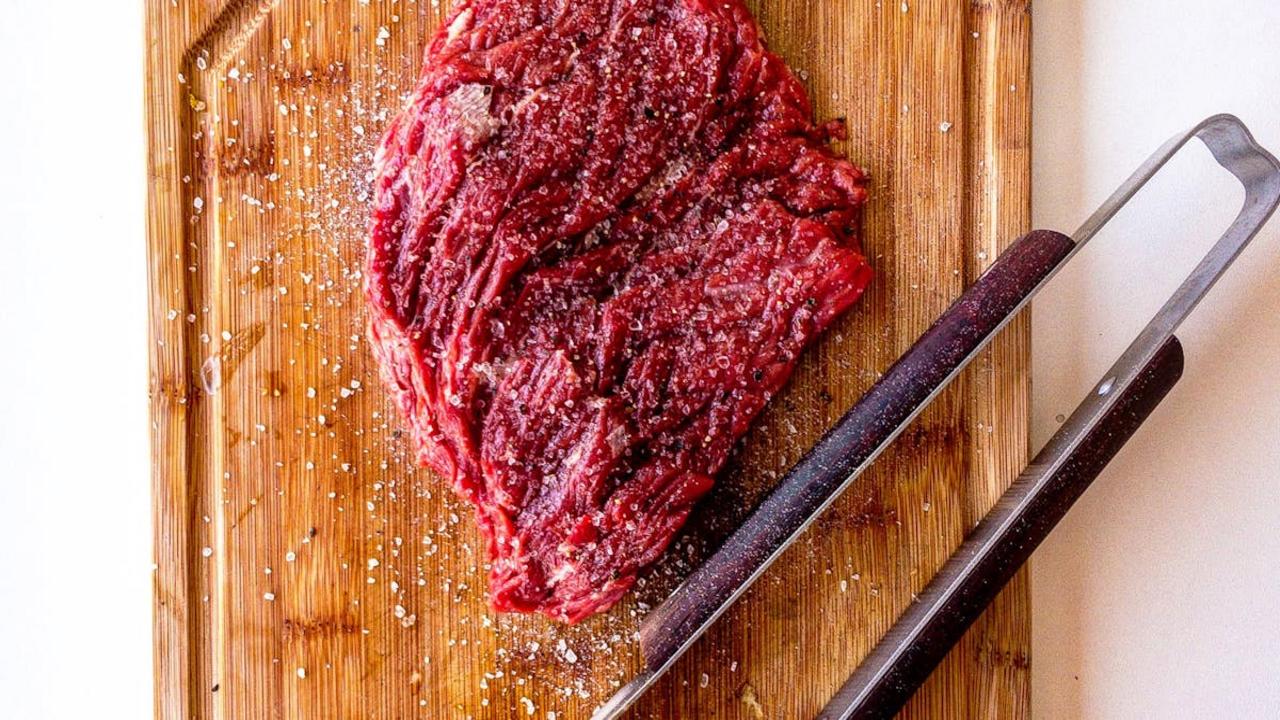
You don’t need prime ribeye steaks to create a fantastic grilled meal! Budget-friendly cuts like chuck steak, flank steak, and chicken thighs pack amazing flavor potential when you prepare them right. The secret lies in proper marinating and cooking techniques – a simple mix of olive oil, garlic, and your favorite herbs can transform these affordable options into tender, juicy masterpieces. I love using skirt steak for fajitas or flat iron steak for Asian-style dishes because these cuts absorb marinades beautifully.
Your local butcher can point you toward wallet-friendly alternatives that match your recipe needs. Consider pork shoulder steaks instead of pork chops, or try grilling chicken drumsticks rather than boneless breasts. These cheaper cuts often contain more fat marbling, which means more natural flavor and moisture during cooking. Remember to slice tougher cuts against the grain after grilling – this simple step breaks down muscle fibers and makes each bite more tender. With the money you save, you can stock up on fresh herbs and spices to create your own signature marinades.
Watch for Sales and Markdowns
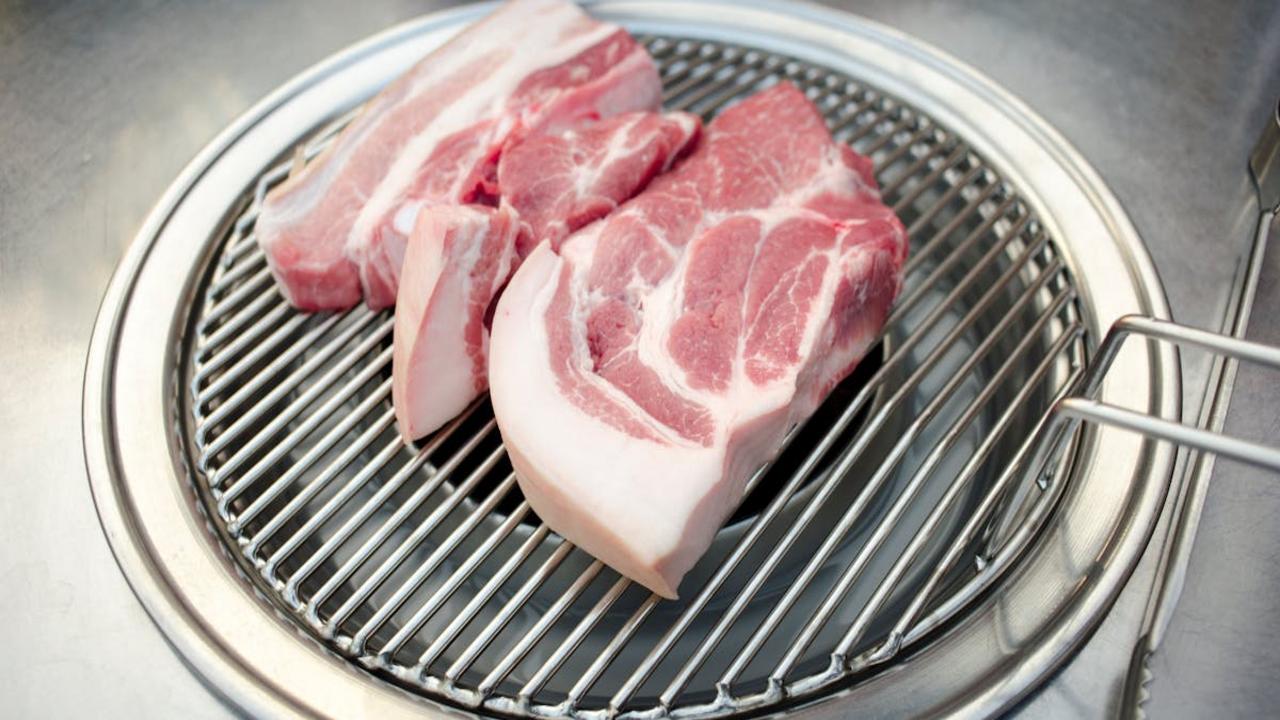
I love helping my readers save money on grilling, and one of my favorite budget tips is to keep a close eye on those meat markdowns! Your local grocery stores often discount meats that are near their sell-by date – these are still perfectly good for immediate use or freezing. I make it a habit to check the meat section during off-peak hours, especially early mornings or late evenings, when stores typically mark down their inventory. You’ll find amazing deals on steaks, chicken, and pork that you can stock up on for your next BBQ.
Don’t forget to scan your weekly grocery store flyers and digital apps for seasonal sales too. Summer holidays like Memorial Day and Labor Day bring fantastic meat discounts, but you’ll also find great deals year-round. I recommend building relationships with your local butchers – they can tell you when specific cuts go on sale or even set aside discounted items for you. Pro tip: Buy in bulk when you spot a good deal and portion the meat into freezer bags. This strategy has saved me hundreds of dollars while keeping my grill fired up with quality meats all year long.
Buy Meat in Bulk
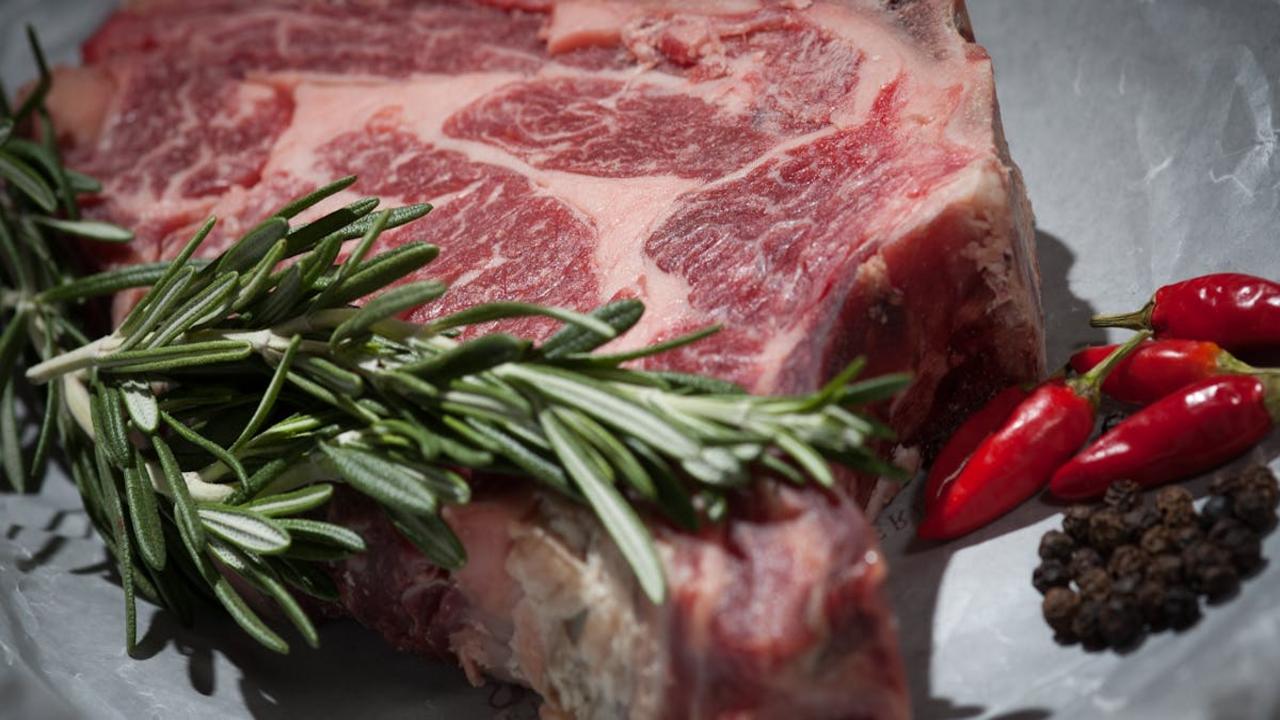
I’ve discovered that buying meat in bulk will save you serious money on your grilling adventures! Your local wholesale clubs and butcher shops often offer significant discounts when you purchase larger quantities of meat. You can divide these bigger portions into meal-sized packages at home and freeze them for future use. Pro tip: check with your butcher about the best days to shop – many stores mark down prices on specific days of the week to move inventory.
To keep your bulk-bought meats fresh, invest in good quality freezer bags or a vacuum sealer. Label each package with the cut of meat, weight, and date – this simple step helps you track what you have and plan your grilling menu. I recommend organizing different meat types in separate freezer sections to make them easy to find. Remember to thaw your frozen meats in the refrigerator 24-48 hours before grilling, depending on the size of the cut. This method maintains the meat’s quality and ensures food safety.
Choose the Right Grill
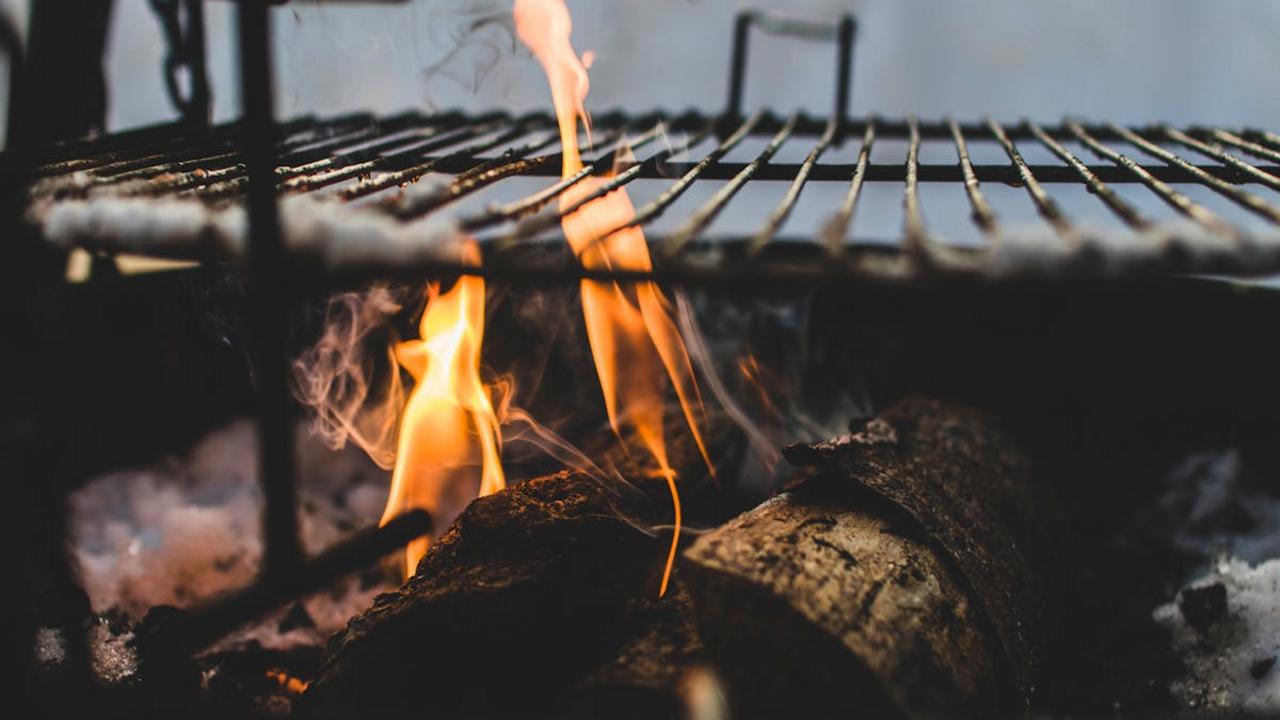
You don’t need an expensive grill to create amazing food! A basic charcoal grill can give you incredible results for a fraction of the cost of fancy gas models. I recommend starting with a Weber kettle grill – it’s affordable, durable, and perfect for both direct and indirect cooking methods. The key is to pick a grill that matches your space and cooking style while staying within your budget. Remember, many top pitmasters started with simple setups before upgrading to pricier equipment.
Focus on features that matter most: good ventilation control, sturdy construction, and enough cooking space for your needs. Look for sales at home improvement stores during off-season months like October through February. If you’re really budget-conscious, check local marketplace listings or yard sales – you can often find quality used grills at steep discounts. Just make sure to inspect them thoroughly and clean them well before your first cookout. A well-maintained basic grill will serve you better than a poorly maintained expensive one.