13 Must-Eat Foods for a Happy, Healthy Gut
Your gut does more than just digest food – it impacts your mood, immune system, and overall health. The right foods can support your microbiome, the trillions of beneficial bacteria living in your digestive system. By adding specific ingredients to your daily meals, you’ll boost your gut health naturally.
From fermented favorites like yogurt and kimchi to prebiotic powerhouses like garlic and asparagus, these 13 foods work together to create an optimal environment for good bacteria to thrive. Each ingredient brings unique benefits that help reduce inflammation, aid digestion, and strengthen your gut barrier.
I’ve gathered the most effective gut-supporting foods that you can easily incorporate into your daily routine. These simple additions will help you build a stronger digestive system while enjoying delicious meals. Get ready to transform your gut health with these everyday ingredients!
Green Tea

I’ve found green tea to be a true superstar for gut health, and I love starting my day with a warm, soothing cup. This ancient beverage contains powerful compounds called polyphenols that feed your good gut bacteria and help them grow. The specific polyphenol EGCG in green tea acts as a prebiotic, providing nourishment for beneficial bacteria while reducing inflammation in your digestive system. Green tea also helps control harmful bacteria that could disrupt your gut balance.
What makes green tea extra special is its natural caffeine content combined with L-theanine, an amino acid that promotes relaxation without making you sleepy. This gentle combo helps reduce stress on your digestive system while keeping you alert and focused. I recommend drinking 2-3 cups throughout your day, and you’ll want to brew it at a slightly lower temperature than black tea (around 175°F) to preserve its beneficial compounds. If you’re sensitive to caffeine, try having your last cup before 2 PM to avoid any sleep disruption.
Kombucha

I’ve noticed how kombucha has become the go-to drink for gut health enthusiasts, and for good reason! This fizzy, fermented tea packs a powerful probiotic punch that can help balance your digestive system. The natural fermentation process creates beneficial compounds like acetic acid, which supports the growth of good bacteria in your gut. Plus, kombucha contains antioxidants that fight inflammation and boost your immune system – making it a double win for your overall health.
You’ll find kombucha in many flavors at your local grocery store, but making it at home can be a fun and rewarding project. Start with black or green tea, add sugar (don’t worry – the bacteria will consume most of it during fermentation), and combine it with a SCOBY (Symbiotic Culture of Bacteria and Yeast). After about a week of fermentation, you’ll have a tangy, effervescent drink that your gut will thank you for. I recommend starting with 4-6 ounces daily to give your digestive system time to adjust to this probiotic-rich beverage.
Asparagus
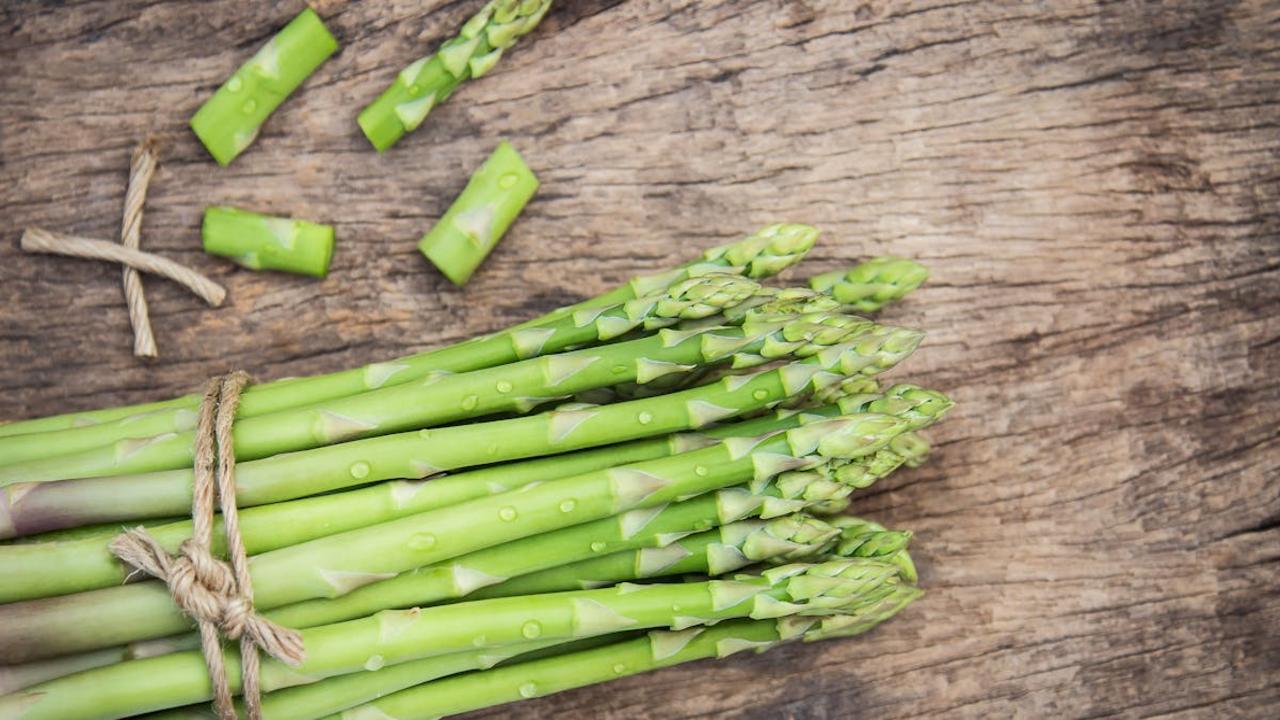
I love recommending asparagus to anyone looking to boost their gut health! These green spears pack a powerful prebiotic punch that feeds your beneficial gut bacteria. The fiber in asparagus, particularly inulin, acts like a superfood for your microbiome, helping those good bacteria thrive and multiply. What makes asparagus extra special is its high concentration of nutrients – you’ll get folate, vitamin K, and antioxidants that support your digestive system’s overall function.
My favorite way to prep asparagus is to simply roast it with olive oil and sea salt until the tips get slightly crispy. The natural sweetness really shines through, and you maintain all those gut-healthy compounds. You can also add raw asparagus to salads or quickly blanch it to preserve its crisp texture. One helpful tip: thinner stalks tend to be more tender and need less cooking time. I recommend eating asparagus 2-3 times per week during its peak season for maximum gut health benefits.
Onions
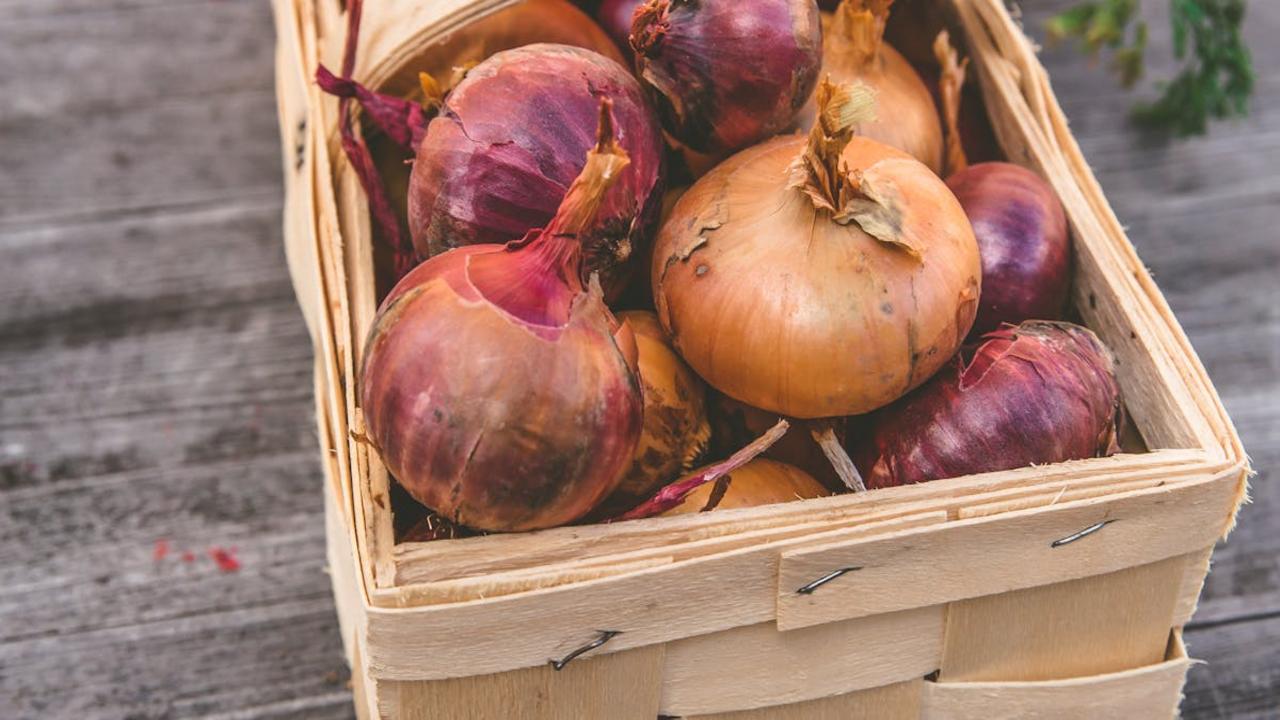
I love how onions add such incredible depth to your gut health journey! These humble kitchen staples contain powerful prebiotics called fructooligosaccharides (FOS) that feed your good gut bacteria. The FOS in onions helps your beneficial bacteria grow stronger while reducing harmful bacteria in your digestive system. Raw onions pack the biggest prebiotic punch, but you’ll still get great benefits from cooked onions in your favorite dishes.
Beyond their gut-supporting qualities, onions bring an amazing array of antioxidants to your plate, particularly quercetin which fights inflammation throughout your body. I recommend adding both raw and cooked onions to your meals – dice them into salads, caramelize them for sandwiches, or sauté them as a base for soups and stews. The sulfur compounds in onions that make you tear up while chopping them actually help protect your cells and support your liver’s natural detox processes. Your gut will thank you for making onions a regular part of your daily menu!
Bone Broth
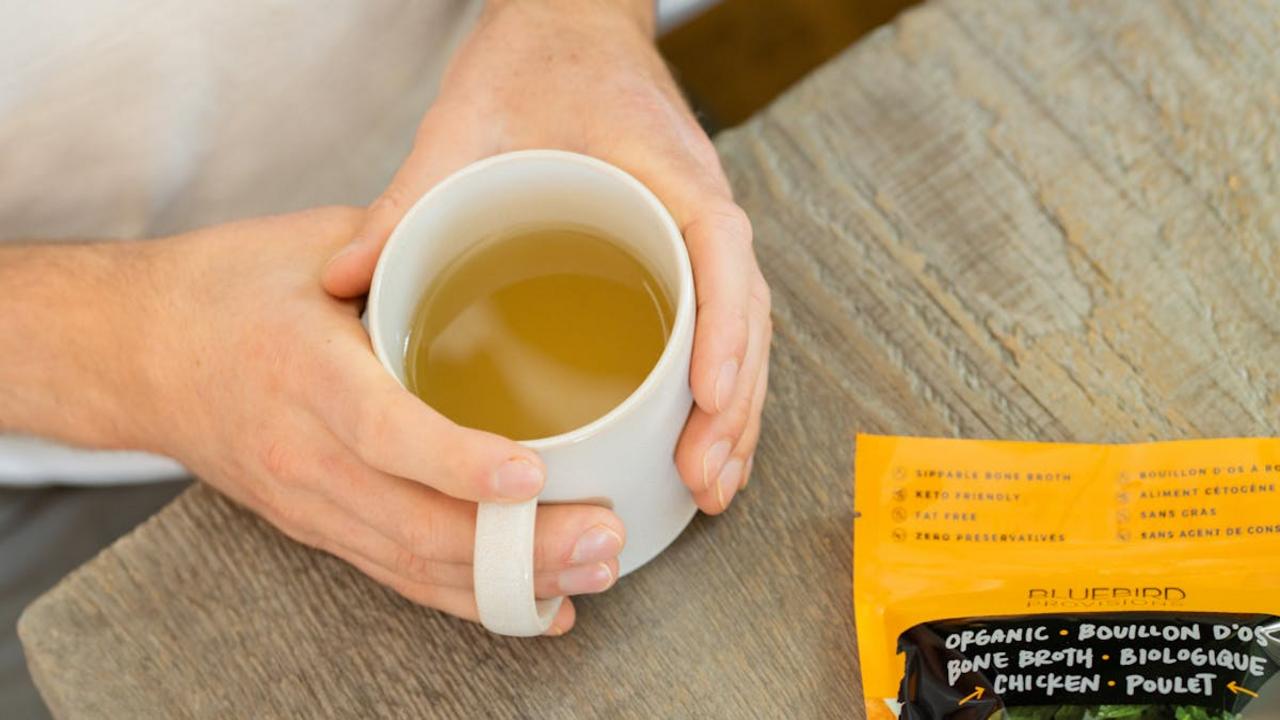
You’ll find bone broth at the heart of many healing food traditions, and for good reason! This nutritious elixir packs a powerful punch for your gut health. I make bone broth by simmering animal bones, vegetables, and herbs in water for 12-24 hours, which extracts collagen, amino acids, and minerals. The gelatin in bone broth helps seal gaps in your intestinal lining, reducing inflammation and supporting your digestive system’s natural healing process.
My favorite way to enjoy bone broth is to sip it warm from a mug on chilly mornings – it’s like a cozy hug for your insides! You can also use it as a base for soups, stews, or to cook grains for extra nutrition. The best part? You can make bone broth from any type of bones – chicken, beef, fish, or even mixed bones. Just add a splash of apple cider vinegar to help pull out more minerals from the bones. Your gut will thank you for adding this nourishing drink to your daily routine.
Ginger
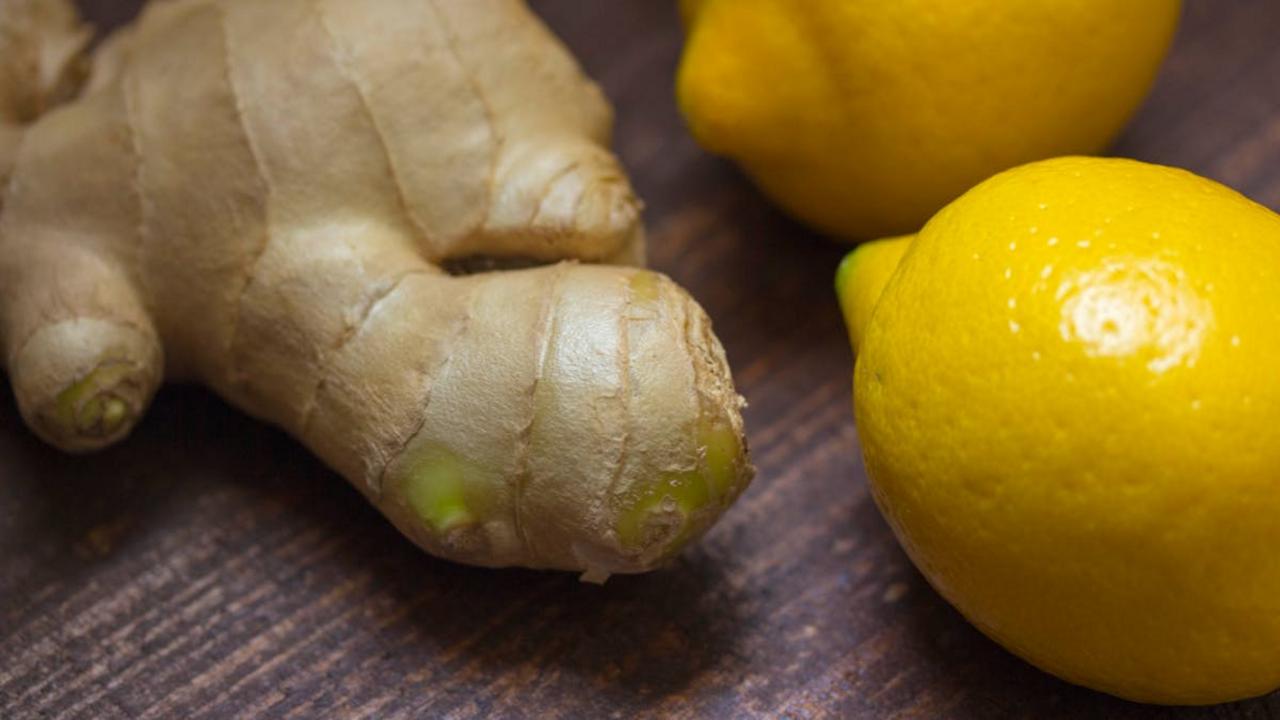
I add fresh ginger to my morning tea every day, and I can’t recommend it enough for your gut health! This vibrant root contains powerful compounds called gingerols and shogaols that help reduce inflammation in your digestive system. These natural substances also stimulate the production of digestive enzymes, making it easier for your body to break down food and absorb nutrients. Plus, ginger acts as a natural remedy for nausea, bloating, and general stomach discomfort.
You’ll love how versatile ginger can be in your kitchen – from stir-fries to smoothies, the options are endless! I like to keep fresh ginger root in my freezer and grate it directly into dishes while frozen – this preserves its freshness and makes it super easy to use. Whether you prefer it in tea, juices, or cooked dishes, adding just a small amount of ginger to your daily meals can help maintain a balanced gut microbiome and support your overall digestive wellness. The spicy kick it adds to your food is just a bonus to its amazing health benefits!
Garlic
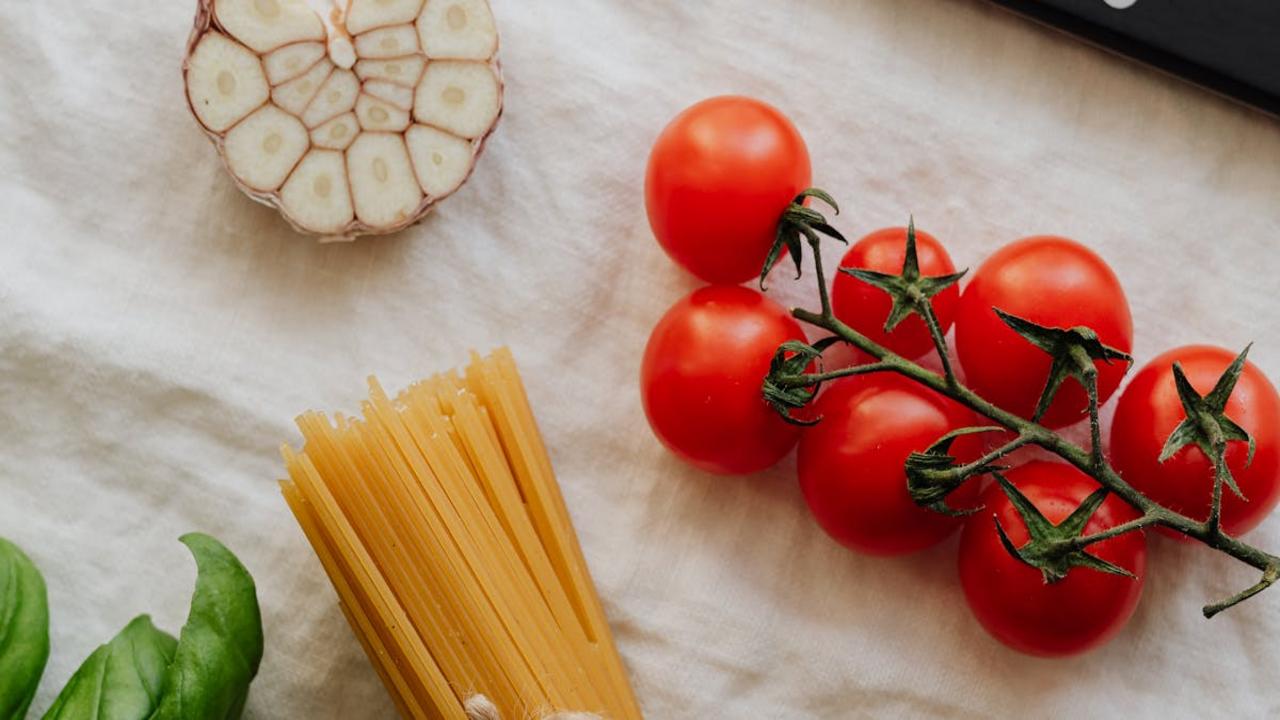
I can’t help but get excited about garlic – it’s not just a flavor powerhouse but also a superstar for your gut health! This pungent little bulb contains prebiotic fiber that feeds your good gut bacteria, helping them thrive and multiply. What I love most about garlic is its compound called allicin, which naturally fights off harmful bacteria while supporting the beneficial ones in your digestive system. The antimicrobial properties make garlic a natural defender against digestive issues and help maintain a balanced gut environment.
You’ll find endless ways to add more garlic to your meals. I recommend crushing or chopping fresh garlic and letting it sit for 10 minutes before cooking – this maximizes its beneficial compounds. Add it to your morning eggs, toss it in salad dressings, or roast whole bulbs for a mellow, sweet spread. If you worry about garlic breath, try fermenting it! Fermented garlic offers extra probiotics and a milder flavor that still packs all the gut-healthy benefits. Your digestive system will thank you for making garlic a regular part of your daily meals.
Bananas
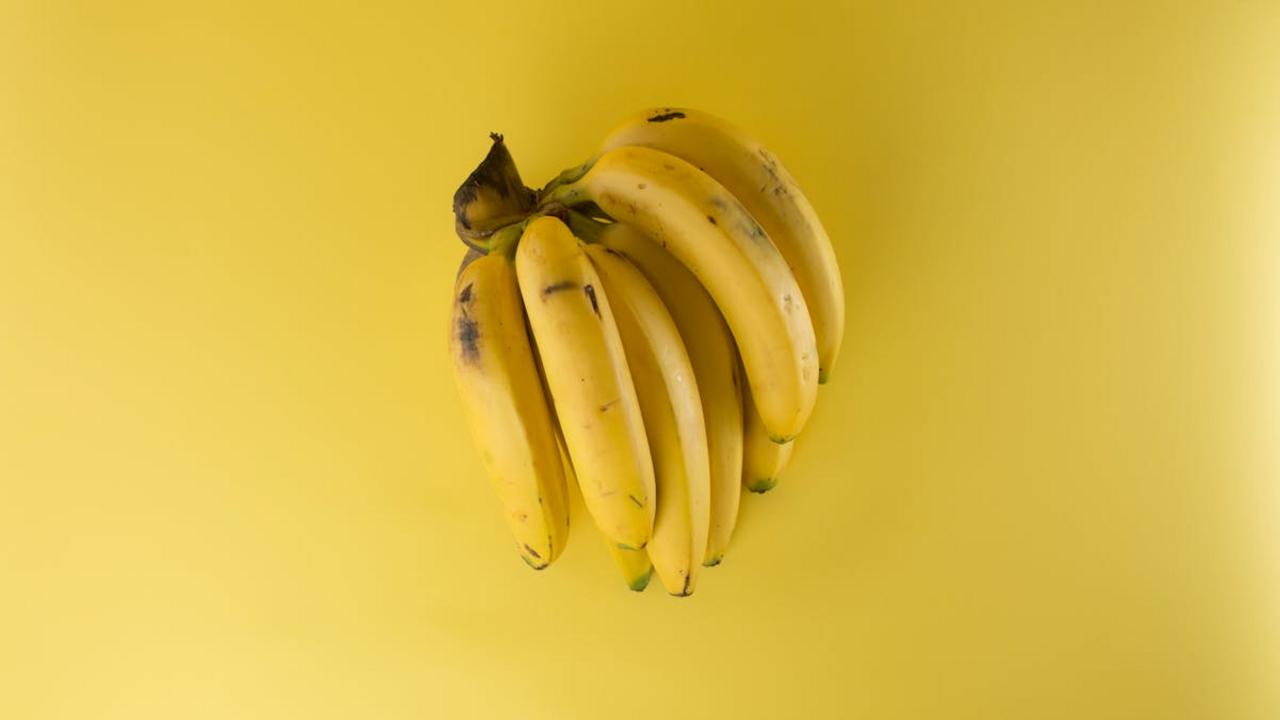
I always keep a bunch of bananas on my kitchen counter, and for good reason! These yellow fruits pack a powerful prebiotic punch that your gut bacteria absolutely love. The fiber in bananas, particularly resistant starch, acts as food for your beneficial gut microbes, helping them thrive and multiply. What makes bananas extra special is their high inulin content – a type of fiber that supports the growth of good bacteria while reducing inflammation in your digestive system.
Your gut will thank you for eating bananas, especially slightly underripe ones with a greenish tint. These contain higher amounts of resistant starch compared to fully ripened bananas. I recommend adding them to your morning smoothie, slicing them over yogurt, or enjoying them as a quick snack. If you deal with bloating or digestive discomfort, bananas can help since they contain compounds that aid in maintaining the protective mucus lining of your stomach. Plus, they’re naturally portable and budget-friendly, making them a perfect gut-healthy choice for busy days.
Sourdough Bread

I can’t help but get excited about sourdough bread! This fermented wonder goes beyond being just another loaf – it’s a gut-health superstar that your digestive system will thank you for. The natural fermentation process creates beneficial compounds and breaks down gluten proteins, making it easier for many people to digest compared to regular bread. The friendly bacteria in sourdough also create natural preservatives that keep your bread fresh longer while adding that distinctive tangy flavor we all love.
Your gut microbiome will particularly benefit from sourdough’s prebiotic properties, which feed the good bacteria in your digestive system. The lactic acid bacteria present in sourdough help create an ideal environment for nutrient absorption and can reduce bloating many people experience with conventional bread. Plus, you’ll get more minerals from sourdough since the fermentation process breaks down phytic acid, which typically blocks mineral absorption in regular bread. Make sure to pick true sourdough from your local bakery – look for that telltale tang and chewy texture!
Apple Cider Vinegar

I’m always amazed by how apple cider vinegar can transform your gut health with its incredible mix of good bacteria and enzymes. The fermentation process creates a powerhouse of probiotics that help balance your digestive system naturally. What I love most about ACV is how it kicks your digestion into high gear – just a tablespoon before meals can help break down food more effectively and reduce that uncomfortable bloated feeling we all know too well.
You’ll find the best results with raw, unfiltered apple cider vinegar that contains “the mother” – those cloudy strands you see floating in the bottle. These protein-rich enzymes pack the biggest probiotic punch for your gut health. I recommend starting with a morning routine: mix one tablespoon of ACV with warm water and a touch of honey. This simple drink can help regulate your stomach acid levels and create an environment where good bacteria thrive. Just remember to always dilute it since straight vinegar can be harsh on your tooth enamel!
Kimchi

I absolutely adore kimchi – this Korean fermented powerhouse brings so much vibrant flavor and gut-healthy goodness to any meal! The combination of napa cabbage, radishes, scallions, garlic, ginger, and Korean red pepper creates an incredible probiotic-rich food that can transform your digestive health. The natural fermentation process fills kimchi with beneficial bacteria that help balance your gut microbiome and boost your immune system. Plus, the vegetables retain all their natural fiber and nutrients, making kimchi a nutritional superstar.
You’ll find endless ways to include kimchi in your daily meals. I love adding a spoonful to rice bowls, scrambled eggs, or sandwiches for an instant flavor boost. The tangy, spicy punch works beautifully in stir-fries, soups, or even straight from the jar as a zesty side dish. If you’re new to kimchi, start with small portions to let your body adjust to the fermented foods. You can find quality kimchi in most grocery stores, or try making your own at home – the process takes time but rewards you with fresh, customized flavors and maximum probiotic benefits.
Sauerkraut

I absolutely love adding tangy, fermented sauerkraut to my meals! This German-inspired cabbage creation does more than add a zesty kick to your sandwiches and hot dogs – it’s packed with beneficial probiotics that support your digestive system. The fermentation process creates billions of live bacteria that help balance your gut microbiome and boost your immune system. Plus, sauerkraut contains high amounts of fiber, vitamins C and K, and iron, making it a nutritional powerhouse for your overall health.
You’ll find making your own sauerkraut at home super rewarding and cost-effective. All you need is cabbage, salt, and a clean jar – the fermentation magic happens naturally over time. If you prefer store-bought options, look for raw, unpasteurized versions in the refrigerated section of your grocery store. These contain the highest amounts of live probiotics compared to shelf-stable varieties. Start with a small serving of 1-2 tablespoons daily to give your body time to adjust to the fermented goodness, then gradually increase your intake to reap the full gut-health benefits.
Plain Yogurt
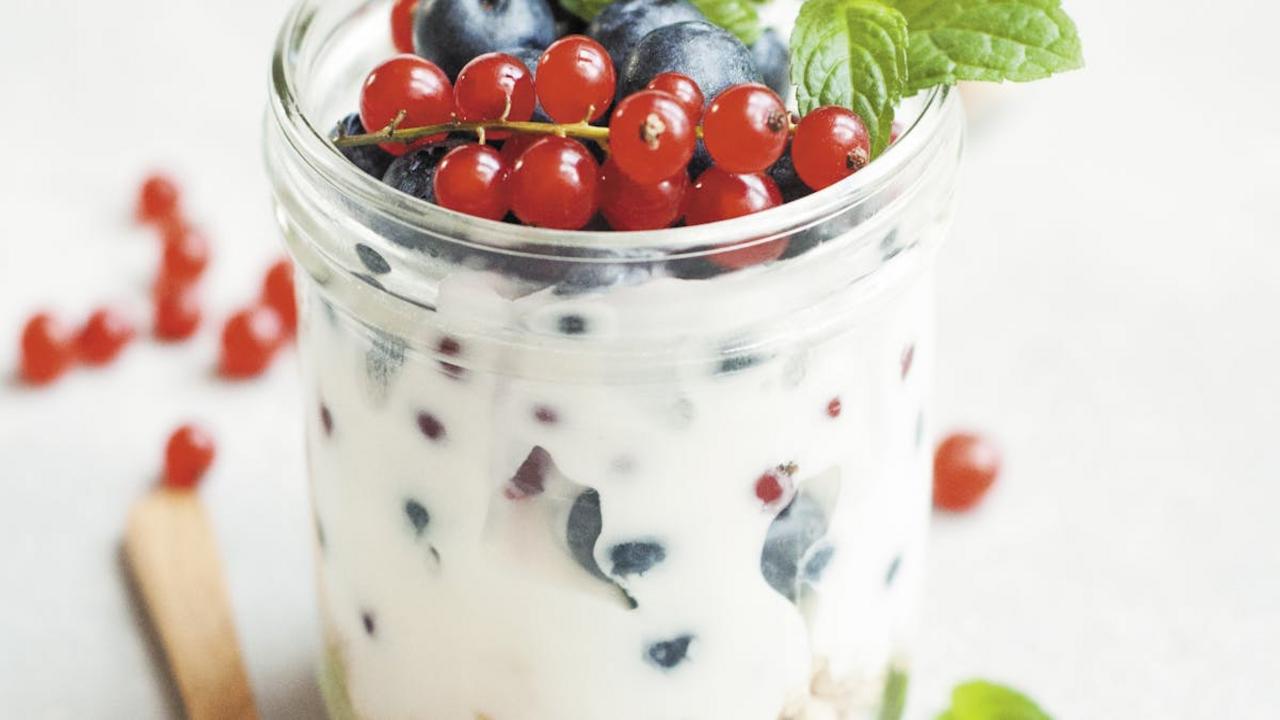
Your gut will thank you for making plain yogurt a daily staple! This creamy, fermented dairy product contains billions of beneficial bacteria called probiotics that support your digestive health. The live cultures in yogurt, particularly Lactobacillus and Bifidobacterium, help balance your gut microbiome and improve nutrient absorption. I recommend choosing plain, unsweetened varieties over flavored options since added sugars can actually work against your gut health goals.
Beyond probiotics, plain yogurt gives you a good dose of protein, calcium, and vitamin B12 – nutrients that keep your bones strong and energy levels high. You can make your yogurt more exciting by adding fresh fruits, a drizzle of honey, or mixing it into smoothies. Many people with mild lactose intolerance find they can digest yogurt better than other dairy products because the beneficial bacteria help break down the lactose. Just look for “live and active cultures” on the label to make sure you’re getting the maximum gut-health benefits.