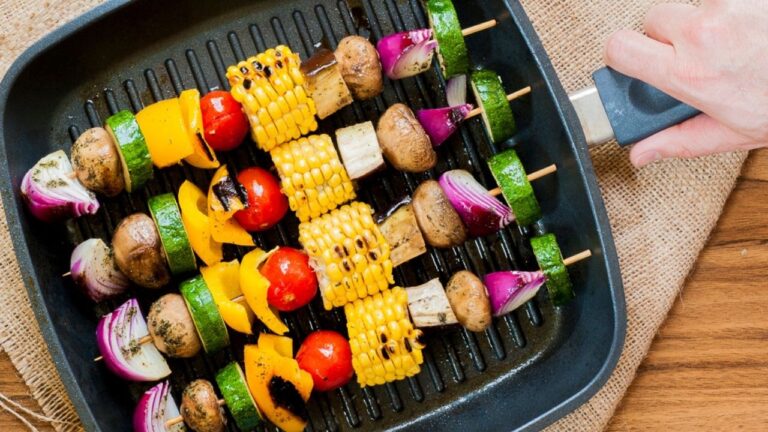
14 Budget Friendly Grocery Staples Frugal Shoppers Swear By
Your wallet doesn’t need to weep every time you grocery shop! Smart shoppers know the secret: stock up on versatile staples that stretch both your budget and your creativity. These fourteen powerhouse ingredients transform boring pantries into treasure troves of possibilities.
Picture this: you’re standing in the grocery aisle, calculator app open, wondering how quinoa became more expensive than your monthly streaming subscriptions. But here’s the thing – savvy shoppers have cracked the code. They know which items deliver maximum bang for their buck while keeping meals interesting and nutritious.
From protein-packed lentils that cost pennies per serving to frozen vegetables that laugh in the face of spoilage, these budget-friendly champions prove that eating well doesn’t require a trust fund. Ready to discover why frugal food lovers can’t stop raving about these fourteen grocery gems?
Seasonal Fruits
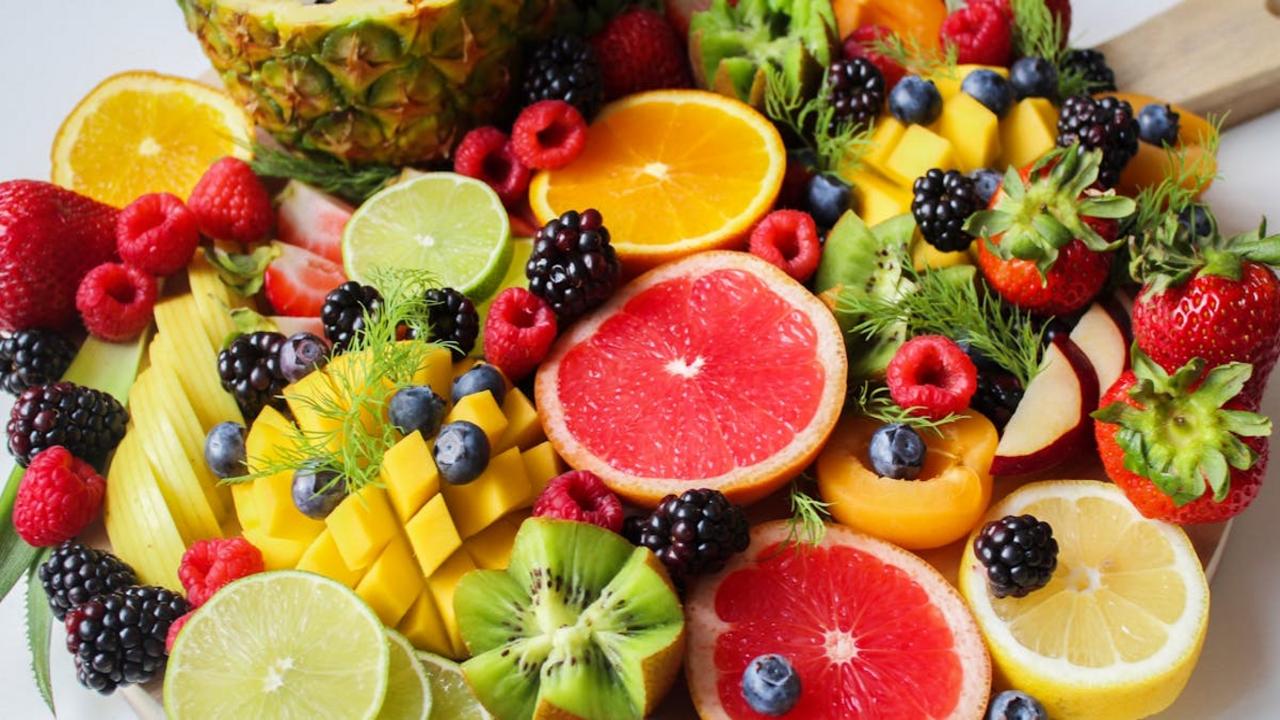
Picture this: you’re standing in the produce section, wallet clutched tight, when suddenly you spot those gorgeous strawberries calling your name. But wait—they’re $6 for a tiny container because it’s January and they’ve traveled more miles than a flight attendant! Here’s where seasonal fruit shopping becomes your secret weapon for both your budget and your taste buds. When you buy fruits in their natural season, you’re not just saving serious cash—you’re getting peak flavor that’ll make you wonder why you ever settled for those sad, flavorless imposters shipped from halfway around the world. Spring brings affordable asparagus and sweet peas, summer delivers cheap berries and stone fruits, fall offers budget-friendly apples and pears, while winter gives you citrus that won’t break the bank.
Smart shoppers know the seasonal fruit calendar like their favorite Netflix show schedule. July means berry heaven at rock-bottom prices—perfect for making enough jam to last until the apocalypse or just eating so many blueberries you temporarily turn purple (totally worth it). Come autumn, apples become ridiculously cheap, and you can stock up for months of snacking, baking, and impressing people with your homemade applesauce. Winter citrus season means oranges, grapefruits, and lemons cost pennies compared to their off-season prices, giving you vitamin C ammunition against cold season without emptying your bank account. The best part? Seasonal fruits taste like they’re supposed to—vibrant, juicy, and full of the sunshine they soaked up during their proper growing time, not the artificial ripening chambers they endure during off-season shipping.
Avocados
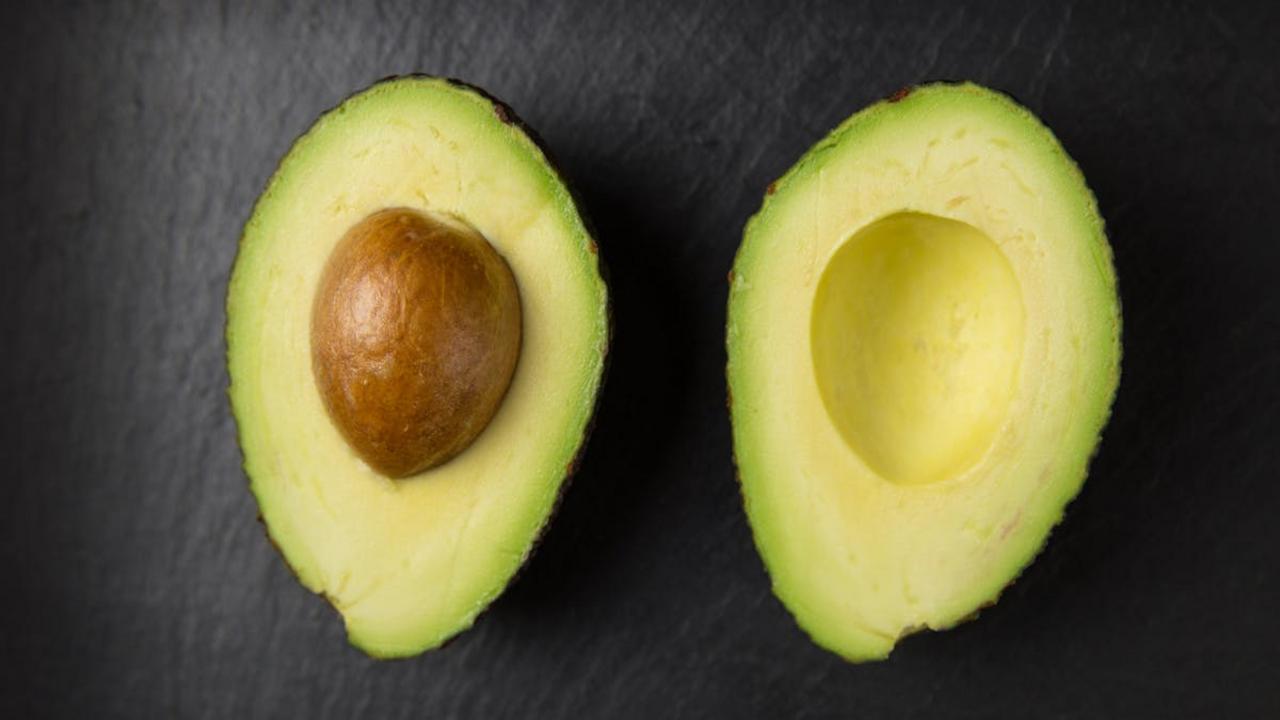
Listen, I know what you’re thinking – avocados and “budget-friendly” don’t usually share the same sentence unless someone’s complaining about millennials and toast. But hear me out! Those green beauties sitting in your produce aisle are actually sneaky little money savers when you know how to shop smart. Buy them rock-hard and let them ripen on your counter (patience, grasshopper), or grab the perfectly ripe ones when they’re marked down because nobody else wants to commit to eating guac today. Fun fact: avocados are technically berries – the largest berries in the world, actually – which makes your morning toast basically a fruit salad if you squint hard enough.
Here’s where avocados become your wallet’s best friend: they’re ridiculously versatile and can stretch a meal further than your college sweatpants. Mash them into guacamole for pennies compared to store-bought versions, blend them into smoothies for instant creaminess without expensive protein powders, or slice them onto literally anything to make it feel fancy. One avocado can transform boring beans and rice into a restaurant-worthy bowl, and they’ll keep you full longer than most snacks thanks to their healthy fats. Pro tip from someone who’s learned the hard way: store cut avocados with the pit still in and a squeeze of lemon juice – they’ll stay green longer than your envy over your neighbor’s perfect lawn.
Lentils
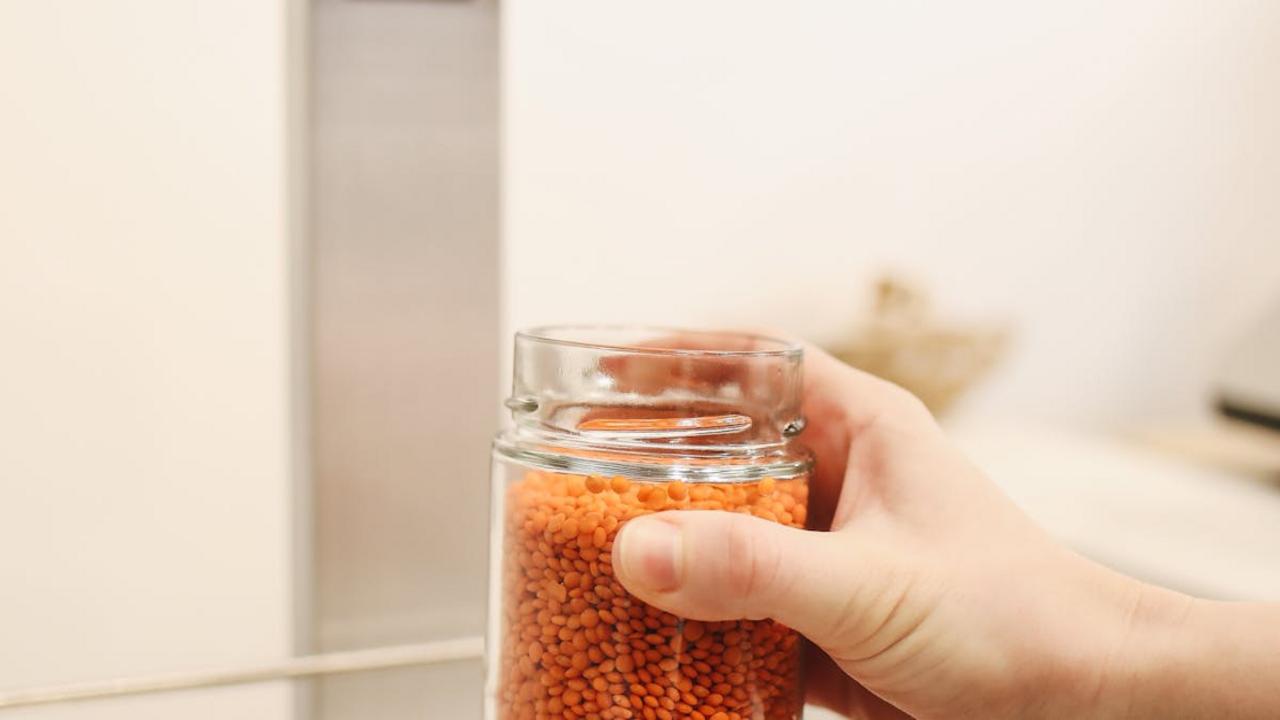
Listen, I know what you’re thinking – lentils sound about as exciting as watching paint dry on a Tuesday afternoon. But hold onto your grocery cart because these little powerhouses are about to become your wallet’s best friend! At roughly $1.50 per pound, lentils pack more protein than most meats while laughing at your bank account instead of crying over it. These tiny legumes have been feeding civilizations since 8000 BC, which means they’ve had plenty of time to perfect their budget-friendly magic. Red lentils cook in just 15 minutes and turn into creamy gold, while green lentils hold their shape like tiny soldiers ready to bulk up any soup or salad.
Here’s where lentils get sneaky good – they’re flavor chameleons that absorb whatever you throw at them. Toss them into a curry with coconut milk and they’ll transport you to India for under three bucks. Simmer them with Italian herbs and suddenly you’ve got a hearty Bolognese sauce that costs pennies per serving. My favorite trick? Cook a big batch on Sunday with garlic, bay leaves, and whatever vegetables are lurking in your fridge, then use them throughout the week in wraps, over rice, or mixed into scrambled eggs. One cup of dried lentils magically transforms into three cups of cooked goodness, making them the Houdini of the pantry world.
Tinned Fish
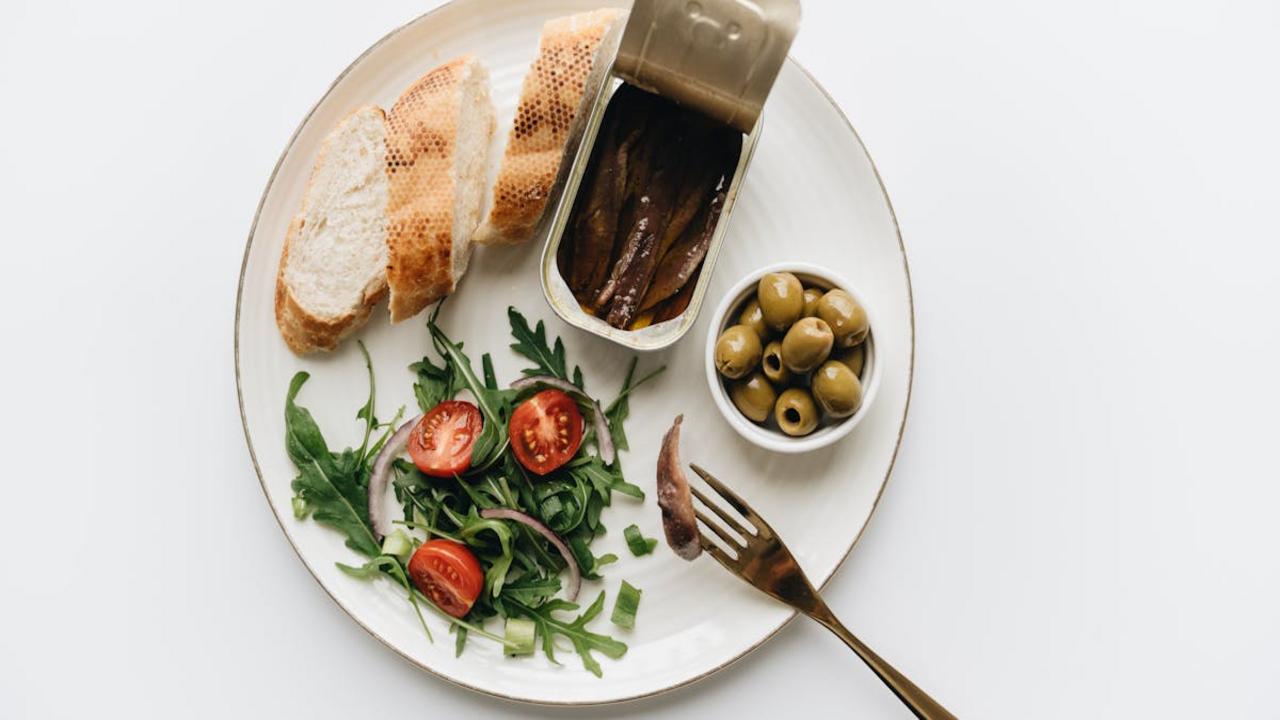
Your grandmother’s pantry knew something you’re just discovering: tinned fish isn’t just survival food, it’s a secret weapon that savvy shoppers use to stretch their grocery dollars while eating like royalty. A can of sardines costs about the same as a fancy coffee drink, but it delivers more protein than a steak dinner and enough omega-3s to make your brain do a happy dance. Portuguese families have been stockpiling gorgeous tins of octopus and mackerel for generations, treating them like liquid gold – and honestly, they’re not wrong. These little metal treasures can transform from emergency meal to sophisticated appetizer faster than you can say “budget gourmet.”
Here’s where tinned fish gets really exciting: you can create restaurant-quality meals without breaking the bank or spending hours in the kitchen. Toss some canned salmon with pasta, capers, and lemon for an instant weeknight winner, or mash up sardines with avocado and hot sauce for a protein-packed toast topping that’ll make your Instagram followers weep with envy. The shelf life practically laughs at expiration anxiety – most quality tins stay fresh for years, making them perfect for your apocalypse stash or just Tuesday dinner. Plus, you’ll feel wonderfully European keeping a collection of beautiful tins in your cupboard, ready to whip out whenever unexpected guests drop by or when your bank account needs a gentle hug.
Brown Rice
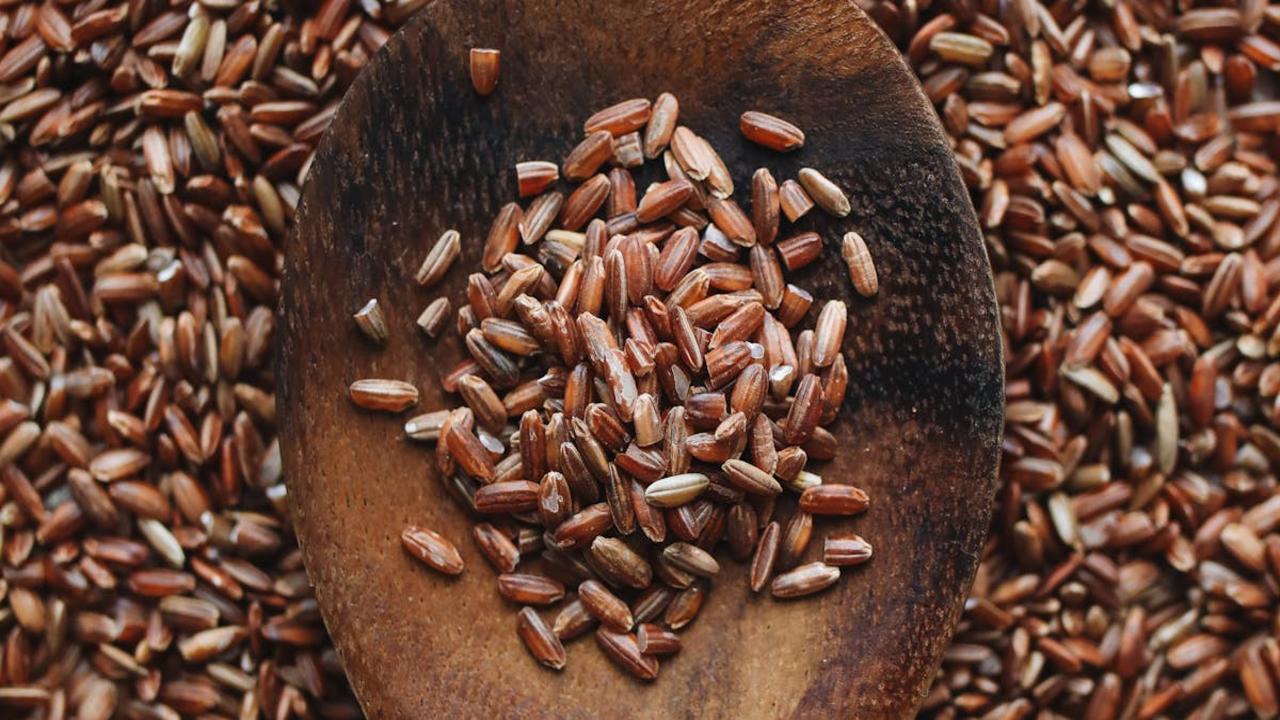
Brown rice sits in your pantry like that reliable friend who never lets you down – always there when you need a solid foundation for dinner, and surprisingly affordable for something so nutritionally packed. While white rice gets all the flashy attention, brown rice quietly delivers fiber, B vitamins, and a nutty flavor that transforms boring meals into something your wallet and your body will thank you for. You can snag a massive bag for under five dollars, and it’ll stretch further than your patience during Monday morning meetings. The best part? This grainy superhero stores for months without going bad, making it the ultimate insurance policy against those “what’s for dinner?” panic moments.
Here’s a fun fact that’ll make you appreciate your humble brown rice even more: each grain still wears its bran coat, which means it took longer to cook but packs way more personality than its stripped-down white cousin. You can batch-cook a huge pot on Sunday, then jazz it up throughout the week – toss it with whatever vegetables are lurking in your fridge, mix it into soups, or create fried rice that’ll make your takeout-loving friends jealous. Pro tip from someone who’s learned the hard way: rinse it first, use a 2:1 water ratio, and resist the urge to peek under the lid while it’s cooking. Your patience will be rewarded with perfectly fluffy grains that cost pennies per serving but taste like you actually know what you’re doing in the kitchen.
Chia Seeds
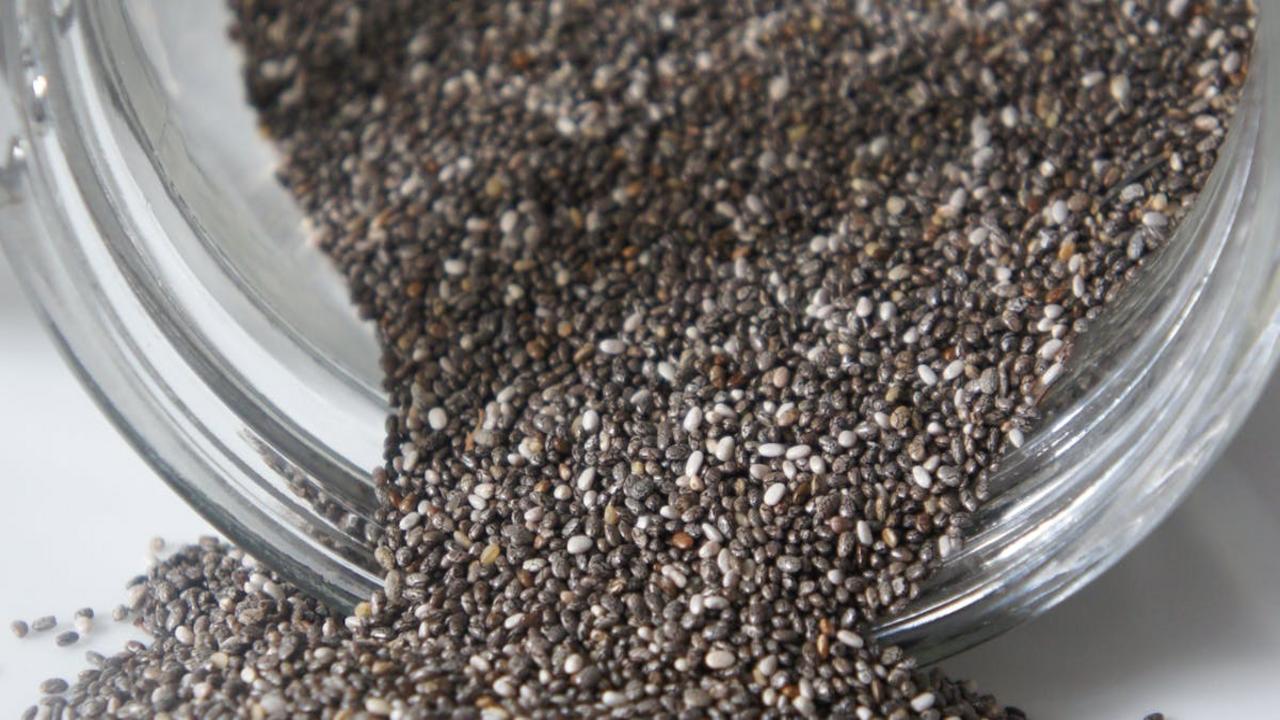
These tiny black and white powerhouses pack more nutritional punch per ounce than a heavyweight boxer on espresso. Chia seeds contain omega-3 fatty acids, fiber, protein, and calcium—basically everything your body craves without the hefty price tag of fancy superfoods. You can snag a pound of these miracle seeds for around five dollars, and they’ll stretch further than your yoga instructor on a good day. The best part? They’re completely flavorless, which means you can sneak them into literally everything without your picky eaters staging a dinner table rebellion.
Here’s where chia seeds get weird and wonderful: drop them in liquid, and they transform into tiny gel orbs that look like frog eggs but taste infinitely better. This magical property makes them perfect for creating puddings that cost pennies instead of the ten-dollar versions at trendy cafes. Mix two tablespoons with half a cup of milk, add honey and vanilla, refrigerate overnight, and boom—you’ve got breakfast that makes your wallet happy. Sprinkle them on yogurt, blend into smoothies, or stir into oatmeal. These ancient Aztec superseeds will keep you full for hours while your bank account stays pleasantly plump.
Cottage Cheese
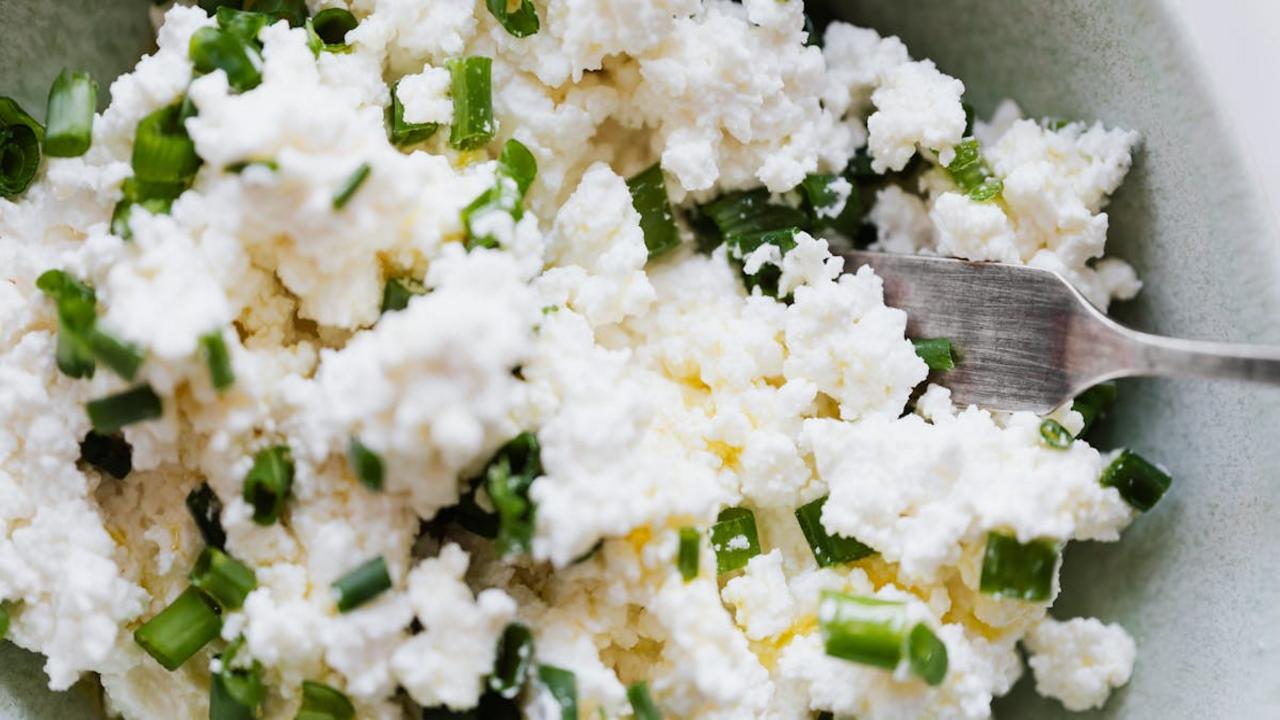
Cottage cheese has officially shed its sad diet food reputation and stepped into the spotlight as the protein powerhouse that frugal shoppers absolutely worship. This chunky, creamy wonder packs around 14 grams of protein per half-cup serving while keeping your wallet happy at roughly $3-4 per container. You know what’s wild? Cottage cheese was actually called “Dutch cheese” back in colonial America because Dutch settlers made it in their cottages using leftover milk. Today’s versions might come from fancy dairies, but the principle remains the same – you’re getting maximum nutrition for minimum cash.
The beauty of cottage cheese lies in its chameleon-like personality that adapts to whatever mood you’re in. Craving something sweet? Mix it with honey and fresh berries for a dessert that tastes indulgent but won’t break your budget. Feeling savory? Dollop it onto baked potatoes with chives, or blend it into pasta sauces for instant creaminess without the cream price tag. Smart shoppers love that one container stretches across multiple meals – from breakfast parfaits to dinner sides. Pro tip: buy the large containers when they’re on sale and freeze portions in ice cube trays for smoothies later. Your future self will thank you when you’re sipping a protein-packed smoothie that cost pennies to make.
Frozen Vegetables
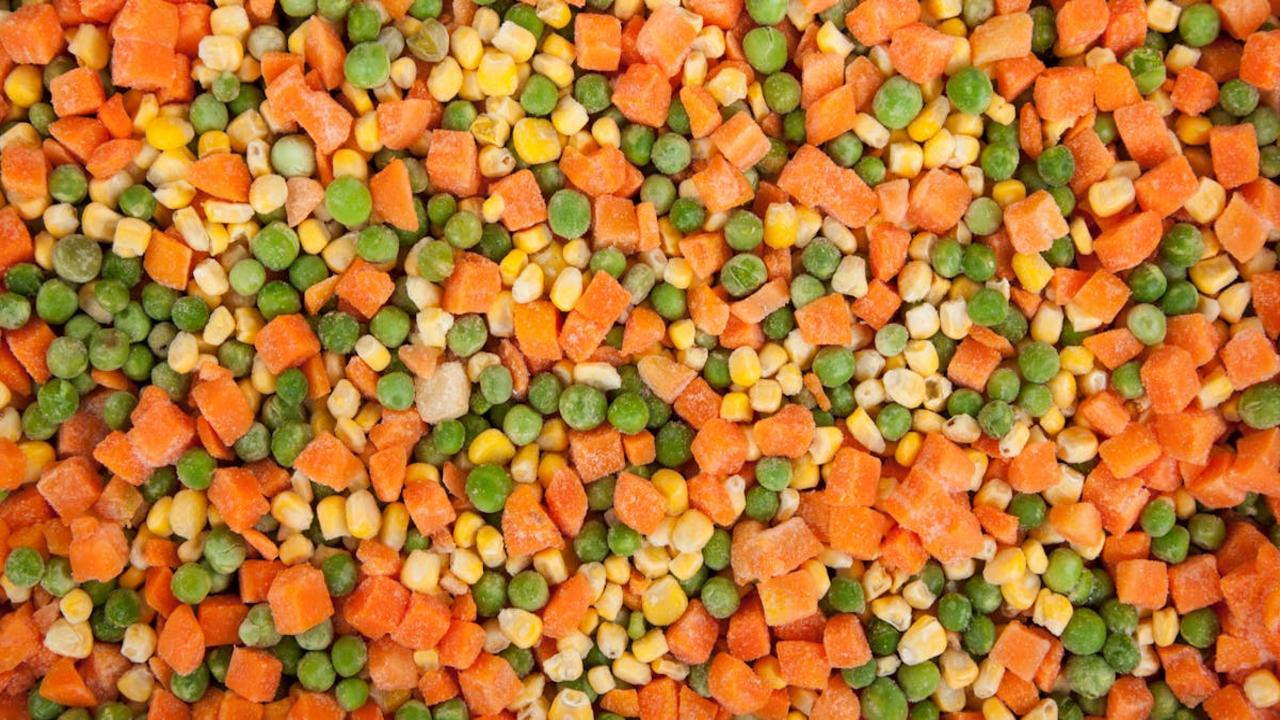
Your freezer section holds a treasure trove of nutrition that laughs in the face of seasonal pricing and produce section disappointments. Frozen vegetables are the unsung heroes of budget-friendly cooking, packed with vitamins that were flash-frozen at peak ripeness while fresh produce traveled thousands of miles to reach your cart looking sad and wilted. Here’s a mind-blowing fact: frozen broccoli often contains more vitamin C than its fresh counterpart that’s been sitting around for weeks! I once watched a fellow shopper spend twenty minutes squeezing every single bell pepper in the fresh section while I grabbed a bag of frozen stir-fry mix for half the price and triple the variety.
These icy gems transform boring meals into colorful masterpieces without breaking your bank account or your schedule. Toss frozen peas into pasta for instant protein and sweetness, or throw mixed vegetables into scrambled eggs for a breakfast that looks like you actually have your life together. The best part? No chopping, no waste, and no guilt about that spinach turning into green slime in your crisper drawer. Frozen vegetables stay fresh for months, ready to rescue any meal from blandness. Plus, you can grab exactly what you need without committing to an entire head of cauliflower that somehow always seems to multiply when nobody’s looking.
Nut Butters

You know that friend who claims they “don’t really cook” but somehow always has a jar of almond butter in their pantry? That friend is onto something brilliant. Nut butters are the Swiss Army knives of budget-friendly protein sources, and they laugh in the face of expiration dates while other foods throw dramatic farewell tantrums in your fridge. A single tablespoon packs about 4 grams of protein and enough healthy fats to keep you satisfied longer than your last relationship lasted. Whether you’re spreading peanut butter on toast at 2 AM or dolloping cashew butter into your morning smoothie, these creamy champions transform the most basic ingredients into something that actually tastes like you know what you’re doing in the kitchen.
Here’s a fun fact that’ll make you appreciate your jar of Skippy even more: Americans consume enough peanut butter annually to cover the floor of the Grand Canyon. That’s roughly 700 million pounds of the stuff, and honestly, we’re not mad about it. The beauty of nut butters lies in their versatility – they work as sandwich fillers, smoothie boosters, sauce bases for Asian-inspired noodles, or emergency spoons-only snacks during those “what even is dinner” moments. Pro tip: buy the natural versions without added sugars, and don’t be intimidated by that oil separation on top – just give it a good stir and pretend you’re conducting a tiny, delicious orchestra. Your wallet will thank you, your taste buds will celebrate, and you’ll never again wonder what to eat with those sad crackers lurking in your cupboard.
Greek Yogurt
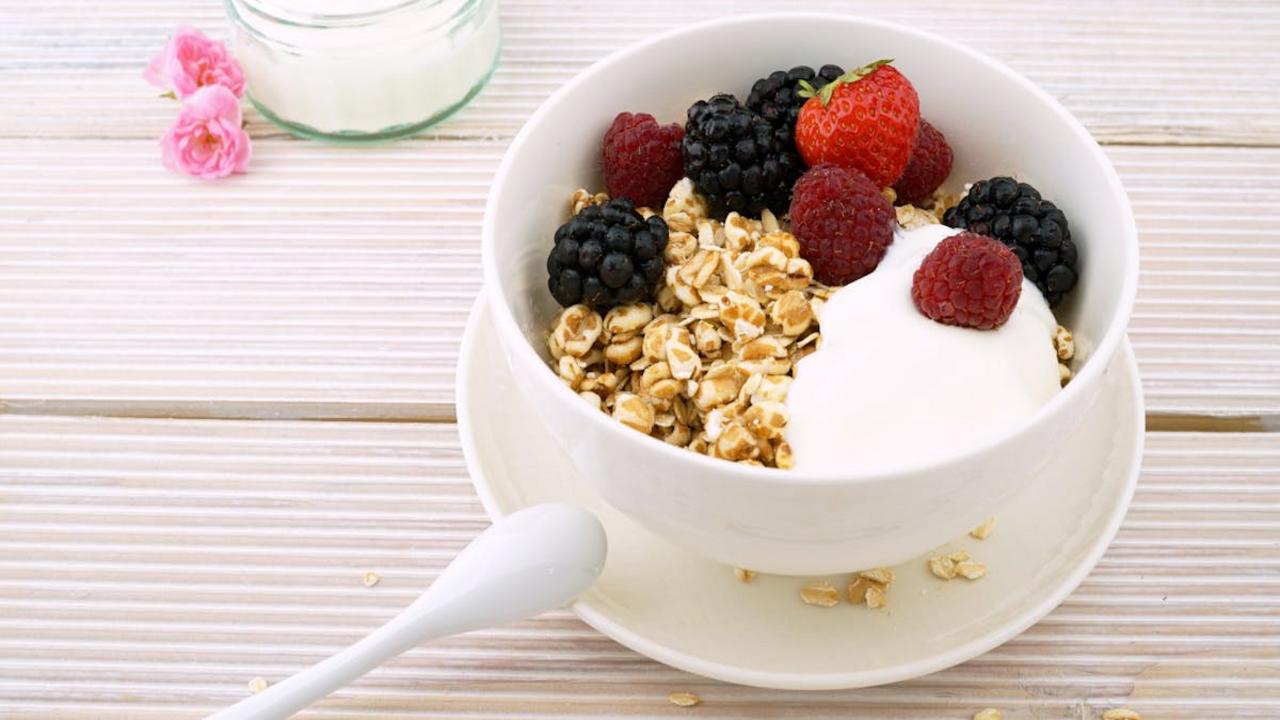
Greek yogurt sits in your fridge like a protein-packed superhero disguised as a simple dairy product. This thick, tangy wonder contains nearly twice the protein of regular yogurt—we’re talking 15-20 grams per serving—which means it keeps you satisfied longer than most breakfast options. You can grab a large container for around $3-4 and stretch it across multiple meals, making it one of the smartest grocery investments you can make. Fun fact: authentic Greek yogurt gets its thick texture from straining out the whey, a process that concentrates all the good stuff and gives it that distinctively rich mouthfeel that makes regular yogurt seem watery by comparison.
The versatility of Greek yogurt borders on ridiculous—you can eat it straight with honey and berries, use it as a sour cream substitute in tacos, blend it into smoothies, or even make quick pancakes by mixing it with eggs and a bit of flour. I’ve seen people use it in marinades for chicken (the acidity tenderizes the meat beautifully), stir it into pasta sauces for creaminess without the calories, and even substitute it for mayo in chicken salad. Pro tip: buy the plain variety instead of flavored versions to save money and avoid unnecessary sugar—you control the sweetness and can transform it into whatever your mood demands, from savory herb dips to dessert-like parfaits.
Whole Oats
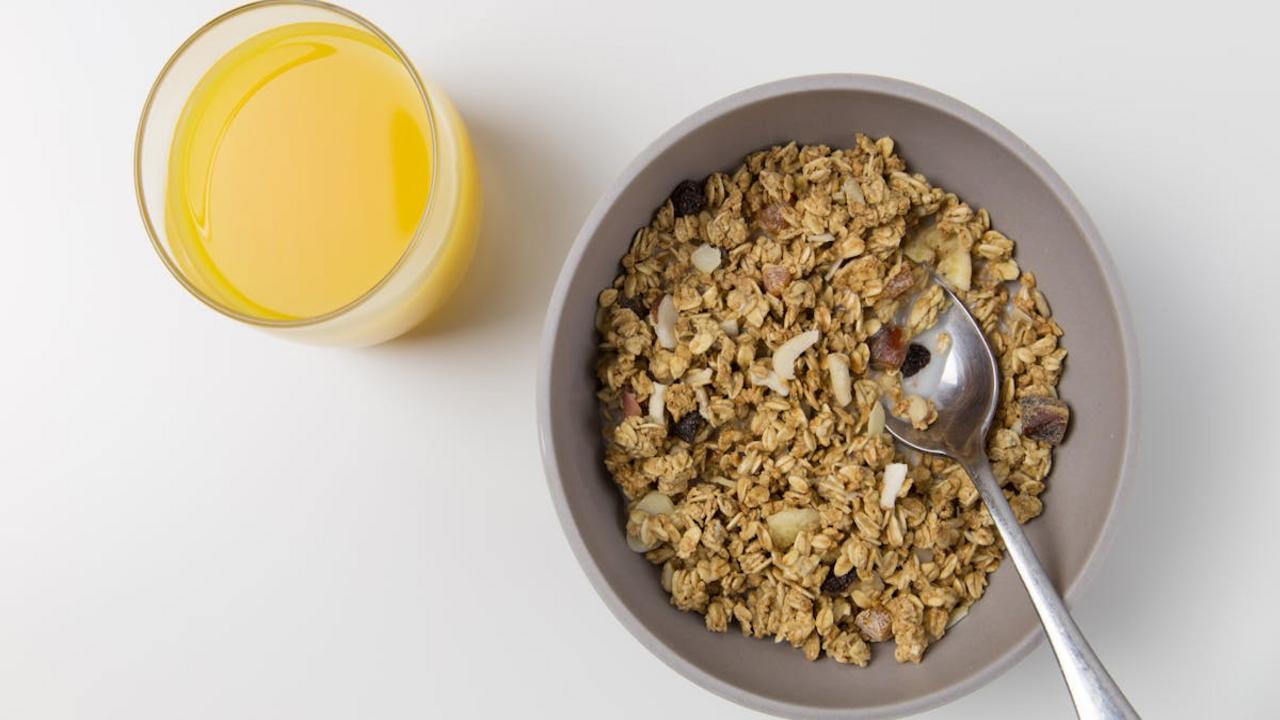
You know what’s criminally underrated in the breakfast game? Whole oats! Not those wimpy instant packets that dissolve into mush faster than your resolve on Monday morning, but the real deal – steel-cut oats that actually require some patience. These little golden nuggets cost about the same as a fancy coffee drink but feed you for weeks. I buy mine from the bulk bins because watching the price per pound makes my frugal heart sing louder than a morning alarm. Fun fact: oats are basically the overachievers of the grain world – they contain more protein than most cereals and enough fiber to keep your digestive system running smoother than a well-oiled machine.
Here’s the beautiful thing about whole oats: they’re like the Swiss Army knife of your pantry. Sure, you can make traditional oatmeal, but why stop there? Blend them into flour for homemade bread, toss them into smoothies for texture that actually satisfies, or bake them into granola bars that put store-bought versions to shame. My personal favorite trick involves cooking a huge batch on Sunday with cinnamon and vanilla, then reheating portions throughout the week with different toppings – berries on Monday, nuts on Tuesday, maybe even a drizzle of maple syrup when I’m feeling fancy. At roughly $1.50 per pound, these humble grains stretch further than yoga pants on Thanksgiving, proving that sometimes the most boring-looking ingredients pack the biggest nutritional and financial punch.
Canned Beans
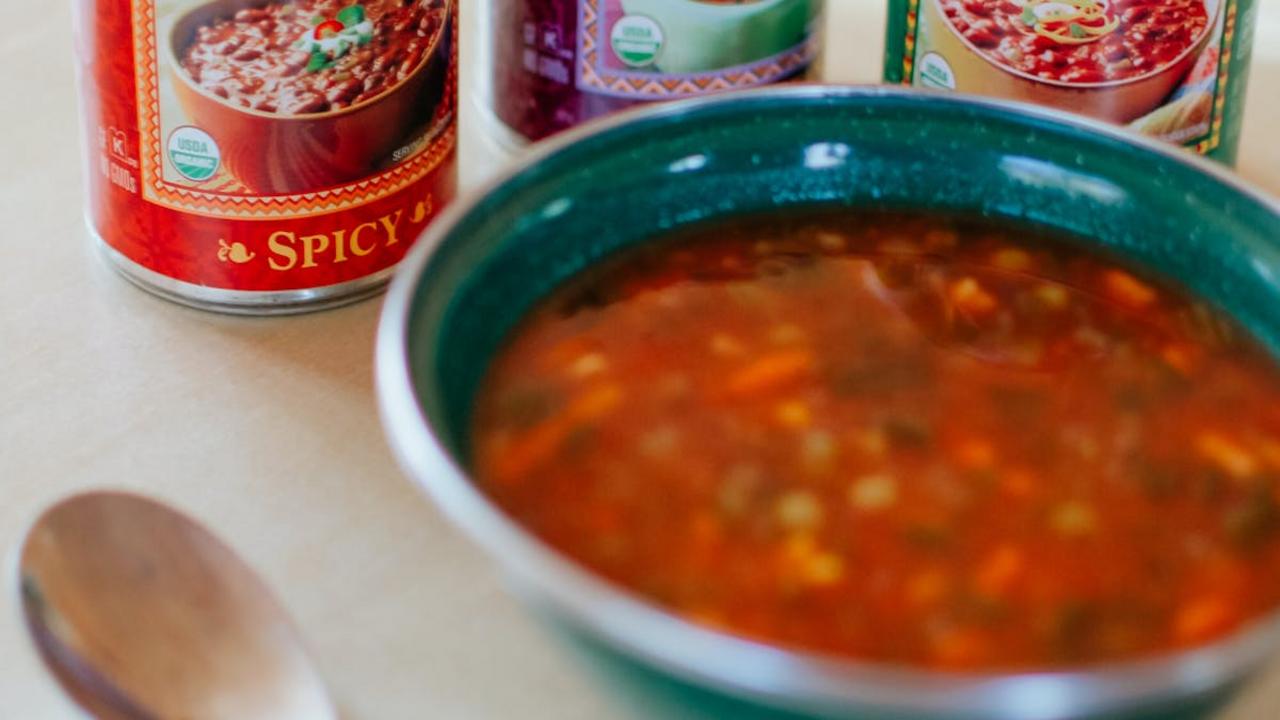
Picture this: you’re standing in your pantry at 6 PM, stomach growling like an angry bear, and suddenly you spot that humble can of beans sitting there like a superhero in disguise. Canned beans are the unsung heroes of budget cooking, packing more protein per penny than almost any other food out there. A single can costs less than a fancy coffee drink but delivers around 15 grams of plant-based protein plus enough fiber to keep your digestive system happier than a kid in a candy store. Black beans, chickpeas, kidney beans, navy beans – they’re all ready to transform from pantry wallflowers into dinner stars faster than you can say “bean there, done that.”
The beauty of canned beans lies in their versatility and convenience. You can toss them into soups, mash them into burger patties, blend them into hummus, or simply heat them up with some spices for a quick side dish. Here’s a fun fact that’ll make you appreciate these little powerhouses even more: beans have been feeding humans for over 9,000 years, and the canning process actually makes some of their nutrients more bioavailable than their dried counterparts. Plus, unlike their dried cousins that require overnight soaking and hours of cooking (who has time for that?), canned beans are ready to party in minutes. Keep a variety in your pantry, and you’ll never be more than five minutes away from a satisfying, nutritious meal.
Quinoa
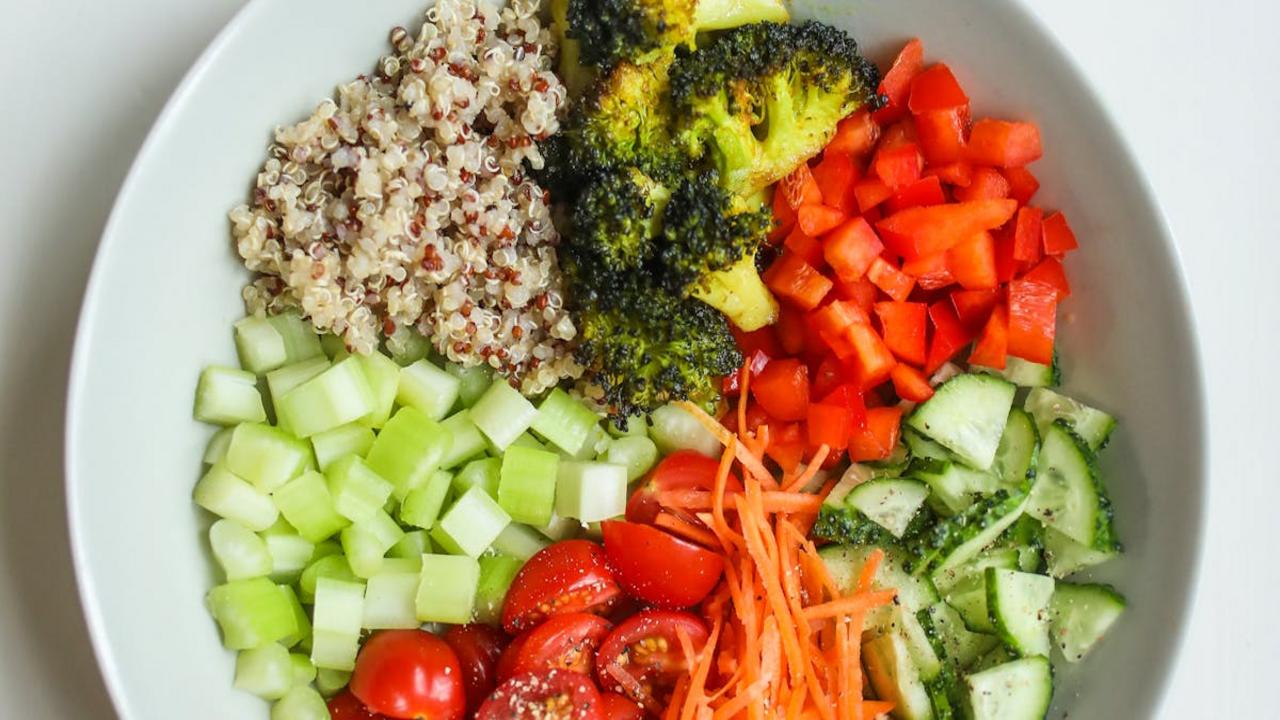
You know that friend who went to yoga teacher training and won’t stop talking about superfoods? Well, they’re actually onto something with quinoa. This little grain (technically it’s a seed, but who’s counting?) packs more protein than your average carb and costs way less than those fancy protein powders cluttering your pantry. At around $3-4 per pound, quinoa gives you complete proteins – meaning it contains all nine amino acids your body needs. The Incas called it “chisaya mama” or “mother of all grains,” and honestly, they weren’t being dramatic. One cup of cooked quinoa delivers 8 grams of protein and keeps you full longer than a stern lecture from your grandmother.
Here’s where quinoa gets really sneaky-smart for your budget: it triples in size when cooked, so that one cup of dry quinoa becomes three cups of fluffy, nutty goodness. I like to cook a big batch on Sunday and toss it into everything – salads, soups, even breakfast bowls with berries and honey. The best part? Quinoa doesn’t judge your cooking skills. Mess up rice and you get mush, but quinoa forgives your kitchen mishaps and still tastes great. Plus, it cooks in just 15 minutes, which means you can whip up a protein-packed meal faster than ordering takeout. Your wallet and your hangry stomach will thank you.
Leafy Greens
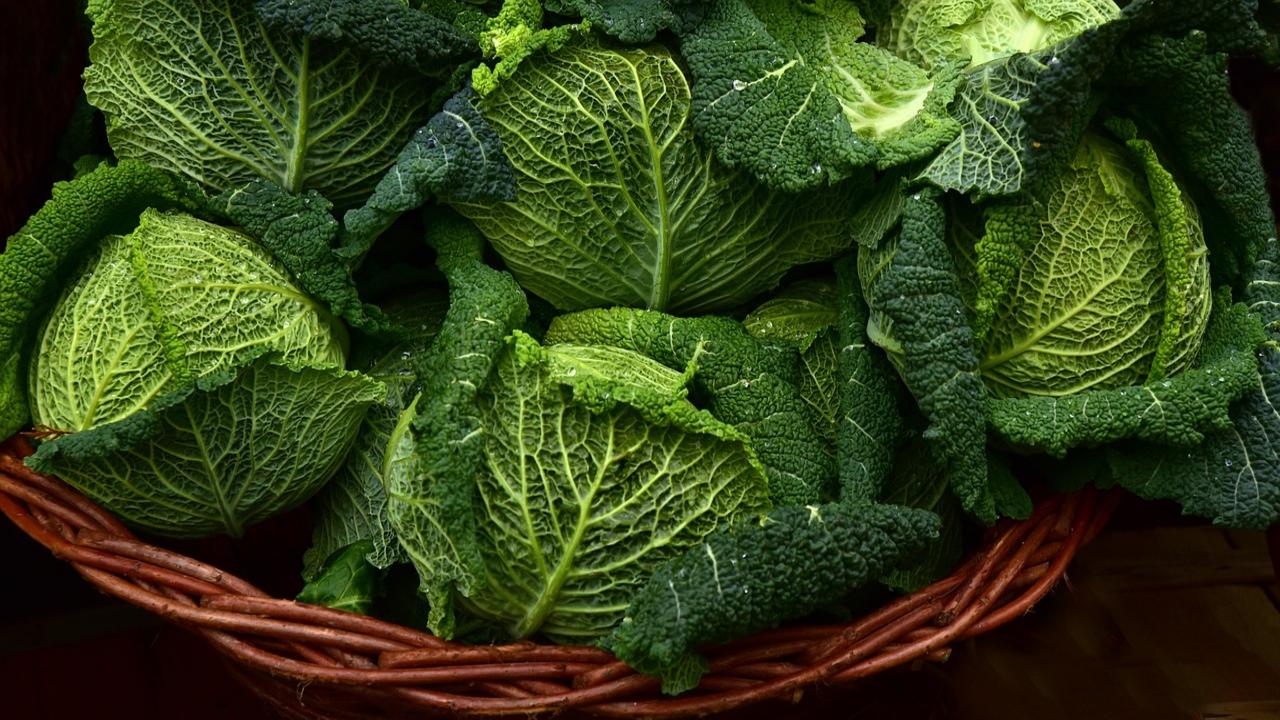
You know what’s hilariously ironic? The same vegetables your mom begged you to eat as a kid are now the cheapest things in the grocery store, and suddenly everyone’s acting like they discovered buried treasure. Spinach, kale, romaine, and arugula don’t just stretch your dollar – they practically multiply it while sneaking more nutrients into your body than a multivitamin ever could. A massive bag of spinach costs less than a fancy coffee drink and lasts for days, transforming into everything from smoothie bases to pasta fillers to omelet heroes. Fun fact: Popeye wasn’t entirely wrong about spinach giving you superpowers – one cup contains enough iron to make your blood cells do a happy dance, plus folate that keeps your brain sharp enough to calculate exactly how much money you’re saving.
The beauty of leafy greens lies in their chameleon-like ability to disappear into practically any dish while boosting both nutrition and volume without adding a penny to your grocery bill. Toss wilted spinach into scrambled eggs, blend kale into fruit smoothies (trust me, you won’t taste the green), or massage some olive oil into those tough kale leaves to create a salad that actually tastes good. Here’s a secret: buying the “ugly” leafy greens – the slightly wilted ones marked down for quick sale – saves even more money since they’re perfect for cooking anyway. Your wallet will thank you, your body will celebrate, and you’ll finally understand why your grandmother always said vegetables were nature’s medicine cabinet, except now they’re also nature’s budget hack.