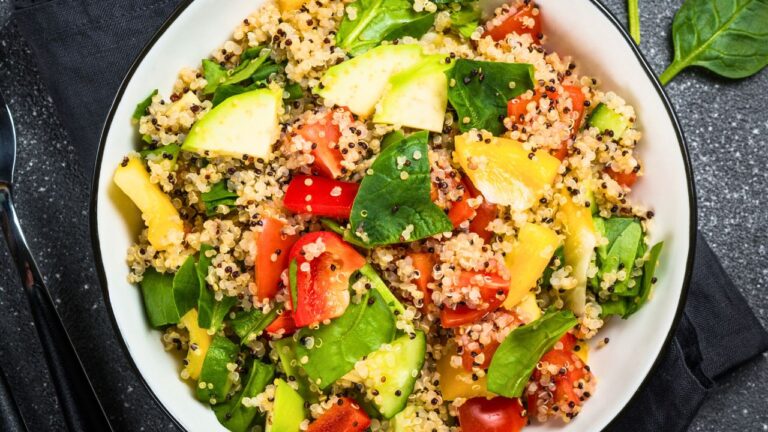
She Ignored the Dietary RSVP. She Demanded a Custom, Unseasoned Meal Right as I Was Plating Dinner.
We all know that when you are a guest in someone’s home for dinner, you eat what is served with a smile. It’s a simple, time-honored rule of good manners and respect for the host’s effort.
However, one young woman recently took to the internet to share a story that proves not everyone follows these basic rules of etiquette, and it has us all shaking our heads. The tale of her dinner party guest is a perfect example of what happens when entitlement crashes a friendly get-together, leaving a bad taste in everyone’s mouth.
The Incident
A 20-year-old woman, who loves to cook, decided to host a dinner for a few friends. Being a thoughtful hostess, she did exactly what she was supposed to do: she asked everyone beforehand if they had any allergies, dietary restrictions, or even simple preferences. It was the perfect opportunity for any guest with a particular need to speak up. Hearing nothing, she proceeded to cook a meal she enjoys, putting time and care into preparing a lovely evening for her guests.
Her friend, “Luna,” arrived a bit early to help with the finishing touches. But as the host was about to serve the food—the moment when all the work is done—Luna made a shocking announcement. She declared that she “doesn’t like her food heavily seasoned” and asked if the host could please “prepare a portion just for her with minimal seasoning.”
Can you imagine the audacity? The entire meal was already cooked and ready to be plated. Exhausted and taken aback, the host politely declined to cook a second meal from scratch. Instead, she offered two perfectly reasonable solutions:
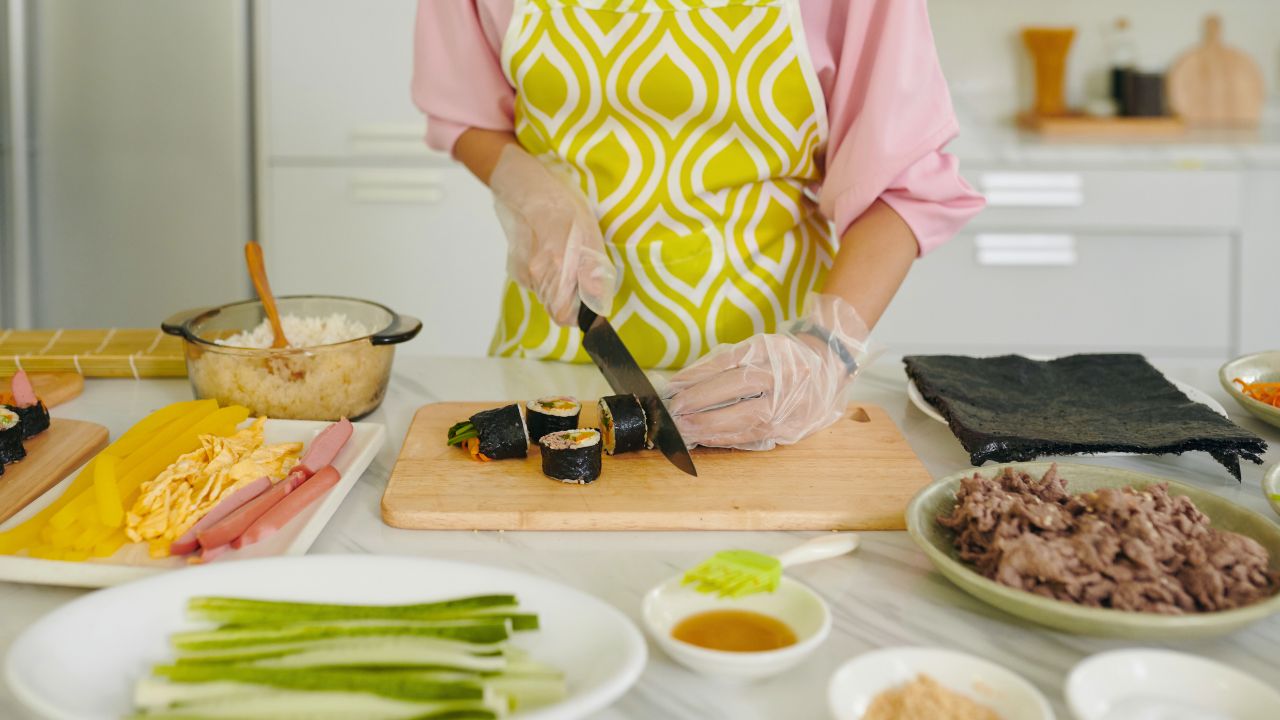
Luna could enjoy the sides, which included rice, garlic bread, and salad, or the host would be happy to order something for her. Luna seemed annoyed but said nothing, then proceeded to pout through dinner, barely eating and leaving early. The next day, she sent a message calling the host “inconsiderate and rude.”
The Internet Reacts
When the young host shared her story, the internet community overwhelmingly took her side, expressing shock at her friend’s behavior. The reactions quickly sorted into a few distinct camps.
First, there was the “Absolutely Not” Crowd, who were furious on the host’s behalf. They couldn’t believe the guest’s nerve. One commenter perfectly captured the sentiment, asking, “How do people think their friends’ houses are restaurants??”
Another was even more blunt, stating, “She’s rude. You don’t ask for an accommodation AFTER the meal has been cooked.” Many pointed out that the host had done everything right, and the friend was simply being a “special princess.”
Then came the small camp of “Devil’s Advocates,” who tried to find a sliver of understanding for the guest, even while agreeing she was wrong. One person thoughtfully suggested that perhaps the guest didn’t mention her preference because it wasn’t a true allergy.
“I can actually see how she didn’t reply to your text because it’s not a dietary restriction, and she didn’t realize how different your and her seasoning preferences are,” one user wrote. However, even this charitable take ended with the same conclusion: the guest still needed to “get over it” and be a gracious guest.

Finally, there was the “Don’t Invite Her Again” Crowd, who focused on the social consequences of such poor manners. Their advice was simple and direct. “I think in the future I would not be inviting her over for dinner,” one person advised.
Another user went further, suggesting the host should demand an apology. “Tell her it is rude to be ungrateful for a meal served to her, and if this is how she acts she can stay home next time.” This group believed that such entitled behavior shouldn’t be rewarded with future invitations.
The Etiquette Verdict
Let’s be perfectly clear: the host was a model of grace and hospitality, while the guest was completely out of line. A host’s responsibility is to be considerate, which this young woman was by asking about preferences in advance.
A guest’s responsibility is to communicate those needs in a timely fashion or, failing that, to accept the meal as it is with gratitude. To make a special request when the food is already on the serving spoon is simply unacceptable. Offering to order a separate meal was more than generous—it was an act of kindness the guest clearly didn’t deserve.

Your Thoughts
This situation leaves us with a lingering question about modern manners. When it comes to dinner party etiquette, who do you think crossed the line?
Was the host right to stand her ground, or was the guest entitled to a special meal?
Ready for the next level of insight? Discover more in my latest article here.