I Bought the Groceries for a 9-Dish Feast. My Adult Guests Texted Me to Veto the Entire Menu.
Most of us were brought up with a simple rule of etiquette: when you are a guest in someone’s home, you graciously eat what you are served. You smile, you say thank you, and you certainly do not complain. It’s a sign of respect for the effort and expense your host has gone to.
However, one woman recently took to an online forum to share a story that proves not everyone seems to remember this golden rule, leaving her absolutely fuming before her dinner party had even begun.
The Incident
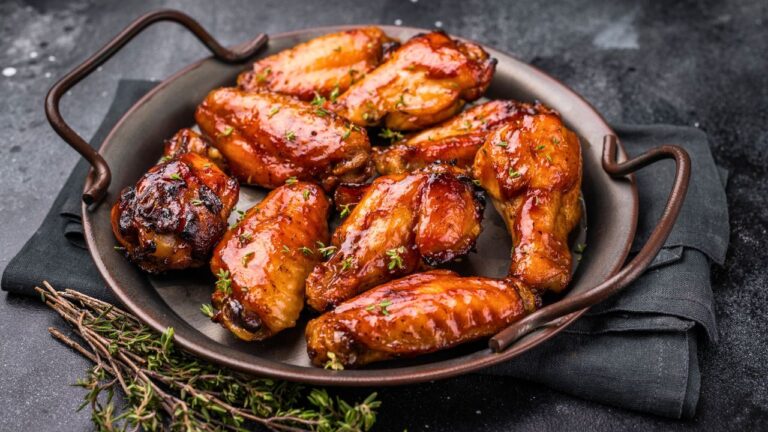
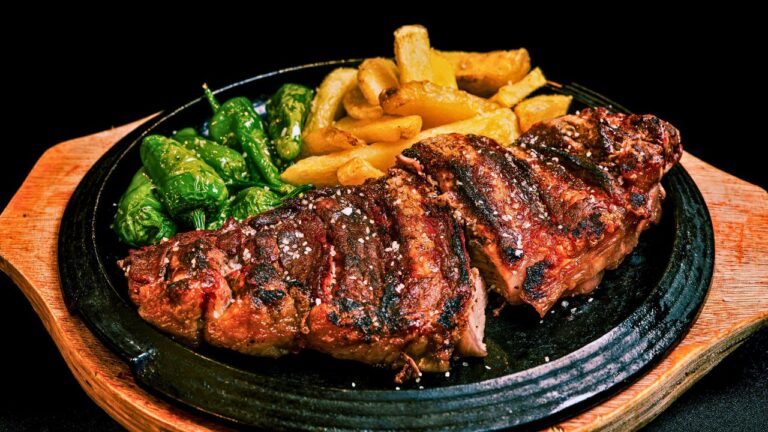
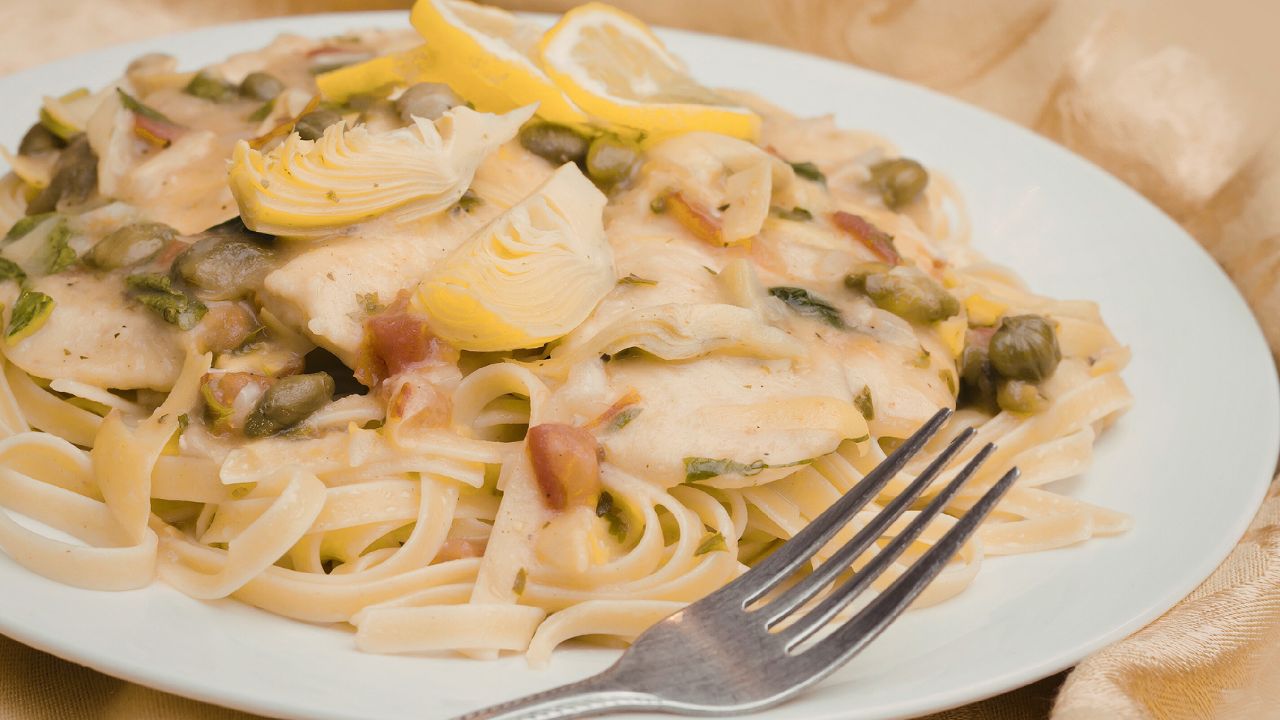
A woman, planning to host a dinner for friends, found herself in a rather baffling situation. She had carefully planned her menu, which included about nine different dishes for sharing, and had already done all the expensive shopping.
The trouble began when one of the invited couples asked what she was planning to serve. After she happily shared the menu, they responded not with excitement, but with a list of things they don’t eat.
The host was stunned. As she explained, the list of dislikes covered “more or less all of it,” including broad categories like seafood, chicken, and even cream. She was particularly annoyed by the timing and the tone. “It was known or certainly implied that it was planned out and expense had been spared already,” she wrote. “The way it was just stated as well, seemed really ungrateful.”

This wasn’t a case of allergies or strict dietary requirements, which she explicitly said she would accommodate. This was simply a matter of preference, delivered at the worst possible moment. “I’ve put loads of effort in and a lot of expense and I can’t see why grown adults can’t keep their preferences to themselves,” she vented. The situation left her feeling disrespected and tempted to tell them to eat before they came over.
The Internet Reacts
The internet was quickly divided, with people falling into a few distinct camps over this dinner party dilemma.
First, there was the “Absolutely Not” Crowd, who were furious on the host’s behalf. These readers felt the guests’ behavior was beyond rude. One commenter stated simply, “Allergies aside, yes. Really rude.” Another shared the wisdom they were raised with: “I remember being told very clearly by my DM as a very picky child that if I was at someone else’s house I ate what I was given, pretended I liked it and thanked the person making it.”
Another was even more blunt, saying, “If you have so many food aversions you can’t get through a meal at a friend’s then you don’t go. Or you invite everyone to yours.”
Then came the “Devil’s Advocate” camp, who felt the host shared some of the blame. Many in this group believed a good host should always ask about preferences beforehand to avoid this exact situation. “Why would you want your guests to put on a brave face but secretly hate the food you’d made an effort to prepare?” one person asked.
Another gently scolded the host, writing, “Whenever we invite people round for food I always ask them to let me know what to avoid. That is good manners as a host.” Others pointed out that a menu heavy on seafood was a “risky choice” without checking first, as it’s a common dislike.

Finally, there was the “Practical Advice” Crowd, who focused on how the host should handle the situation now. They offered calm, firm solutions to navigate the awkwardness. One of the most popular suggestions was to reply, “Sorry you’ve already bought the food but hopefully there’ll be bits they enjoy.”
Another user built on this, suggesting she could add, “if you want to bring something else for yourself, no problem.” This approach holds the line on the menu while still giving the picky guests an option, placing the responsibility back on them.
The Etiquette Verdict
Let’s be clear: while it is certainly thoughtful for a host to inquire about major dislikes beforehand, the ultimate responsibility for good manners falls on the guest. To be presented with a list of demands after the shopping has been done is simply unacceptable. It puts the host in an impossible position, forcing them to either scrap their plans and spend more money or feel anxious that their guests will be unhappy.
The golden rule for a guest is graciousness. Unless you have a genuine allergy or medical need, you eat a little of everything and focus on the good company. Creating extra work and stress for your host over mere preferences is the height of poor form.
Your Thoughts
What do you think about this situation? Were the guests completely out of line with their last-minute demands, or should a good host always ask about food preferences before planning a menu?
Ready for the next level of insight? Discover more in my latest article here.