12 Italian Sauces You Need to Know and the Flavorful Stories Behind Each
Italy’s sauce repertoire tells a centuries-old story through bubbling pots and treasured family recipes. Each region fiercely defends its signature concoctions, from Rome’s simple yet perfect Cacio e Pepe to Sicily’s eggplant-studded Norma. Behind every great Italian pasta dish lurks an even greater sauce, often born from necessity, creativity, or happy accident.
Your pasta deserves better than jarred imposters! Real Italian sauces transform humble ingredients into something magical—like how fishermen’s wives created Puttanesca from pantry scraps, or how Bologna perfected its meaty ragù through generations of tinkering. These sauces capture Italy’s resourceful spirit and regional pride.
Consider this your Italian sauce passport. Whether you crave the garlicky punch of Aglio e Olio or the slow-cooked richness of Ragù Napoletano, understanding these twelve foundational sauces opens the door to authentic Italian cooking. Each spoonful connects you to Italian grandmothers, regional traditions, and the beautiful simplicity that makes Italian food so universally beloved.
Salsa Verde
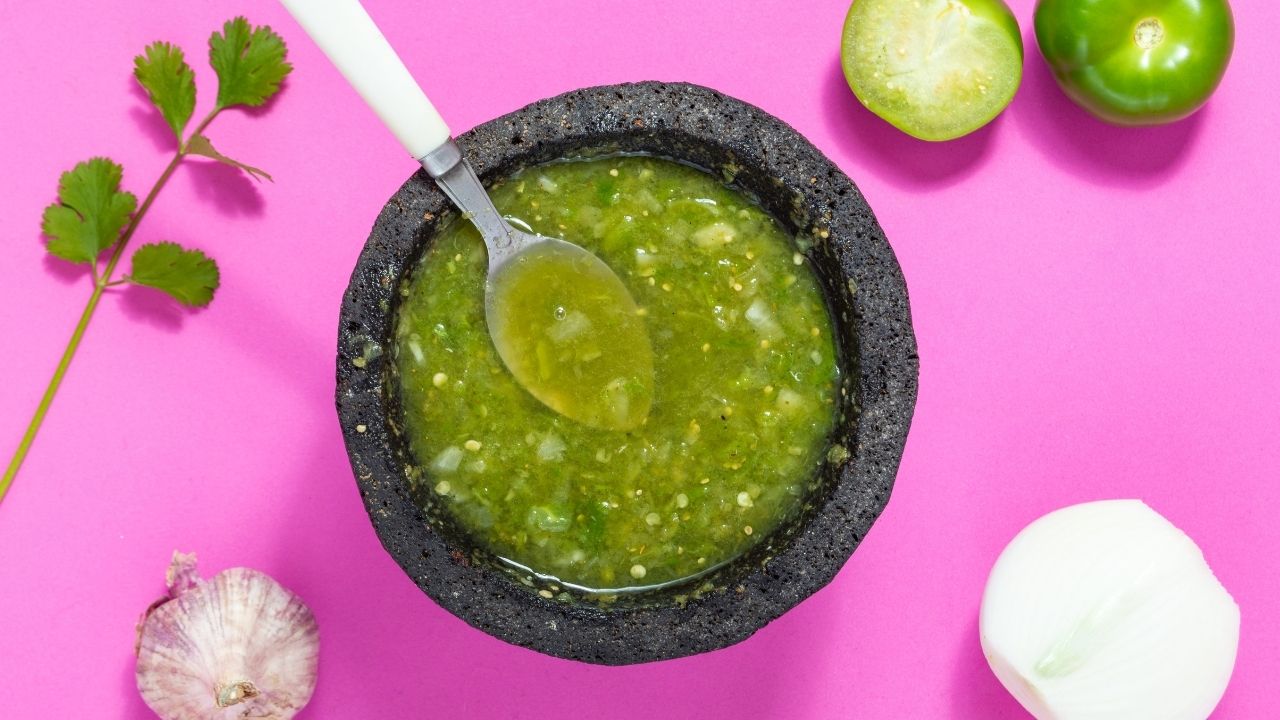
Picture this: you’re staring at a beautiful piece of grilled fish or boiled meat, and it looks… well, a bit naked. Enter Salsa Verde, Italy’s answer to making everything look like it just got back from a spa vacation in the Mediterranean. This vibrant green sauce doesn’t mess around – it’s packed with fresh herbs like parsley, capers, anchovies, garlic, and olive oil, all chopped together into what I like to call “liquid sunshine with attitude.” The Italians have been slathering this gorgeous green goodness on everything since medieval times, and honestly, they were onto something spectacular.
Here’s where it gets interesting: every Italian region fights over who makes the “real” Salsa Verde, like some delicious territorial dispute. The Piemontese version includes hard-boiled eggs and sometimes even breadcrumbs, while the Lombard style keeps things simple with just the core ingredients. My favorite fun fact? The sauce was originally created as a way to preserve herbs before refrigeration existed – basically, our ancestors were meal-prepping before it was cool! You can whip this up in about five minutes with a good knife and some elbow grease, though a food processor works if you’re feeling lazy (no judgment here, friend).
Pesto alla Trapanese
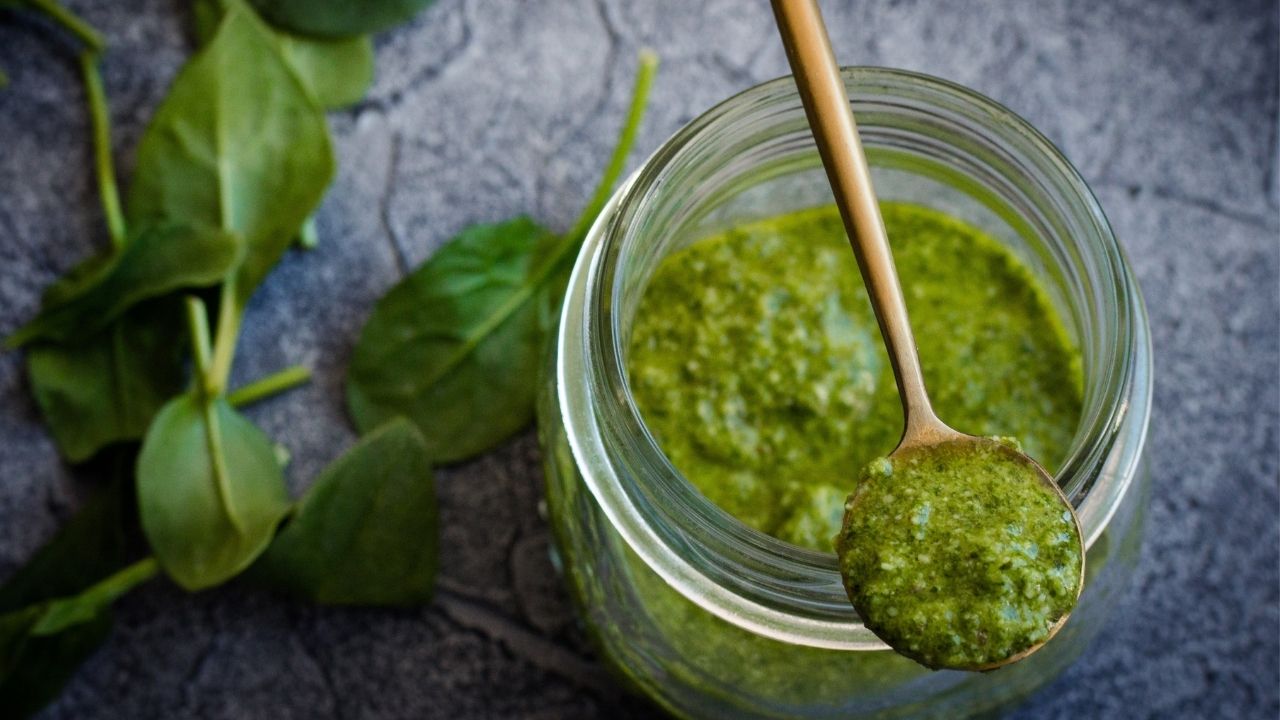
Picture this: you’re wandering through a Sicilian market in Trapani, and suddenly you catch a whiff of something that makes your knees weak. That’s Pesto alla Trapanese hitting your senses like a Mediterranean love letter. This ruby-red beauty breaks every pesto rule you thought you knew – forget the basil and pine nuts! Instead, you get a gorgeous blend of fresh tomatoes, almonds, garlic, and basil that tastes like summer decided to throw a party in your mouth. The Trapanese locals created this masterpiece back in the day when Genoese sailors brought their pesto tradition to Sicily, but the islanders said “hold up” and threw in their own gorgeous tomatoes and almonds because, frankly, they knew better.
What makes this sauce absolutely genius is how those blanched almonds give it this creamy, nutty richness that’ll make you question every other pesto you’ve ever eaten. You literally just toss everything in a food processor – ripe tomatoes, toasted almonds, fresh basil, garlic, good olive oil, and a generous handful of pecorino cheese – and boom, you’ve got liquid gold. Traditionally served with busiate pasta (those corkscrew beauties that grab onto every drop), this sauce proves that sometimes the best things happen when cultures collide and create something completely unexpected. Pro tip: use the ripest tomatoes you can find because bland tomatoes will make this sauce cry actual tears.
Cacio e Pepe
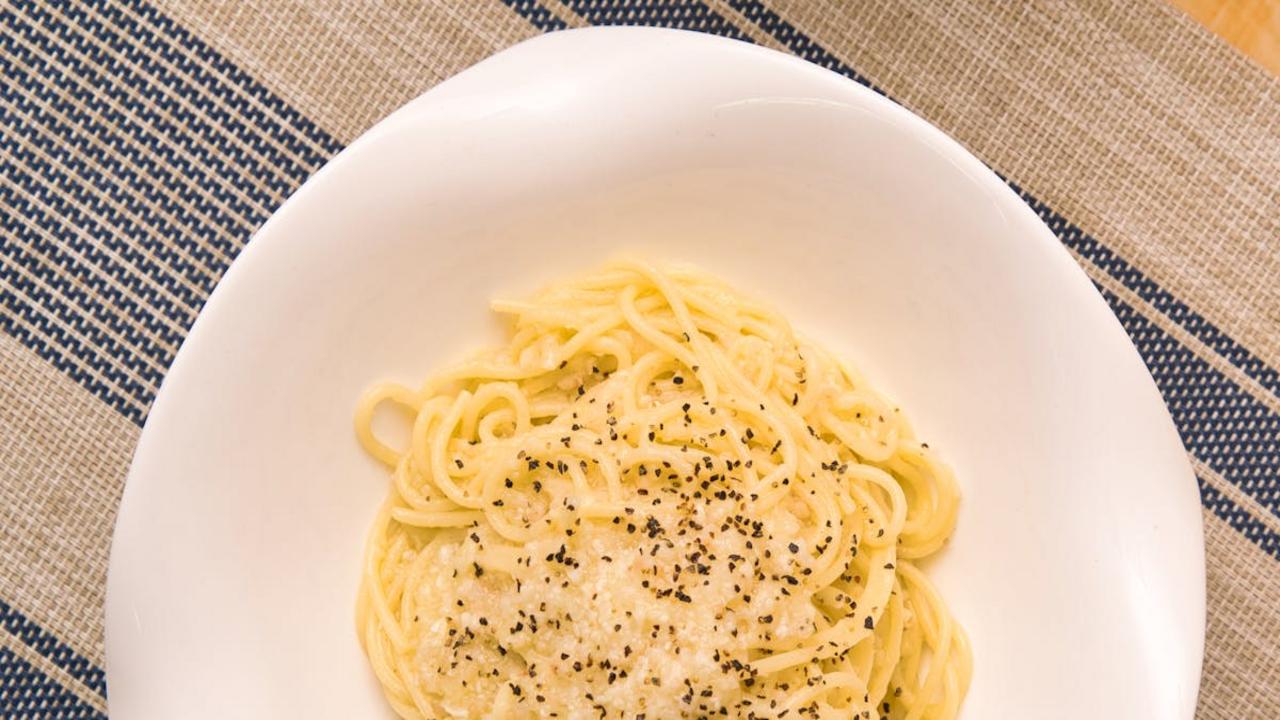
Picture this: you’re in Rome at midnight, stumbling out of a wine bar, and you need something that’s basically a warm hug in pasta form. Enter cacio e pepe—the holy trinity of Roman comfort food made with just three ingredients that somehow create magic more impressive than any street magician. Pecorino Romano cheese, black pepper, and pasta water might sound like the world’s most boring grocery list, but Romans have been turning these humble ingredients into liquid gold since shepherds first figured out how to make cheese portable. The name literally translates to “cheese and pepper,” which is about as straightforward as Italian gets—no fancy flourishes, no pretentious descriptions, just pure, unapologetic deliciousness.
Here’s where things get tricky though: this seemingly simple sauce has destroyed more kitchen confidence than a soufflé competition. The secret lies in the starchy pasta water and vigorous stirring that creates a silky emulsion instead of the dreaded clumpy cheese disaster that haunts amateur attempts. Romans take their cacio e pepe so seriously that restaurants have been known to refuse service to tourists who ask for parmesan instead of pecorino. One legendary story tells of a Roman grandmother who could tell if her grandson was homesick just by watching him eat—if he closed his eyes on the first bite of her cacio e pepe, she knew he’d been away too long. Master this sauce, and you’ll understand why Romans consider it their edible love letter to simplicity.
Aglio e Olio
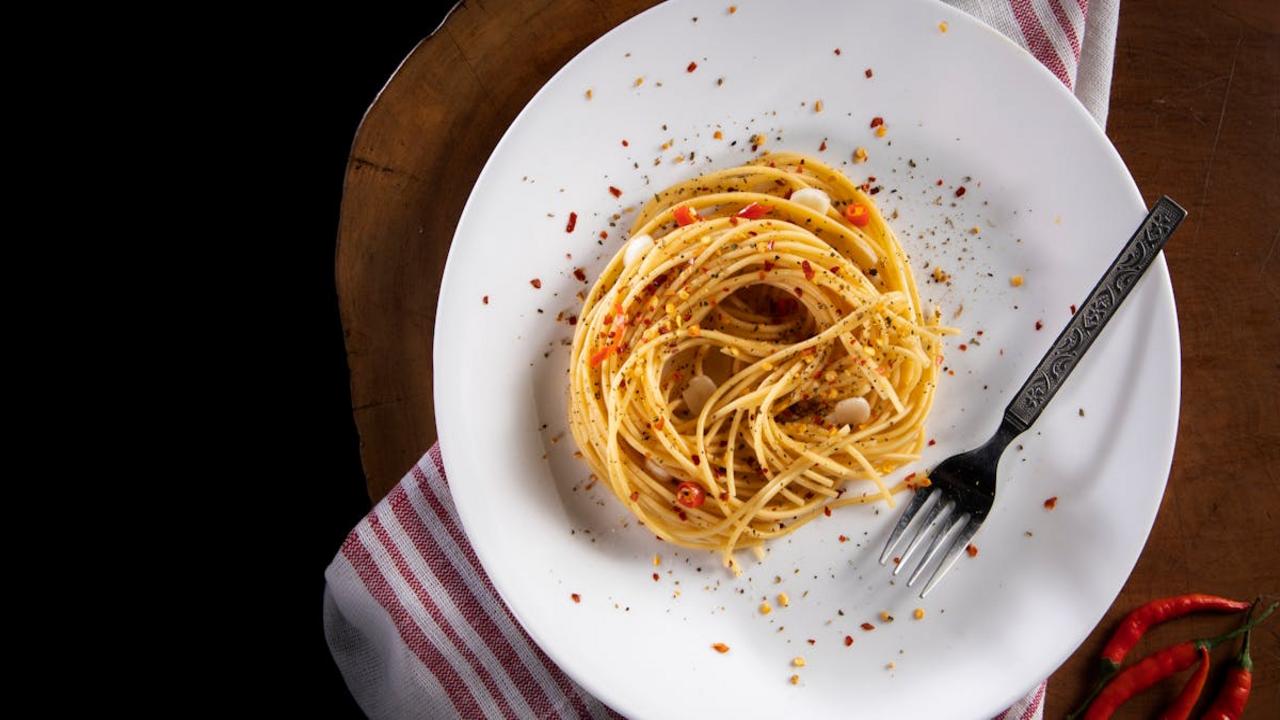
Picture this: you stumble home after a long day, your fridge looking as barren as a post-apocalyptic wasteland, and yet you need something that doesn’t involve ordering takeout for the fourth time this week. Enter aglio e olio, the superhero of Italian pantry cooking! This deceptively simple sauce requires just four ingredients—garlic, olive oil, pasta water, and red pepper flakes—yet it delivers more satisfaction than dishes with ingredient lists longer than your grocery receipt. Romans perfected this midnight magic sometime in the 18th century, though food historians argue it might be even older, making it the granddaddy of “what’s in my kitchen right now” cooking.
Don’t let the simplicity fool you into thinking this sauce lacks technique. Getting aglio e olio right requires the kind of timing that would make a Swiss watchmaker weep with envy. You want that garlic golden and fragrant, not burnt to bitter oblivion, and the pasta water integration needs to create a silky emulsion that coats every strand of spaghetti like liquid silk pajamas. The Romans call it “spaghetti alla mezzanotte” (midnight spaghetti), and legend says it was the go-to meal for late-night card players who needed something quick between hands of poker. Pro tip: use enough olive oil to make your grandmother slightly concerned about your cholesterol levels, because that’s exactly the right amount!
Ragù Napoletano
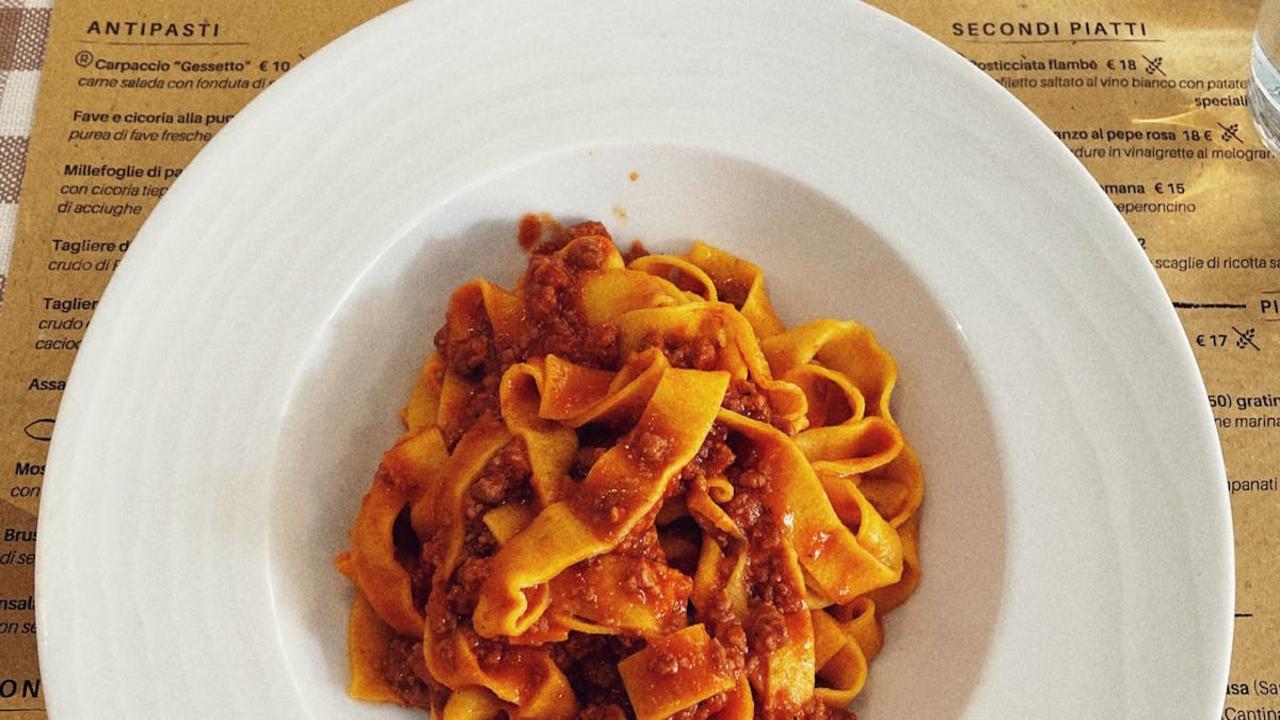
Meet the granddaddy of all Italian meat sauces – Ragù Napoletano, a Sunday sauce so magnificent it makes regular marinara weep with envy. This isn’t your quick weeknight dinner solution; this baby simmers for hours like a patient Italian nonna who knows good things take time. Born in the bustling streets of Naples, this rich, meaty masterpiece transforms humble cuts of beef, pork, and sometimes veal into liquid gold. The secret? Time, patience, and enough garlic to ward off vampires from three neighborhoods over.
What makes Ragù Napoletano different from its Bolognese cousin is its chunky, rustic personality – think of it as the fun uncle who tells inappropriate jokes at family dinners. Neapolitans traditionally serve the meat separately as a second course after enjoying the pasta with sauce, proving they’re smart enough to get two meals from one pot. The sauce clings to rigatoni or pappardelle like a warm hug from your Italian grandmother, and the aroma alone can make grown adults sob with happiness. Pro tip: start this sauce on Saturday if you want to eat on Sunday, and don’t even think about rushing it – good ragù waits for no one!
Sugo alla Norma
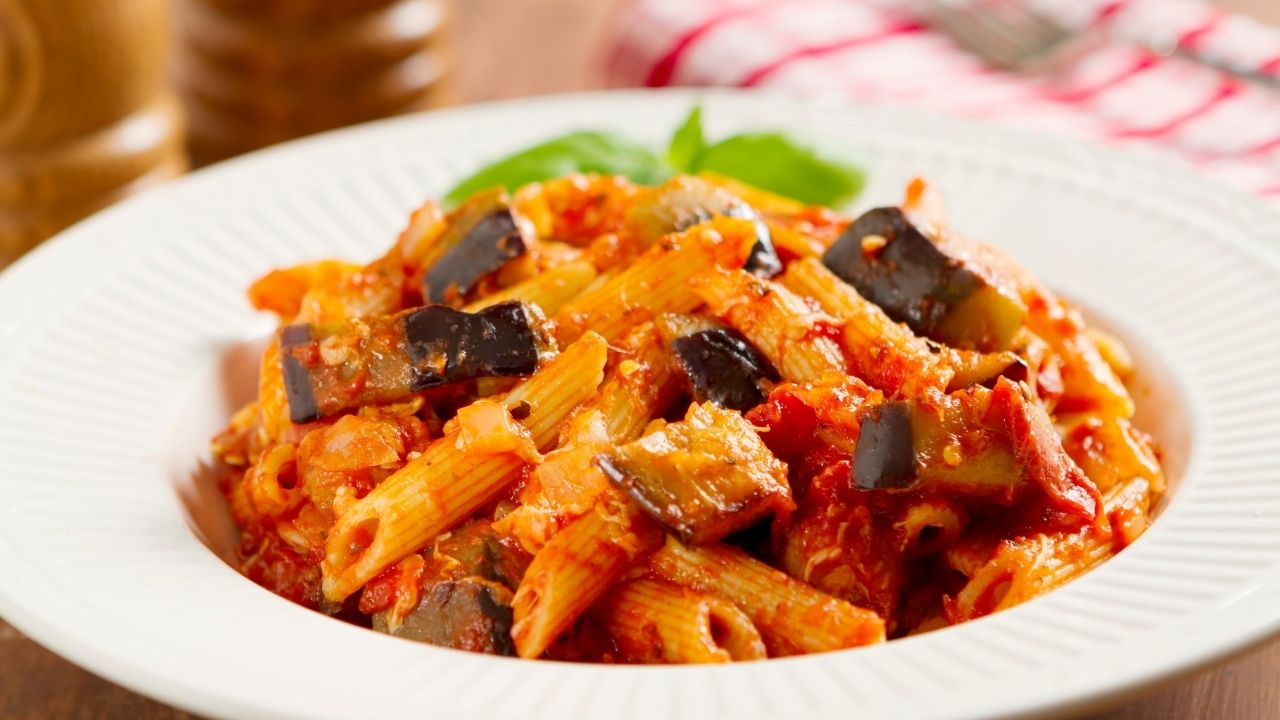
Sicily’s most famous pasta sauce was named after Bellini’s opera “Norma,” and honestly, that’s exactly the kind of dramatic flair this dish deserves. Picture this: chunks of silky eggplant swimming in a robust tomato sauce, crowned with shavings of ricotta salata and fresh basil leaves. The story goes that a Catanese writer was so blown away by this sauce that he declared it a masterpiece worthy of the great opera – and frankly, after one bite, you’ll be ready to give it a standing ovation too. The eggplant becomes almost meaty when cooked properly, soaking up all those beautiful tomato flavors like a sponge with serious commitment issues.
Here’s the thing about making Sugo alla Norma – patience is your best friend. You want to salt those eggplant cubes and let them sit for about 30 minutes to draw out any bitterness, then pat them dry and fry until they’re golden and gorgeous. Don’t crowd the pan (I know, I know, we all want to rush), because soggy eggplant is nobody’s friend. The traditional version uses San Marzano tomatoes, garlic, and a generous handful of fresh basil, all tossed with short pasta like rigatoni or penne. Pro tip: save some pasta water to help everything come together beautifully, and don’t you dare skip the ricotta salata on top – it’s what makes this sauce sing soprano notes that would make Bellini himself weep with joy.
Genovese
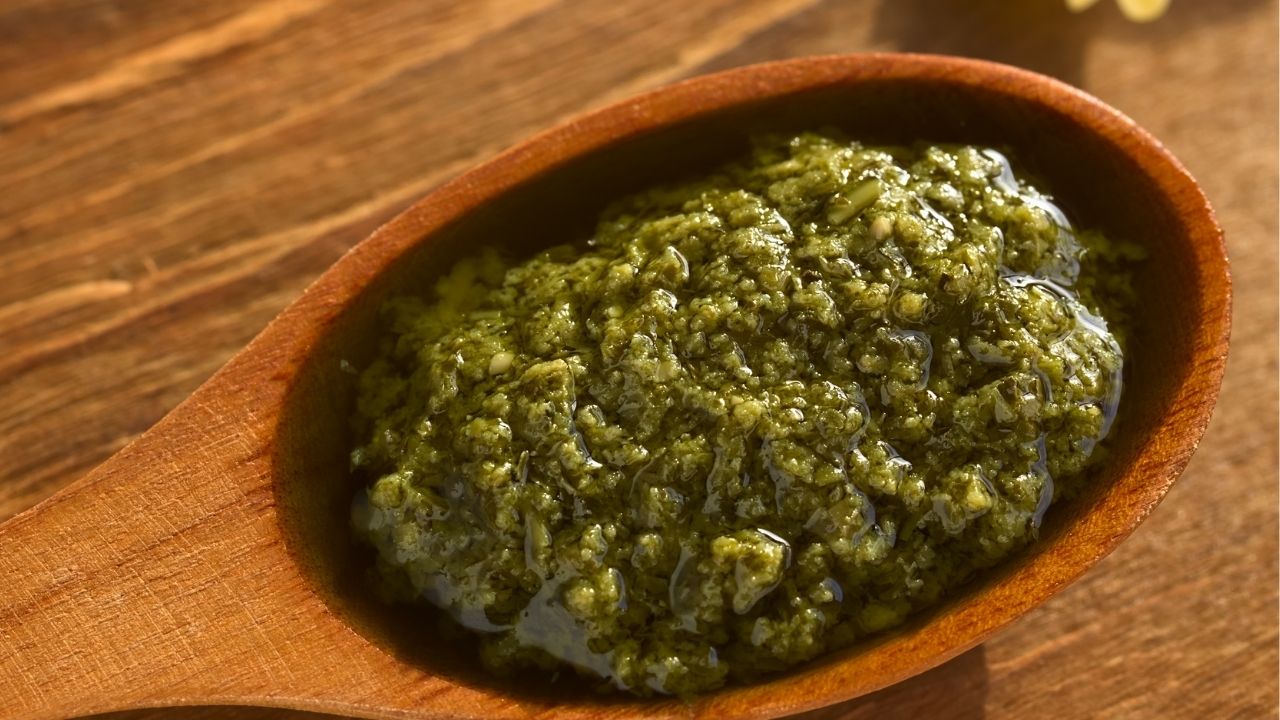
Hold onto your pasta forks because we’re heading straight into one of Italy’s most gloriously misunderstood sauces! Genovese isn’t what you think it is – this isn’t your garden-variety pesto situation. This beautiful, golden-brown sauce hails from Naples (yes, Naples, not Genoa – I know, the name game is strong with this one), and it’s basically what happens when onions and beef decide to have the slowest, most romantic dance ever recorded in kitchen history. We’re talking about pounds of onions – and I mean POUNDS – that cook down for hours with chunks of beef until they transform into this silky, sweet, almost jam-like consistency that’ll make you question everything you thought you knew about onions.
The legend goes that Genoese merchants brought this recipe to Naples back in the day, which explains the confusing name situation. But here’s the kicker: making authentic Genovese requires the patience of a saint and about six hours of your life. You literally throw massive amounts of sliced onions (we’re talking 4-5 pounds for one sauce) into a pot with some beef, add minimal liquid, and just let time work its magic. The onions slowly caramelize and break down while the meat becomes fork-tender, creating this incredibly rich, sweet sauce that pairs magnificently with ziti or paccheri. It’s the kind of sauce that makes your entire house smell like heaven for an entire day, and your neighbors will probably start lingering by your door like hopeful puppies.
Marinara
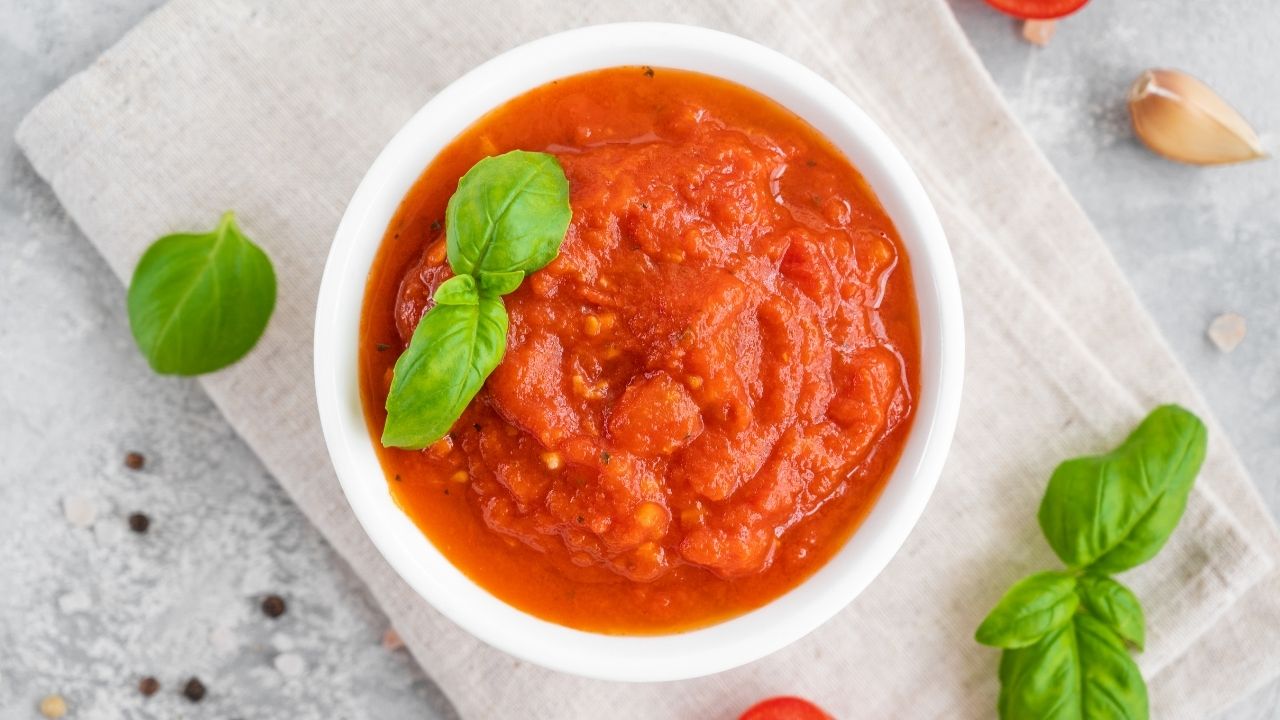
You know that simple red sauce that somehow makes everything better? That’s marinara, and honestly, it’s probably doing more heavy lifting in your kitchen than you realize. This tomato-based superstar originated in Naples during the 16th century, and here’s the kicker – it got its name from sailors’ wives who would whip it up quickly when their husbands returned from sea. The “marinara” literally means “mariner style,” which makes perfect sense when you think about it. These clever women needed something fast, flavorful, and made from pantry staples that wouldn’t spoil while waiting for unpredictable ship schedules.
What makes marinara so brilliant is its beautiful simplicity – just tomatoes, garlic, onions, and herbs dancing together in perfect harmony. No cream, no meat, no fuss. You can make a killer version in thirty minutes flat: sauté some garlic and onions until they smell like heaven, dump in crushed tomatoes, add fresh basil and oregano, then let it simmer while you argue with your pasta water about whether it’s actually boiling yet. The secret? Don’t overthink it! Marinara thrives on that rustic, thrown-together approach. It’s the little black dress of sauces – versatile, reliable, and always makes you look good whether you’re tossing it with spaghetti or using it as pizza base.
Carbonara
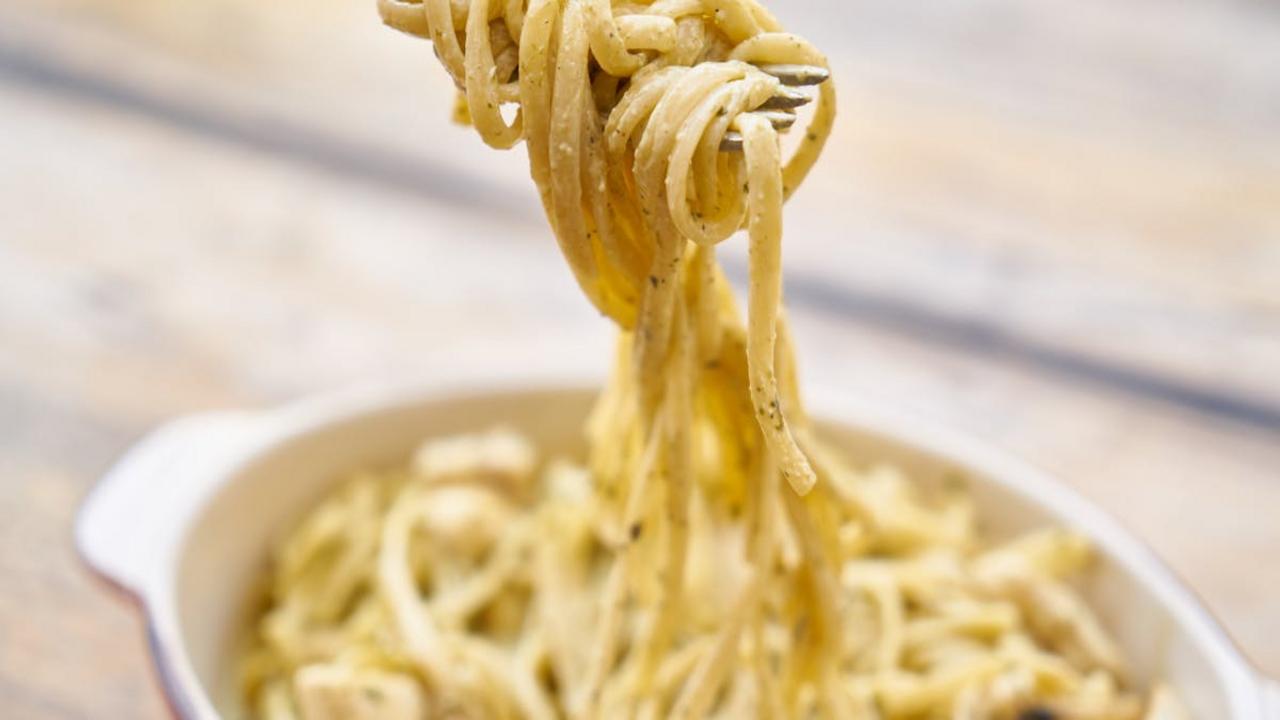
You know what really gets me fired up? People who think carbonara has cream in it. Listen, if you’re dumping heavy cream into this Roman masterpiece, you’re basically committing a food crime that would make Italian nonnas weep into their aprons. Real carbonara is pure magic: just eggs, pecorino Romano, guanciale (that’s cured pork jowl, not bacon, thank you very much), and black pepper. The genius lies in creating a silky, luxurious sauce without any dairy beyond the cheese. It’s like watching a culinary tightrope act where temperature control means everything – too hot and you’ve got scrambled eggs with pasta, too cool and you’ve got sad, clumpy disappointment.
The dish supposedly originated during World War II when American soldiers stationed in Rome mixed their bacon and egg rations with local pasta. Though some food historians argue it’s much older, tracing back to charcoal workers (carbonari) who needed hearty, portable meals. Either way, carbonara represents the beautiful simplicity of Roman cooking – taking humble ingredients and transforming them into something absolutely divine. The secret technique? Toss that hot pasta with the egg mixture off the heat, adding pasta water bit by bit until you achieve that glossy, creamy coating that clings to every strand. Master this technique, and you’ll have a dinner party trick that never fails to impress.
Amatriciana
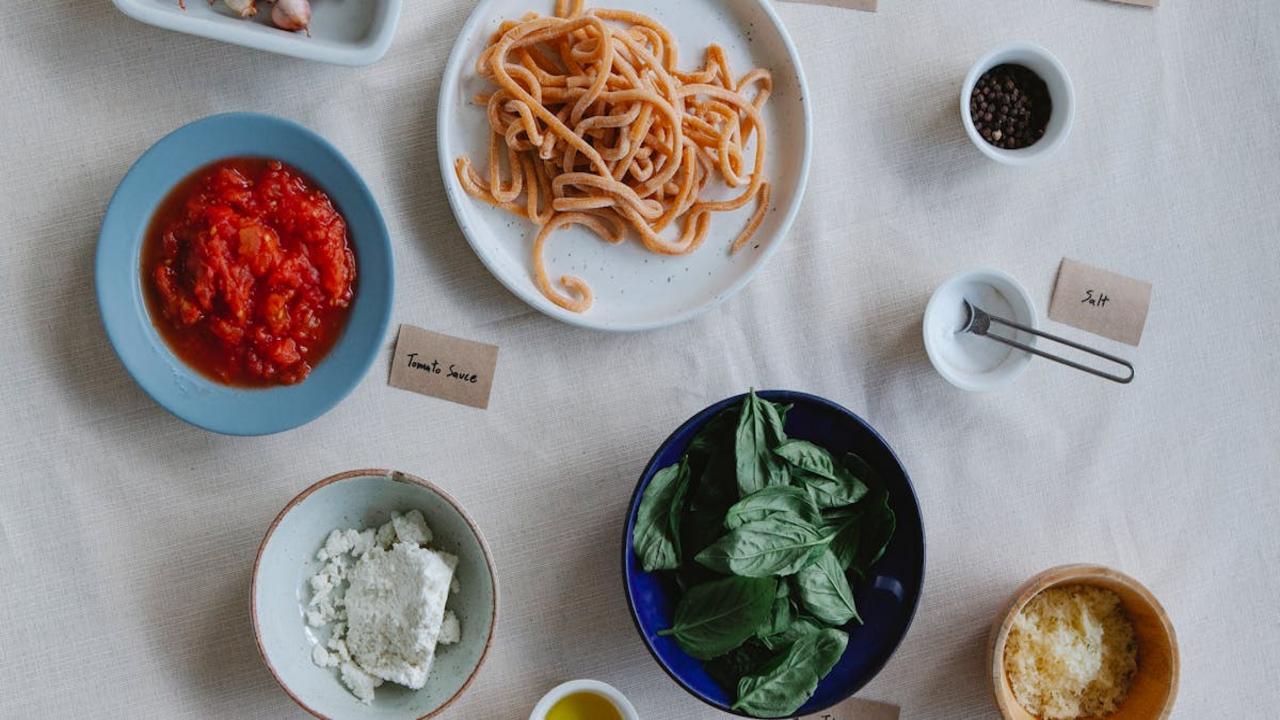
Picture this: you’re a shepherd in the mountains of Abruzzo, and your lunch consists of whatever you can carry in your saddlebags. That’s exactly how Amatriciana was born – from the practical genius of Italian shepherds who needed something hearty, portable, and absolutely delicious. Originally called “gricia bianca” (white gricia), this sauce started its life as just guanciale, pecorino cheese, and black pepper tossed with pasta. The tomatoes came later, probably in the 18th century when those red beauties finally made their way from the Americas to Italian kitchens, transforming this humble shepherd’s meal into the ruby-red masterpiece we know today.
Now here’s where things get spicy – and I don’t just mean the peperoncino! Romans have basically adopted Amatriciana as their own, despite its mountain origins, leading to some seriously heated debates about the “correct” recipe. Should you use onions? Absolutely not, according to purists who will give you the stink eye if you even suggest it. The real magic happens when that guanciale renders its fat, creating the silky base that coats every strand of tonnarelli or bucatini (never spaghetti, according to Roman law… okay, not actual law, but you get the idea). Fun fact: there’s actually an official Amatriciana recipe registered with the European Union – because apparently even bureaucrats know good pasta when they taste it!
Bolognese
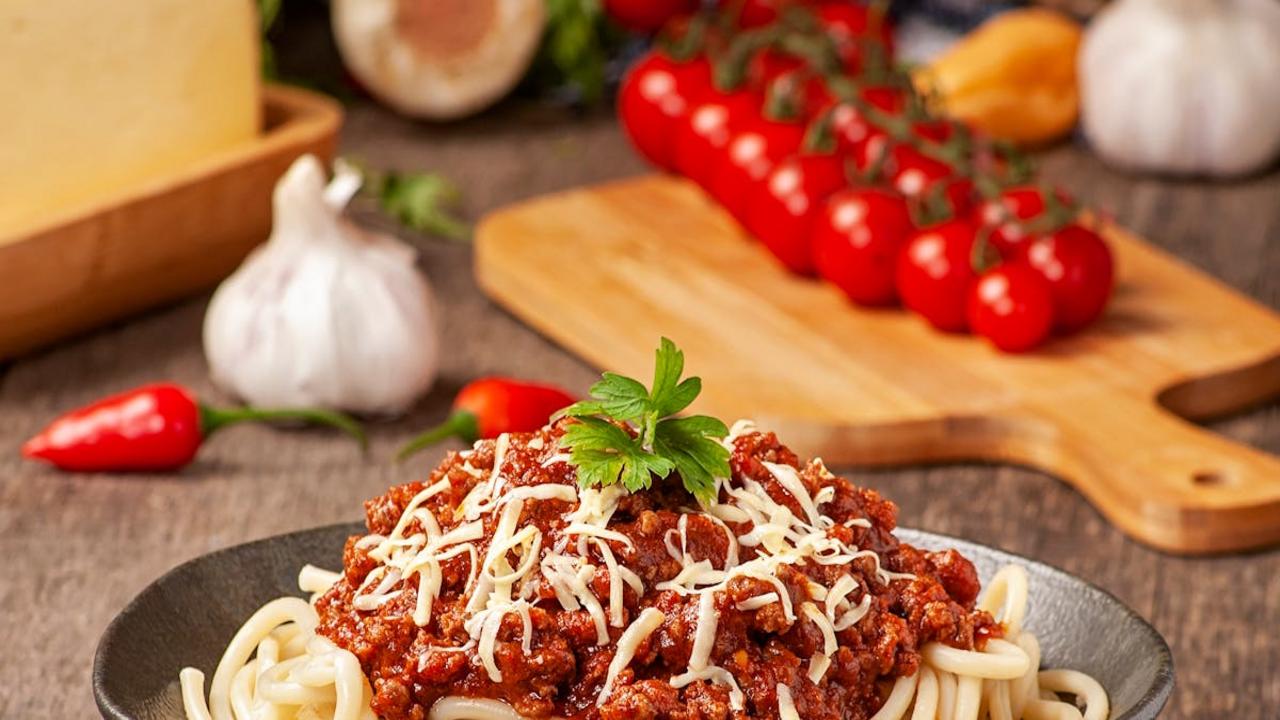
You can’t mention Italian sauces without bowing down to the queen herself: Bolognese. This isn’t your college dorm room spaghetti sauce from a jar—oh no, this is a masterpiece that takes longer to make than most Netflix series. Authentic Bolognese, or ragù alla Bolognese as the Italians call it, requires a commitment that would make marriage counselors weep. We’re talking about a sauce that simmers for hours, sometimes up to six, transforming humble ingredients into liquid gold. The secret? Time, patience, and just enough wine that you might accidentally drink half the bottle while cooking.
Here’s where things get spicy (pun intended): real Bolognese doesn’t even go with spaghetti! The pasta police of Bologna—yes, they exist—officially declared that tagliatelle is the only acceptable partner for their beloved sauce. The wider, flatter noodles grab onto every precious drop, unlike spaghetti which just lets it slide off like a bad first date. Traditional Bolognese contains more meat than tomato, usually a mix of beef and pork, plus a splash of milk that makes everything creamy and dreamy. Fun fact: the official recipe is actually deposited in Bologna’s Chamber of Commerce, locked away like some sort of culinary constitution. Now that’s taking food seriously!
Puttanesca
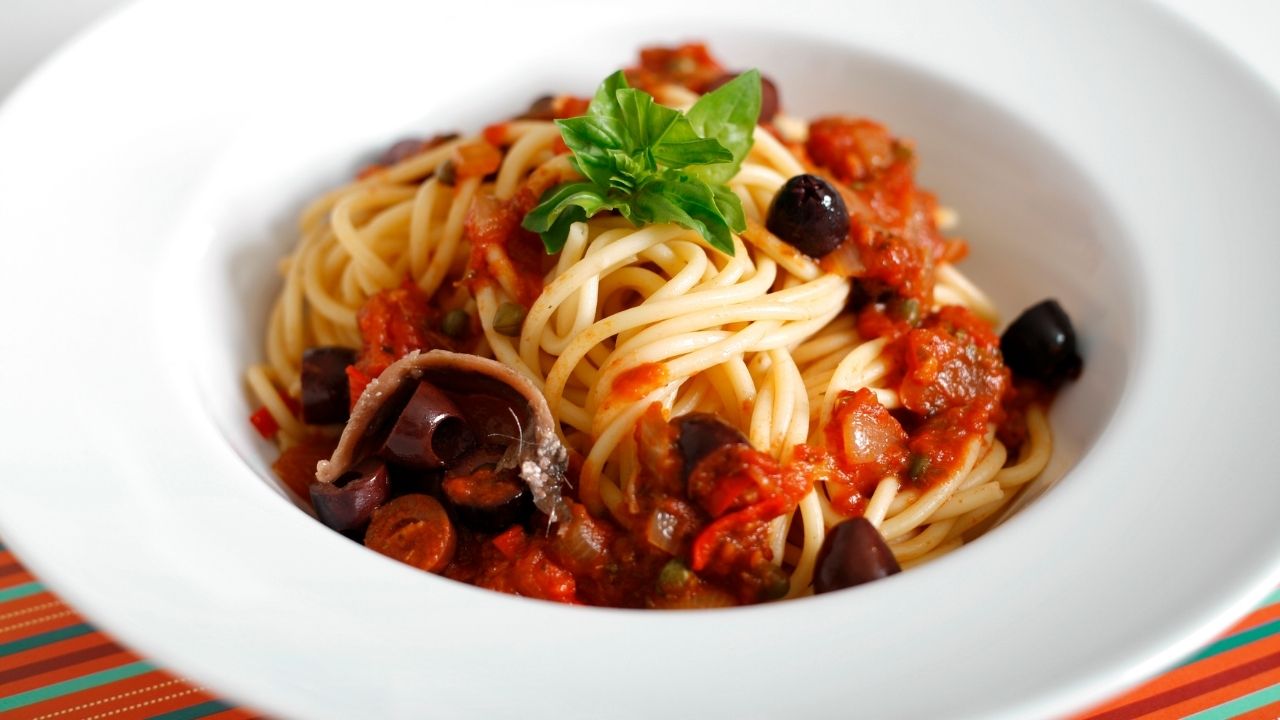
Ah, puttanesca – the sauce with a name that makes Italian grandmothers blush and food historians scratch their heads. This bold, brassy Naples creation supposedly got its provocative moniker from the local working ladies who needed something quick, cheap, and satisfying between clients. Whether that origin story holds water or not, one thing’s certain: this sauce doesn’t mess around. With anchovies, capers, olives, garlic, tomatoes, and a generous sprinkle of red pepper flakes, puttanesca hits you like a flavor freight train that’s been picking up intensity since the 1960s.
You can whip up this bad boy in the time it takes to boil pasta, which explains its popularity among busy Romans looking for maximum impact with minimum effort. The beauty lies in its pantry-friendly ingredients – everything keeps well, so you’re always twenty minutes away from dinner salvation. Don’t skip the anchovies even if you think you hate them; they dissolve into pure umami magic, adding depth without fishiness. Toss it with spaghetti, top with fresh parsley, and prepare for your kitchen to smell like the best kind of trouble. This sauce proves that sometimes the most scandalous stories produce the most satisfying meals.