12 Cajun Dishes You’ll Crave After One Bite
Louisiana’s bayou country knows how to make your mouth water, and Cajun cooking doesn’t mess around. These dishes pack enough flavor to make you question everything you thought you knew about good food. From spicy sausages that’ll wake up your neighbors to seafood so fresh it practically swims onto your plate, Cajun cuisine turns simple ingredients into pure magic.
Picture this: French settlers meet Native American traditions, toss in some African influences, and boom—you get cooking that’s bold, hearty, and absolutely unforgettable. Each dish tells a story of resourcefulness, community, and serious flavor commitment. These aren’t just recipes; they’re edible love letters from generations of cooks who understood that life’s too short for bland food.
Get ready to discover twelve dishes that’ll have you booking the next flight to Louisiana. Your taste buds are about to experience what happens when passion meets the perfect amount of spice and soul.
Alligator Sauce Picante
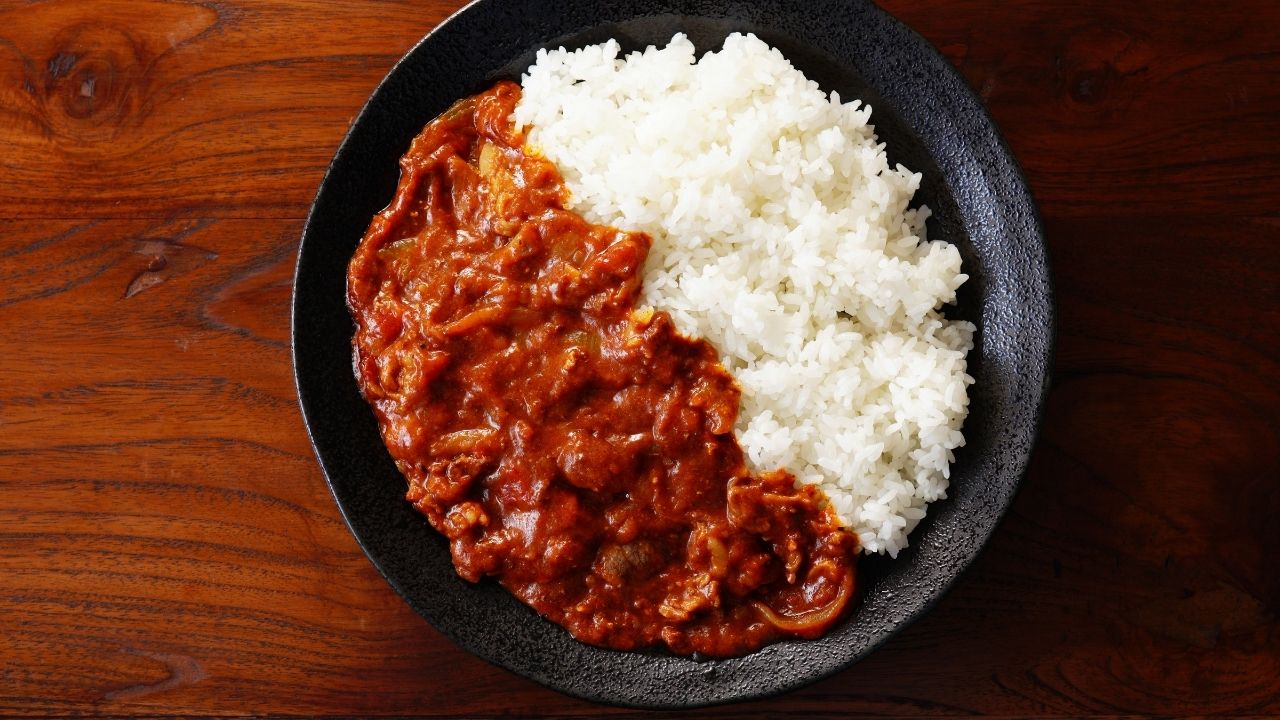
Picture this: you’re sitting in a Louisiana swamp shack, and someone slides a plate of tender alligator chunks swimming in a fiery tomato-based sauce across your table. Before you can even process what’s happening, your fork is already halfway to your mouth because that sauce picante smells absolutely incredible. Alligator meat tastes like a cross between chicken and fish—mild, white, and surprisingly tender when cooked right—but when you smother it in this spicy Creole sauce packed with onions, bell peppers, celery, and enough cayenne to make you sweat, magic happens. The sauce clings to every piece of meat like it was meant to be there, creating a dish that’s both exotic and comforting at the same time.
Now, before you start panicking about where to find alligator meat, relax! Most specialty meat markets can order it for you, and it’s surprisingly affordable—usually around $15-20 per pound. The real star here is that sauce picante, which you can absolutely make with chicken or pork if gator hunting isn’t your thing. Start by browning your protein, then build that sauce with the holy trinity of vegetables (onions, celery, bell peppers), add crushed tomatoes, Worcestershire sauce, hot sauce, and let everything simmer until the flavors marry into something spectacular. Serve it over rice and watch people’s faces light up when they realize they’re eating something that was probably sunbathing in a bayou last week. Trust me, once you try this dish, regular chicken will seem boring forever.
Turtle Sauce
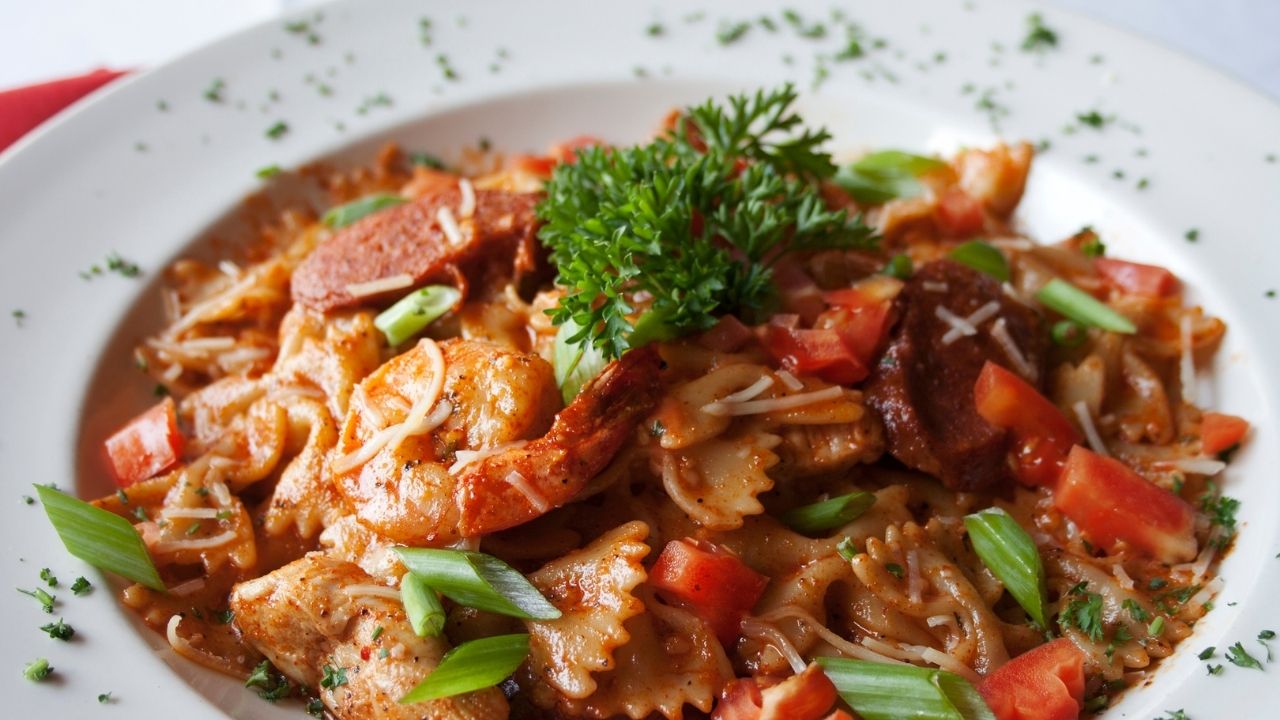
Before you panic and call PETA, turtle sauce doesn’t actually contain any reptilian friends! This rich, dark gravy gets its name from its murky appearance, much like the muddy waters where actual turtles might hang out. Traditional turtle sauce starts with a dark roux – that magical mixture of flour and fat cooked until it’s the color of chocolate – then builds layers of flavor with the Holy Trinity of onions, celery, and bell peppers. The sauce typically bathes tender chunks of beef or veal, creating a dish so hearty it could resurrect your great-grandmother’s appetite.
You’ll find this mysterious concoction ladled over rice or grits, turning a simple side into the main event. Some old-school New Orleans restaurants still serve actual turtle soup (yes, with real turtle), but most modern versions stick to beef and call it a day. The beauty of turtle sauce lies in its ability to transform humble ingredients into something that tastes like it took all day to make – even though it probably did! Pro tip: if you’re making this at home, don’t rush the roux. A good turtle sauce demands patience, and trust me, your taste buds will thank you for every extra minute you spend stirring that pot.
Cochon de Lait
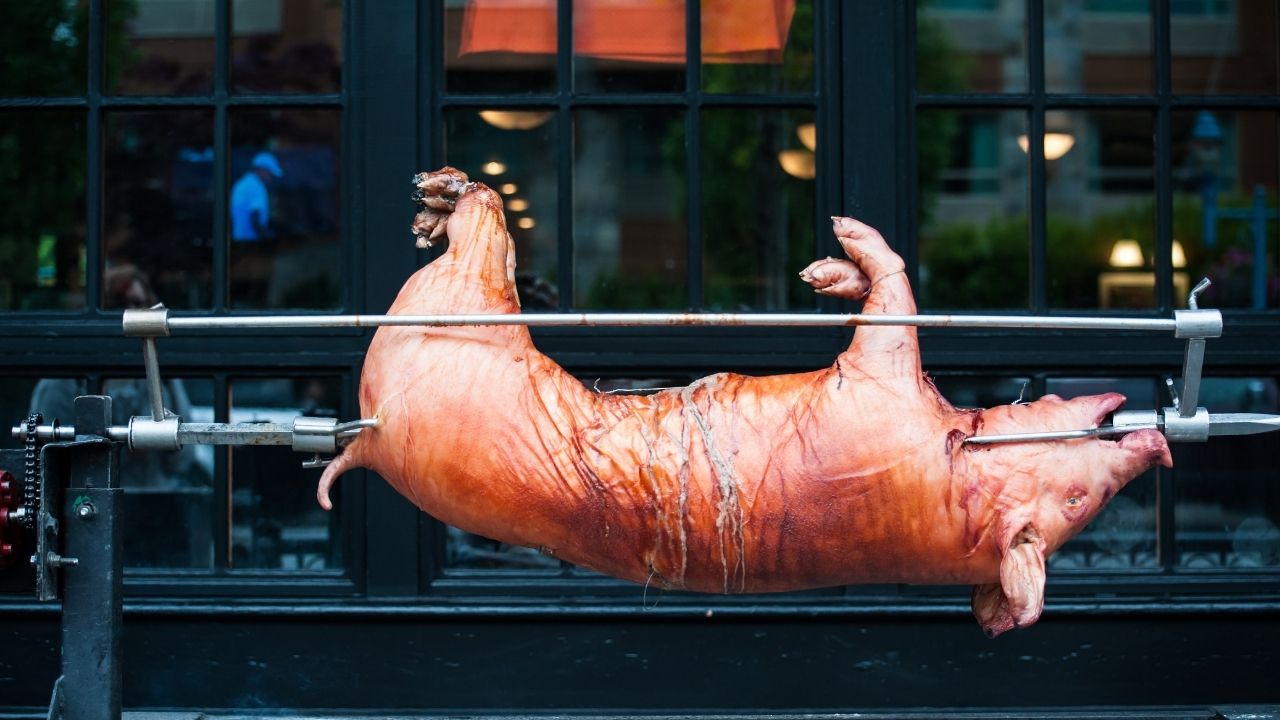
Picture this: you’re at a Louisiana festival, and there’s a crowd gathered around what looks like a medieval feast setup. That’s cochon de lait in action – a whole suckling pig slow-roasted over an open fire until the skin crackles like bubble wrap and the meat falls apart at the mere suggestion of a fork. This isn’t just barbecue; it’s a cultural event that turns neighbors into family and strangers into friends. The name literally translates to “milk pig,” referring to young pigs that haven’t been weaned yet, which means you get incredibly tender, sweet meat that practically melts in your mouth.
What makes this dish absolutely irresistible is the contrast between that gloriously crispy, golden skin and the succulent meat underneath. The traditional preparation involves stuffing the cavity with onions, bell peppers, celery (the holy trinity strikes again!), and generous amounts of Cajun seasoning before mounting it on a spit. Here’s the kicker: the cooking process takes anywhere from 6 to 12 hours, depending on the size of your pig, which means you’re basically throwing the most epic backyard party known to mankind. Pro tip: if you can’t commit to roasting a whole pig, you can achieve similar flavors with a pork shoulder rubbed with paprika, garlic, cayenne, and thyme, then slow-cooked until it reaches that fall-apart perfection that defines true Cajun comfort food.
Blackened Redfish
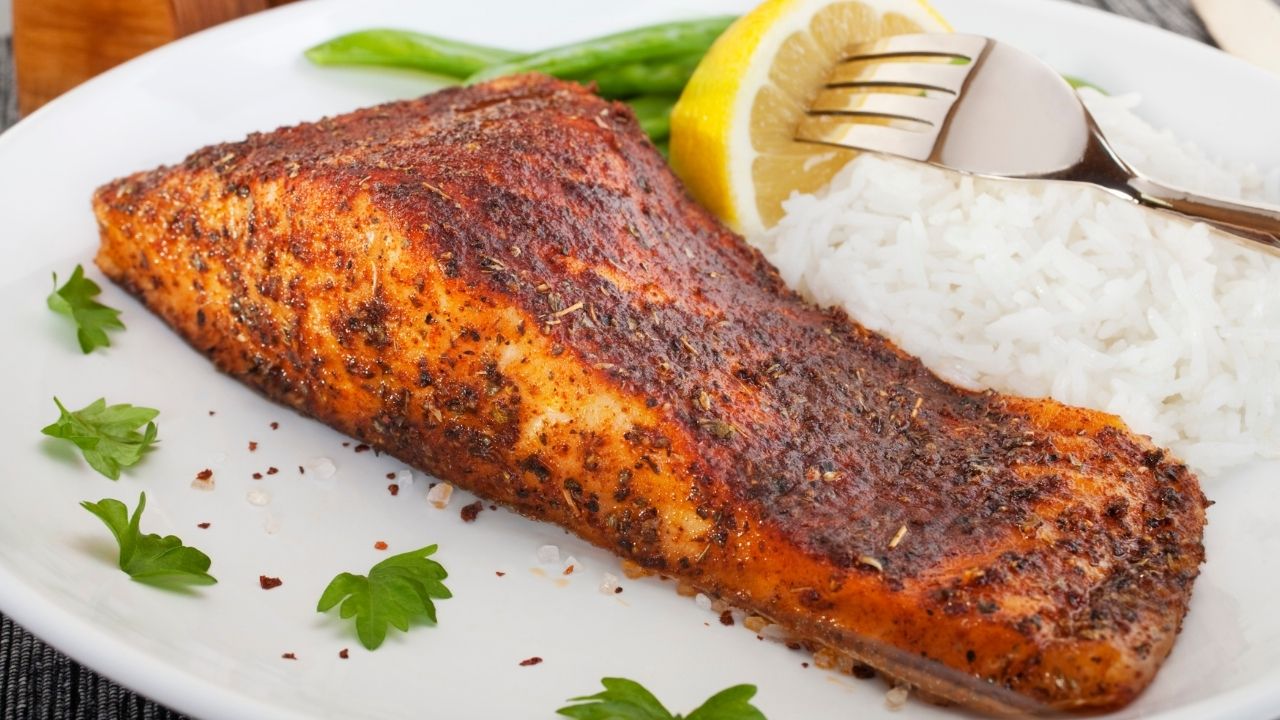
Picture this: a piece of redfish so perfectly seasoned and seared that it looks like it survived a volcanic eruption, but in the most delicious way possible. Blackened redfish became famous thanks to Chef Paul Prudhomme at K-Paul’s Louisiana Kitchen in New Orleans during the 1980s, and honestly, the man deserves a monument for this creation. The “blackening” technique involves coating the fish in a blend of paprika, cayenne, garlic powder, and other spices, then searing it in a screaming-hot cast iron skillet with butter until it forms that signature dark crust. Fun fact: this dish became so wildly popular that it nearly caused a shortage of redfish in the Gulf of Mexico! Restaurants couldn’t keep up with demand, and suddenly everyone wanted to blacken everything from chicken to alligator.
The beauty of blackened redfish lies in the contrast between that intensely spiced, almost charred exterior and the tender, flaky fish inside. When you break through that crusty coating, steam billows out like you’ve opened a treasure chest, revealing perfectly cooked fish that practically melts on your fork. The spice blend creates layers of heat that build gradually – first you get the smoky paprika, then the cayenne kicks in with a gentle burn that makes you reach for your drink but keeps you coming back for more. You can recreate this magic at home, but fair warning: open your windows and disconnect your smoke detector unless you want to explain to the fire department why your kitchen looks like a BBQ pit exploded.
Catfish Courtbouillon
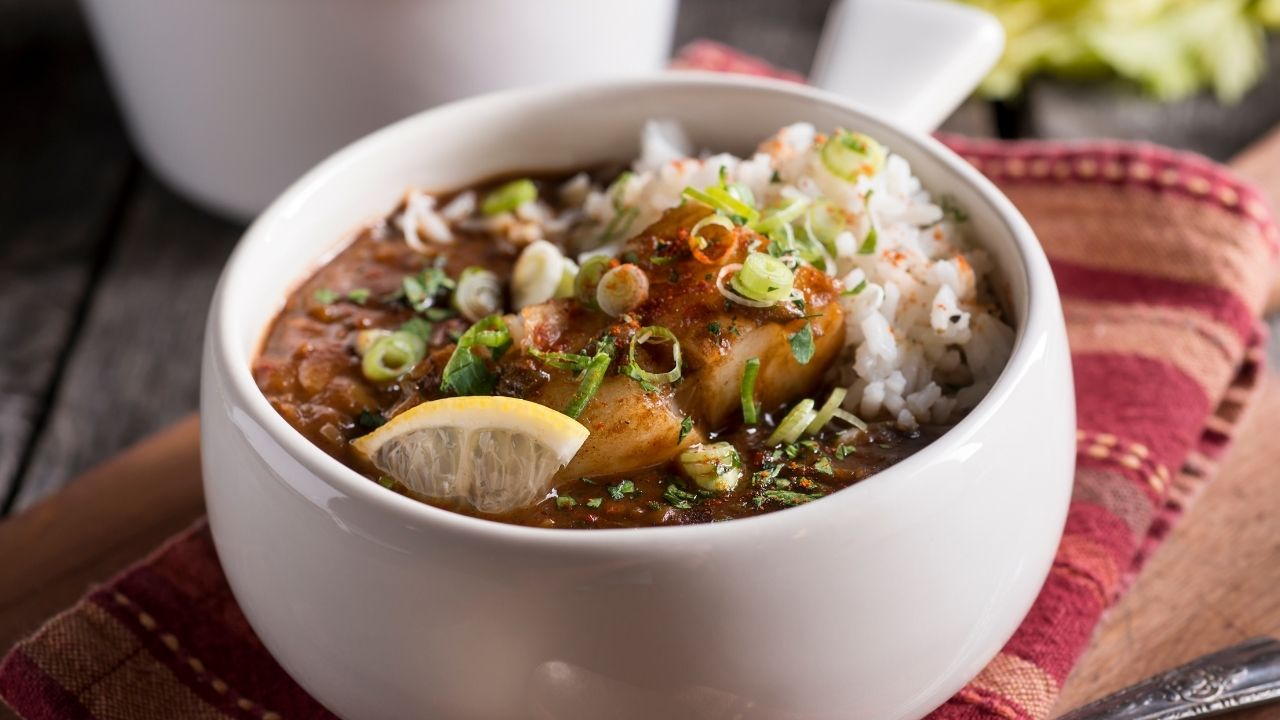
Picture this: you’re sitting in a dimly lit Louisiana kitchen, and someone slides a bowl of catfish courtbouillon across the table. The aroma hits you first—a rich, tomato-based broth that’s been simmering with the Holy Trinity of Cajun cooking (onions, bell peppers, and celery) plus enough garlic to ward off vampires for miles. This isn’t your grandmother’s fish stew unless your grandmother happened to be a Creole genius who knew that catfish deserves better than a simple fry. The name itself sounds fancy enough to impress your dinner guests, but don’t worry—pronouncing “KOO-bee-yon” gets easier after your second glass of wine.
What makes this dish absolutely magical is how the catfish practically melts into tender, flaky pieces that soak up every drop of that gorgeous, roux-thickened broth. The tomatoes add just enough acidity to cut through the richness, while bay leaves and thyme dance around your palate like they’re at their own private Mardi Gras parade. Serve it over rice (because everything’s better over rice in Louisiana), and you’ve got yourself a meal that’ll make you question why you ever bothered with anything else. Fun fact: courtbouillon originally meant “short boil” in French, but this version takes its sweet time developing flavors that’ll haunt your dreams in the most delicious way possible.
Sauce Piquante
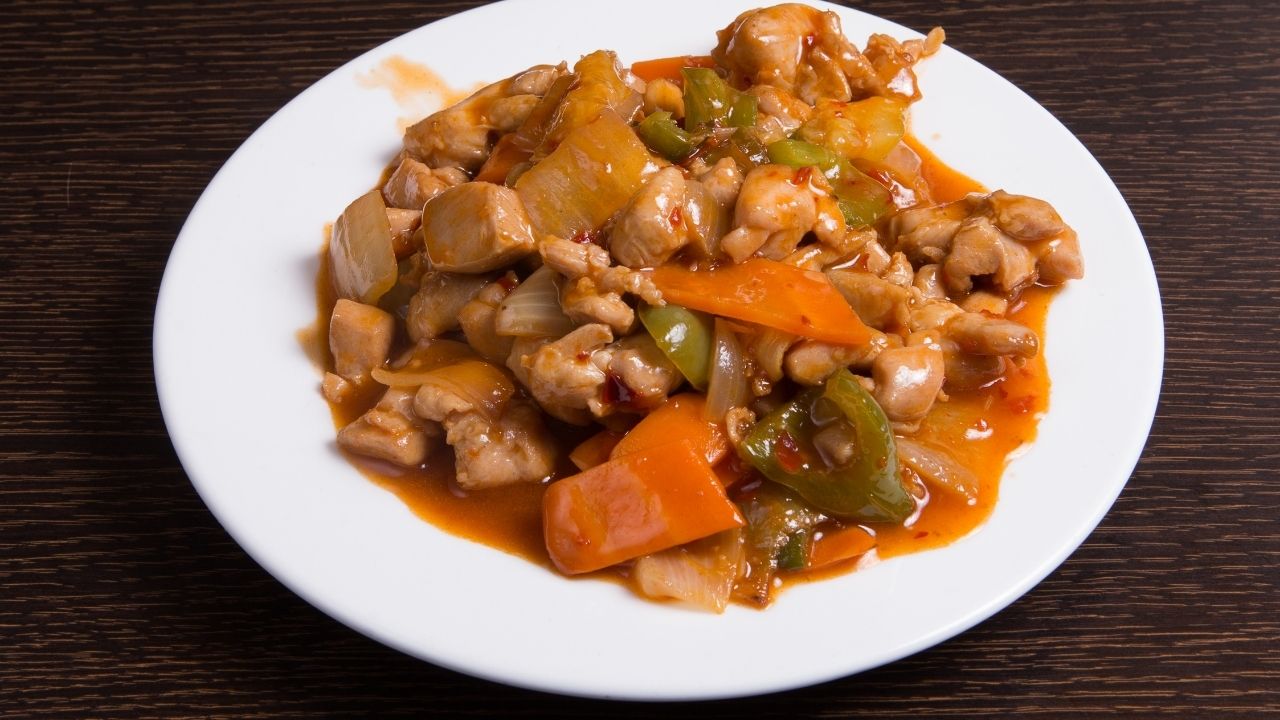
You know that moment when you’re stirring a pot and suddenly realize you’ve created something that could probably wake the dead? That’s Sauce Piquante for you – Louisiana’s answer to “how spicy is too spicy?” (Spoiler alert: there’s no such thing.) This ruby-red sauce brings serious heat alongside a complex flavor profile that’ll make your mouth water and your forehead sweat simultaneously. Picture tomatoes, onions, and bell peppers getting cozy with whatever protein caught your fancy – turtle, alligator, chicken, or seafood – all simmering together in a spicy broth that’s basically liquid comfort food with an attitude problem.
The beauty of Sauce Piquante lies in its rebellious nature – no two cooks make it exactly the same way, and that’s perfectly fine by Louisiana standards. Some folks throw in okra for extra thickness, others add a splash of beer because why not make dinner more fun? The key is building layers of flavor while gradually turning up the heat until you’ve reached that perfect balance between “mmm, this is delicious” and “someone please send help.” Serve it over rice, and you’ve got yourself a meal that’ll clear your sinuses, warm your soul, and leave you planning your next bowl before you’ve even finished the first one.
Tasso
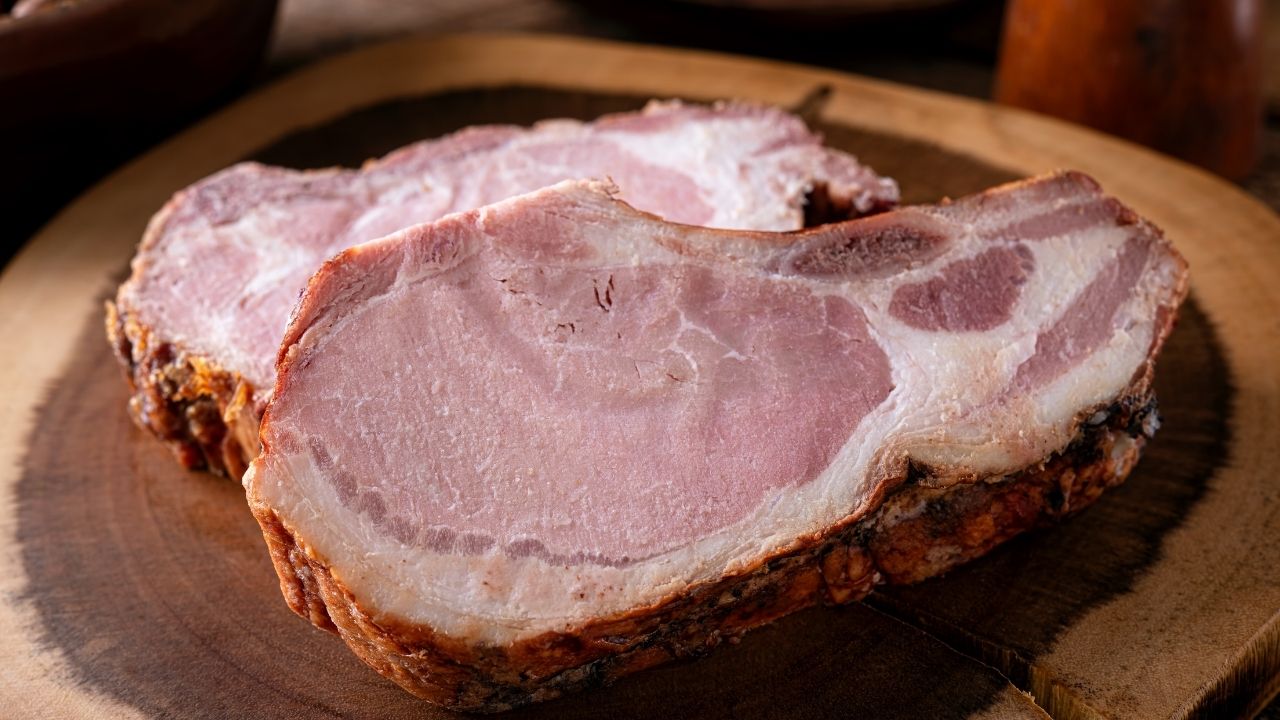
You know that friend who looks unassuming but packs a personality punch that could power a small city? That’s tasso for you. This Cajun cured ham might appear like ordinary meat, but one bite delivers a smoky, spicy symphony that’ll make your mouth do a little happy dance. Think of it as bacon’s more sophisticated Louisiana cousin who went to culinary school and came back with serious attitude. The magic happens during the curing process, where pork shoulder gets rubbed down with a blend of cayenne, garlic, and other spices before spending quality time in the smokehouse until it transforms into something absolutely magnificent.
What makes tasso truly special is its incredible versatility – you can dice it up and toss it into red beans and rice, scramble it with eggs for breakfast that’ll make you forget all about regular bacon, or use it to add serious flavor depth to gumbo. The texture hits that perfect sweet spot between tender and chewy, while the flavor brings heat without overwhelming your palate. Fun fact: tasso actually originated as a way to preserve meat before refrigeration, but thankfully for us, this necessity became one of Louisiana’s greatest gifts to the food world. Pro tip: a little goes a long way, so don’t go crazy with it unless you want your taste buds staging a spicy rebellion!
Coush Coush
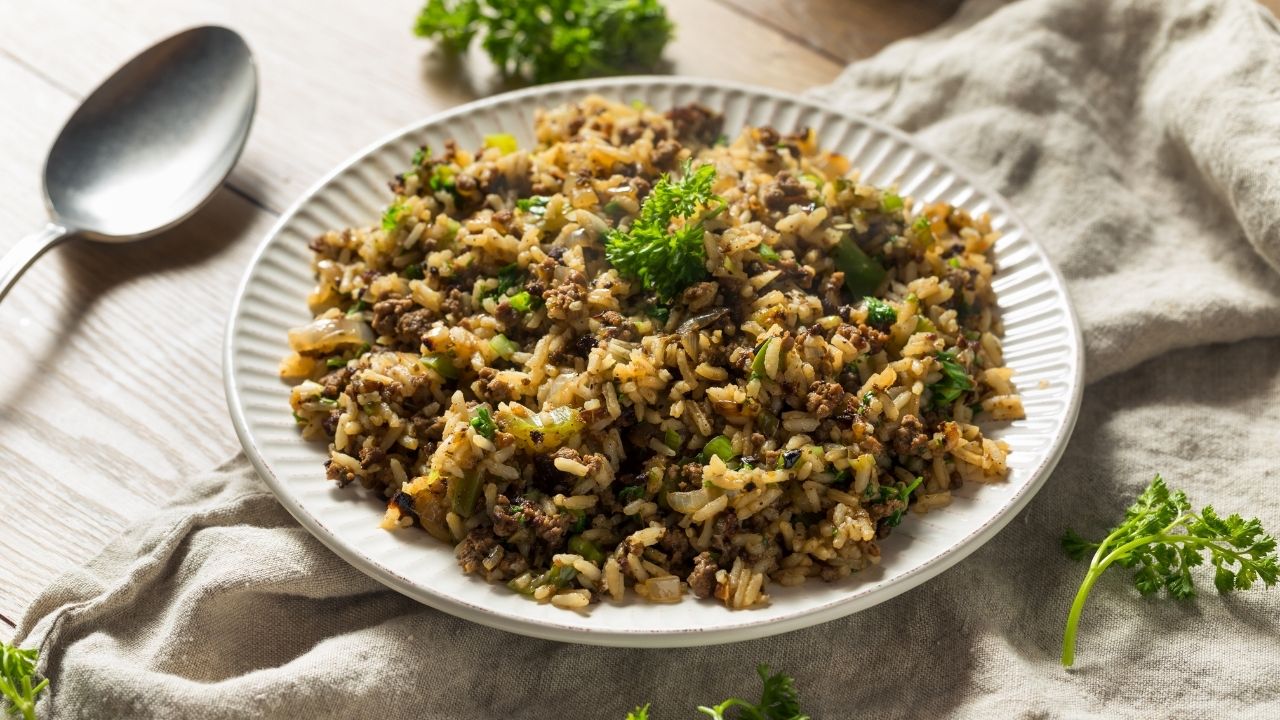
Picture this: you’re wandering through a Louisiana kitchen at dawn, and someone hands you a bowl of what looks like the world’s most unassuming breakfast cereal. Don’t let appearances fool you—coush coush is cornmeal’s greatest achievement, and honestly, it deserves way more recognition than it gets. This humble dish starts with yellow cornmeal that gets toasted in a skillet until it’s golden and nutty, then milk or cream joins the party to create something that’s part porridge, part comfort food miracle. The name itself is pure Cajun poetry, possibly derived from the Arabic “kuskus,” which makes perfect sense when you consider Louisiana’s beautifully tangled cultural roots.
What makes coush coush absolutely irresistible is how it transforms from simple pantry staples into pure morning magic. You toast that cornmeal until your kitchen smells like a county fair, then slowly add your liquid while stirring like your life depends on it—because trust me, lumpy coush coush is nobody’s friend. Some folks drizzle cane syrup on top, others go savory with a pat of butter and a sprinkle of salt. My grandmother swore by adding a splash of vanilla and a pinch of cinnamon, turning breakfast into something that made getting out of bed actually worthwhile. It’s the kind of dish that proves Louisiana cooks could make cardboard taste incredible if they put their minds to it.
Andouille Gumbo
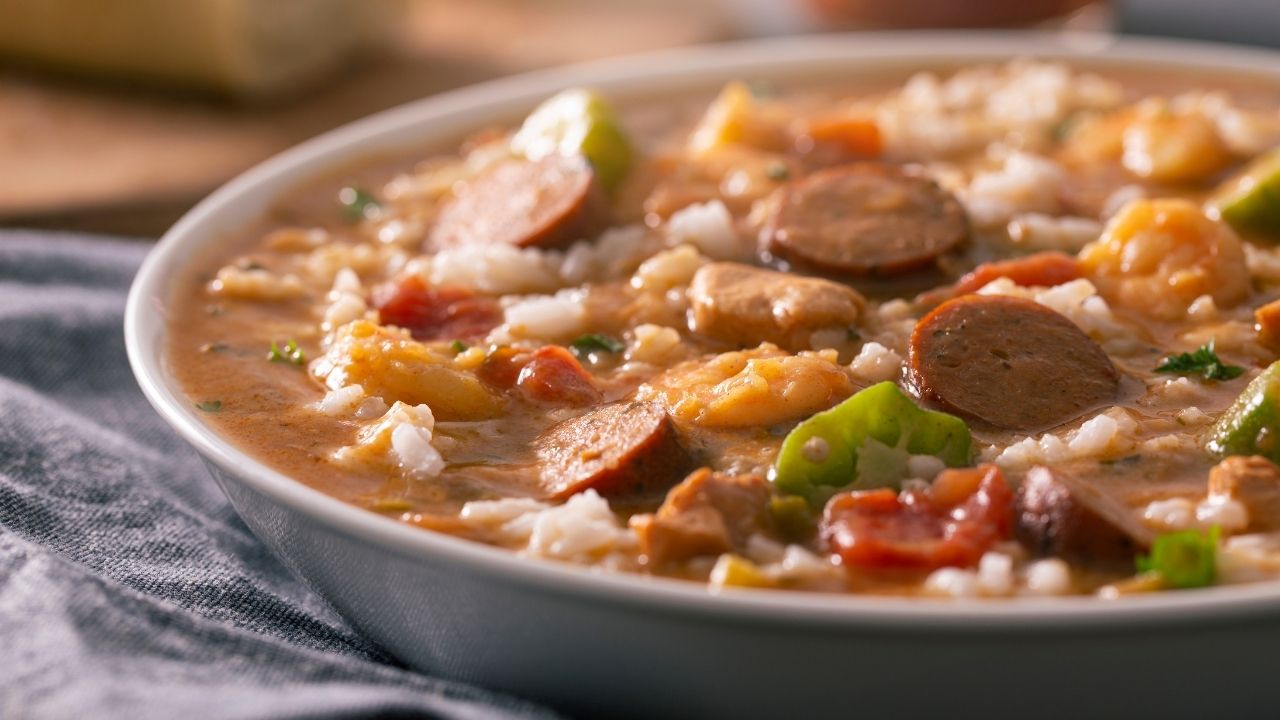
You know that moment when your spoon hits something so smoky and soul-satisfying that you actually close your eyes and do a little happy dance in your chair? That’s andouille gumbo for you. This isn’t just any ordinary soup – it’s liquid comfort food that starts with a dark roux so chocolatey-brown it looks like it could double as brownie batter. The andouille sausage brings this incredible smoky heat that makes your mouth tingle in the best possible way, while the holy trinity of celery, onions, and bell peppers creates a flavor foundation so solid you could probably build a house on it.
Here’s something wild: traditional gumbo makers treat their roux like a meditation practice, stirring for sometimes an hour straight until it reaches that perfect nutty, almost-burnt perfection. One impatient stir too many and you’ve got a bitter mess on your hands. The andouille itself has this fascinating backstory – it’s basically the French cousin of German sausage that decided to vacation in Louisiana and never left. Each bowl delivers this incredible one-two punch of rich, earthy flavors followed by a gentle kick that builds slowly, making you reach for another spoonful before you’ve even finished chewing. Serve it over rice and watch people’s faces transform into pure bliss.
Maque Choux

Picture corn so happy it’s practically dancing in the skillet, and you’ve got Maque Choux – the Cajun side dish that makes every other vegetable weep with envy. This Native American-inspired creation gets its name from the Choctaw word for corn, but don’t let the fancy pronunciation intimidate you (it’s “mock-shoo,” by the way). You start with fresh corn kernels scraped right off the cob, then throw them into a party with bell peppers, onions, and whatever tomatoes happen to be lounging around your kitchen. The magic happens when you add a splash of cream and let everything simmer until the corn releases its natural sugars and creates this incredible caramelized sweetness that’ll make you question why you ever bothered with boring steamed vegetables.
Here’s the thing about Maque Choux – it’s like the Swiss Army knife of Cajun cooking. Need a side dish for your blackened fish? Maque Choux has your back. Want something to soak up that extra gravy from your gumbo? This corn concoction swoops in like a culinary superhero. Some cooks throw in leftover shrimp or crawfish tails because apparently they believe in living their best life, while others keep it vegetarian and let the corn be the star of the show. The beauty lies in its flexibility – you can make it as simple or as loaded as your heart desires. Pro tip: save some bacon grease from breakfast and use it instead of oil for cooking. Your taste buds will thank you, and your cardiologist will probably have words with you later, but that’s tomorrow’s problem.
Crawfish Etouffee
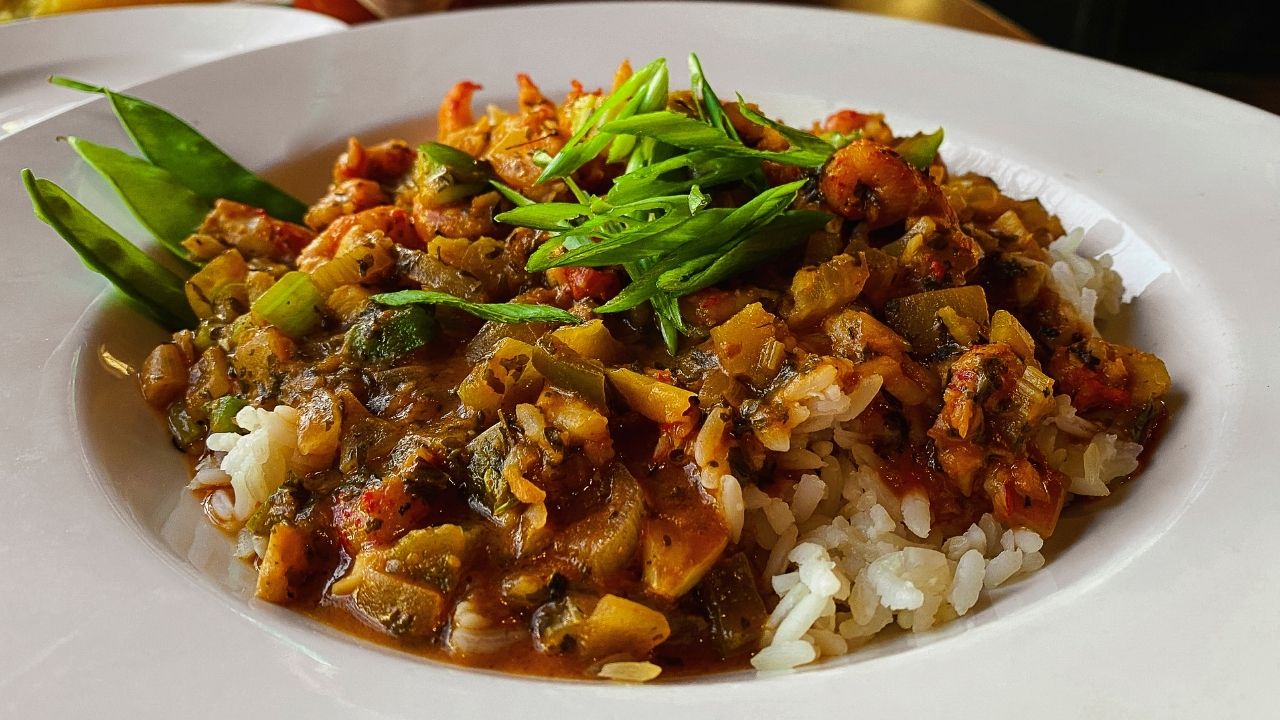
Picture this: you’re staring down at a bowl of what looks like pure Louisiana magic, and that magic has a name—crawfish étouffée. This isn’t just dinner; it’s a warm hug from the bayou that happens to involve tiny crustaceans swimming in a roux so perfect it could make angels weep. The word “étouffée” literally means “smothered” in French, which is exactly what happens to those sweet crawfish tails when they meet their destiny in a velvety blanket of butter, onions, celery, and bell pepper. Fun fact: crawfish used to be so abundant in Louisiana that prisoners complained about being fed them too often. Oh, how times have changed!
One spoonful of this creamy, spicy goodness over fluffy white rice and you’ll understand why Louisianans guard their étouffée recipes like state secrets. The magic happens when that golden roux—made from flour and fat cooked to perfection—transforms simple ingredients into liquid gold. Your spoon will practically dance through the thick, aromatic sauce while those plump crawfish tails peek out like little treasures waiting to be discovered. Pro tip: if you can’t get fresh crawfish, frozen tails work just fine, but whatever you do, don’t skip the “holy trinity” of Cajun cooking—onions, celery, and bell peppers. This dish doesn’t just feed your body; it feeds your soul with every single bite.
Boudin
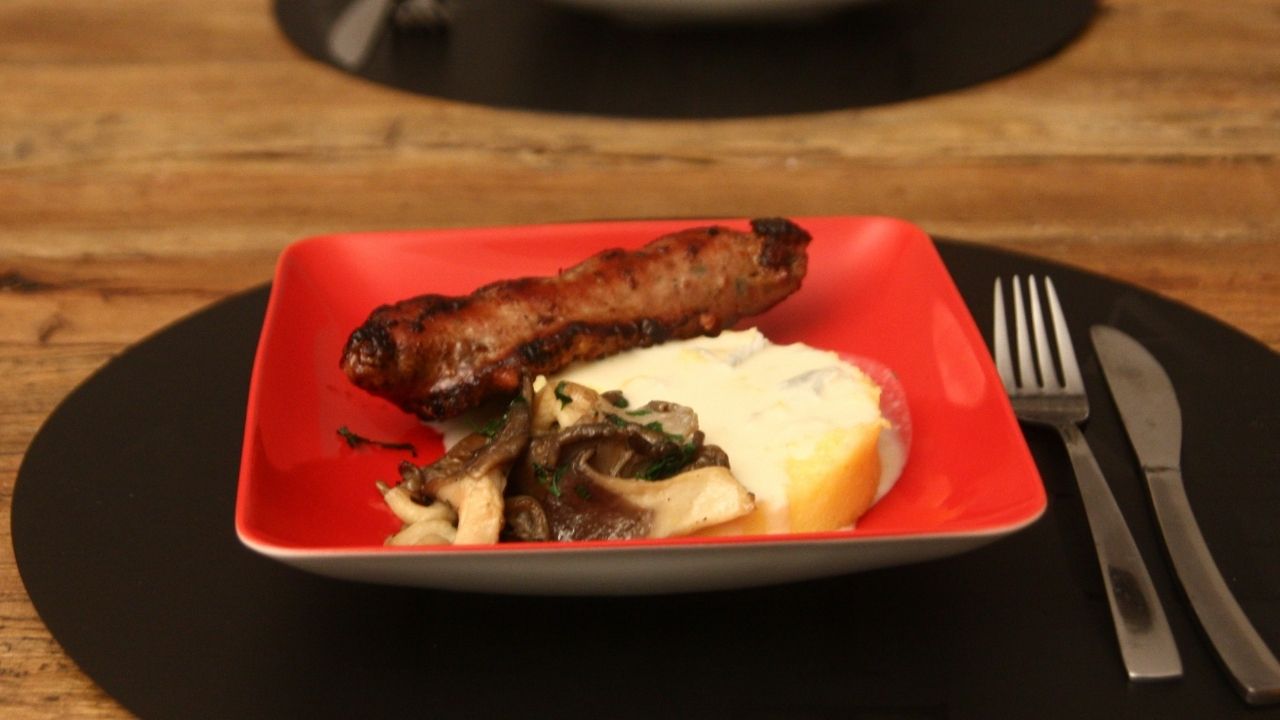
Picture this: you’re driving through Louisiana’s back roads when you spot a gas station with a hand-painted sign advertising “Fresh Boudin Daily.” Trust me, pull over immediately! This isn’t your typical roadside snack—boudin is a Cajun sausage that’ll make you question everything you thought you knew about gas station food. Made with pork, rice, onions, and a secret blend of seasonings that varies from family to family, boudin gets stuffed into natural casings and becomes pure magic. Some folks eat it straight from the casing like a hot dog, while others (the true initiates) know to squeeze the filling directly into their mouths and discard the casing entirely.
What makes boudin absolutely irresistible is how it breaks every rule about what sausage should be. The rice gives it this incredible texture that’s both creamy and substantial, while the pork provides richness that’ll have you closing your eyes in pure bliss. Every bite delivers layers of flavor—sometimes you’ll catch hints of green onions, other times you’ll detect a whisper of cayenne that builds slowly in the back of your throat. The best part? No two boudin makers create exactly the same recipe, so you can spend years hunting down your perfect version. Fair warning though: once you discover good boudin, you’ll find yourself planning road trips around which gas stations and meat markets make the best batches.