15 Must-Have Superfoods for Ultimate Health Benefits
Mother Nature gifts us with incredible superfoods that pack powerful health benefits into every bite. From antioxidant-rich berries to nutrient-dense leafy greens, these 15 superfoods will transform your daily meals into nourishing powerhouses for your body and mind.
I’ve carefully selected these ingredients based on their exceptional nutritional profiles and versatility in the kitchen. Each one brings unique vitamins, minerals, and compounds that support everything from heart health to immune function. The best part? You can easily incorporate them into your favorite recipes.
Get ready to discover how cranberries fight inflammation, why pomegranates deserve their “miracle fruit” status, and what makes kale a nutritional superstar. These ingredients will revolutionize your approach to healthy eating while adding incredible flavors to your meals.
Cardoons

If you haven’t tried cardoons yet, you’re missing out on an incredible winter vegetable that’s like a cross between artichokes and celery. These silvery-green stalks pack a powerful nutritional punch with high levels of potassium, calcium, and iron. I love how cardoons bring a unique bitter-sweet flavor to winter dishes, and their meaty texture makes them perfect for gratins, stews, and braises. The Mediterranean cooking tradition has treasured cardoons for centuries, and now more home cooks are discovering their amazing versatility.
To prepare cardoons, you’ll need to clean and trim them thoroughly, then blanch them to remove any bitterness. I find they shine brightest in simple preparations – try them sautéed with garlic and olive oil, or baked with Parmesan cheese and breadcrumbs. The stalks also contain powerful antioxidants and compounds that support liver health and digestion. Fresh cardoons can be tricky to find, but many specialty markets stock them during winter months. Once you master cooking with cardoons, you’ll want to add them to your regular winter menu rotation.
Meyer Lemons
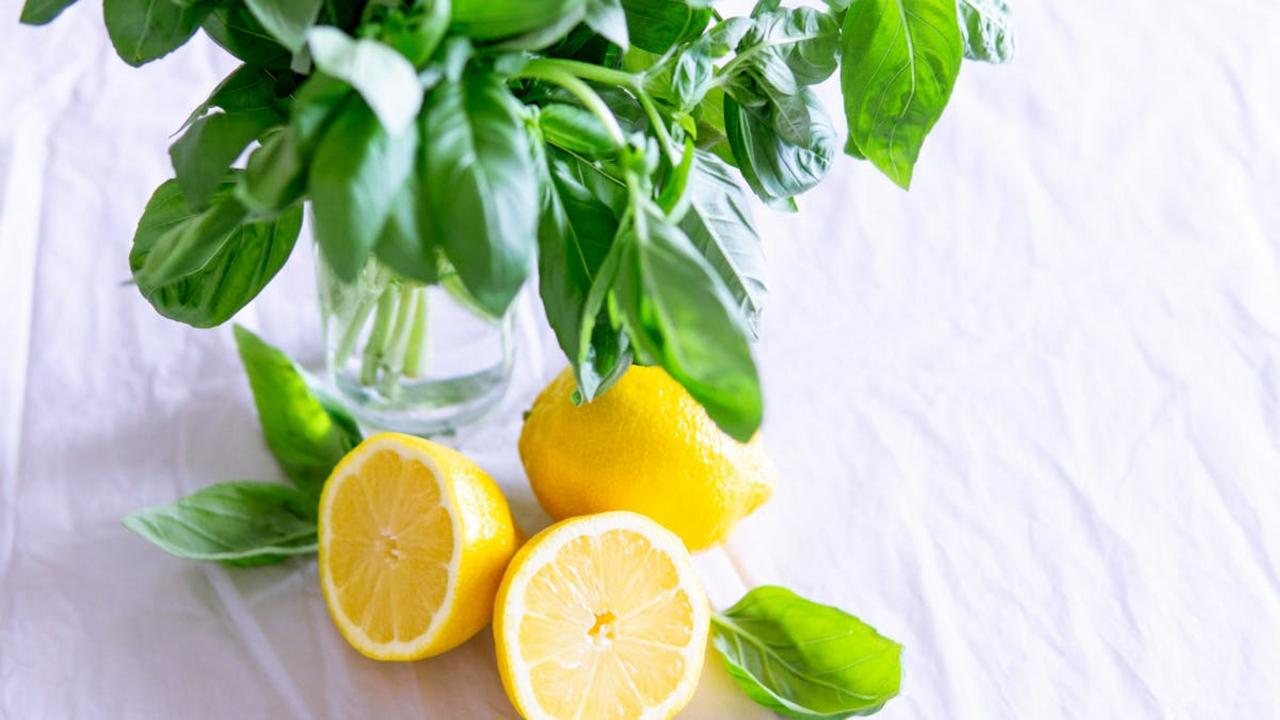
I adore Meyer lemons during winter – they’re a sweet and special cross between regular lemons and mandarin oranges. Unlike standard lemons, these beauties offer a gentler, more complex flavor with subtle floral notes. You’ll find Meyer lemons loaded with vitamin C, which helps your immune system stay strong through cold and flu season. Their thin, smooth skin makes them perfect for adding to both sweet and savory dishes, while their lower acidity means you can use the whole fruit without overwhelming bitterness.
My favorite way to use Meyer lemons is to preserve them in salt – a technique I learned from Moroccan cooking that transforms them into incredible flavor bombs for stews, grain bowls, and dressings. You can also make the most amazing curd with their juice, which I spread on morning toast or fold into yogurt. The zest adds brightness to winter soups and roasted vegetables, while a simple slice in hot water creates a comforting morning drink that wakes up your digestion. Look for Meyer lemons between November and March, when they’re at their peak sweetness.
Chestnuts

You’ll find chestnuts adding a rich, sweet, and nutty depth to your winter dishes – bringing both comfort and powerful nutrition to your table. These smooth-shelled nuts pack a serious nutritional punch with high levels of fiber, vitamin C, and B vitamins. Unlike other nuts that contain high amounts of fat, chestnuts offer a lower calorie option while still delivering complex carbohydrates for sustained energy. I love roasting them until their shells crack open, revealing their golden interior that’s perfect for snacking or incorporating into hearty stews.
Your body will thank you for choosing chestnuts during the cold months, as they support immune function through their antioxidant content and mineral-rich profile. Their high potassium levels help maintain healthy blood pressure, while their copper content aids in collagen production for healthy skin. You can enjoy them roasted, boiled, or ground into flour for gluten-free baking. I recommend buying fresh chestnuts with glossy shells and storing them in the refrigerator to maintain their freshness. For the best texture and flavor, score an X on their flat side before roasting – this prevents them from exploding and makes peeling much easier.
Sunchokes
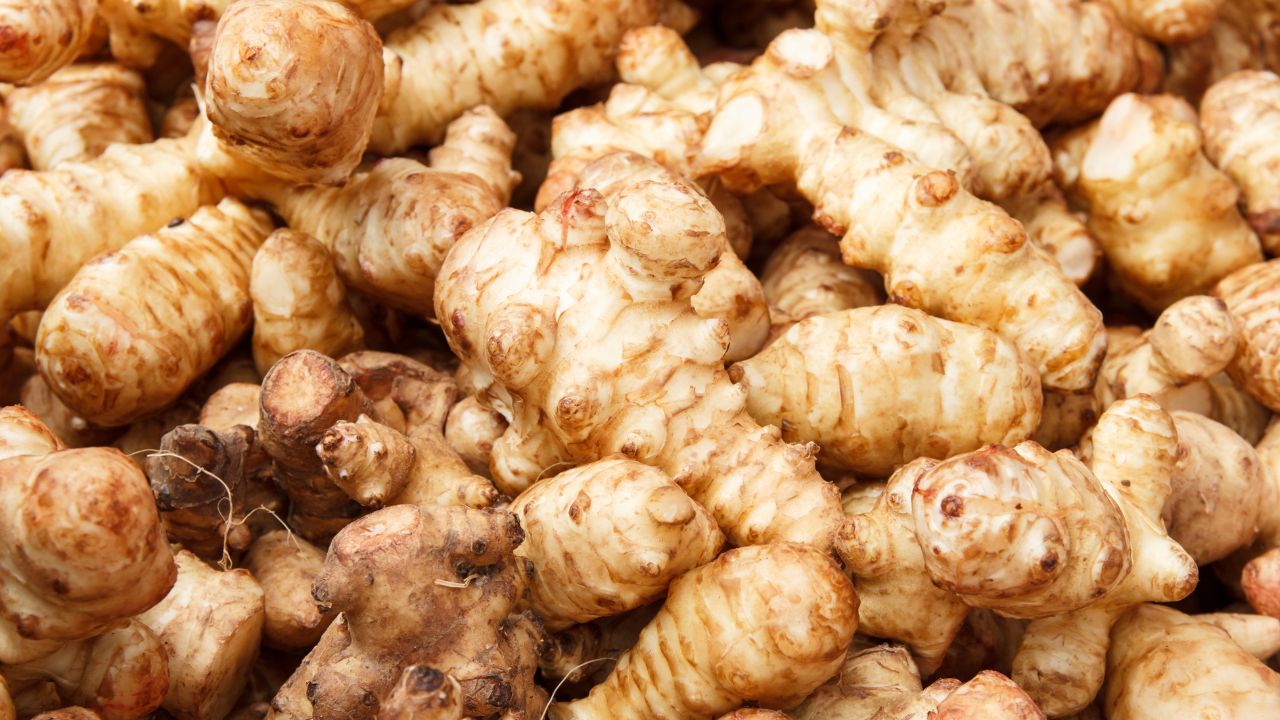
I always keep sunchokes (also known as Jerusalem artichokes) in my winter pantry because they bring a unique nutty sweetness to dishes while packing incredible health benefits. These knobby root vegetables contain high amounts of inulin fiber, which acts as a prebiotic to support healthy gut bacteria. You’ll get a good dose of iron, potassium, and thiamin from these versatile tubers that you can roast, mash, or slice raw into salads.
My favorite way to prepare sunchokes is to scrub them clean (no need to peel), cut them into chunks, and roast them with olive oil, garlic, and fresh thyme until they turn golden brown and tender. The natural sugars caramelize beautifully, creating crispy edges while maintaining a creamy interior. I recommend starting with small portions since the high inulin content can take time for your digestive system to adjust to – but once you do, you’ll want to make these nutrient-rich roots a regular part of your winter cooking.
Black Radishes
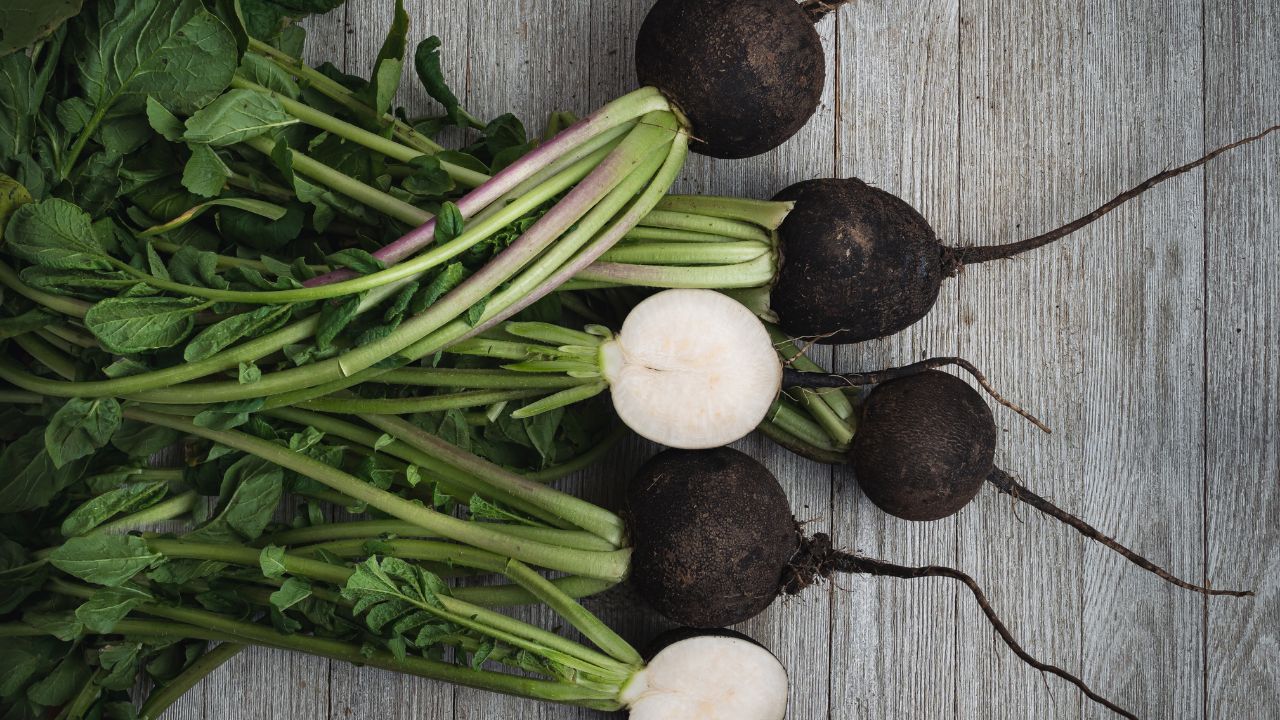
You’ll quickly notice black radishes stand out from their red and white cousins with their dark, charcoal-colored skin and stark white flesh. These root vegetables pack a powerful punch with their sharp, peppery kick that adds character to winter dishes. I love incorporating black radishes into my kitchen routine because they contain high amounts of vitamin C, potassium, and zinc – exactly what your body needs during cold months. The natural compounds in black radishes also support liver function and boost your immune system.
I recommend grating raw black radishes into salads for an intense flavor boost or slicing them thinly for a crispy addition to sandwiches. You can also roast them with other root vegetables, which mellows their spicy bite and brings out their natural sweetness. For a quick immune-boosting drink, try juicing black radishes with apples and ginger – this combination creates a powerful tonic that helps fight off winter colds. Remember to store your black radishes in a cool, dark place or the refrigerator’s crisper drawer to maintain their freshness for several weeks.
Blood Oranges
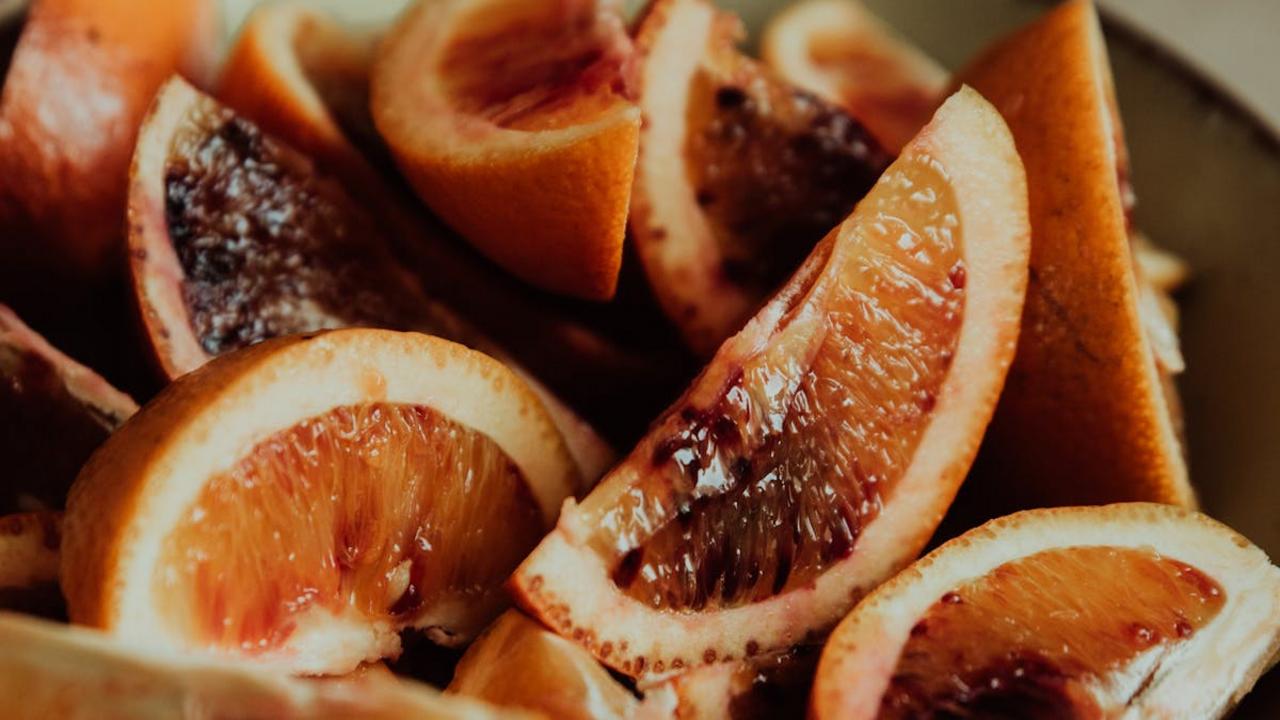
I adore blood oranges during winter – they bring such vibrant color and deep citrus flavors to my kitchen! These gorgeous fruits stand out with their rich burgundy flesh and sweet-tart juice that makes regular oranges seem plain in comparison. Your body will thank you for the high vitamin C content, which helps fight off those pesky winter colds. Plus, the unique red pigments called anthocyanins work as powerful antioxidants to boost your immune system and protect your cells from damage.
You can add blood oranges to so many dishes beyond just eating them fresh. I love squeezing them into winter salad dressings or using the segments in grain bowls for a bright pop of color. They make incredible marmalades and preserves that capture their distinct flavor. The juice creates beautiful cocktails and mocktails too. Just remember – their season runs from December through March, so grab them while you can! I always stock up and freeze some segments to enjoy their unique sweetness throughout the year.
Celeriac
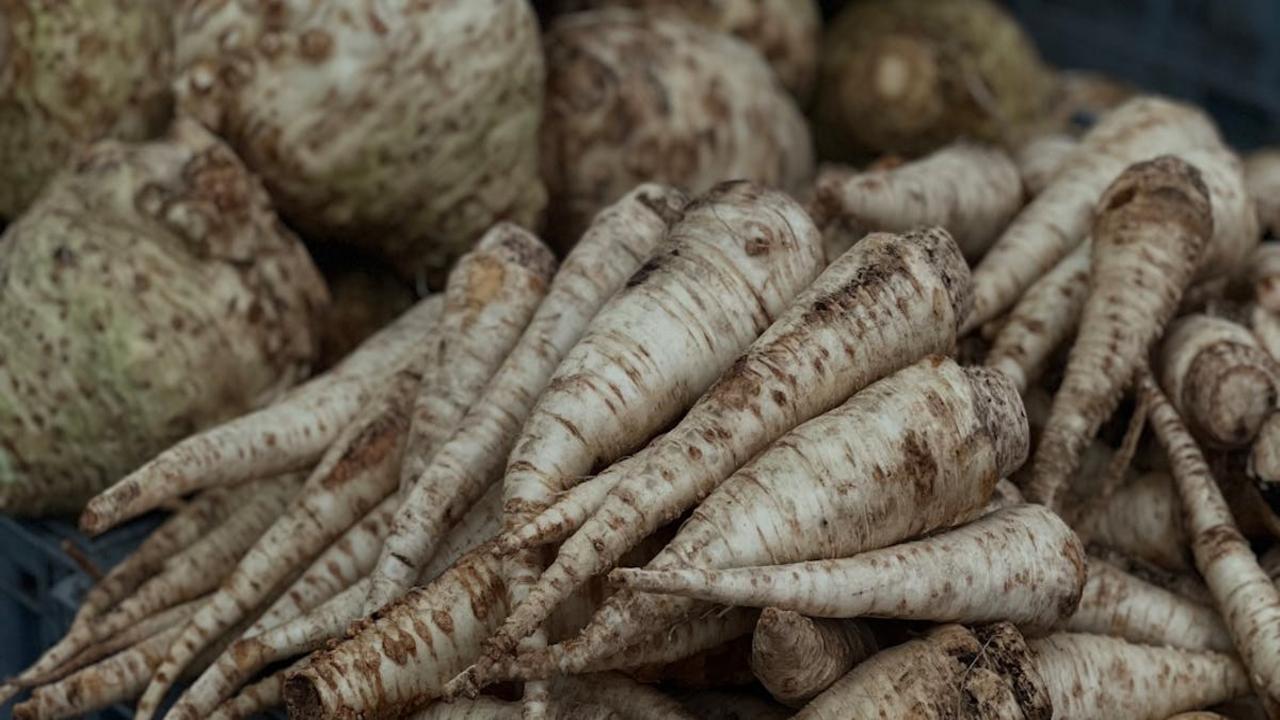
I always get excited when I spot celeriac at the winter farmers’ market! This gnarly-looking root vegetable transforms into pure magic in your kitchen. Under that rough exterior lies a smooth, white flesh with a subtle celery-like flavor and hints of parsley and nuts. Rich in vitamin K, fiber, and potassium, celeriac stands out as a nutrient-dense addition to your winter meals. You can eat it raw, roasted, mashed, or pureed into soups – each preparation method brings out different subtle notes of its complex flavor profile.
My favorite way to prepare celeriac involves peeling it, cutting it into chunks, and roasting it with olive oil, garlic, and fresh thyme until golden brown. The natural sugars caramelize beautifully, creating crispy edges while maintaining a creamy center. For a lower-carb alternative to mashed potatoes, steam celeriac until tender and blend it with butter, black pepper, and a touch of nutmeg – this combination produces an incredibly smooth and satisfying side dish that pairs perfectly with any winter main course. The versatility of this root vegetable makes it a true winter kitchen hero.
Parsnips
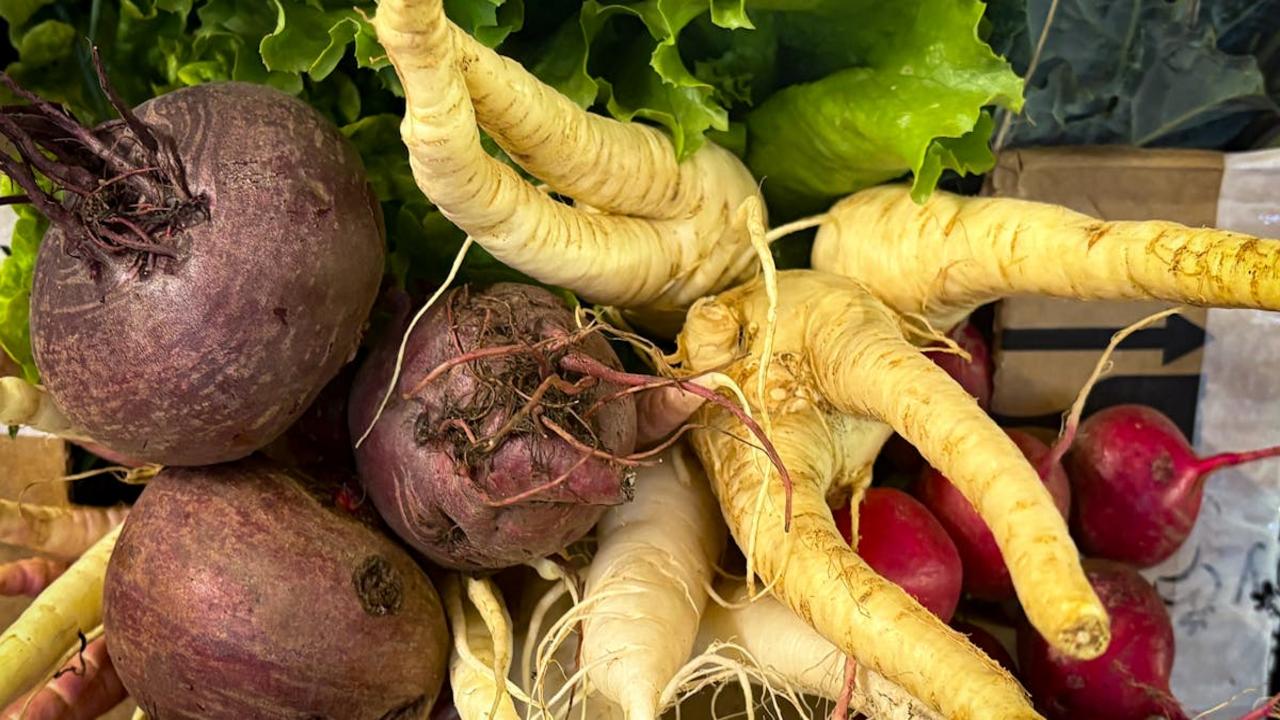
I love adding parsnips to my winter recipes – these sweet, nutty root vegetables pack incredible flavor and nutrition into every bite. Rich in fiber, potassium, and vitamin C, parsnips support your immune system while helping maintain healthy blood pressure levels. The natural sweetness intensifies after the first frost, making winter the perfect time to incorporate these versatile veggies into your meals. You can roast them with other root vegetables, blend them into creamy soups, or mash them as a lower-carb alternative to potatoes.
My favorite way to prepare parsnips involves tossing them with olive oil, fresh thyme, and a touch of maple syrup before roasting until golden brown and caramelized. The natural sugars concentrate during cooking, creating an irresistible side dish that even vegetable-skeptics will enjoy. I recommend choosing smaller parsnips since they tend to be more tender and less woody in the center. Store them in your refrigerator’s crisper drawer, where they’ll keep fresh for up to three weeks – ready to boost the nutrition and flavor of your winter cooking.
Leeks
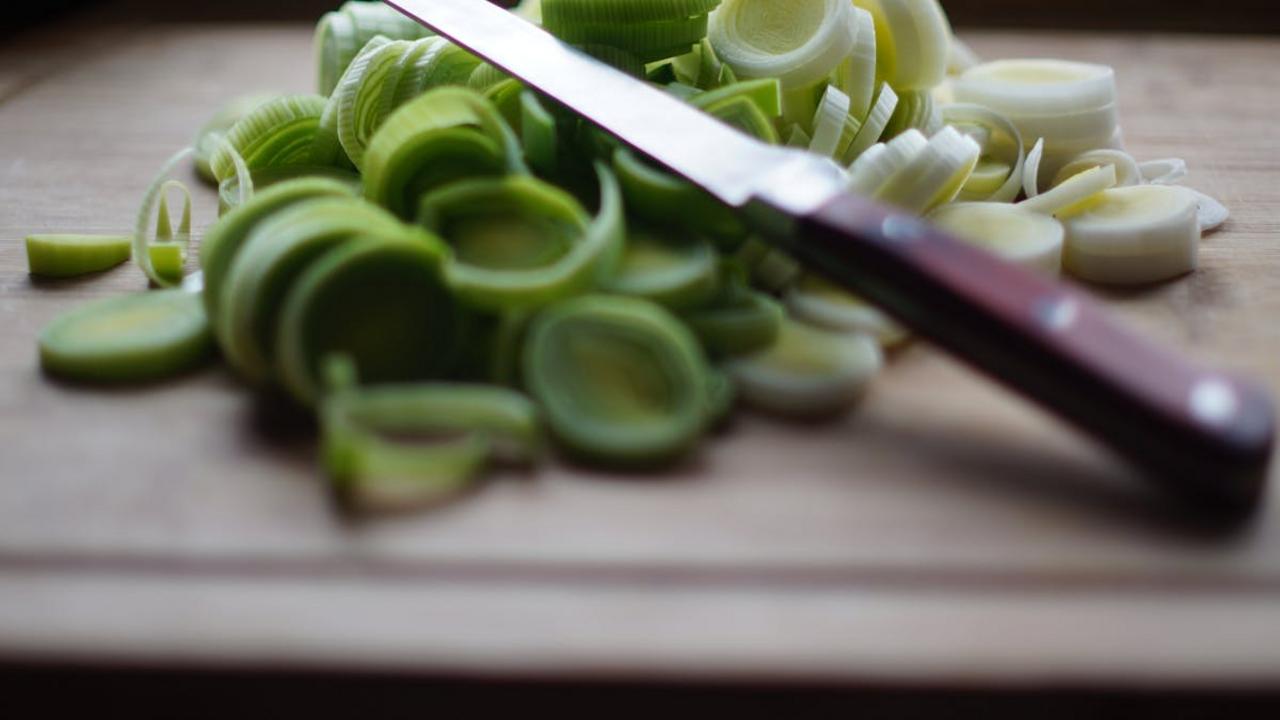
I absolutely adore adding leeks to my winter recipes for their mild, sweet onion-like flavor that brings depth to any dish. These sturdy winter vegetables pack a serious nutritional punch with high amounts of vitamin K, folate, and manganese. The white and light green parts contain prebiotic fiber that feeds your gut’s good bacteria, while the antioxidants help protect your cells from damage. My favorite way to prepare them is by slowly sautéing until they turn golden and caramelized, which intensifies their natural sweetness.
You’ll want to clean leeks thoroughly since dirt often hides between their layers. I recommend slicing them lengthwise and running under cold water to remove any grit. Beyond the classic potato leek soup, try adding them to stir-fries, quiches, or pasta dishes. The subtle flavor makes them incredibly versatile – they work beautifully in both Asian and European cuisines. For maximum health benefits, eat them raw in salads or lightly cooked to retain their vitamin C content. Your immune system will thank you during the cold winter months!
Fennel
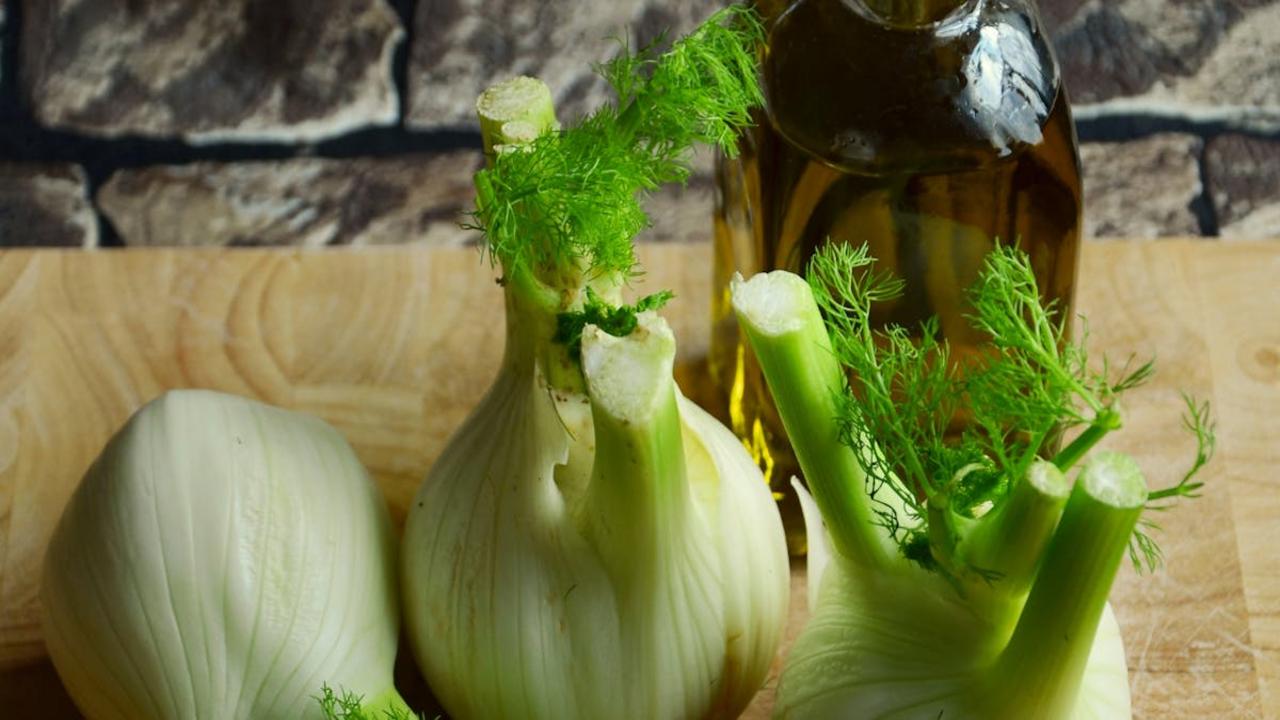
I absolutely adore fennel during winter – this crisp, refreshing vegetable brings brightness to the cold months with its subtle anise-like flavor and incredible versatility. Raw fennel adds a delightful crunch to salads, while roasting transforms it into a caramelized delight that pairs beautifully with citrus and winter herbs. The white bulb contains high amounts of vitamin C, potassium, and fiber, making it an excellent immune system booster right when you need it most.
This Mediterranean gem goes far beyond its fresh applications – you can braise it with white wine, incorporate it into soups and stews, or even pickle the bulb for a zingy condiment. Don’t toss those feathery fronds either! They make a fantastic garnish and add a subtle sweetness to pestos and dressings. I love chopping them finely to sprinkle over roasted fish or adding them to homemade broths for an extra layer of flavor. The seeds also deserve attention – they aid digestion and make a wonderful addition to homemade bread or spice blends.
Persimmons
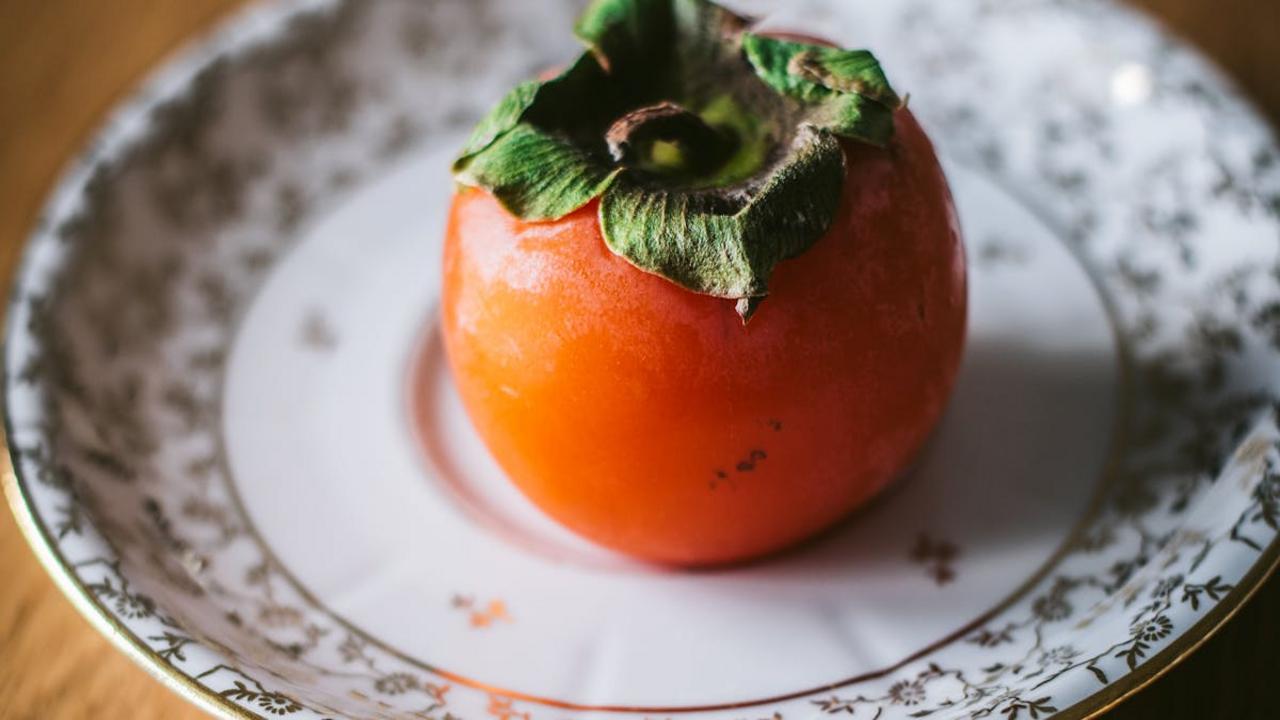
I absolutely adore persimmons during winter – these vibrant orange fruits bring sunshine to cold days! The two main types you’ll find are Fuyu (flat and round) and Hachiya (elongated and heart-shaped). Fuyu persimmons stay firm like apples and make perfect additions to winter salads or cheese boards. Hachiya persimmons need to ripen until they’re completely soft and jelly-like inside, otherwise they’ll leave your mouth feeling dry and chalky from their high tannin content.
You’ll get an incredible nutrition boost from persimmons – they pack more fiber than apples and overflow with antioxidants like beta carotene and lycopene. I love adding sliced Fuyu persimmons to my morning yogurt bowls or blending ripe Hachiyas into smoothies. The natural sweetness makes them a great sugar substitute in baking too. Just remember – for Hachiyas, patience pays off! Wait until they feel like water balloons before eating them straight or using them in recipes. Your reward will be a honey-sweet fruit with notes of cinnamon and dates.
Brussels Sprouts
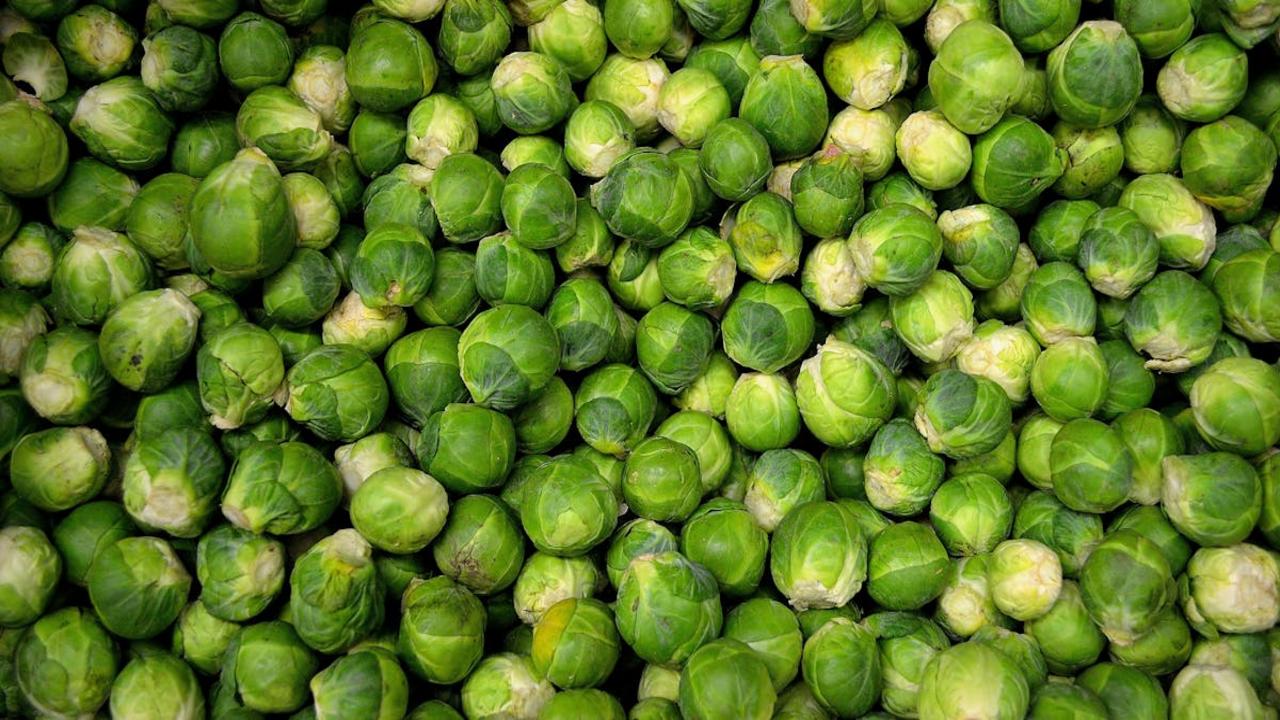
You’ll get incredibly sweet and nutty flavors from Brussels sprouts during winter, making them a top choice for your cold-weather menu. I roast these mini cabbage-looking gems until they turn golden brown and crispy on the outside while staying tender inside. Beyond their amazing taste, Brussels sprouts pack a serious nutritional punch – they’re loaded with vitamin C, fiber, and antioxidants that help boost your immune system right when you need it most during the chilly months.
My favorite way to prepare Brussels sprouts is to toss them with olive oil, garlic, and a pinch of sea salt, then roast them at 400°F until they caramelize. The natural sugars concentrate during roasting, transforming any bitter notes into rich, complex flavors. Try shaving them raw into salads or quick-sautéing them with pancetta for a different take. You can find the freshest sprouts still attached to their stalks at farmers’ markets – these will give you the sweetest, most intense flavor profile.
Kale
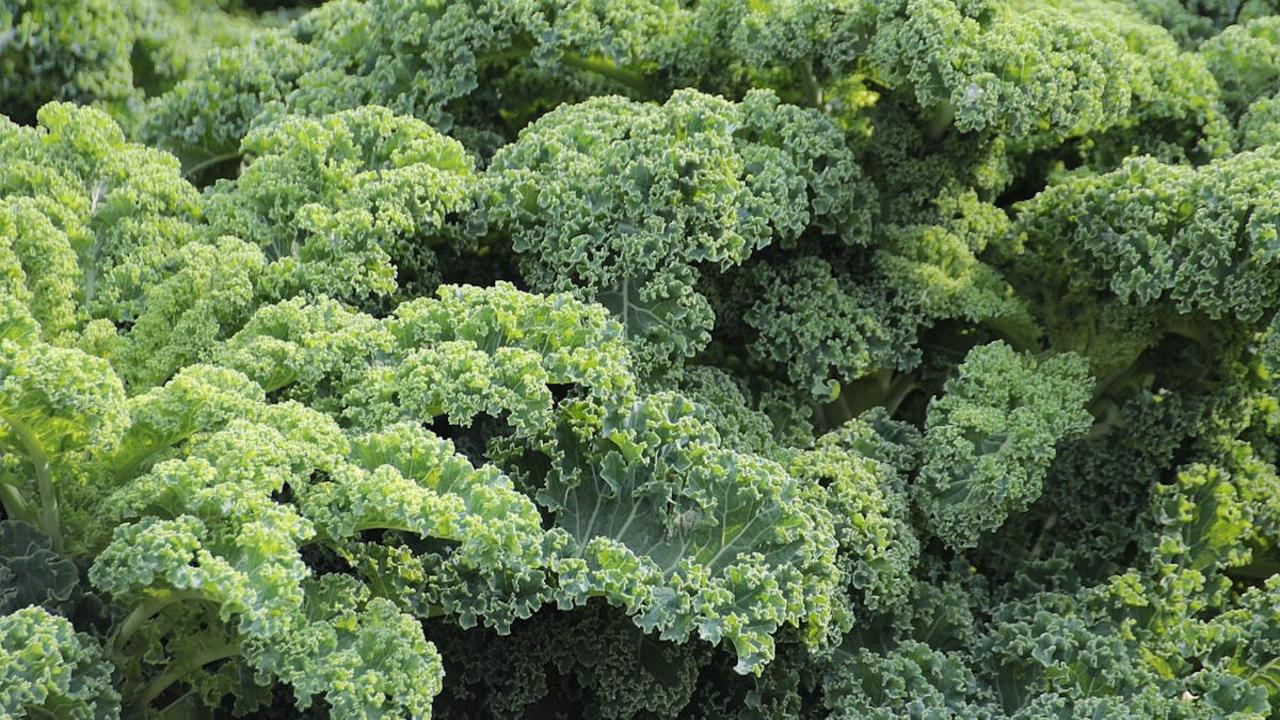
I can’t get enough of kale during winter – this nutrient-packed powerhouse truly shines when the temperatures drop! The deep green leaves pack an incredible amount of vitamin C, K, and A, plus plenty of fiber and antioxidants that help your immune system stay strong through cold and flu season. I love massaging raw kale with a bit of olive oil and sea salt for tender, delicious salads, or adding handfuls to hearty soups and stews where it adds both nutrition and beautiful color.
You’ll find endless ways to incorporate kale into your winter meals. My family goes crazy for crispy kale chips seasoned with nutritional yeast and garlic powder – they disappear faster than potato chips! The sturdy leaves hold up beautifully in meal prep too. I often sauté big batches with garlic and red pepper flakes to keep in the fridge for quick additions to eggs, grain bowls, or pasta throughout the week. The slight bitterness of kale pairs wonderfully with sweet winter squash and root vegetables, making it a natural addition to roasted vegetable medleys.
Pomegranates
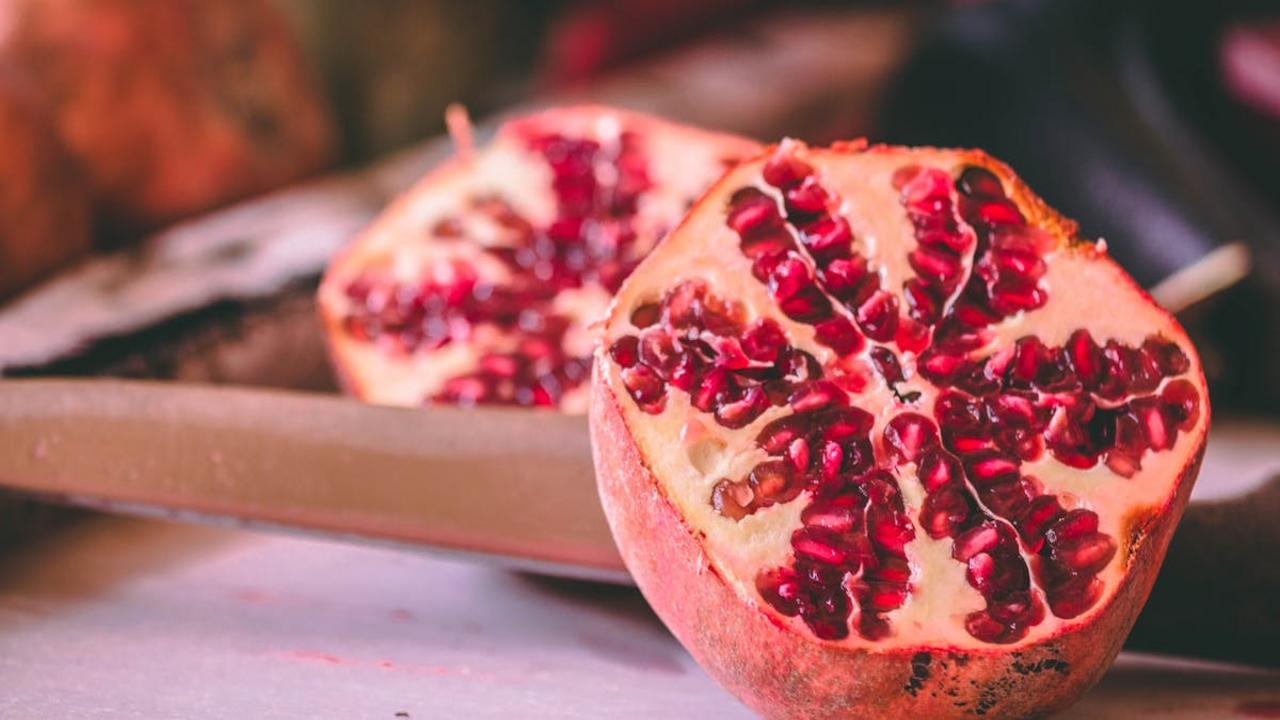
You’ll find pomegranates bursting with sweet-tart flavor and rich antioxidants during winter months. These jewel-toned fruits pack a serious nutritional punch with their ruby-red seeds (called arils) containing high levels of vitamin C, potassium, and fiber. I love adding them to my morning yogurt bowls or sprinkling them over salads for extra crunch and color. The antioxidants in pomegranates, particularly punicalagins, help fight inflammation and support heart health through improved blood flow.
Here’s a quick tip for opening pomegranates without making a mess: Score the fruit into quarters, then submerge it in a bowl of cold water while pulling apart the sections. The seeds will sink to the bottom while the white pith floats – making separation super easy. You can store the seeds in an airtight container in your fridge for up to 5 days, perfect for adding to overnight oats, grain bowls, or just snacking by the handful. The juice also makes an excellent base for winter mocktails or as a tangy addition to marinades.
Cranberries
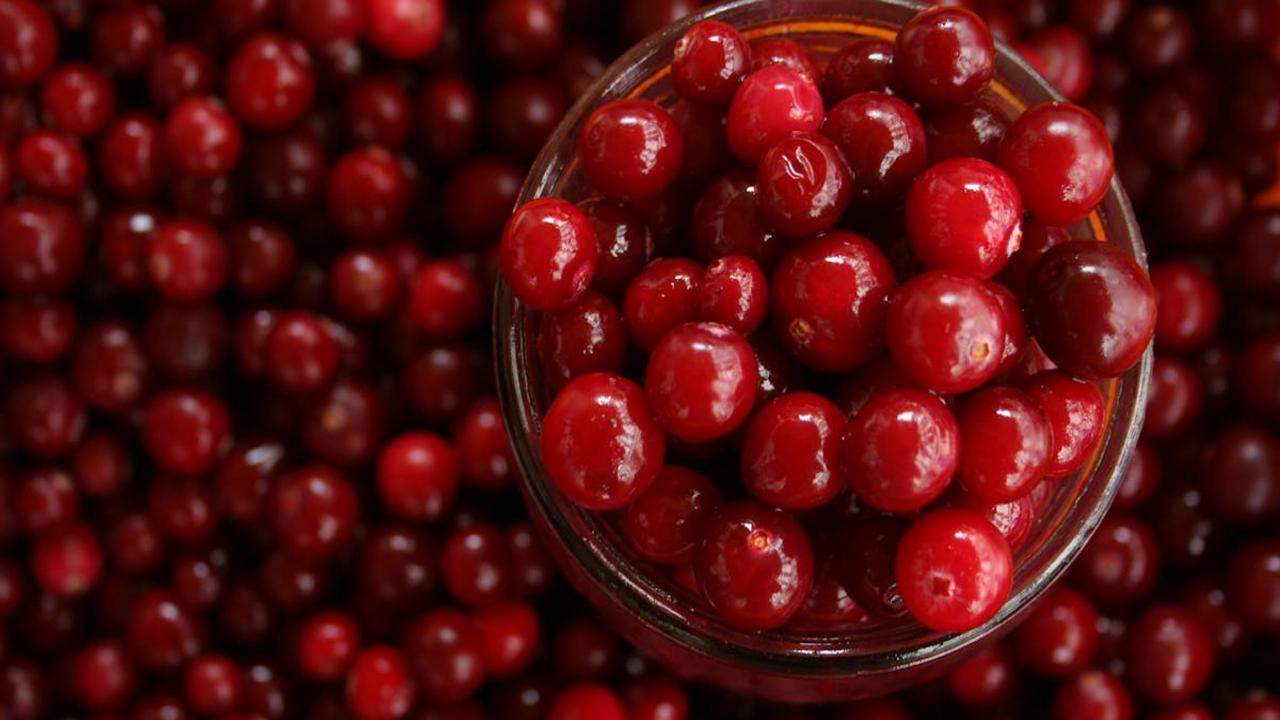
I add cranberries to my winter cooking rotation not just for their bright, tart flavor but for their incredible health benefits. These small red berries pack a powerful punch with high levels of vitamin C and antioxidants that boost your immune system during cold months. The natural compounds in cranberries help prevent UTIs and reduce inflammation throughout your body. Plus, they’re incredibly versatile – you can toss them into smoothies, bake them into breads, or cook them down into a sauce that goes way beyond your holiday table.
My favorite way to enjoy cranberries is by making a quick compote with orange zest, honey, and a pinch of cinnamon. This combination brings out their natural sweetness while maintaining that signature tang. Fresh cranberries keep well in your fridge for weeks, or you can freeze them for up to a year. Just remember to skip the pre-made cranberry products loaded with added sugars – stick to whole berries to get the most nutritional value. You’ll find them abundantly available at markets from October through December, making them a perfect winter superfood to stock up on.