14 Popular U.S. Foods You Can’t Buy Abroad
Growing up cooking from scratch, I’ve always believed fresh, whole ingredients create the best meals. Yet many American food products contain additives and treatments that other countries simply won’t allow on their shelves. These restrictions aren’t random—they’re based on health concerns about chemicals and processes we’ve normalized here.
From hormone-treated meat to chemically bleached flour, the U.S. food system permits ingredients that raise red flags internationally. Countries across Europe, Asia, and beyond have banned these products, forcing manufacturers to create cleaner versions for global markets while keeping the original formulations for American consumers.
Understanding what makes these foods controversial helps us make informed choices about what we put on our tables. Knowledge empowers better decisions for our families’ health.
Bleached Flour
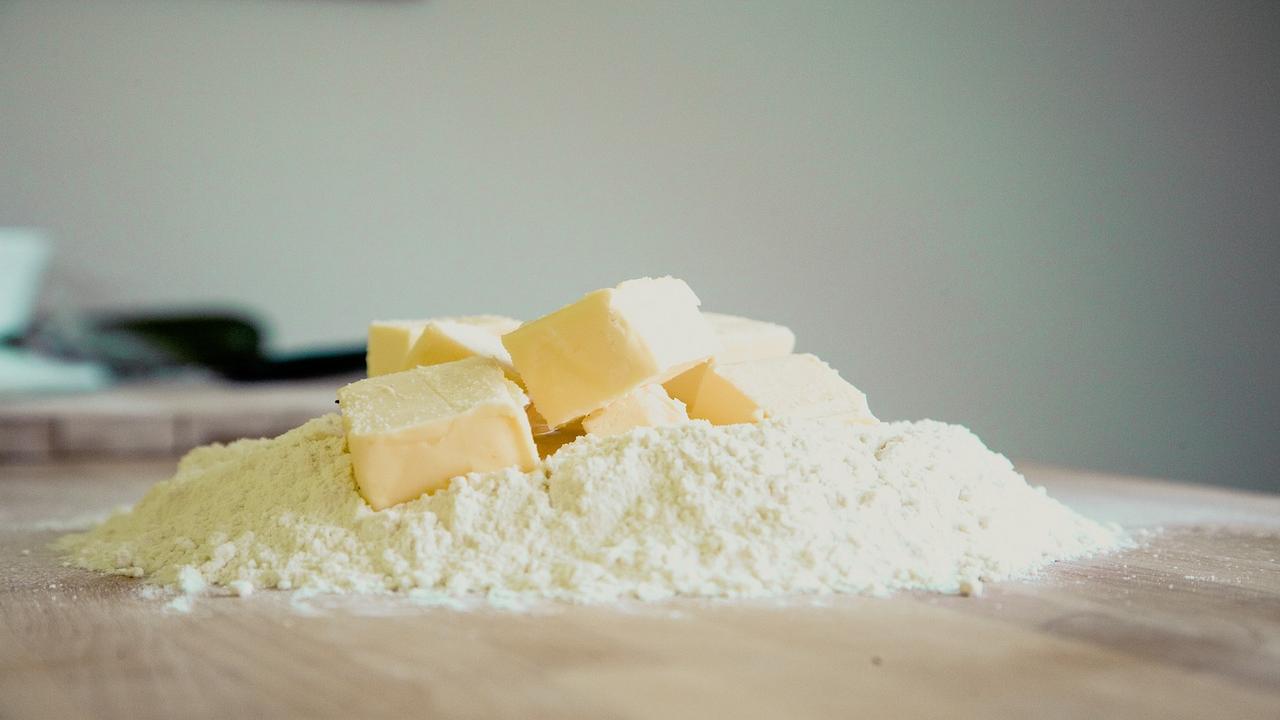
You know what I discovered during my time living in France? I couldn’t find that pristine white flour we’re so accustomed to in American grocery stores. That snow-white appearance comes from chemical bleaching agents like chlorine dioxide and benzoyl peroxide – substances that most countries have banned from food production. While we Americans grew up baking with this chemically treated flour, European bakers work exclusively with naturally aged, unbleached varieties that develop their pale color through time and oxidation.
I’ll be honest – switching to unbleached flour completely transformed my baking. The slightly cream-colored flour I now use has more character and depth of flavor than its bleached counterpart. Your cookies might have a slightly warmer hue and your cakes won’t be quite as stark white, but the trade-off in taste and nutrition makes it worthwhile. Many countries prioritize natural food processing methods over cosmetic perfection, which explains why you won’t spot those familiar bright white bags of flour in international markets. Trust me, once you start baking with unbleached flour, you’ll appreciate how much more authentic your homemade breads and pastries taste.
Chlorine Washed Chicken
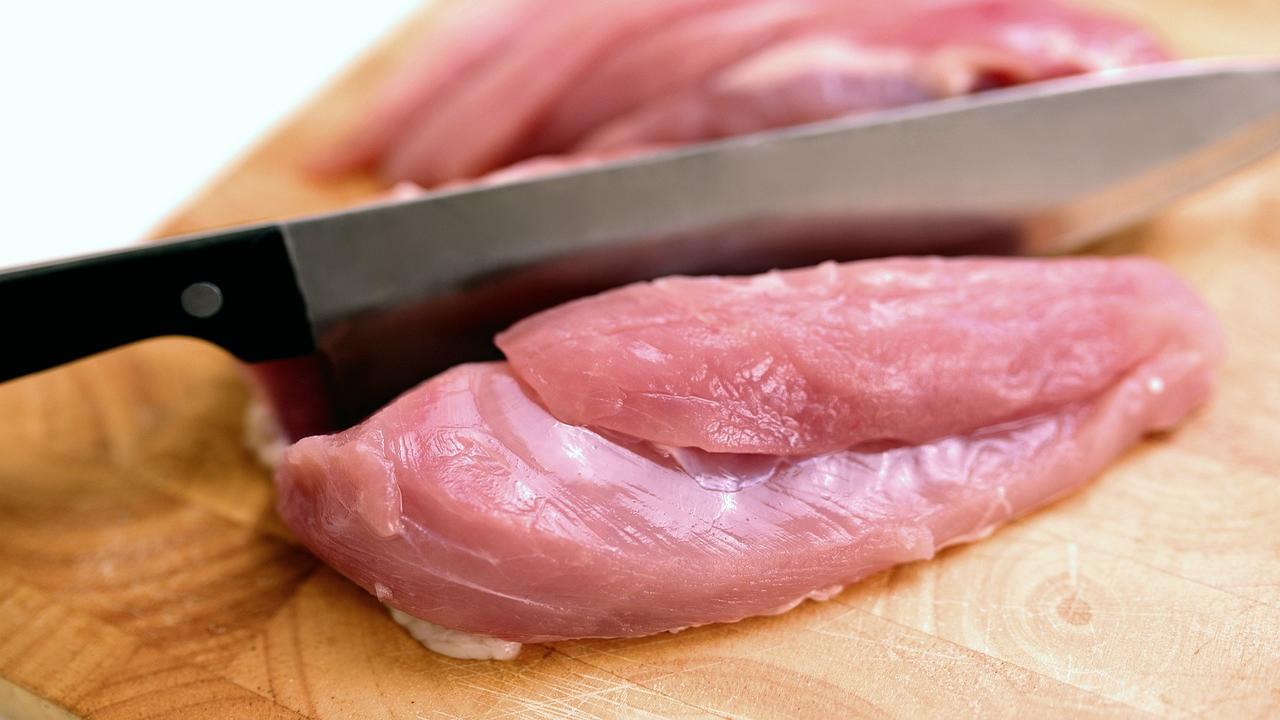
You know how I always talk about knowing where your food comes from? Well, here’s something that might surprise you about American chicken – it gets a chlorine bath before reaching your dinner table! The USDA approves this antimicrobial wash to kill bacteria like salmonella, but the European Union banned it years ago. They believe the chlorine treatment masks poor hygiene practices during processing, and honestly, I can see their point. When I think about creating nourishing meals for my family, I want chicken that’s been raised and processed with care from start to finish, not one that needs chemical intervention to make it safe.
This practice puts American poultry in an interesting position globally – you simply can’t export our chlorine-washed chicken to most countries because they won’t accept it. While the FDA insists it’s safe, I prefer seeking out local, pastured chicken from farmers who prioritize clean processing methods. There’s something deeply satisfying about working with ingredients that haven’t been chemically treated. When you roast a beautiful, naturally-raised bird with fresh herbs and vegetables, you can actually taste the difference. The meat has more flavor, better texture, and you don’t have to worry about residual chemicals affecting your family’s health.
Growth Hormone in Cattle
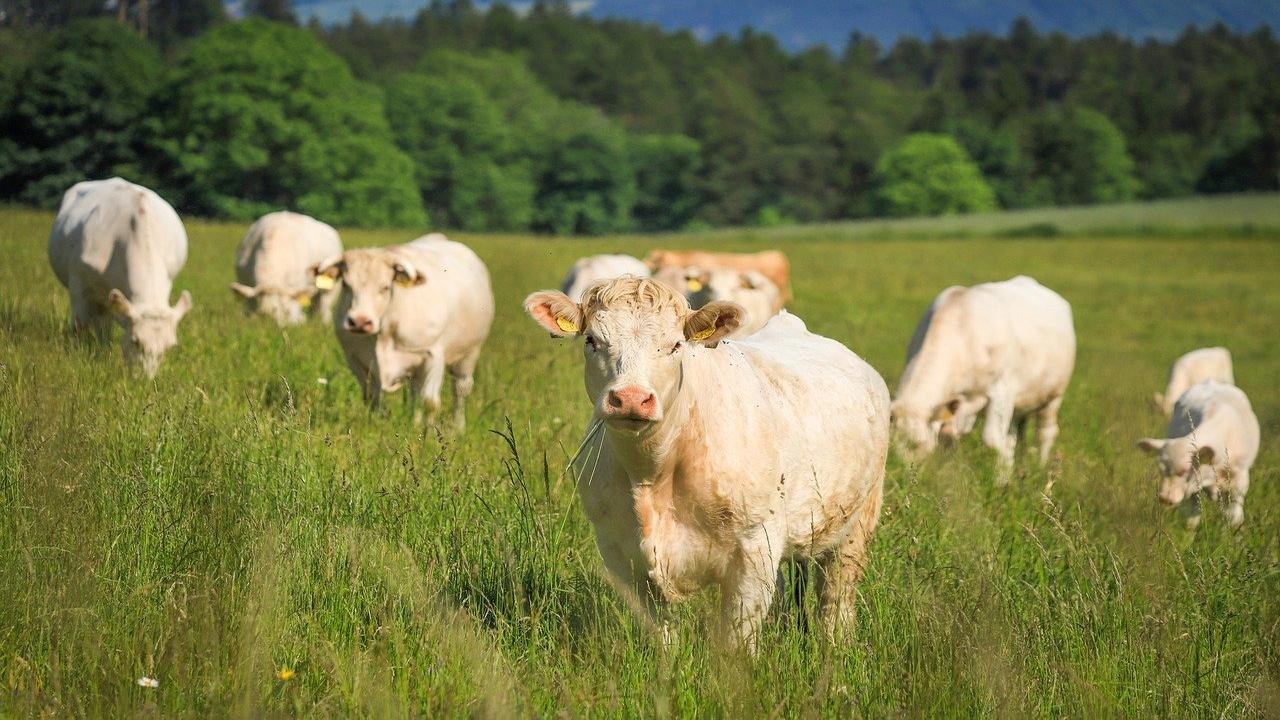
You know how I always talk about knowing where your food comes from? Well, here’s something that might surprise you about American beef – we use growth hormones in our cattle that most other countries have banned outright. The European Union, Canada, and many other nations prohibit beef from hormone-treated cattle because of health concerns. When I learned this, it completely changed how I shop for meat and why I always seek out grass-fed, hormone-free options for my family.
These synthetic hormones help cattle grow faster and produce more meat, but they stay in the animal’s system and end up on your dinner plate. Countries like those in the EU worry about potential links to cancer and early puberty in children. That’s why I make the extra effort to buy from local farms or look for certified organic beef – it costs more, but knowing my family isn’t consuming these additives gives me peace of mind. Plus, grass-fed beef has such a richer, more complex flavor that really shines in simple preparations like my favorite herb-crusted steaks or slow-braised short ribs.
BHA and BHT Preservatives
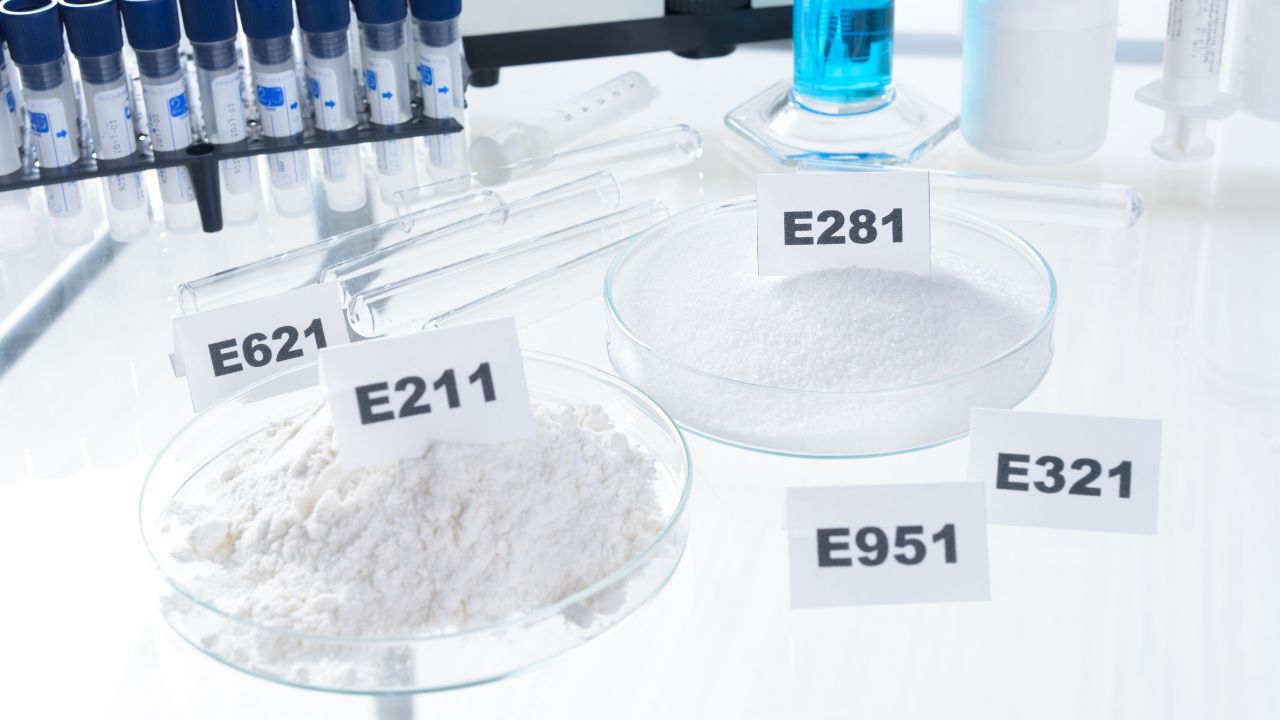
You know those cereals and snack foods that seem to stay fresh forever in your pantry? Many of them contain BHA (butylated hydroxyanisole) and BHT (butylated hydroxytoluene), synthetic preservatives that keep oils from going rancid. While the FDA allows these additives in the United States, countries across Europe, Japan, and Australia have banned or severely restricted their use due to potential health concerns. These preservatives show up in everything from breakfast cereals and crackers to chewing gum and potato chips.
As someone who believes in cooking from scratch, I find this difference fascinating yet concerning. When I create recipes, I focus on using whole ingredients that naturally preserve themselves through proper storage and preparation techniques. Think about how our grandmothers kept foods fresh without these synthetic additives – they used salt, vinegar, proper canning methods, and simple refrigeration. If you’re traveling abroad and wondering why that familiar cereal brand tastes slightly different, it’s often because manufacturers reformulate their products without BHA and BHT for international markets. This makes me appreciate even more the beauty of making granola, crackers, and snacks at home where you control every single ingredient.
Artificial Food Dyes
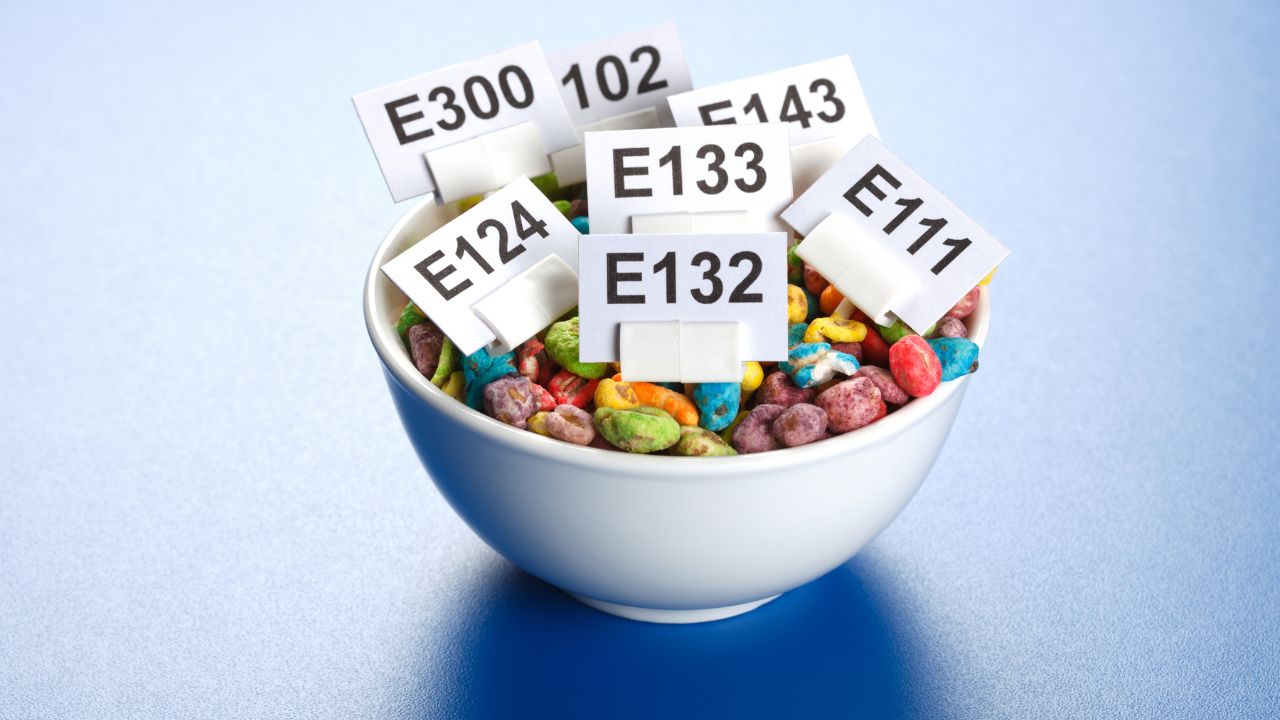
You know that vibrant blue frosting on store-bought cupcakes or those neon-colored cereals that turn your milk bright pink? Those eye-catching colors come from artificial food dyes that are surprisingly banned or heavily restricted across much of Europe and other countries. Red Dye 40, Yellow 5, and Blue 1 might sound harmless, but many nations have said “no thanks” to these synthetic colorings after studies linked them to hyperactivity in children and other health concerns.
As someone who creates recipes from scratch, I’ve discovered that nature provides the most gorgeous colors you could imagine! Think turmeric for golden yellows, beet juice for deep pinks and reds, or spirulina for those Instagram-worthy greens. These natural alternatives don’t just color your food – they add nutrients and subtle flavors that complement your dishes beautifully. While you’re stocking up on these artificial dyes at your local grocery store, home cooks in France are reaching for saffron, paprika, and other wholesome ingredients that have been coloring food safely for centuries.
Olestra/Olean Fat Substitute
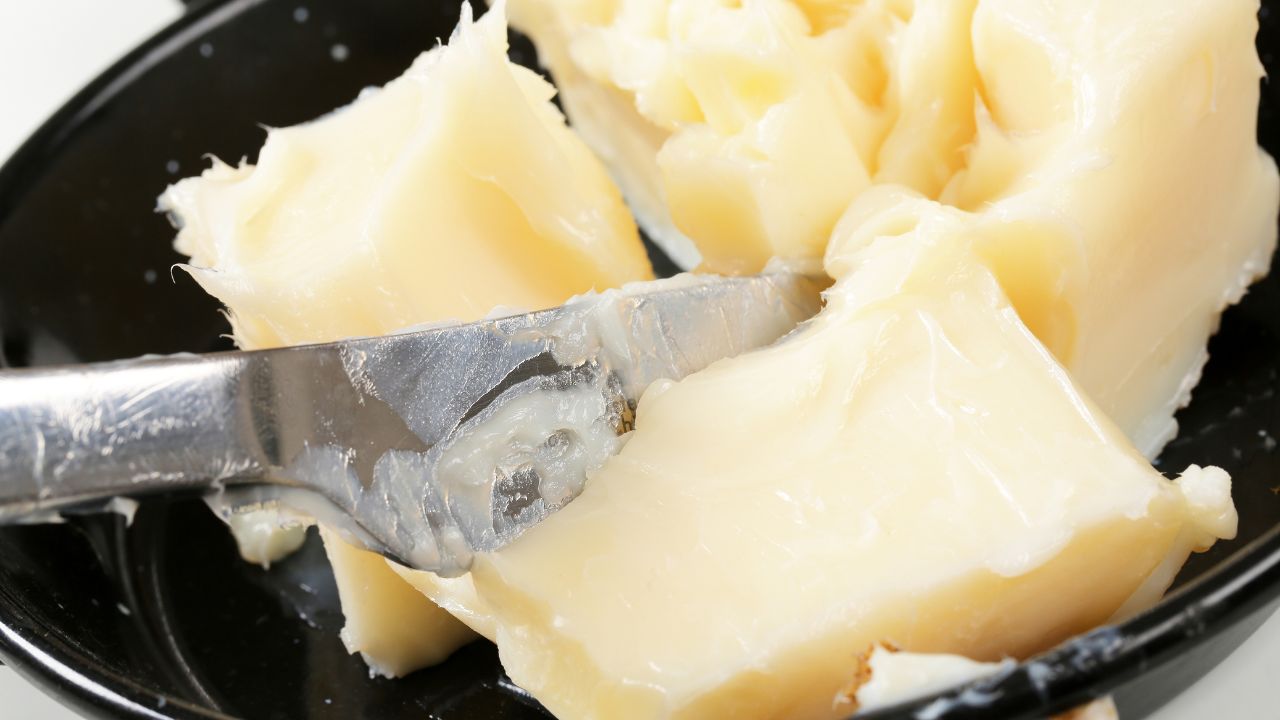
You know how I always talk about reading ingredient labels and keeping things real in the kitchen? Well, here’s a perfect example of why that matters. Olestra, marketed as Olean, is this synthetic fat substitute that caught my attention years ago when I noticed it was banned across Europe, Canada, and most other countries while still sitting pretty on American shelves. This lab-created compound passes through your body without being absorbed, which sounds great in theory – all the taste of fat with zero calories! But here’s where things get messy: it blocks your body from absorbing fat-soluble vitamins A, D, E, and K, the very nutrients we need for healthy skin, strong bones, and proper immune function.
I remember trying some of those “light” potato chips made with Olestra back in the day, and honestly, the digestive issues that followed weren’t worth any calorie savings. The FDA requires warning labels about potential digestive effects, which should tell us something right there. Instead of reaching for products with synthetic substitutes, I’ve learned to work with real fats in smaller amounts – a drizzle of good olive oil, a sprinkle of nuts, or even a small piece of dark chocolate. Your body knows how to process these natural fats, and they actually help you feel satisfied. When you cook from scratch like I do, you control exactly what goes into your food, and trust me, your body will thank you for keeping things authentic and nourishing.
Azodicarbonamide Bread Additive

You know that soft, pillowy texture in your favorite sandwich bread? There’s a good chance it comes from azodicarbonamide, a chemical additive that’s perfectly legal in American bakeries but banned across Europe, Australia, and many other countries. I discovered this during my own bread-making adventures when I wondered why my homemade loaves never quite matched that commercial softness. This additive works as a dough conditioner and bleaching agent, creating that uniform white color and extending shelf life. While the FDA approves its use in small amounts, many countries classify it as a potential respiratory irritant.
What really opened my eyes was learning that this same chemical appears in yoga mats and shoe soles – not exactly what I want in my morning toast! This revelation pushed me deeper into making bread from scratch using simple ingredients: flour, water, yeast, salt, and maybe a touch of honey. The process takes longer, but the flavor and texture you get from properly fermented dough beats any artificially enhanced loaf. Plus, you control exactly what goes into your family’s daily bread, creating something truly nourishing without mystery chemicals.
Genetically Modified Papaya
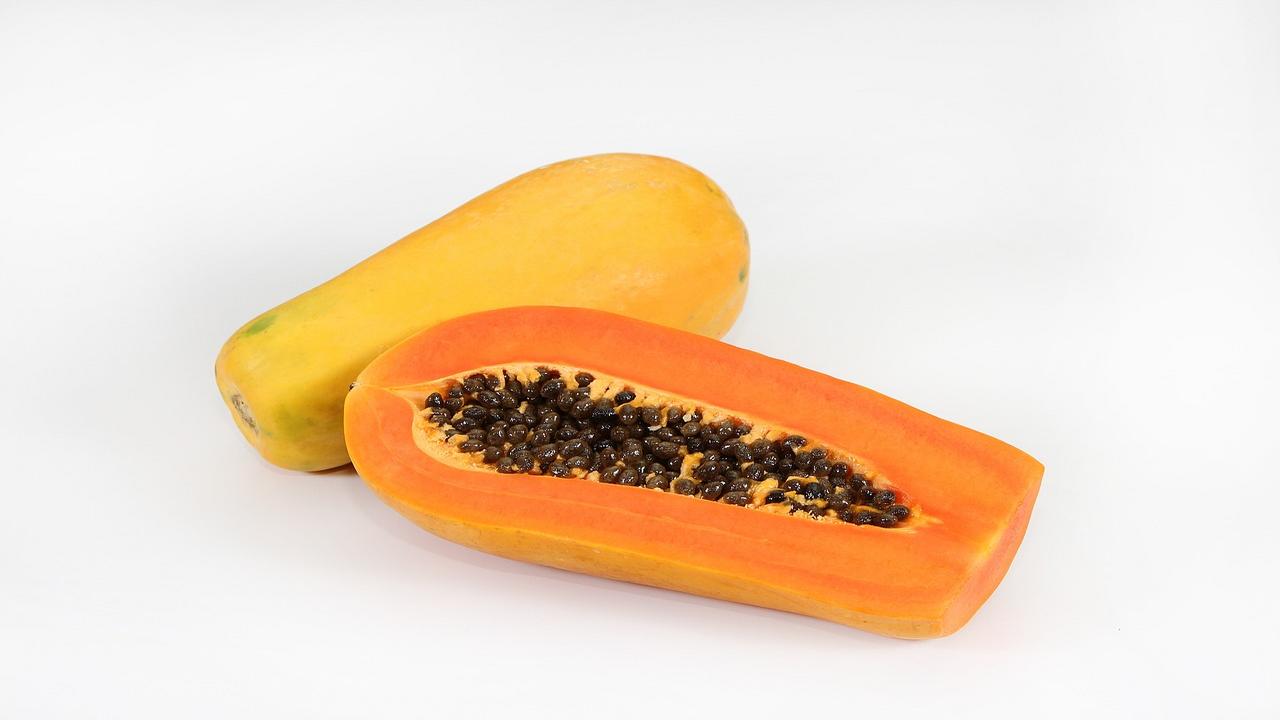
You know what breaks my heart? Walking through international markets and realizing that the sweet, vibrant papayas we take for granted in the U.S. simply don’t exist in most other countries. Our papayas are genetically modified to resist the ringspot virus that devastated Hawaiian crops in the 1990s, and while this innovation saved the industry, it also created a fruit that many nations refuse to import. I remember biting into a fresh papaya from my local grocery store, that perfect balance of tropical sweetness and creamy texture, only to discover later that this same variety would be banned across much of Europe and Asia.
What fascinates me about this situation is how it highlights the complex relationship between food science and global eating habits. These GM papayas aren’t just scientifically modified—they’re actually more consistent in flavor and availability than their traditional counterparts. I’ve learned to appreciate them in my morning smoothie bowls and fresh salsas, knowing that friends living abroad miss out on this reliable source of vitamins A and C. While I respect different countries’ approaches to genetic modification, I can’t help but feel grateful for access to this particular fruit that brings such bright, tropical notes to my everyday cooking.
Arsenic Laced Chicken
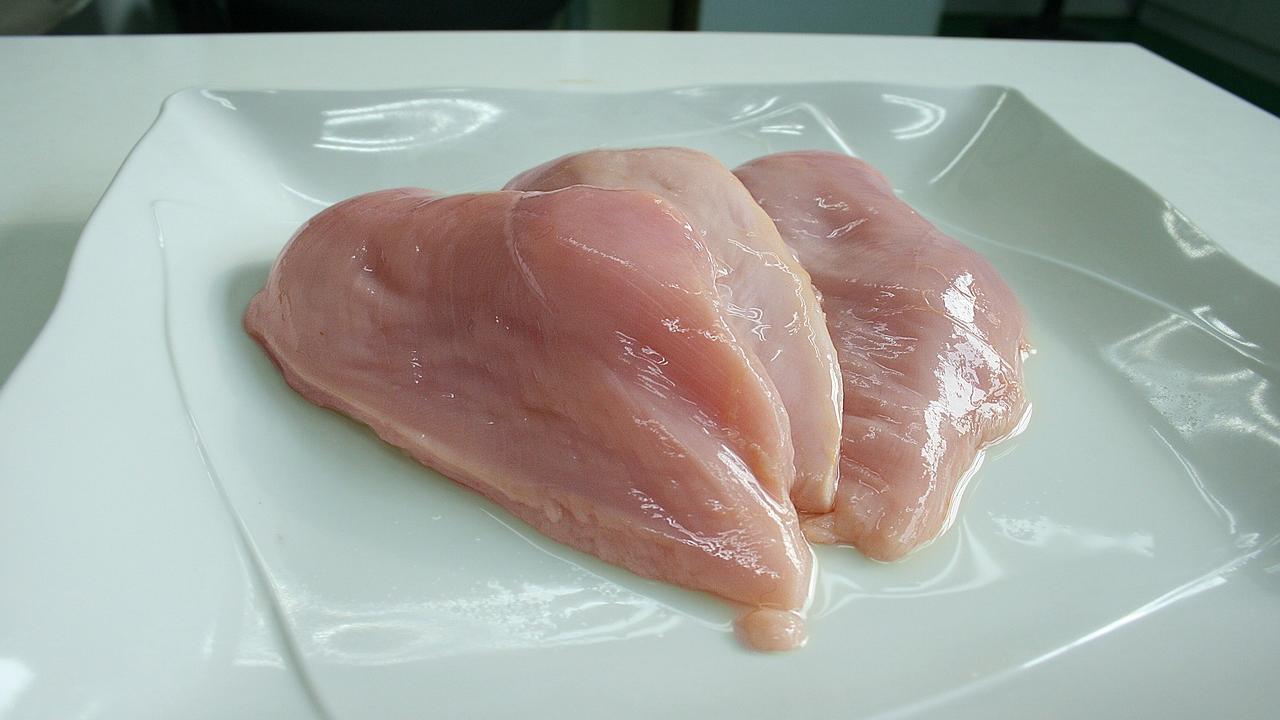
You know, when I first learned about this, I had to put down my fork and really think about what we’re feeding ourselves. In the United States, many commercial chicken producers add arsenic-based compounds to poultry feed to promote faster growth and give the meat that appealing pink color we see at the grocery store. While these additives get banned in countries across Europe, Australia, and much of Asia, they remain legal here. The irony hits me hard – we spend so much time worrying about getting enough protein, yet we’re potentially compromising our health with the very source we trust most.
This reality pushed me deeper into seeking out local, pasture-raised birds from farmers I can actually meet and talk to. Yes, these chickens cost more, but knowing exactly what my family consumes gives me peace of mind that no price tag can match. I’ve learned to stretch these premium birds further by using every part – making rich bone broth from the carcass, turning leftover meat into hearty soups, and even rendering the fat for cooking. When you cook with intention and respect for your ingredients, you naturally create more meaningful meals that nourish both body and soul, without questionable additives.
RBGH and RBST Milk
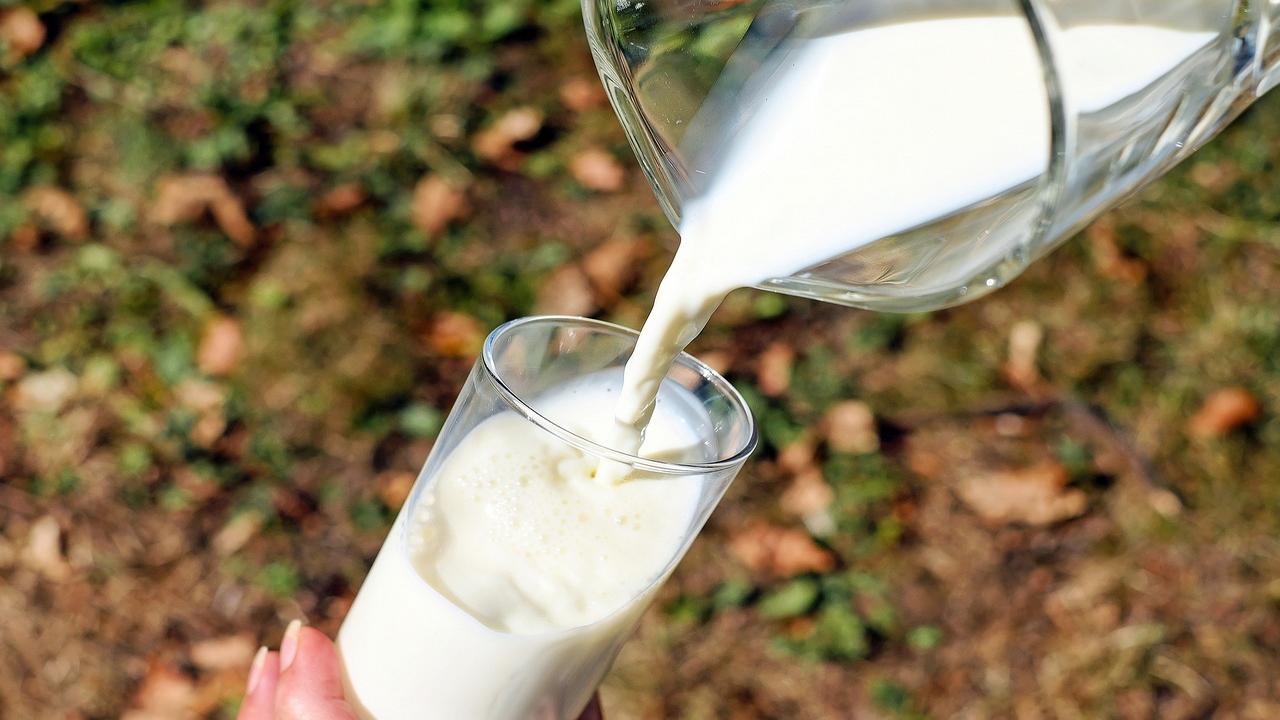
You know how I always talk about reading labels and knowing what goes into our food? Well, here’s something that might surprise you: the milk we grab from American grocery stores often contains hormones that most of the world has banned. RBGH (recombinant bovine growth hormone) and RBST (recombinant bovine somatotropin) are synthetic hormones injected into dairy cows to boost milk production. While the FDA approved these hormones in the 1990s, countries across Europe, Canada, Australia, and New Zealand said absolutely not.
I’ve noticed more families in my community seeking out hormone-free options, and honestly, I get it. When I’m creating recipes that call for milk—whether it’s my weekend pancakes or a creamy curry base—I want to know exactly what I’m putting into my family’s bodies. The good news is that you can find rBGH-free milk in most American stores now, though you’ll pay a bit more. Look for labels that specifically say “rBGH-free” or “rBST-free.” Many organic dairy brands automatically avoid these hormones, which gives me peace of mind when I’m whisking up a batch of homemade ice cream or building a rich béchamel sauce from scratch.
Potassium Bromate in Bread
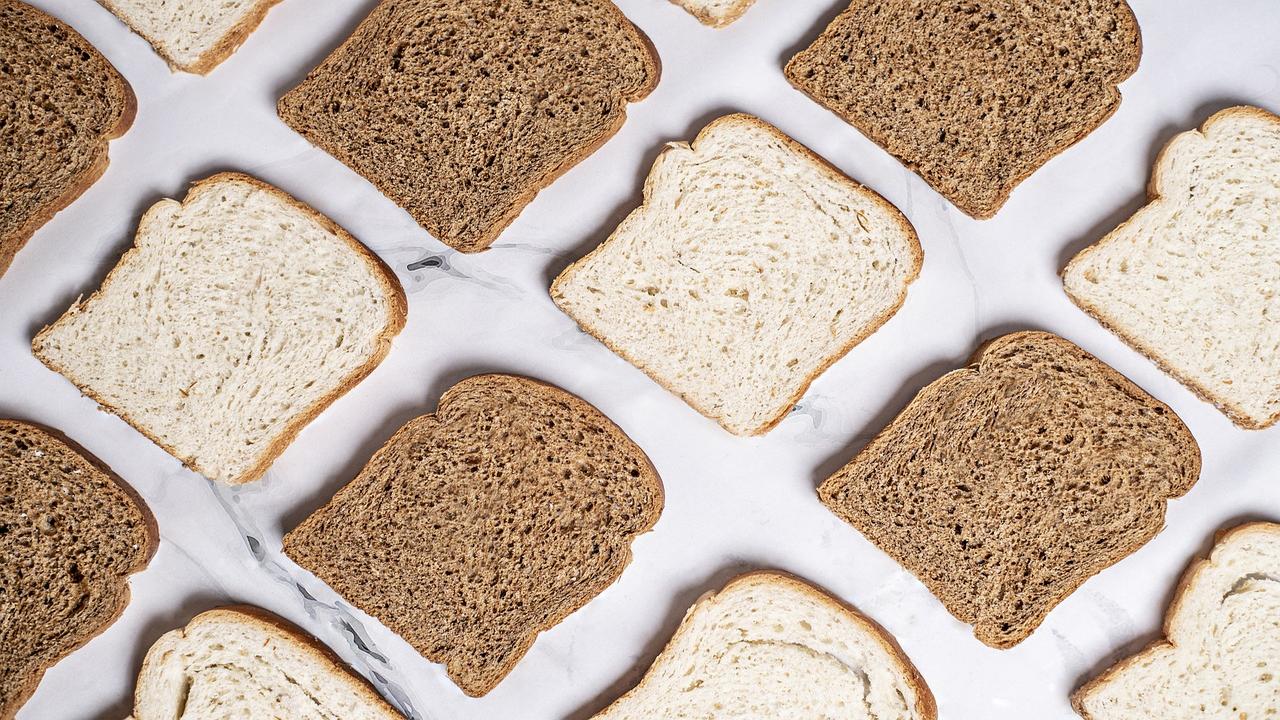
You know that soft, pillowy texture you get in many commercial American breads? There’s a good chance potassium bromate played a role in creating that perfect crumb. This chemical additive works as a dough conditioner, strengthening gluten and giving bakers more control over their final product. I’ve noticed how different homemade bread feels compared to store-bought versions – that’s partly because most home bakers skip these industrial additives entirely. While potassium bromate helps create consistent results in commercial bakeries, it comes with serious health concerns that have caught international attention.
Countries across Europe, Canada, and much of Asia have banned potassium bromate due to studies linking it to cancer risks. Yet here in the United States, you’ll still find it in many mainstream bread brands and baked goods. This creates a stark divide – American travelers often notice bread tastes different abroad, and it’s not just imagination. When I make bread from scratch, I focus on natural fermentation and quality flour to develop flavor and texture. Sure, it takes more time and patience, but you’re getting pure ingredients without questionable chemicals. Your body deserves that extra care, and honestly, the flavor difference is remarkable.
Flame Retardant Drinks (BVO)
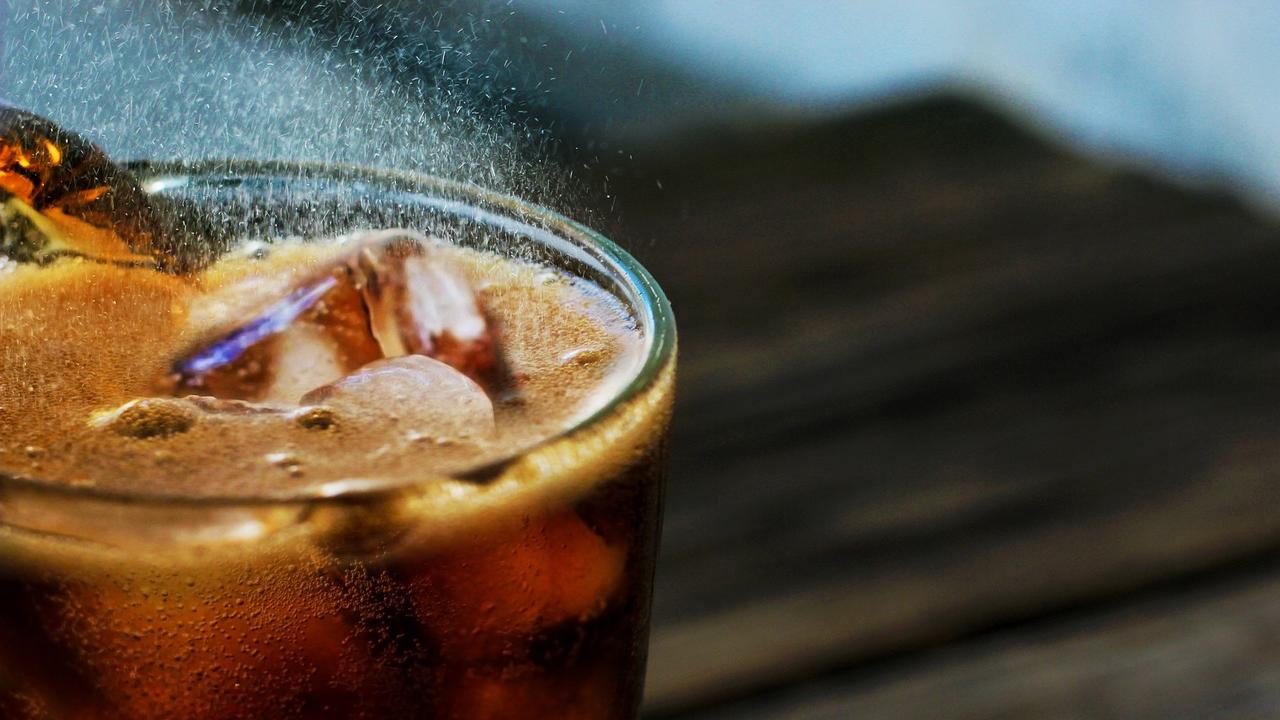
You know how I always tell you to read ingredient labels? Well, here’s a perfect example of why that matters so much. Brominated vegetable oil, or BVO, sits in many citrus-flavored sodas and sports drinks here in America, but you won’t find it anywhere else in the world. This chemical literally prevents flames from spreading – yes, the same stuff they put in furniture and electronics to stop fires. When I discovered this ingredient was in drinks, I couldn’t believe we were consuming something designed for flame prevention.
The European Union, Japan, and over 100 other countries have banned BVO because studies link it to memory loss, skin problems, and nerve issues. Meanwhile, American beverage companies continue adding it to keep citrus oils suspended in their drinks instead of floating to the top. I’ve completely switched to making my own flavored waters at home using fresh citrus peels, herbs like mint or basil, and sparkling water. It takes just five minutes to muddle some orange zest with fresh thyme, add ice and bubbly water, and you get that bright, refreshing taste without any questionable chemicals. Your body deserves better than flame retardant, don’t you think?
Ractopamine Treated Meat
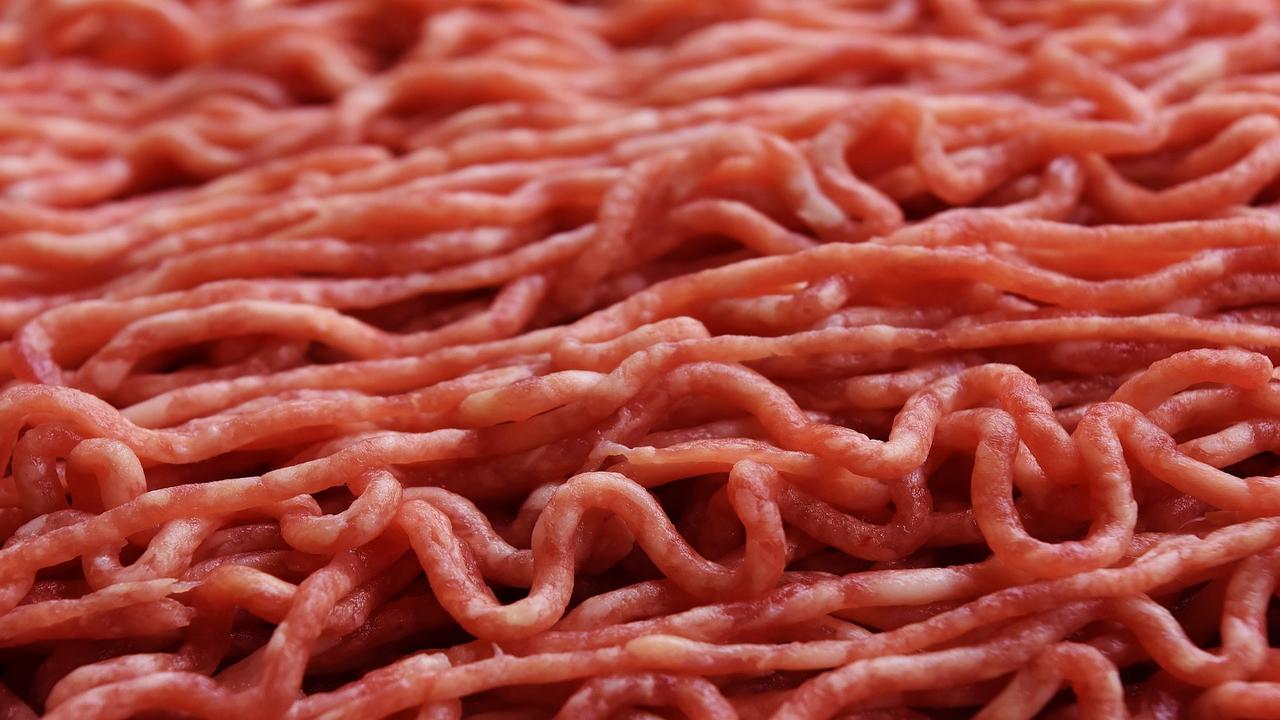
You know how I’m always talking about knowing where your ingredients come from? Well, here’s something that might surprise you about American meat production. Ractopamine is a growth-promoting drug widely used in U.S. livestock farming to increase lean muscle mass in pigs and cattle. While the FDA approved its use here, most countries around the world have banned it completely. The European Union, China, Russia, and over 160 other nations prohibit meat from animals treated with ractopamine due to safety concerns.
This creates a real barrier for American meat exports and highlights why I’m so passionate about sourcing local, grass-fed options when possible. When you’re cooking at home, you can choose meat from farms that don’t use these additives – look for labels that specifically say “no growth hormones” or “pasture-raised.” I’ve found that meat from animals raised without these supplements often has better flavor and texture anyway. It’s one more reason to build relationships with local farmers or seek out quality butchers who can tell you exactly how their animals were raised.
Farm Raised Salmon
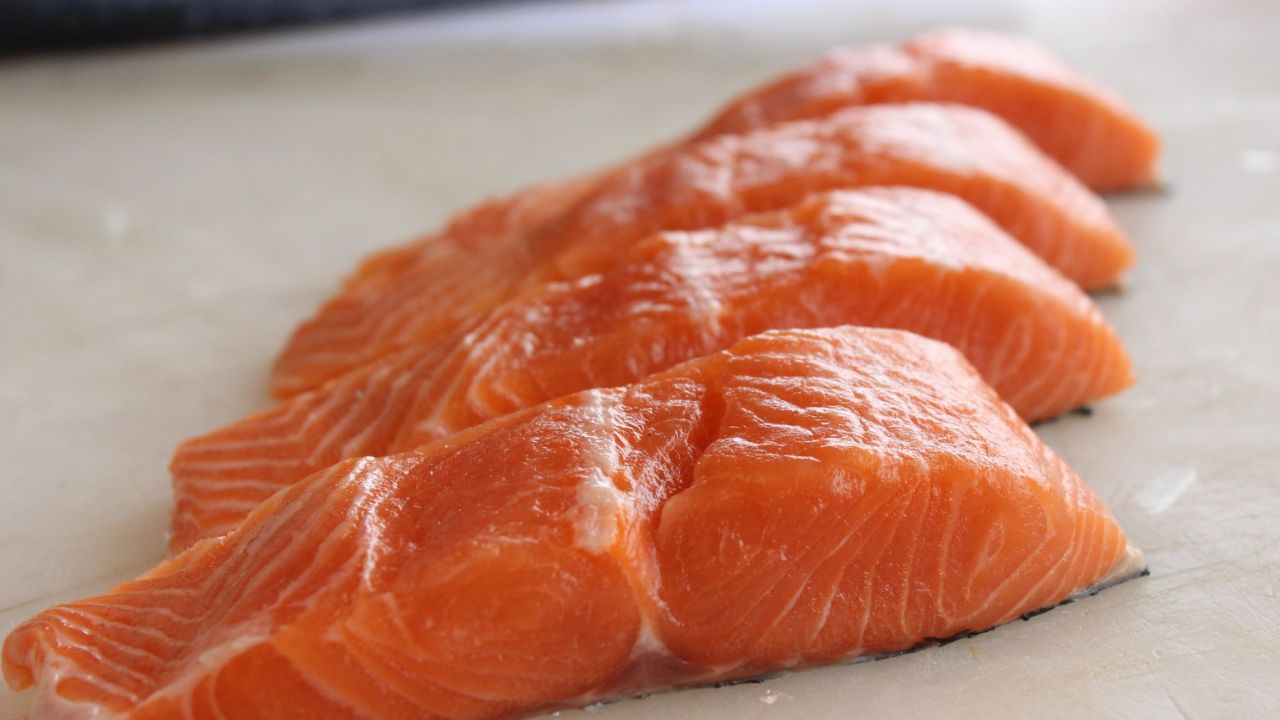
You know that beautiful pink salmon we see in every American grocery store? Most of it comes from fish farms, and here’s something that might surprise you – many countries have banned or heavily restricted farm-raised salmon imports due to concerns about antibiotics, artificial coloring, and farming practices. I’ve learned this firsthand when friends abroad tell me they can’t find that same vibrant, affordable salmon we take for granted. Countries like Australia and several European nations have strict regulations that keep much of our farm-raised varieties off their shelves.
What really opened my eyes was discovering how different wild-caught salmon tastes compared to its farm-raised cousin. When I cook with wild salmon, the flavor is more complex and the texture firmer – it’s like comparing a garden tomato to a hothouse one. The color difference is remarkable too; wild salmon gets its natural pink hue from eating krill and algae, while farmed salmon often receives synthetic astaxanthin to achieve that appetizing color. If you’re cooking abroad and wondering why your salmon dish tastes different, this could be why – you’re probably working with wild-caught fish that offers a completely different cooking experience and nutritional profile.