10 Game-Changing Food Innovations That Transformed How We Cook, Shop, and Eat
Food innovation has shaped how we prepare meals in ways that still amaze me. From preserving seasonal harvests to creating restaurant-quality dishes at home, these breakthroughs changed everything about our relationship with cooking and eating.
I’ve watched technology transform my own kitchen over the years. What started as simple preservation methods evolved into sophisticated tools that help home cooks like us create incredible meals with less effort and more precision than ever before.
These ten innovations represent turning points that revolutionized not just professional kitchens but our everyday cooking experiences. Each one opened new possibilities, making techniques accessible that once required years of training or industrial equipment to master.
Lab-Grown Meat
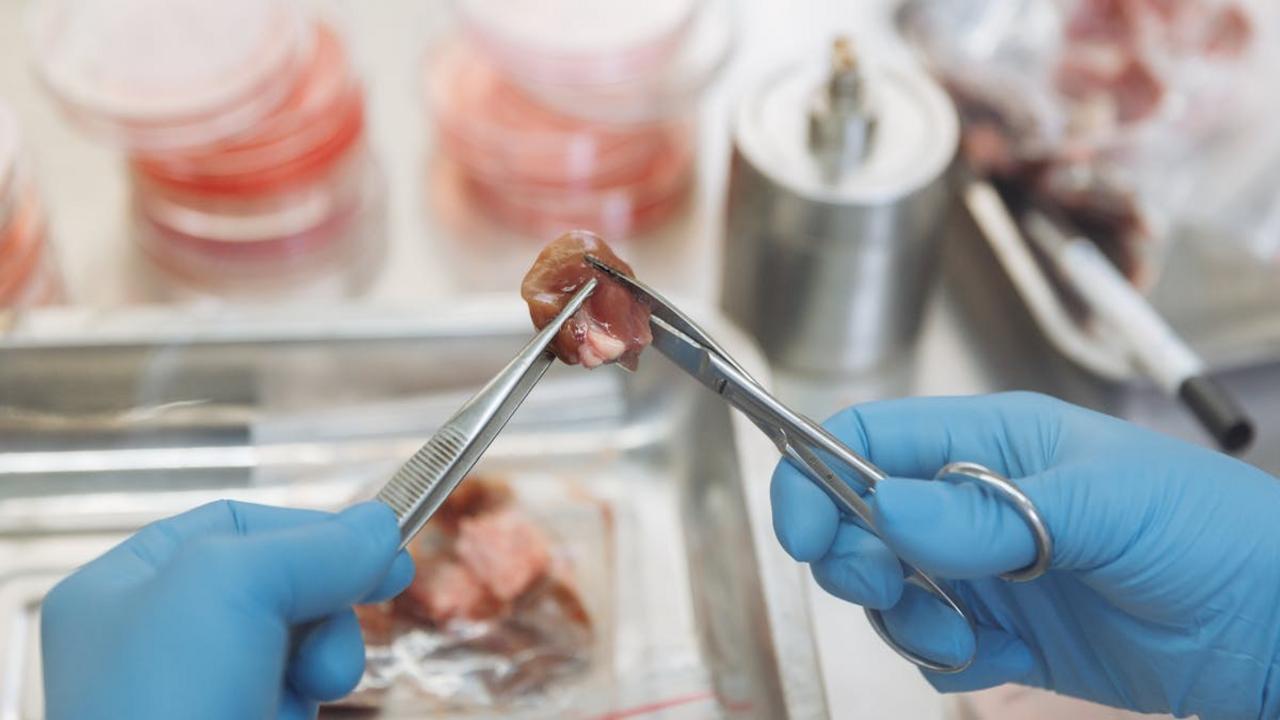
I remember the first time I heard about lab-grown meat – my initial reaction was pure skepticism. How could something grown in a laboratory possibly compete with the rich, complex flavors I get from my local butcher’s grass-fed beef? But after diving deeper into the science and actually tasting some samples, I realized this innovation represents something bigger than just another food trend. Companies are now creating real meat from animal cells without requiring the animal to be slaughtered, and the taste profiles are getting remarkably close to traditional meat. What excites me most is how this technology could revolutionize our relationship with protein while maintaining the cooking techniques and flavor development I love so much.
From a home cook’s perspective, lab-grown meat opens up incredible possibilities for creating nourishing meals without compromising on taste or nutrition. You can still achieve that perfect sear on a steak or slow-braise short ribs for hours – the cooking methods remain unchanged. What changes is the story behind your ingredients. I’ve started experimenting with cultivated chicken in my Thai green curry and Mediterranean herb-crusted preparations, and honestly, my family couldn’t tell the difference. The texture holds up beautifully during cooking, and it absorbs marinades and spices just like conventional meat. This innovation gives us the freedom to create those soul-satisfying, protein-rich dishes we crave while potentially reducing our environmental footprint – something that resonates deeply with my philosophy of mindful cooking.
3D Food Printing
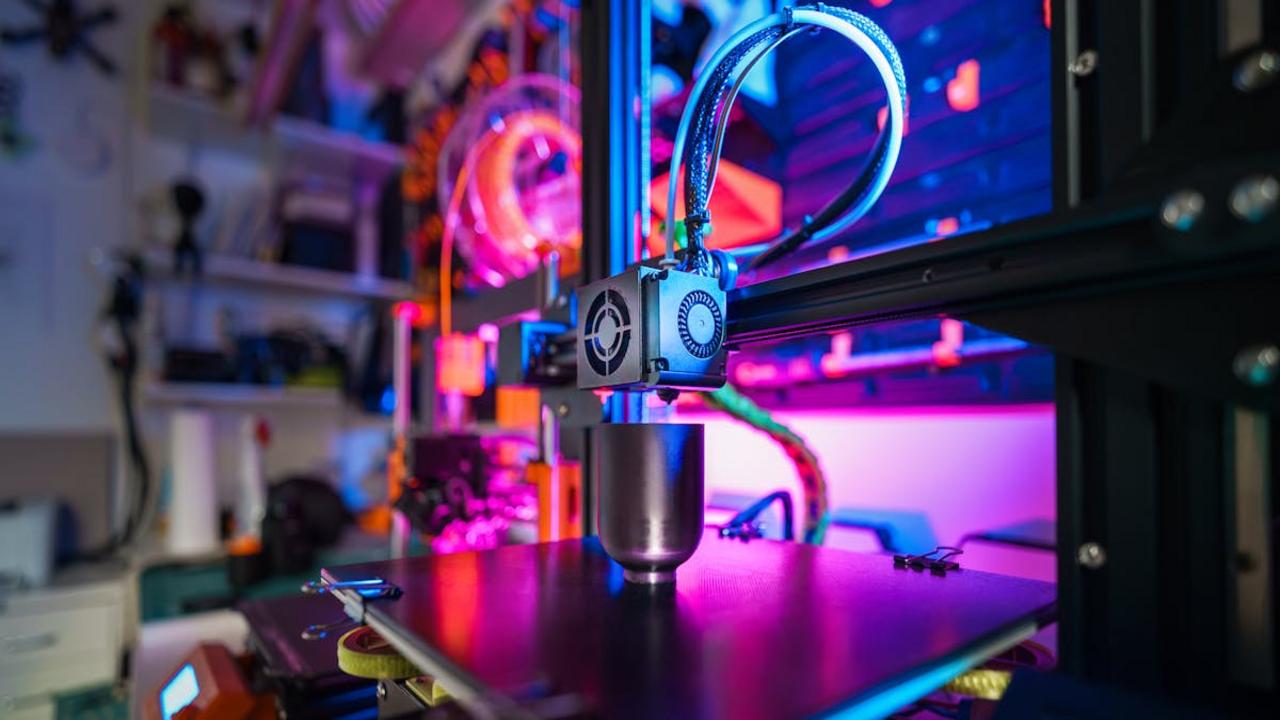
Picture walking into your kitchen and watching a machine build your dinner layer by layer, creating intricate pasta shapes that would take hours to craft by hand, or printing perfectly portioned protein bars customized to your exact nutritional needs. That’s the magic of 3D food printing, and honestly, it blows my mind every time I see it in action. This technology takes ingredients like pureed vegetables, ground proteins, or even chocolate and transforms them into edible sculptures with precision that makes my knife skills look amateur. What excites me most is how this opens doors for home cooks who want to experiment with textures and presentations that were once impossible to achieve.
From a health perspective, 3D food printing gives you complete control over what goes into every bite. You can create nutrient-dense meals by combining whole food ingredients in ways that maximize both flavor and nutrition. I’ve seen printers create intricate lattice structures that cook more evenly, or design foods with specific textures for people with dietary restrictions or swallowing difficulties. While we’re still in the early stages, I believe this technology will revolutionize how we think about meal preparation, especially for those of us who love experimenting with new ingredients and techniques in our home kitchens.
Sous Vide
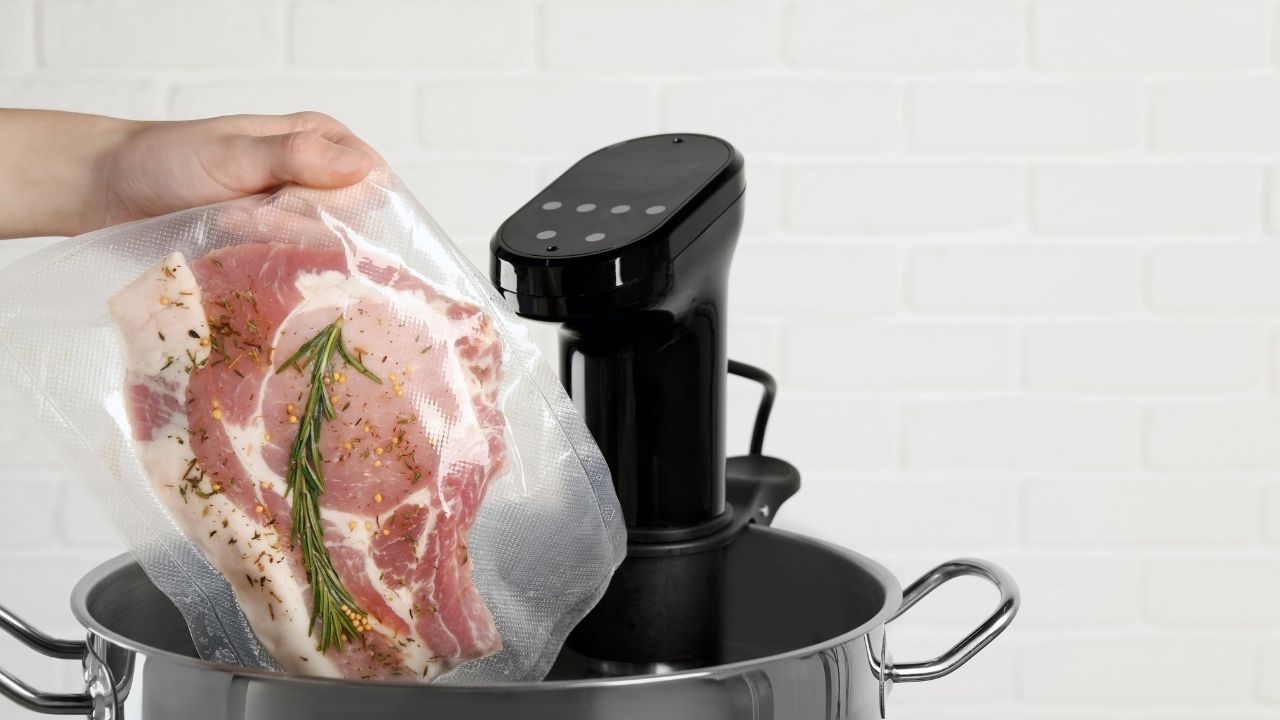
You know that moment when you bite into a perfectly cooked piece of salmon that’s tender throughout, never dry or overcooked? That’s the magic of sous vide cooking. This French technique, which literally means “under vacuum,” involves sealing food in airtight bags and cooking it in precisely controlled water baths at low temperatures for extended periods. What started in professional kitchens has now become accessible to home cooks like us, and honestly, it’s transformed how I approach proteins and vegetables that used to intimidate me.
The beauty of sous vide lies in its precision and consistency – you simply can’t overcook your food because the water temperature never exceeds your target doneness. I love using this method for meal prep, cooking several chicken breasts or portions of fish at once, knowing each piece will be perfectly cooked. You can infuse incredible flavors by adding herbs, spices, or marinades directly in the bag, creating dishes that would normally require years of technique to master. While the equipment investment might seem steep initially, the ability to achieve restaurant-quality results at home while reducing food waste makes it worthwhile for serious home cooks who want to expand their repertoire.
Instant Pot
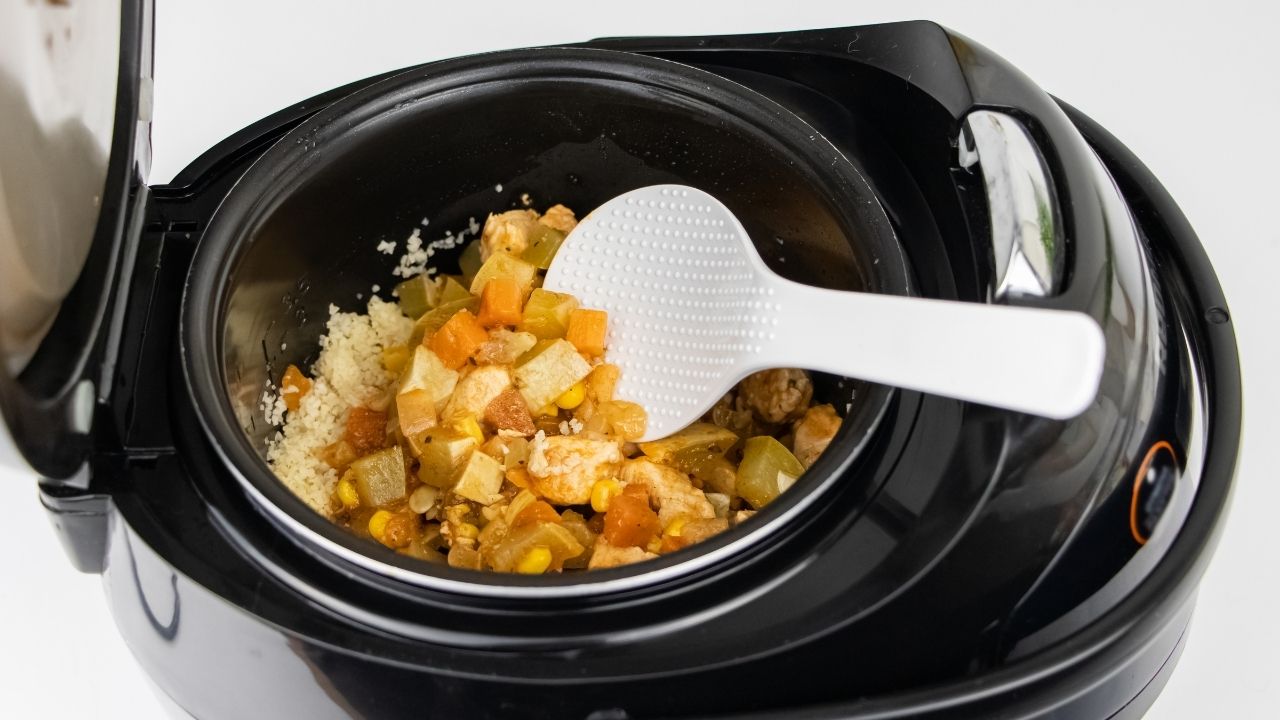
When the Instant Pot first appeared on my counter, I honestly didn’t think this bulky electric pressure cooker would change my entire cooking routine. But after just one week of experimenting with it, I realized this wasn’t just another kitchen gadget – it was my new best friend for creating wholesome, from-scratch meals without spending hours in the kitchen. The beauty of this multi-cooker lies in how it transforms tough cuts of meat into tender, flavorful dishes in minutes, while perfectly steaming vegetables and cooking grains to fluffy perfection. I’ve made everything from Moroccan tagines to Vietnamese pho broth, and the flavors develop so beautifully under pressure.
What I love most about my Instant Pot is how it encourages me to cook with dried beans and lentils instead of reaching for canned versions packed with preservatives. Those chickpeas that normally take two hours of soaking and simmering? Ready in 35 minutes, creamy and perfect for my Mediterranean-inspired salads. The “sauté” function means I can build layers of flavor right in the same pot – browning onions, toasting spices, then adding everything else for a complete meal. It’s become my go-to for batch cooking healthy soups, stews, and grain bowls that feed my family all week long while keeping our meals fresh, nutritious, and completely made from scratch.
Vacuum Sealer
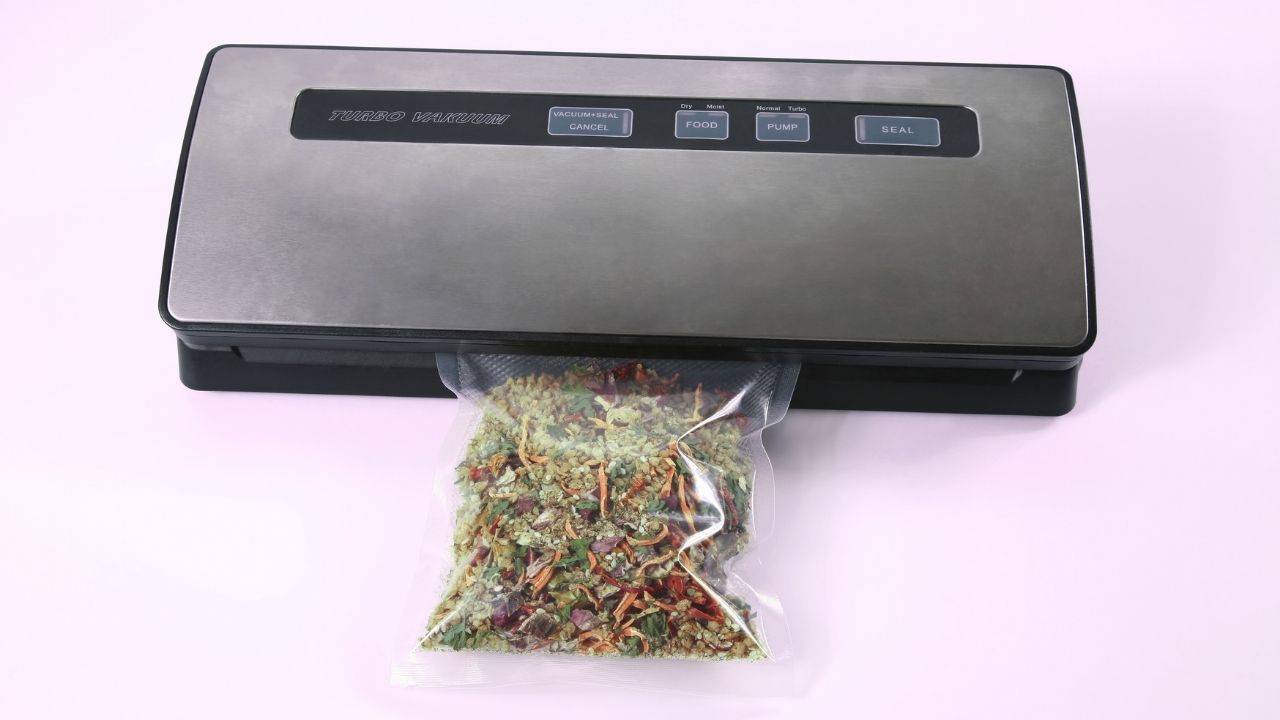
You know what completely changed my approach to meal prep and food storage? Getting my hands on a vacuum sealer. This brilliant device removes all the air from specially designed bags, creating an airtight seal that keeps your ingredients fresh for months instead of days. I remember the first time I vacuum-sealed fresh herbs from my garden – opening that bag weeks later to find vibrant basil that looked like I’d just picked it was pure magic. The science behind it is simple: without oxygen, bacteria can’t multiply, and your food stays nutritious and flavorful far longer than traditional storage methods allow.
Beyond preservation, vacuum sealing opens up incredible cooking possibilities that align perfectly with my whole-food philosophy. I love preparing large batches of homemade curry pastes, marinated proteins, or even pre-portioned smoothie ingredients, then vacuum sealing them for future use. The technique also enables sous vide cooking at home – imagine perfectly tender lamb infused with Mediterranean herbs, or vegetables that retain every bit of their natural color and nutrients. For busy home cooks who want to minimize food waste while maintaining access to fresh, unprocessed ingredients, a vacuum sealer becomes an indispensable kitchen companion that supports both your budget and your commitment to nourishing meals.
Food Processor
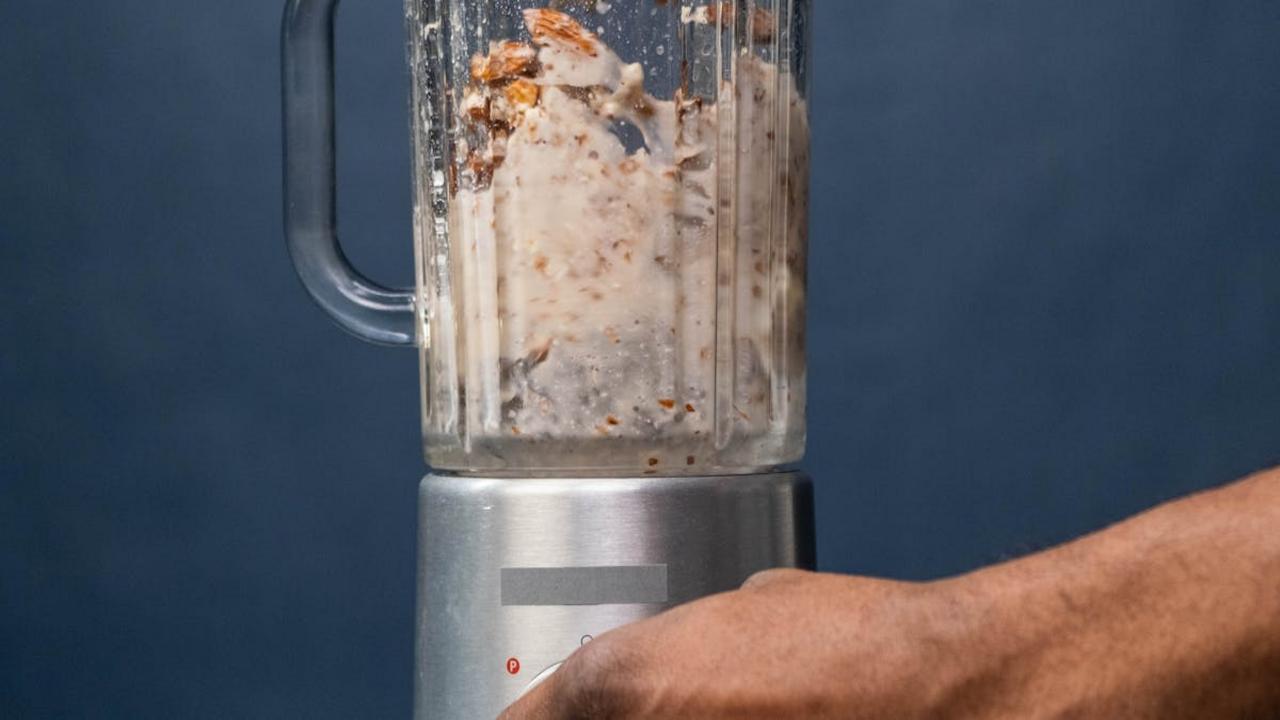
I remember the first time I watched my grandmother laboriously chop vegetables for her famous Moroccan tagine, her weathered hands working rhythmically with a heavy knife for what felt like hours. Fast forward to today, and I can achieve the same perfect dice in seconds with my trusty food processor. This mechanical marvel didn’t just speed up prep work—it completely transformed how I approach cooking from scratch. Suddenly, making fresh pesto became a five-minute affair instead of a tedious mortar-and-pestle marathon, and whipping up homemade hummus turned into an impromptu snack decision rather than a weekend project.
What excites me most about the food processor is how it democratized complex techniques that once required years of knife skills. You can create silky smooth nut butters, perfectly emulsified dressings, and restaurant-quality vegetable purées without breaking a sweat. I’ve used mine to make everything from cauliflower rice for healthier grain bowls to finely chopped herbs that infuse my dishes with incredible freshness. The food processor gave home cooks like us the confidence to experiment with global cuisines, turning intimidating recipes into achievable weeknight dinners. It’s not just about convenience—it’s about opening doors to flavors and techniques that might otherwise feel out of reach.
Microwave Oven
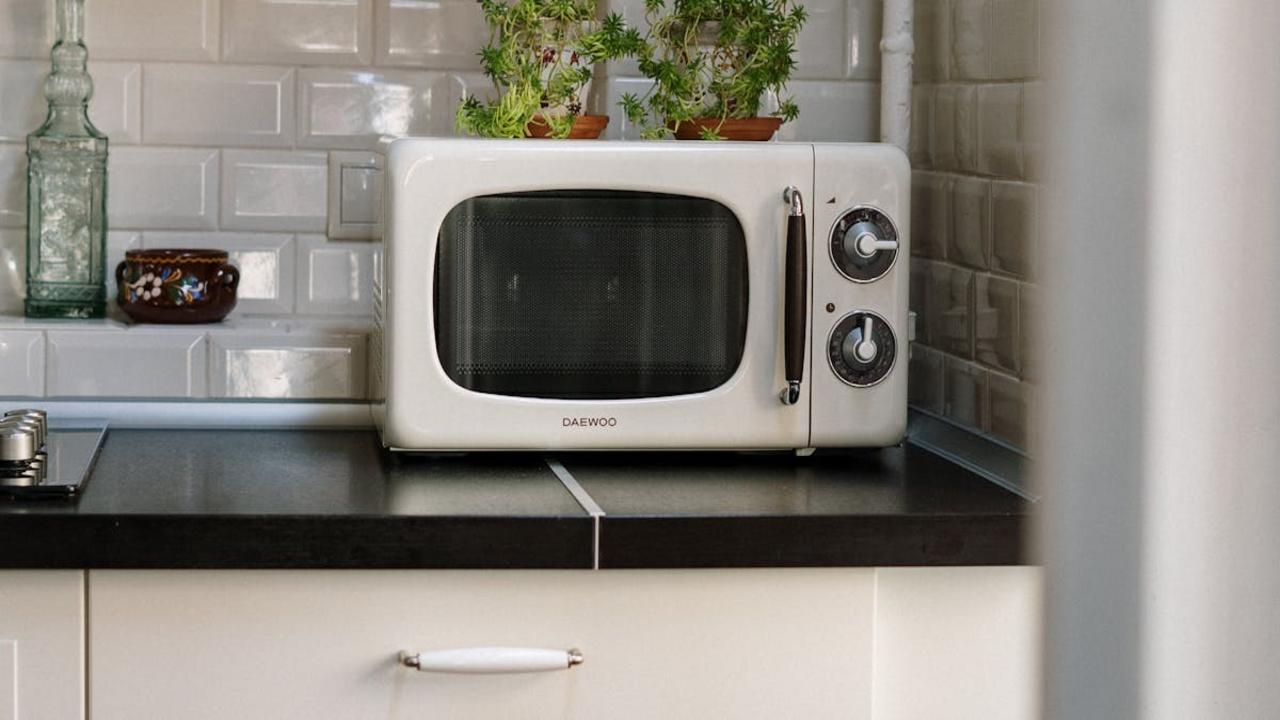
You know that moment when you’re rushing between work calls and suddenly realize dinner needs to happen in fifteen minutes? The microwave swooped in and completely changed how we think about quick cooking. What started as a happy accident in a radar laboratory back in the 1940s became the kitchen appliance that made reheating leftovers an art form and turned frozen vegetables into weeknight heroes. I remember my grandmother being skeptical of this “radiation box,” but even she eventually admitted it was perfect for warming her homemade soup without losing that soul-warming flavor.
The microwave didn’t just speed up our cooking—it shifted our entire relationship with food timing and meal planning. Suddenly, you could steam fresh broccoli in three minutes, reheat yesterday’s curry without it turning into mush, and yes, even make a decent baked potato in a fraction of the oven time. While I still believe in the magic of slow-cooked stews and hand-kneaded bread, the microwave earned its place as the quiet supporter in my kitchen. It’s there for those moments when you need to defrost chicken quickly or warm up that leftover dal that somehow always tastes better the next day.
Pressure Cooker
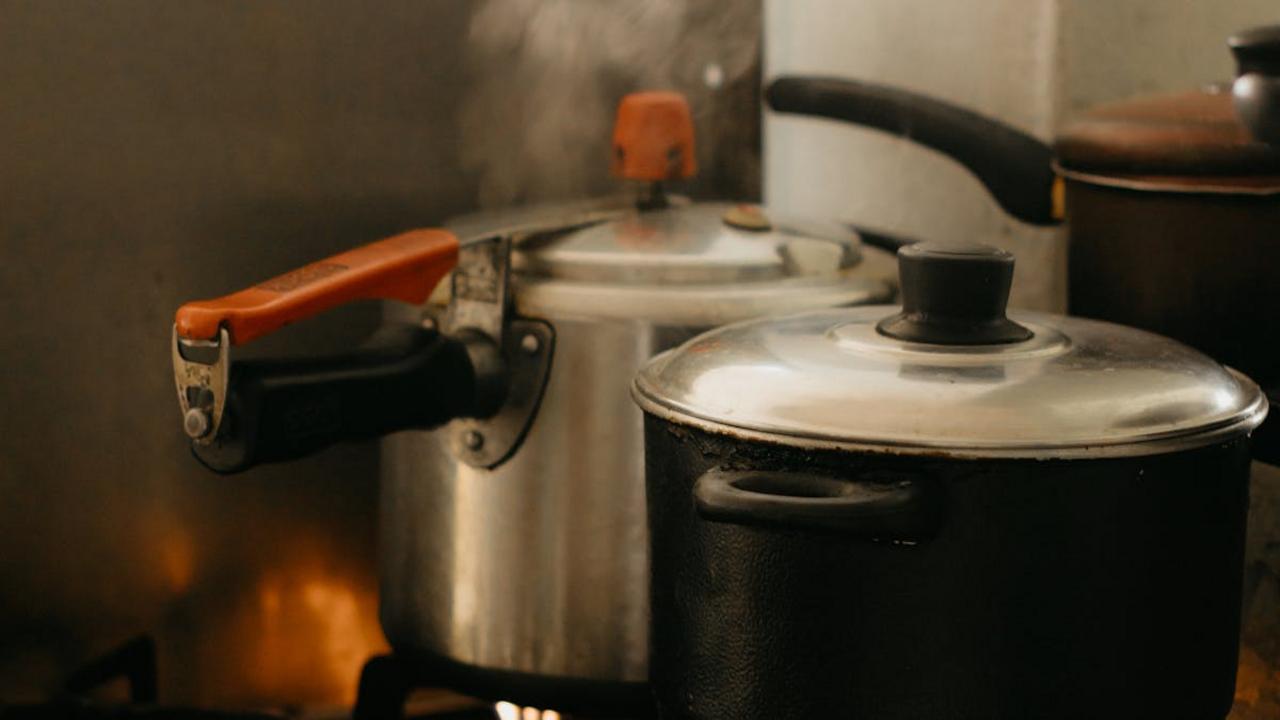
You know that magical moment when you realize you can cook a whole chicken in thirty minutes? That’s exactly what happened the first time I used a pressure cooker properly. This ingenious device transforms tough cuts of meat into tender perfection and turns dried beans into creamy goodness without the overnight soaking ritual. I remember my grandmother’s old stovetop model whistling away on her kitchen counter, filling the house with aromatic steam while she prepared her famous lamb stew. Back then, pressure cooking seemed intimidating with all that steam and those mysterious pressure gauges, but modern electric versions have made this cooking method accessible to everyone.
What I love most about pressure cooking is how it preserves nutrients while intensifying flavors in ways traditional cooking methods simply can’t match. The sealed environment traps steam and creates intense heat that breaks down proteins and starches faster than conventional cooking, which means your vegetables retain more vitamins and your grains develop deeper, more complex tasors. I’ve discovered that pressure cooking works beautifully for global dishes too – from Indian dal that usually simmers for hours to perfectly tender short ribs for Korean galbi. The time savings alone revolutionized how busy families approach home cooking, turning what used to be weekend-only projects into weeknight possibilities. Now I can make bone broth in two hours instead of twenty-four, and my homemade yogurt sets in half the time.
Refrigeration

Picture this: you open your fridge and grab fresh herbs that still smell like sunshine, pull out vegetables that crunch with life, and reach for that homemade broth you simmered three days ago. This simple act would have been pure magic to our great-grandparents! Before refrigeration transformed our kitchens in the early 1900s, families had to shop daily, preserve everything through salting or smoking, and plan meals around what wouldn’t spoil by evening. I think about my grandmother’s stories of rushing to the market each morning, buying only what the family could eat that day, and how preserving food was a constant dance with time.
Today, refrigeration gives us the freedom to cook intuitively and spontaneously—the way I love most. You can buy those gorgeous farmers market vegetables on Saturday and still create a vibrant stir-fry on Wednesday. You can prep components ahead, store that perfect batch of homemade pesto for weeks, and keep your sourdough starter happy and bubbly. This innovation didn’t just change food storage; it revolutionized how we connect with our ingredients. Now we can focus on the joy of cooking rather than racing against spoilage, turning our kitchens into spaces where creativity flows freely and nourishing meals happen on our timeline.
Canning
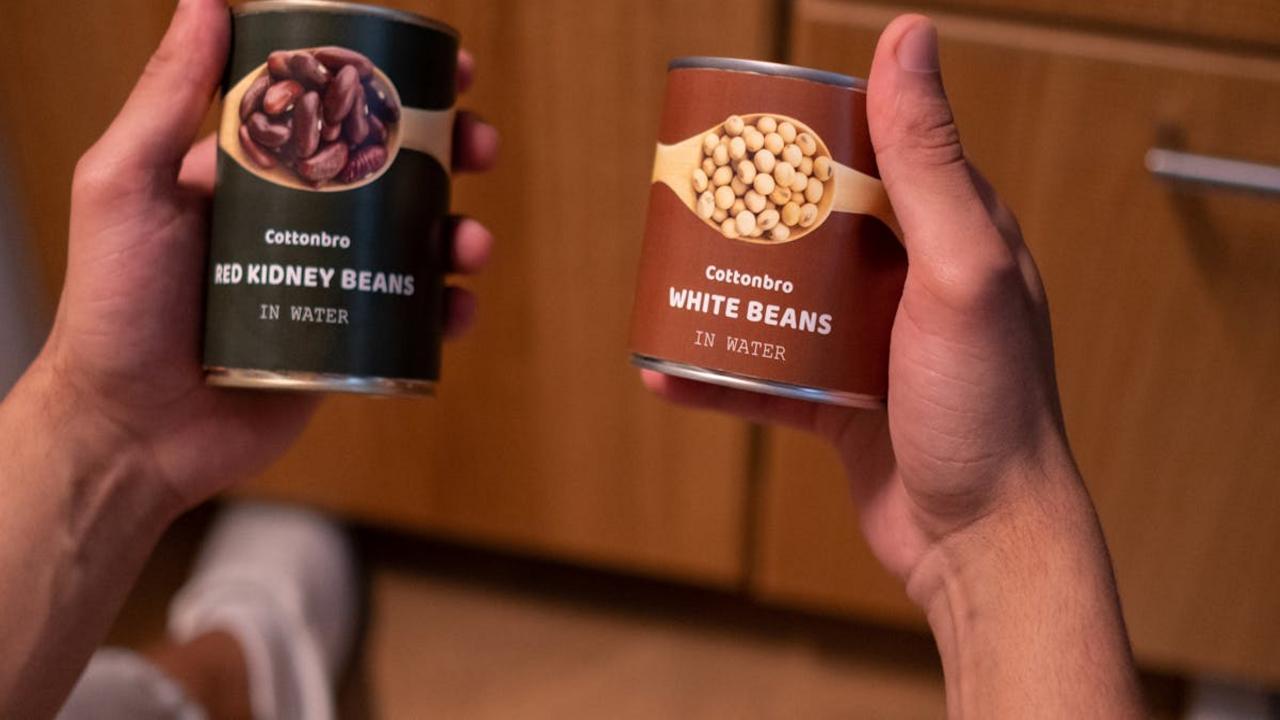
You know that satisfying pop when you open a jar of tomatoes in January? That sound represents one of food preservation’s most revolutionary moments. Canning completely changed how we think about seasonal eating and food security. Before Nicolas Appert figured out this preservation method in the early 1800s, fresh produce vanished with the seasons, and long journeys meant surviving on dried, salted, or pickled foods. Suddenly, you could capture summer’s peak flavors and keep them sealed until winter demanded their brightness.
I love how canning bridges the gap between our ancestors’ wisdom and modern convenience. When I preserve my own tomatoes, peaches, or pickled vegetables, I’m participating in this incredible tradition that feeds families year-round. The process itself feels almost magical – sealing fresh ingredients at their prime, creating shelf-stable nutrition that doesn’t require refrigeration. This innovation didn’t just change individual kitchens; it transformed entire food systems, made global trade possible, and gave us access to diverse flavors regardless of geography or season. Every time you reach for canned beans for a quick weeknight curry or grab jarred marinara for homemade pizza, you’re benefiting from this simple yet brilliant preservation technique.