15 Mild, Simple Foods for Cozy, Comforting Meals
Sometimes your body just needs a break from bold flavors and heavy dishes. These mild, simple foods offer exactly that—gentle nourishment that soothes without overwhelming your system. They’re the kind of ingredients that bring comfort when you’re feeling under the weather or simply craving something easy to digest.
I’ve turned to these foods countless times, whether recovering from illness or just wanting to give my digestive system a rest. They form the foundation of healing meals that don’t sacrifice flavor for simplicity. Each one brings its own quiet strength to the table.
What makes these ingredients special is their versatility. You can enjoy them plain or combine them into gentle, warming dishes that feel like a reset button for your body. They prove that nourishing food doesn’t need to be complicated—sometimes the simplest approach is the most powerful.
Gelatin

Gelatin brings a gentle wobble of comfort to your table when you need something easy on the stomach and soothing for the soul. This protein-rich ingredient dissolves effortlessly in warm water, creating silky textures that glide down without any effort. When you’re feeling under the weather or just want something light, gelatin-based desserts and broths offer nourishment wrapped in simplicity. Mix it with fresh fruit juice for a homemade jelly that tastes infinitely better than store-bought versions, or stir unflavored gelatin into bone broth for extra protein and gut-healing properties that support your digestive system naturally.
The beauty of gelatin lies in its versatility and its ability to transform basic ingredients into something special without complicated techniques. You can create panna cotta with just milk, cream, and a touch of honey, or make refreshing fruit jellies that satisfy your sweet tooth while keeping ingredients minimal and recognizable. For those recovering from illness or dealing with digestive sensitivities, gelatin provides amino acids that support gut lining repair while being incredibly gentle to digest. Keep unflavored gelatin in your pantry alongside the flavored varieties, and you’ll have options for both sweet treats and savory applications that bring comfort exactly when you need it most.
Apple Cider Vinegar (diluted)

I keep a bottle of apple cider vinegar in my kitchen at all times, not just for cooking but for those moments when my stomach needs a gentle reset. When you dilute it properly—about one to two tablespoons in a full glass of warm water—it becomes this surprisingly soothing drink that can help settle digestive discomfort. The acidity might seem counterintuitive when you’re dealing with stomach issues, but in my experience, it actually helps balance things out. I add a small drizzle of honey to mine, which mellows the sharpness and makes it easier to sip slowly. Think of it as a traditional tonic that generations have turned to for good reason.
The key here is dilution—never drink apple cider vinegar straight, as the concentrated acid can be harsh on your throat and tooth enamel. I find it works best about fifteen to twenty minutes before a light meal, almost like preparing your digestive system for what’s coming. Some people prefer it cold, but I always reach for warm water because it feels more comforting when your stomach is already sensitive. You can even add a small pinch of cinnamon or a slice of fresh ginger to create different flavor profiles while boosting the anti-inflammatory properties. This simple drink has pulled me through countless uncomfortable moments, and I always recommend it to friends who need something mild and effective.
Crackers

Crackers deserve more credit than they usually get. They’re not just a vehicle for cheese or dip—they’re a canvas for simple, satisfying snacks that can anchor a meal when you need something gentle on your stomach. I keep a box in my pantry at all times, reaching for them during those mornings when breakfast feels like too much effort or when dinner needs to be light and easy. Plain crackers, especially the unsalted varieties, have this beautiful neutrality that makes them perfect for pairing with almost anything. Spread a thin layer of almond butter, top with sliced banana, and you’ve got breakfast. Add a smear of hummus and some cucumber slices, and lunch is sorted. They’re reliable, uncomplicated, and always there when you need them.
What I appreciate most about crackers is their versatility in building plates that feel complete without being heavy. When I’m creating a light dinner, I’ll arrange crackers alongside soft scrambled eggs, avocado slices, and cherry tomatoes for something that requires zero cooking but still feels intentional and nourishing. They work beautifully with soups too—crumble a few into a warm bowl of chicken broth or tomato soup for added texture without overwhelming your system. The key is choosing crackers made with whole grains and minimal ingredients, avoiding those loaded with artificial flavors and preservatives. Read the labels and pick options that list simple components you recognize. These unassuming squares become your best friend during those times when you need food that’s gentle, accessible, and comforting without any fuss.
Herbal Tea

When your stomach feels unsettled or you need something soothing without any heaviness, herbal tea becomes your gentle companion. I keep several varieties in my pantry—chamomile for its calming properties, ginger for digestive support, and peppermint for when things feel uncomfortable. These aren’t just beverages; they’re liquid comfort that warms you from the inside out without adding any stress to your system. The beauty of herbal tea lies in its simplicity—hot water and dried herbs creating a drink that feels medicinal yet comforting. I brew mine a bit stronger than most people, letting the herbs steep for at least ten minutes to extract all their beneficial compounds. Sometimes I add a touch of honey once it cools slightly, but often the pure herbal flavor is exactly what my body craves.
Making herbal tea part of your routine during times when you need gentler foods can significantly improve how you feel throughout the day. I start my mornings with ginger tea when my stomach needs extra care, sipping it slowly while my body wakes up. In the evening, chamomile helps me wind down without the heaviness of a snack. The ritual of preparing tea—heating the water, selecting your herbs, watching the color bloom in your cup—brings its own kind of peace. Fresh herbs work beautifully too; I often add mint leaves from my garden or slice fresh ginger root for a more potent brew. Keep your favorite herbal teas accessible, and you’ll find yourself reaching for them naturally when you need something nurturing and uncomplicated.
Carrots
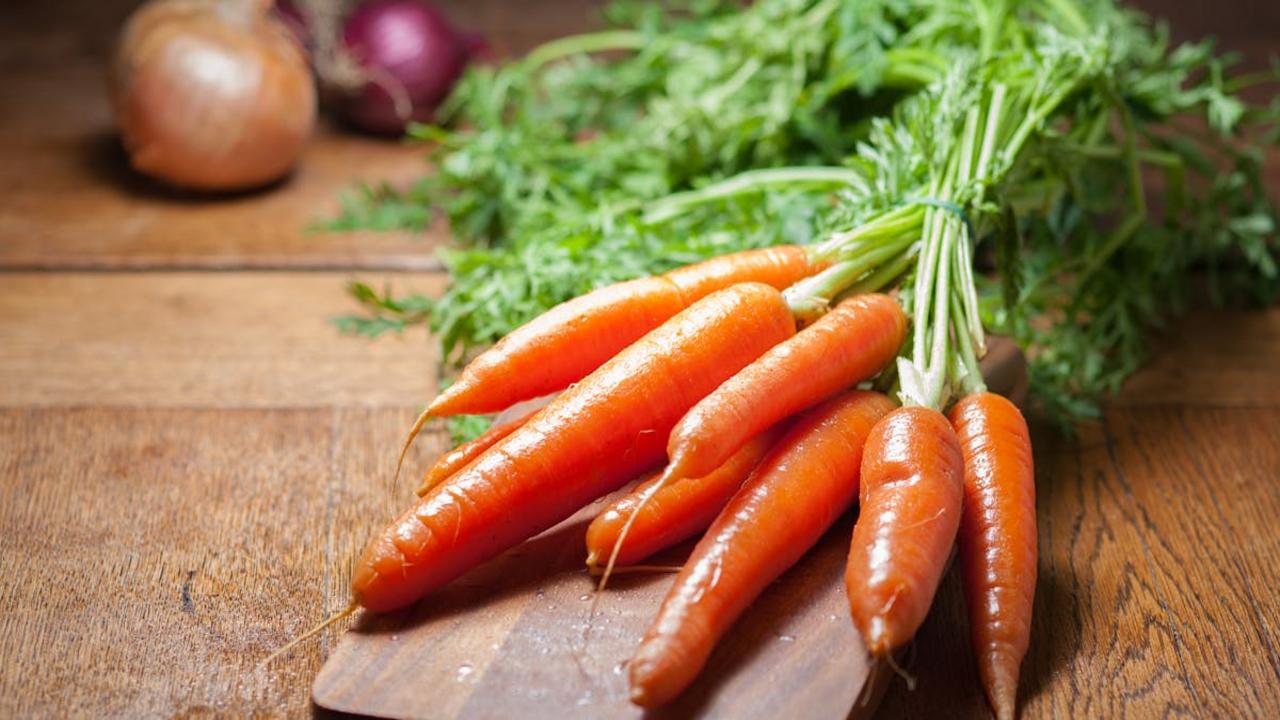
Carrots bring such a natural sweetness and soft texture to any meal, especially when you need something gentle on the stomach. I always keep them stocked because they’re incredibly versatile—you can steam them until tender, roast them with just a drizzle of olive oil, or simmer them into a velvety soup. The beta-carotene in carrots converts to vitamin A in your body, supporting your immune system and vision, which makes them both comforting and nourishing. When I’m feeling under the weather or just want something simple, I’ll peel and slice carrots into coins, steam them for about ten minutes, and finish with a tiny pat of butter and a pinch of salt. That’s it. Pure, uncomplicated goodness.
What I love most about carrots is how they transform with different cooking methods while staying mild and approachable. Boiled carrots become soft and almost creamy, perfect for mashing or pureeing into baby food or recovery meals. Roasted carrots develop a deeper, caramelized sweetness that somehow remains gentle and soothing. You can also grate raw carrots into salads for a fresh crunch that still feels light and digestible. I often make a simple carrot ginger soup by sautéing diced carrots with fresh ginger, adding vegetable broth, and blending everything smooth—it’s warming without being heavy, and the natural sugars in the carrots balance the spice from the ginger perfectly. This humble root vegetable proves that nourishing food doesn’t need to be complicated.
Oatmeal
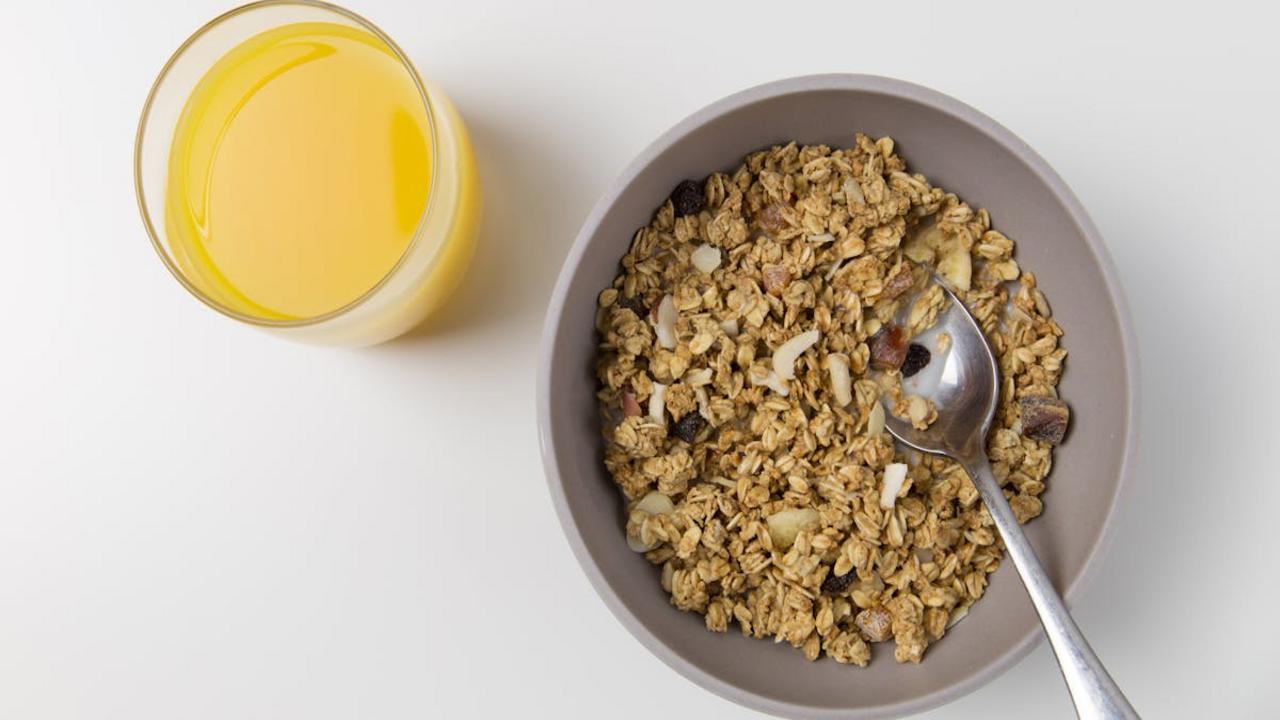
Oatmeal stands as one of the most versatile comfort foods you can keep in your pantry. Start with rolled oats simmered in water or milk until they reach that perfect creamy consistency—not too thick, not too runny. The beauty of oatmeal lies in its blank canvas nature. You can stir in a pinch of cinnamon and a drizzle of honey for sweetness, or go savory with a soft-boiled egg on top and a sprinkle of scallions. I keep both approaches in rotation depending on my morning mood. The slow-cooking process releases the oats’ natural starches, creating a bowl that feels like a warm hug from the inside out.
What makes oatmeal truly special is how it responds to different cooking methods. Cook it low and slow for maximum creaminess, or use the overnight soaking method if you’re pressed for time in the morning. Add-ins transform the basic bowl into something entirely new—mashed banana creates natural sweetness, while a spoonful of nut butter adds richness and staying power. Fresh berries folded in at the end provide bursts of tartness that balance the grain’s mild flavor. This humble dish delivers steady energy without weighing you down, making it perfect for those days when you need nourishment that’s both gentle and satisfying. Keep a jar of good-quality oats on hand, and you’ll always have the foundation for a comforting meal ready to go.
Broth-Based Soups

Broth-based soups are your ultimate answer when you need something gentle on your stomach but satisfying for your soul. Unlike cream-based versions that can feel heavy, these soups provide deep nourishment without weighing you down. Start with a quality stock—chicken, vegetable, or bone broth—and build from there with tender vegetables like carrots, celery, and perhaps some soft noodles or rice. The beauty of broth-based soups is how they deliver warmth and hydration simultaneously, making them perfect for those days when you’re recovering from illness or simply craving something that feels like a hug in a bowl. I love adding fresh herbs like parsley or dill right at the end, bringing brightness without any harsh flavors that might upset a sensitive stomach.
The simplicity of these soups means you’re getting pure, clean nutrition without any unnecessary ingredients. Your body recognizes real food—honest ingredients simmered together until they create something comforting and restorative. Whether you’re making a classic chicken noodle or a simple vegetable broth with soft-cooked grains, these soups prove that minimal ingredients can create maximum comfort. Keep the seasoning gentle with just salt and maybe a squeeze of lemon juice, and you’ll have a meal that provides exactly what you need without any digestive drama. Make a big pot and freeze portions for those inevitable days when cooking feels impossible but you still want something homemade and healing.
Tapioca

Tapioca pearls transform into pudding magic with just milk, a bit of sugar, and gentle heat. I grew up watching my grandmother stir these translucent spheres in her copper pot, and now I make this same dessert when my stomach needs something easy and familiar. The texture sits somewhere between creamy and bouncy—those little pearls give you something to chew without demanding much from your digestive system. You can serve it warm straight from the stove or chill it for later, and either way, it becomes this soothing bowl of comfort that requires minimal effort but delivers maximum coziness.
What makes tapioca brilliant for gentle meals is its neutral personality—it takes on whatever flavors you pair with it while staying incredibly easy to digest. I add a splash of vanilla extract and sometimes fold in mashed banana when I want natural sweetness without refined sugar. The starch from cassava root gives tapioca this silky quality that coats your mouth without feeling heavy, making it perfect for those days when you need nourishment but your appetite feels shaky. Cook it low and slow, stirring occasionally, and you’ll end up with something that feels like a warm hug in a bowl, reminding you that simple ingredients often create the most memorable comfort.
Kefir

Kefir brings a tangy complexity to meals that surprises people who think of it only as a drink. This fermented milk product, thick and creamy with just the right amount of sourness, works beautifully in both sweet and savory dishes. I use it in place of buttermilk for pancakes, blend it into smoothies with banana and honey, or drizzle it over warm oatmeal. The probiotics make it easier on your stomach than regular milk, and that slight fizz adds something special. You can even strain it through cheesecloth to make a spreadable cheese that’s perfect on toast with herbs and a sprinkle of sea salt.
What makes kefir so appealing is how it fits into simple, everyday cooking without any fuss. Mix it with cucumber, garlic, and dill for a cooling side dish that pairs with grilled chicken or roasted vegetables. Stir a spoonful into mashed potatoes for extra creaminess, or use it as the base for salad dressing with lemon juice and olive oil. The fermentation process creates this depth that processed dairy products just can’t match, and you’re getting beneficial bacteria that support digestion. Keep a bottle in your fridge, and you’ll find yourself reaching for it more often than you’d expect—it’s one of those ingredients that makes everything taste a little more interesting.
Mashed Potatoes

There’s something deeply satisfying about a bowl of mashed potatoes—simple, warm, and endlessly comforting. I make mine with just a few ingredients: good potatoes (Yukon Golds are my favorite), butter, a splash of milk or cream, and a generous pinch of salt. The key is boiling your potatoes until they’re fork-tender, then mashing them while they’re still hot. Don’t overwork them though, or you’ll end up with a gluey mess instead of that fluffy, cloud-like texture you’re after. I like to add roasted garlic sometimes, or a spoonful of sour cream for extra tang. The beauty of mashed potatoes is their versatility—they’re a blank canvas that welcomes whatever flavors you want to bring to the table.
What makes mashed potatoes truly special is how they ground a meal. They pair beautifully with roasted vegetables, braised meats, or even just a rich mushroom gravy for a vegetarian dinner. I’ve served them alongside everything from slow-cooked stews to pan-seared fish, and they never disappoint. Making them from scratch means you control exactly what goes in—no preservatives, no mystery ingredients, just real food that nourishes your body. They’re proof that you don’t need fancy techniques or expensive ingredients to create something that feels like a warm hug on a plate.
Skinless Chicken

Skinless chicken breast stands as one of the most versatile proteins in your kitchen—mild enough to absorb any flavor profile you throw at it, yet substantial enough to anchor a satisfying meal. When you’re seeking something gentle on your system, this lean meat delivers without overwhelming your palate. I reach for it constantly because it cooks quickly, pairs beautifully with everything from ginger and garlic to simple herbs, and never fights against the other ingredients on your plate. The key is not overcooking it; you want it tender and juicy, not dry and rubbery. A quick sear or gentle poaching keeps the texture perfect.
For a truly comforting dish, try poaching your chicken in a light broth with aromatics like sliced ginger, scallions, and a splash of soy sauce. This method infuses the meat with subtle flavor while keeping it incredibly moist and easy to digest. Once cooked through, slice it thin and serve over steamed rice with the poaching liquid spooned on top—you’ve got a nourishing bowl that soothes without demanding much from your digestive system. You can also shred the poached chicken and toss it with soft noodles, or dice it for a simple chicken and rice soup. The possibilities multiply because this protein adapts to whatever your body needs that day.
Plain Yogurt

Plain yogurt sits in my fridge like a quiet kitchen companion, ready to transform into whatever the moment calls for. There’s something deeply comforting about its cool, creamy texture and gentle tang—it doesn’t demand attention but offers endless possibilities. I reach for it when my stomach needs something soothing, when I want to add richness to a dish without heaviness, or when I’m craving that probiotic boost that comes from good fermented foods. Unlike the sweetened versions loaded with sugar and additives, plain yogurt keeps things honest and pure. You control what goes into it, whether that’s a drizzle of honey on a calm morning or a pinch of cumin for a savory twist. It’s the kind of ingredient that respects your needs—eat it straight from the bowl, mix it into smoothies, or use it as a base for dips and dressings.
What I love most about plain yogurt is how it brings balance to meals without overwhelming them. Spicy curry got you sweating? A dollop of cold yogurt cools everything down. Need to marinate chicken for dinner? Yogurt tenderizes the meat while adding subtle flavor. It works beautifully in both sweet and savory contexts, bridging cultures and cooking styles with ease. Greek yogurt gives you extra protein and thickness, while regular yogurt offers a lighter touch. I’ve stirred it into oatmeal on rushed mornings, spooned it over roasted vegetables for dinner, and mixed it with fresh herbs to create quick sauces that make simple meals feel complete. This ingredient doesn’t pretend to be anything fancy, but it shows up consistently, ready to support your body and your cooking with gentle, nourishing simplicity.
Bananas

Bananas offer everything you need in a gentle, comforting food—they’re naturally sweet, incredibly easy to digest, and versatile enough to fit into countless recipes. When your stomach feels unsettled or you’re craving something that won’t weigh you down, reach for a ripe banana. The softer and more speckled they are, the sweeter and easier they become on your system. I keep a bunch on my counter at all times, not just for snacking but because they’re my secret weapon for creating simple, wholesome treats without needing refined sugar or complicated ingredients.
Mash them into oatmeal for natural sweetness, blend them into smoothies for creamy texture, or slice them over toast with a drizzle of honey. Overripe bananas become the foundation for the most tender, moist banana bread you’ll ever make—no mixer required, just a fork and a bowl. They’re also perfect for those moments when you need quick energy without the crash that comes from processed snacks. The potassium they contain supports your body in gentle, nourishing ways, making them an ideal choice when you’re building back your strength or simply want something that feels like a warm hug from the inside out.
White Rice
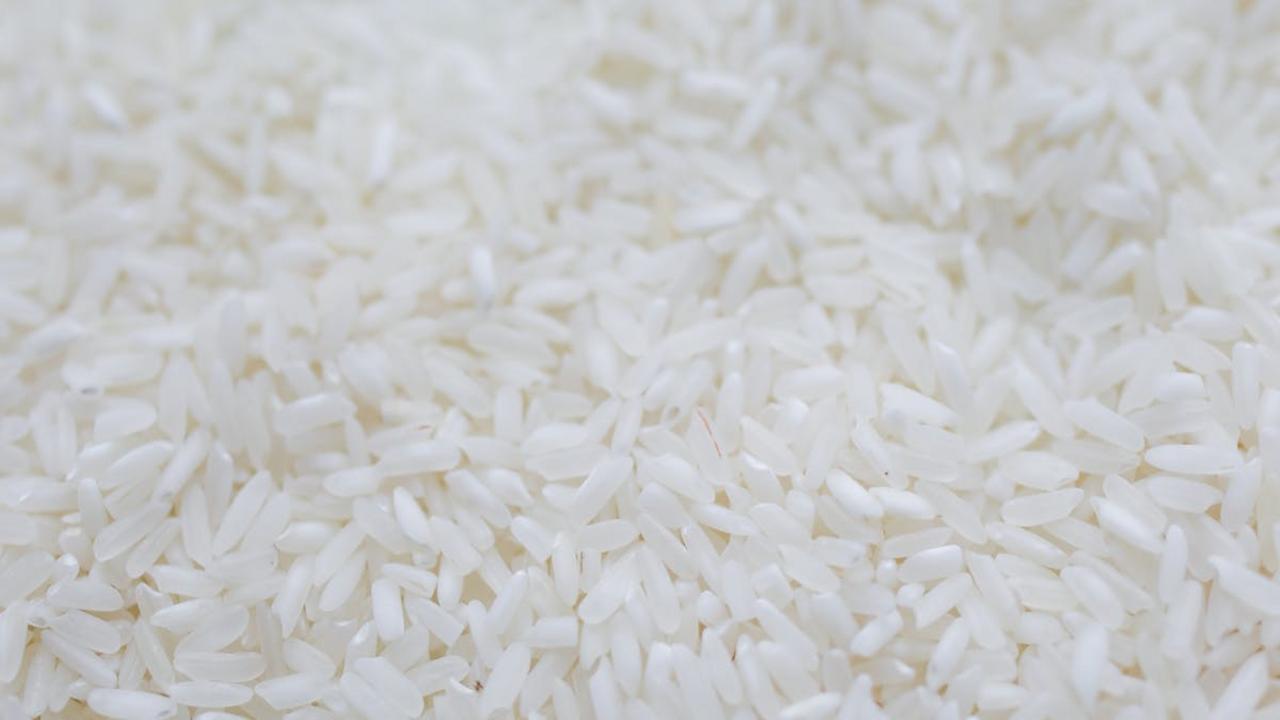
White rice stands as one of the most reliable foundations in any kitchen. It’s neutral, unobtrusive, and transforms into whatever you need it to be—whether that’s a base for spicy curries, a side for braised vegetables, or simply eaten with a pat of butter and salt. I keep several varieties on hand because each brings something different: jasmine for its subtle floral notes, basmati for its long, separate grains, and short-grain for creamier preparations. The beauty of white rice lies in its simplicity and how it absorbs the flavors around it without competing for attention.
Cooking perfect white rice doesn’t require fancy equipment or techniques. Rinse your grains until the water runs clear—this removes excess starch and prevents gummy texture—then use the right water ratio for your variety. I typically do two cups water to one cup rice for most types, bring it to a boil, reduce to the lowest heat, cover, and forget about it for fifteen minutes. That hands-off approach means you can focus on building the rest of your meal while the rice does its thing. Once done, fluff it with a fork and let it rest for a few minutes. The result is tender grains that complement everything from roasted chicken to stir-fried vegetables, proving that sometimes the simplest ingredients offer the most satisfying comfort.
Apple sauce
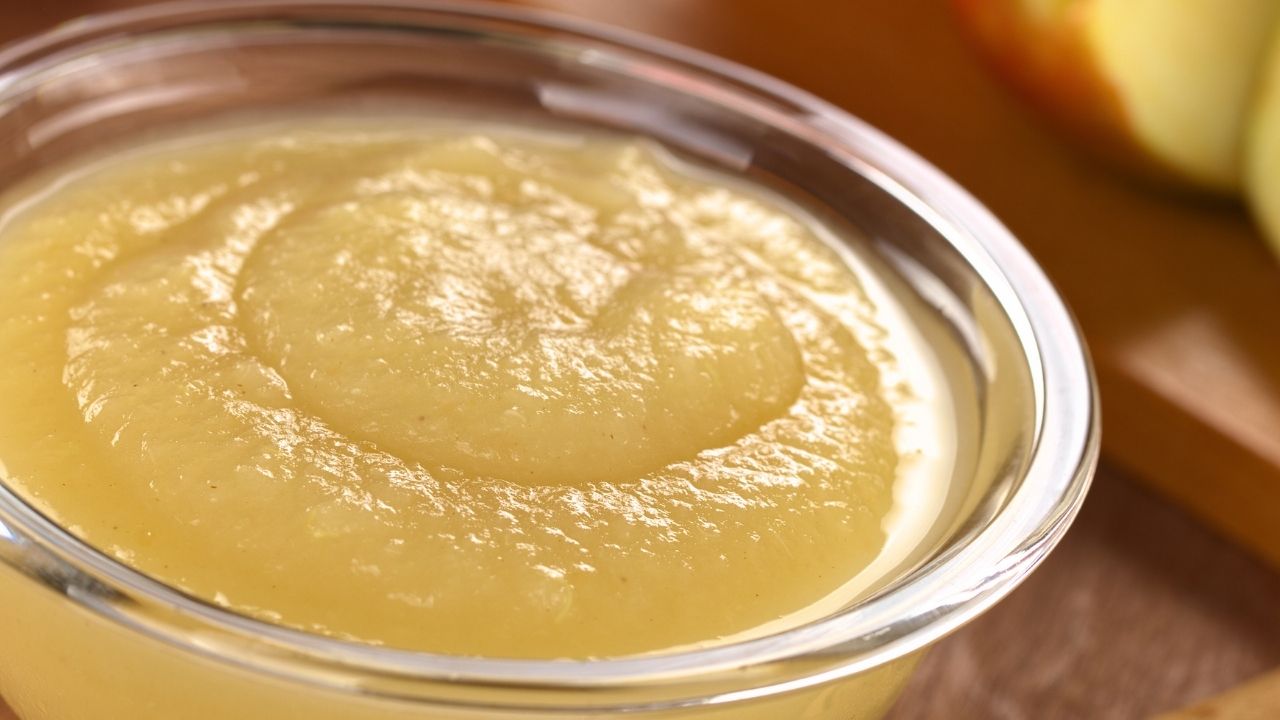
Apple sauce works wonders when your stomach needs a break from heavier foods. I keep homemade batches in my fridge because store-bought versions often hide unnecessary sugars and additives. Making it from scratch takes maybe twenty minutes—just peel and chop apples, simmer them with a splash of water and cinnamon, then mash everything into that silky, soothing texture. The natural sweetness from ripe apples means you won’t need extra sugar. I reach for this smooth comfort food during upset stomachs, after dental work, or simply when I want something gentle that still delivers flavor. The pectin in apples helps with digestion, and the soluble fiber keeps everything moving smoothly through your system without causing irritation.
This humble pantry staple transforms into so many variations once you master the basic recipe. Add a pinch of nutmeg for warmth, stir in a spoonful of honey if you need extra sweetness, or blend in some vanilla extract for depth. I serve mine warm on chilly mornings, dolloped over oatmeal, or cold straight from the jar when I need instant comfort. Kids love it, adults appreciate its simplicity, and your digestive system thanks you for choosing something this clean and wholesome. You control every ingredient, which means no mystery preservatives or artificial colors—just pure fruit cooked down into creamy perfection that soothes and nourishes at the same time.