Daughter-in-Law Arrives Late and Expects Us to Hold Dinner for Her Side Dish to Cook. I Refused to Delay the Meal.
There are certain unspoken rules of being a good guest, aren’t there? You arrive on time, you bring a thoughtful gift for the host if you wish, and you certainly don’t create more work for the person who has graciously opened their home to you. It’s a simple matter of respect.
However, one woman recently took to the internet to share a story that proves not everyone seems to have gotten the memo, leaving her at her absolute wit’s end with her own daughter-in-law.
The Incident
A mother-in-law, at the end of her rope, shared a four-year saga of frustration. Her daughter-in-law, Kelly, is generally a good person, but she has a habit that drives the family mad: she does what she thinks is polite, even when explicitly told not to.
This isn’t just a minor quirk. The mother-in-law shared a heartbreaking example where her son asked for no birthday presents due to some past trauma. Kelly ignored this deeply personal request and bought him a huge gift anyway, causing an awkward and painful scene for everyone.
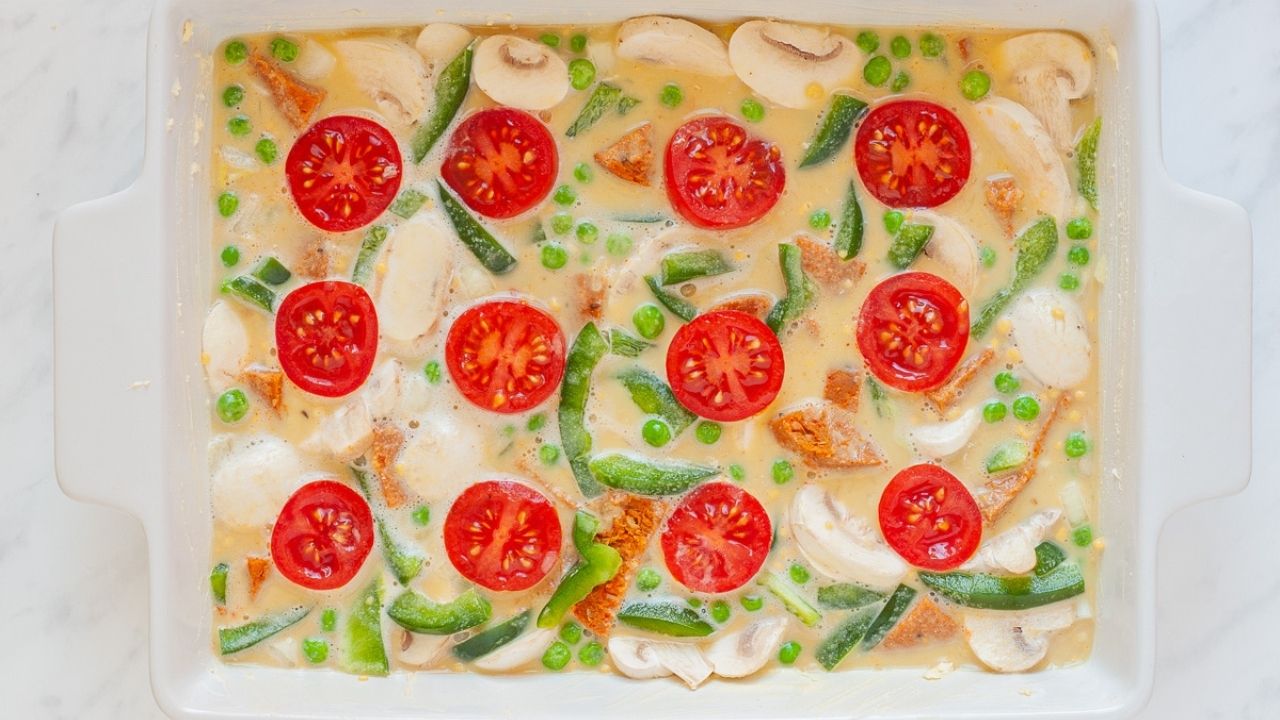
But her main offense involves food. Whenever she is a guest, she brings a dish that needs last-minute preparation—a casserole that needs oven time or a salad that needs precious refrigerator space. To make matters worse, she’s usually late, meaning the entire holiday meal gets held up waiting for her dish. After a “nightmare” Thanksgiving and a repeat performance at Christmas, the mother-in-law has had enough. She said, “At this point it feels like a… ‘I won’t listen to what you want.'”

After years of gentle talks, suggesting other hostess gifts, and even refusing to serve the food (which just resulted in passive-aggressive comments all night), she laid down the law. She informed Kelly that if she brings food to Thanksgiving this year, she will be asked to leave. And, true to form, she’s already heard through the grapevine that Kelly plans to bring a dish anyway.
The Internet Reacts
The online community was buzzing with opinions, and people quickly sorted themselves into a few distinct camps over this baffling behavior.
First, there was the “Absolutely Not” crowd, who were completely on the mother-in-law’s side. They saw the daughter-in-law’s actions as a blatant power play. One commenter compared her to a toddler, saying, “It’s like dealing with a child. At this point if you don’t follow through, she’ll never believe you in the future.”
Another offered a script for the front door: “When you answer the door, if she has anything in her hands tell her to put it back in the car. If she says no, shut the door. That’s it.”
Then came the “Devil’s Advocate” camp. These folks weren’t defending the daughter-in-law’s rudeness but wondered if there was a way to manage her strange compulsion. They suggested giving her a specific, foolproof task. “Have you ever told her what she CAN bring?” one person asked.
Another suggested assigning her something that couldn’t possibly cause a problem, like bags of ice or store-bought rolls. Of course, this was met with skepticism, with one user joking she’d probably bring “raw cookie dough” or “sheets of paper for people to fold into cups.”
Finally, there was the wonderfully creative “Petty Revenge” crowd. These readers felt that if polite requests weren’t working, perhaps a little malicious compliance was in order. One of the most popular suggestions was to take the dish and “accidentally” ruin it.
“When she hands you the dish, let it slip out of your hand and drop on the floor,” the commenter schemed. “You could feign a wrist injury too from the excessively heavy dish she brought (so she has to clean it up).”
The Etiquette Verdict
Let’s be perfectly clear: the daughter-in-law is entirely in the wrong. True politeness is not about performing a gesture you think is correct; it’s about making others feel comfortable and respected. By repeatedly ignoring her family’s direct and reasonable requests, she is doing the exact opposite.
A hostess gift should never become a burden or a source of stress for the host. This isn’t hospitality; it’s a demand for attention disguised as generosity. After four years of this behavior, the mother-in-law is well within her rights to finally enforce a firm boundary, even if it feels harsh.

Your Take
It’s a difficult situation, especially during the holidays. What do you think is the right course of action? Was the mother-in-law right to draw a line in the sand, or is kicking a family member out of Thanksgiving a step too far?
Ready for the next level of insight? Discover more in my latest article here.