12 Surprising Secrets Behind Your Favorite Fast-Food Classics
Your favorite fast-food orders hold more mysteries than you might expect. Behind every crispy fry, juicy burger, and perfectly melted cheese lies a world of carefully guarded techniques, unexpected ingredients, and fascinating corporate decisions that shape every single bite you take.
These industry secrets reveal why certain chains taste so distinctively different from their competitors. From secret menu items hiding in plain sight to surprising preparation methods that create those signature flavors, each restaurant has developed unique approaches that keep customers coming back for more.
Understanding these behind-the-scenes details transforms your next fast-food experience into something far more interesting. You’ll discover why your square burger patties exist, how tracking technology follows your pizza from oven to doorstep, and what really goes into those famous eleven herbs and spices that have remained locked away for decades.
Chipotle Food Safety Protocols

You know that fresh, made-to-order bowl you love at Chipotle? Behind every perfectly seasoned bite lies an incredibly rigorous food safety system that most customers never see. After facing serious food safety issues in 2015, Chipotle completely transformed their approach, implementing protocols that go far beyond industry standards. They now test ingredients multiple times throughout the supply chain, require suppliers to meet stricter specifications, and conduct frequent third-party audits of their facilities.
What really impressed me during my research is how they’ve made food safety visible to customers too. Those employees washing their hands every 30 minutes? That’s part of their mandatory hygiene schedule. The fresh ingredients you see being prepped throughout the day follow specific time and temperature guidelines that ensure peak freshness and safety. They even installed new ventilation systems and redesigned food prep areas to prevent cross-contamination. This commitment to transparency and safety means you can enjoy your burrito bowl knowing that serious science and dedication went into every single ingredient that touches your plate.
Five Guys Fresh Cut Fries Method
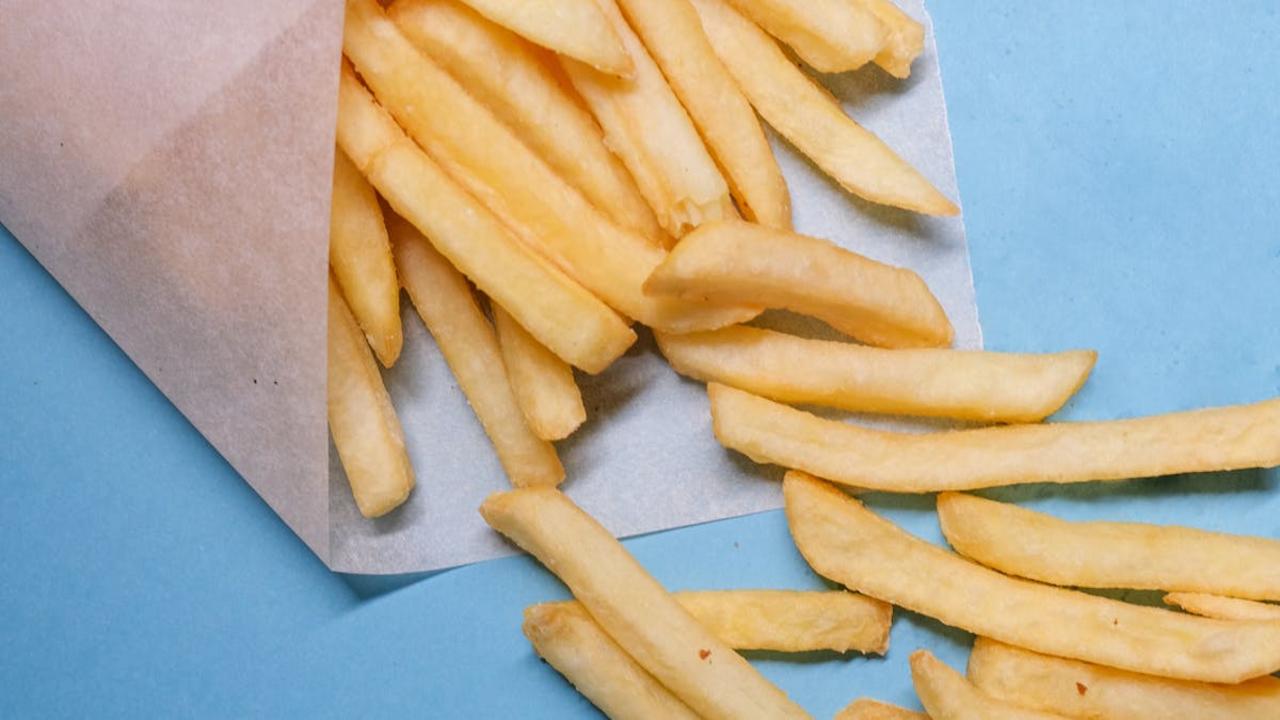
Five Guys has perfected something truly special with their fresh-cut fries, and I’m excited to share their surprisingly simple yet brilliant method with you! Every morning, team members hand-cut whole russet potatoes right in the restaurant – no frozen bags or pre-processed shortcuts here. They wash each potato thoroughly, then slice them into thick-cut strips using basic cutting equipment. The magic happens next: those fresh-cut potatoes get a quick rinse in cold water to remove excess starch, then they’re stored in large bins filled with water to keep them crisp and prevent browning.
Here’s where Five Guys really shines – they use a two-step cooking process that you can absolutely try at home! First, they blanch the fries at a lower temperature (around 280°F) for about 2-3 minutes, which partially cooks them and creates that perfect fluffy interior. After draining, they get their second fry at 400°F for just 2-3 minutes more, creating that golden, crispy exterior we all crave. The result? Fries with an incredible contrast between the crispy outside and fluffy inside. Plus, they never salt them until after cooking, so each batch stays perfectly seasoned. This method proves that fresh, quality ingredients combined with proper technique will always beat convenience – and you can bring this same philosophy to your own kitchen adventures!
Why Starbucks Cup Sizes Have Unusual Names
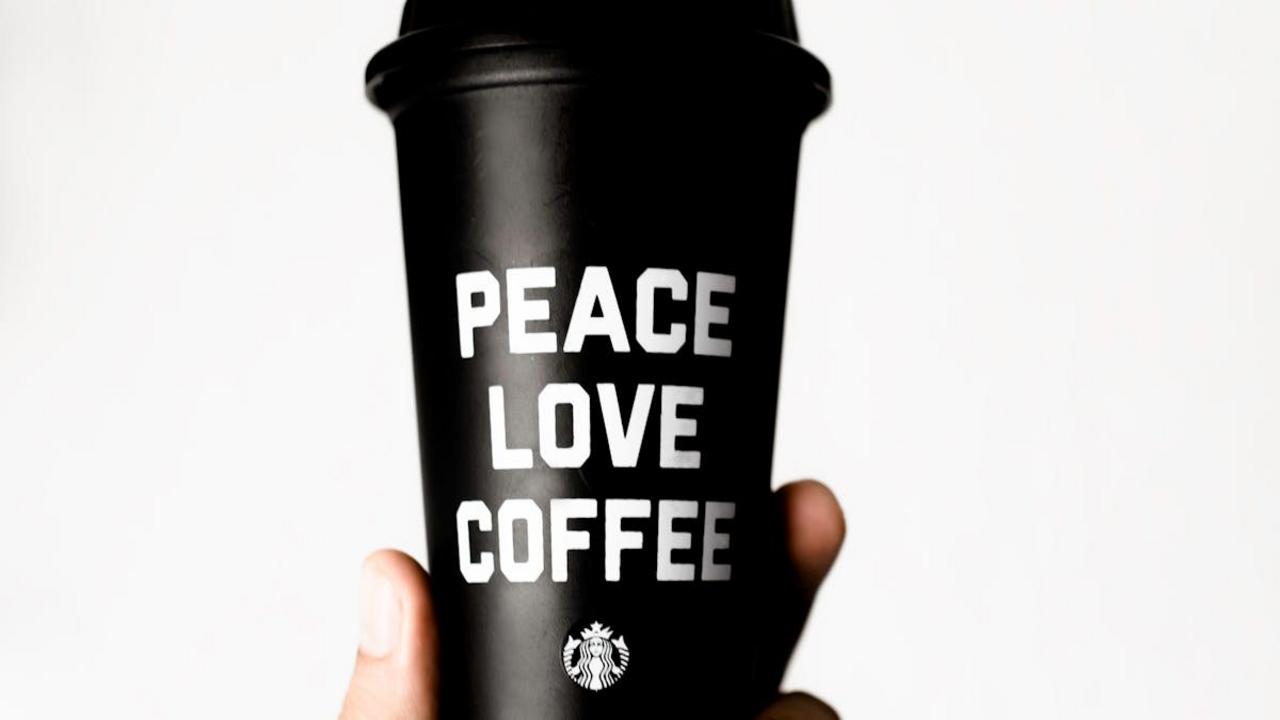
You know that moment when you walk into Starbucks and confidently order a “medium coffee” only to get a confused look from the barista? That’s because Starbucks doesn’t do small, medium, and large like everyone else. Instead, they use Italian-inspired names: Tall (12 oz), Grande (16 oz), Venti (20 oz for hot drinks, 24 oz for cold), and Trenta (31 oz for cold drinks only). The story behind these names goes back to Howard Schultz’s trip to Italy in the 1980s, where he experienced authentic Italian coffee culture and wanted to bring that European café atmosphere to America.
Here’s what makes this naming system even more interesting: “Tall” was originally the small size when Starbucks first introduced these Italian names, with “Short” (8 oz) being the smallest option. Over time, as Americans wanted bigger drinks, Starbucks added Grande and Venti, pushing the smaller sizes off most menus. The word “Venti” actually means “twenty” in Italian, referring to the 20 ounces. While this naming convention initially confused customers, it became part of Starbucks’ brand identity and helped create that authentic coffeehouse experience Schultz was after. Today, knowing these size names makes you feel like part of the Starbucks family!
Domino’s Pizza Tracking Technology
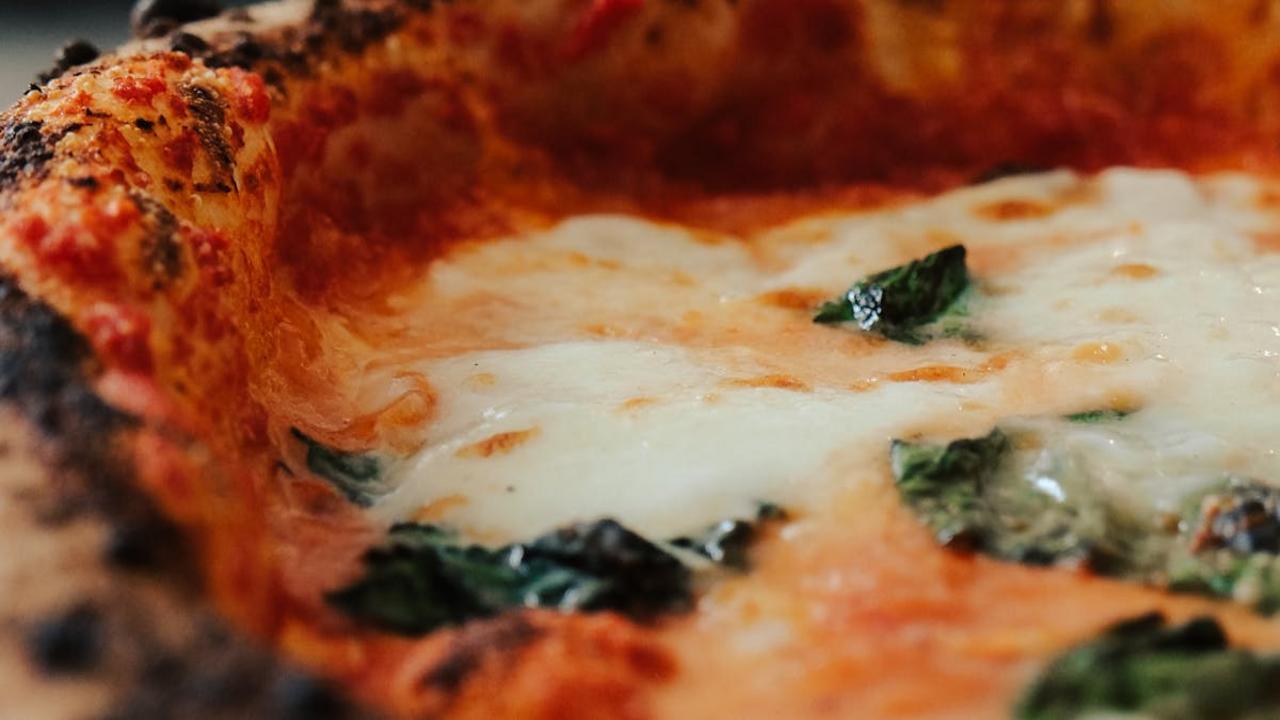
You know that satisfying moment when you order pizza and can watch your meal’s progress from dough to delivery? Domino’s revolutionized the pizza game with their innovative tracking system that goes way beyond what most people realize. Their GPS technology doesn’t just show you a moving dot on a map – it actually uses heat sensors in their ovens to detect exactly when your pizza enters and exits each stage of preparation. The system even tracks oven temperatures and cooking times to ensure consistency across thousands of locations worldwide.
What really blows my mind is how this technology connects to their mobile app and sends you real-time updates about your order’s status. The drivers carry special GPS devices that communicate with the store’s system, so you get accurate delivery estimates down to the minute. This level of transparency builds trust and keeps customers coming back because nobody likes wondering where their dinner disappeared to! Plus, the data helps Domino’s optimize their operations, reducing wait times and improving food quality – which means you get fresher, hotter pizza delivered right to your door exactly when they promise.
The Truth About Chicken McNuggets
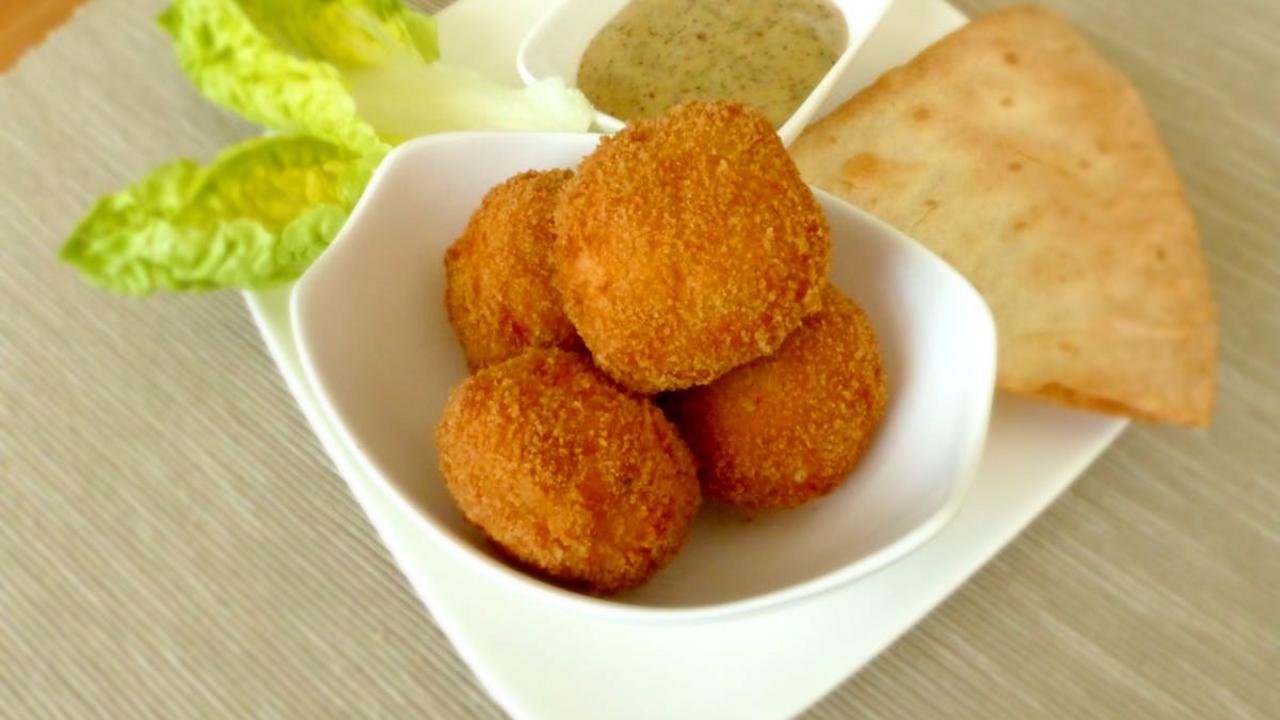
You know that crispy, golden exterior and tender inside of McDonald’s Chicken McNuggets? Here’s something that might shock you: those iconic nuggets contain way more than just chicken! The ingredient list reads like a chemistry textbook, featuring over 40 different components including dimethylpolysiloxane (yes, the same stuff found in silly putty), calcium lactate, and sodium phosphates. McDonald’s actually reformulated their recipe back in 2016 to remove artificial preservatives, but the nuggets still pack quite a few surprises. The “chicken” itself comes from a blend of white and dark meat, skin, and rib meat that gets ground up and formed into those familiar shapes.
What really makes me scratch my head is how McDonald’s creates those four distinct nugget shapes – the bell, the boot, the ball, and the bone. Each shape gets carefully engineered to ensure consistent cooking times and that perfect bite-to-crunch ratio we all crave. The breading process involves multiple steps: first a tempura-style batter, then the signature seasoned coating that gives nuggets their addictive flavor. While I always encourage making homemade versions with simple, whole ingredients, understanding what goes into these fast-food favorites helps you make informed choices. Try recreating them at home using real chicken breast, almond flour coating, and your favorite seasonings – you’ll get that satisfying crunch without all the mystery ingredients!
Burger King Flame Broiling Process
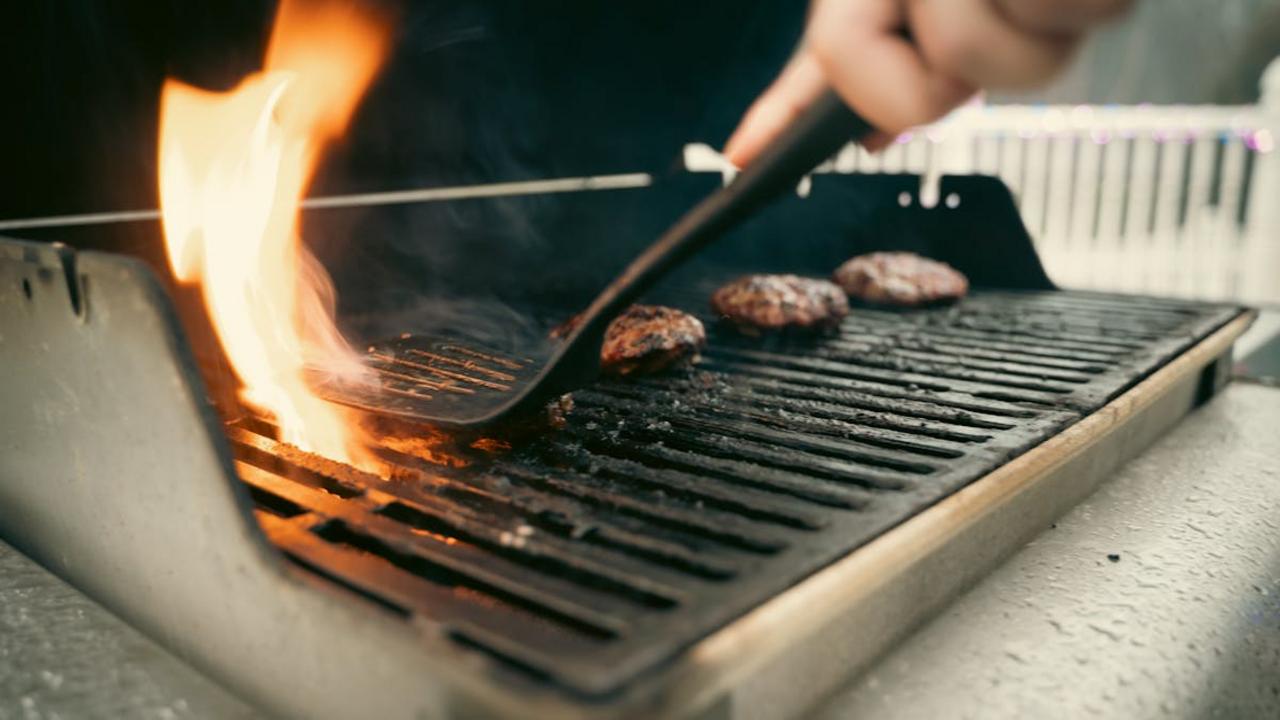
You know that distinctive smoky flavor that makes Burger King’s Whopper stand out from other fast-food burgers? That magic happens through their famous flame-broiling process, which actually uses real fire to cook their beef patties. Unlike McDonald’s flat-top grills or other chains that use standard cooking methods, Burger King runs their quarter-pound patties through a continuous chain broiler that exposes each burger to actual flames for about 80 seconds. This method creates those signature grill marks and imparts genuine smoky notes that you simply can’t replicate with traditional griddle cooking.
What makes this process even more fascinating is the precision behind it. The flame broiler operates at exactly 685 degrees Fahrenheit, and the conveyor system moves at a carefully calibrated speed to ensure every patty gets consistent cooking throughout. The flames come from gas burners positioned below the moving chain, creating an environment similar to outdoor grilling but in a controlled, high-volume setting. This technique doesn’t just add flavor – it also allows excess fat to drip away from the meat, making the burgers slightly leaner than their griddle-cooked counterparts. Next time you bite into a Whopper, you’re actually tasting the results of genuine flame cooking, not just artificial smoke flavoring like some other chains use.
Hidden Calories in Subway Fresh Options

You walk into Subway thinking you’re making the healthy choice, and honestly, you often are! But here’s something that might catch you off guard – some of those “fresh” options pack way more calories than you’d expect. That seemingly innocent turkey breast footlong on honey oat bread? It can clock in at over 600 calories before you even add cheese or mayo. The real sneaky culprits are the breads themselves. That hearty nine-grain wheat bread adds about 250 calories to your sub, while the honey oat brings nearly 300 calories to the party. I’ve learned this the hard way during my own healthy eating adventures!
The surprises don’t stop there – those veggie patties that sound so wholesome? They’re actually more calorie-dense than many meat options because of their processed ingredients and added oils. Even the “light” options can fool you. A six-inch veggie patty sub delivers around 400 calories, while a six-inch turkey breast comes in at just 280. My biggest revelation was discovering that loading up on olives, avocado, and cheese can easily add 300+ calories to any sub. The key is knowing these numbers so you can still enjoy Subway while making choices that align with your goals. Knowledge truly is power when you’re standing at that counter!
Taco Bell Meat Quality Standards
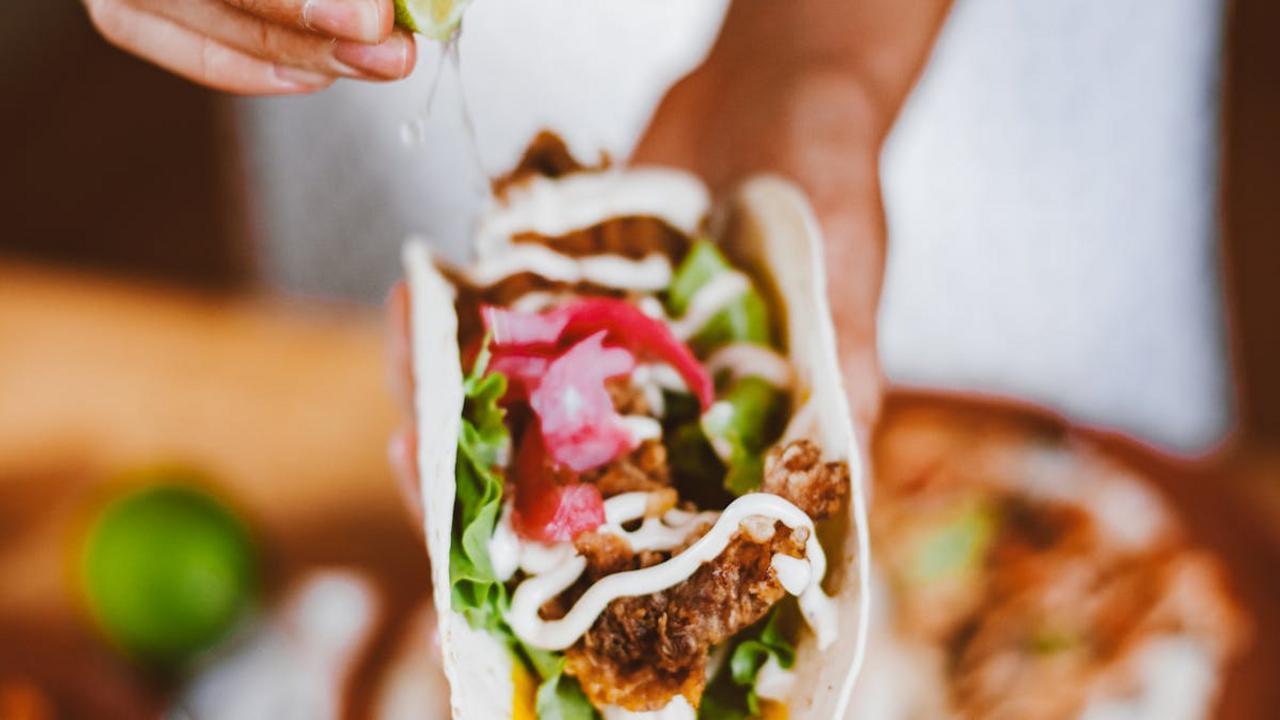
You know what really gets me excited? When fast-food chains step up their game with better ingredients! Taco Bell made some incredible changes to their seasoned beef that honestly surprised me. Back in 2014, they completely revamped their recipe, removing artificial flavors and colors while boosting the actual beef content to 88%. Before this makeover, their seasoned beef mixture contained more fillers and preservatives than I’d want in my own kitchen. Now they use simple ingredients like salt, chili pepper, onion powder, and tomato powder – stuff you’d actually recognize from your spice rack!
What I love most about this transformation is how transparent they became about their process. Taco Bell openly shares their ingredient list and even addressed those old rumors about their meat containing only 35% beef (which was never true, by the way!). They source their beef from suppliers who meet strict quality standards, and the meat gets seasoned in small batches to maintain freshness. This means when you bite into that Crunchwrap Supreme, you’re getting beef that’s been prepared with care, not just thrown together. It’s refreshing to see a major chain prioritize quality over cutting corners – and honestly, it tastes so much better now!
How KFC Original Recipe Stays Secret
You know that moment when you bite into KFC’s crispy chicken and wonder what makes it so addictively delicious? The famous Original Recipe blend of 11 herbs and spices remains one of the food industry’s best-kept secrets, locked away in a vault at KFC’s headquarters in Louisville, Kentucky. Only two executives know the complete formula at any given time, and they’re contractually forbidden from traveling together – talk about food security! The recipe splits into two halves, with each executive knowing only their portion, ensuring no single person can reveal the entire secret.
What makes this story even more fascinating is how Colonel Sanders originally mixed the spices himself in his restaurant’s safe. Today, the company uses two different suppliers to create the blend – each supplier knows only half the recipe and prepares their portion separately before the ingredients combine at a third location. You can try recreating it at home (many food enthusiasts have attempted to crack the code!), but the exact proportions and specific spice varieties remain a mystery. This level of protection means your favorite fried chicken maintains that distinctive flavor that keeps you coming back for more, generation after generation.
Why Wendy’s Burgers Are Square
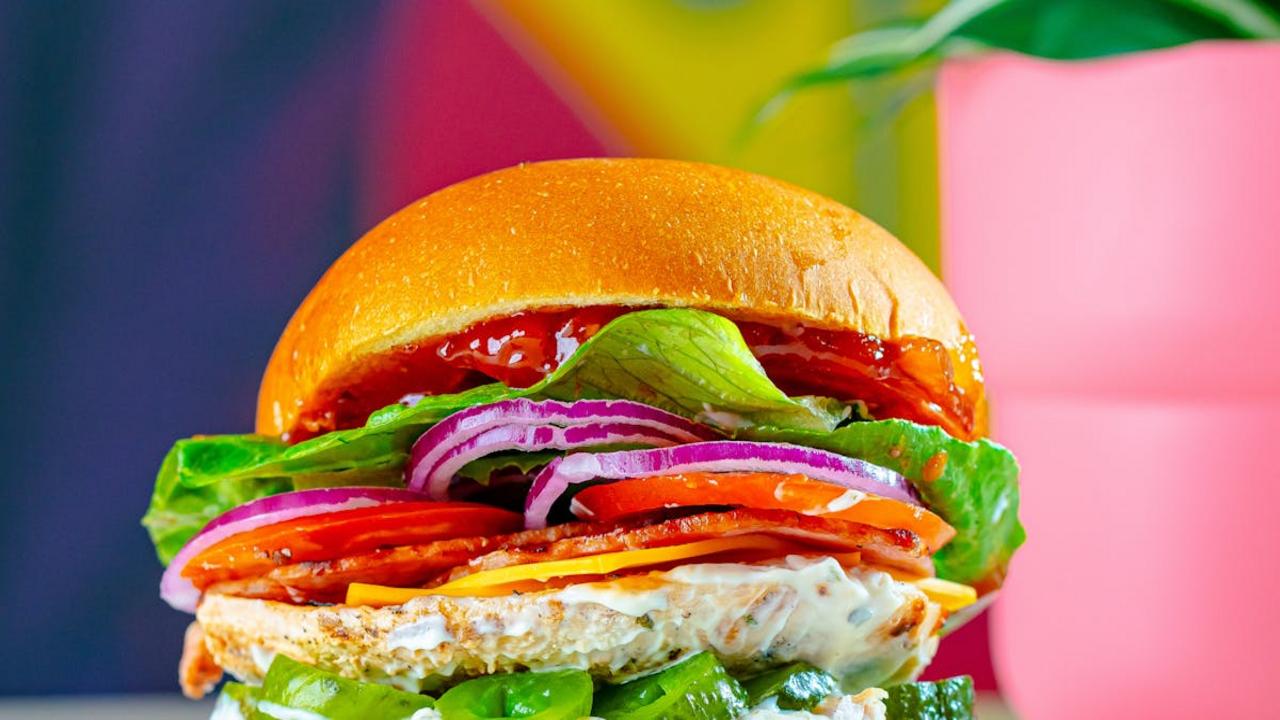
Have you ever wondered why Wendy’s burgers stand out with their distinctive square shape? This isn’t just a random design choice – it’s actually a brilliant marketing strategy that Dave Thomas, the founder, implemented to make a powerful statement about quality and value. The square patties hang over the edges of the round buns, creating that signature “corners sticking out” look that immediately shows customers they’re getting more meat for their money. Dave wanted people to see right away that Wendy’s wasn’t cutting corners when it came to portion sizes, even though the patties themselves literally have corners!
Beyond the visual impact, those square burgers serve a practical purpose in the kitchen too. The flat, geometric shape allows for more consistent cooking and better heat distribution across the patty surface. This means every bite delivers the same juicy flavor and texture, something that can be trickier to achieve with irregularly shaped patties. The square design also maximizes the use of grill space, allowing kitchen staff to cook more burgers efficiently during busy periods. It’s amazing how one simple shape change can solve multiple problems while creating such a memorable brand identity that customers recognize instantly!
The Real Story Behind Pizza Hut Pan Pizza
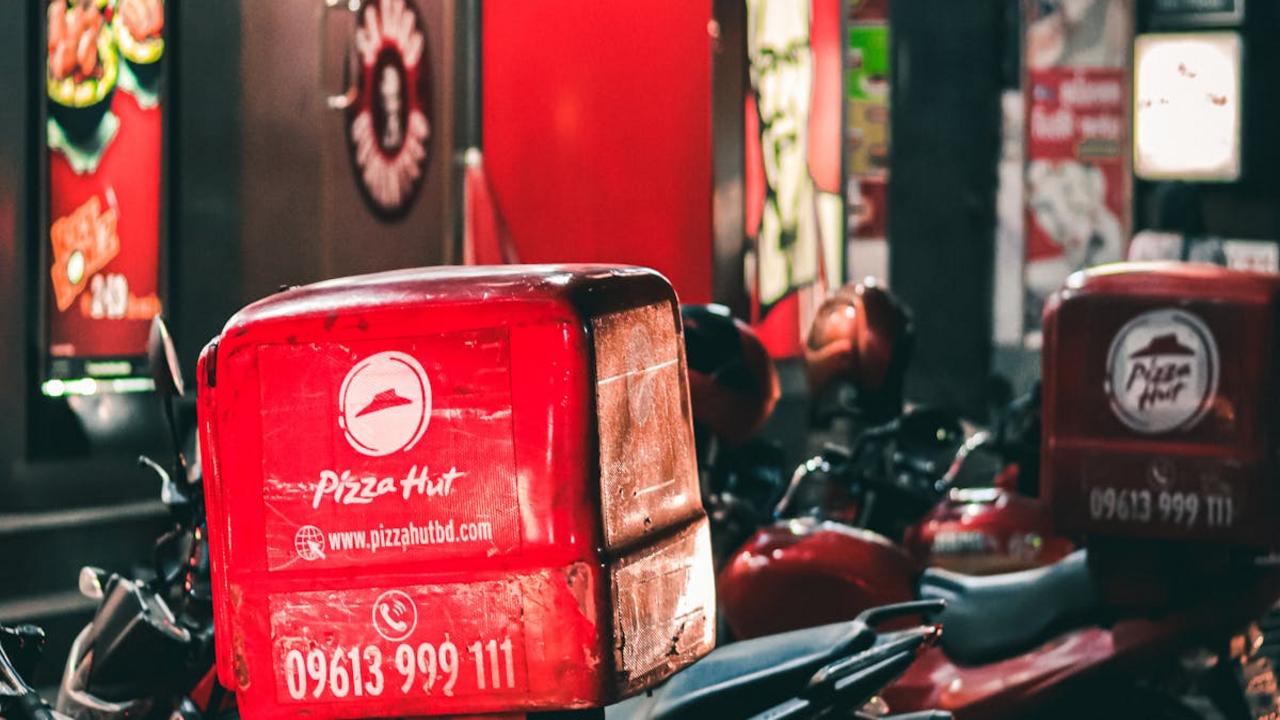
Pizza Hut’s iconic pan pizza wasn’t born in a corporate boardroom – it actually started with two entrepreneurial brothers in Wichita, Kansas, who needed to make their pizza stand out from the competition. Dan and Frank Carney opened their first Pizza Hut in 1958, but the famous deep-dish style didn’t arrive until the 1970s. The secret behind that perfectly crispy-yet-tender crust lies in their unique baking method: each pizza gets baked in individual steel pans that are pre-seasoned with oil, creating that signature golden-brown bottom that pizza lovers crave.
What makes Pizza Hut’s pan pizza truly special is the dough preparation process that most people never see. The dough sits and rises for hours before being hand-stretched into those well-oiled pans, allowing it to develop complex flavors and that perfect chewy texture. You can actually recreate this magic at home by using a well-seasoned cast iron skillet and letting your homemade dough rest properly – just remember that patience is key! The oil in the pan doesn’t just prevent sticking; it actually fries the bottom of the crust slightly, giving you that irresistible contrast between the crispy exterior and fluffy interior that has kept families coming back for decades.
Secret Menu Items at McDonald’s

Did you know that McDonald’s has a whole world of unofficial menu items just waiting for you to discover? These secret creations aren’t printed anywhere, but friendly crew members who know the ropes can absolutely make them for you! The most famous has to be the McGangBang – yes, that’s really what people call it – which combines a McChicken sandwich stuffed inside a McDouble. You simply order both items separately and create this protein-packed monster yourself, or ask nicely if they’ll assemble it for you. Another crowd favorite is the Land, Sea & Air Burger, featuring beef, chicken, and fish all stacked together in one incredible sandwich.
My personal recommendation? Try the Apple Pie McFlurry next time you visit! Just order a vanilla McFlurry and ask them to mix in pieces of their hot apple pie – the combination of cold creamy ice cream with warm cinnamon apples creates pure magic in your mouth. For breakfast lovers, the Mc10:35 bridges that awkward gap between breakfast and lunch by combining an Egg McMuffin with a McDouble. The key to success with secret menu items is timing and politeness – visit during slower periods when staff has more flexibility, and always be understanding if they can’t accommodate your request. Remember, these aren’t official menu items, so approach with patience and a smile!