14 Everyday Foods You Should Never Give Your Kids
Your kids’ safety matters more than anything, especially when it comes to food choices. While many everyday items might seem harmless, they can actually pose serious choking hazards or health risks to children, particularly those under four years old. Understanding these dangers helps you make smarter decisions about what belongs on your little one’s plate.
From seemingly innocent grapes and cherry tomatoes to common favorites like hot dogs and popcorn, these foods share dangerous qualities – they’re either the perfect size to block small airways or contain substances unsafe for developing bodies. Many parents don’t realize that something as simple as how you cut a sandwich can make a big difference in keeping kids safe.
This guide walks you through 14 foods that need special attention before serving to children. You’ll learn which items should be completely avoided until certain ages and which ones simply need proper preparation. Making small changes to how you serve these foods can prevent scary emergency room visits while still keeping mealtime fun and nutritious.
Citrus fruits for infants
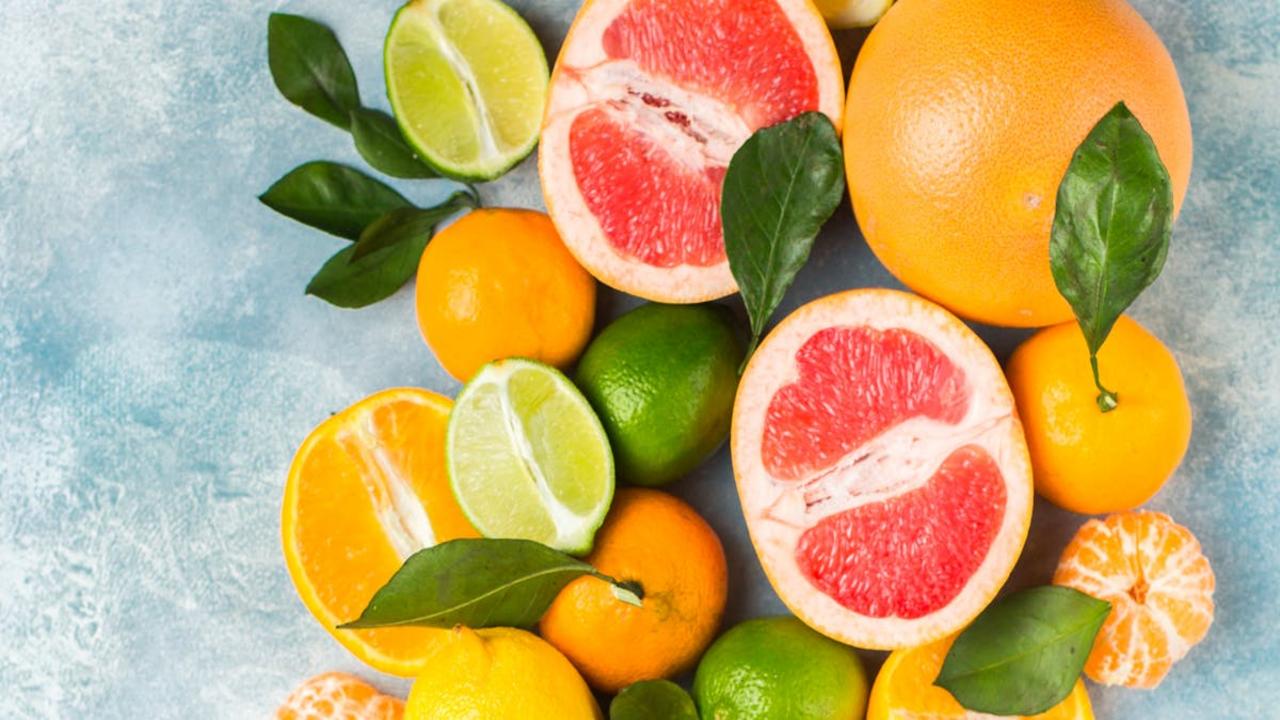
Those adorable sour faces your baby makes when trying lemon might be funny, but you should avoid giving citrus fruits to infants under 12 months old. Their digestive systems simply aren’t ready for the high acidity in oranges, lemons, limes, and grapefruits. These fruits can cause uncomfortable diaper rash, stomach upset, or even painful acid reflux in your little one’s sensitive system. Your baby’s developing digestive tract lacks the enzymes needed to process these strong acids properly, which can lead to unnecessary discomfort.
You have plenty of other fantastic fruit options for your baby instead! Try mashed bananas, applesauce, or pureed pears, which provide important nutrients without the harsh acids. Avocados make an excellent first food with healthy fats for brain development. Once your child reaches their first birthday, you can gradually introduce small amounts of citrus to see how they respond. Start with less acidic options like mandarin oranges or clementines rather than jumping straight to lemons or grapefruits. Your baby’s palate and digestion need time to develop before handling these zesty fruits.
Canned tuna
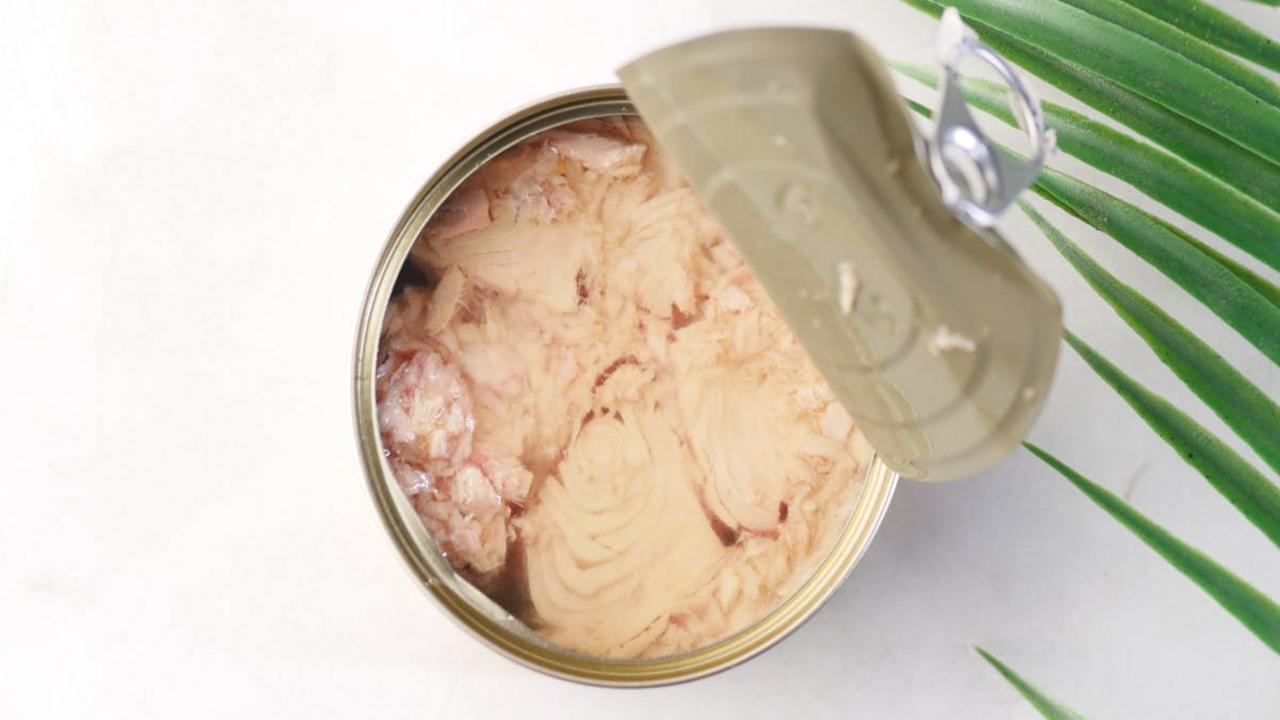
You might want to rethink serving that tuna sandwich to your little ones! While canned tuna offers protein and omega-3 fatty acids, it contains mercury that accumulates in larger fish like tuna. Children’s developing nervous systems face higher risks from mercury exposure, which can harm brain development and function. The FDA and EPA recommend limiting children’s tuna intake based on their weight and age, with light tuna being a better option than albacore or yellowfin varieties which typically contain more mercury.
Instead of completely removing tuna from your child’s diet, focus on moderation and smart choices. Keep portion sizes small and serve tuna only occasionally—maybe once a week for smaller children or twice weekly for older kids. You can also try safer seafood alternatives like salmon, pollock, catfish, or tilapia, which deliver similar nutritional benefits with lower mercury levels. These substitutes help your children receive important nutrients without the unwanted health risks associated with frequent tuna consumption.
Unpasteurized milk
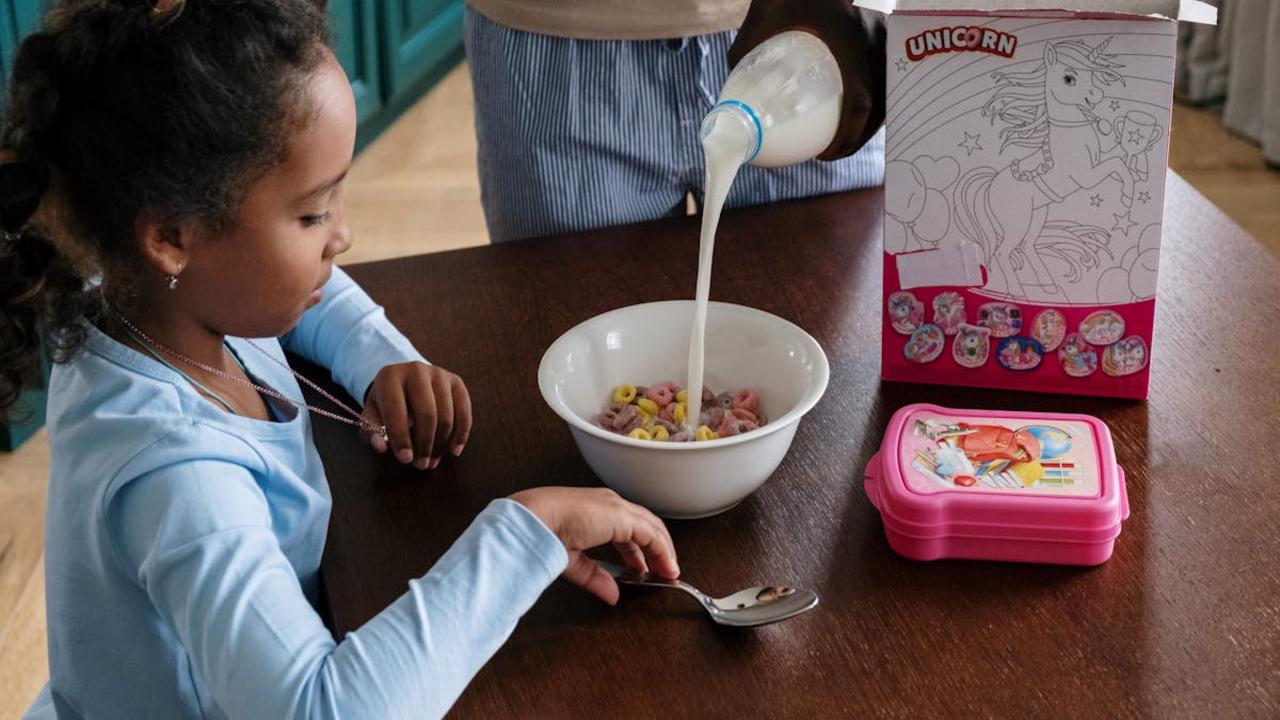
You should never give your kids unpasteurized milk, often called “raw milk,” despite claims about its superior nutrition. Raw milk hasn’t undergone the heating process that kills harmful bacteria like E. coli, Salmonella, and Listeria. These pathogens can cause severe food poisoning in anyone, but your children face even greater risks because their immune systems aren’t fully developed yet. The CDC consistently warns against raw milk consumption, especially for kids, pregnant women, and people with weakened immunity.
Many raw milk advocates argue that pasteurization destroys beneficial enzymes and nutrients, but research doesn’t support these claims. The nutritional differences between raw and pasteurized milk are minimal, while the safety differences are enormous. Your kids can get all the calcium, protein, and vitamins they need from pasteurized milk without the dangerous bacteria. Always check labels carefully when buying dairy products, and stick to pasteurized options for your children’s milk, cheese, and yogurt to keep them safe and healthy.
Soft cheeses
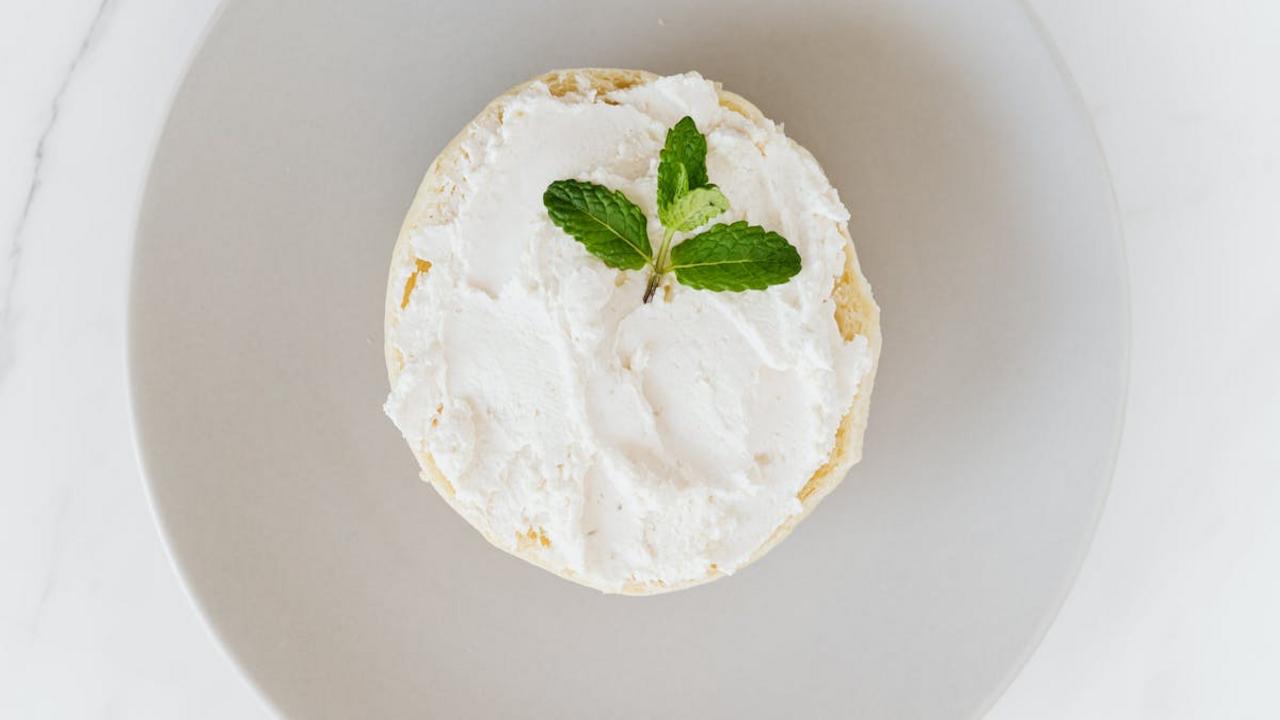
Your little ones need to wait before enjoying soft cheeses like brie, camembert, blue cheese, and queso fresco. These creamy delights can contain Listeria monocytogenes, a bacteria that survives even in refrigerated environments. While adults with healthy immune systems can usually fight off this bacteria without problems, children’s developing immune systems put them at higher risk for serious complications from listeria infection, including severe illness that may require hospitalization.
You can still include cheese in your kids’ diet by sticking to harder varieties like cheddar, Swiss, or mozzarella that undergo processes eliminating harmful bacteria. These options provide the same calcium benefits without the risks associated with unpasteurized soft cheeses. If your child absolutely loves soft cheese flavors, look for pasteurized versions that have been properly treated to kill bacteria, making them safe alternatives until their immune systems mature enough to handle the traditional varieties.
Dried fruits
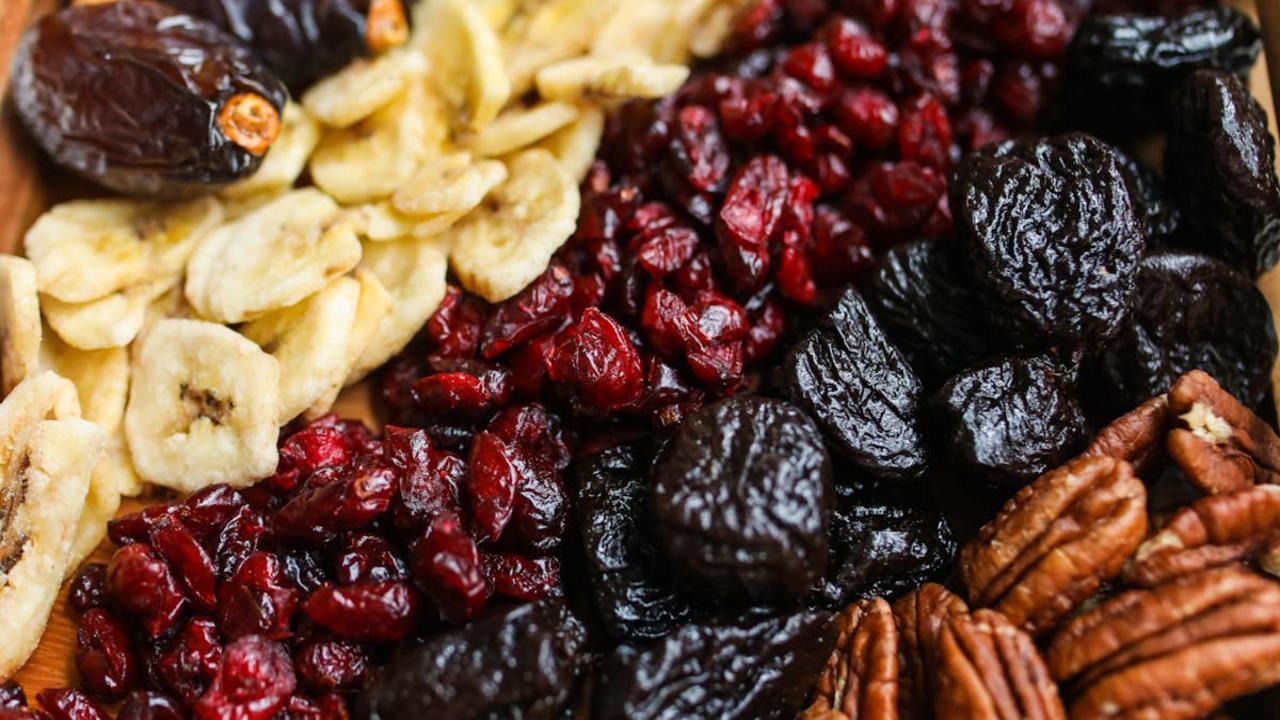
You should limit dried fruits in your kids’ diet despite their natural sugar claims. Many commercial dried fruit products contain added sugars and preservatives like sulfites that can trigger asthma or allergic reactions in sensitive children. The chewy, sticky texture also makes dried fruits cling to teeth longer than fresh fruits, increasing cavity risk. Remember that the drying process concentrates sugars, making it easy for children to consume excessive amounts without feeling full.
Fresh fruits offer greater benefits for your little ones with higher water content and intact fiber. If you do serve dried fruits occasionally, pair them with protein sources like nuts (for older children without allergies) to slow sugar absorption. Always check labels for hidden additives and choose unsweetened varieties. You can make your own dried fruits at home to control ingredients – just use them sparingly as treats rather than everyday snacks. Your kids will benefit more nutritionally from whole, fresh fruits with their natural water content intact.
Hot dogs
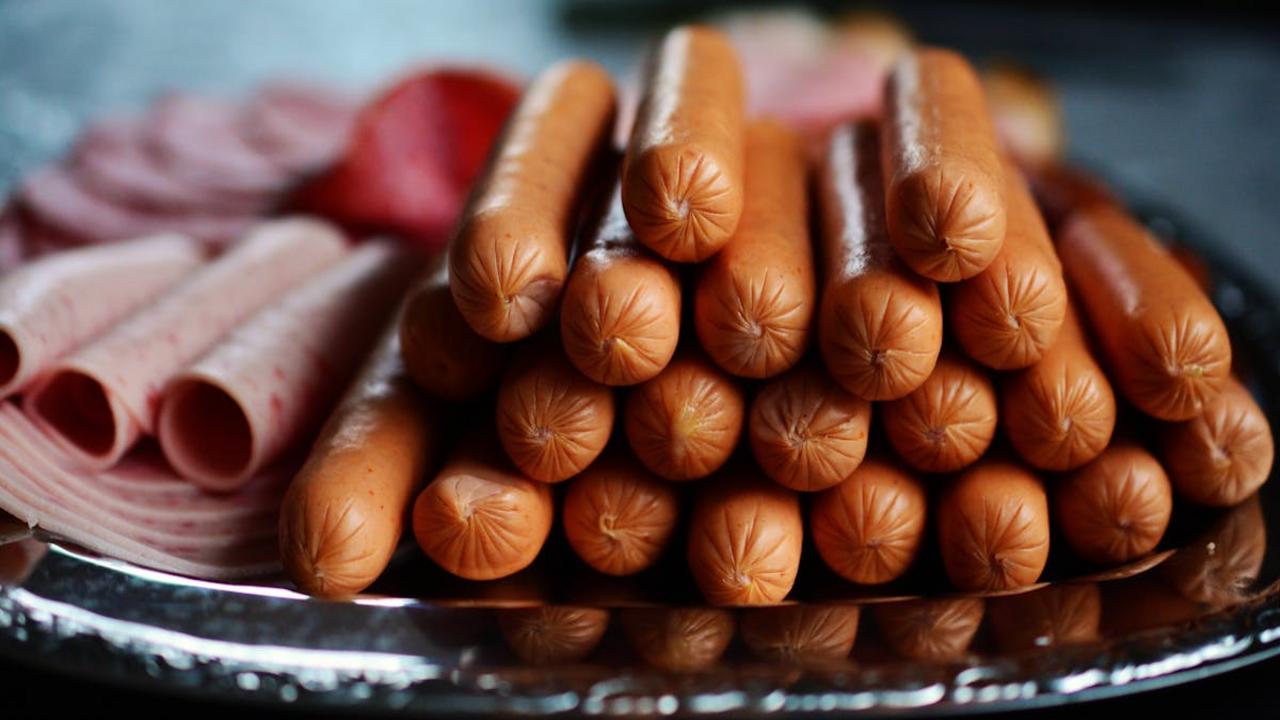
Hot dogs may seem like a convenient kid-friendly food, but you should think twice before serving them to your little ones. Their small, cylindrical shape creates a perfect airway blockage hazard, making them the leading cause of food-related choking in children under 3 years old. The American Academy of Pediatrics specifically warns parents about this risk. If you do serve hot dogs to older kids, always slice them lengthwise first, then into small pieces to eliminate the choking hazard.
Beyond choking concerns, traditional hot dogs contain concerning ingredients you’ll want to keep away from your children. Most hot dogs pack high amounts of sodium, preservatives like nitrates and nitrites (linked to increased cancer risk), and various artificial additives. They typically offer minimal nutritional value while delivering unhealthy fats and excess salt. If your family enjoys hot dogs occasionally, look for versions made with whole ingredients, no nitrates/nitrites, and lower sodium levels – but remember to always cut them properly before serving to your kids.
Marshmallows

Those soft, pillowy marshmallows might seem like innocent treats, but they present a serious choking hazard for young children. Their size, shape, and gummy texture make them particularly dangerous because they can easily lodge in a child’s throat and block their airway. Even cutting them into smaller pieces doesn’t solve the problem—the sticky consistency still poses risks as they can conform to and block the airway. I always warn parents to completely avoid giving marshmallows to children under 4, regardless of how they’re prepared.
Beyond the choking risk, marshmallows offer virtually no nutritional value for your kids. They’re basically just sugar, corn syrup, and gelatin with artificial flavors and colors thrown in. A single serving packs a substantial sugar punch that contributes to dental problems and unhealthy eating patterns. If your older children enjoy the marshmallow experience, consider safer alternatives like yogurt drops or small pieces of fresh fruit that provide similar sweetness with actual nutrients. You’ll satisfy their sweet tooth while keeping them safe and giving their bodies something beneficial.
Popcorn

Popcorn poses a serious choking hazard for children under the age of four, making it one food you should definitely keep off their plates. The small, lightweight kernels can easily get caught in a child’s windpipe, and their irregular shape makes them particularly difficult to cough up. Young children haven’t fully developed their chewing and swallowing skills yet, which increases their risk when eating these tricky little morsels. Plus, the hulls from popcorn can lodge in tiny throats and cause irritation or even more severe complications.
You’ll want to wait until your child turns at least four years old before introducing popcorn to their diet. At that age, they have better control over their oral muscles and more developed airway protection reflexes. Until then, satisfy their crunchy snack cravings with safer alternatives like soft, small pieces of cheese, properly cut fruit, or yogurt drops. These options provide the fun snacking experience without the dangerous choking risks that popcorn presents. Your little one won’t miss what they haven’t tried, and you’ll have peace of mind knowing they’re enjoying safe snacks.
Hard candies
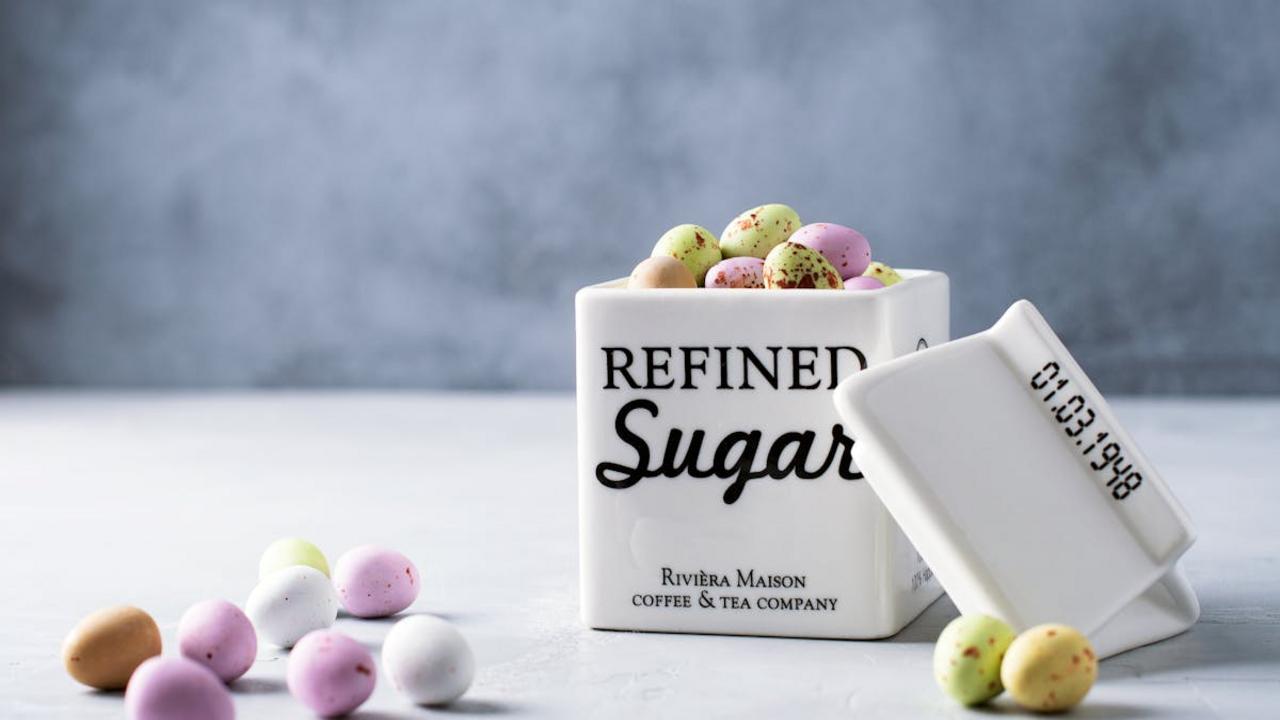
Hard candies pose a serious choking risk for young children. Their smooth, round shape can perfectly block a child’s airway if they slip to the back of the throat. Kids under 4 lack fully developed chewing and swallowing coordination, making these treats particularly dangerous. Even older children might accidentally inhale a hard candy while running or laughing, creating an emergency situation within seconds.
You should completely avoid giving your little ones jawbreakers, lollipops, or any hard candy until they’re much older. If you want to offer your child a sweet treat, consider safer alternatives like yogurt, fruit smoothies, or homemade pudding. These options satisfy their sweet cravings without the choking hazard. Remember that even with older kids, always supervise them while enjoying any type of candy to prevent accidents.
Whole nuts
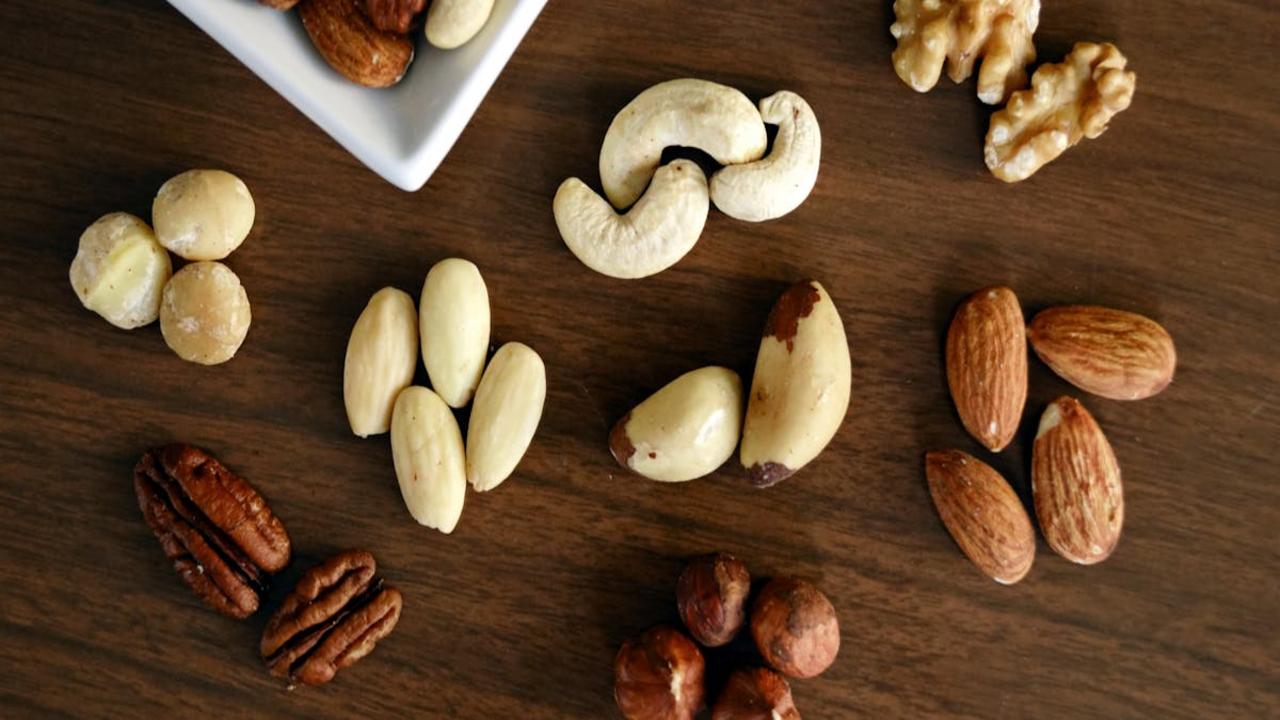
Whole nuts are a serious choking hazard for children under five years old. Their small, hard shape can easily become lodged in your child’s windpipe, blocking airflow completely. The American Academy of Pediatrics specifically warns parents against giving whole nuts to young children because their airways are narrow and they haven’t fully developed the chewing skills needed to break down nuts properly. Even healthy toddlers can struggle with nuts since they often swallow food without chewing thoroughly.
You can still incorporate the nutritional benefits of nuts into your child’s diet through safer alternatives. Try spreading smooth nut butter thinly on toast, adding ground nuts to baked goods, or mixing nut flour into pancake batter. For older children who have mastered chewing skills (typically after age 5), introduce nuts gradually and always supervise their eating. Remember that some children have nut allergies, so watch for any reaction the first time you introduce nut products in any form to your little one.
Cherry tomatoes
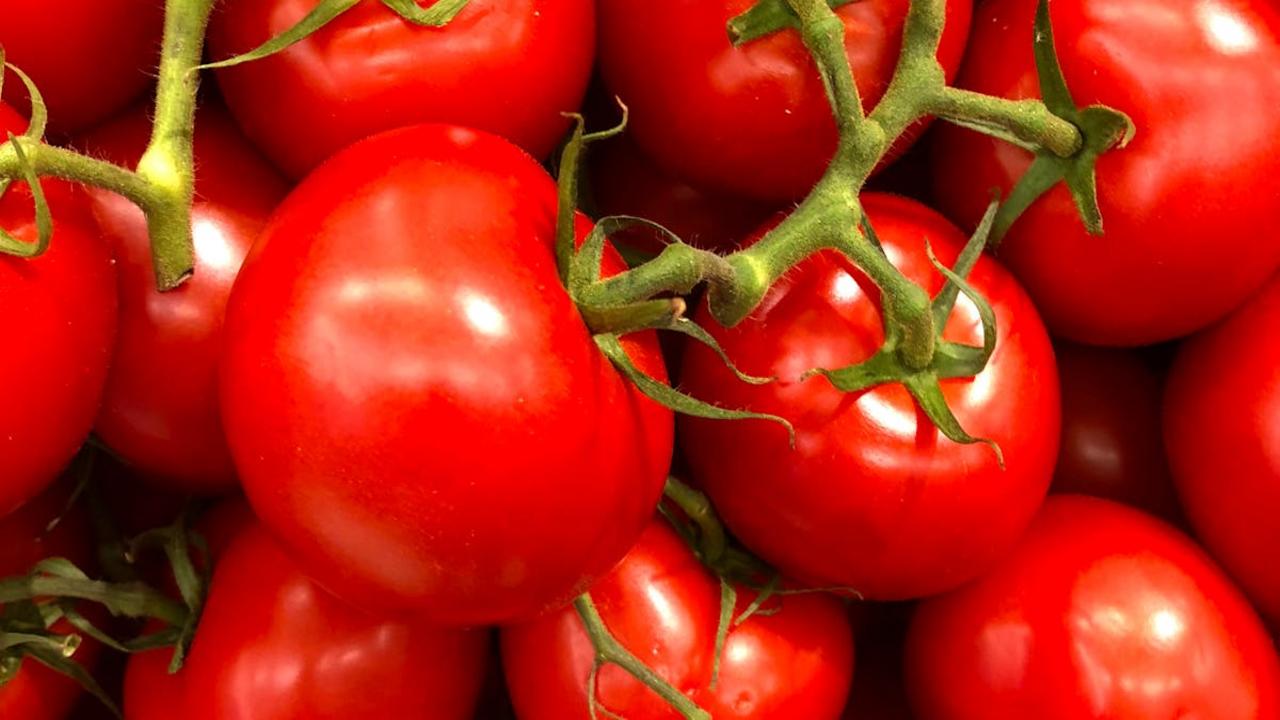
Cherry tomatoes pose a serious choking hazard for young children due to their small, round shape that can easily block a child’s airway. Your toddlers and preschoolers haven’t fully developed their chewing and swallowing skills yet, making these seemingly innocent fruits particularly dangerous. If you want to include tomatoes in your child’s diet, you need to quarter them first, cutting each cherry tomato into four pieces to eliminate the choking risk.
Beyond the choking concern, some children might have mild allergic reactions to tomatoes, especially if they have existing sensitivities to other nightshade vegetables. You’ll notice symptoms like skin rashes or digestive discomfort if your child has this sensitivity. Wait until your child is at least 1-2 years old before introducing tomatoes in any form, and always start with small amounts to monitor for reactions. Remember that proper food preparation stands between a healthy snack and a trip to the emergency room!
Raw honey
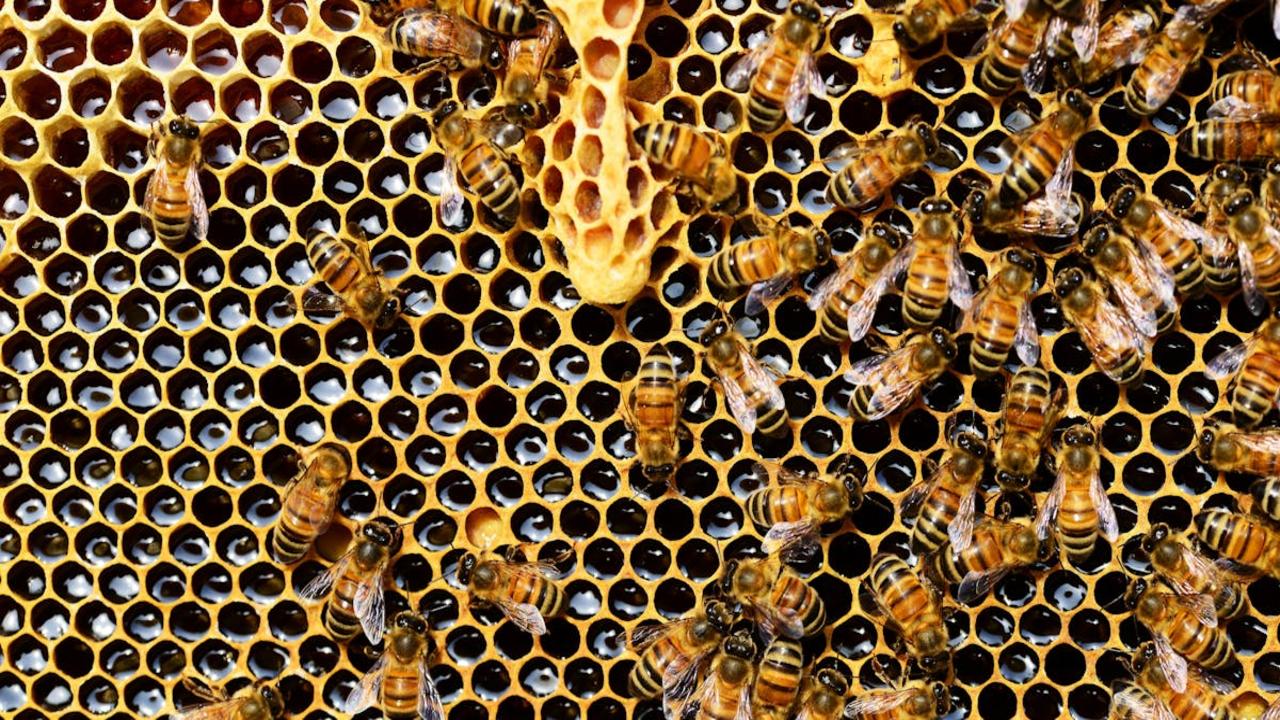
You should keep raw honey away from your babies and toddlers under 12 months old because their digestive systems aren’t fully developed yet. Raw honey sometimes contains Clostridium botulinum spores, which can cause infant botulism – a rare but serious illness that affects a baby’s nervous system. While these spores rarely harm adults and older children (whose gut bacteria can fight them off), they can multiply in a baby’s intestines and produce dangerous toxins.
Once your child reaches their first birthday, their digestive system has matured enough to handle these spores safely. Until then, avoid all honey products in their diet, including baked goods with honey and honey-sweetened cereals. Remember that pasteurization doesn’t completely eliminate these spores, so even processed honey carries this risk. For sweetening baby foods before 12 months, try mashed ripe banana or unsweetened applesauce as safer alternatives.
Peanut butter
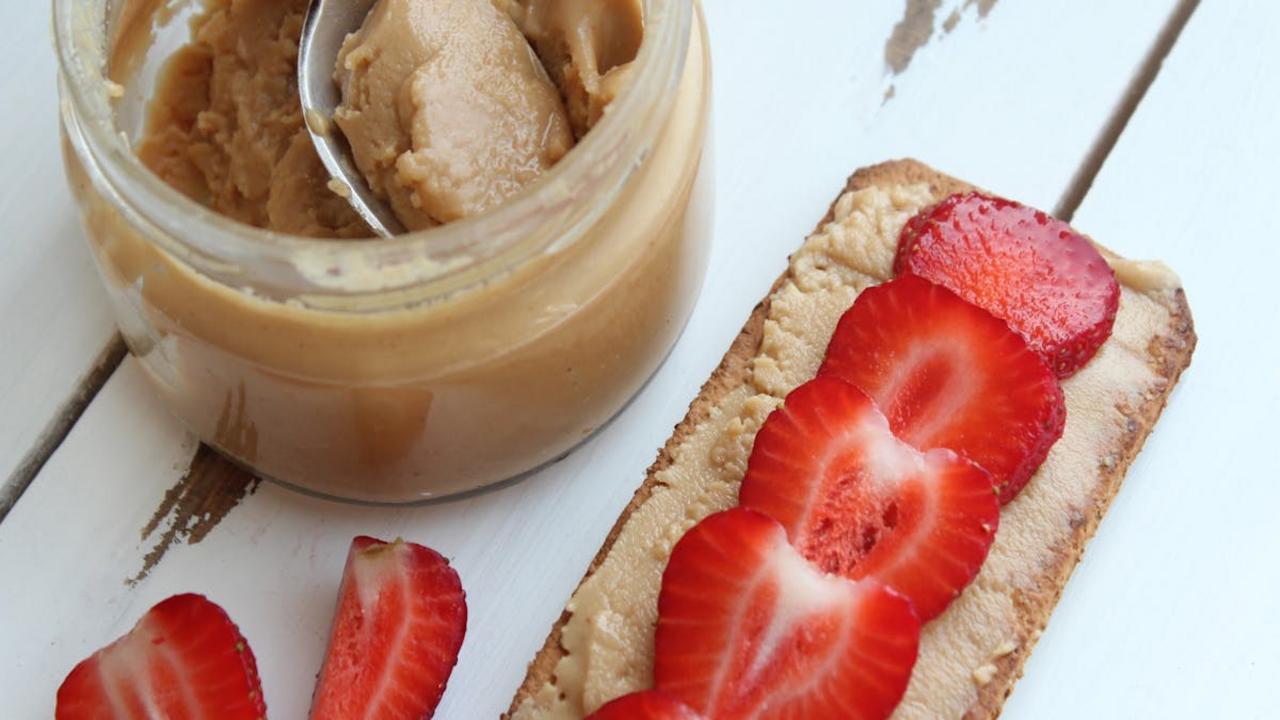
Peanut butter tops many parents’ go-to list for quick sandwiches and snacks, but you should hold off offering it to children under 4 years old. The sticky, thick consistency creates a significant choking hazard for young children who don’t have fully developed swallowing mechanisms yet. Your little one’s airway can become blocked if they try to swallow a spoonful of peanut butter without proper chewing, which happens often with toddlers who tend to gulp foods.
Beyond choking concerns, peanut allergies remain one of the most common and potentially dangerous food allergies in children. Many pediatricians now recommend waiting until after your child’s first birthday before introducing peanut products, and only then with medical supervision if your family has allergy history. When you do introduce peanut butter to older children, thin it out with applesauce or spread it very lightly on toast to reduce choking risk. Always supervise your kids while they eat peanut butter products and have them sit still during snack time.
Grapes
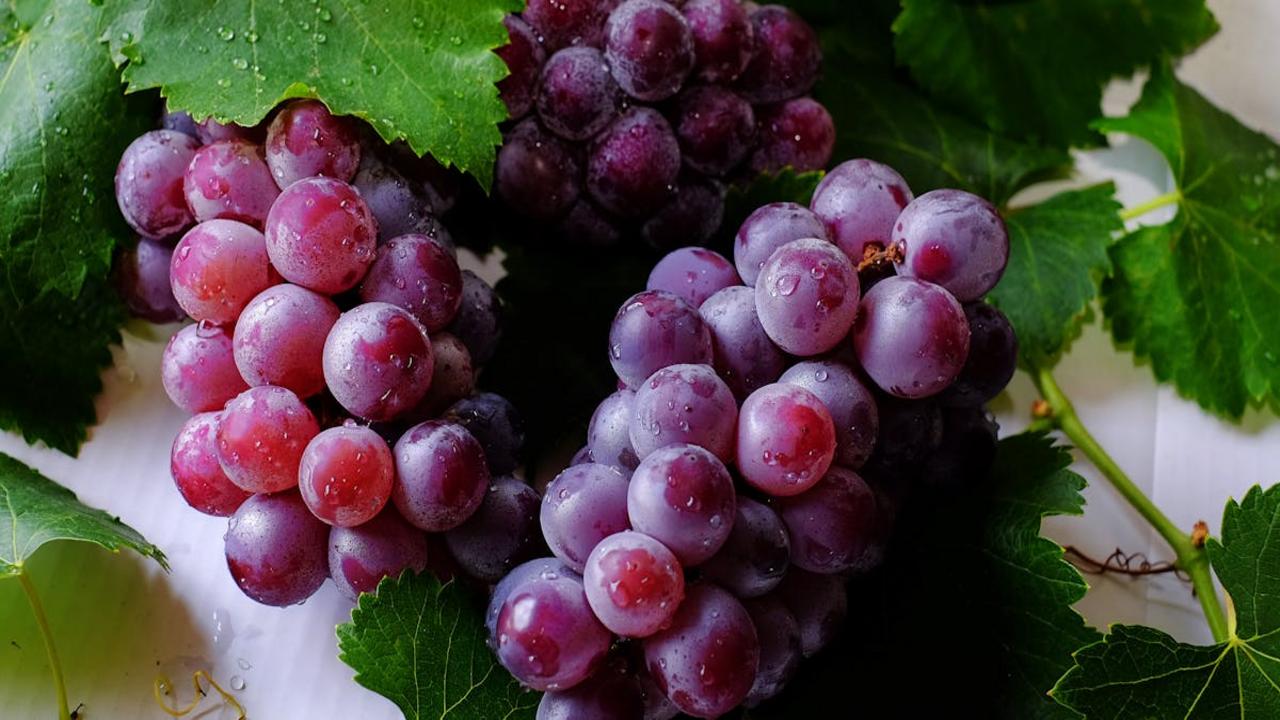
Grapes might seem like a perfect finger food for your little ones, but they actually pose a serious choking hazard for young children. Their round shape and firm skin can easily get stuck in a small child’s throat, completely blocking their airway. The size of grapes fits perfectly into a toddler’s throat, making them particularly dangerous – they rank among the top foods linked to fatal choking incidents in children under five years old.
You shouldn’t completely avoid giving your kids this nutritious fruit, but you must prepare grapes properly before serving. Always cut them lengthwise into quarters, which changes their shape and makes them less likely to block an airway completely. This simple step transforms a risky snack into a safe one. Remember to supervise young children while they eat, even when foods are properly prepared, to prevent choking emergencies.