14 Budget-Friendly Superfoods That Won’t Break the Bank
Superfoods don’t need to drain your wallet! I’ve hunted down 14 nutritional powerhouses that cost mere pennies compared to their fancy counterparts. You can transform your health without the financial guilt trip that usually comes with clean eating. These kitchen staples pack serious nutritional punches while keeping your grocery bill surprisingly manageable.
Remember those lentils hiding in your pantry? That forgotten cabbage in your crisper drawer? They’re secret health heroes! While açaí bowls and imported goji berries grab Instagram fame, these humble foods quietly deliver the same (or better) nutrients for a fraction of the price. Your body doesn’t care about a food’s social media status—it just wants the good stuff.
I’ve tested these budget heroes in my own kitchen for months, and my wallet and bloodwork are both thanking me. From protein-packed legumes to antioxidant-rich frozen berries, these foods prove that “super” doesn’t have to mean “super expensive.” Ready to revolutionize your shopping list without maxing out your credit card? These 14 superfoods are about to become your new best friends.
Kale
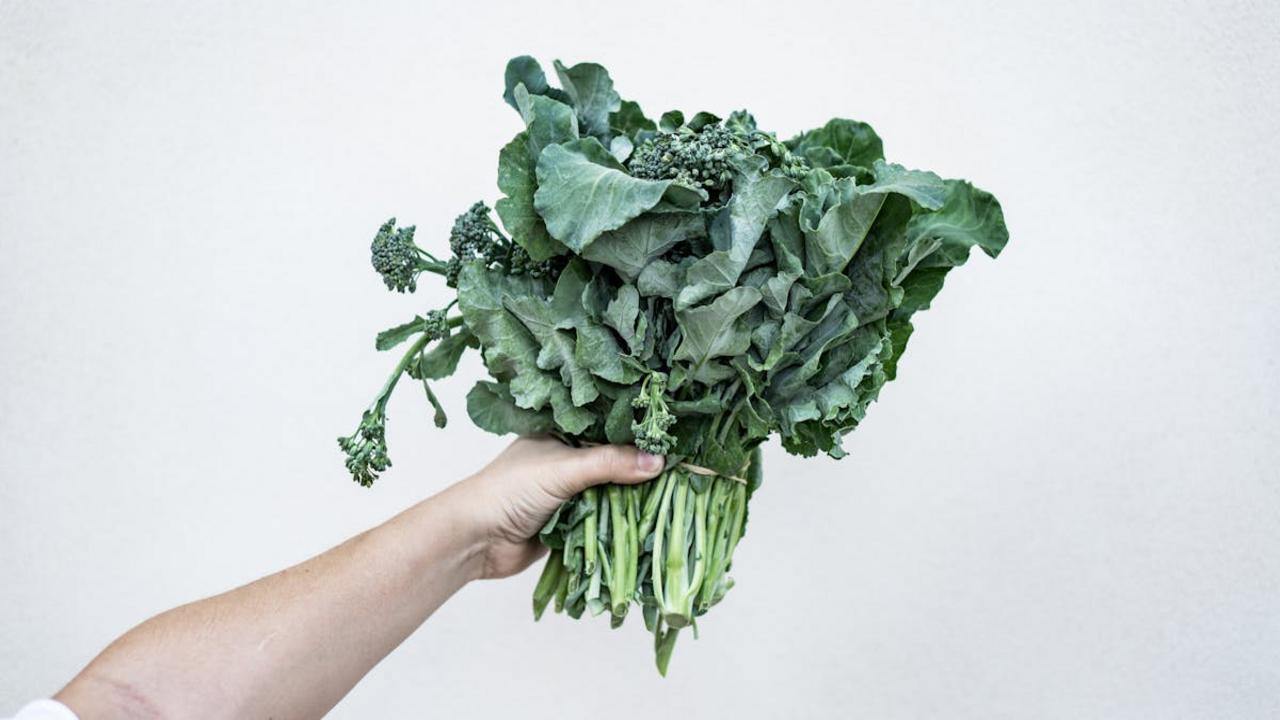
Oh, kale – the leafy green that somehow convinced an entire generation it was cooler than spinach! This curly-haired superstar sits pretty at around $2-3 per bunch and packs more nutritional punch than a heavyweight boxer. You get vitamin K that would make your bones sing opera, vitamin C that puts oranges to shame, and enough antioxidants to make your cells throw a celebration party. The best part? One bunch feeds you for days because these leaves multiply like magic tricks in your salad bowl.
Here’s a fun fact that’ll make you chuckle: kale was actually just decorative cabbage until some genius in the 2000s decided we should eat the stuff Pizza Hut used to garnish their salad bars! Now look at it – the green goddess of grocery stores everywhere. You can massage it into submission for salads (yes, massage your vegetables – they love it), blend it into smoothies where it hides behind sweet bananas like a nutritious ninja, or bake it into chips that crunch louder than autumn leaves. Pro tip: remove those thick stems unless you enjoy chewing on what feels like tiny tree branches.
Beets
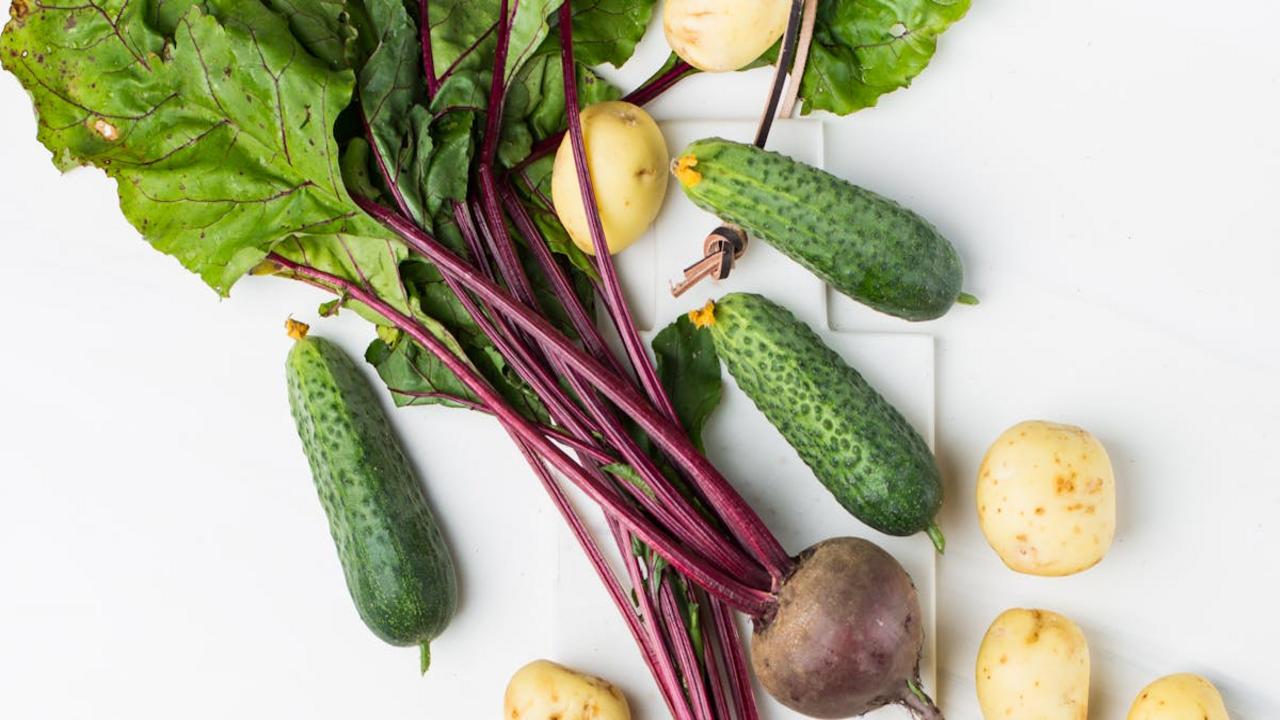
You know what’s wild? Beets are basically nature’s way of saying “Hey, want some candy that’s actually good for you?” These ruby-red gems pack more sweetness than you’d expect from a vegetable that looks like it crawled out of the earth after a particularly messy day. Ancient Romans believed beets were an aphrodisiac – talk about getting your blood pumping! And speaking of blood, these beauties contain nitrates that actually help improve blood flow and can boost your athletic performance. I once watched my marathon-running friend down beet juice before a race, and honestly, she looked like she’d been drinking vampire fuel, but she swore by the energy boost.
At around a dollar per pound, beets give you incredible bang for your nutritional buck. They’re loaded with folate, potassium, and fiber, plus they contain betalains – those gorgeous pigments that make your kitchen look like a crime scene but fight inflammation like tiny purple superheroes. Pro tip: don’t panic if your pee turns pink after eating them; it’s totally normal and means you’re part of the exclusive “beeturia” club that affects about 14% of the population. Roast them with olive oil and herbs, grate them raw into salads for crunch, or blend them into smoothies for that Instagram-worthy magenta color. Just maybe warn your dinner guests about the whole pink bathroom situation.
Sardines
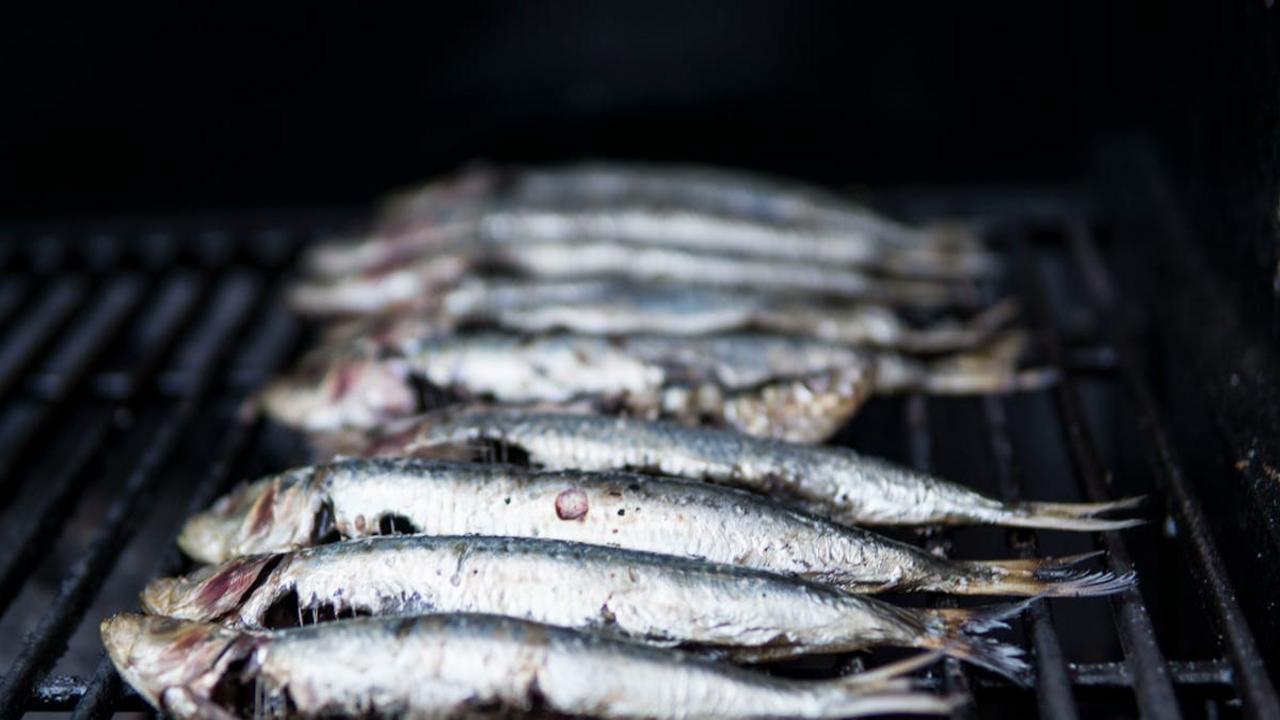
Okay, I get it – sardines aren’t exactly the Instagram darlings of the fish world. These tiny silver swimmers packed in cans might not win any beauty contests, but they’re absolutely crushing it in the nutrition department while keeping your wallet happy. At around two bucks for a can, you’re getting more omega-3 fatty acids than a salmon dinner that costs ten times more. Plus, sardines are sustainability superstars since they reproduce faster than rabbits and don’t require fancy fish farms. Fun fact: Portuguese sardine festivals are so epic that entire towns shut down to celebrate these little fish with parades, music, and enough grilled sardines to feed an army.
Before you wrinkle your nose, hear me out – sardines are like the Swiss Army knife of protein sources. One can delivers a whopping 23 grams of protein, plus calcium (thanks to those edible bones that you barely notice), vitamin D, and vitamin B12. I love mashing them into avocado toast with a squeeze of lemon and red pepper flakes, or tossing them into pasta with garlic and olive oil for a five-minute dinner that tastes way fancier than it should. Pro tip: buy the ones packed in olive oil rather than water – they’re creamier and won’t make you feel like you’re eating cardboard. Your heart, bones, and bank account will thank you for giving these underdog fish a chance.
Chickpeas
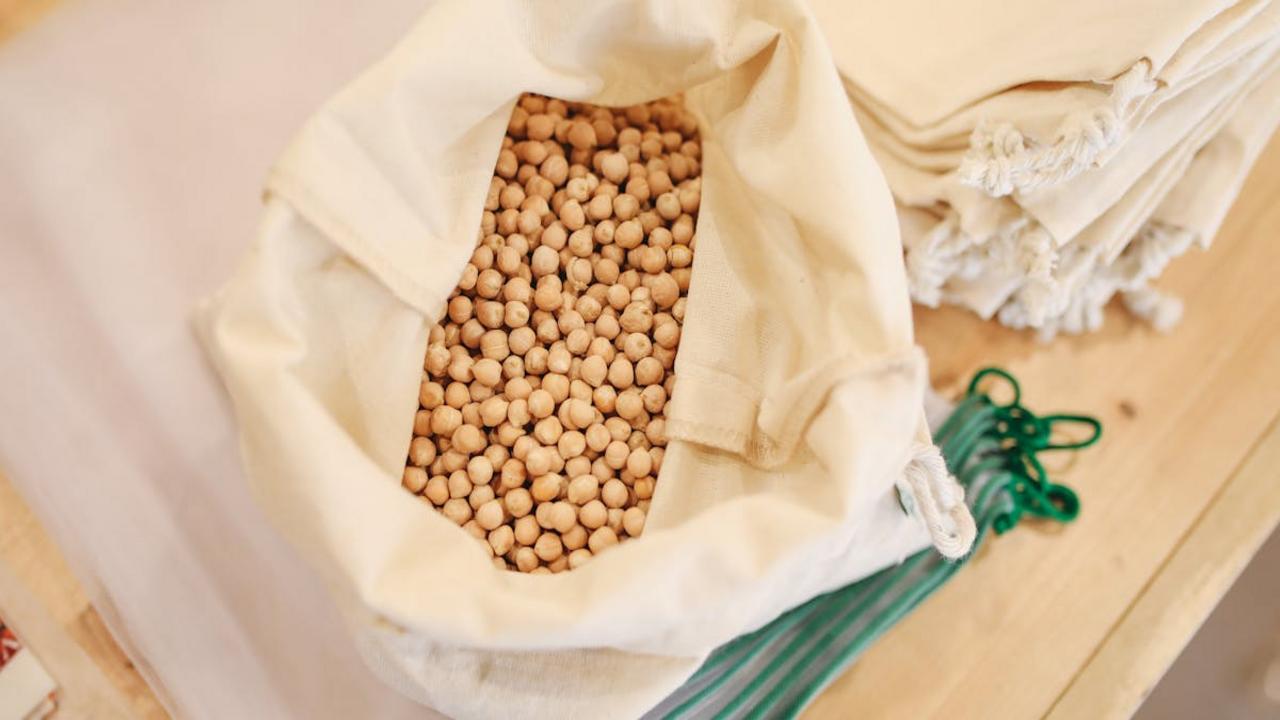
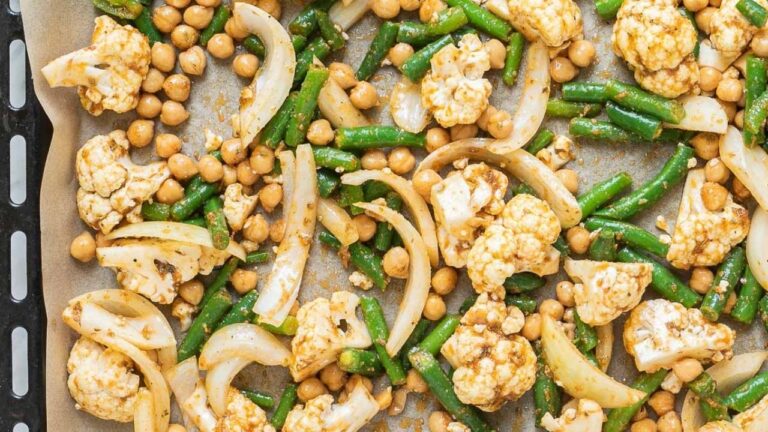
These little golden orbs of goodness have been fooling people for centuries—they’re not actually peas at all! Chickpeas, also known as garbanzo beans (because apparently one confusing name wasn’t enough), are legumes that pack more protein than your gym buddy’s protein shake obsession. At roughly $1 per can or even cheaper when you buy them dried, these beige beauties transform into everything from creamy hummus to crispy roasted snacks that’ll make you forget about expensive nuts. Fun fact: chickpeas have been around for over 7,000 years, which means they’ve survived longer than most Hollywood marriages and probably have better staying power than your last relationship.
The magic happens when you realize chickpeas are basically the Swiss Army knife of the food world. Toss them into salads for extra crunch, blend them into flour for gluten-free baking adventures, or roast them with cumin and paprika until they’re so addictively crunchy you’ll hide the bowl from yourself. They’re loaded with fiber, folate, and iron—basically everything your body needs to function like a well-oiled machine instead of a rusty bicycle. Plus, if you’ve ever made hummus from scratch, you know that satisfying moment when the food processor transforms those humble chickpeas into silky, garlicky perfection that costs a fraction of store-bought versions and tastes infinitely better.
Brown rice
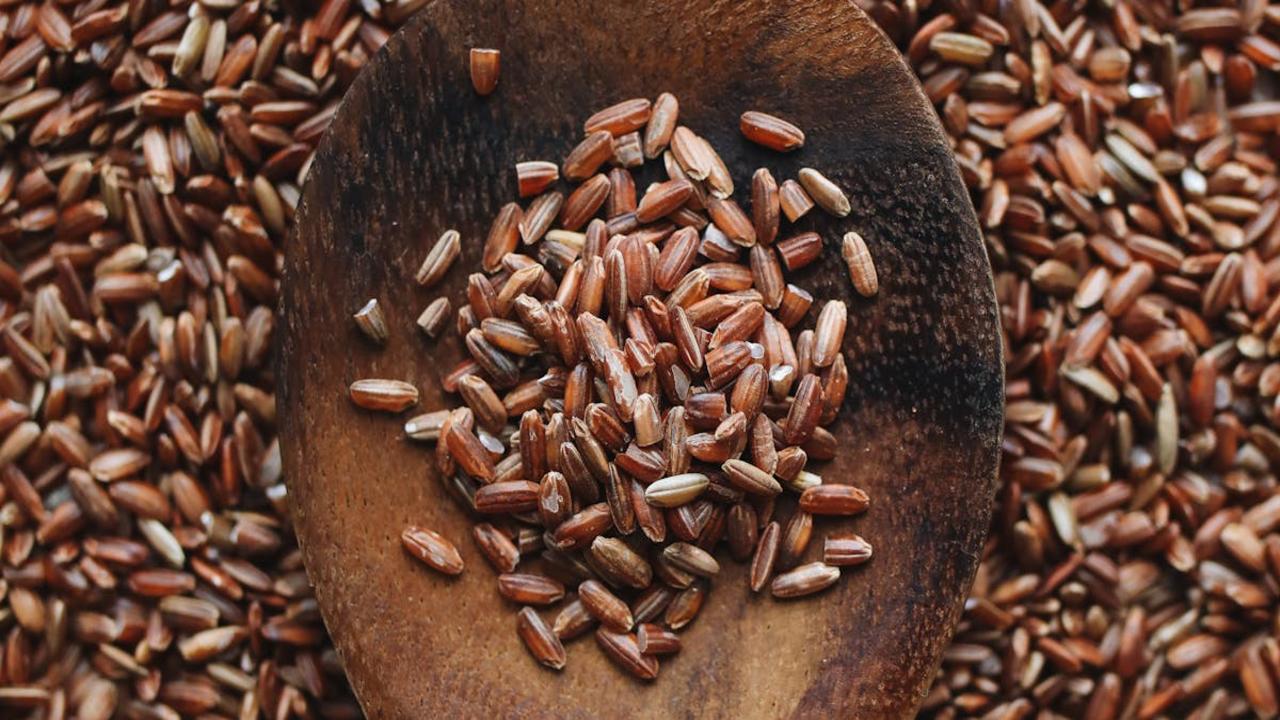
Brown rice gets a bad rap for being the boring cousin of white rice, but honestly, this nutty grain deserves way more credit than it gets. For about $2 per pound, you’re getting a powerhouse that’ll keep you full longer than its polished white sibling ever could. The secret lies in that fibrous bran layer that makes brown rice look like it rolled around in dirt – that’s where all the good stuff hides! We’re talking B vitamins, magnesium, and selenium that your body actually craves. Plus, brown rice has this satisfying chewiness that makes every bite feel substantial, like you’re eating something that actually means business.
Here’s the kicker: brown rice takes about 45 minutes to cook, which means you can start it, forget about it while binge-watching your favorite show, and come back to perfectly fluffy grains that smell like toasted nuts. I throw mine in a rice cooker with some chicken broth instead of water, and suddenly this humble grain transforms into something restaurant-worthy. You can meal prep a huge batch on Sunday and use it all week – fried rice on Monday, stuffed peppers Tuesday, and grain bowls for the rest of the week. One fun fact that always makes me chuckle: brown rice is just white rice that hasn’t been stripped naked of its outer layers. So technically, white rice is just brown rice having an identity crisis!
Spinach
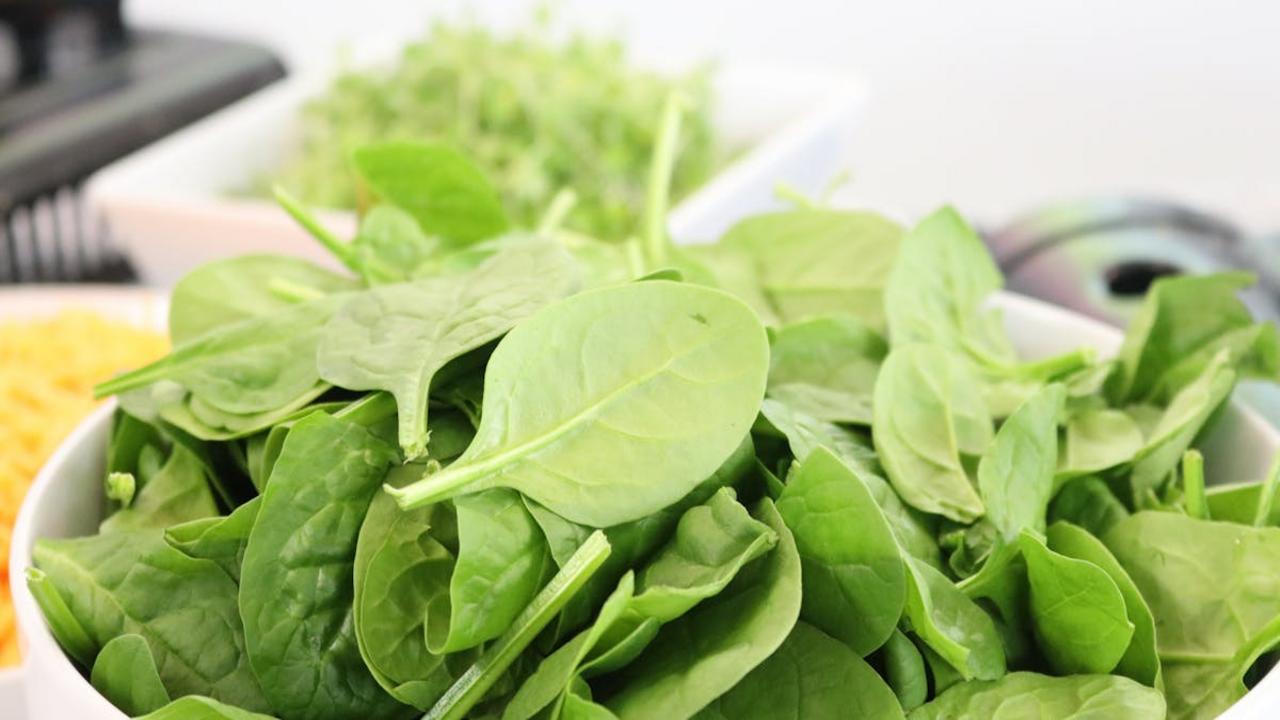
You know that friend who looks unassuming but secretly has a black belt in karate? That’s spinach for you! This leafy green might seem like the mild-mannered Clark Kent of vegetables, but don’t let its humble appearance fool you – it packs more nutritional punch per dollar than most foods dare to dream about. At roughly $2 per pound (and often less when on sale), spinach gives you iron, folate, vitamin K, and more antioxidants than you can shake a salad fork at. Fun fact: Popeye wasn’t entirely wrong about spinach making you strong, though the iron content got wildly exaggerated due to a decimal point error in early nutrition studies. Still, this verdant powerhouse will definitely give your body the fuel it needs without demolishing your grocery budget.
The beauty of spinach lies in its chameleon-like ability to sneak into practically any dish without causing a scene. Toss a handful into your morning smoothie and watch it turn an alarming shade of green while tasting like absolutely nothing – it’s like nutritional camouflage! Sauté it with garlic for a simple side dish, stuff it into lasagna, blend it into pesto, or wilt it into scrambled eggs for an instant upgrade. Pro tip: buy the big containers of baby spinach when they’re on markdown – you can freeze what you don’t use fresh for smoothies and cooked dishes later. Your wallet will thank you, and your body will practically write you a thank-you note for all those vitamins you’re sneaking in.
Quinoa
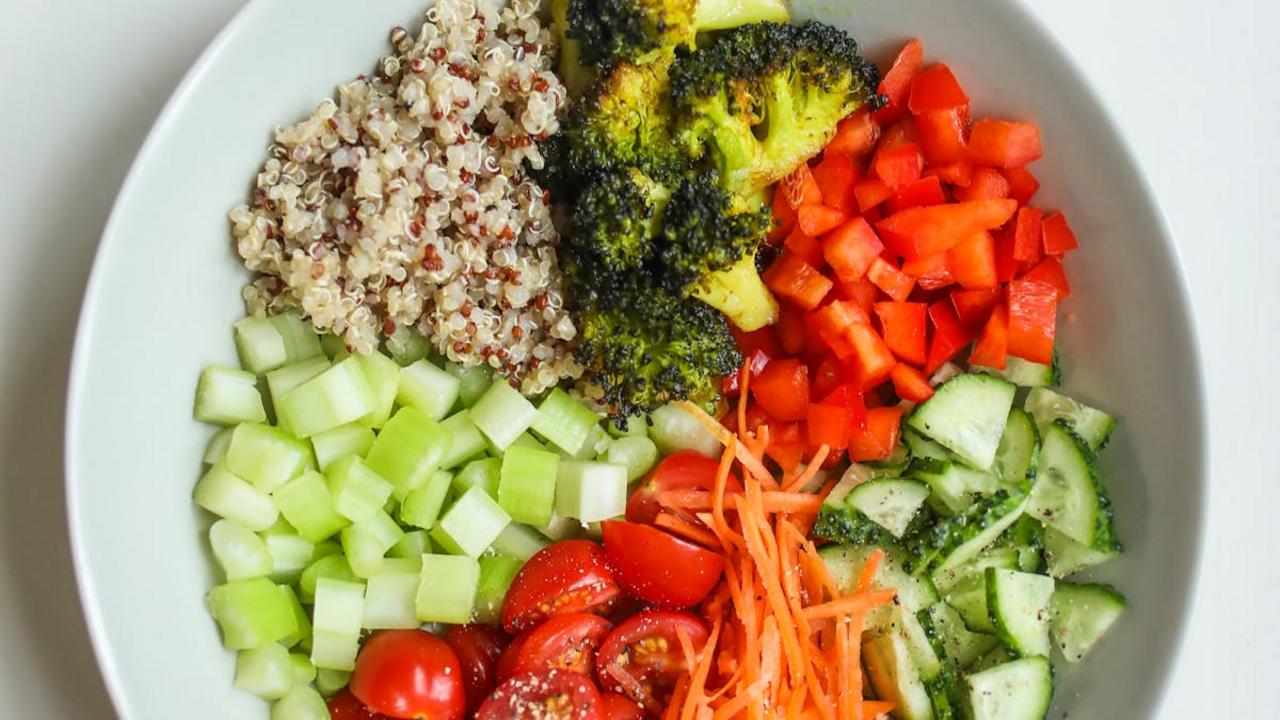
You know that moment when your friends start throwing around words like “superfood” and you roll your eyes so hard they practically fall out of your head? Well, prepare to eat those eye-rolls because quinoa actually deserves the hype. This tiny, pearl-like grain (technically it’s a seed, but who’s keeping track?) packs more protein than your average gym bro’s post-workout shake. We’re talking all nine essential amino acids here, people! The ancient Incas called it “chisaya mama” or “mother of all grains,” and honestly, they weren’t wrong. At roughly $3-4 per pound, quinoa gives you way more bang for your nutritional buck than most trendy health foods that cost more than your monthly Netflix subscription.
Here’s where quinoa gets really sneaky-smart: it cooks up in just 15 minutes and has this magical ability to taste like whatever you want it to taste like. Feeling Mediterranean? Toss it with some olive oil, lemon, and whatever herbs are lurking in your fridge. Want something cozy? Cook it in broth and pretend it’s the world’s healthiest risotto. I once made quinoa taste like chocolate cake by cooking it in almond milk with cocoa powder and a touch of maple syrup – my kids had no idea they were eating something that could probably help them bench press a small car. The fiber content alone will keep your digestive system happier than a golden retriever with a tennis ball, and the magnesium and iron levels make it a secret weapon against those 3 PM energy crashes.
Frozen berries
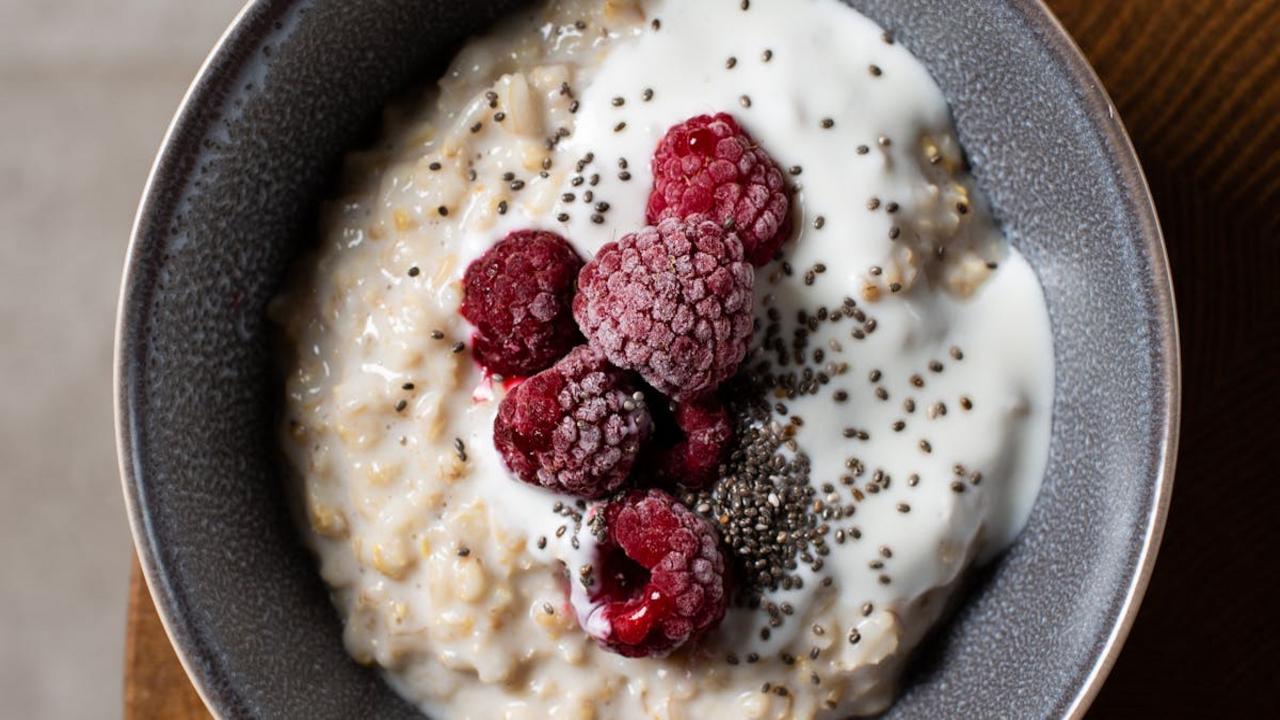
Picture this: you’re standing in the grocery store, wallet practically weeping as you eye those gorgeous fresh blueberries priced like tiny jewels. Meanwhile, just a few freezer doors down, bags of frozen berries sit there smugly, offering the same nutritional punch for a fraction of the cost. Here’s the plot twist your budget didn’t see coming – frozen berries are actually flash-frozen at peak ripeness, which means they often pack MORE vitamins than their fresh counterparts that have been traveling for days. Those little frozen gems retain their antioxidants, vitamin C, and fiber while costing roughly 50% less than fresh options year-round.
Don’t let anyone convince you that frozen berries are the sad, soggy cousins of fresh fruit. These icy powerhouses transform smoothies into creamy, thick masterpieces without requiring expensive protein powders or ice cubes that water everything down. Toss them into oatmeal, yogurt, or pancake batter straight from the freezer – no thawing required! My personal favorite hack? Keep a bag of mixed frozen berries in your freezer and grab a handful whenever you need a sweet, tart snack that won’t send your blood sugar on a roller coaster ride. Pro tip: buy the store-brand bags during sales and stock up like you’re preparing for a berry apocalypse.
Pumpkin seeds
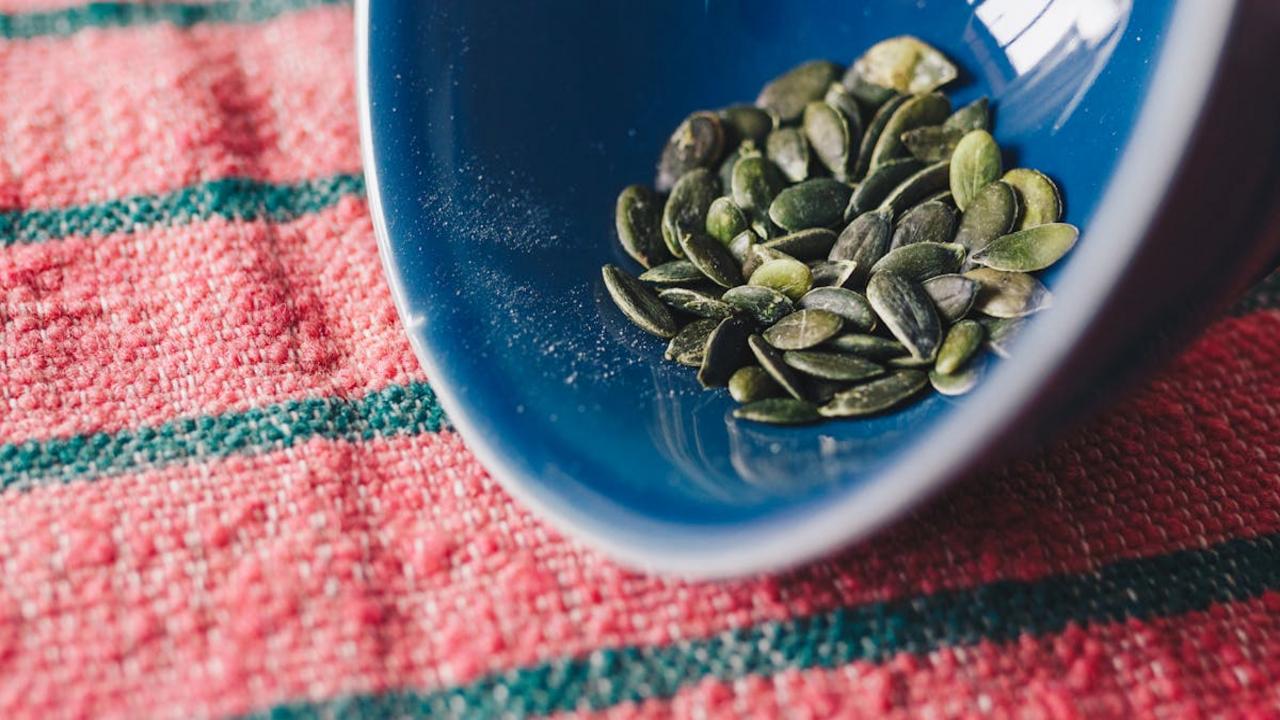
You know those slimy, stringy seeds you usually scrape out of your jack-o’-lantern and toss straight into the trash? Stop right there, friend! Those little green gems are basically nature’s multivitamin disguised as Halloween waste. Pumpkin seeds pack more zinc than a pharmacy shelf, plus they’re loaded with magnesium, healthy fats, and protein that’ll make your muscles do a happy dance. Here’s the kicker: a quarter cup delivers about 185 calories of pure nutritional gold for roughly fifty cents. Your wallet and your body will thank you for rescuing these crunchy treasures from the compost bin.
Roasting pumpkin seeds transforms them from slimy pumpkin guts into addictive little nuggets of joy. Rinse them clean, pat them dry, toss with olive oil and your favorite spices—I’m partial to garlic powder and smoked paprika—then roast at 300°F for about 15 minutes until they’re golden and crispy. Pro tip: don’t limit yourself to Halloween pumpkins! You can buy raw pumpkin seeds year-round at most grocery stores, and they’re perfect for sprinkling on salads, blending into smoothies, or just munching straight from the bag when you need a satisfying snack that won’t send your blood sugar on a roller coaster ride.
Sweet potatoes
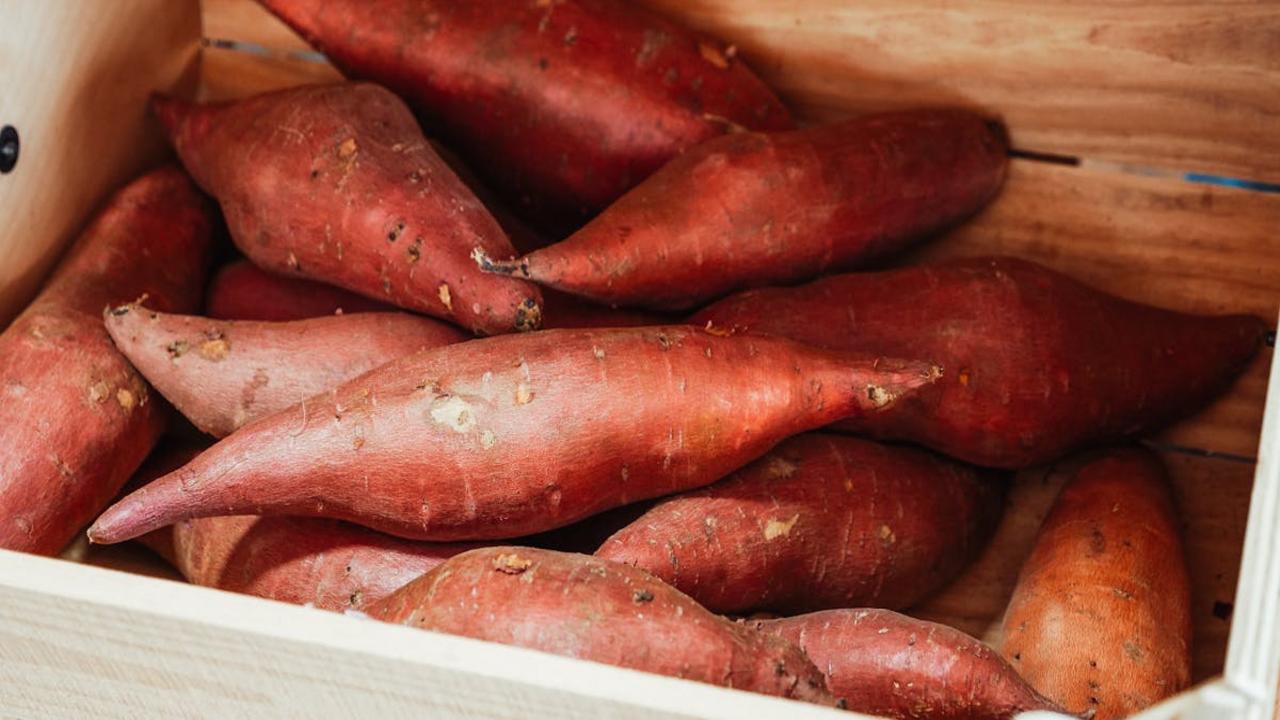
Sweet potatoes are basically the golden retrievers of the vegetable world – cheerful, reliable, and universally loved. These orange beauties cost pennies compared to their trendy superfood cousins, yet they pack more beta-carotene than a carrot convention and enough fiber to keep your digestive system humming like a well-tuned engine. I discovered their magic during college when my grocery budget was tighter than my dorm room, and a single sweet potato could transform into everything from breakfast hash to dessert pudding. Fun fact: despite their name, sweet potatoes aren’t actually potatoes at all – they’re root vegetables that just happened to win the naming lottery.
The beauty of sweet potatoes lies in their chameleon-like personality. Roast them whole and they become nature’s candy, their sugars caramelizing into sticky-sweet perfection. Dice them up for a morning hash with eggs, and suddenly you’re eating like a foodie on a shoestring budget. My favorite trick? Slice them thin, toss with olive oil and sea salt, then bake until crispy – instant sweet potato chips that make store-bought versions weep with shame. Plus, these nutritional powerhouses contain more vitamin A than you could shake a stick at, supporting everything from your eyesight to your immune system while your wallet stays happily plump.
Cabbage
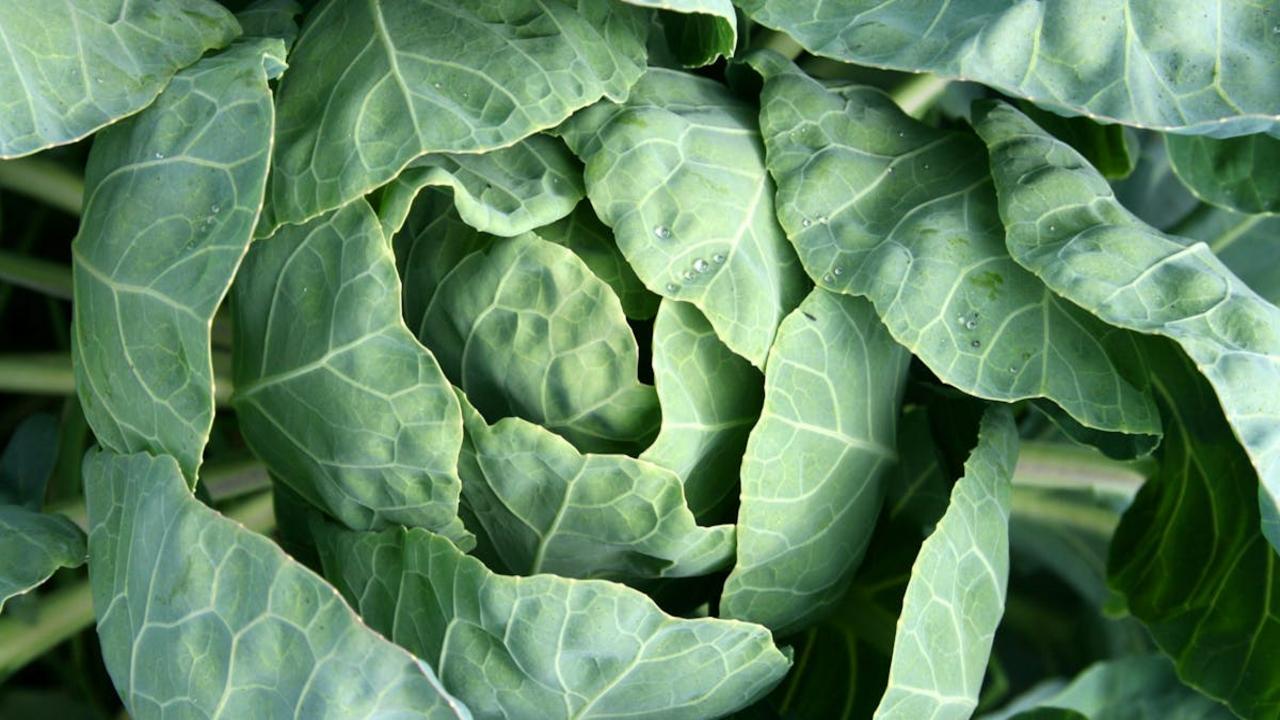
Picture this: you’re standing in the produce section, wallet feeling lighter than a feather, and there sits cabbage—the unsung hero of budget cooking—practically winking at you with its glossy green leaves. This humble vegetable costs less than most people spend on a fancy coffee, yet it packs more nutritional punch than a superhero convention. One medium head feeds a small army for under two dollars, making it the ultimate stretcher of grocery budgets. Did you know that ancient Romans considered cabbage so powerful they ate it before drinking wine to prevent hangovers? Smart Romans!
Don’t let cabbage fool you with its plain appearance—this versatile superstar transforms into everything from crispy coleslaw to soul-warming soup to fermented sauerkraut that your gut bacteria will throw a party over. I once made a massive pot of cabbage soup that lasted me five days of lunches, and each bowl felt like a warm hug from my grandmother (who definitely knew the value of a good deal). Rich in vitamin C, fiber, and antioxidants, cabbage keeps your immune system strong while your bank account stays happy. Try shredding it raw for tacos, roasting wedges with olive oil and garlic, or stuffing the leaves with rice and ground turkey for a comfort food masterpiece that costs pennies per serving.
Chia seeds
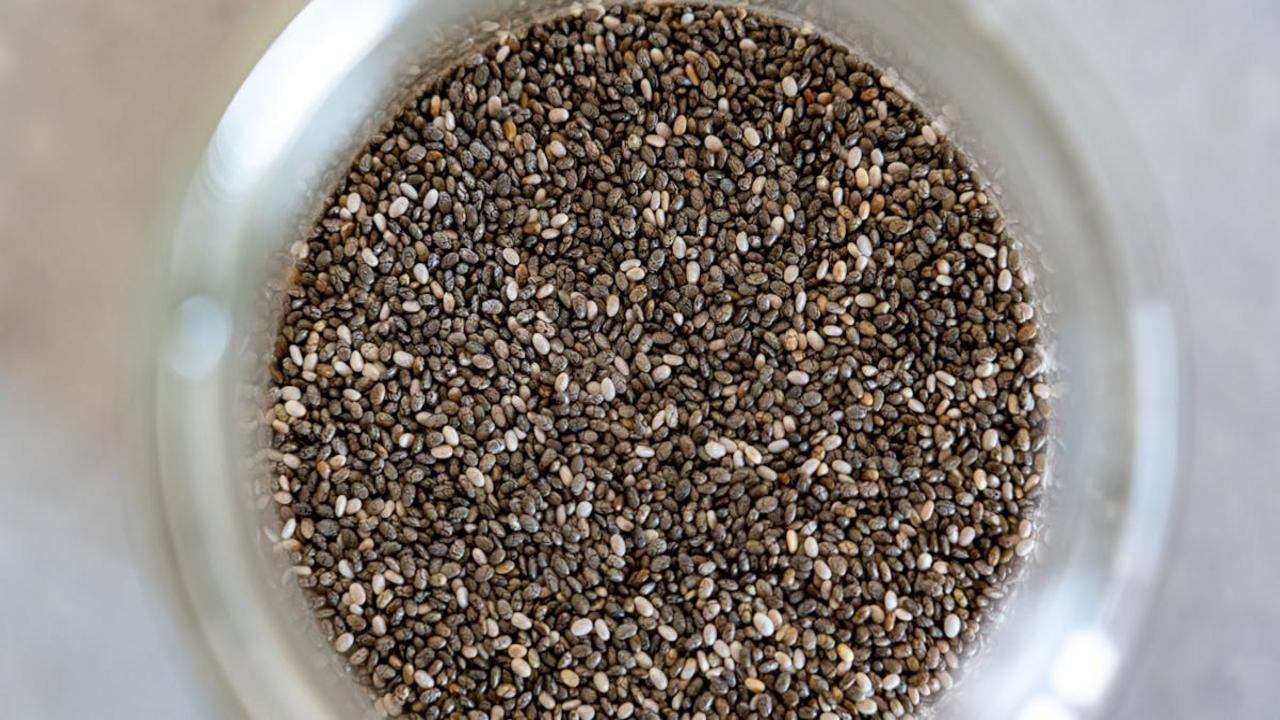
These tiny black and white speckled powerhouses pack more nutritional punch per ounce than a heavyweight boxer! Chia seeds contain omega-3 fatty acids, fiber, protein, and calcium – all for about three bucks a pound. Here’s something wild: these little guys can absorb up to 10 times their weight in liquid, transforming from crunchy specks into gel-like orbs that look like tiny alien eggs. The Aztecs actually used chia as currency and considered it more valuable than gold, which makes perfect sense once you realize one tablespoon gives you enough energy to power through your morning without that 10 AM coffee crash.
I love sprinkling these magical seeds on everything from yogurt to salads, but my favorite trick is making overnight chia pudding. Mix three tablespoons with a cup of milk (any kind works), add a drizzle of honey and vanilla, then let the chia work its gooey magic overnight in the fridge. By morning, you’ve got a creamy, satisfying breakfast that costs less than a fancy coffee drink. The best part? Chia seeds have zero flavor on their own, so they take on whatever personality you give them – sweet with berries and maple syrup, or savory with everything bagel seasoning. They’re like the chameleons of the superfood world, ready to blend into any meal while secretly boosting your nutrition game.
Oats
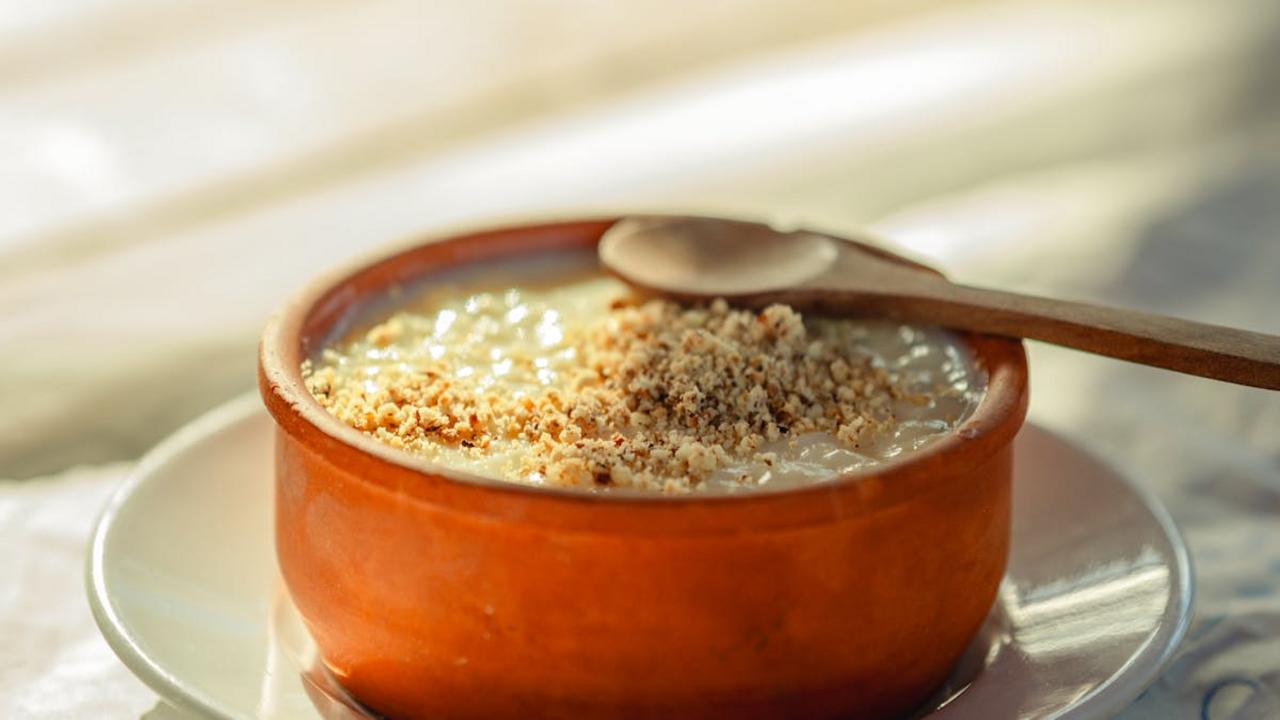
Meet the humble oat – the breakfast champion that’s been fueling humans since ancient times and costs about as much as your morning coffee. These little powerhouses pack more protein than most grains (around 6 grams per half-cup), plus they’re loaded with beta-glucan fiber that actually helps lower your cholesterol. Think of oats as nature’s tiny janitors, sweeping through your arteries with their cleaning superpowers. The best part? A giant container costs under five bucks and lasts for weeks, making your wallet and your heart equally happy.
Here’s where oats get really exciting – they’re basically edible chameleons! Toss them in smoothies for thickness, grind them into flour for baking, or go full-on savory with a hearty oat risotto that’ll make your Italian grandmother weep tears of joy. Fun fact: oats contain avenanthramides, compounds found nowhere else in the food kingdom that fight inflammation like microscopic superheroes. I love making overnight oats with whatever random ingredients lurk in my fridge – yesterday’s sad banana, that jar of almond butter, maybe some cinnamon. Dump everything together, wake up to breakfast magic, and feel smug about spending less than two dollars on a meal that keeps you satisfied until lunch.
Lentils
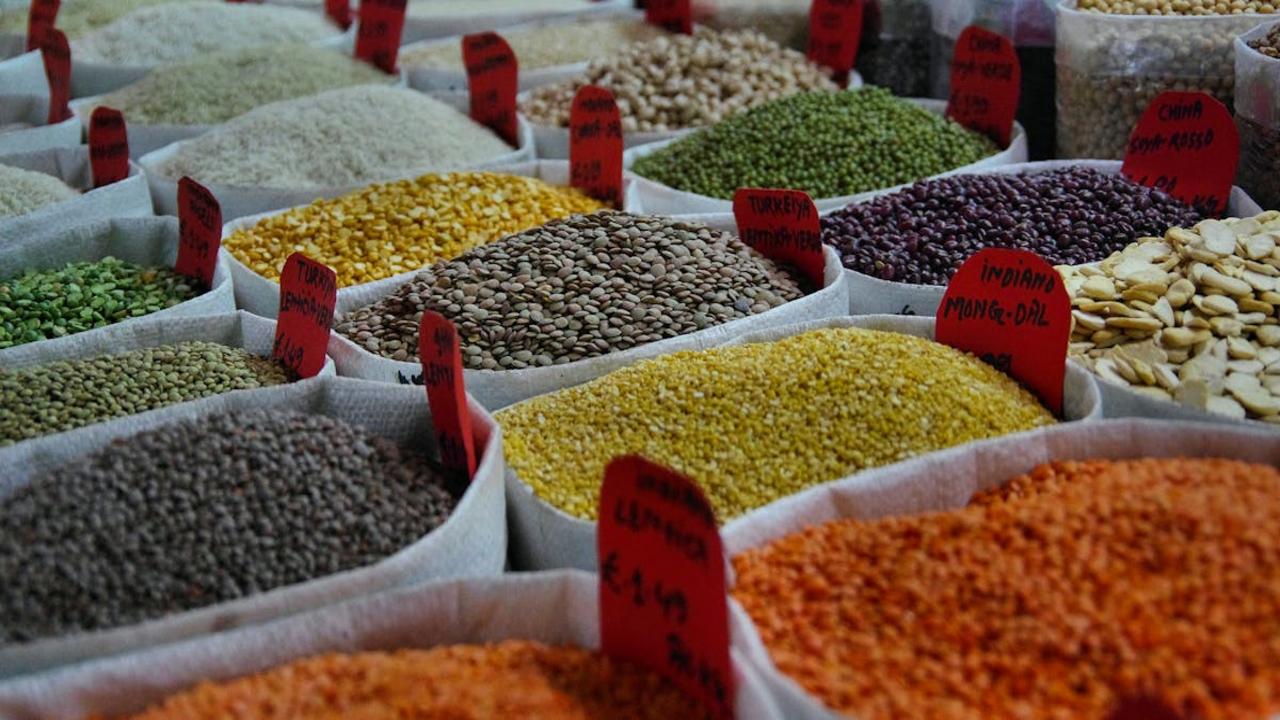
You know what’s criminally underrated in the grocery store? Those humble little bags of lentils sitting quietly in the bean aisle, probably wondering why everyone walks past them for the flashy quinoa display. These tiny powerhouses pack more protein per dollar than almost any other food on the planet – we’re talking about 18 grams of protein and 16 grams of fiber for less than a buck. I once calculated that a single pound of red lentils could feed my entire apartment building for approximately three days, which might explain why my neighbors stopped accepting my dinner invitations.
The beauty of lentils lies in their chameleon-like ability to transform into whatever you need them to be. Red lentils dissolve into creamy curry bases faster than you can say “budget-friendly,” while green lentils hold their shape like tiny soldiers in salads and soups. My personal favorite trick involves tossing cooked lentils into pasta sauce – suddenly your spaghetti night becomes a protein party, and nobody’s the wiser. Plus, unlike their dried bean cousins who demand overnight soaking and hours of cooking time, lentils cook in 15-30 minutes flat, making them perfect for those “oops, forgot to meal prep” moments that happen to the best of us.