15 Pantry Staples Chefs Swear By for Next-Level Cooking
Ever wondered why some home-cooked meals taste extraordinary while others fall flat? The secret often lies in your pantry! I’ve learned through years of recipe creation that stocking smart transforms everyday cooking into something special. These 15 chef-approved staples build flavor in ways pre-made sauces never could.
You don’t need fancy equipment or rare ingredients to cook like a pro. With these pantry heroes on hand, you’ll whip up dishes that make people ask for your recipes. I keep these ingredients within arm’s reach because they work together to create depth and complexity in nearly any dish.
The best part? These staples cross cultural boundaries. From Italian pasta dishes to Asian stir-fries or Mexican beans, these ingredients form the backbone of global cooking. They’ve saved countless last-minute dinners in my kitchen, and they’ll do the same for you!
Canned Beans
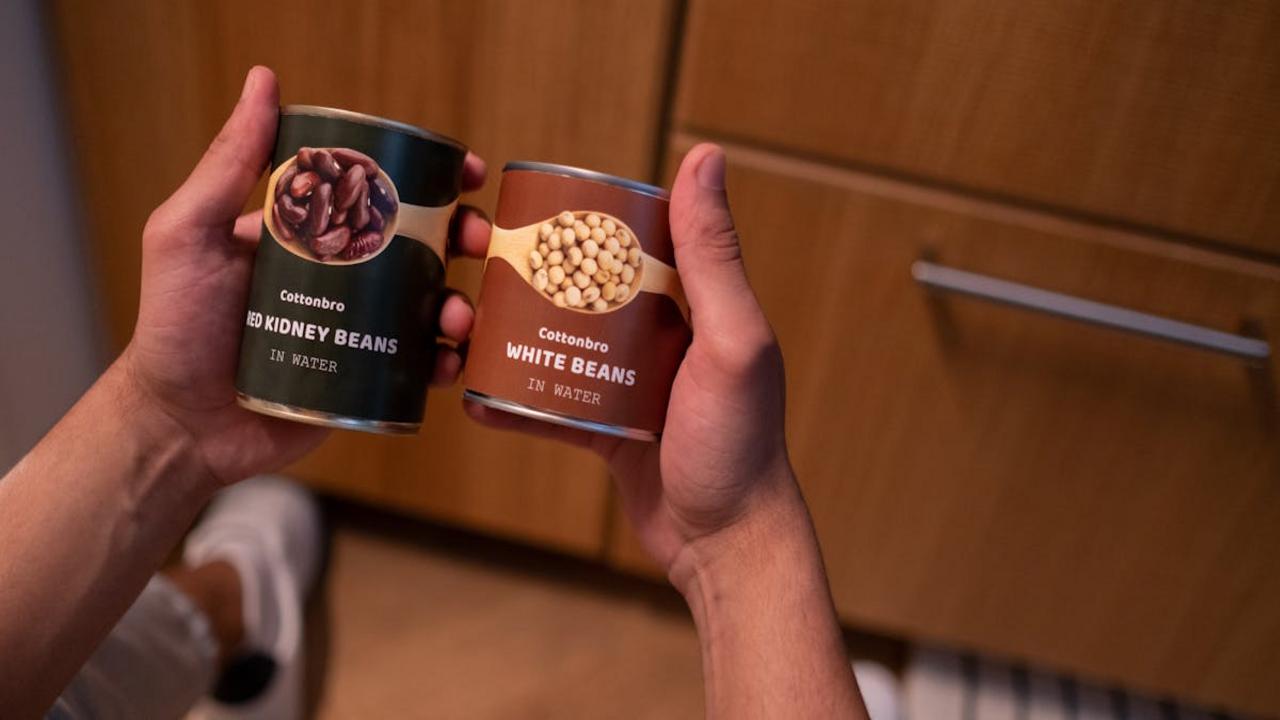
You know that moment when you open your pantry and wonder how to transform basic ingredients into something magical? Canned beans are your answer. I keep at least five varieties on hand—chickpeas, black beans, cannellini, kidney beans, and navy beans—because they’re the foundation for countless dishes across different cultures. From Mediterranean white bean salads with fresh herbs to Mexican-inspired black bean bowls with cumin and lime, these protein-packed gems adapt to whatever flavor profile you’re craving. They’re already cooked, which means dinner can happen in minutes rather than hours.
What I love most about canned beans is how they bridge the gap between convenience and wholesome cooking. Sure, I cook dried beans from scratch sometimes, but canned versions give me the freedom to create nourishing meals without planning ahead. I always rinse them thoroughly to remove excess sodium and that slightly metallic taste, then I build layers of flavor around them. Try mashing cannellini beans with garlic, lemon, and olive oil for an instant protein-rich base, or blend chickpeas with tahini and spices for a quick hummus that beats any store-bought version. They’re budget-friendly, shelf-stable, and turn simple vegetables into satisfying, complete meals that fuel your body properly.
Dried Herbs
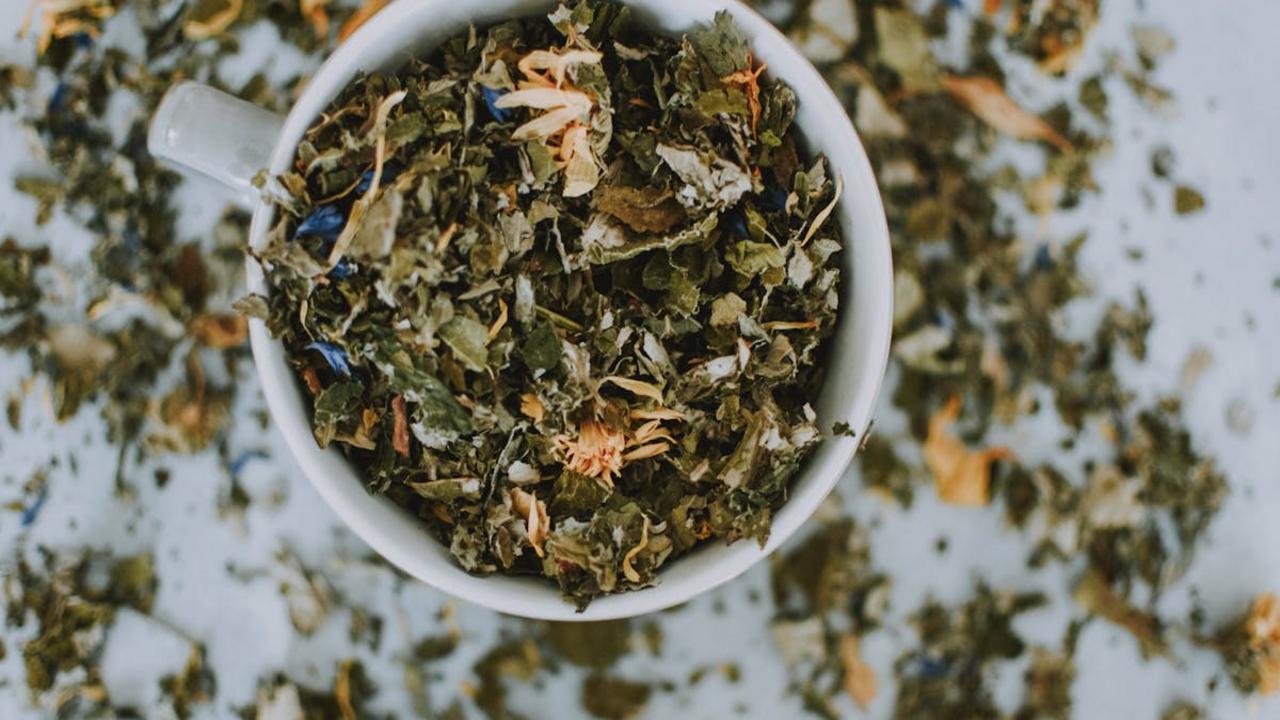
I keep jars of dried herbs lined up like tiny soldiers in my pantry, and honestly, they’ve saved more dinners than I can count. While fresh herbs get all the glory, dried versions bring their own magic to the table—they’re concentrated flavor bombs that transform ordinary dishes into something memorable. Think about it: a pinch of dried oregano can transport your simple tomato sauce straight to the Mediterranean, while ground cumin whispers stories of North African tagines into your weeknight stir-fry.
The beauty of dried herbs lies in their reliability and shelf life. You don’t need to worry about wilted cilantro or browning basil when you’re cooking on instinct and reaching for whatever feels right. I love how dried thyme brightens up roasted vegetables, how smoked paprika adds depth to my lentil soups, and how a blend of dried rosemary and sage can make even the simplest roasted chicken taste like you spent hours planning the meal. Pro tip: toast whole dried herbs in a dry pan for thirty seconds before grinding them yourself—the aroma will fill your kitchen and the flavor intensity will surprise you every single time.
Vinegar

You know that moment when you taste a dish and something just feels missing? Nine times out of ten, it’s acid. Vinegar becomes your secret weapon here, and I keep at least four types in my pantry because each one brings something different to the table. Apple cider vinegar adds a fruity brightness to marinades and salad dressings, while white wine vinegar keeps things clean and sharp in delicate sauces. Rice vinegar brings that gentle tang perfect for Asian-inspired dishes, and balsamic? That’s your depth and complexity right there, especially when you reduce it down to a syrup.
What makes vinegar so powerful is how it transforms other ingredients around it. Add a splash to your soup at the end, and suddenly every flavor pops. Drizzle some over roasted vegetables, and they go from good to incredible. I love using different vinegars to build layers in my cooking – maybe I’ll start a braise with balsamic for richness, then finish with a touch of apple cider vinegar for brightness. This approach keeps you away from reaching for processed flavor enhancers because you’re creating that complexity naturally. Trust me, once you start cooking with intention using different vinegars, your food will never taste flat again.
Soy Sauce
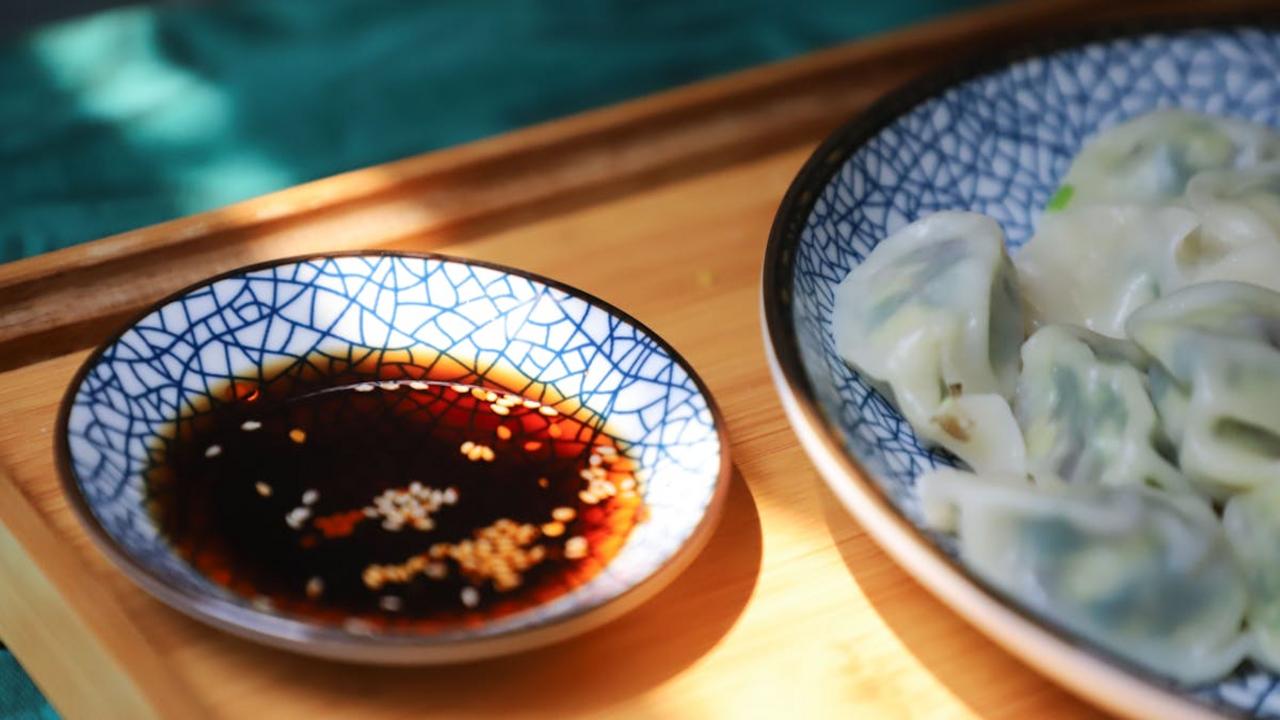
I keep three different soy sauces in my pantry because each one brings something unique to the table. Light soy sauce gives me that clean, salty backbone for stir-fries and marinades, while dark soy sauce adds deep color and molasses-like sweetness to braised dishes. Then there’s tamari—my go-to for gluten-free cooking and when I want that rich umami punch without any wheat. You’d be amazed how a splash of good soy sauce can transform even the simplest scrambled eggs or roasted vegetables into something restaurant-worthy.
What I love most about soy sauce is how it bridges flavors across different cuisines. I’ll add it to my West African pepper soup for extra depth, drizzle it over avocado toast with a squeeze of lime, or mix it with honey and garlic for an incredible glaze on roasted chicken. The fermentation process creates these complex layers of flavor that you simply can’t replicate with salt alone. Buy the best quality you can afford—those cheap, overly salty versions won’t do your cooking any favors. A bottle of good soy sauce will last months and elevate countless meals along the way.
Chicken Stock
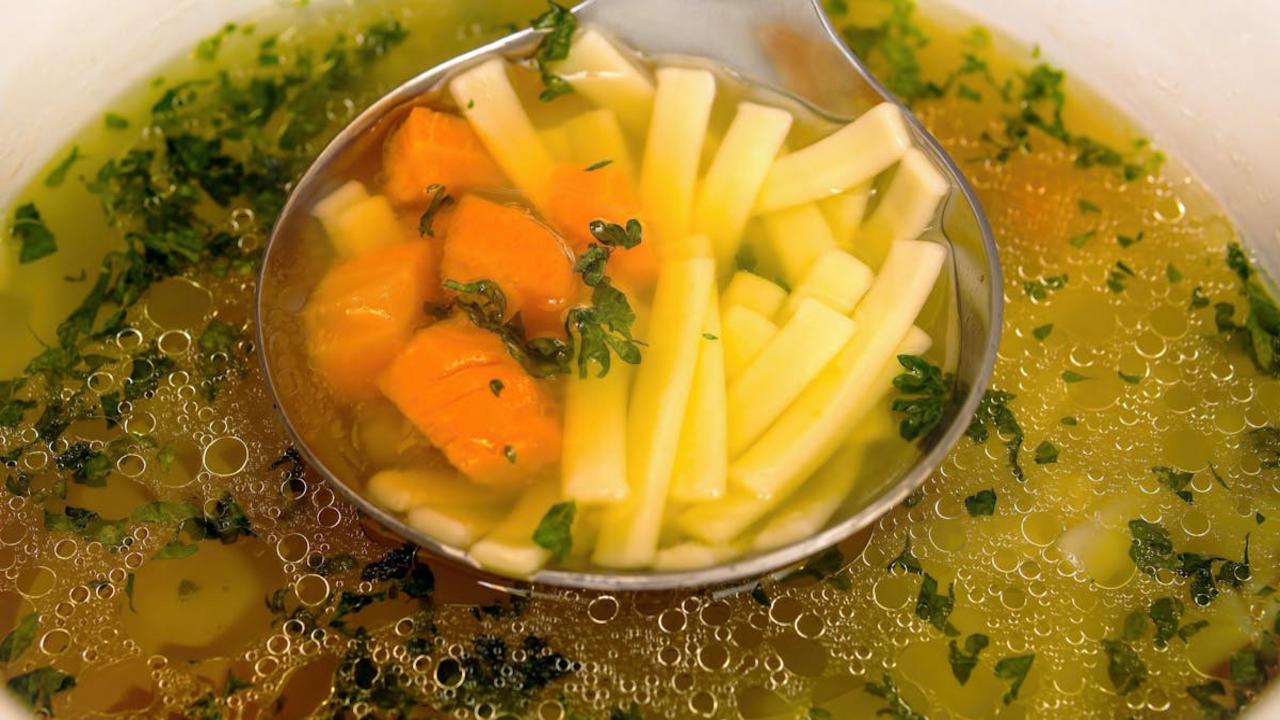
I keep homemade chicken stock in my freezer at all times—it’s the liquid gold that transforms ordinary dishes into something extraordinary. When you make stock from scratch using bones, vegetables, and herbs, you create a foundation that carries deep, complex flavors no store-bought version can match. The difference becomes obvious the moment you taste a risotto made with real stock versus water, or when you sip a soup that’s been built on this rich base. You control the salt content, the intensity, and most importantly, you avoid all those preservatives and artificial additives that sneak into commercial versions.
Making stock might seem intimidating, but I promise it’s one of the most forgiving cooking processes you’ll master. Toss your leftover chicken bones into a pot with onions, carrots, celery, and whatever herbs you have on hand—bay leaves, thyme, parsley stems all work beautifully. Let it simmer gently for hours while you go about your day, then strain and freeze in ice cube trays for easy portioning. This golden elixir becomes the secret behind your best braises, the silkiest gravies, and those soups that make people ask for your recipe. Once you start cooking with real stock, you’ll wonder how you ever managed without it.
Sugar
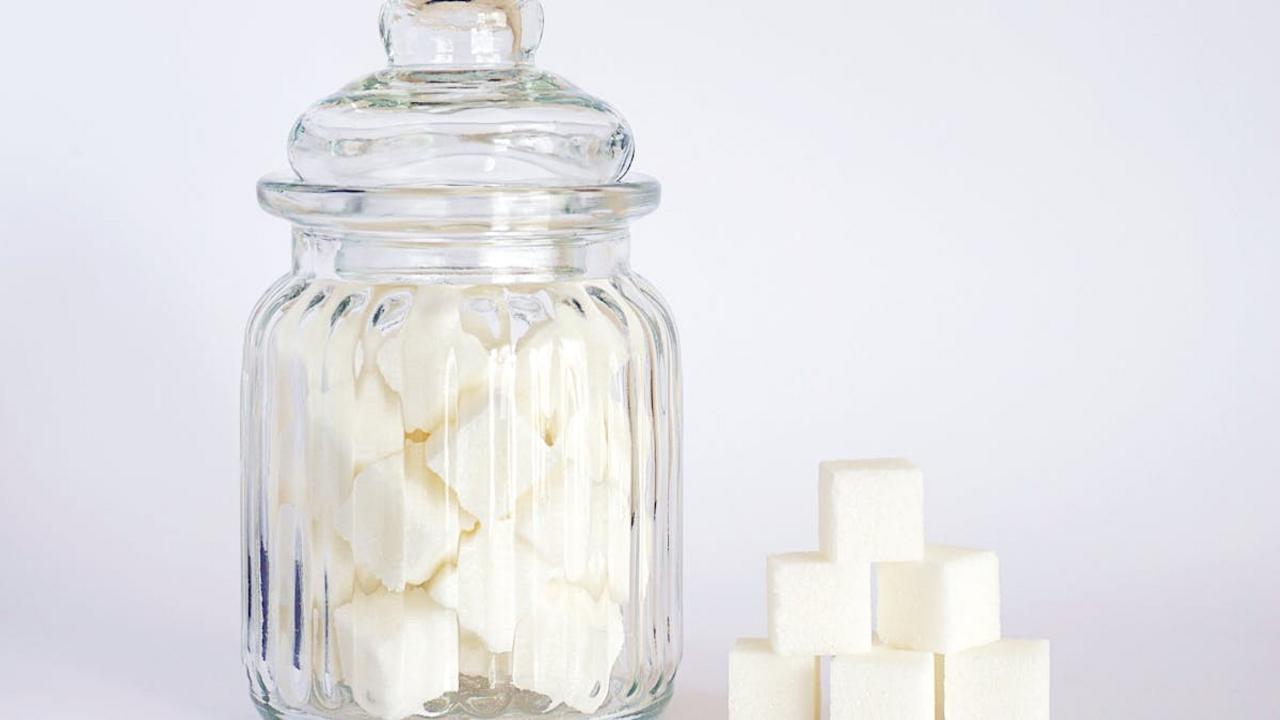
You know what? Sugar gets such a bad rap these days, but I’m here to tell you that good sugar – the real stuff – deserves a spot in every thoughtful cook’s pantry. I’m talking about raw cane sugar, coconut sugar, and even that beautiful turbinado sugar with its golden crystals. These aren’t just sweeteners; they’re flavor builders that bring depth and complexity to both sweet and savory dishes. When I’m making my grandmother’s Moroccan tagine, a pinch of raw sugar helps balance the bright acidity of preserved lemons. In Korean-inspired marinades, brown sugar creates that perfect caramelization on grilled meats while adding molasses notes that white sugar simply can’t deliver.
The magic happens when you understand sugar’s role beyond desserts. I use coconut sugar in my curry pastes because it rounds out sharp spices without overpowering them. A tablespoon of raw cane sugar in tomato sauce transforms canned tomatoes into something that tastes like it simmered for hours. Even in bread baking, these unrefined sugars feed the yeast while contributing subtle caramel flavors that make homemade loaves irresistible. The key is choosing sugars that retain their natural minerals and flavors – they work harder in your cooking, doing double duty as both sweetener and flavor enhancer in ways that processed white sugar never could.
Flour
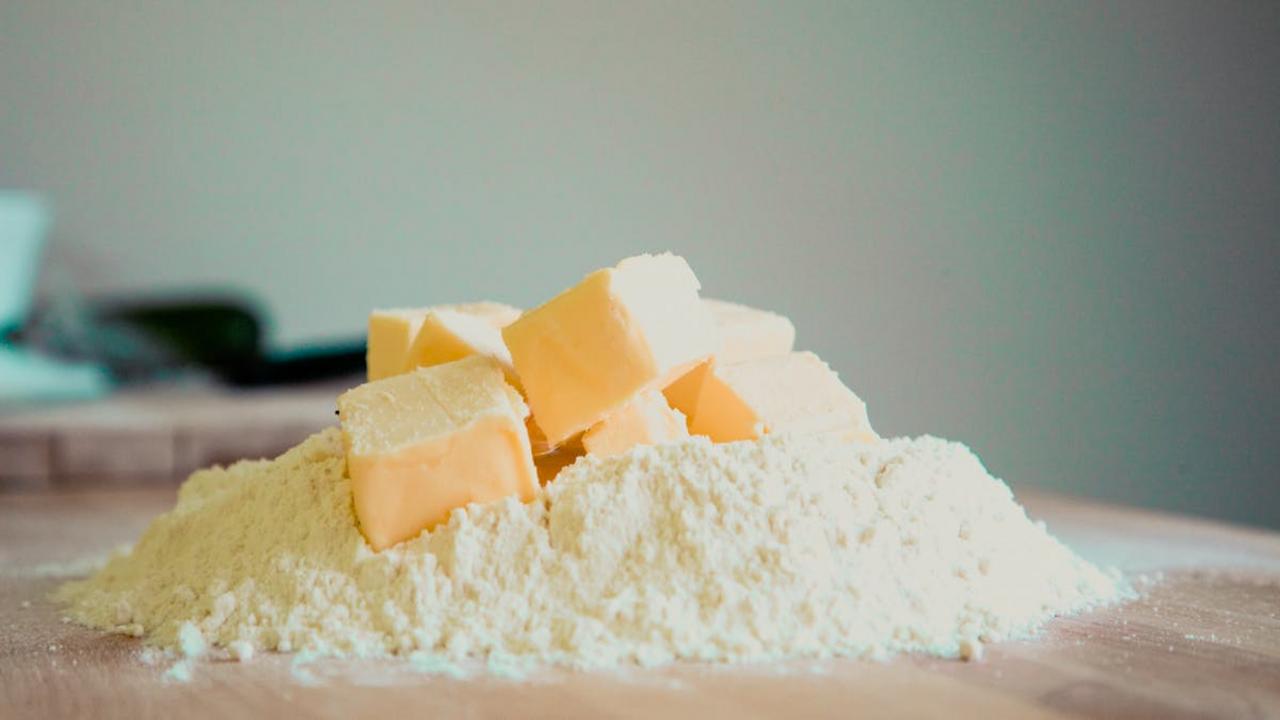
You know that moment when you open your pantry and see bags of flour lined up like faithful soldiers? That’s pure cooking potential right there. I keep at least three types on hand: all-purpose for my everyday bread and pancakes, whole wheat for heartier loaves that make me feel connected to ancient grains, and rice flour for those gluten-free friends who deserve the same delicious treatment. Each type brings its own personality to your cooking – all-purpose gives you that reliable foundation, whole wheat adds nutty depth and fiber that your body thanks you for, while rice flour creates the most incredibly light tempura batter you’ve ever tasted.
Here’s what changed everything for me: I stopped seeing flour as just a baking ingredient. Now I toast it in a dry pan until golden and fragrant, then whisk it into soups for natural thickening power that beats any processed thickener. I make fresh pasta on Sunday afternoons, rolling out silky sheets that transform simple vegetables into restaurant-worthy meals. My Indian grandmother taught me to mix chickpea flour with spices and water for instant savory pancakes that cook up in minutes. When you buy quality flour and store it properly in airtight containers, you’re investing in countless meals that nourish both body and soul.
Canned Tomatoes
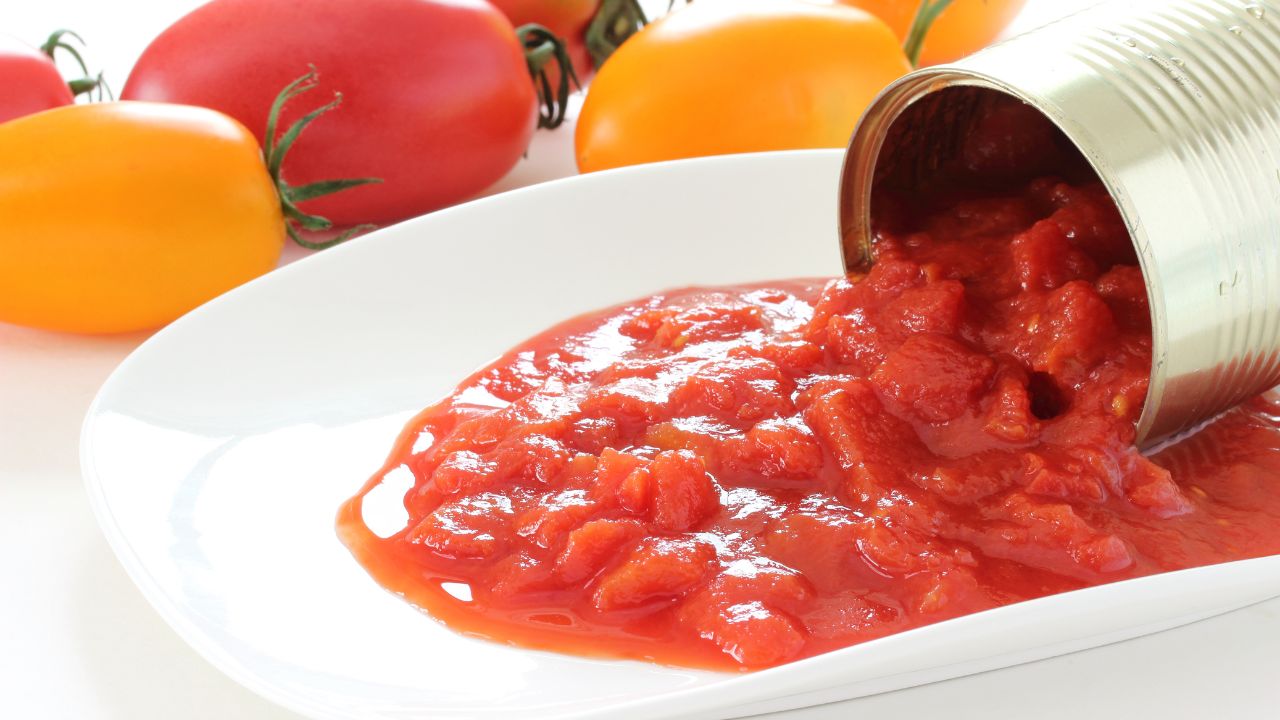
You know what I always keep stocked in my pantry? Multiple cans of good-quality tomatoes. These ruby gems transform ordinary weeknight dinners into something extraordinary, and honestly, they’re often better than fresh tomatoes, especially during off-season months. I reach for San Marzano or fire-roasted varieties because they bring depth and complexity that you simply can’t achieve with mediocre fresh tomatoes. Whether I’m making a quick marinara, adding body to a curry, or building the base for a hearty stew, canned tomatoes deliver consistent flavor every single time.
What makes canned tomatoes so brilliant is their versatility across global cuisines. I crush them by hand for rustic pasta sauces, blend them smooth for Indian gravies, or dice them for Mexican salsas and Latin-inspired dishes. They’re packed at peak ripeness, which means you’re getting concentrated umami and natural sweetness that enhances everything they touch. Plus, they’re incredibly budget-friendly and shelf-stable, making them perfect for those spontaneous cooking moments when inspiration strikes. Trust me, once you start cooking with quality canned tomatoes, you’ll wonder how you ever managed without them in your arsenal.
Garlic
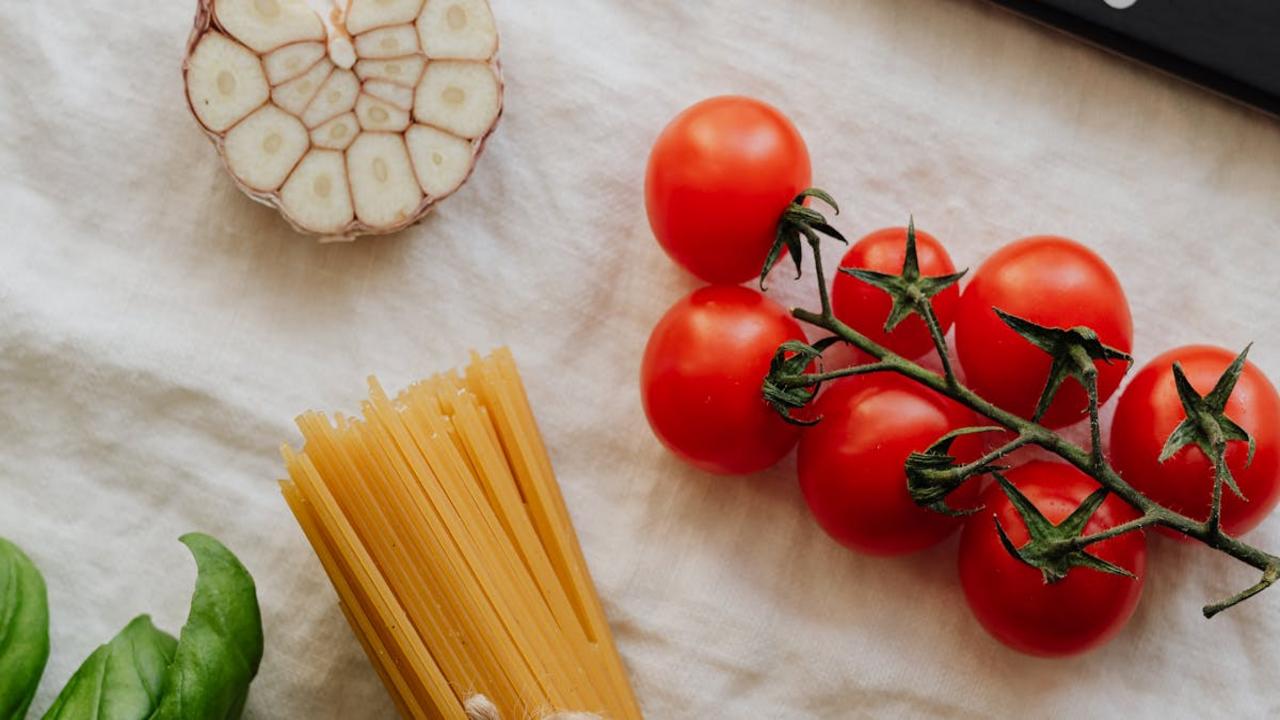
I keep garlic bulbs scattered around my kitchen like little treasures waiting to transform whatever I’m cooking. Fresh garlic becomes the backbone of almost everything I make—from my grandmother’s Jamaican curry to that quick weeknight stir-fry when the fridge looks bare. You know that moment when garlic hits hot oil and fills your entire kitchen with that intoxicating aroma? That’s when real cooking begins. I always buy whole bulbs and store them in a cool, dry spot where they stay fresh for weeks, giving me that burst of pungent sweetness whenever I need it.
What makes garlic so magical in my kitchen is how it changes personality depending on how you treat it. Slice it thin and it becomes mellow and nutty, perfect for slow-cooking with vegetables. Crush it with the flat side of your knife, and you release those powerful oils that make your sauce sing. I even roast whole bulbs until they turn golden and creamy—then I spread that caramelized goodness on crusty bread or mix it into mashed potatoes. Raw garlic brings fire to my homemade salsas, while gently sautéed cloves create the perfect foundation for soups that warm you from the inside out.
Onions
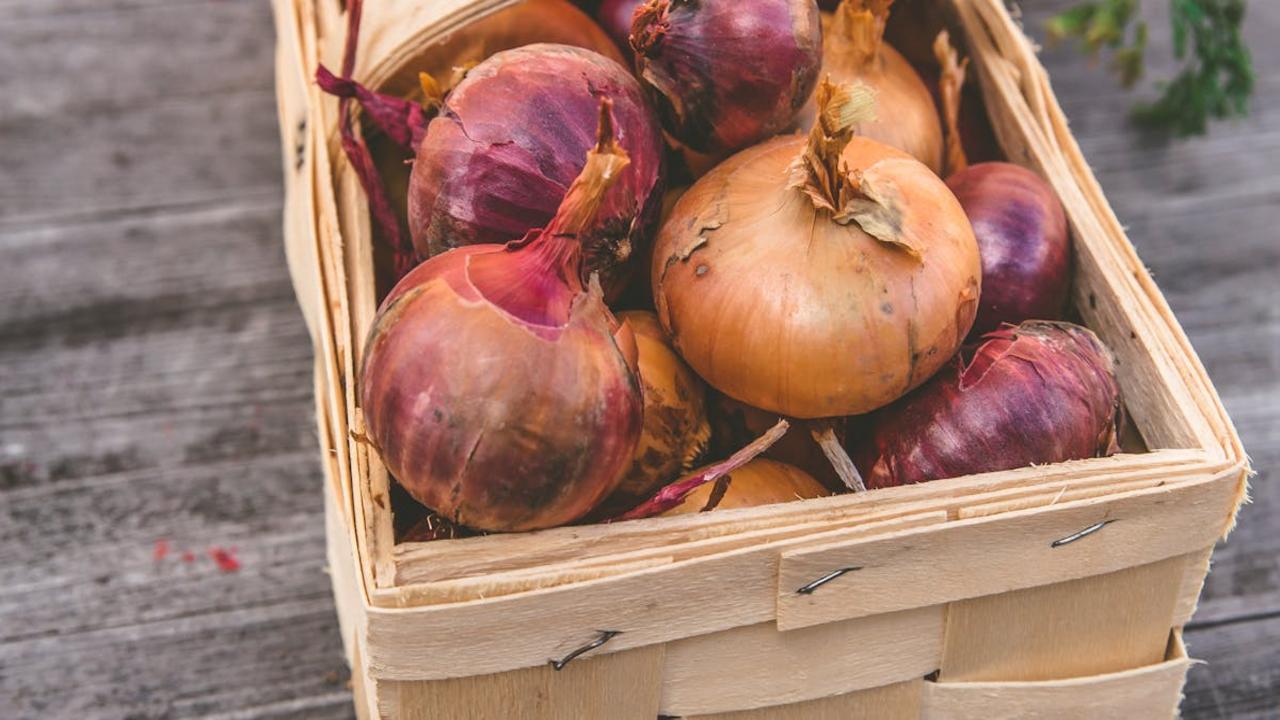
Every single day, I reach for onions in my kitchen—they’re honestly the backbone of almost everything I cook. You can’t build proper flavor without them, whether you’re making a simple weeknight stir-fry or a complex curry that’s been simmering for hours. I keep yellow onions for everyday cooking, sweet Vidalia onions for raw applications and gentle sautéing, and red onions for their beautiful color and sharp bite in salads. The way onions transform under heat never stops amazing me—from sharp and pungent when raw to sweet and caramelized when cooked low and slow.
Here’s what I’ve learned from years of cooking: the secret lies in how you treat them. When I want deep, rich flavor in my soups and stews, I take time to properly caramelize my onions until they’re golden brown and jammy. For fresh salsas and Mediterranean dishes, I’ll slice red onions paper-thin and soak them in cold water to mellow their bite. I even pickle them sometimes for that perfect acidic punch. Trust me, once you understand how to work with onions—from the gentle sweat for a mirepoix to the high-heat char for grilled vegetables—your cooking will reach completely new levels of depth and complexity.
Pasta
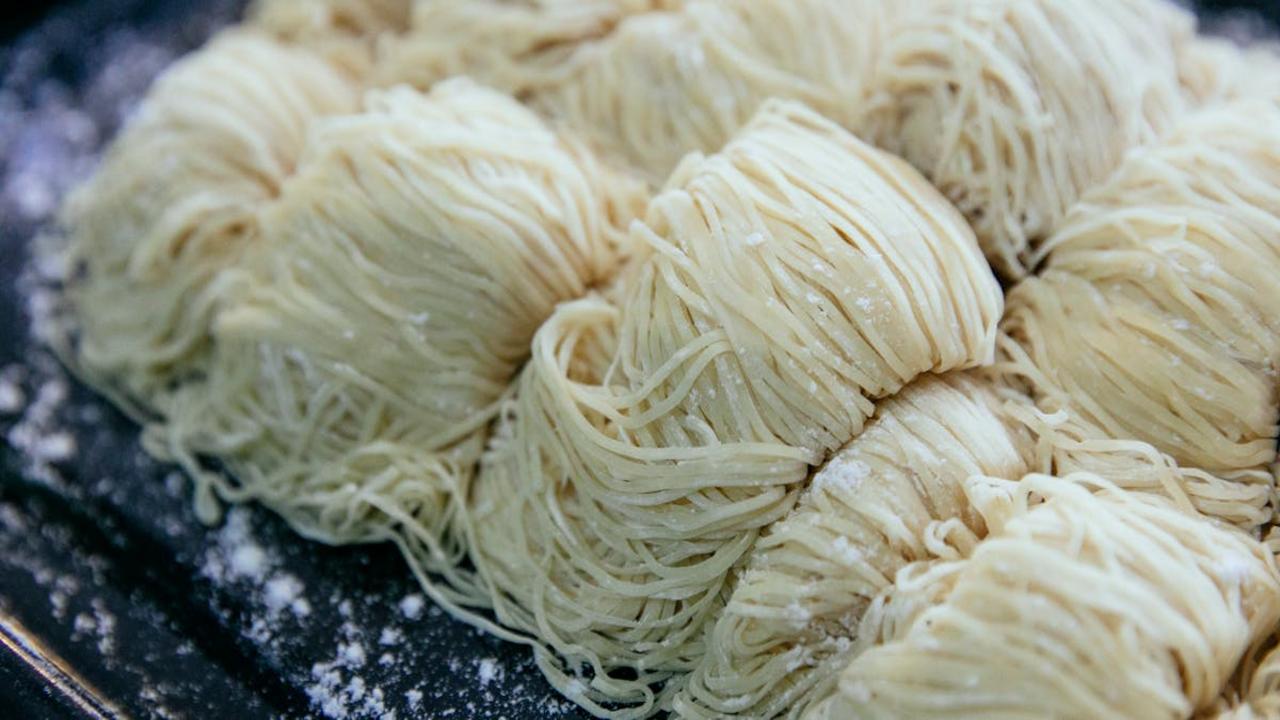
I keep at least three different pasta shapes in my pantry at all times, and here’s why you should too. Pasta transforms into completely different dishes depending on the shape you choose—long strands like spaghetti grab onto oil-based sauces beautifully, while tube shapes like rigatoni capture chunky vegetables and hearty ragùs in their ridges. I always reach for whole grain varieties when possible, not just for the nutrition boost, but because they bring a nutty depth that regular pasta simply can’t match. The protein and fiber content keeps me satisfied longer, and they hold up wonderfully to bold flavors from around the world.
What makes pasta truly magical in my kitchen is how it becomes a canvas for whatever I have on hand. Last week, I tossed penne with roasted butternut squash, crispy sage, and a splash of the starchy pasta water—pure comfort food born from simple ingredients. The key lies in cooking it just shy of al dente, then finishing it directly in your sauce with some reserved pasta water. This technique creates that silky, restaurant-quality coating that binds everything together. Whether I’m making a quick weeknight dinner with garlic, olive oil, and red pepper flakes, or preparing a more elaborate weekend feast with homemade tomato sauce, pasta never fails to bring people together around my table.
Rice
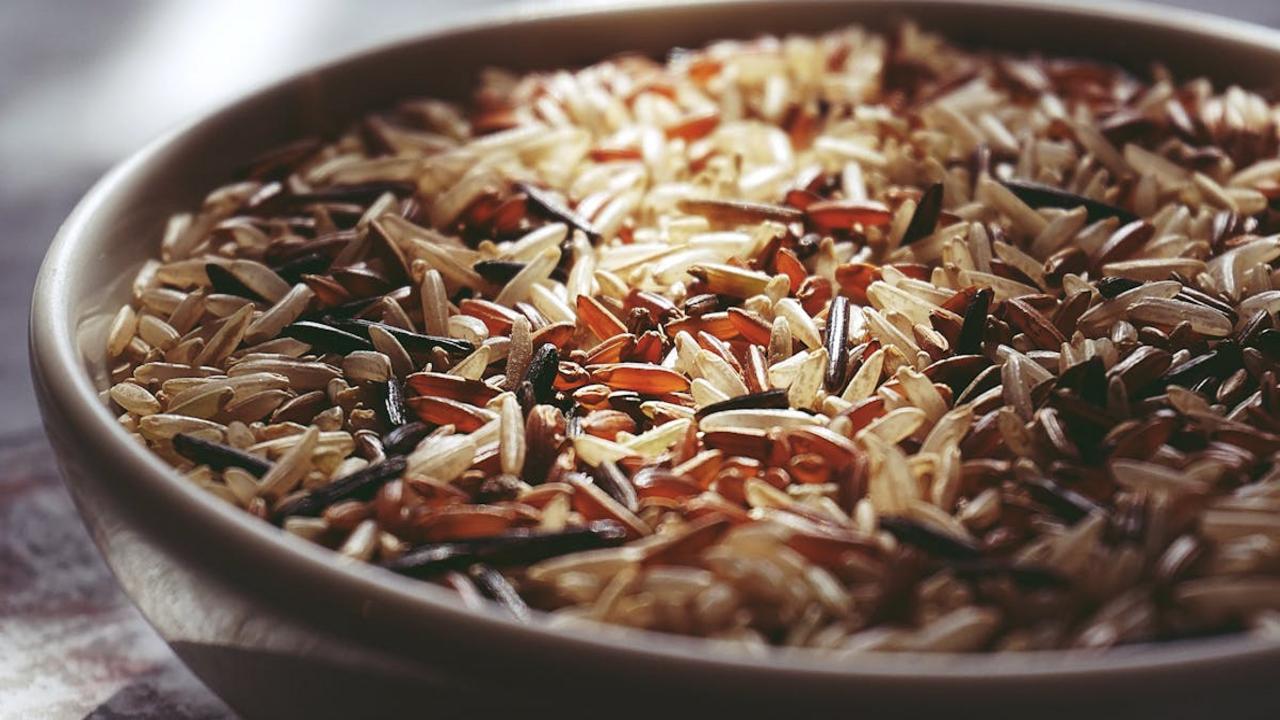
Rice sits quietly in my pantry like a trusted friend who never lets me down. While many home cooks reach for the same white long-grain variety every time, I keep at least three types on hand: jasmine for its floral fragrance that transforms simple weeknight dinners, short-grain brown rice for its nutty depth and satisfying chew, and arborio for those nights when I crave creamy risotto without the fuss. Each variety brings its own personality to the table, and once you understand their unique qualities, you’ll start seeing rice not just as a side dish but as the foundation for countless creative meals.
What I love most about cooking with different rice varieties is how they absorb and complement whatever flavors you introduce. I’ll toast jasmine rice with whole spices before adding coconut milk for a fragrant base that pairs beautifully with curries, or I’ll cook brown rice in bone broth instead of water to create an instant flavor boost that makes vegetables sing. The key is treating rice as an active ingredient rather than a blank canvas – let it soak up those aromatics, herbs, and broths you’re already using in your cooking. This simple shift in perspective turns humble rice into something that makes your guests ask for the recipe.
Olive Oil
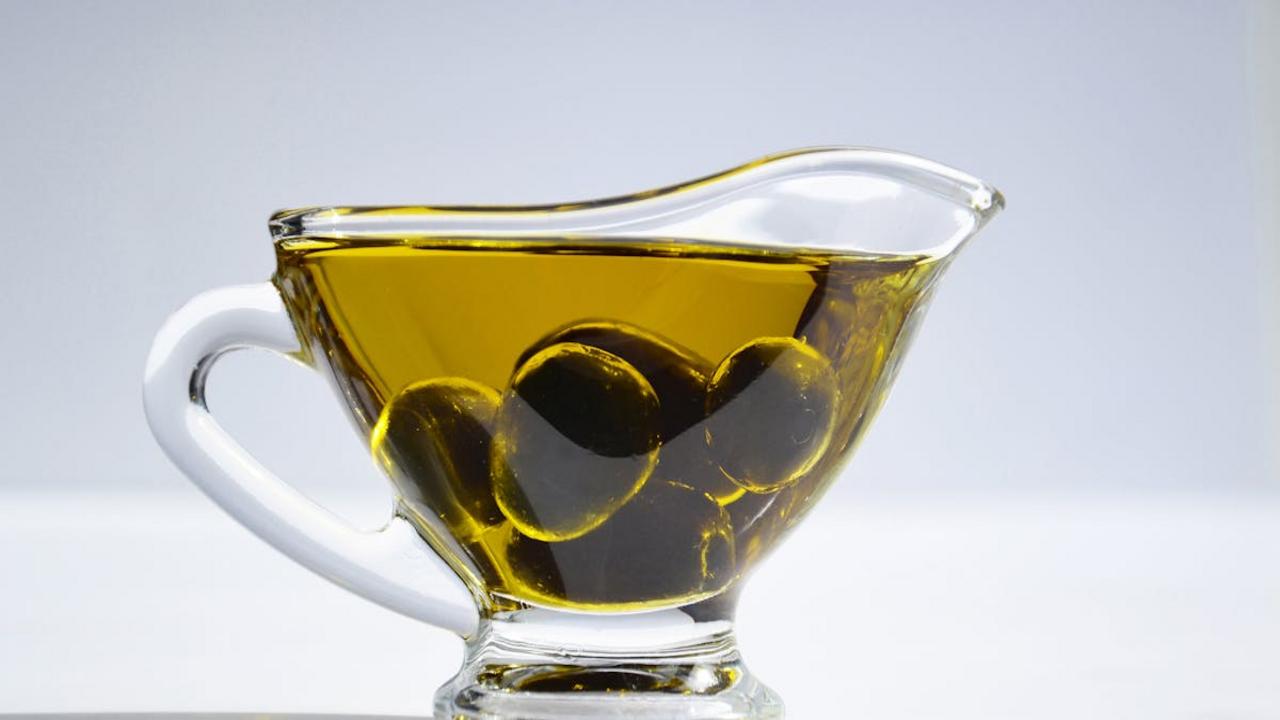
You know that bottle of olive oil sitting in your pantry right now? It’s probably doing way more heavy lifting in your kitchen than you realize. I keep three different types on hand because each one serves a specific purpose that can make or break a dish. Extra virgin olive oil becomes my finishing touch—I drizzle it over roasted vegetables, swirl it into soups just before serving, or use it to dress salads where its fruity, peppery notes can really shine. Regular olive oil handles the everyday cooking tasks like sautéing onions or roasting chicken, where you need that clean flavor without overpowering your ingredients.
Here’s what changed everything for me: understanding that olive oil isn’t just fat—it’s flavor. When I’m making my grandmother’s Lebanese tabbouleh, that final generous pour of good extra virgin olive oil transforms simple parsley and tomatoes into something magical. I also love using it as a base for quick marinades, mixing it with lemon juice, garlic, and herbs to breathe life into whatever protein I’m cooking that night. The key is tasting your olive oil on its own occasionally—if it’s bitter or rancid, it’ll ruin your food. Store it in a cool, dark place and use it within six months of opening. Trust me, once you start paying attention to the quality of your olive oil, every single dish you make will taste better.
Black Pepper
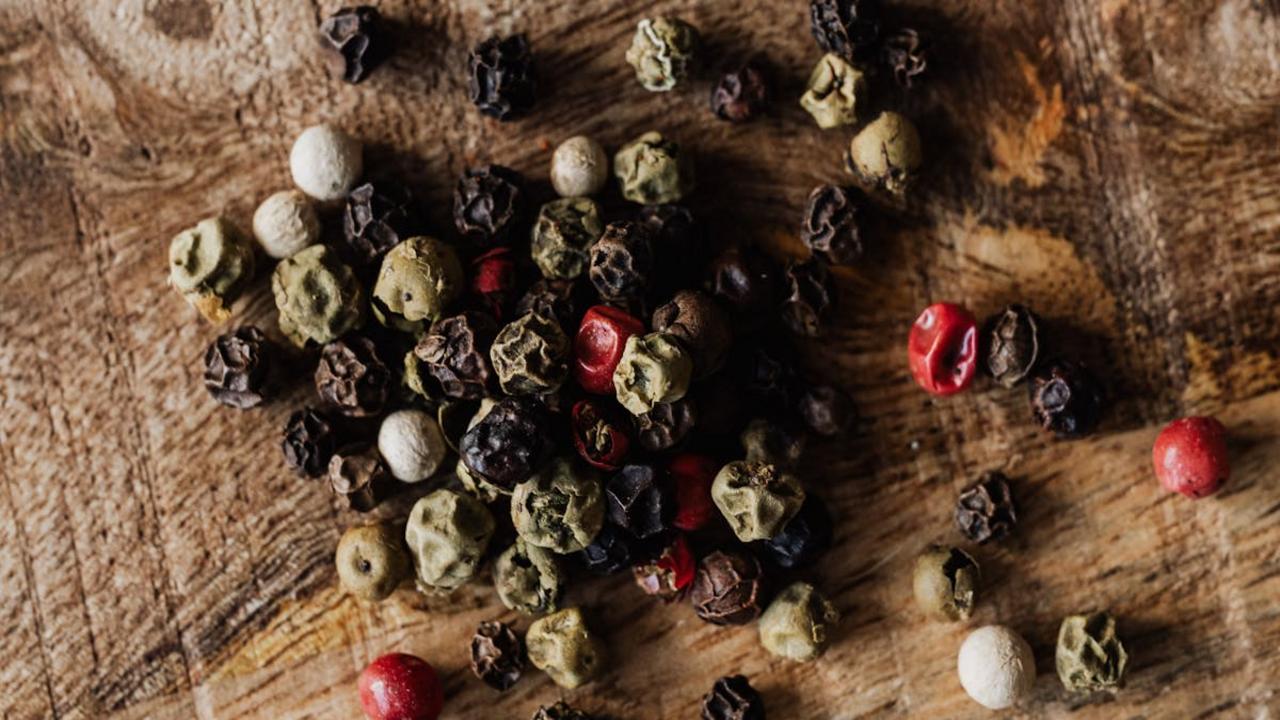
I keep whole black peppercorns in my kitchen because freshly cracked pepper transforms every single dish I make. You know that pre-ground stuff sitting in your spice rack for months? Toss it right now. When you crack whole peppercorns just before cooking, you release those volatile oils that create that sharp, complex heat we all crave. I use my pepper mill constantly—from seasoning my morning scrambled eggs to finishing a rich mushroom risotto. The difference between fresh and stale pepper is like comparing a vibrant sunset to a faded photograph.
What makes black pepper so powerful in my cooking is its ability to wake up other flavors without overwhelming them. I love how it brings out the sweetness in caramelized onions, adds depth to my homemade marinara sauce, and creates that perfect bite in my favorite lemon-herb roasted chicken. Keep your peppercorns whole and store them in an airtight container away from light. When you’re ready to use them, give them a generous crack—don’t be shy! That fresh pepper heat will make your taste buds dance and turn simple ingredients into something memorable.
Salt
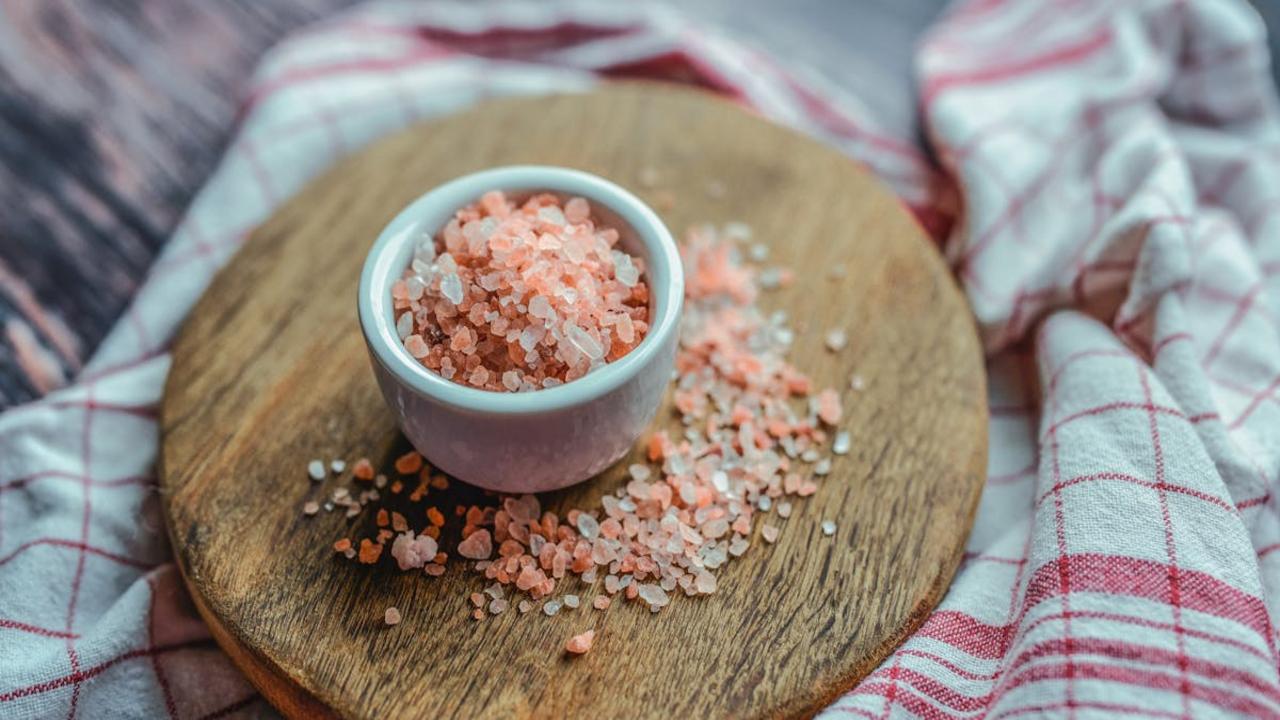
Salt transforms everything it touches, and I keep several types in my pantry because each brings something different to the table. My go-to trio includes flaky sea salt for finishing dishes, kosher salt for everyday cooking, and pink Himalayan salt when I want to add visual interest. The magic happens when you understand that salt doesn’t just make food taste saltier—it amplifies existing flavors and creates balance. I sprinkle coarse sea salt on chocolate desserts, use kosher salt to draw moisture from vegetables before roasting, and finish grilled meats with flaky salt that provides texture and bursts of flavor.
Learning when and how to salt completely changed my cooking game. I salt pasta water generously because it’s the only chance to season the pasta itself from within. For proteins, I salt them 40 minutes before cooking to allow the salt to penetrate and enhance moisture retention. My favorite discovery came from experimenting with different salts in my global-inspired dishes—using black Hawaiian salt on roasted vegetables adds an earthy depth that regular table salt simply can’t match. Start with quality salt, taste as you go, and remember that you can always add more but you can’t take it away.