14 Must-Try European Dishes Americans Are Missing Out On
I want to share some incredible European dishes that will transform your home cooking game. From hearty Portuguese kale soup to delicate French celeriac remoulade, these recipes pack bold flavors using simple, wholesome ingredients you can find at most grocery stores. Each dish brings its own unique spin on comfort food that will warm your soul.
Growing up cooking with my grandmother taught me that food connects us across cultures and generations. These 14 European specialties remind me of cozy family gatherings and bustling market stalls in small villages. The aromas of mulled wine and roasted chestnuts still bring back memories of my first trip through Germany and France.
Many of these dishes feature root vegetables, winter greens, and warming spices that make perfect cold-weather meals. I’ve tested and simplified each recipe while keeping the authentic flavors intact. The best part? Most take under an hour to prepare with basic kitchen tools you already own.
Rosemary Polenta
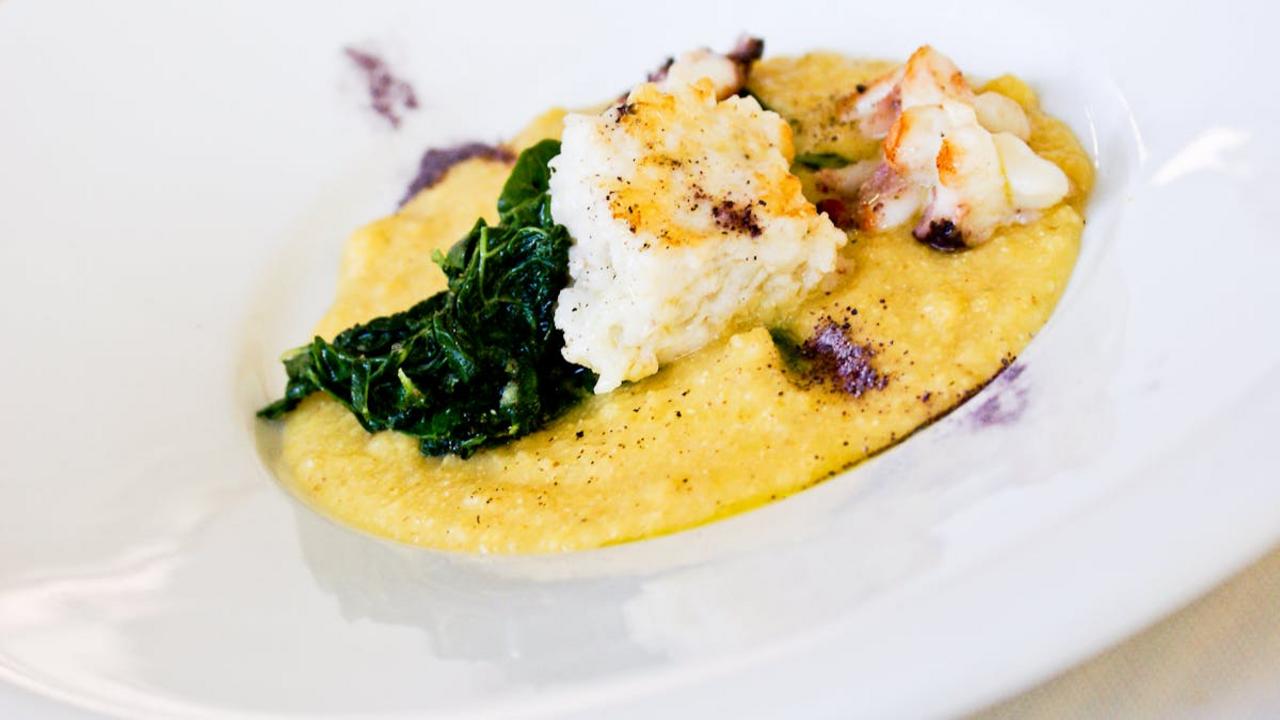
You’ll find this Italian winter comfort food warming your soul on chilly evenings. A bowl of creamy polenta infused with fresh rosemary creates pure magic – the cornmeal slowly simmers in milk or stock until it transforms into a velvety porridge. I love adding plenty of Parmigiano-Reggiano, butter, and black pepper to enhance the natural sweetness of the corn. The fragrant rosemary adds an aromatic pine-like note that makes this dish distinctly Mediterranean.
While Americans often reach for mashed potatoes as their go-to starch, polenta offers a delicious alternative that’s just as comforting. You can serve it soft and creamy straight from the pot, or pour it into a pan to set, then slice and grill the pieces until crispy. Top your rosemary polenta with braised meats, wild mushrooms, or slowly roasted winter vegetables. The leftover polenta firms up nicely in the fridge – just cut it into squares and pan-fry them for a crispy breakfast treat the next morning.
Red Cabbage (Rotkohl)
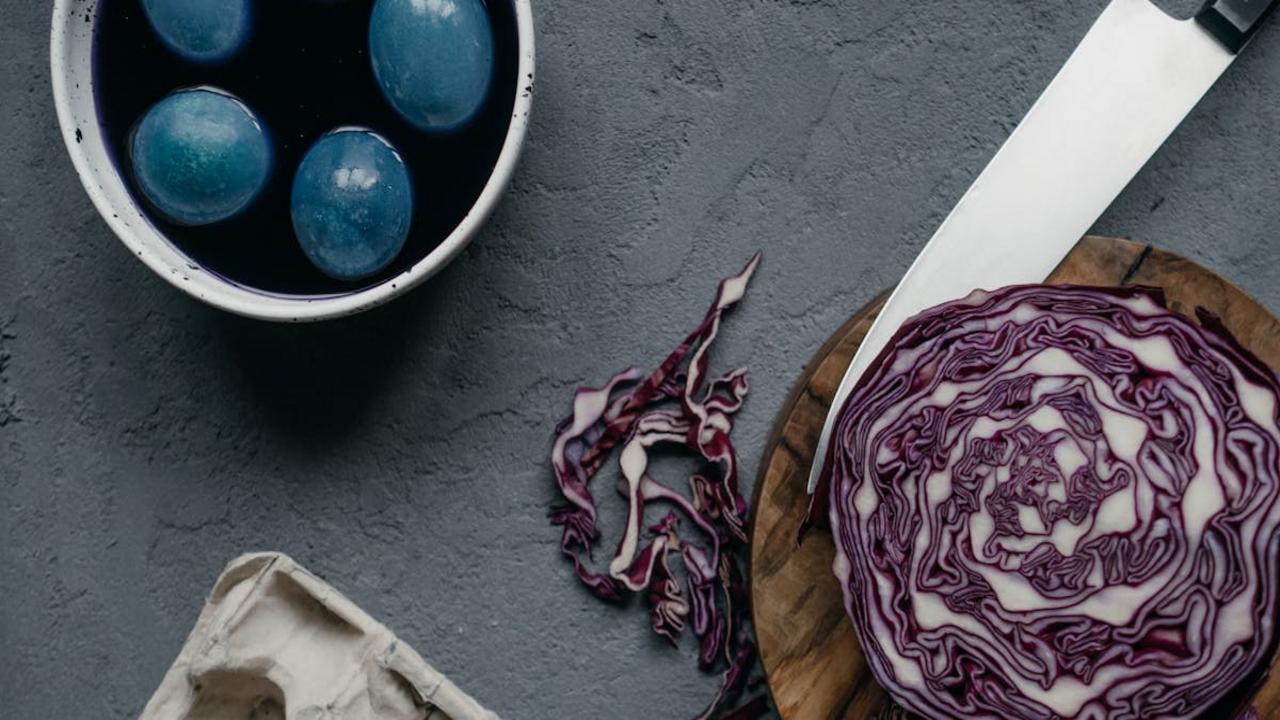
Red cabbage, known as Rotkohl in Germany, brings warmth and comfort to any winter table. I make this sweet-and-sour braised dish by slow-cooking shredded red cabbage with apples, onions, and a splash of red wine vinegar. The natural sugars caramelize during cooking, creating deep, rich flavors that complement hearty winter meals. My German grandmother taught me to add a pinch of cloves and bay leaves, which transform this simple vegetable into an unforgettable side dish.
While Americans often overlook red cabbage as just another coleslaw ingredient, Europeans have perfected this preparation method over centuries. The dish takes on a beautiful purple hue and develops complex layers of flavor through long, gentle cooking. I serve mine alongside roasted meats, especially during holiday gatherings. The leftovers get even better after a day or two in the fridge, making it perfect for meal prep. For extra depth, try adding a handful of chestnuts or a spoonful of lingonberry jam to your next batch.
Potato Dumplings (Knödel)

You’ll find these hearty potato dumplings throughout Germany, Austria, and other Central European countries during the cold winter months. I make these pillow-soft Knödel by combining mashed potatoes with flour, eggs, and nutmeg to form a smooth dough. The secret lies in using starchy potatoes and letting them cool completely before mixing – this prevents the dumplings from falling apart during cooking. These round dumplings bring pure comfort, especially paired with rich gravy, roasted meats, or mushroom sauce.
My German grandmother taught me to add a crunchy surprise inside each dumpling – small pieces of toasted bread cubes that create an amazing textural contrast. While traditional recipes call for boiling the dumplings, I also love pan-frying leftover Knödel the next day until golden brown and crispy on the outside. The versatility makes them perfect for batch cooking – you can freeze uncooked dumplings and simply drop them into boiling water whenever you need a quick, warming meal during those chilly evenings.
Roasted Parsnip with Honey

You’ll find roasted parsnips with honey on countless European winter tables, especially in the UK where this dish brings warmth to cold evenings. The natural sweetness of parsnips intensifies through roasting, while a drizzle of local honey creates a gorgeous caramelized exterior. I love adding fresh thyme and cracked black pepper to balance the sweetness – these simple ingredients transform humble root vegetables into something truly memorable. The honey coating turns glossy and golden-brown, creating little pockets of sticky goodness that make each bite irresistible.
My favorite way to prepare this dish starts with peeling and cutting parsnips into even batons, then tossing them with olive oil and sea salt. After roasting at high heat until tender, I brush them with warm honey mixed with butter and return them to the oven until they develop a beautiful glaze. The result? Perfectly caramelized parsnips with crispy edges and soft, creamy centers. This simple yet refined side dish pairs beautifully with roasted meats or stands alone as a vegetarian main course alongside a winter salad.
Buckwheat Blinis
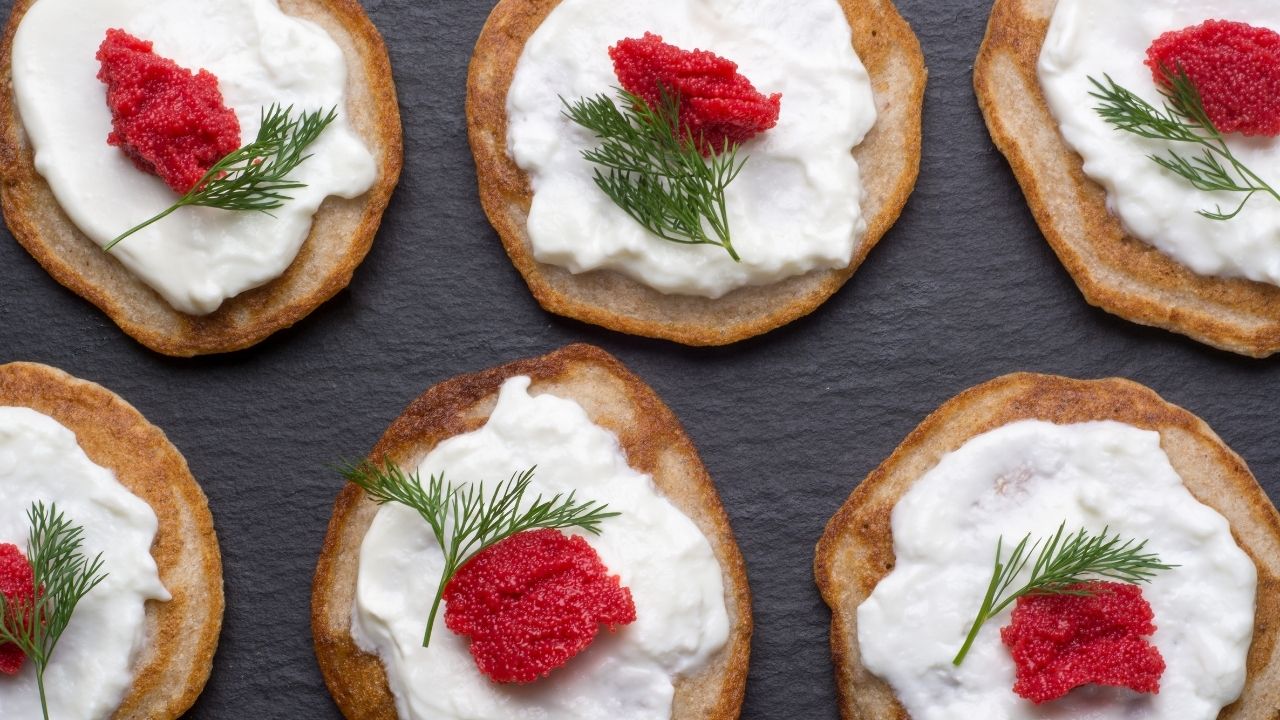
You’ll find these divine Russian pancakes at winter celebrations across Eastern Europe, where their fluffy texture and nutty buckwheat flavor make them perfect carriers for savory toppings. I make mine small – about two inches wide – and top them with classic accompaniments like smoked salmon, caviar, or herbed crème fraîche. The buckwheat flour gives these mini pancakes a beautiful brown color and adds a rich, earthy depth that sets them apart from regular pancakes.
The secret to amazing blinis lies in the fermentation process – letting the yeast-leavened batter rest overnight creates complex flavors and that signature light, airy texture. I recommend making a big batch since they freeze beautifully. Just warm them up in a skillet or oven when ready to serve. My favorite winter party trick? Setting up a blini bar with various toppings so guests can create their own combinations. The mix of warm pancakes with cool toppings creates an incredible temperature contrast that your guests will remember.
Salsify Root Gratin

I discovered salsify root, often called the “oyster plant” for its subtle seafood-like flavor, while cooking in Belgium during winter. This long, dark root vegetable transforms into pure magic when baked in a creamy gratin with Gruyere cheese, heavy cream, and fresh thyme. The tender layers melt together with the cream sauce, creating a rich and comforting dish that’ll make you wonder why you haven’t cooked with salsify before. The mild, delicate taste pairs beautifully with the nutty cheese and aromatic herbs.
To prepare this French-Belgian winter staple, you’ll need to peel and slice the salsify roots thinly, then layer them with cream, cheese, and seasonings in a baking dish. The trick lies in keeping the peeled salsify in lemon water to prevent oxidation before cooking. After about 45 minutes in the oven, you’ll have a bubbling, golden-brown gratin that perfectly combines the earthy sweetness of the root with the decadent cream sauce. This dish makes an excellent side for roasted meats or can stand alone with a fresh green salad.
Herring in Cream Sauce
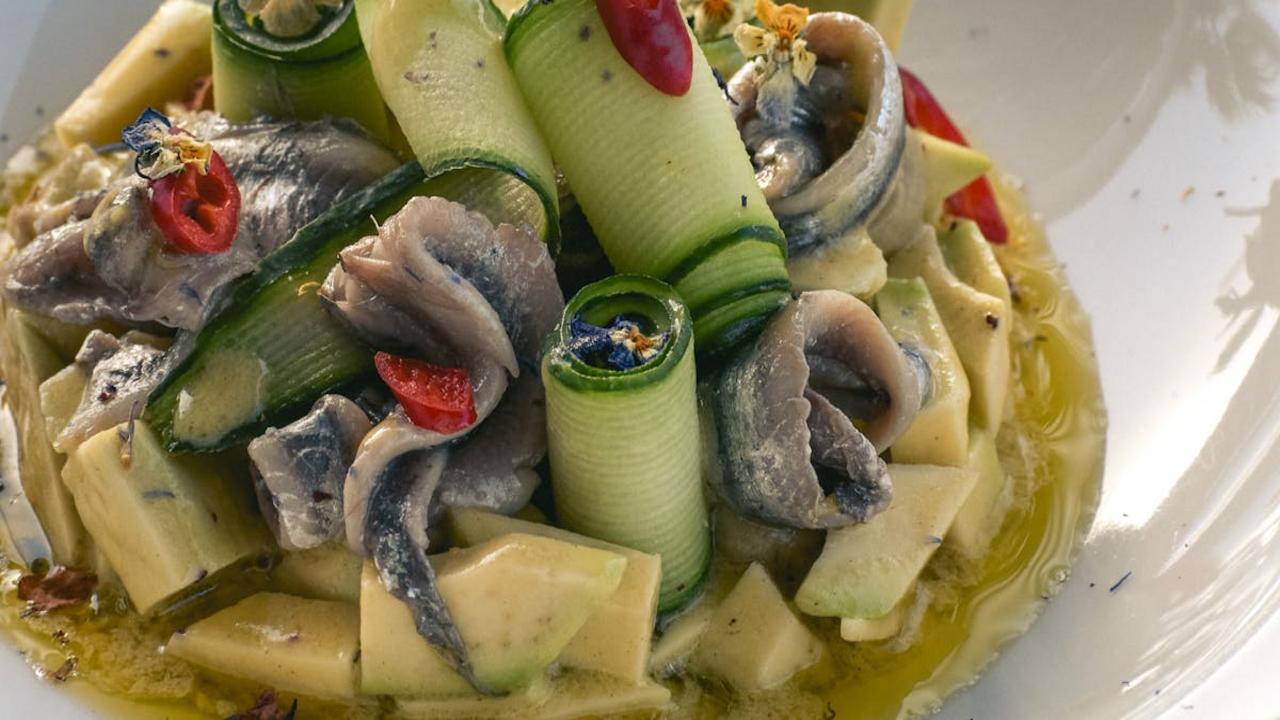
I discovered this Nordic winter comfort food through my Swedish neighbor, and now I can’t imagine cold months without herring in cream sauce. The dish features tender, brined herring fillets smothered in a rich, creamy sauce made with sour cream, mayonnaise, fresh dill, chopped onions, and fragrant spices. You’ll often find this dish served on dark rye bread during Christmas celebrations across Scandinavia, though many families enjoy it throughout the entire winter season.
What makes this dish truly special is how the cream sauce balances the natural saltiness of the herring. The subtle sweetness from the onions and the bright, fresh notes from the dill create a perfect harmony of flavors. I recommend pairing it with boiled potatoes and a crisp winter ale. While Americans might feel hesitant about pickled fish, this traditional preparation will convert even the most skeptical eaters. The dish brings warmth and comfort during cold winter days, making it a staple at Nordic holiday tables.
Rutabaga Puree
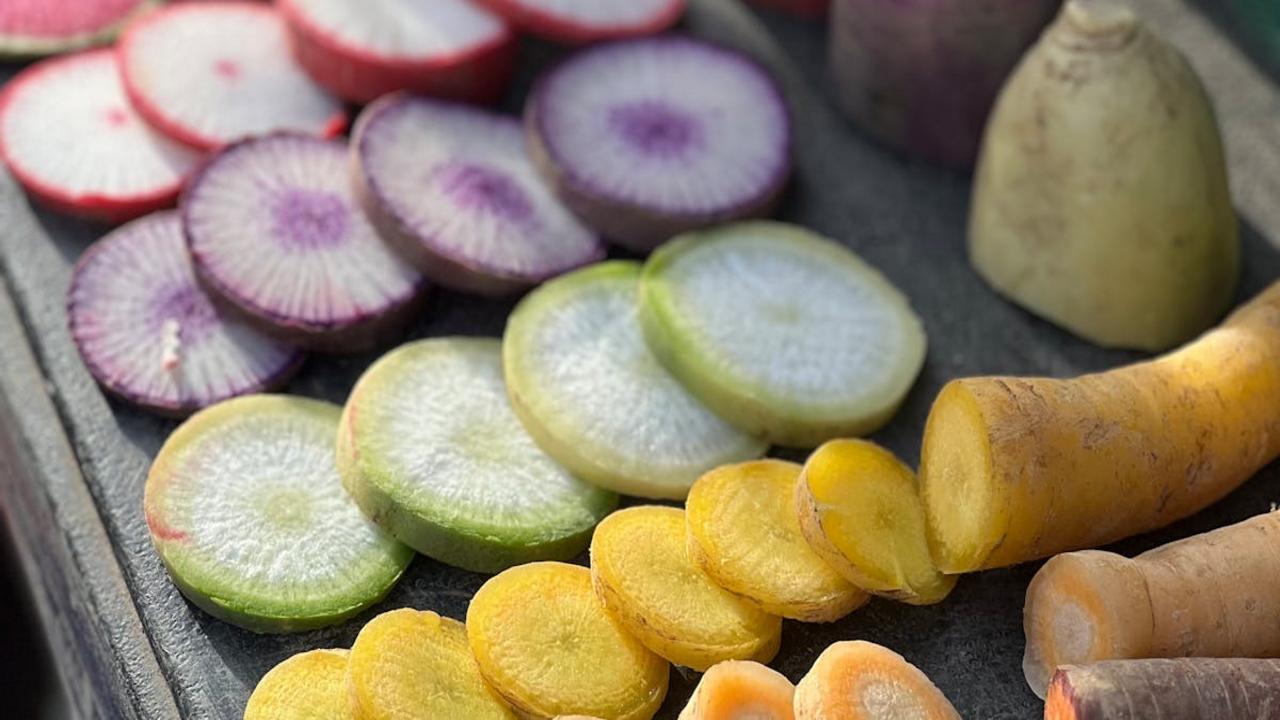
I absolutely adore rutabaga puree, a winter staple across Northern European countries like Sweden, Norway, and Finland. This humble root vegetable transforms into the silkiest, most luxurious mash you’ll ever try. You start by peeling and chopping the rutabaga, then cooking it until tender in salted water. After draining, blend it with warm cream, butter, and a pinch of nutmeg – the result is pure comfort in a bowl. The natural sweetness of rutabaga shines through, creating something far more interesting than regular mashed potatoes.
What makes this dish truly special is its versatility and deep connection to Nordic winter traditions. You can serve it alongside hearty meatballs, roasted game, or grilled fish. The smooth texture and subtle earthy notes complement rich gravies perfectly. In Sweden, they often add a touch of white pepper for extra warmth. The best part? Rutabagas store wonderfully through winter, making this puree a reliable go-to dish during the coldest months. Give this Nordic favorite a chance – you’ll wonder why you haven’t been making it all along!
Mulled Wine (Glühwein)

You’ll find nothing cozier on a cold winter evening than wrapping your hands around a steaming mug of Glühwein, the beloved German mulled wine that fills Christmas markets across Europe with its inviting aroma. I make mine by simmering red wine with orange slices, cinnamon sticks, star anise, and cloves until the spices infuse deeply into the wine. A touch of honey balances the warmth of the spices, creating a drink that warms you from the inside out. The fragrance alone will transform your home into a European holiday market.
While many Americans know about mulled cider, Glühwein offers a more complex flavor profile that makes it the perfect winter warmer. The tradition dates back centuries, with each European region adding its own twist – some add brandy for extra kick, others incorporate regional spices like cardamom or bay leaves. I recommend using a full-bodied red wine like Merlot or Cabernet Sauvignon as your base. Don’t spend too much on the wine though – the spices will shine through regardless. One sip of this aromatic drink will make you understand why Europeans gather in crowds around steaming cauldrons of Glühwein all winter long.
Blood Orange Salad
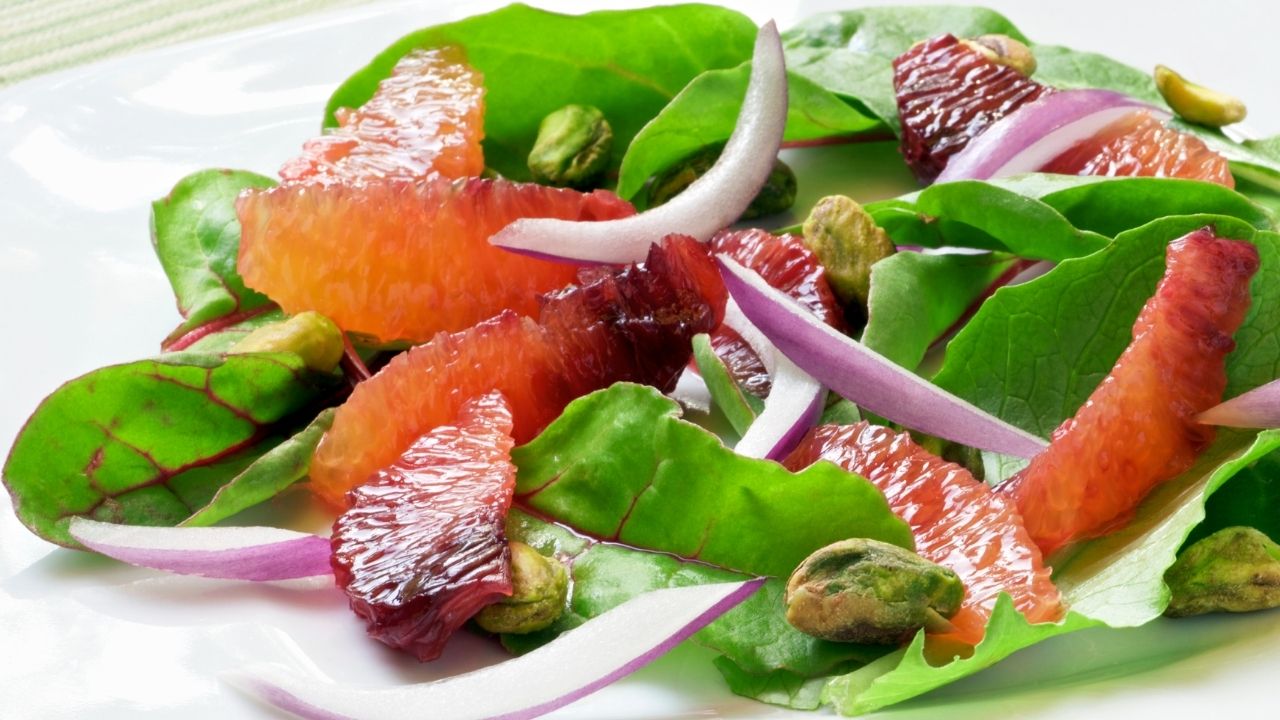
I discovered blood orange salad during a winter trip through Sicily, where locals combine these vibrant red-fleshed citrus fruits with crisp fennel, fresh mint, and peppery arugula. The sweet-tart oranges create a stunning visual display against the dark greens, while adding bright notes that cut through heavy winter meals. You’ll often find this refreshing dish served between courses or as a light dinner option, dressed simply with good olive oil and a pinch of sea salt.
Making this salad at home brings Mediterranean sunshine to your winter table. Start by peeling and slicing the blood oranges into thin rounds, catching their ruby-colored juice to mix into the dressing. Layer them with shaved fennel, which adds a subtle anise flavor and delightful crunch. Top with fresh mint leaves and arugula, then drizzle with your best olive oil. Some versions include black olives or toasted pine nuts for extra depth. This dish proves winter salads can be both beautiful and satisfying.
Lentil Dal

You’ll find this comforting bowl of warmth in winter households across Denmark and other Nordic countries, where the humble lentil dal has gained popularity through immigrant communities. This Indian-inspired dish combines red or yellow lentils with fragrant spices like turmeric, cumin, and ginger, creating a thick, hearty stew that will keep you cozy during those long Scandinavian winters. The Nordic twist often includes local root vegetables like parsnips or carrots, making it a beautiful fusion of South Asian and European flavors.
The best part about lentil dal? You can make a big batch and freeze portions for quick weeknight dinners. I recommend serving it with a dollop of cold Greek yogurt and fresh cilantro on top, plus some crusty rye bread on the side – a true Danish winter staple. The protein-rich lentils and aromatic spices will warm you from the inside out, while the creamy consistency feels like a gentle hug for your soul. This dish proves that comfort food doesn’t need to be heavy or unhealthy to be satisfying.
Chestnut Gravy

I discovered chestnut gravy during my winter travels through Austria, and it completely changed how I think about this holiday sauce. The natural sweetness and earthy depth of roasted chestnuts create an incredibly rich gravy that puts regular versions to shame. You’ll find this special sauce ladled over everything from roasted meats to dumplings across European winter tables. The chestnuts bring a subtle nuttiness and velvety texture that makes the gravy feel extra luxurious without needing heavy cream.
Making chestnut gravy starts with gently roasting and peeling fresh chestnuts until they’re tender and fragrant. Then you’ll combine them with good quality stock, herbs, and a splash of wine to create a sauce that’s both comforting and sophisticated. The natural starch in chestnuts helps thicken the gravy beautifully, while adding a depth of flavor you just can’t get from flour alone. I love serving this gravy with roasted turkey or pork, but it’s equally wonderful with vegetarian dishes like mushroom wellington or roasted root vegetables.
Celeriac Remoulade

You’ll discover pure magic in this French cold salad that combines shredded celeriac (celery root) with a creamy, tangy mustard-mayo dressing. Raw celeriac brings a subtle celery flavor and wonderful crunch, while capers and cornichons add bright, briny notes that make this dish sing. I make this refreshing winter salad at least twice a month – it’s my go-to side dish for roasted meats and a fantastic addition to any holiday spread.
The secret to perfect celeriac remoulade lies in cutting the root into super-thin matchsticks or using a food processor to get those delicate shreds. Then mix it with a zippy dressing of Dijon mustard, mayonnaise, lemon juice, and fresh herbs. Let it chill for an hour before serving – this gives the flavors time to meld and the celeriac to soften slightly while maintaining its wonderful texture. This French classic transforms a humble root vegetable into something truly extraordinary.
Kale Soup (Caldo Verde)
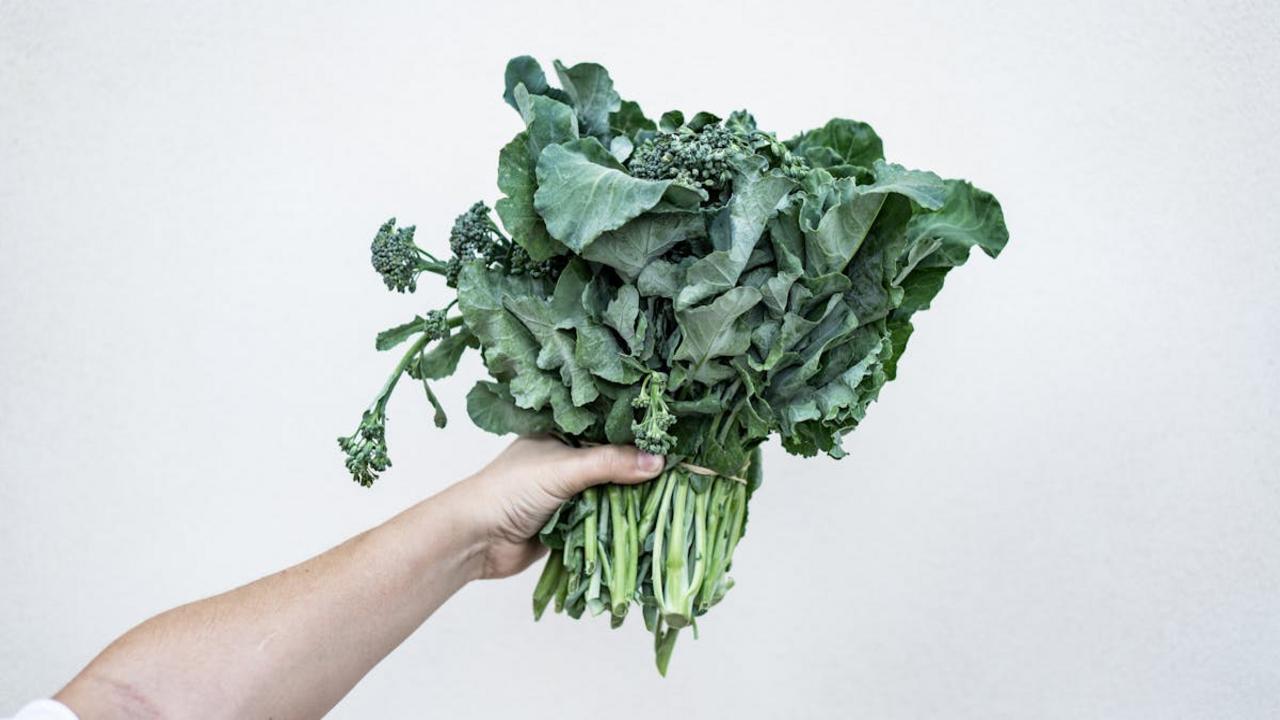
You’ll find this hearty Portuguese soup simmering in countless homes across the country during winter months. The combination of spicy chorizo, tender potatoes, and finely shredded kale creates a warming bowl of comfort that’ll make you forget about the cold outside. I love making this soup with homemade chicken stock and adding extra garlic for depth – the aroma fills my kitchen and brings back memories of cooking with my grandmother who taught me to slice the kale into super thin ribbons for the perfect texture.
Making Caldo Verde means starting with a base of sautéed onions and garlic, then building layers of flavor with broth and potatoes until they break down slightly to thicken the soup. The chorizo adds a beautiful orange color to the broth and infuses everything with smoky paprika notes. Add the kale at the very end – it should stay bright green and slightly crisp. Top your bowl with a drizzle of good olive oil and serve with crusty bread for the most authentic Portuguese winter meal you can create at home.