14 Foods Smart Diners Skip at All-You-Can-Eat Buffets
All-you-can-eat buffets offer incredible value and variety, but savvy diners know that not every dish deserves space on your plate. Some foods pose higher risks for foodborne illness, while others simply don’t deliver the quality you deserve for your money.
Temperature control becomes tricky when food sits under heat lamps for hours. Smart diners understand which items maintain their safety and flavor best in buffet settings. Protein-rich dishes and dairy-based items require extra caution, especially during slower periods.
Your health and dining experience matter more than getting every penny’s worth. By knowing which foods to avoid, you’ll enjoy your buffet meal safely while discovering the gems that truly shine in these abundant spreads.
Pre Cut Fresh Fruits
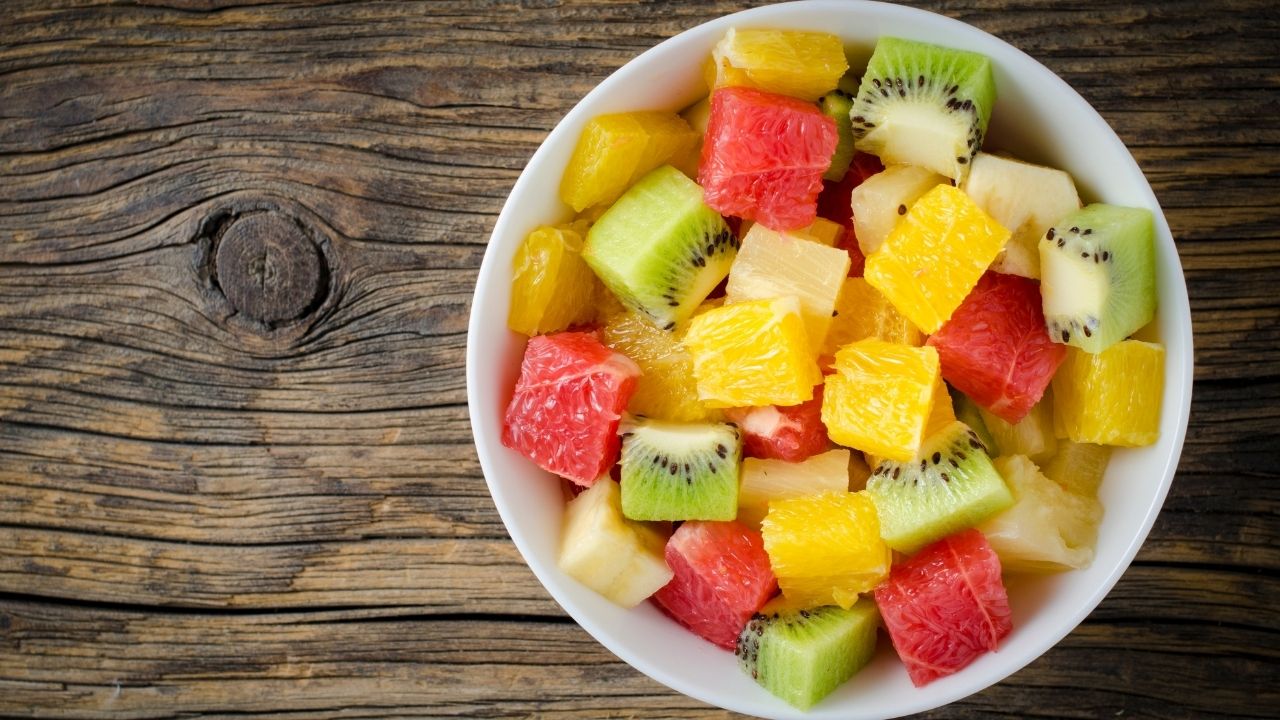
Those beautiful displays of pre-cut fresh fruits at buffets might look tempting, but smart diners know to think twice before filling their plates. Here’s the reality: once fruits are cut and exposed to air, they start losing their nutritional value rapidly. Vitamin C, one of the most important nutrients in fresh fruit, breaks down quickly when exposed to light and oxygen. Plus, cut fruits that sit out for hours become breeding grounds for bacteria, especially in warm buffet environments where temperature control can be inconsistent.
Instead of reaching for those pre-cut pieces, head straight to the whole fruit options if the buffet offers them, or better yet, enjoy your fresh fruit at home where you control the timing and cleanliness. When you cut fruit yourself, you get maximum nutrition and flavor – that crisp snap of a fresh apple or the burst of juice from a perfectly ripe orange. Your body will thank you for choosing whole fruits over those that have been sitting under heat lamps, slowly losing their goodness and potentially picking up unwanted guests along the way.
Items with Visible Ice Crystals

When you spot those telltale white crystals forming on frozen foods at the buffet, your inner food safety alarm should start ringing! Ice crystals are nature’s way of telling you that food has been sitting in the freezer way too long or has gone through multiple freeze-thaw cycles. This happens when moisture escapes from the food and refreezes on the surface, creating that frosty coating you see on everything from frozen vegetables to desserts. Smart diners know that these crystals signal compromised quality and potentially unsafe food that’s lost its nutritional value and fresh taste.
I always steer clear of any buffet items that look like they’ve been through a winter storm because ice crystals mean the food has been improperly stored or kept past its prime. The texture becomes mushy and unappetizing, while flavors turn bland and freezer-burned. You’re paying good money for that buffet experience, so why settle for subpar food that could leave you feeling disappointed or worse? Instead, focus on the fresh items that show proper storage and handling – your stomach and your wallet will thank you for making the smart choice to skip anything that looks like it belongs in a science experiment rather than on your plate!
Mayonnaise Based Salads
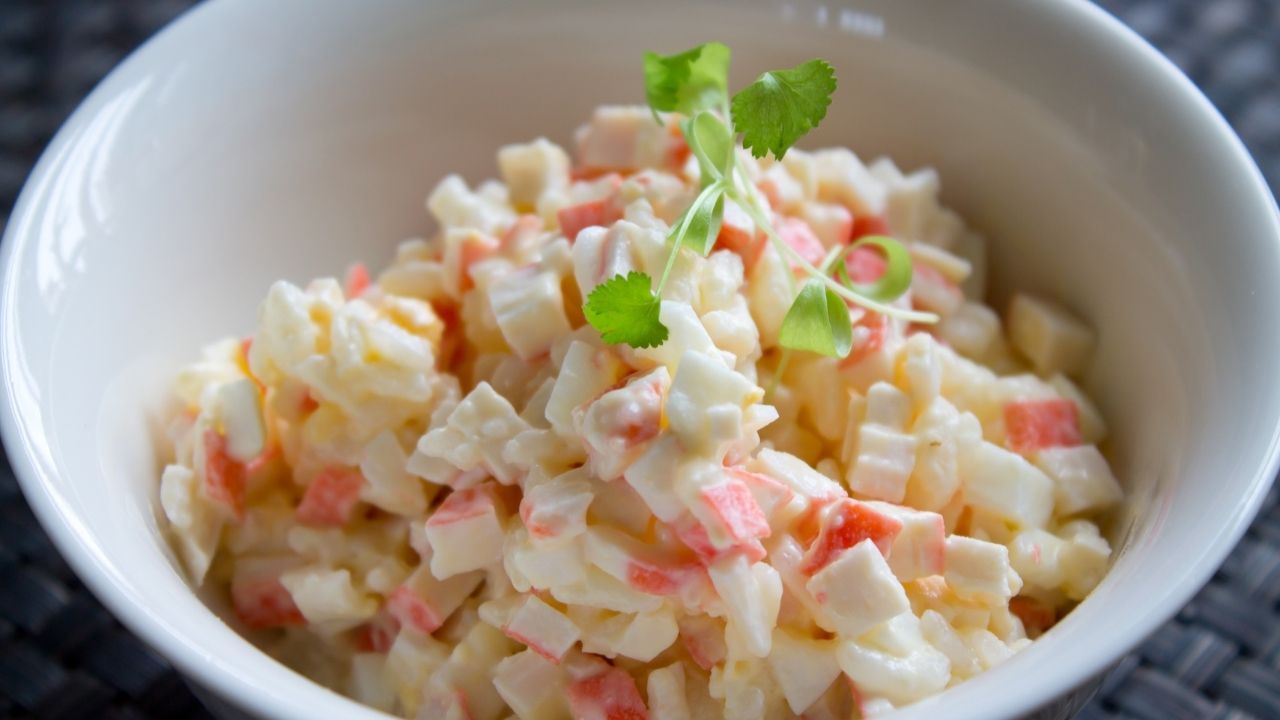
Those creamy potato salads and coleslaw dishes sitting under those buffet heat lamps? I’d skip them every time! Mayonnaise-based salads become breeding grounds for bacteria when they sit at room temperature for hours. The combination of eggs, oil, and dairy in mayo creates the perfect storm for foodborne illness, especially when mixed with ingredients like potatoes, pasta, or cabbage that love to soak up all that moisture. You’re looking at a recipe for disaster that could turn your fun dining experience into a very unpleasant few days.
Here’s what really gets me fired up about this situation – you can make these same salads at home with fresh ingredients and proper food safety! When you control the preparation and storage, you get all the creamy, satisfying flavors without the risk. Make your own potato salad with Greek yogurt instead of mayo, or try a vinegar-based coleslaw that actually gets better with time. Your digestive system will thank you, and honestly, homemade versions taste so much better than those lukewarm buffet versions that have been sitting out for who knows how long.
Seafood During Off Peak Hours
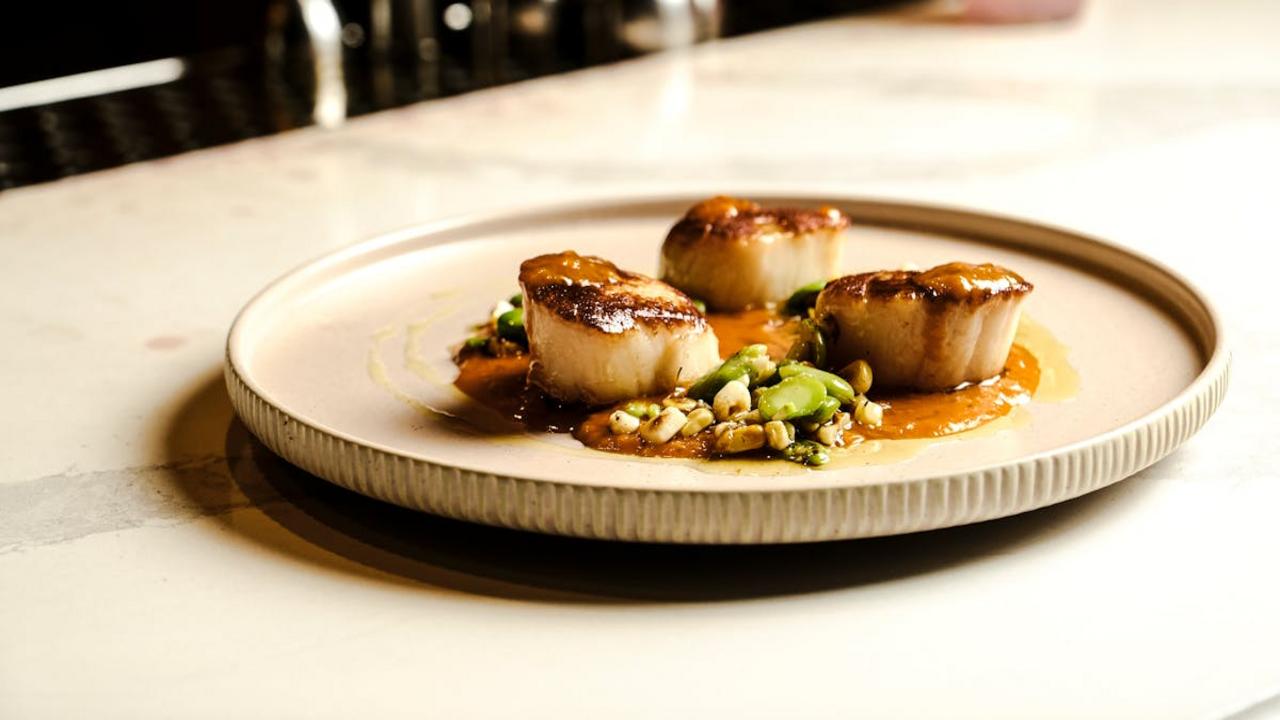
You know that feeling when you walk up to a buffet and see those gorgeous shrimp and crab legs glistening under the heat lamps? Hold up before you dive in! Seafood sitting out during slow periods can be a real food safety concern. Fish and shellfish are incredibly delicate proteins that don’t handle prolonged heat exposure well. They can develop that rubbery texture and fishy smell that tells you they’ve been hanging out way too long. Smart diners check the turnover rate – if you’re hitting the buffet at 3 PM on a Tuesday, those prawns might have been sitting there since lunch rush ended.
I always recommend watching for freshness cues when you’re eyeing seafood at buffets. Look for items that appear moist and smell like the ocean, not like low tide. The best strategy? Visit during peak dining hours when the kitchen constantly replenishes the seafood stations. Weekend dinners and Friday lunch crowds mean faster turnover and fresher catches. If you’re unsure about freshness, don’t hesitate to ask the staff when they last restocked the seafood section. Your stomach will thank you later, and you’ll avoid that awful experience of spending your evening feeling queasy instead of enjoying your meal.
Bacon at Room Temperature
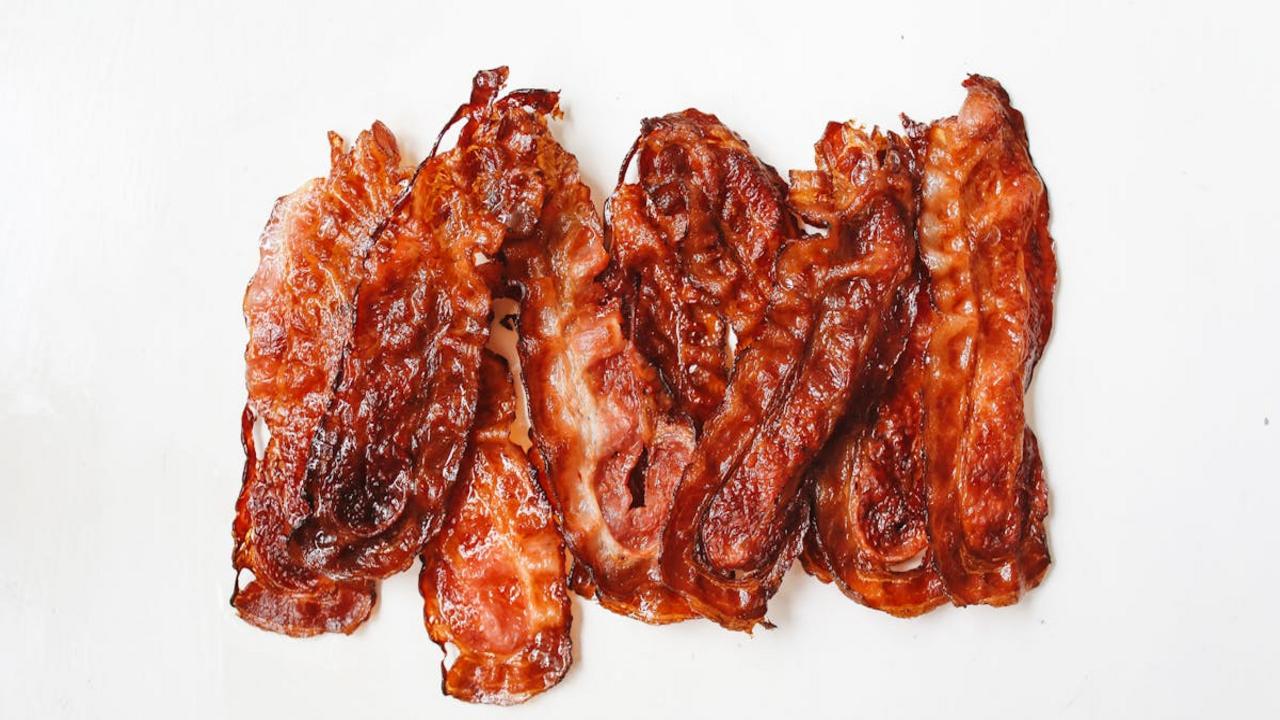
You know that moment when you spot bacon sitting under those heat lamps at a buffet? My heart always skips a beat because I absolutely adore crispy, perfectly cooked bacon – but buffet bacon often tells a different story. When bacon sits at room temperature for extended periods, it becomes a breeding ground for harmful bacteria that can make you seriously sick. The combination of meat, moisture, and lukewarm temperatures creates the perfect storm for foodborne illness, and honestly, no amount of bacon love is worth spending your evening in the bathroom instead of enjoying your meal.
Smart buffet diners skip the bacon because they understand that this beloved breakfast staple needs to stay either hot (above 140°F) or cold to remain safe. Most buffets struggle to maintain proper temperatures for bacon throughout service, especially during busy periods when those warming trays work overtime. Instead of taking that risk, I always recommend waiting for fresh bacon from the kitchen or choosing other protein options that hold up better under buffet conditions. Your stomach will thank you, and you can always treat yourself to perfectly crispy bacon at home where you control the temperature and timing!
Lukewarm Rice Dishes
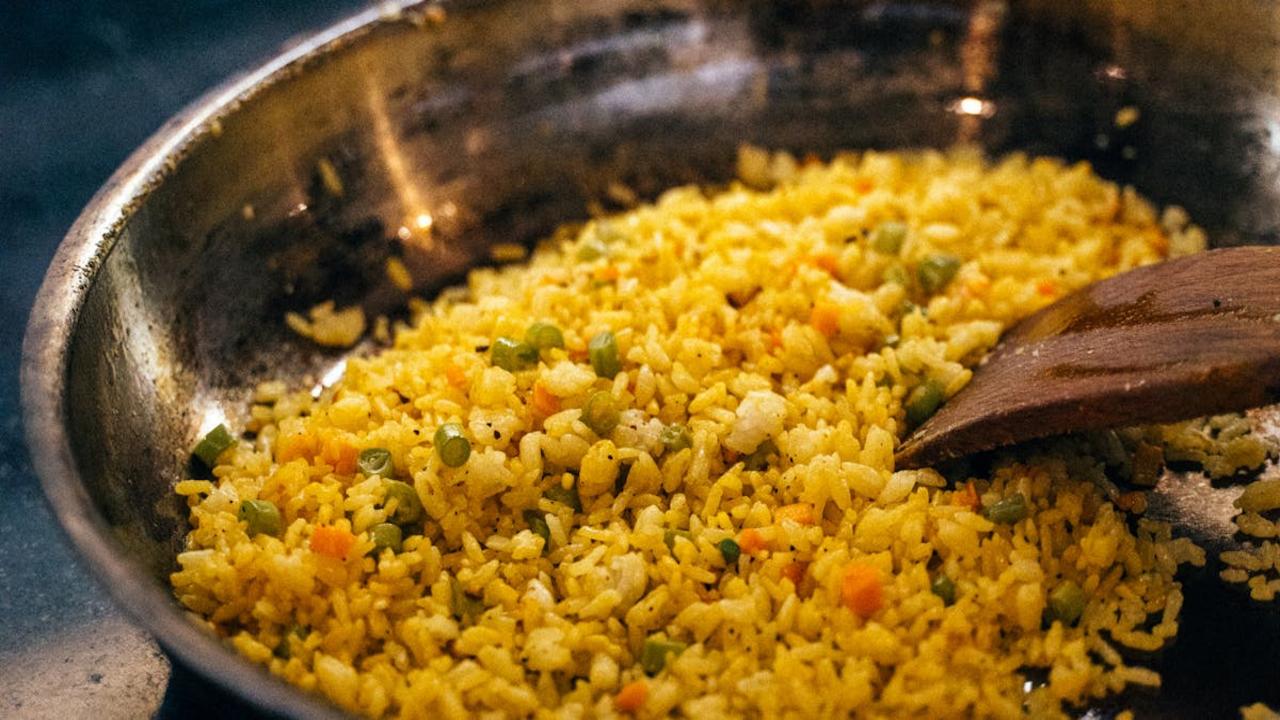
You know that sinking feeling when you spot a beautiful rice pilaf or fried rice at the buffet, only to take a bite and discover it’s been sitting there way too long? Lukewarm rice dishes are one of my biggest buffet pet peeves, and for good reason! Rice that’s been hanging out in warming trays loses all its magic – the grains become mushy, the flavors get muddled, and honestly, it just tastes sad. Plus, rice sitting at unsafe temperatures can become a breeding ground for bacteria, which is definitely not what you want on your plate.
Instead of settling for disappointing rice, I always recommend skipping these lukewarm options and focusing on dishes that hold up better under heat lamps. Fresh salads, grilled proteins, and vegetables that were just restocked will give you so much more satisfaction! If you’re really craving rice, look for dishes that have just been brought out – you can usually tell by the steam rising from the pan. Trust me, your taste buds will thank you for being picky about this one, and you’ll have more room for the truly delicious items that make buffets worth visiting!
Lettuce Based Salads
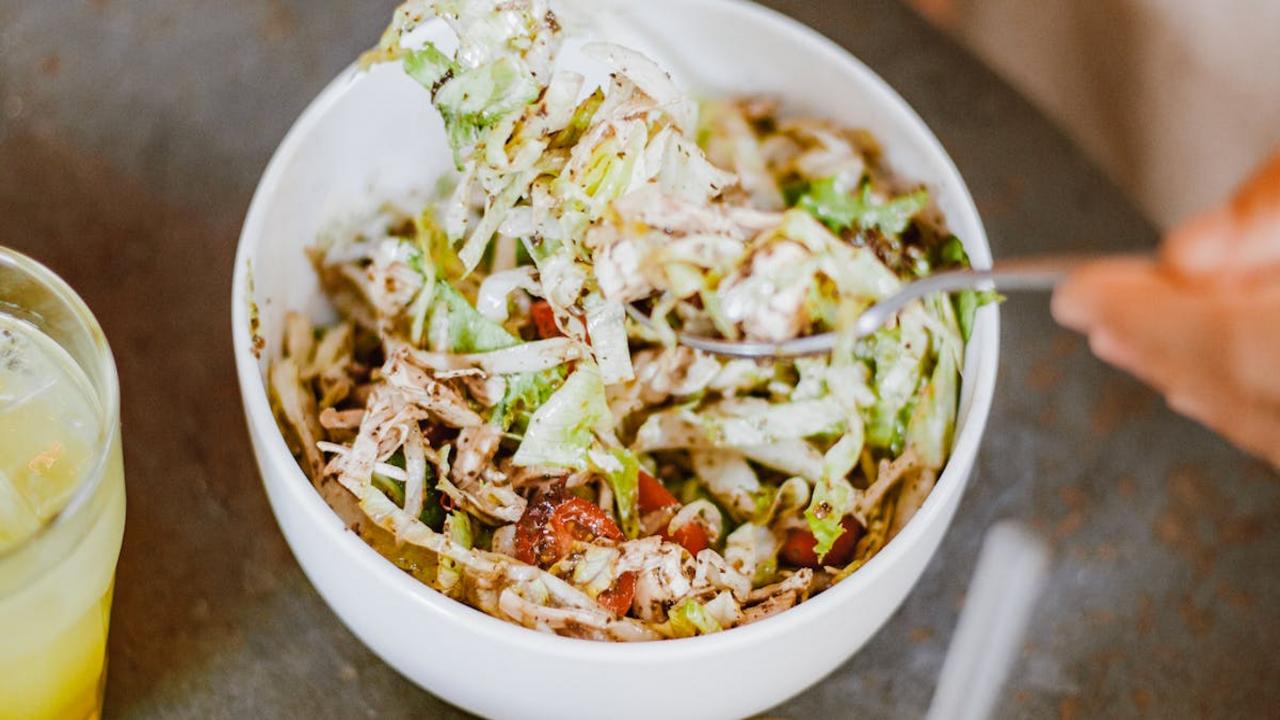
You walk up to that beautiful salad bar, and those crisp lettuce leaves look so fresh and inviting! But here’s what I’ve learned from my years of buffet adventures – lettuce-based salads can be tricky territory. The problem isn’t the lettuce itself, but how long it’s been sitting under those bright lights, slowly wilting and losing its nutritional punch. Plus, you’re paying premium buffet prices for what’s essentially water-heavy greens that won’t keep you satisfied for long.
Instead of filling your plate with iceberg lettuce that offers minimal nutrition, focus your buffet strategy on foods that give you real bang for your buck! Think protein-rich options, cooked vegetables that retain their nutrients better than raw ones sitting out, and dishes you can’t easily make at home. Save your appetite and stomach space for those special buffet items that make the experience worthwhile. Your wallet and your hunger will thank you when you choose foods that actually fuel your body rather than just taking up space on your plate.
Crab Legs near Closing Time
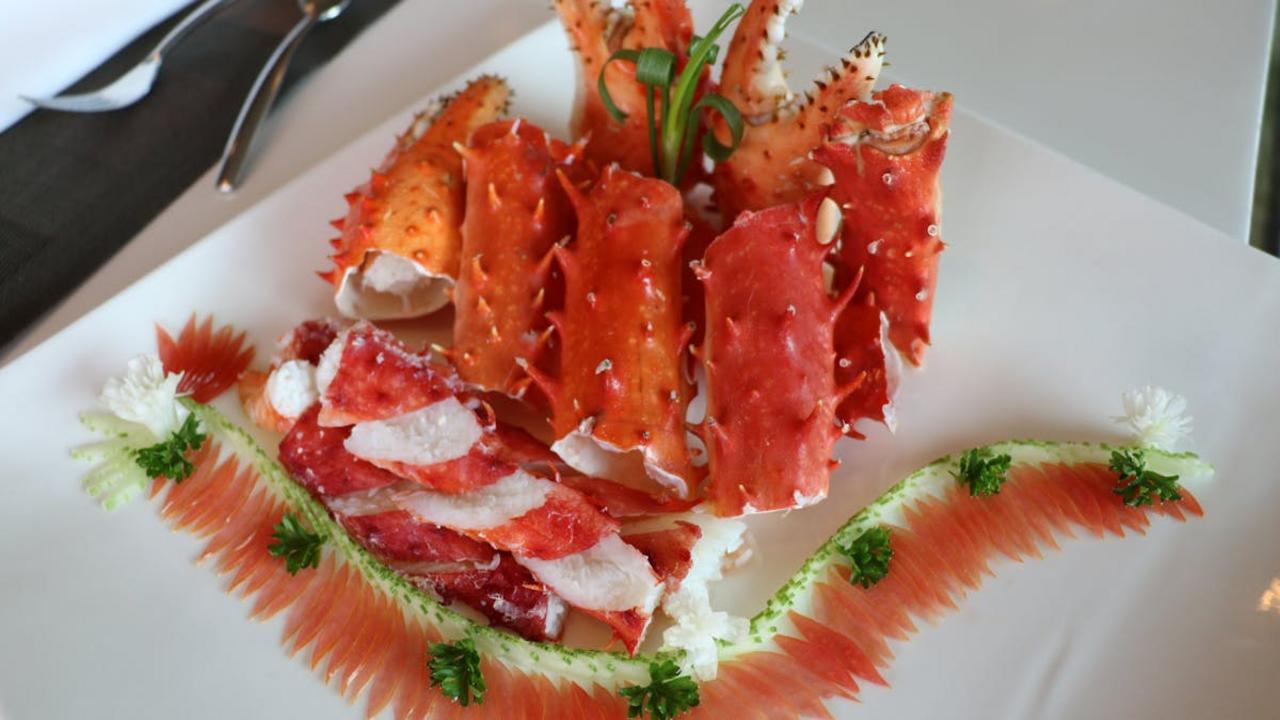
You know that feeling when you spot those gorgeous crab legs glistening under the heat lamps, and your heart skips a beat? Hold on there, friend! If you’re eyeing those beautiful crustaceans during the final hour of service, you might want to pump the brakes. Crab legs sitting under warming lights for hours lose their natural sweetness and develop that rubbery texture that makes you wonder if you’re eating seafood or chewing gum. Smart diners know that shellfish needs to be fresh and properly heated to shine.
Here’s what I’ve learned from years of buffet adventures: those crab legs that looked perfect at 2 PM have been slowly dying a heat-lamp death by 8 PM. The meat shrinks, becomes stringy, and loses all that delicate ocean flavor you’re craving. Instead of gambling with potentially disappointing seafood, save your appetite for items that hold up better over time. Your taste experience deserves better than tired, overcooked crab that’s been sitting around all day. Trust me, you’ll thank yourself for choosing something fresher that actually delivers on flavor!
Cream Based Soups
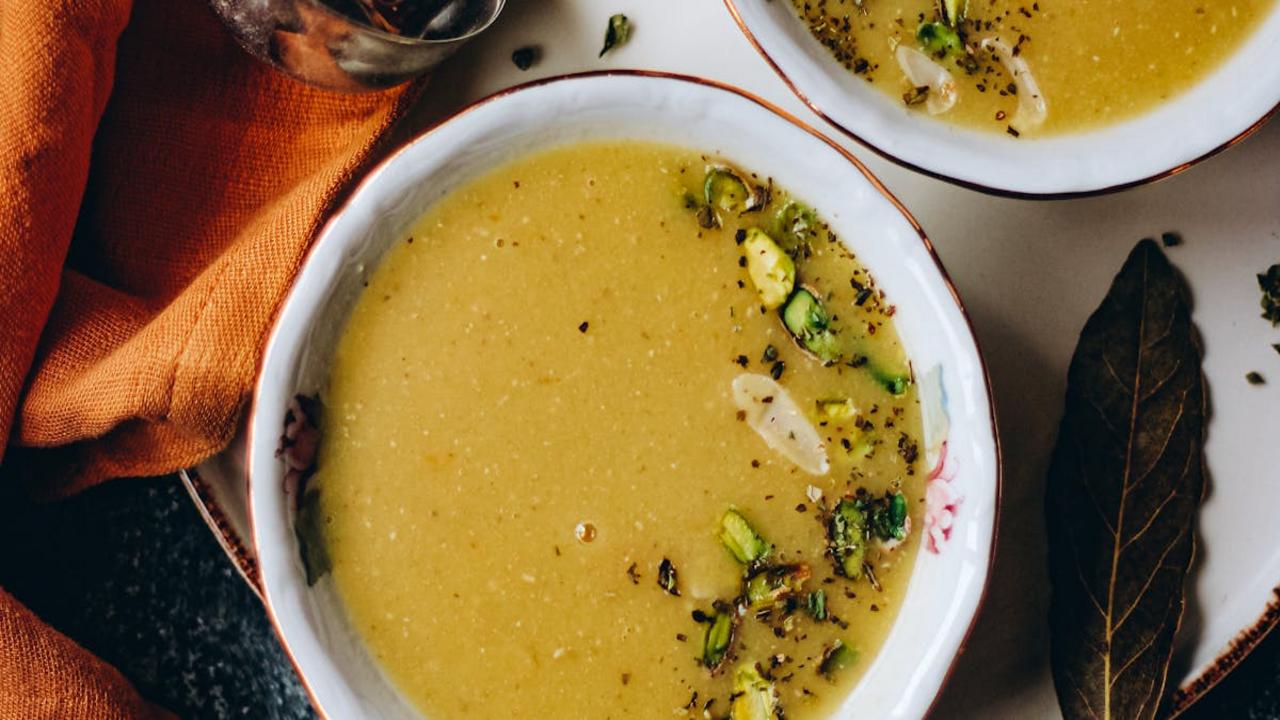
You know that rich, velvety soup calling your name from the buffet station? I’d encourage you to walk right past it! Cream-based soups at buffets often sit under heat lamps for hours, developing an unappetizing skin on top and losing their fresh flavor. These soups frequently contain heavy cream, butter, and thickening agents that pack serious calories into what seems like an innocent starter. What’s worse, buffet soup warmers can become breeding grounds for bacteria if temperatures aren’t properly maintained throughout service.
Instead of filling up on these calorie-dense options that might leave you feeling sluggish, save room for the good stuff! Many cream soups contain processed ingredients and preservatives to help them maintain texture during long holding periods. You’re much better off starting your meal with fresh salad greens, grilled proteins, or clear broth-based soups if they’re available. Your stomach will thank you for making space for fresher, more nutritious options that actually fuel your body rather than weighing it down before you even reach the main course selections.
Caesar Salad
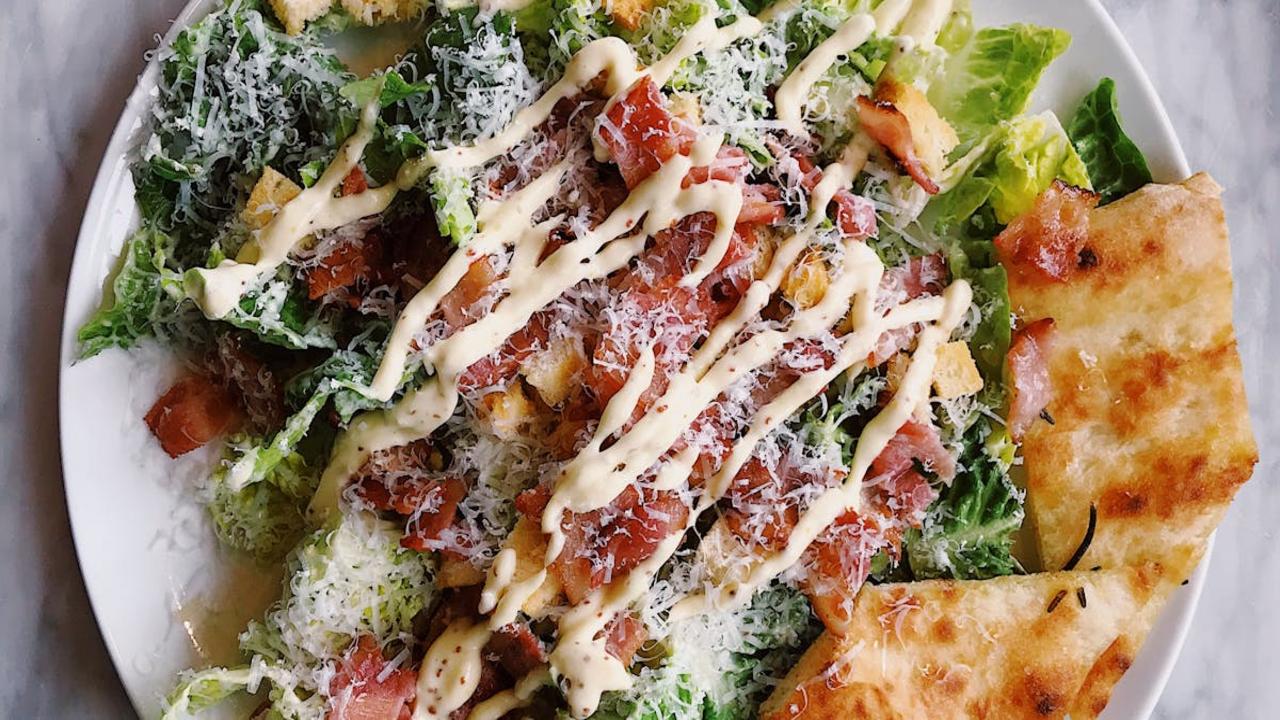
You might think grabbing that Caesar salad at the buffet makes you the smart, health-conscious diner, but hold on just a minute! That innocent-looking bowl of greens often becomes a calorie bomb waiting to explode your healthy intentions. Buffet Caesar salads typically get doused in heavy, mayonnaise-based dressing that’s been sitting under heat lamps for hours. The croutons? They’re usually stale and soggy, having absorbed all that excess moisture from the vegetables. Plus, you have no control over the dressing-to-lettuce ratio, and most people end up with way more creamy sauce than actual vegetables.
The real kicker is that buffet salads rarely feature fresh, crisp ingredients. That romaine lettuce has probably been sitting out for quite some time, losing both its nutritional value and appealing crunch. The pre-grated Parmesan cheese often tastes more like cardboard than the sharp, nutty cheese you’d get at a quality restaurant. Instead of falling into this trap, skip the buffet Caesar and create your own simple salad at home with fresh romaine, a light homemade dressing using lemon juice and olive oil, and freshly grated cheese. Your body will thank you for choosing quality over convenience!
Hollandaise Sauce
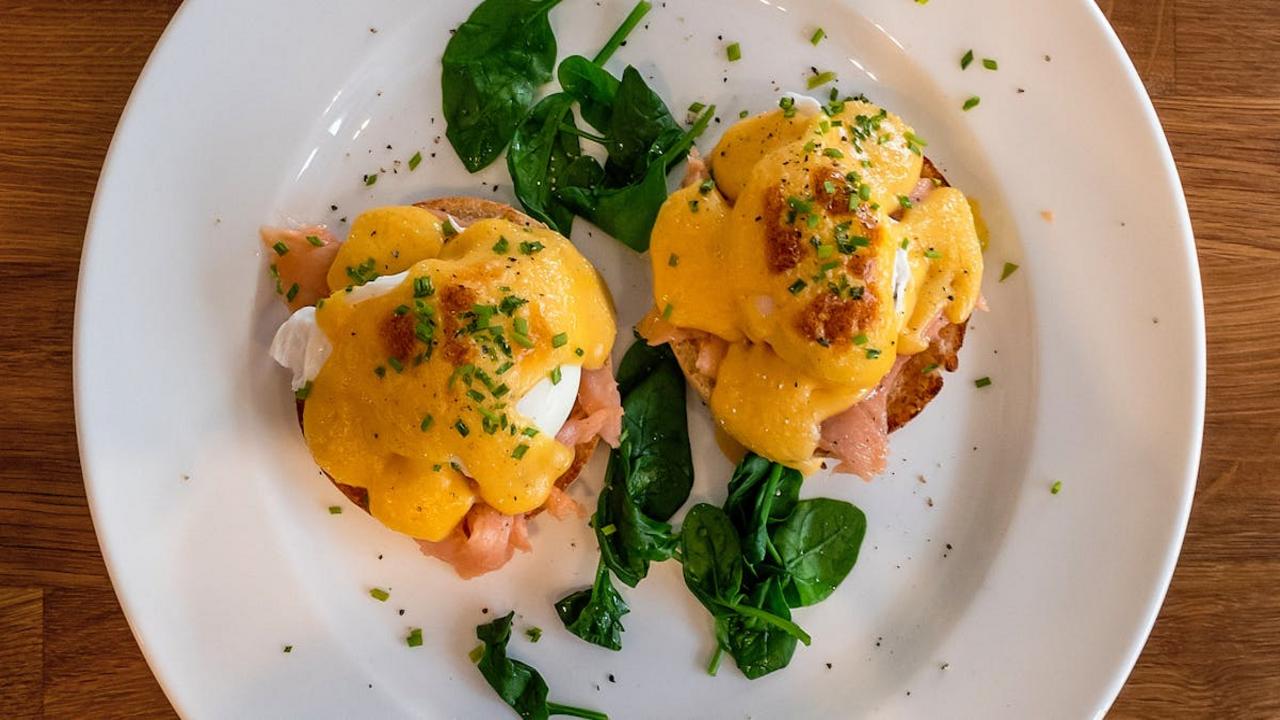
You know that rich, buttery hollandaise sauce pooling next to the eggs Benedict at the buffet? I’d recommend walking right past it, friend. This decadent sauce sits in warming trays for hours, creating the perfect breeding ground for bacteria. Hollandaise contains raw egg yolks and butter, which need to stay at very specific temperatures to remain safe. When these ingredients hang out in that lukewarm danger zone, they become a food safety nightmare waiting to happen.
Instead of risking your weekend with a case of food poisoning, save your hollandaise cravings for a fresh batch at home or a restaurant where they make it to order. Trust me, your stomach will thank you later! The real tragedy here isn’t just the health risk – it’s that buffet hollandaise usually tastes like a pale shadow of the real thing anyway. You deserve so much better than that gloppy, lukewarm version sitting under heat lamps. Make your own at home where you control the freshness and temperature, and you’ll discover what this classic French sauce should actually taste like.
Scrambled Eggs
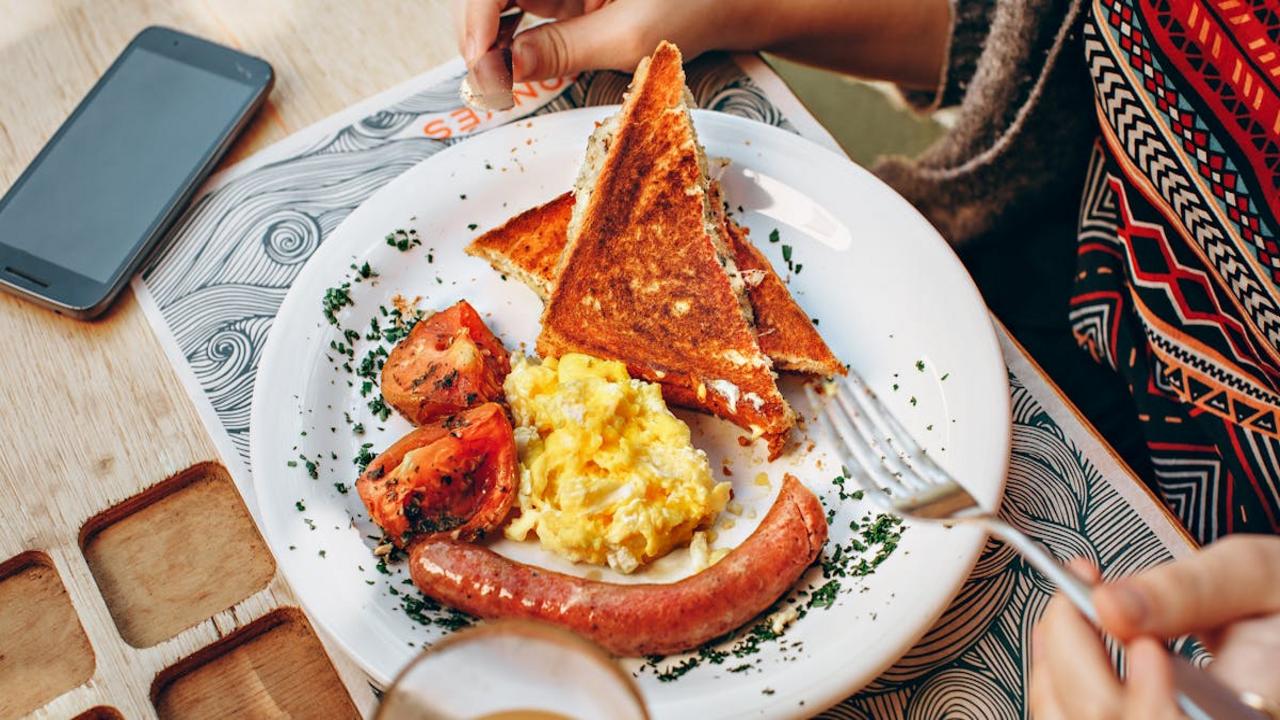
Those fluffy yellow mounds sitting in the warming trays might look tempting, but smart buffet diners know better than to load up on scrambled eggs. Here’s the thing about buffet eggs – they’ve likely been sitting under heat lamps for hours, which transforms what should be creamy, fresh eggs into rubbery, overcooked disappointments. The extended heat exposure breaks down the protein structure, leaving you with dry, chalky textures that bear little resemblance to the silky scrambled eggs you can whip up at home in just minutes.
Beyond the texture issues, buffet scrambled eggs often contain questionable ingredients like powdered egg mix or excessive amounts of oil to keep them from sticking to the pans. You’re paying premium prices for what amounts to rehydrated egg powder that’s been sitting around way too long. Instead, save your appetite and buffet real estate for items that actually benefit from bulk preparation – like carved meats or specialty dishes you can’t easily make at home. Your morning would be infinitely better with fresh eggs prepared to order at the omelet station, if the buffet offers one, or simply skipping eggs altogether and focusing on other protein-rich options that hold up better in buffet settings.
Raw Oysters
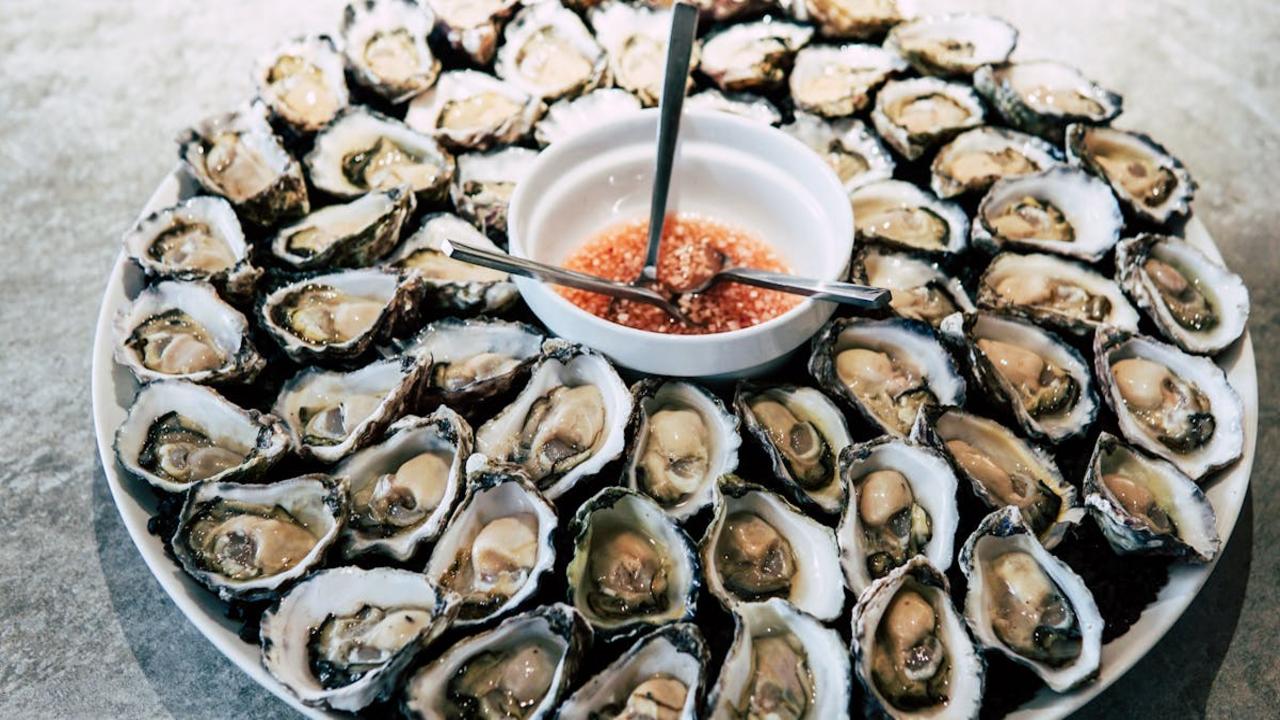
Raw oysters at buffets present serious food safety concerns that smart diners recognize immediately. These delicate shellfish require precise temperature control and extremely fresh handling to remain safe for consumption. At buffet settings, oysters often sit out for extended periods, creating perfect conditions for harmful bacteria to multiply. The risk of foodborne illness from improperly stored raw oysters can lead to severe stomach upset, nausea, and worse complications that will definitely ruin your dining experience.
You deserve to enjoy oysters at their absolute best – freshly shucked, properly chilled, and served immediately. Skip the buffet oysters and treat yourself to these ocean gems at a reputable seafood restaurant where they maintain strict freshness standards. Your stomach will thank you for this wise choice! If you’re craving that briny, oceanic flavor, consider cooked seafood options from the buffet instead, or save your oyster indulgence for a specialized establishment that prioritizes quality and safety over quantity.
Sushi Rolls
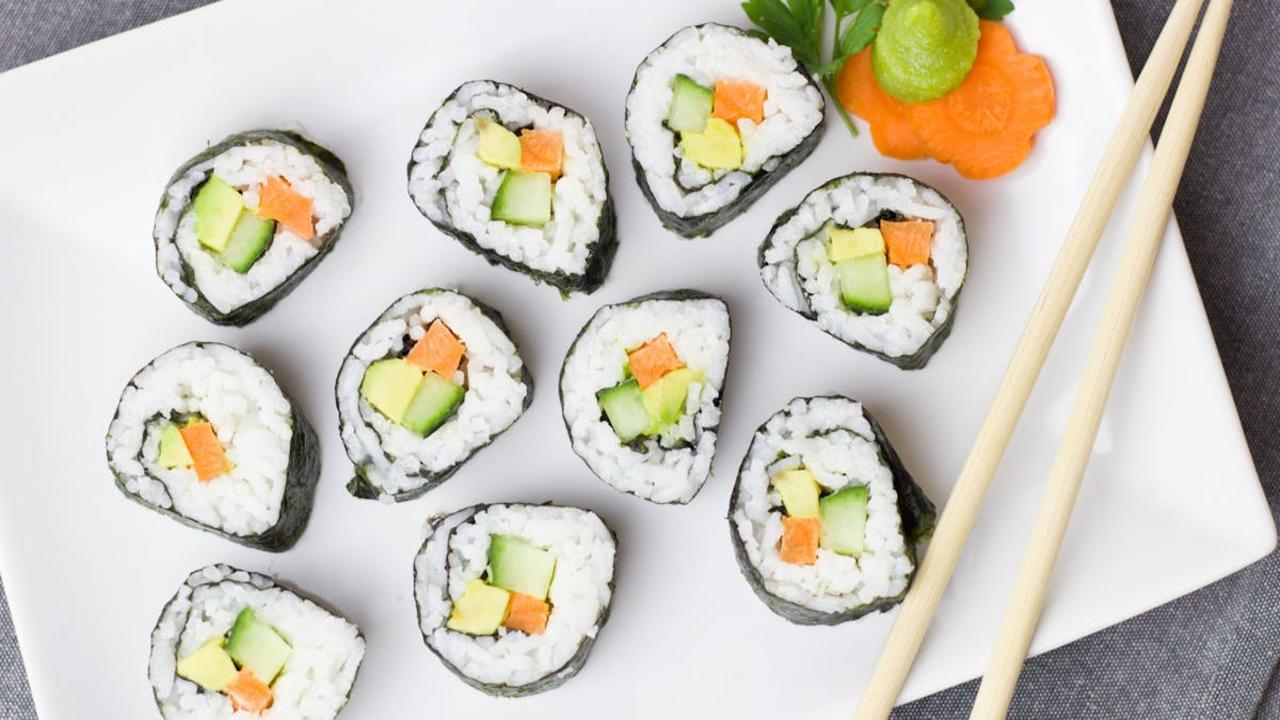
Those colorful sushi rolls sitting under bright buffet lights might catch your eye, but smart diners know to skip them completely. Raw fish requires extremely careful handling and temperature control – something that’s nearly impossible to maintain at busy buffets where food sits out for hours. You simply can’t trust that the salmon, tuna, or other seafood has stayed at safe temperatures throughout the day. Even if the sushi looks fresh, there’s no way to know how long those pieces have been sitting there or whether they’ve maintained the cold chain that keeps harmful bacteria at bay.
Beyond the obvious food safety concerns, buffet sushi typically disappoints in quality too. The rice often becomes hard and dry after sitting exposed to air, while the fish loses its silky texture and fresh flavor. Many buffets use imitation crab or lower-grade fish to keep costs down, so you’re not getting the premium experience you’d expect from proper sushi. Instead of risking your health and taste satisfaction, save your sushi cravings for a reputable sushi restaurant where you can watch skilled chefs prepare fresh rolls right before your eyes. Your stomach will thank you for making this smart choice!