15 Ancient Superfoods That Powered Empires Through the Ages
The foods that built civilizations remain some of the most nutritious options available today. From the Aztec warriors who relied on quinoa to the Ethiopian kingdoms sustained by teff, these ancient superfoods fueled the rise and expansion of empires across continents through their exceptional nutritional profiles.
I discovered that many of these ingredients shaped trade routes and agricultural practices that transformed societies. The Mayans treasured amaranth, while Middle Eastern cultures thrived on chickpeas and dates. Each food carries centuries of wisdom about survival, sustainability, and nourishment.
You’ll find these superfoods pack protein, fiber, vitamins, and minerals that modern nutritionists still recommend. The best part? They taste incredible in contemporary cooking. From breakfast bowls to dinner staples, these ancient ingredients deserve a spot in your kitchen today.
Barley
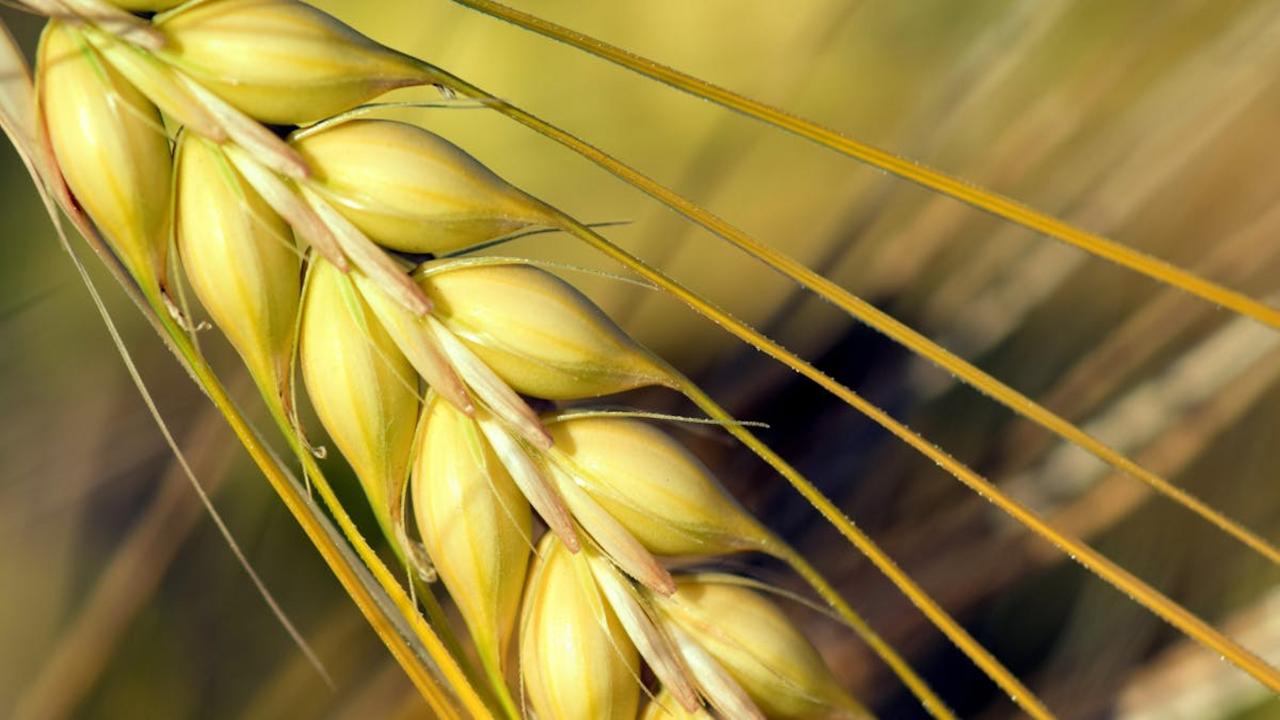
I love adding barley to my soups and stews for its incredible health benefits and rich history. This ancient grain fueled armies across civilizations, from the Roman legions to Egyptian workers building the pyramids. The Gladiators of Rome even earned the nickname “hordearii” or “barley men” because this grain formed the foundation of their diet. Barley gave them lasting energy and strength through its high fiber content and slow-releasing carbohydrates.
You’ll find this versatile grain packed with beta-glucans that support heart health and manganese for bone strength. I recommend cooking barley in bone broth to create a rich, nutty base for grain bowls or using it instead of rice in your next pilaf. The chewy texture and subtle earthiness make it perfect for cold weather meals. Modern research confirms what ancient civilizations knew – barley contains more protein than most other grains and helps maintain steady blood sugar levels throughout the day.
Plantains
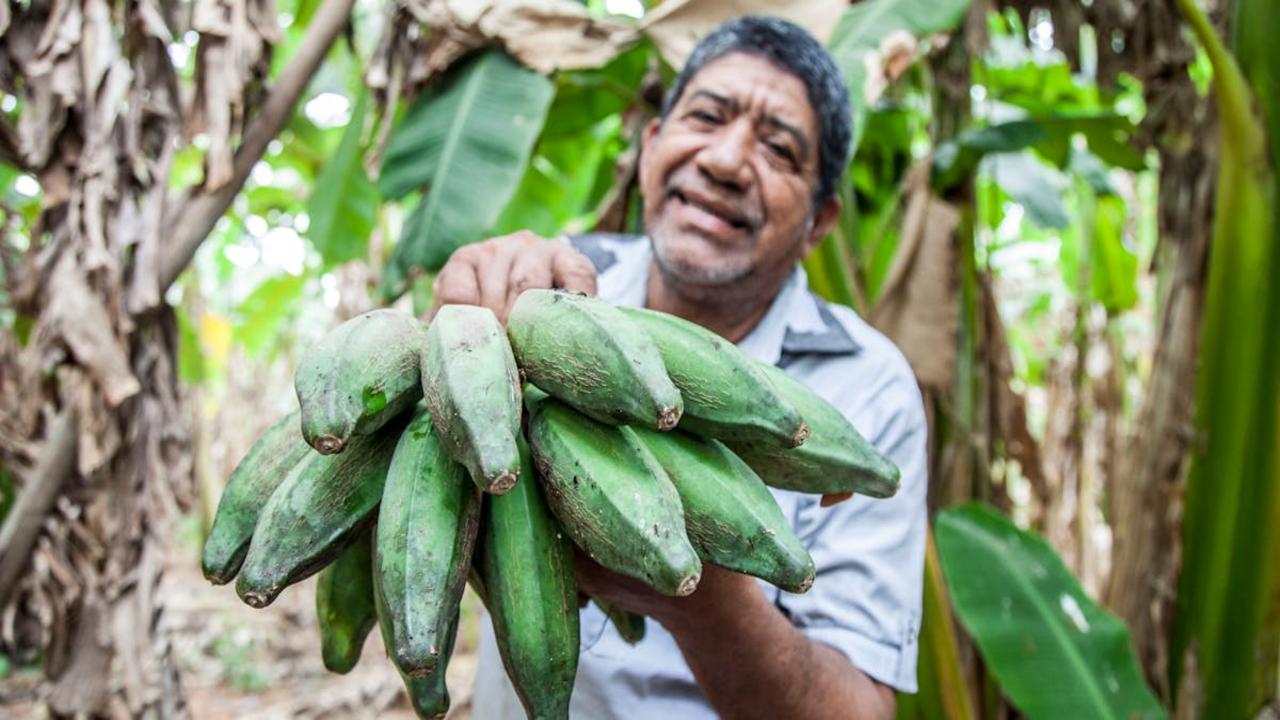
I grew up watching my grandmother cook plantains every weekend, and these starchy relatives of bananas fed countless civilizations across Africa, the Caribbean, and Latin America for millennia. More filling and versatile than regular bananas, plantains became a staple food that sustained ancient empires like the Aztecs, Mayans, and various African kingdoms. Their durability during transport and long shelf life made them invaluable for trade routes, while their high caloric content provided sustained energy for warriors and workers.
You can prepare plantains in numerous ways – from boiling and mashing to frying and baking. Ancient peoples discovered that green plantains offer more starch and less sugar, perfect for savory dishes, while ripe yellow and black plantains bring natural sweetness to meals. The fruit contains significant amounts of potassium, fiber, vitamins A and C, and resistant starch, which helps control blood sugar. This combination of nutrients and versatility explains why plantains remain a cornerstone of many traditional diets today, just as they nourished our ancestors thousands of years ago.
Yams
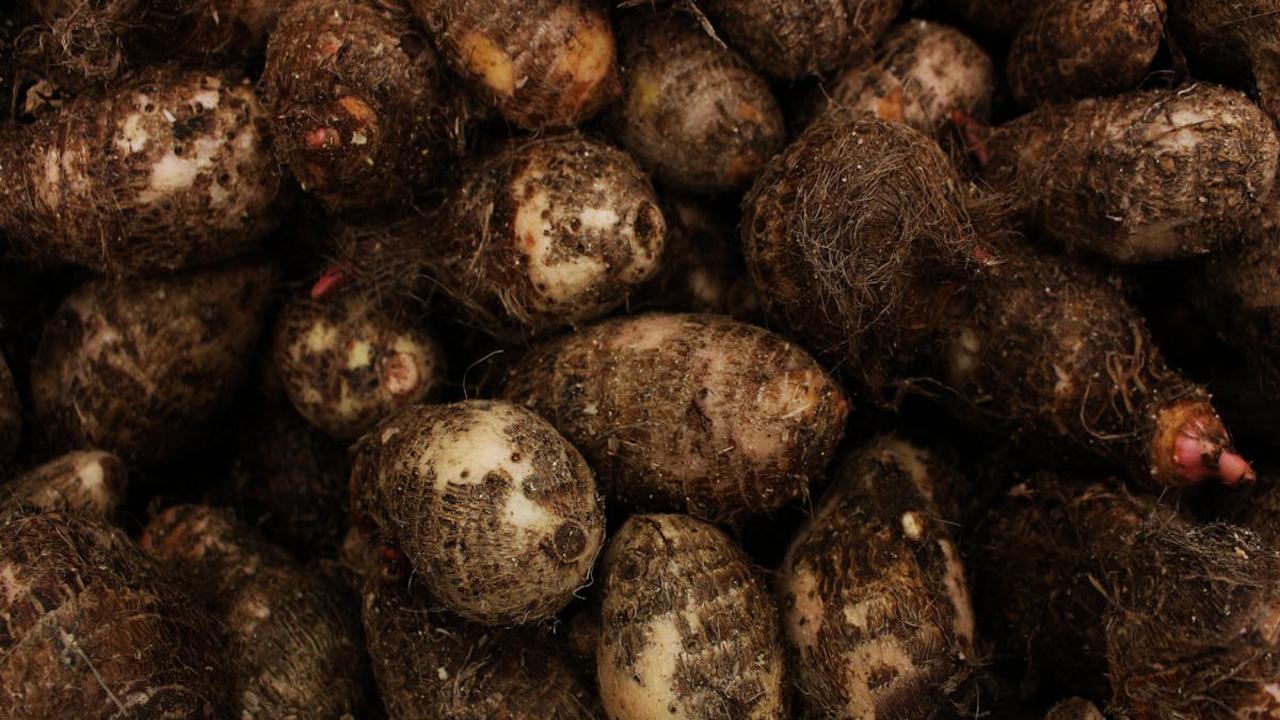
I can’t help but marvel at yams’ incredible history as a foundational food source across ancient civilizations, particularly in West Africa where they fueled empires like Mali and Ghana. These starchy tubers provided sustained energy for warriors and farmers alike, while their long storage life made them invaluable during lean times. The high caloric content and rich mineral profile of yams, including potassium, manganese, and vitamin C, made them a reliable source of nutrition that could support large populations and armies on the move.
My research into traditional African cooking methods revealed how communities would dry and pound yams into flour, creating a versatile ingredient that formed the base of numerous dishes. This preservation technique allowed societies to maintain food security year-round, contributing to their stability and growth. The crop’s reliability and ability to grow in challenging soil conditions meant civilizations could establish permanent settlements and develop complex social structures. Even today, many West African communities maintain time-honored yam cultivation practices, recognizing this superfood’s enduring value in their cultural and nutritional heritage.
Taro
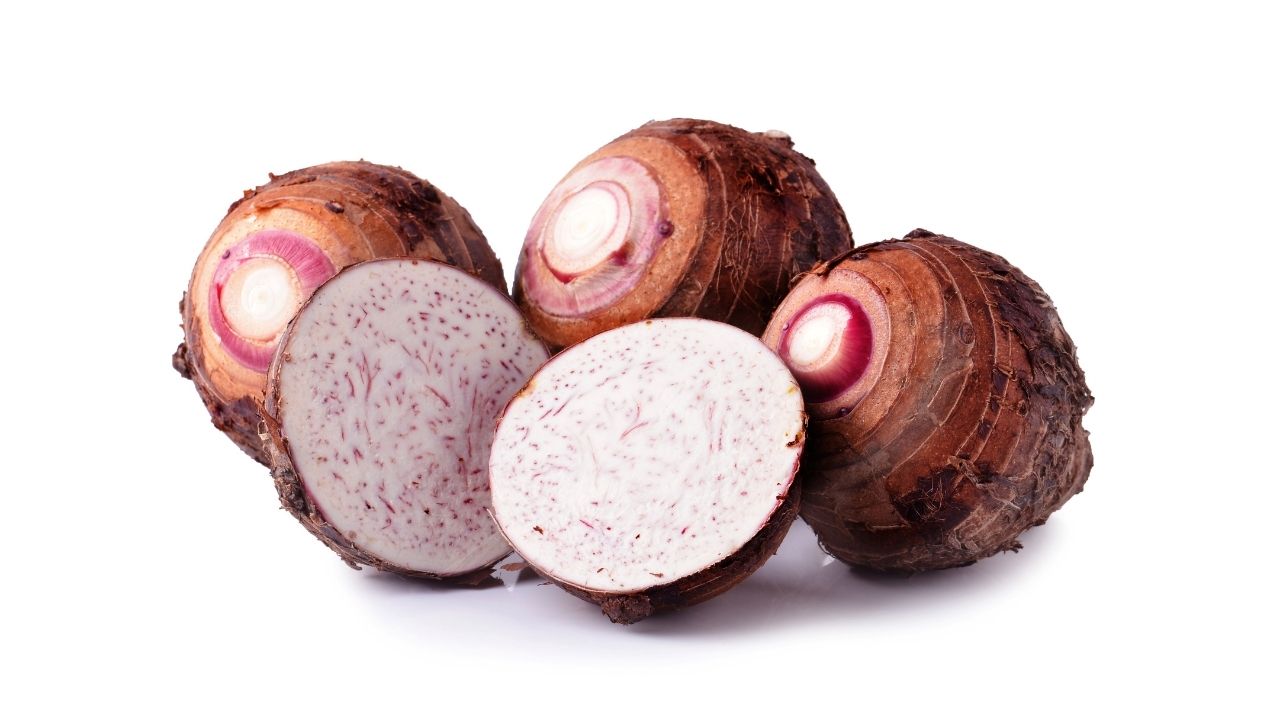
You’ll find taro deeply woven into the fabric of ancient Pacific Islander civilizations, where this starchy root vegetable fed countless generations. The Polynesians carried taro across vast ocean distances, making it a cornerstone of their diet and culture. Rich in fiber, vitamins B and E, and packed with resistant starch, taro helped sustain entire communities through its excellent storage capabilities and high caloric content. The ancient Hawaiians valued it so highly they based their calendar around its growing cycles and considered it a divine gift.
I learned to appreciate taro’s versatility while experimenting with traditional preparations – you can steam it, mash it, fry it, or grind it into flour. The root’s subtle nutty flavor and creamy texture make it perfect for both sweet and savory dishes. What really stands out about taro is its remarkable ability to absorb flavors while maintaining its distinct character. From the poi of Hawaii to the bubbles in Taiwanese tea, this ancient superfood continues to nourish people worldwide, just as it did centuries ago.
Chestnuts

I’ve always found chestnuts to be one of nature’s most remarkable foods. The ancient Greeks and Romans relied on these nutrient-dense nuts as a primary food source, particularly during long military campaigns. Rich in complex carbohydrates, fiber, and vitamin C, chestnuts provided sustained energy for soldiers and citizens alike. Unlike other nuts that contain high amounts of fat, chestnuts pack their punch through healthy carbs, making them a perfect fuel source for physical activity and daily sustenance.
The mighty chestnut kept entire civilizations going through harsh winters and food shortages. You can still find traces of ancient chestnut groves across Europe, planted strategically by Romans to feed their expanding empire. These trees produced reliable harvests year after year, with each nut containing enough nutrients to replace a small meal. I love incorporating chestnuts into my cooking through traditional methods – roasting them over an open fire brings out their natural sweetness and creates a creamy, potato-like texture that works wonderfully in both sweet and savory dishes.
Fava Beans
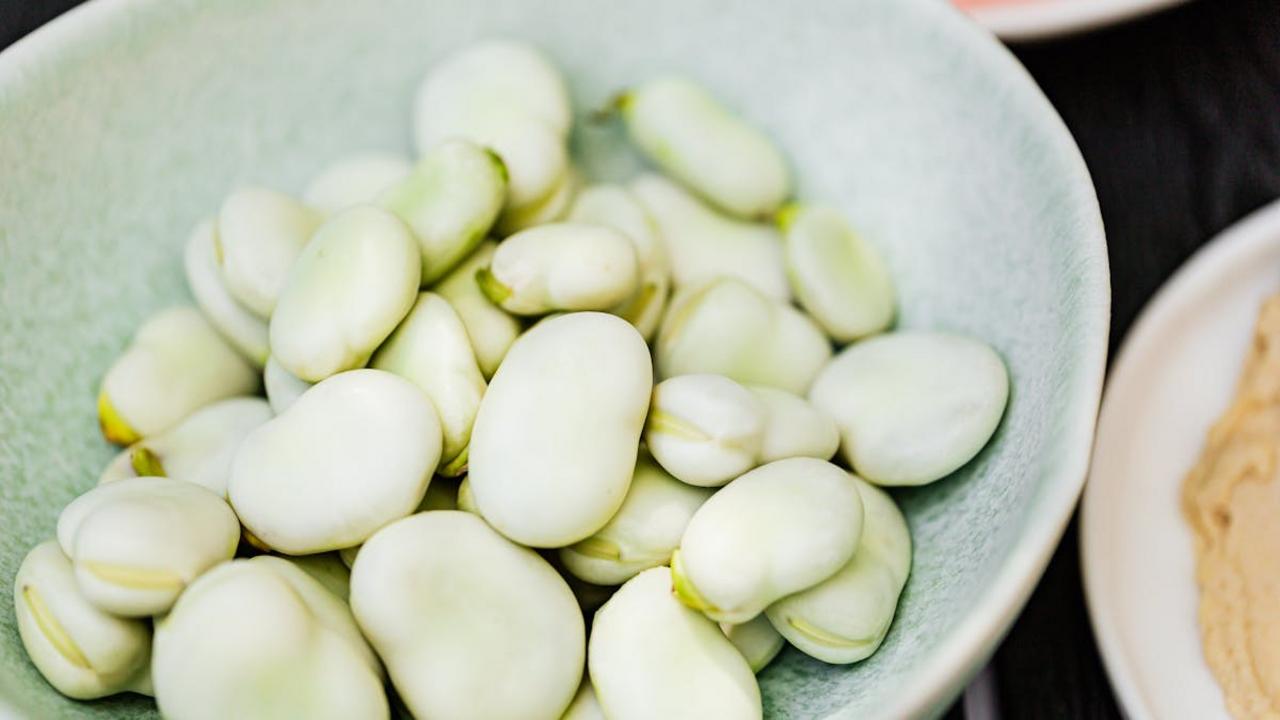
I’ve found fava beans to be one of history’s most remarkable superfoods, playing a starring role in sustaining ancient Mediterranean and Middle Eastern civilizations. The Romans, Egyptians, and Greeks relied heavily on these protein-packed legumes to feed their armies and populations. Rich in fiber, iron, and folate, fava beans provided the sustained energy needed for building pyramids, expanding empires, and fueling long military campaigns. Many ancient texts mention them as a dietary staple, with evidence of their cultivation dating back over 8,000 years in the fertile regions around the Nile Valley.
What makes fava beans truly special is their incredible versatility in ancient cooking methods. You can find references to them being dried, ground into flour for bread-making, or cooked fresh in stews across multiple civilizations. In ancient Egypt, workers received fava beans as part of their daily rations, while Greek philosophers documented their nutritional benefits. The beans’ high protein content – about 26 grams per cup – made them an excellent meat alternative, while their ability to improve soil quality through nitrogen fixation helped ancient farmers maintain fertile fields year after year.
Dates
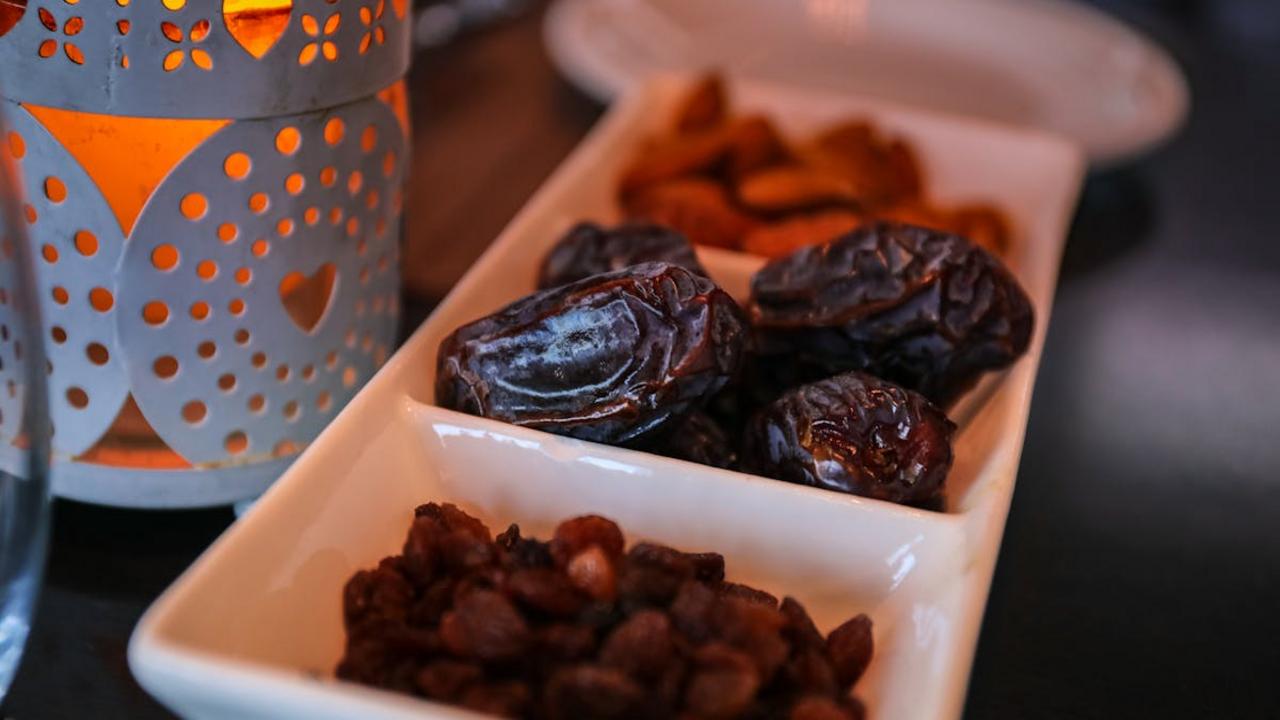
Dates hold a remarkable place in ancient food history, particularly across the Middle East and North Africa where they sustained countless civilizations. These sweet fruits packed incredible amounts of energy and nutrients that kept armies marching and traders moving along the Silk Road. Rich in natural sugars, fiber, potassium, and magnesium, dates gave people quick bursts of energy while helping maintain their overall health. Ancient Egyptians considered them sacred, using them in religious ceremonies and as sustenance for workers building the pyramids.
I love incorporating dates into both sweet and savory dishes in my kitchen, drawing inspiration from their ancient legacy. You can stuff them with nuts and wrap them in bacon for an addictive appetizer, or blend them into smoothies as a natural sweetener. Their sticky, caramel-like texture makes them perfect for binding energy balls or adding moisture to baked goods without refined sugar. Ancient cultures clearly knew something special about these fruits – they’re truly one of nature’s most complete foods, offering both instant and sustained energy through their perfect balance of sugars and fiber.
Chickpeas
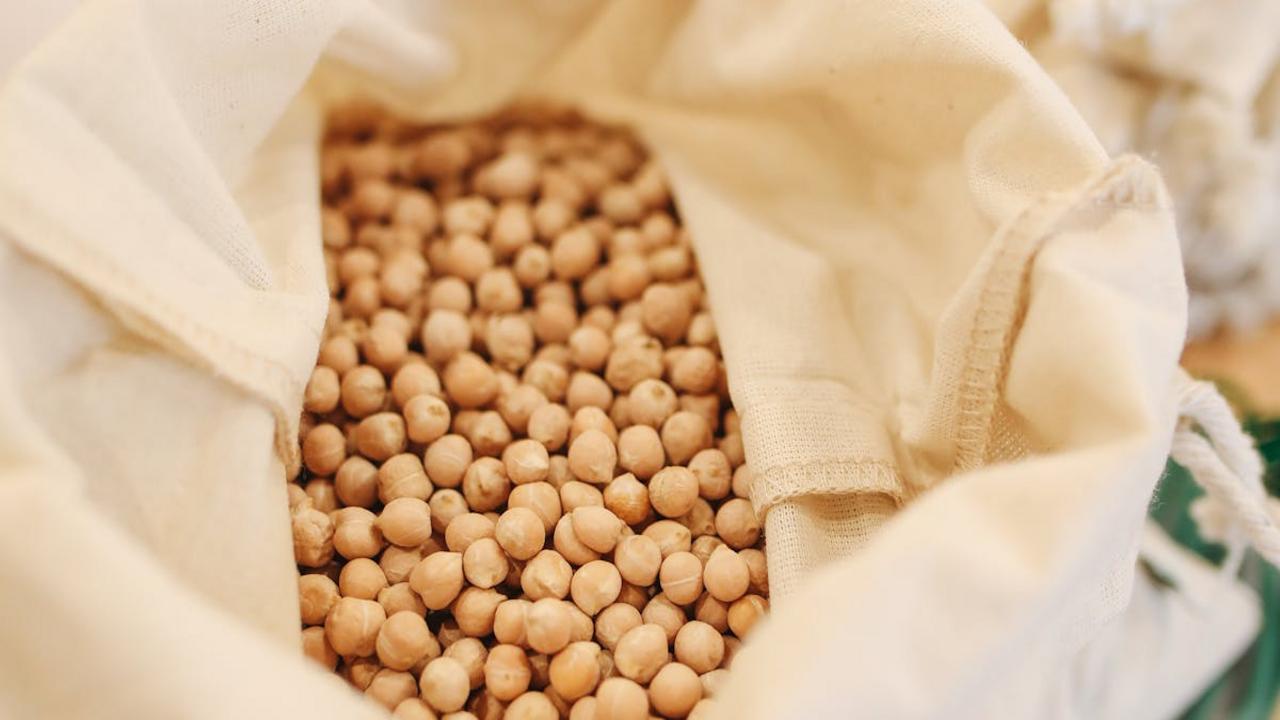
I can’t imagine any ancient civilization thriving without chickpeas in their diet! These protein-packed legumes kept Roman armies marching, nourished Egyptian pharaohs, and sustained countless Mediterranean communities. The Romans valued chickpeas so much that they named several noble families after them – including the famous Cicero family, whose name comes from “cicer,” the Latin word for chickpea. These versatile beans provided steady energy through long campaigns and kept food stores lasting through harsh winters.
My favorite thing about chickpeas? They work in practically everything! The ancient Greeks and Romans would grind them into flour for bread, cook them into hearty stews, or eat them roasted as snacks – just like we do today. High in fiber, protein, and minerals like iron and magnesium, chickpeas gave ancient civilizations a complete nutritional package. I find it amazing that this humble legume fed both peasants and emperors alike, appearing in everything from simple street food to elaborate royal feasts. The staying power of chickpeas proves their worth – they’ve kept humans healthy and satisfied for thousands of years.
Buckwheat
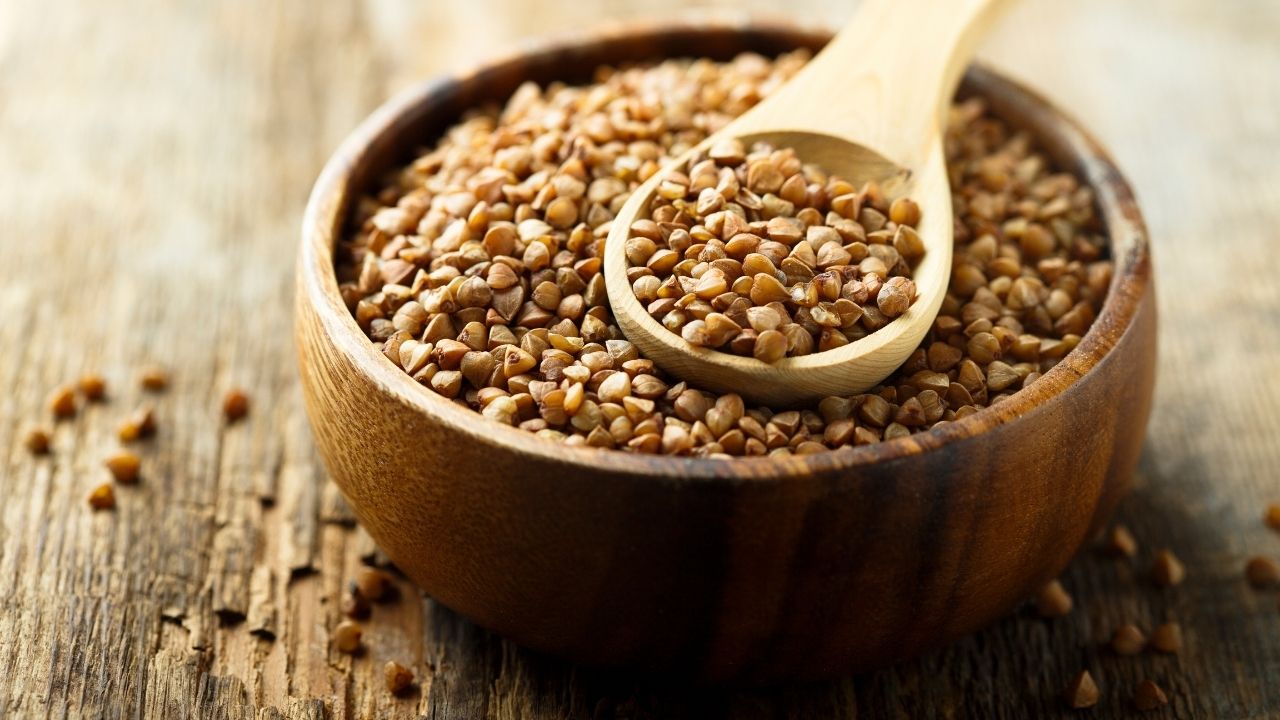
Ancient cultures knew buckwheat’s power long before modern nutrition science caught up. Despite its name, buckwheat isn’t wheat at all – it’s a seed from the same family as rhubarb and sorrel. The Japanese turned to buckwheat for soba noodles, while Eastern Europeans made hearty kasha porridge that kept them strong through brutal winters. Rich in rutin, a compound that strengthens blood vessels, buckwheat gave warriors and farmers lasting energy for their demanding physical work.
I love adding buckwheat to my kitchen rotation because it packs more protein than rice or wheat, making it perfect for vegetarian meals. The nutty, robust flavor adds depth to any dish, from breakfast porridge to savory side dishes. You’ll find complete proteins, fiber, and minerals like manganese and magnesium in every serving. My favorite way to enjoy it? I toast the groats lightly before cooking to bring out their natural sweetness and complexity. The ancient Greeks and Romans recognized buckwheat’s value – now it’s time for us to rediscover this remarkable superfood.
Amaranth
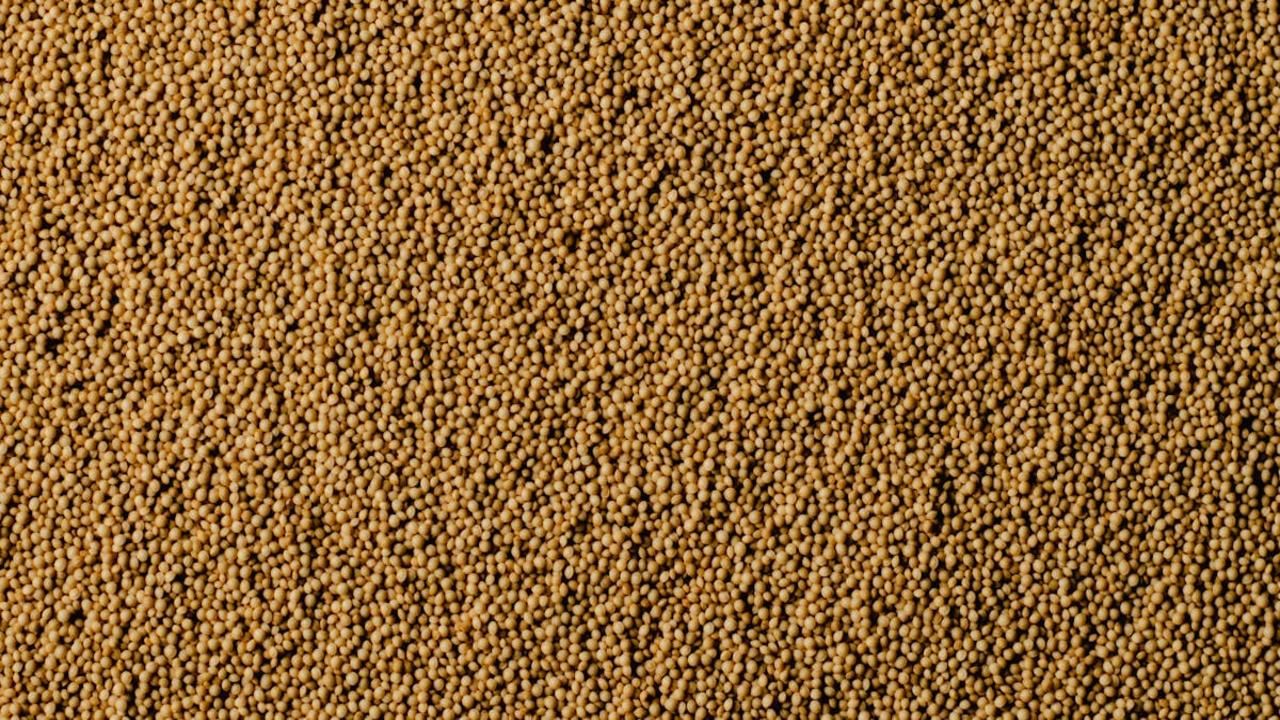
You might not know this superfood by name, but amaranth played a major role in sustaining the mighty Aztec Empire. This tiny grain-like seed packs a powerful nutritional punch with complete protein content that rivals quinoa. The Aztecs didn’t just eat amaranth – they wove it into their religious ceremonies and daily rituals, considering it sacred. Its remarkable ability to grow in harsh conditions and feed large populations made it invaluable to ancient Mesoamerican civilizations.
I love incorporating amaranth into my modern kitchen because it adds a nutty, earthy flavor while boosting the nutrition of any dish. You can pop it like tiny popcorn kernels, cook it into a creamy breakfast porridge, or grind it into flour for baking. The ancient Aztecs would mix amaranth with honey to make a sweet treat called “alegría” (meaning happiness), which Mexican street vendors still sell today. This versatile grain contains lysine, calcium, iron, and fiber – nutrients that kept ancient warriors strong and continue to benefit us now.
Cassava
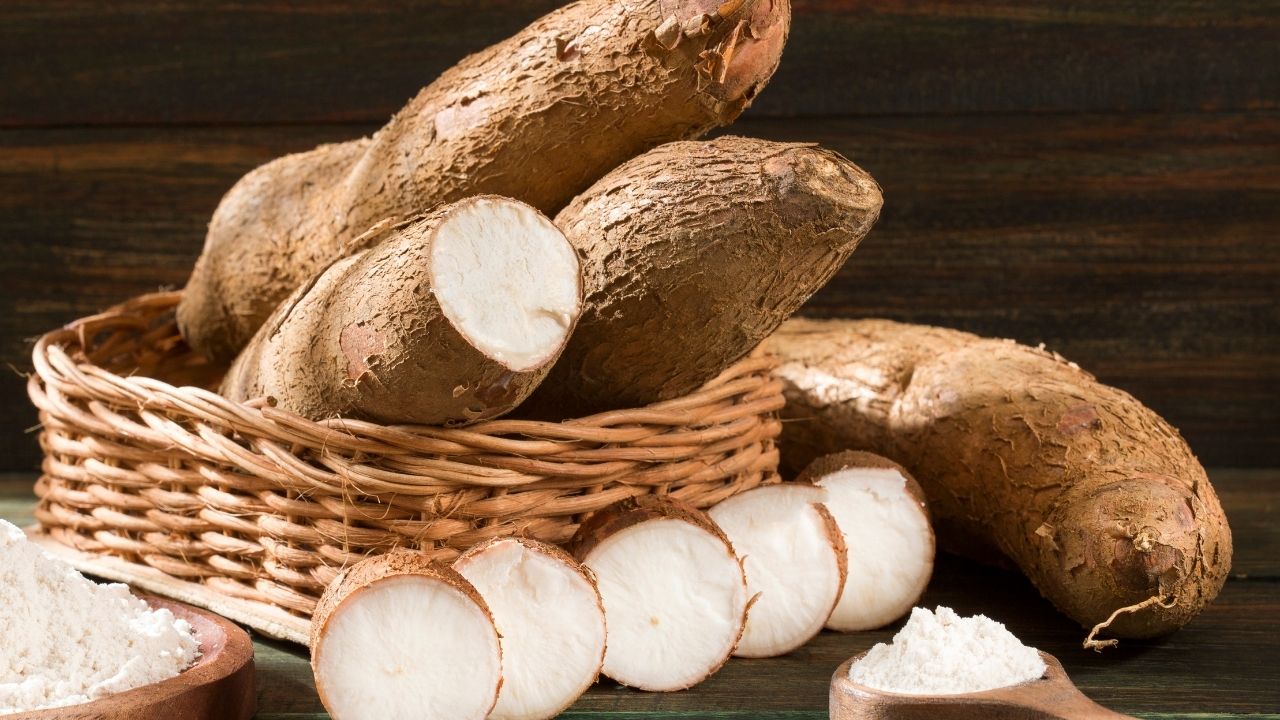
You’ll find cassava root thriving in many tropical regions today, but this hearty tuber first powered the great Mayan civilization thousands of years ago. The Mayans discovered how to transform this tough, fibrous root into a rich source of pure carbohydrates through careful processing. They would grind the cassava into flour, removing its natural toxins, then create breads and cakes that sustained their communities through both abundant and lean times. The root’s incredible shelf life meant they could store it for months, providing food security that helped their empire grow.
I’ve worked extensively with cassava in my kitchen and can tell you it remains just as relevant for modern cooking. The root gives you twice the calories of potatoes and packs significant amounts of vitamin C and manganese. While many know it as tapioca when processed, cassava shines in traditional dishes like Brazilian farofa or Caribbean bammy. Its neutral flavor makes it incredibly adaptable – you can fry, mash, or roast it just like potatoes. If you’re looking to add more gluten-free options to your diet, cassava flour works beautifully in baked goods while providing that satisfying chew we all love in our breads and pastries.
Millet
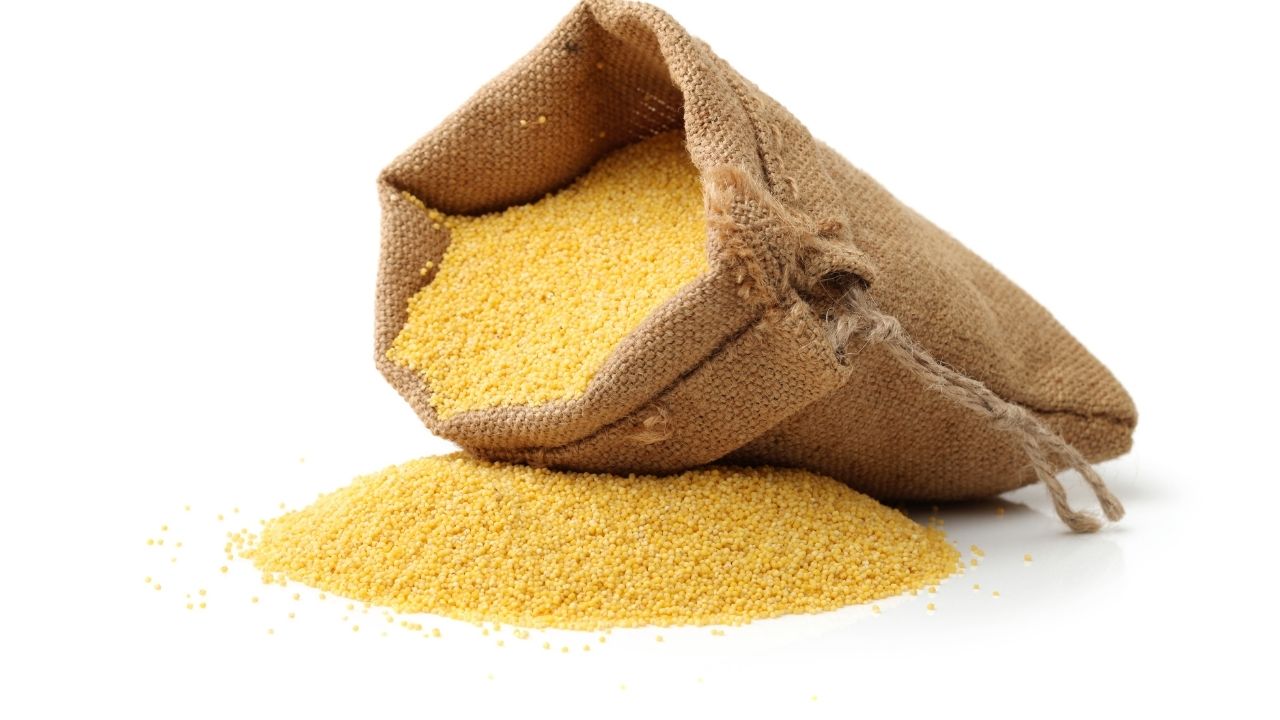
I love how millet connects us to our ancestors who recognized its incredible value thousands of years ago. This humble grain fueled the rise of ancient Chinese civilization, where farmers cultivated it along the Yellow River as far back as 10,000 years ago. The small, round seeds pack a powerful nutritional punch with high amounts of protein, fiber, and B vitamins. My friends often ask me about gluten-free alternatives, and I always point them to millet – it provided sustenance to countless generations before modern wheat varieties took over.
Every time I cook with millet, I think about how this versatile grain helped build great societies from Asia to Africa. In ancient India, millet formed a cornerstone of the diet, while African civilizations relied on it for everything from porridge to beer. You’ll find millet incredibly easy to prepare – it has a mild, slightly nutty flavor that works beautifully in both sweet and savory dishes. I particularly enjoy making millet pilaf with roasted vegetables or incorporating it into breakfast porridge with cinnamon and honey, just like our ancestors might have done centuries ago.
Sorghum
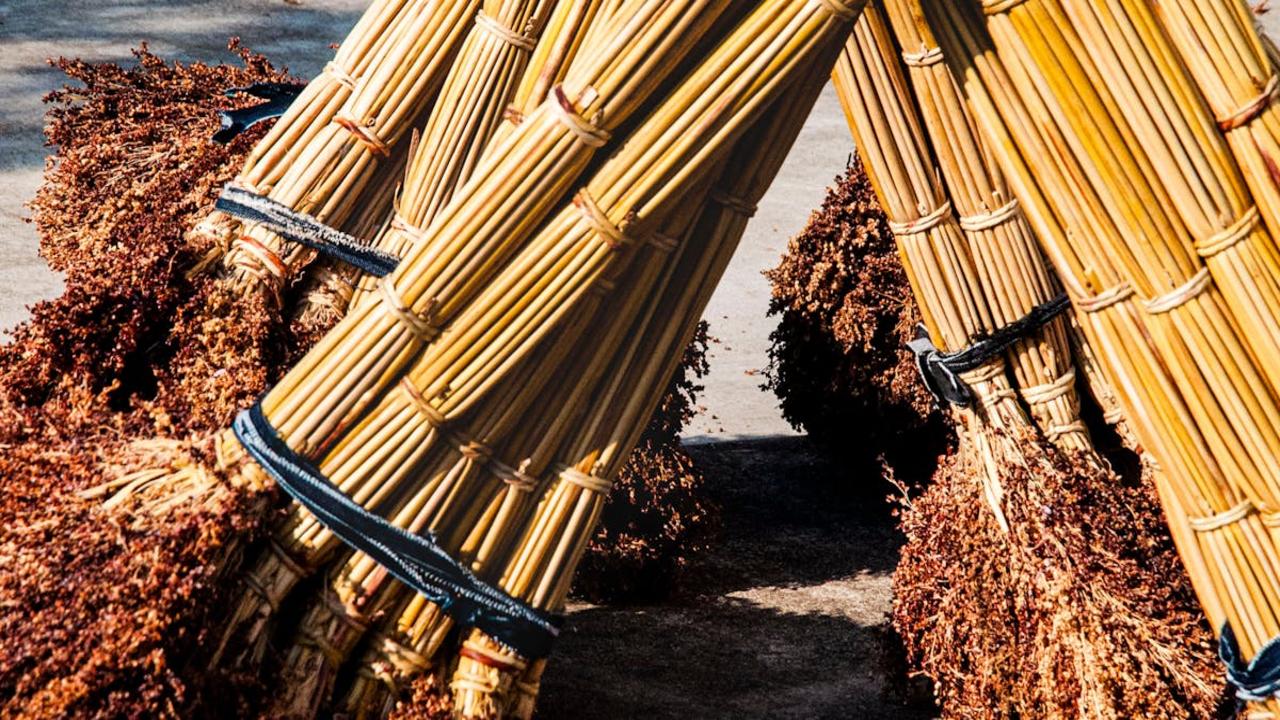
I get so excited talking about sorghum – this incredible ancient grain that kept massive civilizations going strong for thousands of years. The Chinese have grown sorghum since 3000 BCE, while African kingdoms made it their staple food source thanks to its remarkable drought resistance. This versatile grain packs quite a nutritional punch with high levels of protein, fiber, B vitamins, and minerals like iron and zinc. In many traditional societies, people would grind sorghum into flour for bread and porridge or ferment it into beverages.
What makes sorghum truly special is how it adapts to different cooking methods while maintaining its nutty, slightly sweet flavor profile. You can pop it like popcorn, cook it as a hearty breakfast porridge, or mill it into flour for gluten-free baking. Modern research shows sorghum contains powerful antioxidants and compounds that may help reduce inflammation and support heart health. I love recommending sorghum to my gluten-sensitive friends since it offers similar versatility to wheat without the digestive issues. Plus, it grows with minimal water and resources, making it an environmentally conscious choice for today’s health-minded cooks.
Teff
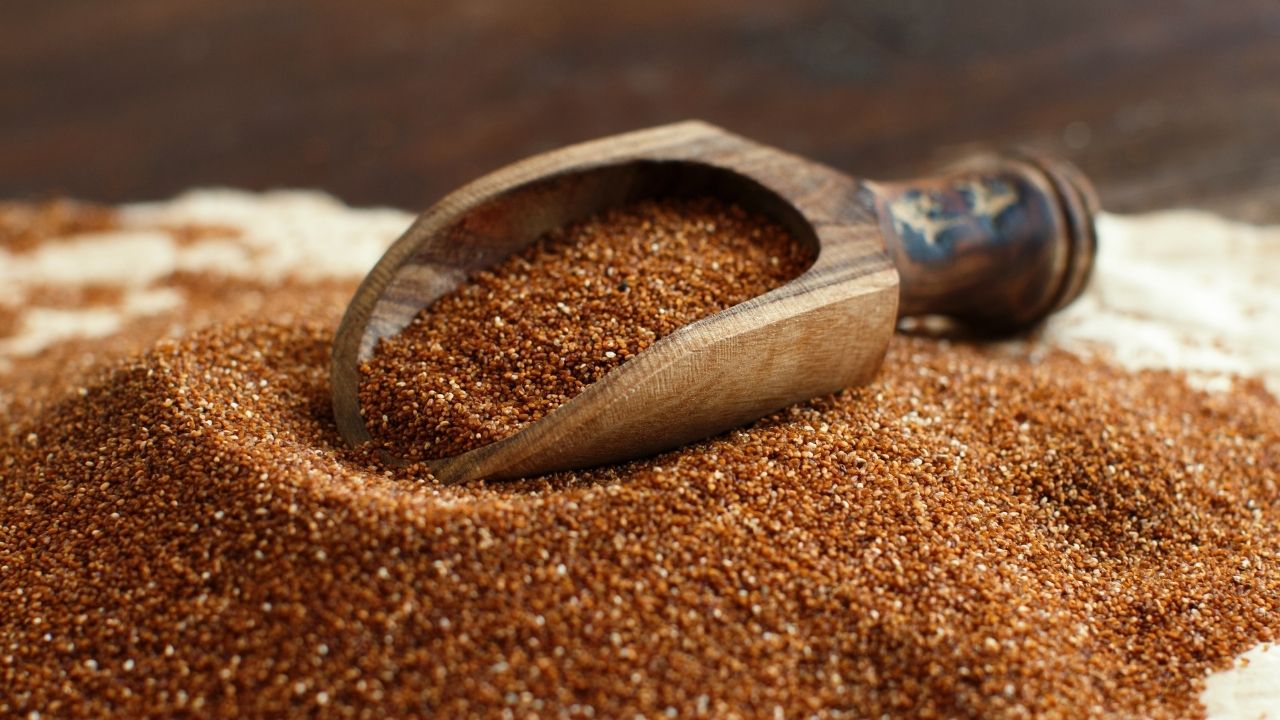
I discovered teff while researching ancient Ethiopian grains, and this tiny powerhouse captivated me with its rich heritage. Dating back over 6,000 years, teff formed the backbone of the Ethiopian Empire, giving warriors and citizens remarkable stamina through its high iron content and complete protein profile. The grain’s versatility made it a staple across social classes – from royal banquets to everyday meals, teff’s nutty flavor and impressive nutrient density kept the empire strong.
You’ll find teff uniquely adaptable in modern cooking – I love incorporating it into both sweet and savory dishes. It makes wonderfully fluffy pancakes and adds depth to stews with its earthy notes. The grain contains 31% more protein than barley and packs calcium, copper, and zinc. Most remarkably, teff thrives in harsh conditions where other crops fail, which helped ancient Ethiopians maintain food security through droughts. This resilient superfood continues nourishing millions today, carrying forward its legacy as a truly exceptional grain.
Quinoa
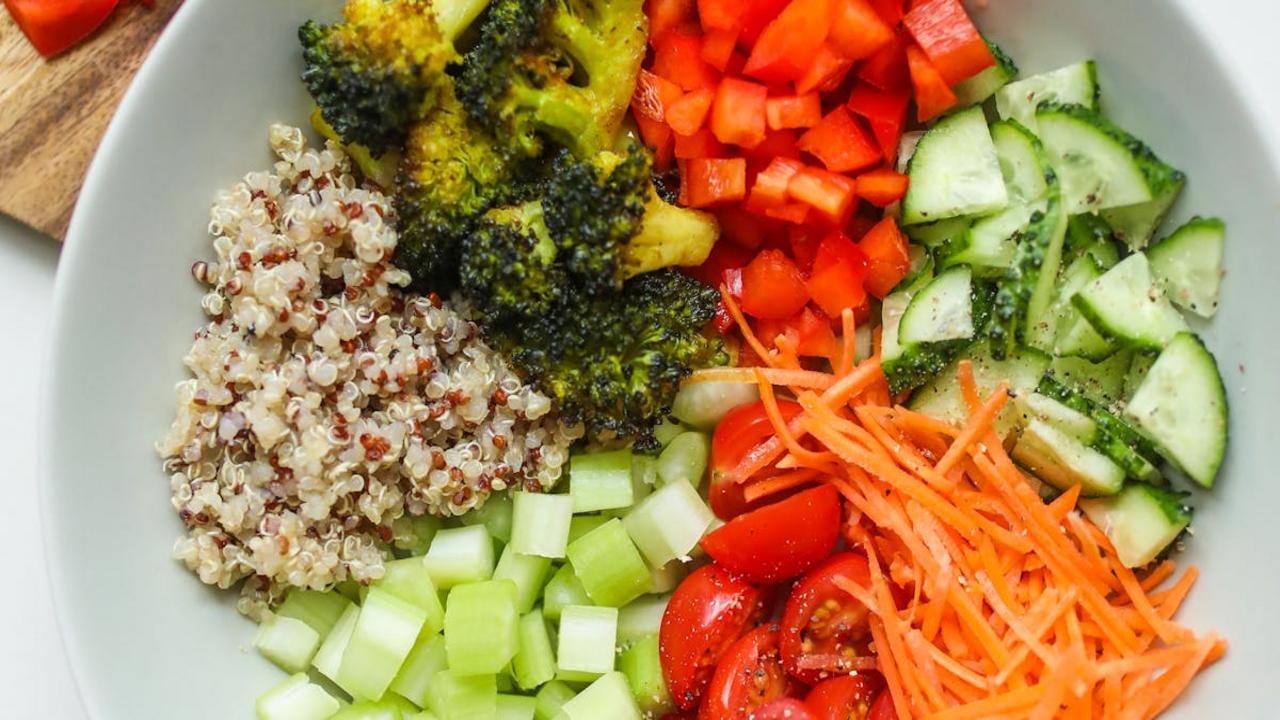
I remember discovering quinoa years ago while studying ancient Incan agriculture – this protein-packed pseudo-grain fueled the vast Incan empire for generations. The Incas called quinoa “the mother grain” and relied on its complete amino acid profile and rich nutrient content to sustain their armies through harsh mountain conditions. What makes quinoa truly special is its versatility – you can prepare it as a savory pilaf, add it to morning porridge, or even bake it into breads and desserts.
Beyond its nutritional benefits, quinoa has an impressive sustainability story. The plant grows well at high altitudes and needs minimal water, making it a reliable crop in challenging mountain environments. Today, you’ll find quinoa adding substance to Buddha bowls and salads worldwide, but I particularly love combining it with roasted vegetables, fresh herbs, and a bright citrus dressing for a nourishing meal. The subtle nutty flavor and light, fluffy texture make quinoa an excellent base for countless healthy dishes.