14 Foods My Kids Swore They Needed in the Cart but Wouldn’t Touch at Home
You know that moment when your child spots dragon fruit in the produce section and suddenly transforms into a passionate advocate for exotic nutrition? Their eyes light up like they’ve discovered buried treasure, and before you know it, you’re convinced this purple-scaled mystery will revolutionize dinner time forever.
Fast-forward to your kitchen counter, where that same dragon fruit sits untouched for two weeks, slowly turning into an expensive science experiment. Meanwhile, your little food critic has moved on to begging for unicorn-shaped cereal that promises to change colors in milk but will inevitably remain soggy and abandoned in tomorrow’s breakfast bowl.
Welcome to parenthood’s most predictable plot twist: the grocery store enthusiasm that evaporates faster than spilled milk on hot pavement. These fourteen foods represent every parent’s shared experience of hope, excitement, and the eventual resigned march to the compost bin with yet another untouched “must-have” item.
Imported candy bars
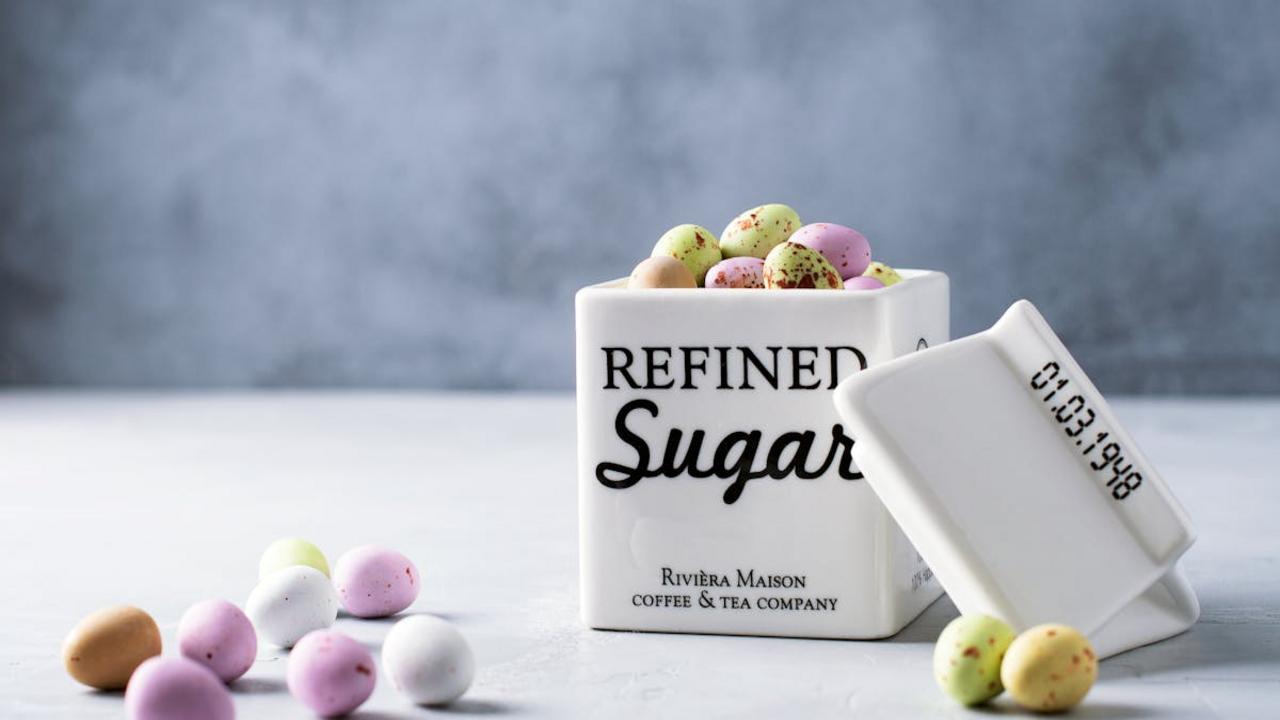
You know that fancy international aisle at the grocery store? The one with chocolate bars that cost more than your lunch? Yeah, that’s where my kids become amateur confectionery connoisseurs. They’ll spot a Cadbury Flake from fifty feet away and suddenly transform into passionate advocates for British confection culture. “Mom, this has real Dairy Milk chocolate!” they’ll proclaim, holding up a £2.99 bar like it’s the Crown Jewels. The packaging alone sells the dream – those elegant European fonts, the sophisticated color schemes that make our domestic candy bars look like they’re wearing neon tracksuits to the opera.
But here’s the plot twist that every parent sees coming from Mars (the planet, not the candy company): these exotic treats go straight into the pantry graveyard once we get home. Apparently, that “authentic Belgian cocoa experience” loses its magic somewhere between the checkout line and Tuesday afternoon snack time. Instead, they’ll reach for whatever generic chocolate chip granola bar is lurking in the cabinet. I’ve got a Kit-Kat Chunky from Japan that’s been sitting there so long it could probably apply for citizenship. The irony? These same kids will demolish a regular Hershey’s bar in 0.3 seconds, but that artisanal Swiss creation with the fancy gold wrapper? Pure kitchen decoration, my friends.
Unique ice cream flavors
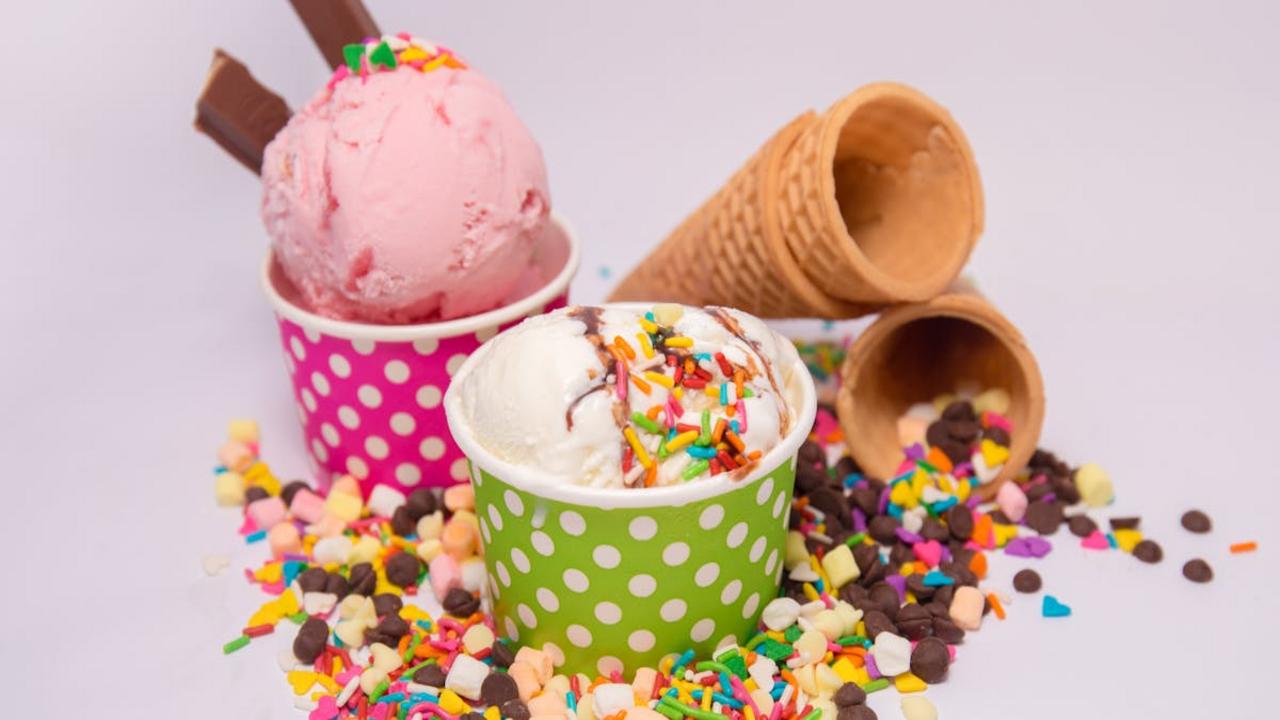
Your kids spot that artisanal ice cream with flavors like “Lavender Honey Goat Cheese” or “Black Sesame Miso Caramel” and suddenly transform into sophisticated food critics. They practically vibrate with excitement, explaining how adventurous they’ve become and how vanilla is “so boring, Mom.” You cave because, honestly, you’re curious about what black sesame tastes like in frozen form too. The cashier rings up your $8 pint while your child pontificates about expanding their palate. Fun fact: luxury ice cream makers often test dozens of flavor combinations before launching one—apparently forgetting that most kids think ketchup counts as a vegetable.
Back home, that exotic pint sits in your freezer like a beautiful, expensive paperweight. Your little gourmand takes one tentative lick, makes a face that suggests they’ve discovered something unpleasant on their shoe, and asks if you have any “normal” ice cream. Meanwhile, you’re left eating seventeen spoonfuls of surprisingly delicious cardamom rose pistachio at 9 PM, wondering why you didn’t just buy the chocolate chip. Pro tip: next time they beg for something with “truffle oil” or “activated charcoal” in the name, remind them that McDonald’s has perfectly good vanilla cones for a fraction of the price—and significantly less parental disappointment.
Specialty nut butters
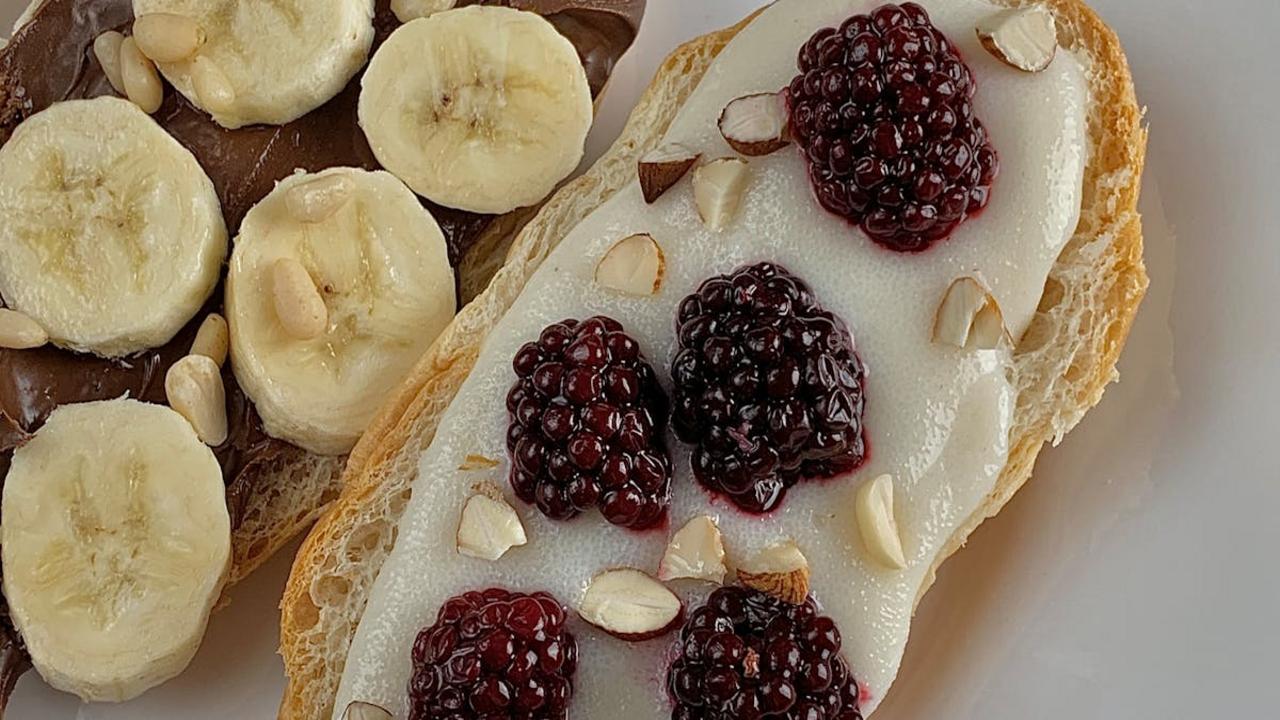
Oh, the specialty nut butter aisle—where dreams go to die and bank accounts cry softly in the corner. Your kids spotted that $12 jar of cashew-vanilla-cinnamon swirl butter and suddenly became food critics, declaring regular peanut butter “too basic” for their refined palates. They painted vivid pictures of spreading this liquid gold on everything from toast to their fingers, convincing you this was the key to finally getting protein into their systems. Fun fact: Americans consume about 700 million pounds of peanut butter annually, but apparently your children needed to break free from such pedestrian choices.
Fast forward to home, and that gorgeous jar sits untouched while they ask for—you guessed it—regular old peanut butter and jelly sandwiches. The almond-chocolate-pretzel fusion they swore would change their lives? Nope, too “weird tasting.” The sunflower seed butter they claimed would be perfect for school lunches? “It looks funny, Mom.” Meanwhile, you’re eating spoonfuls straight from the jar at midnight, wondering if this counts as self-care or financial irresponsibility. Pro tip: these fancy nut butters make excellent additions to smoothies or overnight oats, so at least someone in your house benefits from your children’s expensive grocery store enthusiasm.
Kombucha drinks
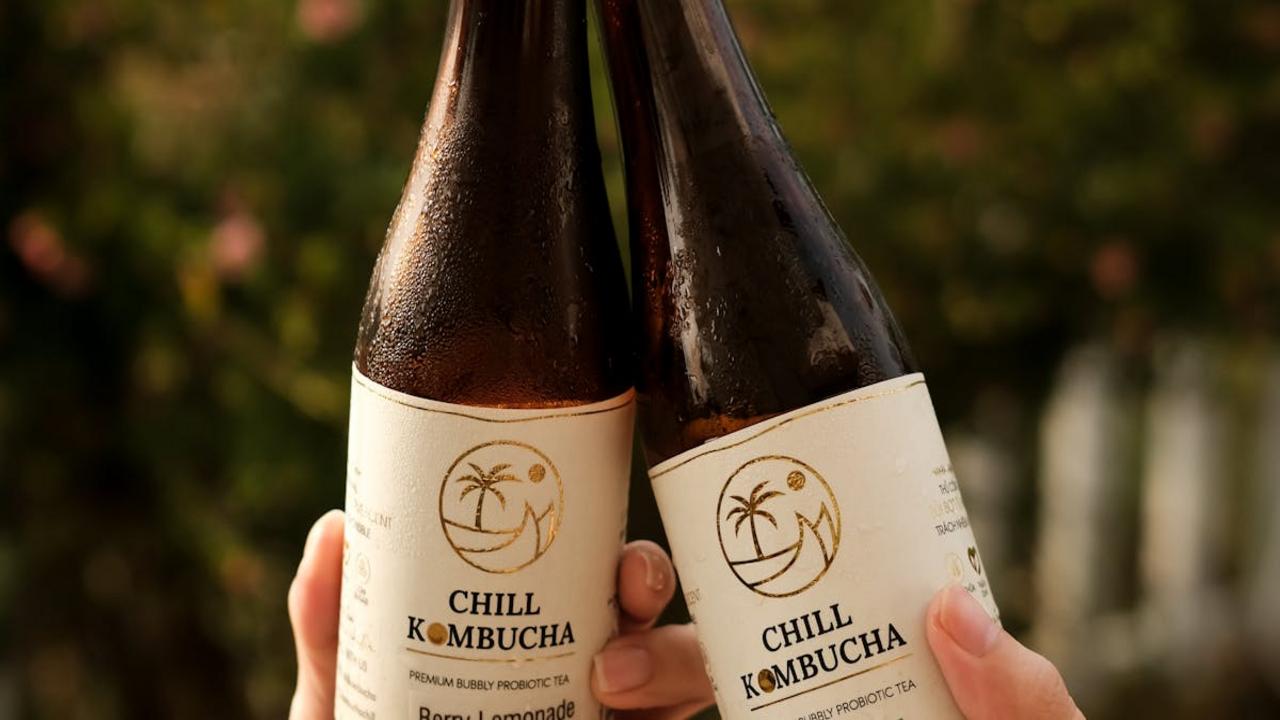
Your kid spots those trendy glass bottles with their mysterious floating bits and suddenly transforms into a health guru, proclaiming kombucha the elixir of life. They’ve heard older kids at school talking about probiotics and gut health, and now they absolutely MUST have this fermented tea that costs more per bottle than your morning latte. You cave because, hey, at least it’s not another bag of chips, right? The bubbles fizz promisingly as you add three bottles to your cart, each one boasting exotic flavors like “Ginger Turmeric Enlightenment” or “Hibiscus Rose Awakening.”
Fast forward to home, where those same bottles sit untouched in your fridge like expensive science experiments. One brave sip reveals the truth – kombucha tastes like someone mixed apple cider vinegar with sparkling water and threw in some funky mushroom tea for good measure. The SCOBY (that’s the symbiotic culture of bacteria and yeast, folks) creates those jellyfish-like strands that make kids recoil faster than vampires from garlic. Meanwhile, you’re stuck drinking $5 bottles of fermented tea while your child moves on to their next grocery store obsession. Pro tip: start them with the fruity, heavily sweetened varieties first – they’re basically expensive soda with beneficial bacteria!
Gourmet popcorn varieties
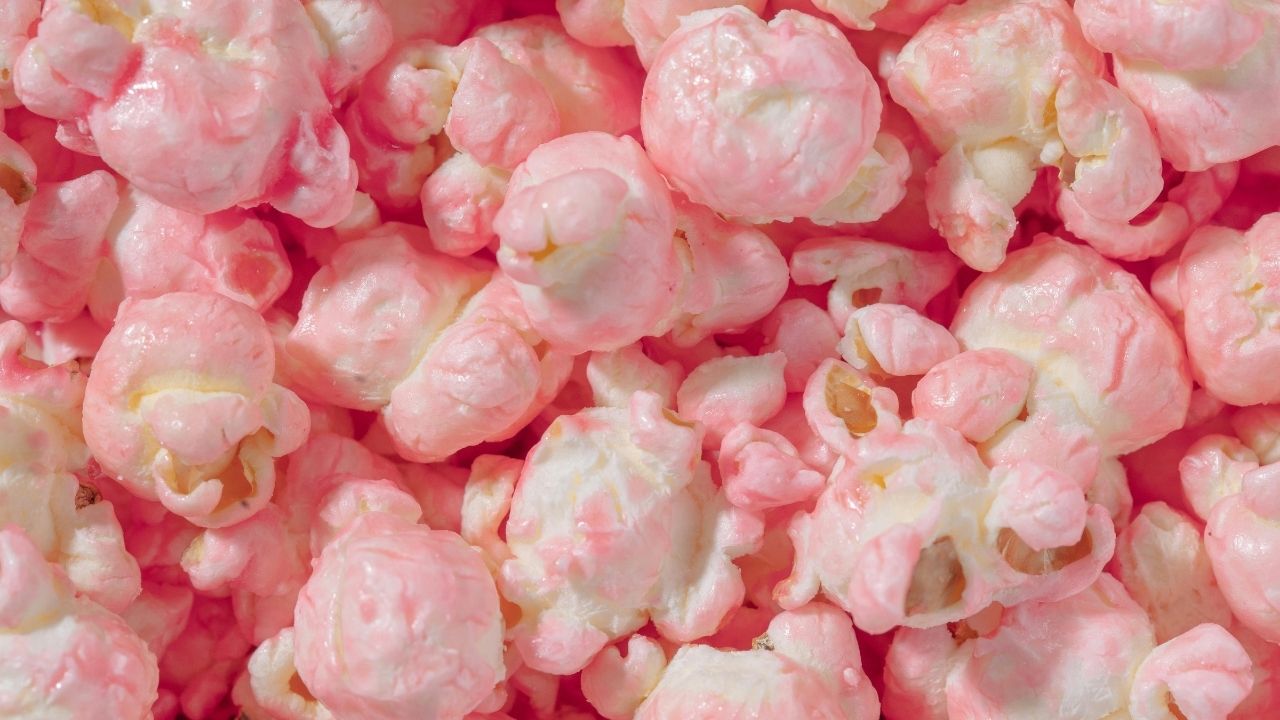
Picture this: you’re wandering through the grocery store when your child spots that towering display of fancy popcorn in shiny bags. Suddenly, they’re experts on flavor profiles, insisting they absolutely MUST try the truffle parmesan variety or the sriracha lime explosion. They point dramatically at bags labeled “Chicago mix” and “birthday cake drizzle” like they’re selecting fine wine. You cave, because honestly, how bad can popcorn be? At $8 a bag, you figure you’re investing in sophisticated snacking habits. The cart fills with enough gourmet kernels to stock a movie theater, and your kid practically skips down the aisle, already planning their refined snacking sessions.
Fast forward to home, where those same bags sit unopened on your pantry shelf like expensive decorations. Your child, who swore they’d devour every kernel, suddenly develops an intense preference for the $2 store-brand butter popcorn you buy in bulk. The truffle parmesan? “Too weird.” The caramel corn with sea salt? “Too sticky.” Meanwhile, you’re sneaking handfuls of the abandoned gourmet varieties during late-night Netflix binges, wondering why your kid can’t appreciate the complex flavor notes of white cheddar with herbs. Pro tip: next time they beg for fancy popcorn, buy one small bag and watch them lose interest before you even get to the checkout line.
Quirky flavored yogurts
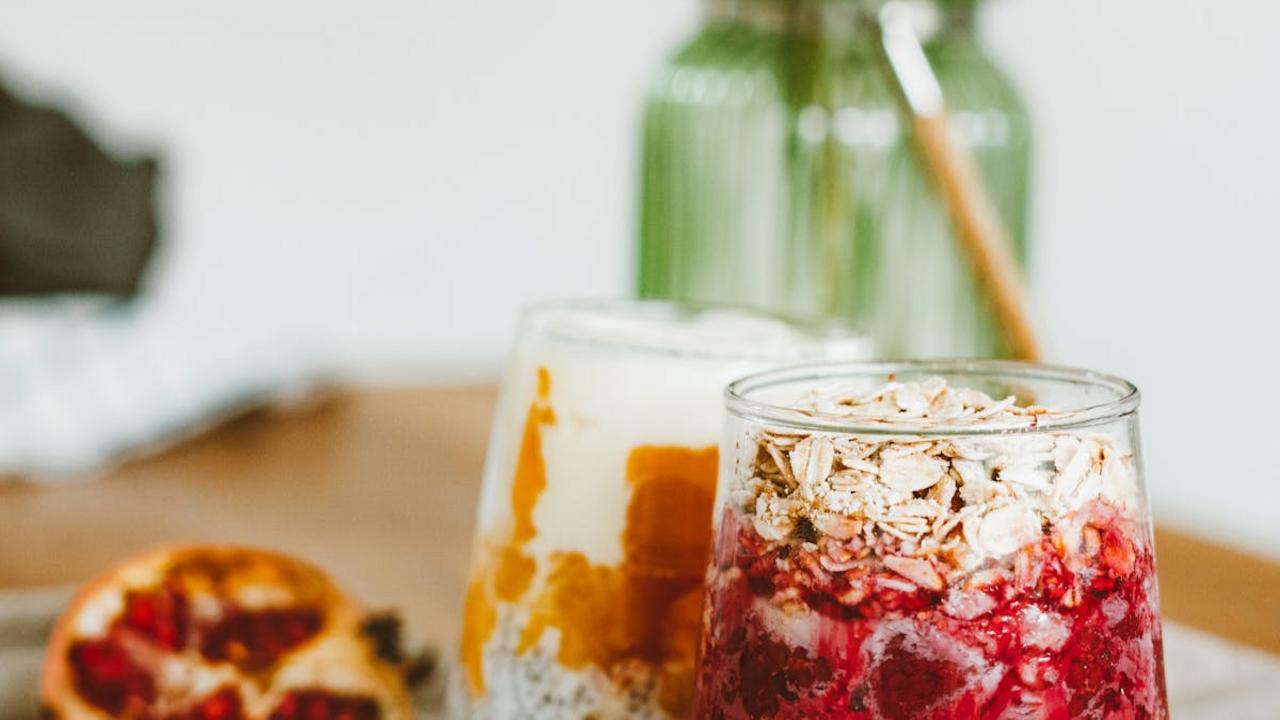
Nothing quite captures the grocery store drama like standing in the dairy aisle while your eight-year-old declares they absolutely MUST have the cotton candy yogurt with rainbow sprinkles. You know the ones – those neon-bright containers that practically glow under the fluorescent lights, promising flavors like “birthday cake blast” and “cookies ‘n cream explosion.” Your kid bounces on their toes, explaining how this particular yogurt will transform their entire breakfast experience, and somehow you find yourself nodding along because, hey, at least it’s yogurt, right?
Fast-forward to Tuesday morning, and that same container sits abandoned in your fridge like a science experiment gone wrong. The artificial blue coloring has somehow separated from whatever passes for yogurt underneath, creating layers that would make a geologist weep. Meanwhile, your child happily munches on plain Cheerios, completely oblivious to the $4.99 dairy disappointment they swore would change their life. Fun fact: some of these wild yogurt creations contain more sugar than a candy bar – which explains why kids love them in theory but can’t actually finish them in practice. The sweet overload hits differently at 7 AM than it does under those seductive supermarket lights.
Unfamiliar cheeses
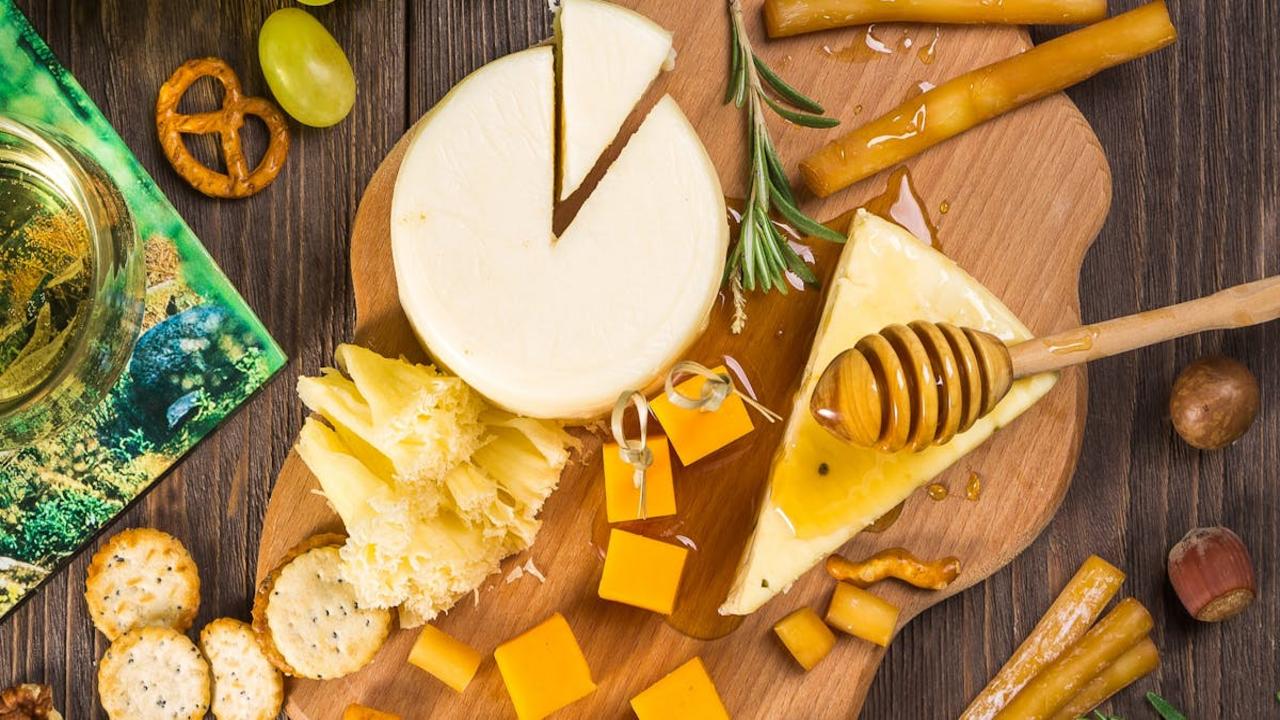
Walking through the cheese section with kids feels like navigating a minefield of dairy drama. My youngest spotted a wheel of Humboldt Fog with its distinctive ash stripe and declared it looked “fancy and important,” immediately demanding we add it to our cart. The creamy goat cheese, with its gorgeous white exterior and dramatic gray line running through the center, seemed like the perfect sophisticated snack for our little gourmand. She convinced me she’d become a cheese connoisseur overnight, promising to eat it with crackers for lunch every single day.
Fast forward to dinner time, and that beautiful $18 cheese sat untouched in our refrigerator for three weeks before I finally surrendered and used it in a frittata. Turns out, the tangy, earthy flavor that makes goat cheese so appealing to adults registers as “weird and stinky” to most kids. The same child who begged for aged Gruyère because it had “cool holes like Swiss cheese” took one tiny nibble and declared it tasted like “old socks.” Now I stick to mild cheddar and string cheese, saving my exotic cheese adventures for date nights when I can properly appreciate that funky Roquefort without tiny critics wrinkling their noses at me.
Sushi-grade seaweed snacks
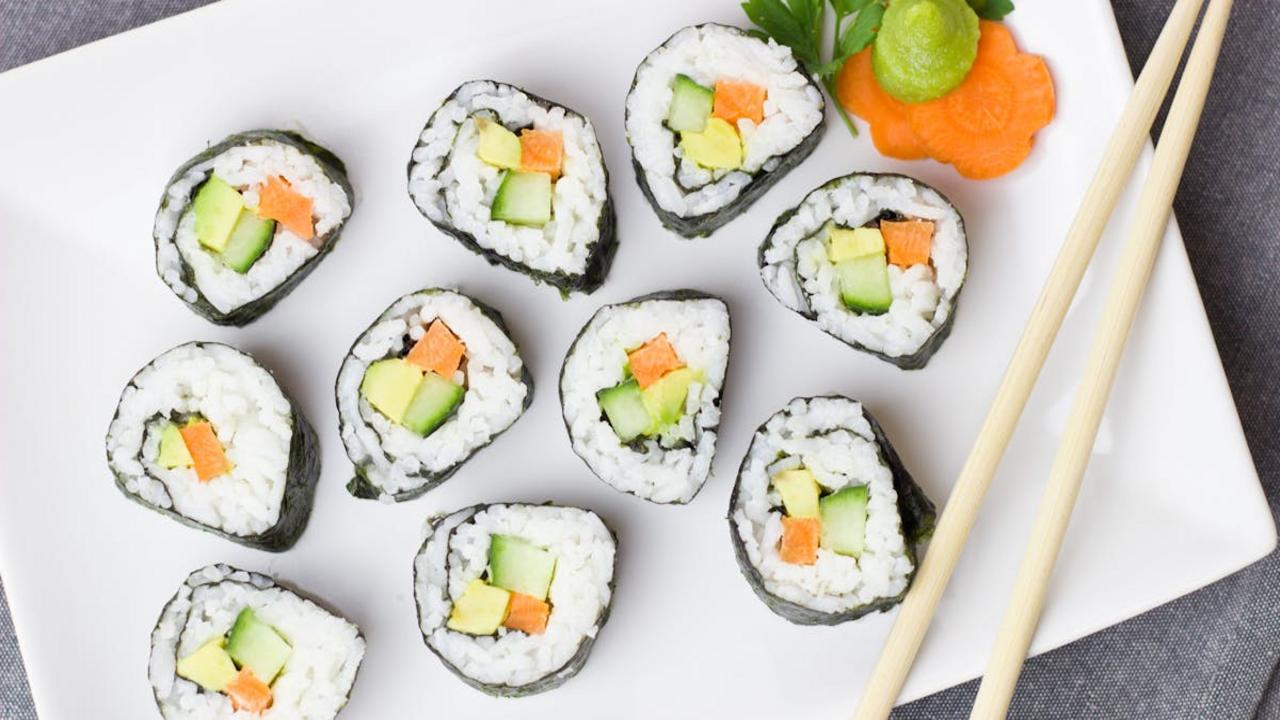
Picture this: your seven-year-old spots those sleek, translucent packages of seaweed snacks in the Asian foods aisle and suddenly transforms into a sophisticated foodie. “Mom, I NEED these! They’re what sushi chefs use!” they declare with the confidence of someone who’s never actually eaten sushi. These paper-thin sheets of oceanic goodness cost more per ounce than premium beef, but your kid swears they’re the key to their newfound worldly palate. You cave, because maybe—just maybe—this is the gateway to adventurous eating.
Fast forward to dinner time, and those precious seaweed sheets sit untouched while your little gourmand devours chicken nuggets shaped like dinosaurs. Here’s the kicker: these snacks actually pack serious nutritional punch with loads of iodine, vitamin K, and folate. They’re basically ocean vegetables that taste like the sea had a baby with really expensive paper. Pro tip from someone who’s been there: crumble them over rice or mix into scrambled eggs. Your kids might not touch them solo, but they’ll unknowingly consume them when disguised in familiar foods. Sometimes parental stealth beats honesty!
Plant-based milk
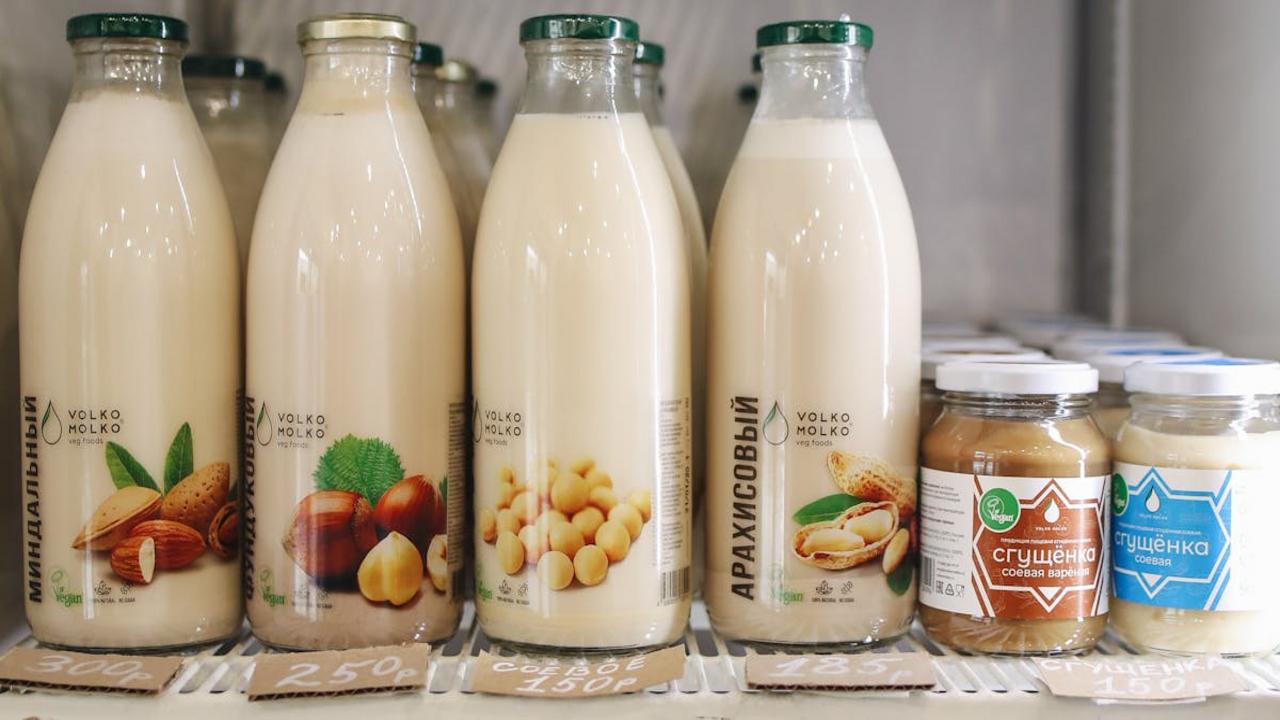
You know that moment when your kid spots something trendy and immediately declares it’s their new favorite thing ever? That’s exactly what happened when my daughter discovered oat milk at the grocery store. “Mom, this is SO much better than regular milk!” she announced, clutching the carton like she’d found liquid gold. I caved, naturally, because what parent hasn’t fallen for the “but I NEED this” routine? The fancy packaging promised creamy perfection, and honestly, I was curious about the hype surrounding these dairy alternatives that have completely transformed the beverage aisle.
Fast forward to home, where that $4 carton of oat milk sits in my fridge like an expensive paperweight. Turns out, my little trendsetter decided it was “too different” and “kinda weird” after exactly one sip. Meanwhile, I’m learning that plant-based milks have been around for centuries – almond milk dates back to medieval times! Now I’m the one finishing off various nut, grain, and legume-based beverages while my kids happily pour regular milk on their cereal. The irony? I’ve actually discovered I love cashew milk in my coffee, so maybe their impulse shopping wasn’t entirely wasteful. Who knew my kids would accidentally introduce me to my new morning ritual?
Organic fruit snacks
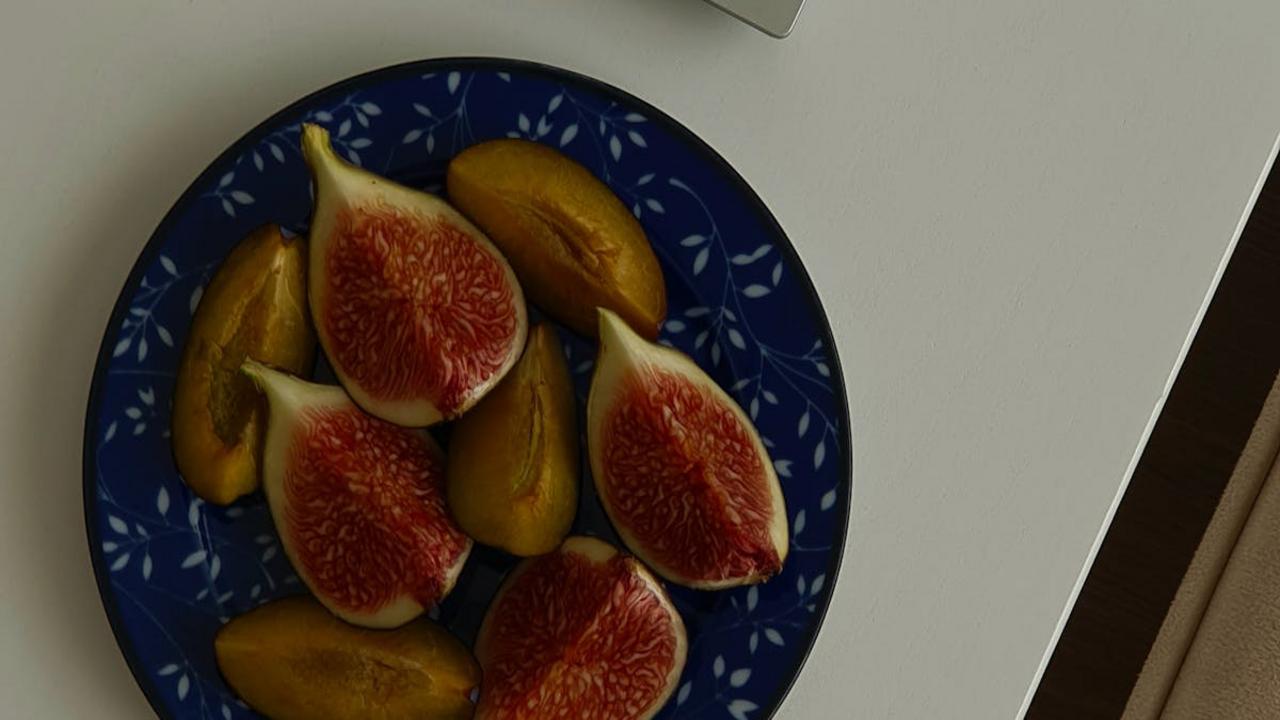
You know that moment when your kid spots those fancy organic fruit snacks in their biodegradable packaging and suddenly becomes a passionate advocate for healthy eating? Mine turned into tiny nutritionists overnight, lecturing me about the benefits of real fruit while dramatically pointing at the $6 box. These chewy little rainbow squares promised “no artificial flavors” and “made with real fruit juice,” which apparently made them irresistible to my sugar-seeking missiles. I watched them load three boxes into our cart while explaining how much better these were than regular gummy snacks, nodding along because hey, at least they weren’t begging for candy bars.
Fast forward to snack time at home, and those organic treasures sat untouched in the pantry like expensive, guilt-inducing decorations. Turns out, when you remove all the artificial colors that make regular fruit snacks glow like tiny traffic lights, you get these brownish, sad-looking squares that apparently don’t trigger the same dopamine rush. My kids took one look at the muted colors and decided they preferred their usual bright blue “berry” flavored treats that probably contain zero actual berries. The irony wasn’t lost on me – I spent twice as much for snacks that looked healthier but tasted too healthy for my junk-food-trained offspring. Those organic gems eventually became my secret afternoon treats, proving that sometimes mom gets the last laugh and the better snack.
Unusual flavored chips
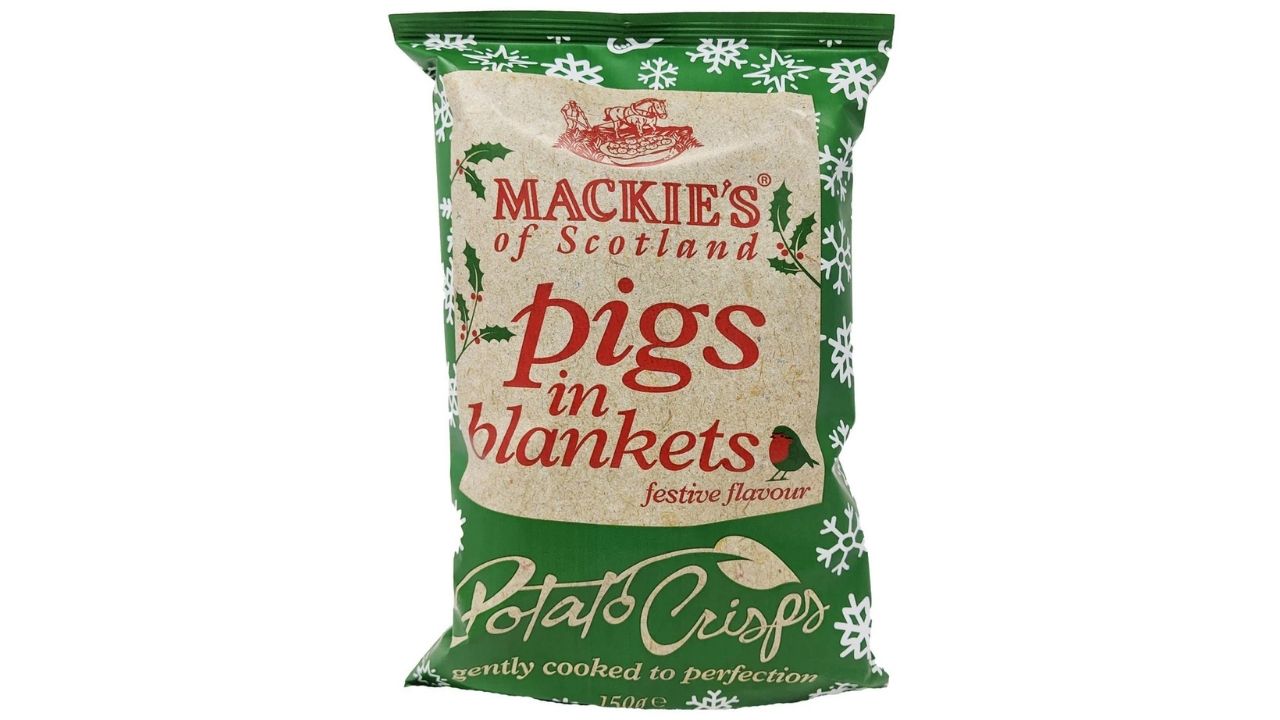
Your kids spot those bright purple bags of “Chicken and Waffles” chips or the mysterious “Dill Pickle with Ranch” flavor, and suddenly they transform into passionate food critics. They’ll lecture you about how these aren’t just snacks—they’re “flavor experiences” that will change their entire afternoon. The packaging always features some wild combination that makes you question everything you know about food chemistry. Who decided that “Hot Honey Mustard Pretzel” needed to exist in chip form? Your children, apparently, because they’re already planning their after-school snack strategy around these bizarre creations.
Once you get home, those same chips sit unopened on your pantry shelf like expensive decorations. Your kids walk past them seventeen times a day, reaching instead for plain old Goldfish crackers or—heaven forbid—an apple. Meanwhile, you’re stuck with a bag of “Cappuccino” flavored chips that cost more than your morning coffee and taste like someone sprinkled instant coffee grounds on cardboard. The flavor scientists who create these combinations must have the most adventurous palates on earth, or they’re just really good at convincing children that “Birthday Cake” chips are a reasonable substitute for actual dessert. Either way, your pantry has become a graveyard of culinary experiments that seemed brilliant under fluorescent grocery store lighting.
Character-shaped pasta
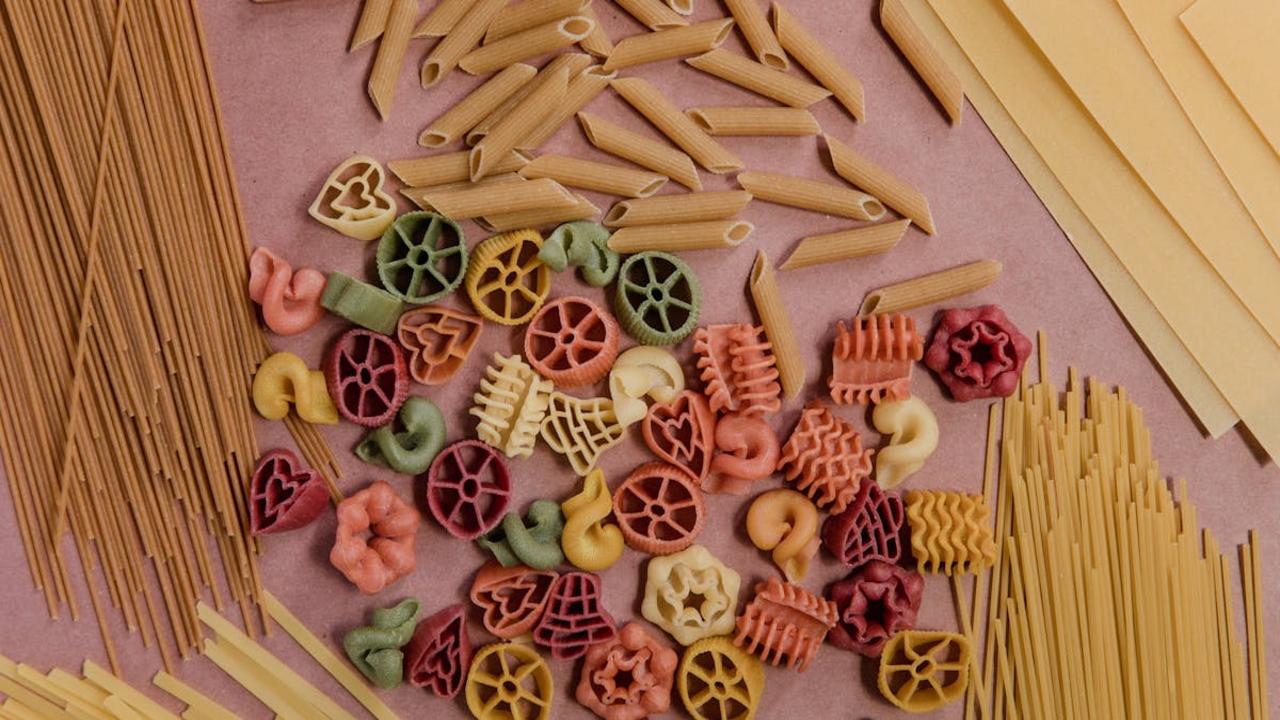
You know that magical moment when your six-year-old spots SpongeBob-shaped pasta in the grocery aisle and suddenly transforms into a tiny lobbyist? They’ll present a compelling case about how cartoon noodles will revolutionize dinnertime forever. The box promises adventure! Fun! A pasta experience that transcends the mundane world of regular elbow macaroni! Your kid practically vibrates with excitement as they clutch that colorful package, already planning elaborate stories about eating Patrick Star and Gary the Snail.
Fast-forward to Tuesday night, and those same SpongeBob shapes sit congealing in their bowl like tiny yellow tombstones of broken promises. Apparently, the novelty wears off faster than you can say “Krabby Patty.” The shapes don’t hold sauce the way regular pasta does – all those cartoon curves and corners create weird pockets that either hold too much marinara or none at all. Plus, your kid suddenly develops strong opinions about “eating characters” being morally questionable. Meanwhile, you’re left with seventeen boxes of princess-shaped rotini because they went on sale, and you foolishly thought this pasta enthusiasm would last longer than a TikTok trend. Pro tip: stick to one box until you confirm your child won’t suddenly develop cartoon character sympathy syndrome.
Novelty cereals
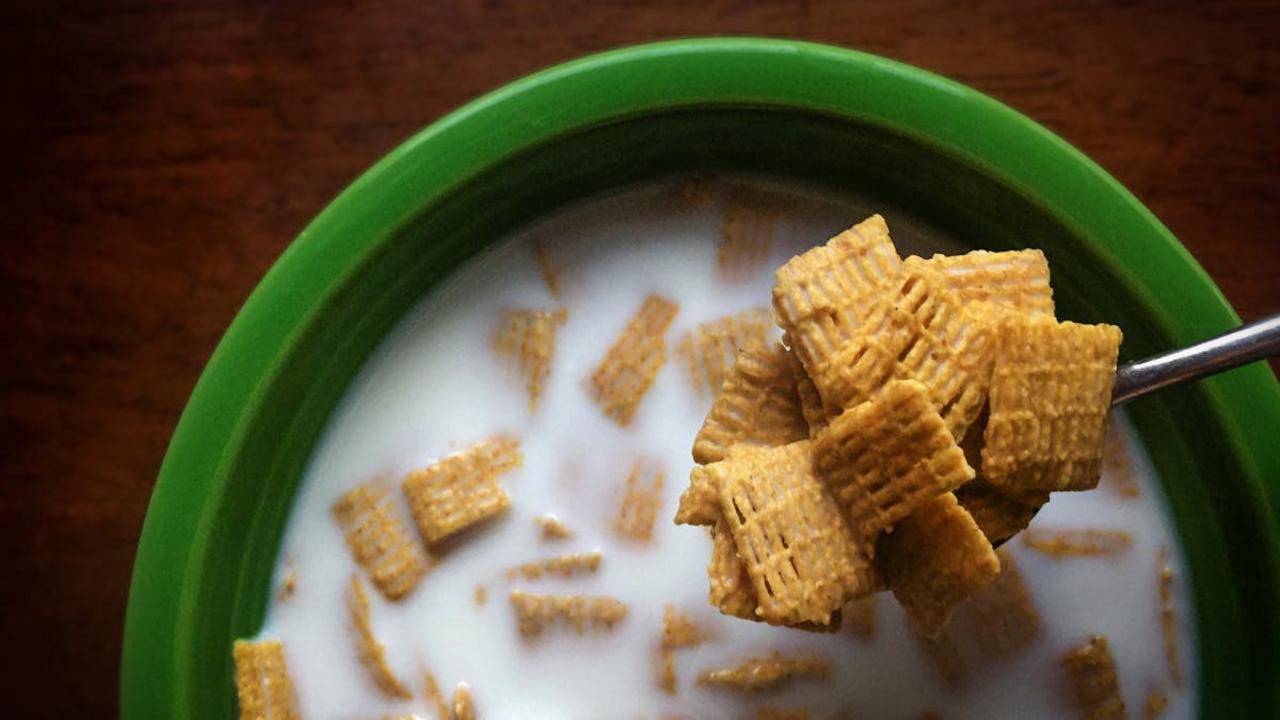
Picture this: your child spots a box of Lucky Charms with marshmallows shaped like unicorns, or maybe it’s Froot Loops that supposedly taste like cotton candy. Their eyes light up like they’ve discovered buried treasure, and suddenly this $6 box of sugar-coated processed grain becomes absolutely non-negotiable. You know it’s overpriced marketing genius at work, but those pleading eyes win every time. Fun fact: cereal companies spend millions developing these limited-edition flavors, knowing full well that kids will bug their parents into submission at the grocery store. The psychology is brilliant—bright colors, cartoon mascots, and promises of flavors that sound more like carnival treats than breakfast food.
Fast forward to breakfast time, and that magical cereal sits in your pantry like a colorful monument to poor decision-making. Your kid takes one bite, wrinkles their nose, and announces it “tastes weird” before reaching for their usual bowl of plain Cheerios. Meanwhile, you’re left with a nearly full box of Rainbow Sherbet Fruity Pebbles that will mock you from the shelf for the next six months. Pro tip: I’ve started mixing these abandoned novelty cereals into homemade granola bars or using them as ice cream toppings—at least someone in the family gets to enjoy the $6 mistake. Trust me, your wallet will thank you for remembering that kids’ grocery store enthusiasm rarely translates to actual eating enthusiasm at the breakfast table.
Exotic fruits
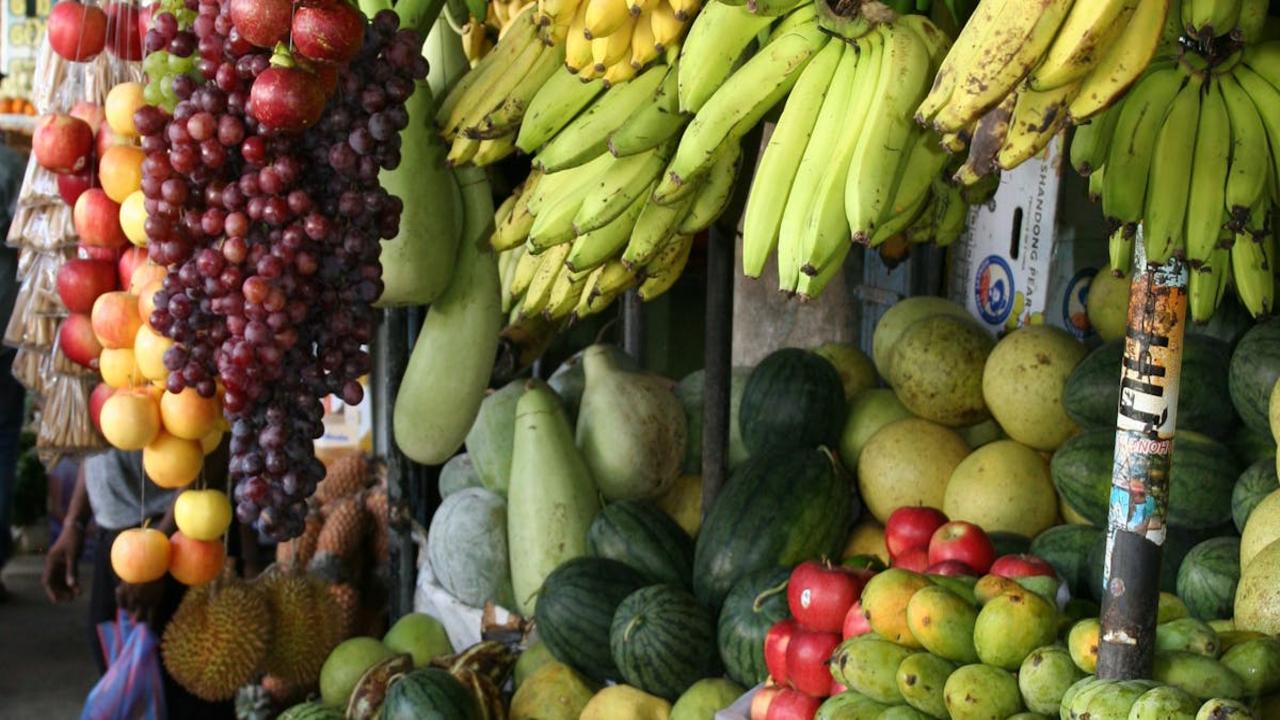
Picture this: your seven-year-old spots a dragon fruit sitting regally in the produce section, its hot pink skin and green scales making it look like something straight out of a fantasy novel. “Mom, we NEED this!” they declare with the passion of someone discovering buried treasure. You cave because, honestly, who doesn’t want their kid excited about fruit? Fast-forward to home, and that $4.99 wonder sits untouched in your fridge while your child suddenly develops an inexplicable craving for Goldfish crackers. Dragon fruit, for all its Instagram-worthy appearance, tastes remarkably like… well, mildly sweet water with seeds. But try explaining that to a kid who’s convinced they’ve found the coolest food on earth.
The exotic fruit graveyard in my refrigerator tells quite the story. There’s the star fruit that looked like edible confetti but tasted like disappointment, the rambutan that resembled a fuzzy sea urchin but delivered the texture of a grape having an identity crisis, and don’t get me started on the durian episode (thankfully, the store didn’t carry that particular olfactory nightmare). Here’s what I’ve learned: kids get mesmerized by anything that doesn’t look like an apple or banana. The spikier, more colorful, or downright weird it appears, the more they want it. My advice? Buy the smallest one available, take photos of your kids “discovering” it, and keep regular fruit as backup. At least you’ll have great content for social media, even if your wallet feels lighter and your fruit bowl looks like a science experiment gone wrong.