14 Bucket-List Street Foods Worth Traveling For
I’ve traveled to countless food markets and street corners across the globe, filling my days with the aromas, flavors, and textures that define local cultures. These 14 street foods represent the ultimate bucket-list experiences that’ll make you book a plane ticket just for lunch! From steaming hot tacos in Mexico City to crispy falafel in Cairo, each bite tells a story worth discovering.
You’ll notice something magical about eating these foods in their birthplaces. A simple hot dog in New York hits differently than anywhere else. The same goes for fresh sushi rolls in Tokyo or golden churros in Barcelona. The authentic ingredients, cooking techniques, and atmosphere combine to create something impossible to replicate at home.
My best travel memories center around these quick, affordable meals eaten while standing at crowded counters or perched on plastic stools. I’ve connected with locals, discovered hidden spots, and understood cultures through their street food. Pack your appetite and comfortable shoes – the world’s most delicious street corners await your visit!
Grilled Cheese Canada
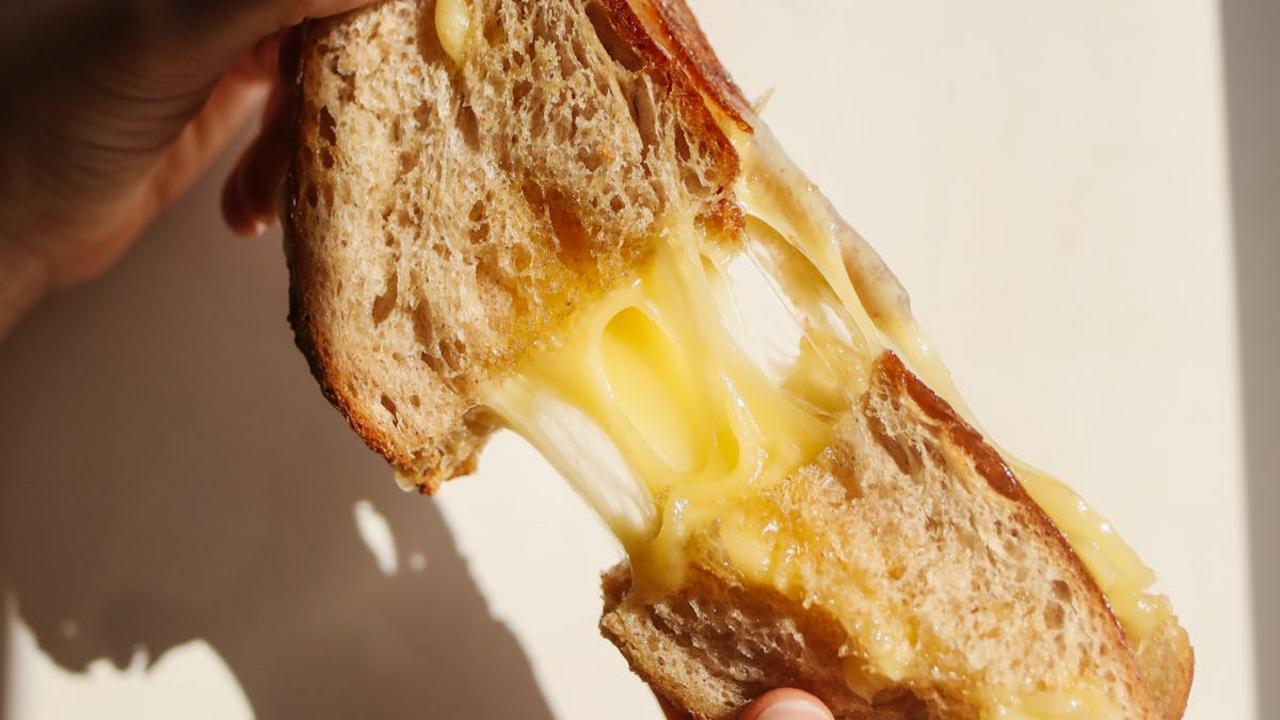
You know that moment when comfort food transcends borders and becomes something extraordinary? That’s exactly what happens with Canada’s approach to grilled cheese. I’ve watched countless street vendors across Toronto, Montreal, and Vancouver transform this simple sandwich into something that makes you stop mid-bite and wonder why you ever settled for basic. Canadian street food culture takes the humble grilled cheese and elevates it with locally-sourced aged cheddars, artisanal breads, and unexpected additions like caramelized onions, crispy bacon, or even maple syrup drizzles that somehow work perfectly together.
What I love most about Canadian grilled cheese is how it represents the country’s multicultural identity on a plate. You’ll find vendors incorporating ingredients from their heritage – think Korean kimchi adding fermented tang, or Indian spiced chutneys bringing warmth and complexity. The beauty lies in using fresh, quality ingredients rather than processed cheese slices, creating that perfect golden crust on sourdough or rye while the cheese inside melts into pure bliss. When you bite into one of these creations from a food truck parked near Lake Ontario or in a bustling Vancouver market, you’re experiencing comfort food that honors tradition while celebrating innovation in the most delicious way possible.
Falafel Egypt
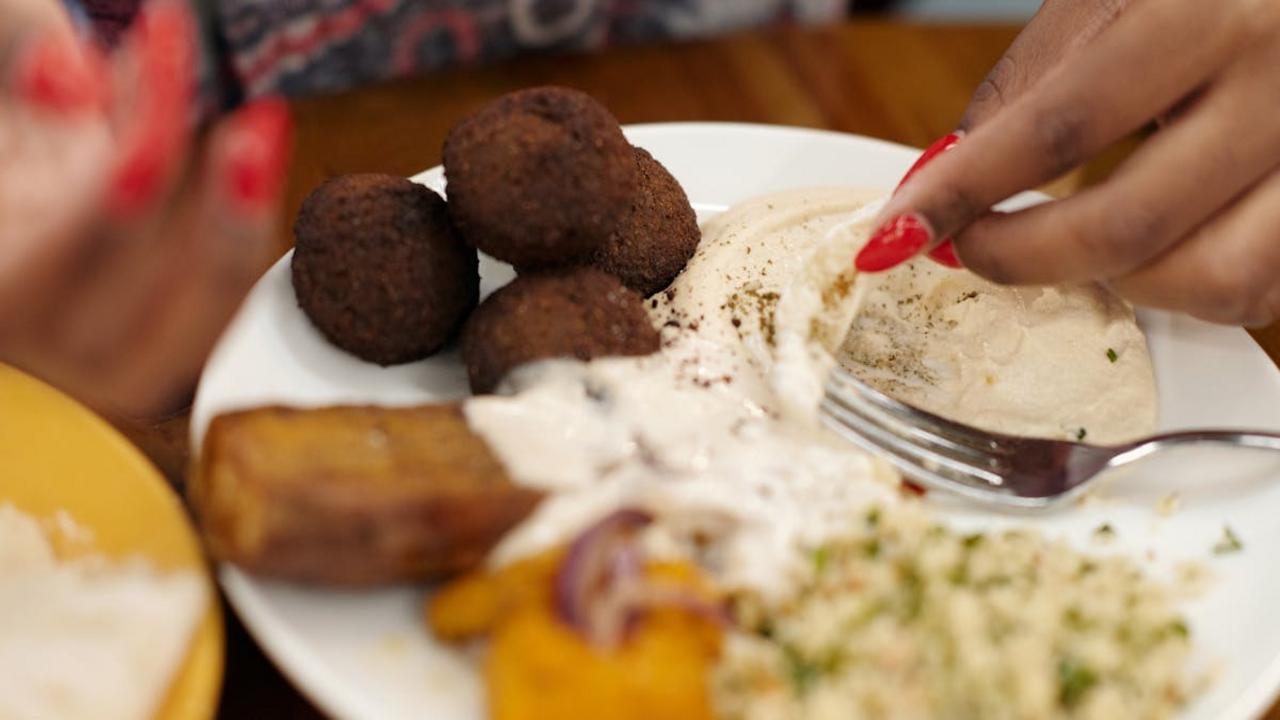
Walking through Cairo’s bustling streets, you’ll catch the irresistible aroma of fresh falafel sizzling in hot oil—and trust me, Egyptian falafel hits completely different from what you might know. Made from dried fava beans instead of chickpeas, these golden orbs carry a deeper, earthier flavor that speaks to thousands of years of Egyptian cooking wisdom. I love how street vendors shape each piece by hand, their practiced fingers creating perfectly textured spheres that crisp up beautifully while staying tender inside.
What makes Egyptian falafel truly special is the fresh herb blend—parsley, cilantro, and dill create this bright, verdant flavor that cuts through the richness of the beans. You’ll find vendors serving them hot from the oil, tucked into warm pita bread with tahini, pickled turnips, and fresh tomatoes. The combination creates this perfect balance of textures and flavors that feels both satisfying and clean. Making these at home requires soaking the fava beans overnight, but that slow process develops such incredible depth of flavor that you’ll understand why Egyptian cooks have perfected this technique over generations.
Ice Cream Sandwiches Singapore

Picture this: you’re walking through Singapore’s bustling hawker centers when a colorful cart catches your eye, and suddenly you’re watching magic happen. The uncle behind the cart slices thick slabs of rainbow-hued ice cream—think bright green pandan, rich purple yam, or classic vanilla—and sandwiches them between two thin wafers or even slices of rainbow bread. This isn’t your typical Western ice cream sandwich; it’s a uniquely Singaporean street food experience that transforms simple ingredients into something extraordinary. The vendors work with practiced precision, wrapping each creation in paper so you can hold this frozen treat without getting your hands messy.
What makes these ice cream sandwiches so special goes beyond their Instagram-worthy appearance. The ice cream flavors reflect Singapore’s multicultural heritage—you’ll find tropical options like coconut and durian alongside nostalgic flavors that transport locals back to childhood. The contrast between the crispy wafer and creamy ice cream creates this perfect textural balance that keeps you coming back for more. I love how this humble street food represents everything beautiful about Singapore’s food scene: it’s affordable, accessible, and brings together flavors from different cultures into one harmonious bite. Trust me, once you try one of these colorful creations on a sweltering Singapore afternoon, you’ll understand why they’ve become such an iconic part of the local street food landscape.
Sweet Corn Brazil
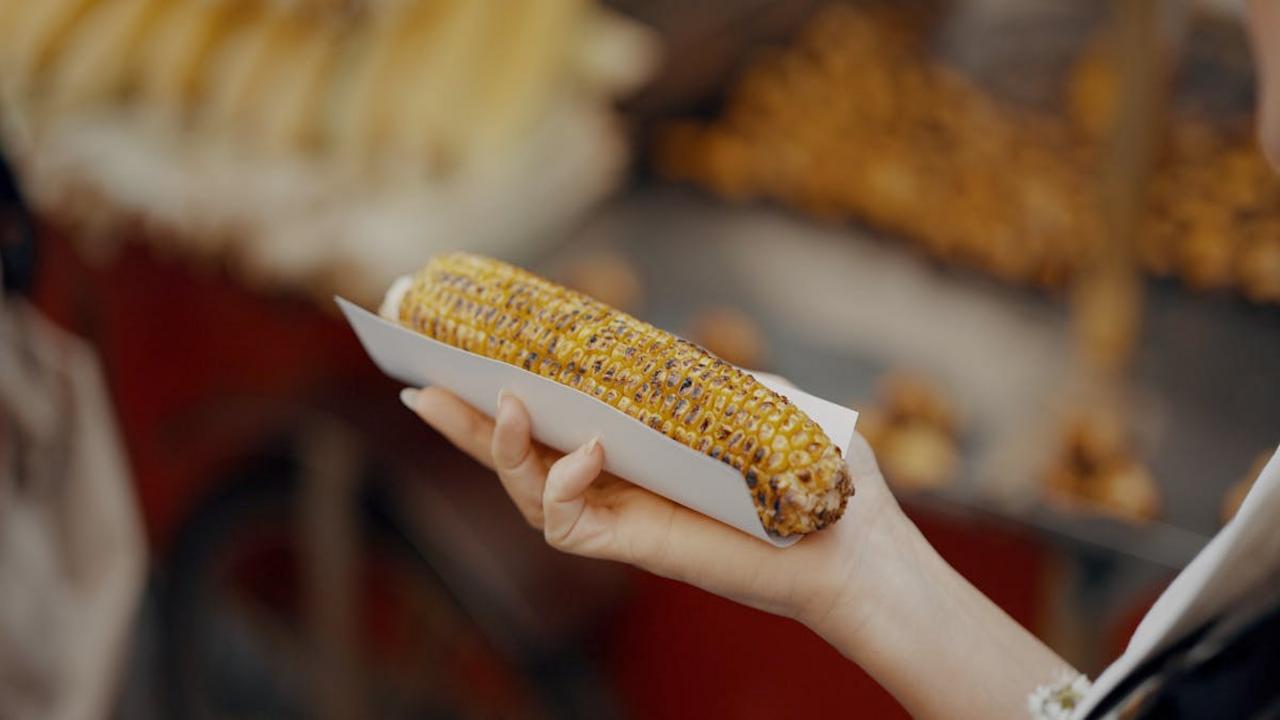
Picture yourself walking down the bustling streets of São Paulo or Rio de Janeiro, and you’ll spot vendors with massive pots of golden corn kernels simmering away. Brazilian sweet corn isn’t just corn—it’s a canvas for creativity that transforms this humble grain into something magical. What makes this street food special is how Brazilians turn simple corn into a customizable feast. You choose your toppings from an array of options: creamy mayo, tangy lime juice, grated parmesan cheese, bacon bits, or even condensed milk for those with a sweet tooth. Each vendor has their own secret blend of seasonings, making every bowl unique.
The beauty of Brazilian sweet corn lies in its perfect balance of textures and flavors. The corn itself is cooked until tender but still has that satisfying bite, while the toppings create layers of richness and brightness. I’ve recreated this at home countless times, and what I love most is how forgiving this dish is—you can adapt it based on what you have in your pantry. Try mixing fresh herbs like cilantro with a squeeze of lime, or go bold with a sprinkle of chili powder and a drizzle of good olive oil. It’s comfort food that brings people together, whether you’re grabbing a quick bite from a street cart or making it for friends at home.
Dumplings China
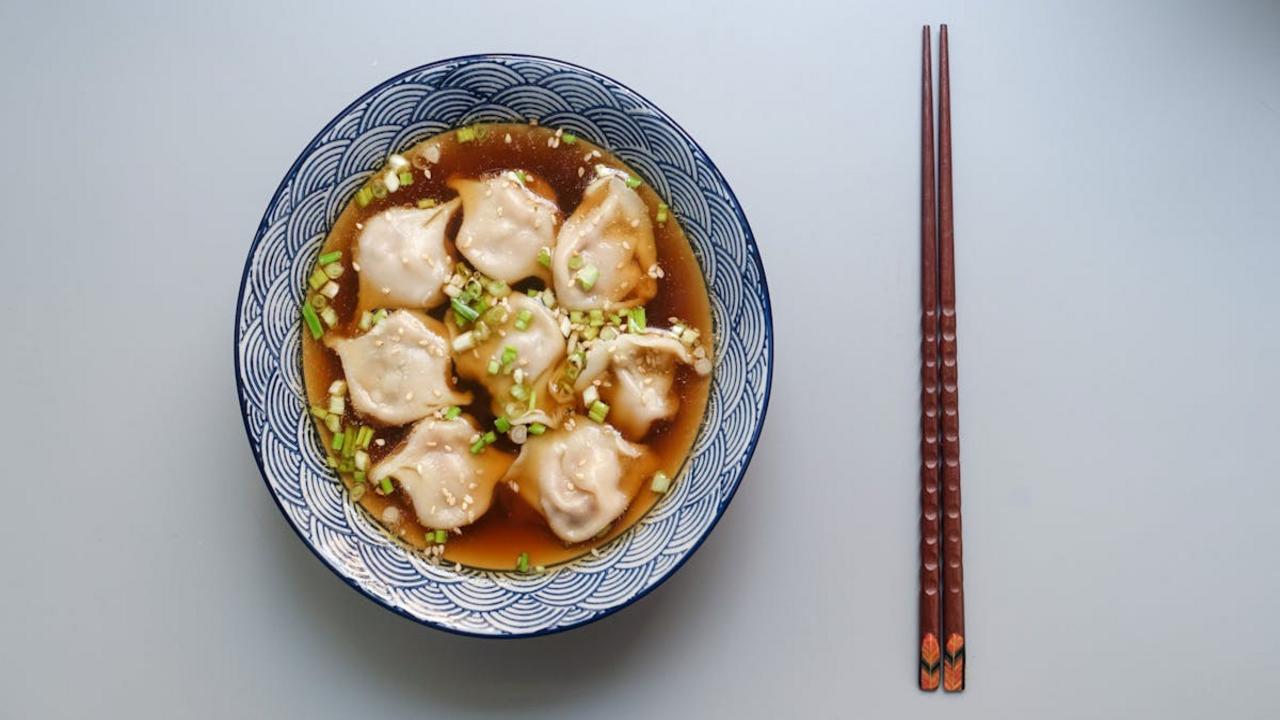
Picture this: you’re wandering through a bustling Chinese street market, steam rising from bamboo baskets that hold little pockets of pure magic. Chinese dumplings aren’t just food—they’re edible stories wrapped in delicate dough, each fold representing generations of home cooks perfecting their craft. From the soupy surprise of xiaolongbao in Shanghai to the crispy-bottomed potstickers of Beijing, every region puts its own spin on these beautiful parcels. What I love most about dumplings is how they bring families together—the communal act of folding, sharing techniques passed down through mothers and grandmothers, creating something nourishing with your own hands.
The beauty of authentic Chinese dumplings lies in their simplicity and precision. Fresh, hand-rolled wrappers cradle fillings made from scratch—seasoned pork with ginger and scallions, or delicate combinations of shrimp and bamboo shoots. You can taste the difference when vendors make everything from whole ingredients rather than relying on shortcuts. I always seek out the small stalls where grandmothers work their magic, their weathered hands moving with practiced rhythm as they pleat each dumpling with care. Whether steamed, boiled, or pan-fried to golden perfection, these dumplings represent everything I believe about good food: wholesome ingredients, time-honored techniques, and the irreplaceable warmth of meals made with love.
Churros Spain
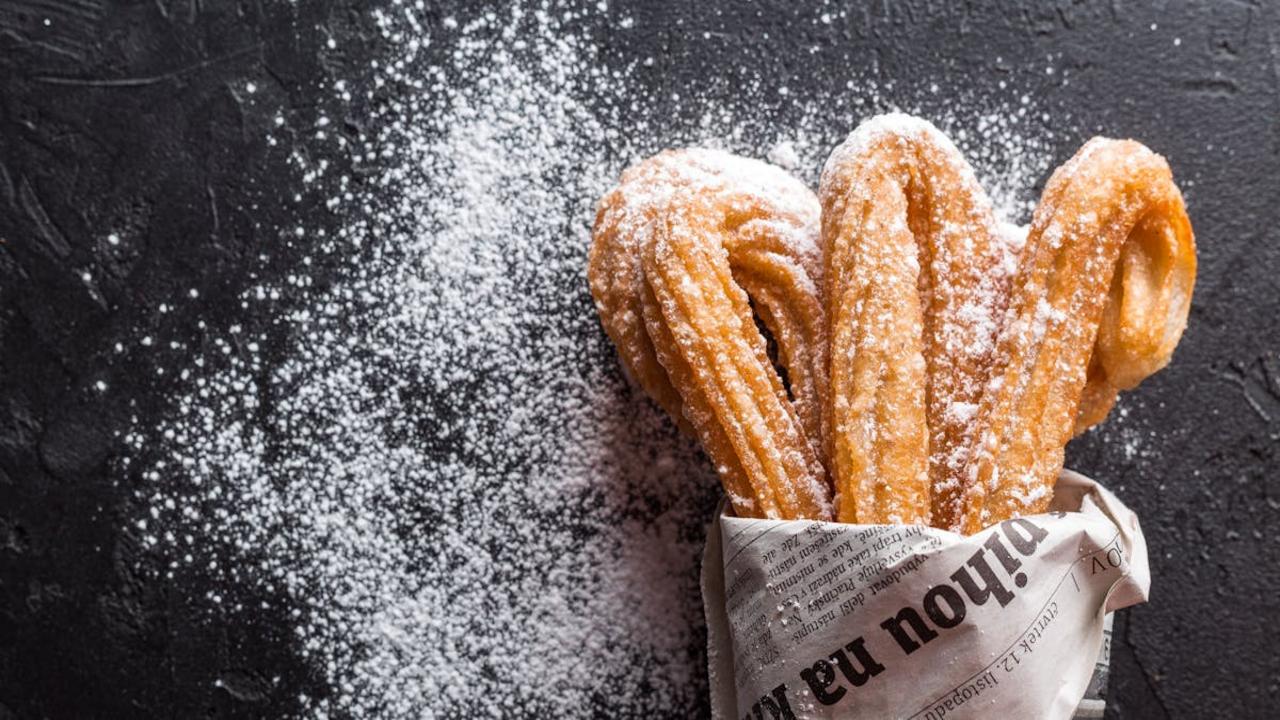
Picture this: you’re wandering through Madrid’s cobblestone streets at dawn, and the most intoxicating aroma pulls you toward a small café where golden, ridged batons of dough sizzle in bubbling oil. These aren’t just any churros – they’re the real deal, made fresh every morning with nothing more than flour, water, salt, and a touch of olive oil. What makes Spanish churros so special isn’t complexity but rather the beautiful simplicity of technique passed down through generations. The dough gets piped through a star-shaped tip, creating those signature ridges that hold onto every grain of cinnamon sugar.
You grab your warm churros and dip them into thick, velvety chocolate caliente – not the thin hot chocolate you might know, but something rich enough to coat a spoon. This morning ritual connects you to centuries of Spanish tradition, where churros served as hearty sustenance for shepherds and workers. I love how this street food celebrates the magic that happens when basic ingredients meet perfect timing and temperature. The contrast between the crispy exterior and tender, slightly chewy interior creates pure joy in every bite, proving that sometimes the most memorable food experiences come from the simplest recipes executed with care and passion.
Kebabs Turkey
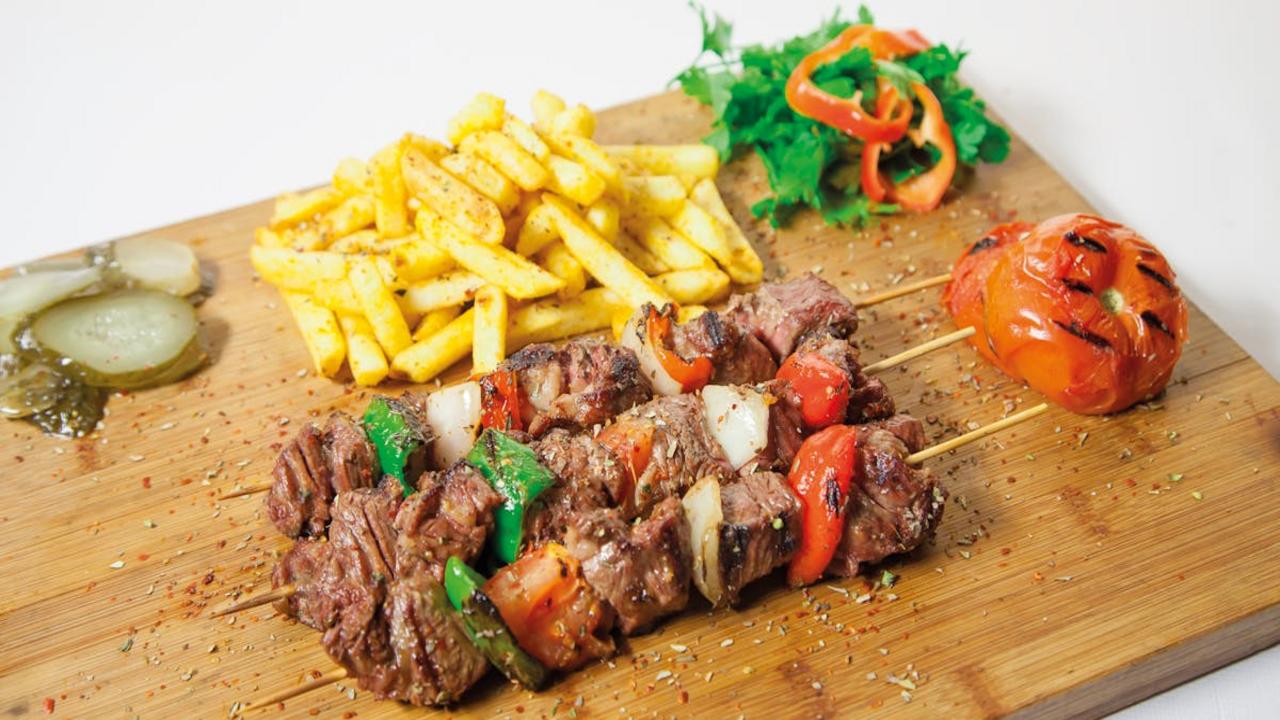
Picture yourself wandering through Istanbul’s vibrant streets at sunset, where the smoky aroma of perfectly grilled meat draws you toward a small corner stand. Turkish kebabs represent so much more than simple grilled meat – they’re a testament to centuries of culinary mastery that transforms humble ingredients into something extraordinary. What captivates me most about authentic Turkish kebabs is how each region puts its own spin on the concept, from the spicy Adana kebab with its hand-chopped lamb and red pepper paste to the tender Shish kebab threaded with vegetables that have absorbed all those beautiful smoky flavors.
The magic happens in the preparation, where skilled cooks blend fresh herbs, aromatic spices, and quality meat with techniques passed down through generations. I love how Turkish cooks never rush the process – they marinate their meat thoughtfully, allowing time for flavors to develop, then grill over glowing charcoal that imparts that irreplaceable smokiness. Served alongside warm flatbread, creamy yogurt, and fresh salads bursting with tomatoes and onions, these kebabs create a complete meal that nourishes both body and soul. You’ll discover that each bite tells a story of tradition, community, and the simple joy of gathering around good food.
Noodles Thailand
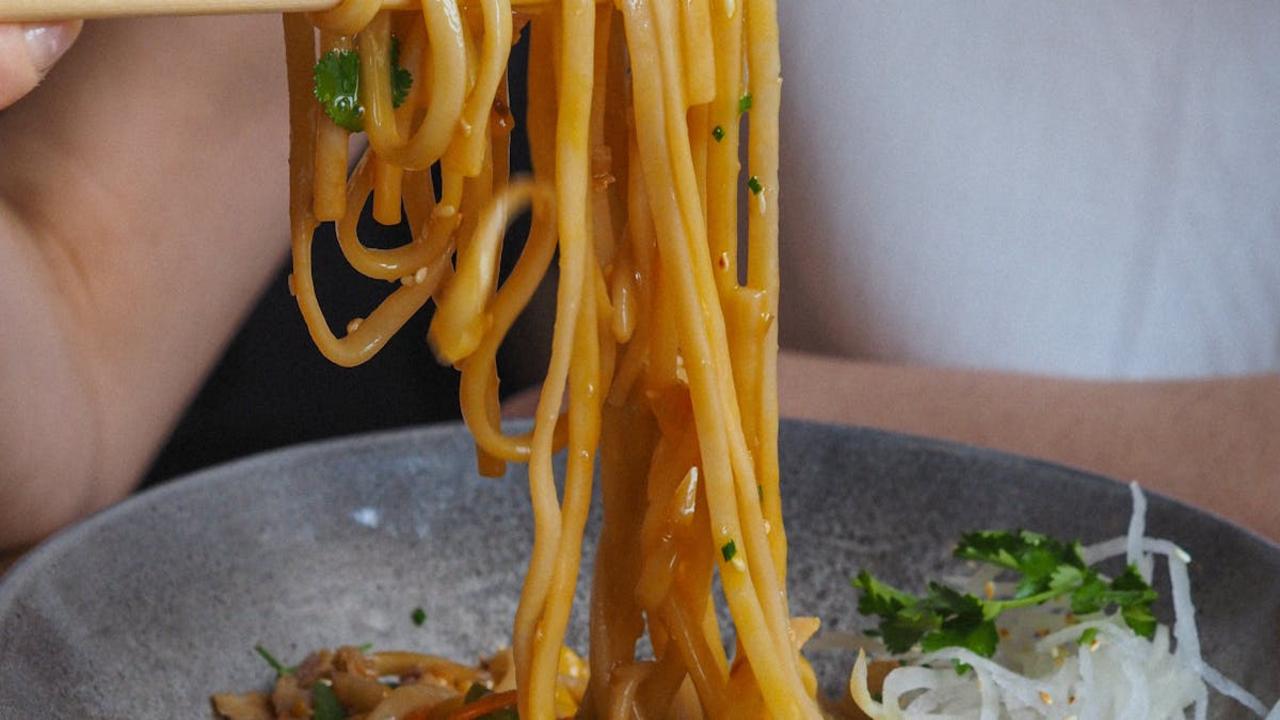
Thailand’s street noodle scene transforms every sidewalk into a fragrant theater of sizzling woks and steaming bowls. I’ve spent countless mornings watching vendors work their magic, tossing fresh rice noodles with nothing more than a few basic ingredients that somehow create pure harmony in a bowl. The beauty lies in their simplicity – whether it’s pad thai with its perfect balance of sweet tamarind and tangy lime, or boat noodles swimming in rich, dark broth that’s been simmering for hours. These aren’t just meals; they’re edible stories passed down through generations of street cooks who understand that great food doesn’t need fancy equipment, just passion and practice.
What captivates me most about Thai noodle vendors is their intuitive approach to cooking – they taste, adjust, and create without measuring cups or written recipes. Each bowl becomes a personalized creation based on your preferences, spice tolerance, and the vendor’s mood that day. From the northeastern som tam paired with sticky rice noodles to the coconut-rich khao soi found in northern regions, every style reflects its local terroir and ingredients. The vendors work with whole foods – fresh herbs, house-made noodles, and broths that bubble away all day – proving that street food can be both incredibly satisfying and surprisingly wholesome when made with care and quality ingredients.
Sushi Rolls Japan
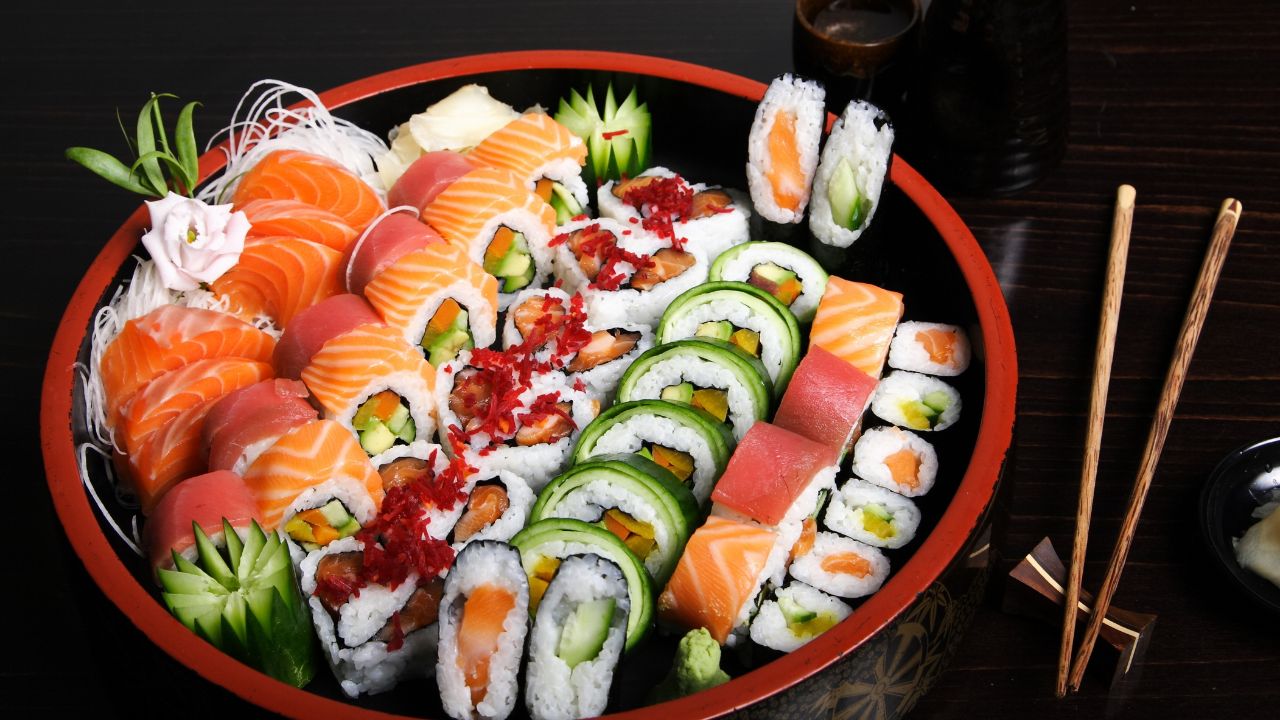
When you bite into authentic sushi in Japan, you immediately understand why this isn’t just food—it’s pure artistry on your palate. I remember my first morning at Tsukiji Fish Market in Tokyo, watching sushi masters work with rice that’s been seasoned to perfection, their hands moving with decades of practiced precision. The fish, so fresh it practically melts, gets paired with rice that’s neither too warm nor too cold, creating this perfect temperature harmony that you simply cannot replicate with grocery store ingredients. Each piece becomes a small meditation on flavor, texture, and the beautiful simplicity that happens when you respect your ingredients completely.
What strikes me most about Japanese sushi culture is how they’ve turned minimalism into maximum flavor impact. You won’t find heavy sauces masking the natural sweetness of the fish or overwhelming spice blends competing for attention. Instead, you get clean, honest flavors where a touch of wasabi or a brush of soy sauce serves to highlight rather than hide. The rice itself becomes a supporting character that’s been carefully cultivated—each grain perfectly seasoned with rice vinegar, sugar, and salt in proportions that sushi chefs guard like family secrets. This approach has completely changed how I think about cooking at home, reminding me that sometimes the most profound dishes come from treating each ingredient with respect and letting their natural qualities shine through.
Tacos Mexico
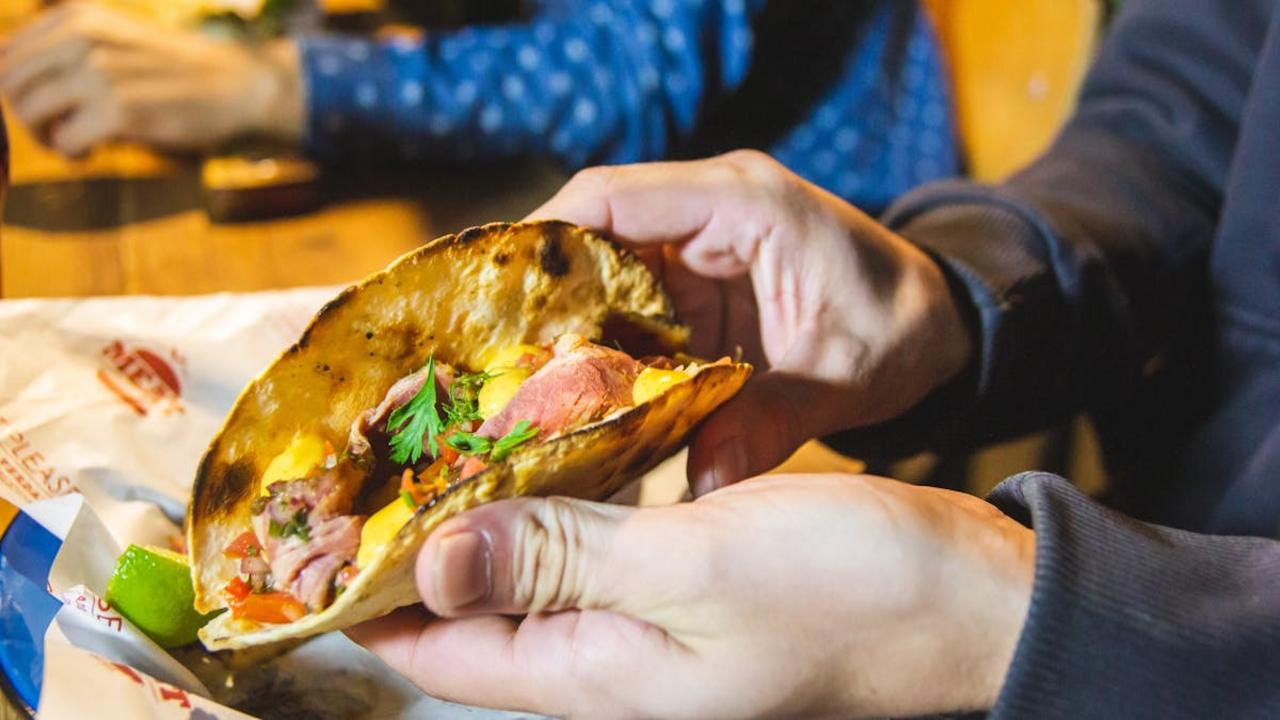
You know what makes my heart sing? Standing at a taco stand in Mexico City at 2 AM, watching the taquero work his magic on that well-seasoned plancha. These aren’t your typical Tuesday night tacos—we’re talking about corn tortillas made fresh throughout the day, pressed by hand and warmed on a comal until they develop those perfect charred spots. The fillings are where Mexico really shows off: tender carnitas that have been slow-cooked in lard for hours, al pastor with its perfect balance of pineapple sweetness and chile heat, or simple but profound carne asada that lets the quality of the meat shine through.
What I love most about authentic Mexican tacos is their honest simplicity—each component serves a purpose without any unnecessary bells and whistles. The tortilla acts as both plate and utensil, the meat provides the protein foundation, and then you have these bright, fresh toppings: diced white onions for crunch, cilantro for herbaceous notes, and maybe a squeeze of lime to tie everything together. The salsas are where each taqueria shows its personality—from smoky chipotle to fiery habanero, each one made fresh daily using traditional techniques. This is street food at its finest: accessible, affordable, and absolutely soul-satisfying.
Pizza Slices Italy
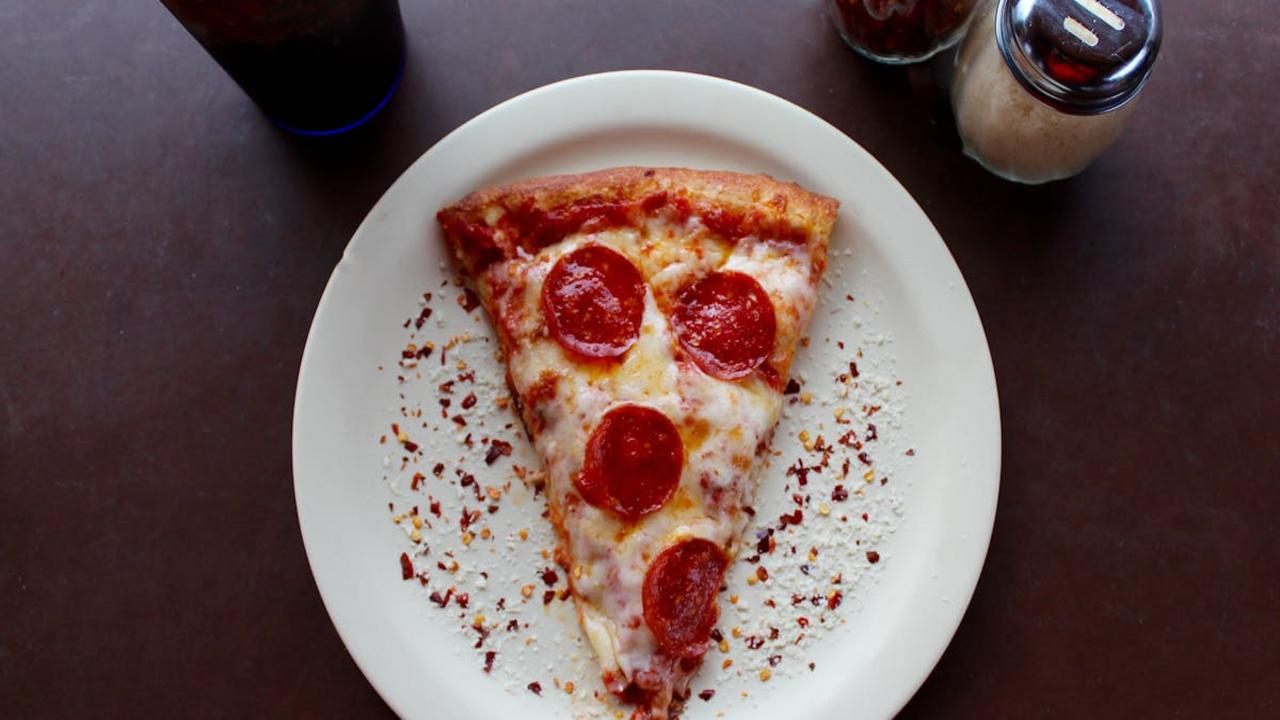
Picture this: you’re walking down a narrow Roman street, and the intoxicating aroma of fresh basil and bubbling mozzarella draws you to a tiny pizzeria window. Italian street pizza isn’t just food—it’s pure magic served on a paper plate. Unlike the thick, heavy versions we often see elsewhere, authentic Italian pizza al taglio features impossibly thin crusts that crackle with each bite, topped with the simplest yet most perfect ingredients. The dough ferments slowly, sometimes for days, creating those beautiful air bubbles and that distinctive tangy flavor that makes your mouth water just thinking about it.
What strikes me most about Italian pizza culture is how they’ve mastered the balance between simplicity and perfection. You’ll find vendors who use just San Marzano tomatoes, fresh mozzarella di bufala, and aromatic basil—three ingredients that sing together in perfect harmony. The pizza maker slides your slice into a blazing hot oven for just seconds, warming it through while keeping those fresh flavors intact. This approach mirrors my own cooking philosophy: when you start with exceptional ingredients and treat them with respect, you don’t need complicated techniques or fancy additions. Each bite tells the story of generations who understood that sometimes the most profound experiences come from the most honest preparations.
Crepes France
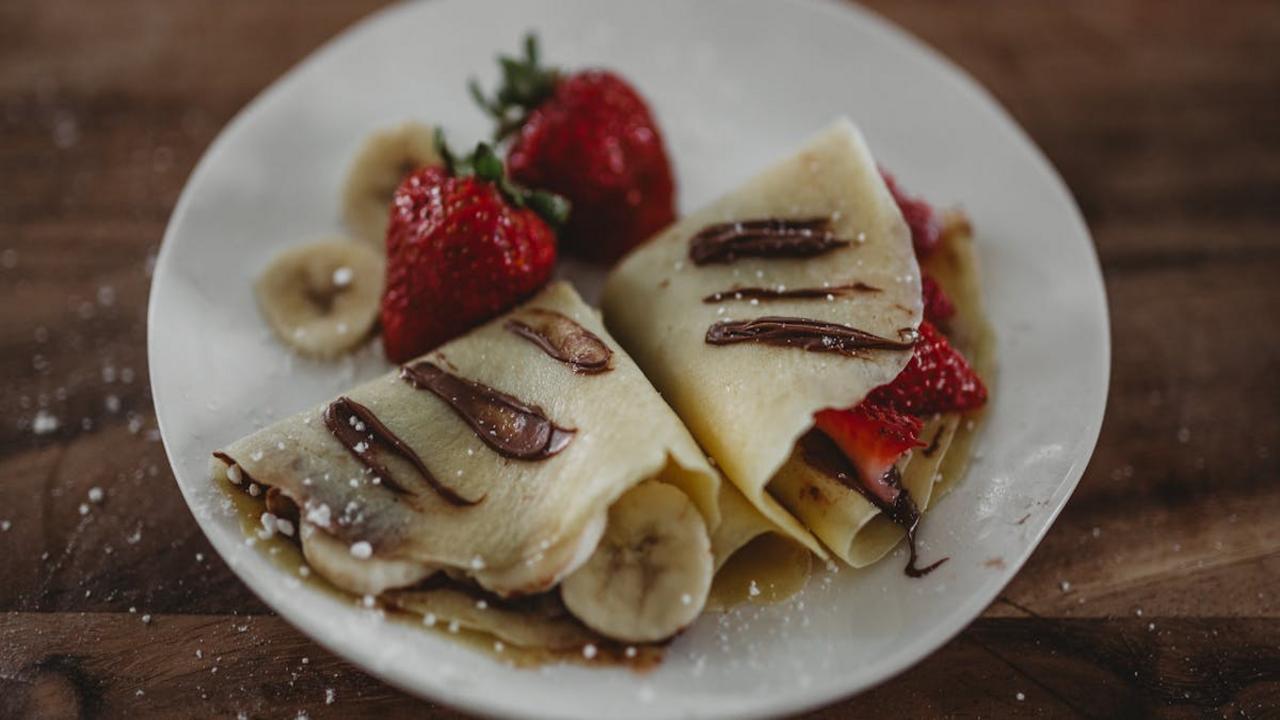
Walking through the cobblestone streets of Paris or wandering any French marketplace, you’ll catch the intoxicating aroma of butter hitting hot cast iron. French crepes represent everything I cherish about street food—simple ingredients transformed into pure magic through technique and tradition. These paper-thin pancakes showcase how French cooks elevate the ordinary into extraordinary, using just flour, eggs, milk, and a whisper of melted butter to create something that feels both rustic and refined.
What draws me to authentic French crepes is their incredible versatility and the theater of watching them come to life. Street vendors spread the batter across massive round griddles with wooden spreaders, creating perfect circles that bubble and golden before your eyes. Sweet versions filled with Nutella, fresh strawberries, or classic sugar and lemon transport you to childhood wonder, while savory buckwheat galettes stuffed with ham, cheese, and a perfectly runny egg become satisfying complete meals. The beauty lies in their simplicity—no processed ingredients, no artificial flavors, just wholesome components that nourish both body and soul while connecting you to centuries of French culinary wisdom.
Fish and Chips UK
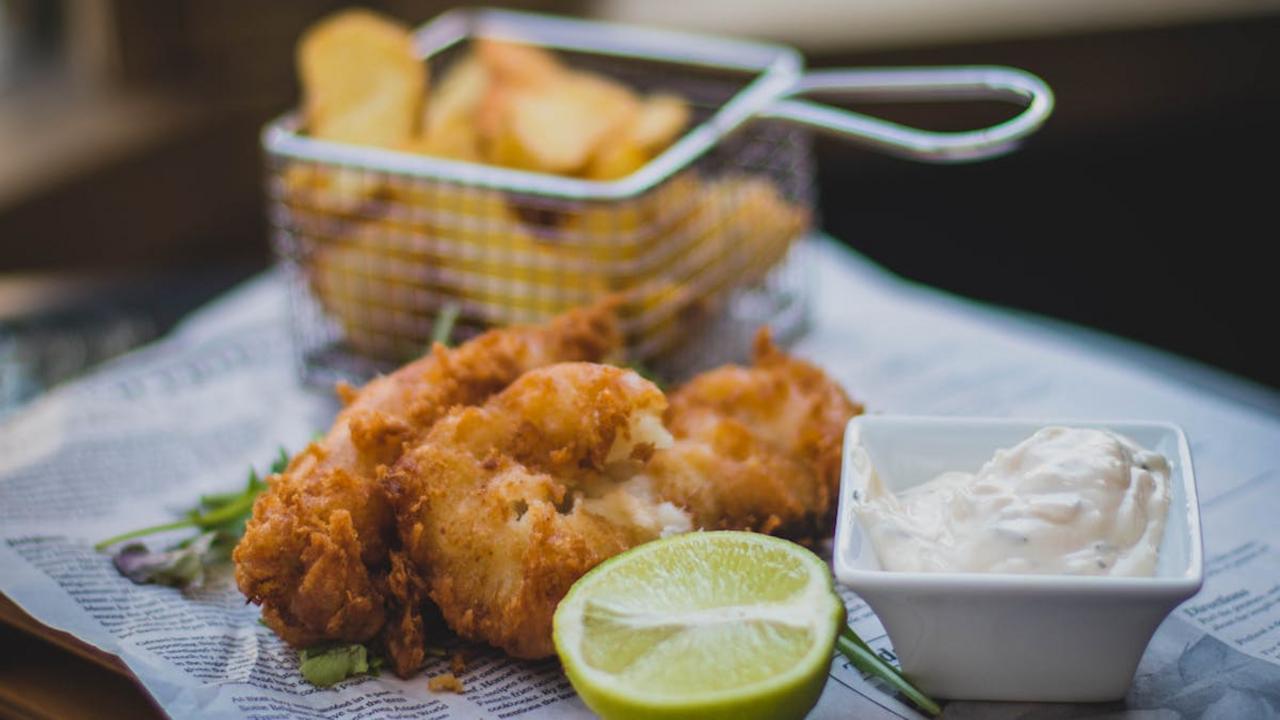
You know what gets me excited about British fish and chips? It’s the pure simplicity that creates something absolutely magical. Picture this: fresh cod or haddock, battered in a light, crispy coating that shatters at first bite, paired with thick-cut chips that are fluffy inside and golden outside. I’ve spent countless hours perfecting my own version at home, and the secret lies in understanding that this dish represents everything I believe about cooking—taking quality ingredients and treating them with respect. The fish needs to be as fresh as possible, the potatoes should be floury varieties like Maris Piper, and that batter? It’s all about the temperature contrast between ice-cold liquid and hot oil.
What really moves me about authentic fish and chips is how it connects you to British coastal culture in the most honest way possible. Standing by the seaside in places like Whitby or Brighton, unwrapping that paper parcel while seagulls circle overhead—it’s food that tells a story of working-class ingenuity and maritime tradition. The mushy peas, the malt vinegar, even the proper newspaper wrapping (though health regulations have changed that)—every element serves a purpose. When I recreate this at home, I focus on making my own chips from scratch, double-frying them for that perfect texture, and using beer in my batter for extra flavor depth. It’s comfort food that doesn’t need to hide behind fancy techniques or exotic ingredients.
Hot Dogs USA
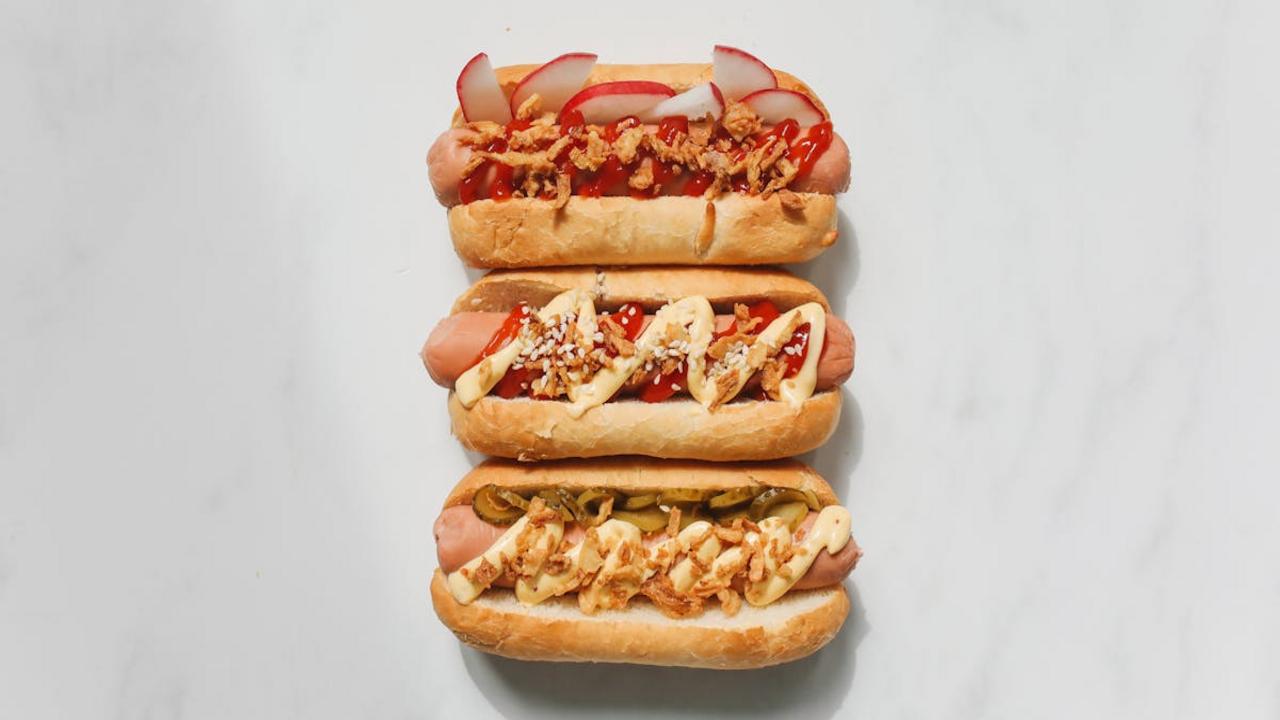
You know, I never expected to become obsessed with hot dogs until I started making them from scratch in my kitchen. Most people think hot dogs are just processed meat in a bun, but when you source quality ingredients and create your own, they transform into something completely different. I make mine with a blend of grass-fed beef and pork, seasoning them with fresh garlic, paprika, and herbs I grow myself. The difference is remarkable – you can actually taste the meat instead of fillers and preservatives.
What makes American hot dogs special isn’t just the sausage itself, but the regional variations that tell stories of different communities. Chicago’s version with its bright yellow mustard, chopped onions, and sport peppers creates a perfect balance of tang and heat. New York’s simple approach with mustard and sauerkraut lets the quality of the frankfurter shine through. I’ve recreated both styles at home, even making my own sauerkraut through fermentation – it takes weeks but adds incredible depth. The beauty lies in how each city adapted this simple concept to match local tastes, creating food traditions that bring people together on street corners and at ballparks across America.