15 ‘Indian’ Dishes You Love That Aren’t Actually Indian
That favorite Indian restaurant down the street serves up dishes with complex spices and rich flavors that transport you straight to Mumbai, right? Well, here’s a fun twist that might surprise you – many of those beloved “Indian” dishes on your go-to menu actually have roots elsewhere or were created far from India’s borders.
Food history tells fascinating stories of migration, adaptation, and creativity. What we consider authentically Indian often represents beautiful fusions born from British colonial influence, Persian traditions, or inventive chefs working in kitchens thousands of miles from the subcontinent. These dishes evolved through cultural exchange and local preferences.
Don’t worry – this doesn’t make your favorite curry any less delicious! Understanding these origins actually makes each bite more interesting. These fusion creations show how food brings cultures together, creating new traditions that become deeply meaningful to communities worldwide. Ready to discover the real stories behind these popular dishes?
Biryani
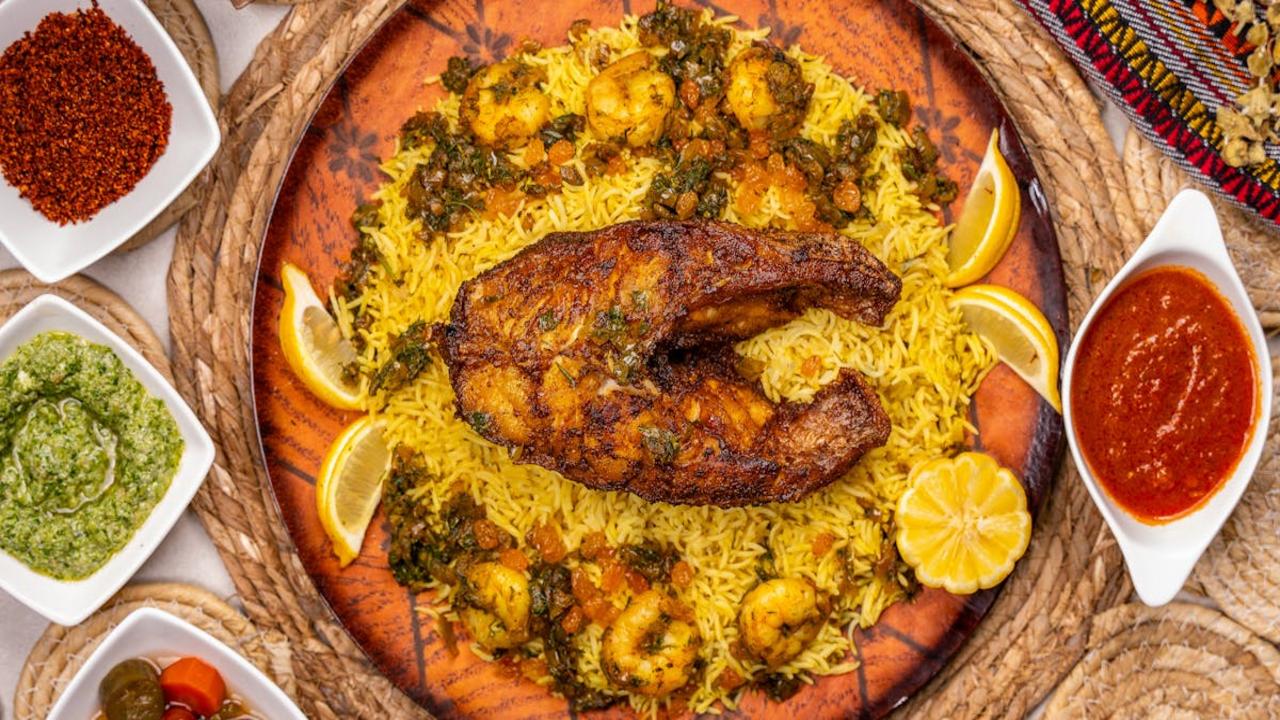
You know that aromatic, spice-laden rice dish that makes your mouth water every time you walk past an Indian restaurant? Well, here’s something that might surprise you – biryani didn’t actually start its life in India! This beloved dish has Persian roots, brought to the Indian subcontinent by Mughal rulers and traders centuries ago. The word “biryani” itself comes from the Persian word “birian,” which means “fried before cooking.” Those clever Persian cooks knew exactly what they were doing when they created this masterpiece of layered rice, meat, and spices.
What makes this revelation even more fascinating is how biryani transformed once it landed on Indian soil. Different regions adopted and adapted the recipe, creating their own signature versions – from Hyderabadi to Lucknowi, each with distinct cooking methods and flavor profiles. The Indian cooks took this Persian foundation and made it their own, adding local spices, cooking techniques, and ingredients that reflected their regional preferences. Today, when you savor that perfectly cooked grain of basmati rice infused with saffron and cardamom, you’re actually tasting a beautiful fusion of Persian tradition and Indian innovation. It’s a perfect example of how food travels across borders and becomes something entirely new while honoring its origins.
Mulligatawny Soup
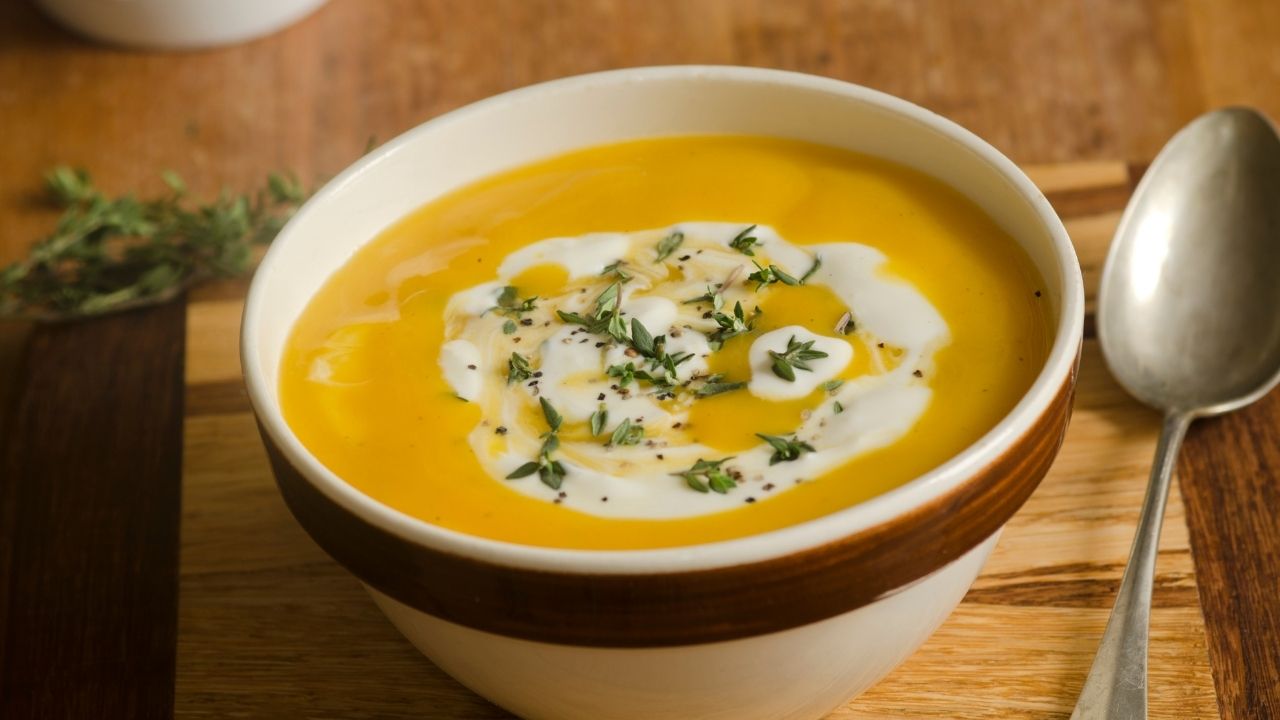
You know that rich, warming soup you order at your favorite Indian restaurant? The one with tender chicken, fragrant spices, and creamy coconut milk that feels like a warm hug in a bowl? Well, here’s something that might surprise you: mulligatawny soup isn’t actually Indian at all! This beloved dish was born during British colonial rule in India, created by British cooks who wanted to recreate the flavors of Indian curry in soup form. The name comes from the Tamil words “milagu” (pepper) and “tanni” (water), but the creamy, curry-flavored soup we know today is purely a British invention.
Traditional South Indian rasam, which inspired mulligatawny, is actually a thin, tangy broth made with tamarind, tomatoes, and spices – completely different from the thick, coconut-rich version served in restaurants worldwide. I love making my own healthier version at home using bone broth as the base, adding plenty of turmeric and ginger for their anti-inflammatory benefits, and loading it up with vegetables like carrots and bell peppers. The beauty of this soup lies in how adaptable it is – you can make it vegetarian with lentils, add whatever vegetables you have on hand, and adjust the spice level to your liking. It’s comfort food that happens to be incredibly nourishing!
Tandoori Chicken
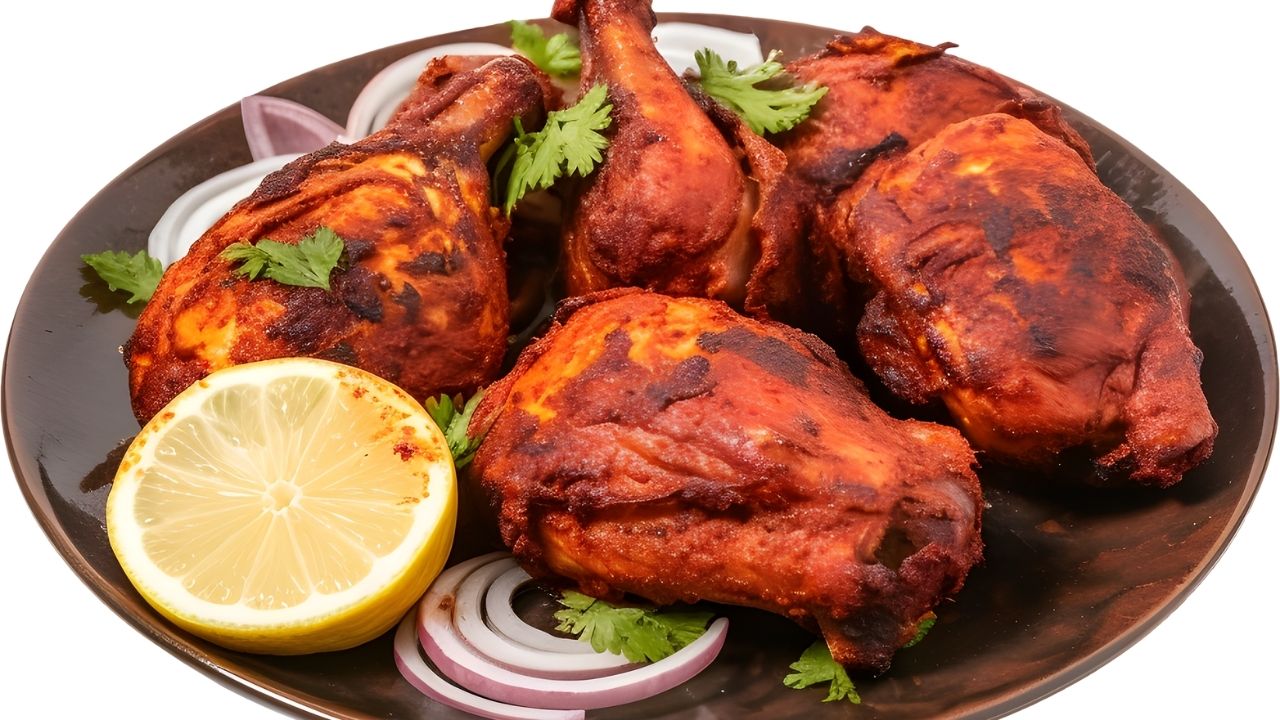
You know that gorgeous, flame-red chicken with its smoky char and incredible spice blend that you order at your favorite Indian restaurant? Here’s something that might surprise you – tandoori chicken as we know it today actually has roots that stretch way beyond traditional Indian borders! While the tandoor oven itself is ancient and definitely Indian, the specific dish we call “tandoori chicken” was popularized in the 1940s by Kundan Lal Gujral at his restaurant in Delhi. But here’s the twist: this creation was heavily influenced by Punjabi refugees who brought their own cooking techniques after partition, blending them with Mughal-inspired marinades that had Persian and Central Asian influences.
What makes this even more interesting is how the dish evolved as it traveled westward. The bright red color that makes tandoori chicken so Instagram-worthy? That often comes from food coloring rather than traditional spices! In authentic preparations, the beautiful hue comes from a careful balance of paprika, cayenne, and yogurt-based marinades. When you make this at home, focus on that magical marinade – yogurt tenderizes the meat while ginger, garlic, and garam masala create those complex flavors we crave. You can absolutely achieve that restaurant-quality taste in your own oven by cranking up the heat and using a cast iron skillet to mimic that tandoor effect!
Korma
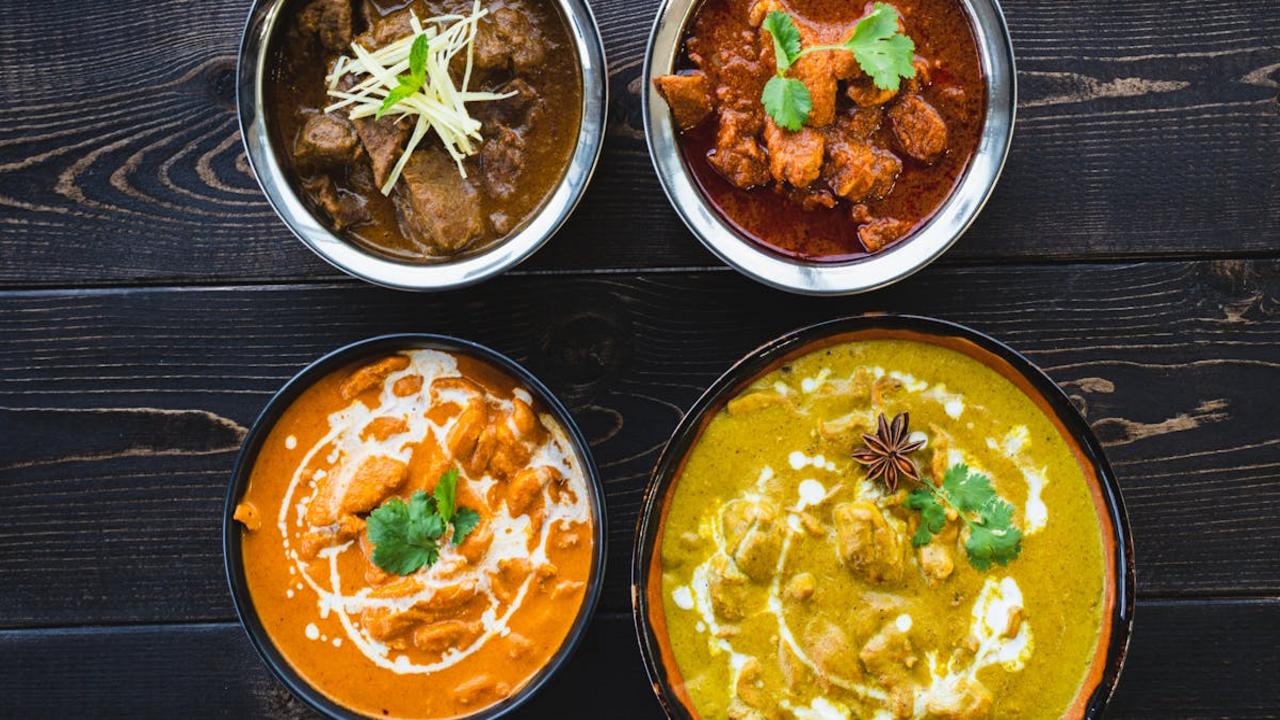
Your favorite creamy, mildly spiced korma might surprise you with its true origins! While you probably order it from your go-to Indian restaurant, this beloved dish actually traces back to the Mughal Empire, which brought Persian and Central Asian cooking techniques to the Indian subcontinent. The word “korma” comes from the Turkish “kavurma,” meaning “to roast.” What makes this even more interesting is that the version you know and love today got a major makeover when it traveled to Britain with Indian immigrants, where it transformed into the sweet, coconut-heavy dish that’s become a Western favorite.
The authentic korma from its homeland looks quite different from what lands on your dinner table. Traditional versions focus on slow-braised meat or vegetables in yogurt-based sauces with complex spice blends, creating deep, rich flavors without the heavy cream or excessive sweetness you might expect. British-Indian restaurants adapted the recipe to suit local palates, adding more dairy and sugar to create that familiar mild, creamy texture. So while korma definitely has Indian roots, the version you’re spooning over basmati rice represents a beautiful fusion of cultures that happened thousands of miles from India’s kitchens!
Jalfrezi
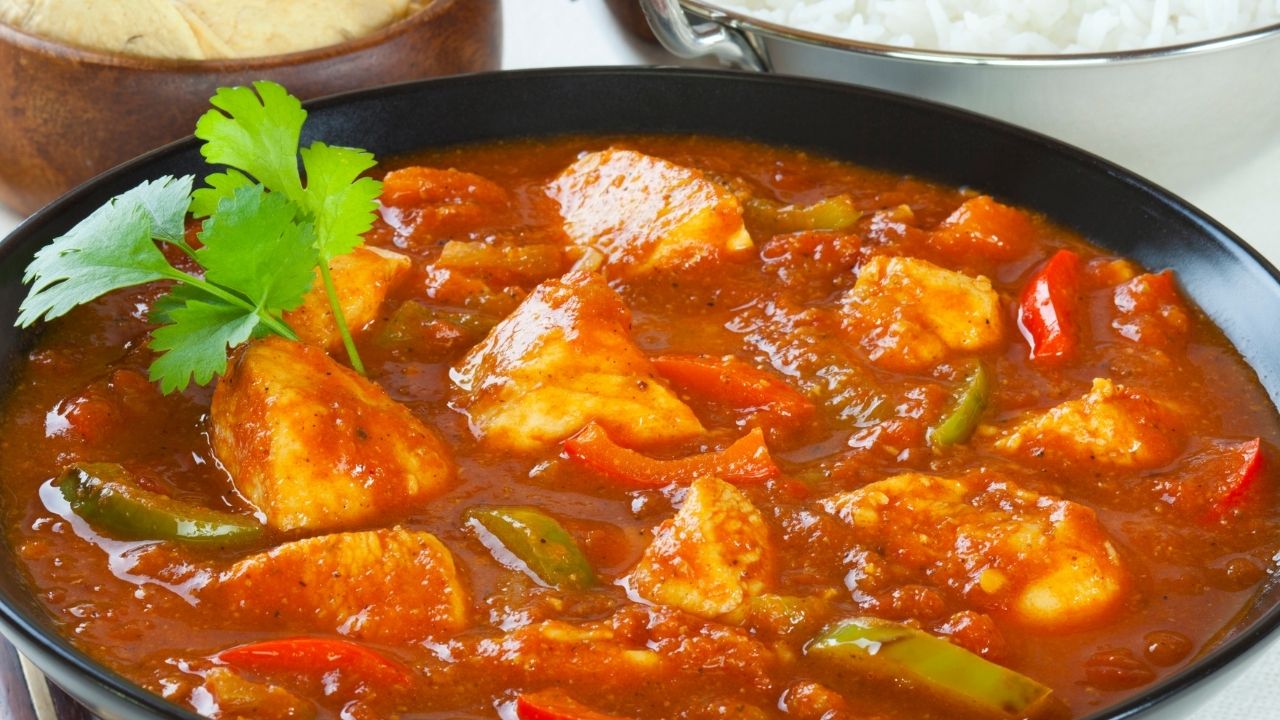
You know that vibrant, colorful stir-fry dish loaded with bell peppers, onions, and tender chunks of chicken or vegetables that you order from your favorite Indian restaurant? Well, here’s something that might surprise you: jalfrezi actually has British roots! This popular dish was born during the British colonial period in India when resourceful cooks needed to use up leftover roasted meats. The name itself comes from the Bengali words “jhal” (spicy) and “frezi” (stir-fry), but the cooking technique was heavily influenced by British preferences for quick, practical meals.
What makes jalfrezi so appealing is how it perfectly bridges two food cultures – you get those bold Indian spices like cumin, coriander, and turmeric, but prepared using a stir-frying method that keeps vegetables crisp and fresh. I love making this dish at home because it’s incredibly forgiving and lets you clean out your refrigerator while creating something absolutely delicious. Try tossing together whatever vegetables you have on hand – carrots, green beans, cauliflower – with some ginger-garlic paste and garam masala. The result is a nutritious, colorful meal that proves fusion cooking can be both healthy and satisfying, even when it’s not quite what we originally thought it was!
Butter Chicken
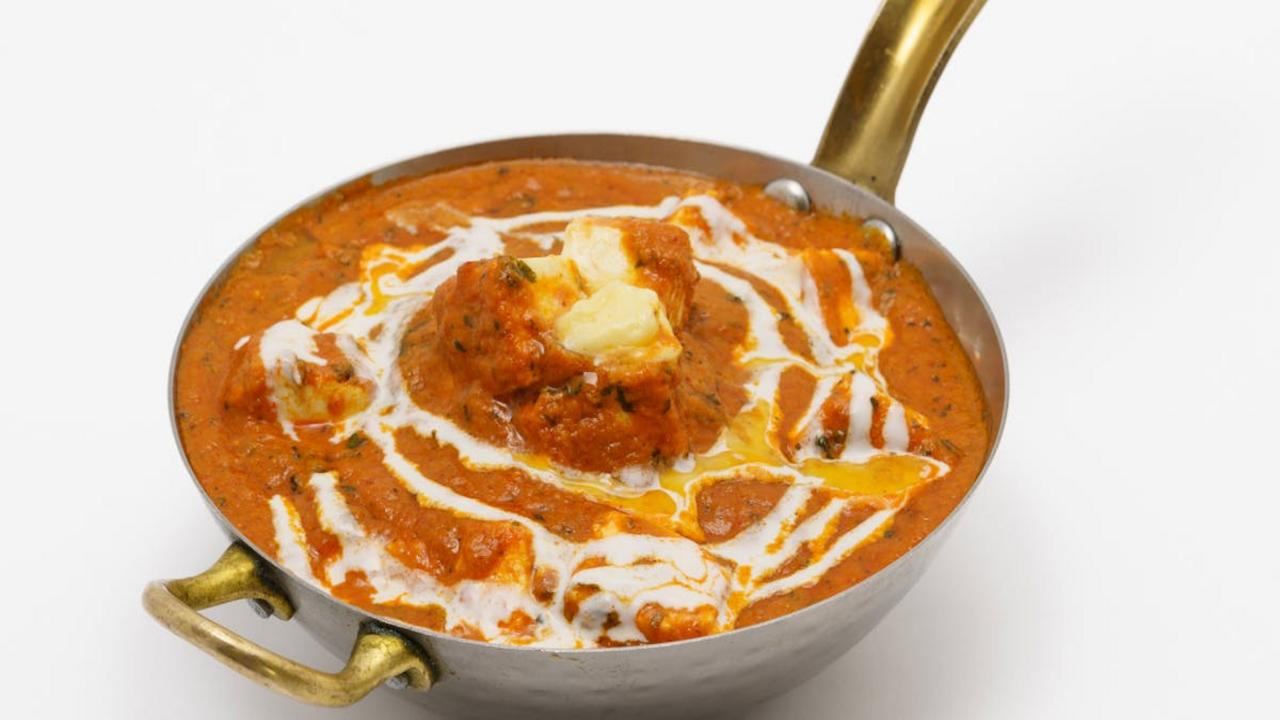
You know that creamy, tomato-based curry that makes your heart sing every time you order it from your favorite Indian restaurant? Well, here’s something that might surprise you – Butter Chicken actually has quite the modern origin story! This beloved dish was created in the 1950s by Kundan Lal Gujral at his restaurant Moti Mahal in Delhi. What started as a clever way to use leftover tandoori chicken by tossing it in a rich tomato and cream sauce became one of the most popular “Indian” dishes worldwide. The genius behind this creation was all about practicality and avoiding food waste, which I absolutely love!
While Butter Chicken does have Indian roots, it’s quite different from traditional Indian home cooking. The heavy cream and butter-laden sauce was specifically designed to appeal to Western palates, making it much milder and richer than most authentic Indian curries. Traditional Indian cooking typically uses yogurt, coconut milk, or other ingredients for creaminess, not the heavy dairy that defines this dish. Don’t get me wrong – I’m not knocking Butter Chicken at all! It’s absolutely delicious and has introduced countless people to Indian flavors. Just remember that if you want to experience more traditional Indian cuisine, try dishes like dal, sambhar, or regional curries that showcase the incredible diversity of this amazing food culture.
Bhuna
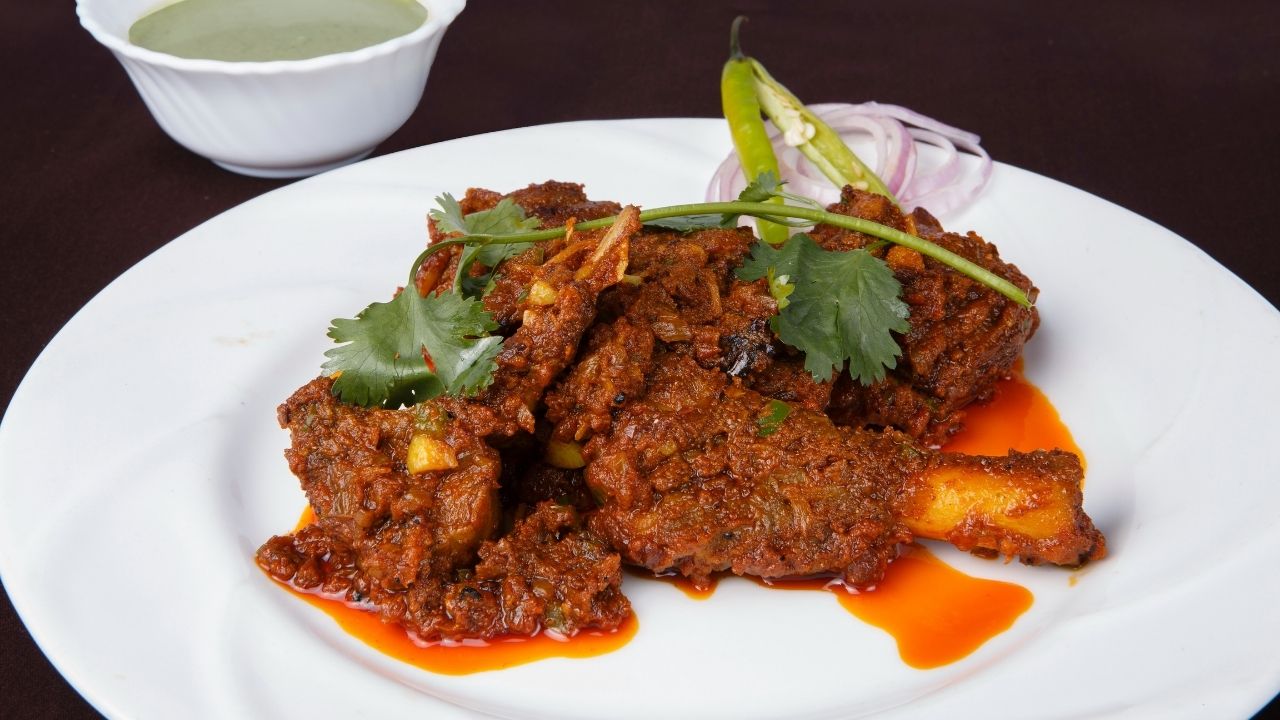
You know that rich, deeply spiced bhuna you order from your favorite Indian restaurant? Here’s something that might catch you off guard – this beloved dish actually has roots in British-Indian fusion cooking! Traditional Indian cooking methods do include a technique called “bhuna,” which means to fry or roast spices, but the saucy, tomato-heavy curry we’ve come to love was largely developed in British curry houses. The restaurant-style bhuna emerged as chefs adapted authentic Indian techniques to suit British palates, creating something entirely new in the process.
What makes restaurant bhuna so different from its traditional counterpart is the thick, glossy sauce that coats every piece of meat or vegetable. Authentic Indian bhuna focuses more on the cooking method – slowly frying spices and ingredients until the oil separates and the flavors concentrate. The British-Indian version transforms this technique into a rich, medium-spiced curry with a distinctive thick consistency that’s become a staple on curry house menus worldwide. When you make this at home, try both approaches – the traditional dry-fried method gives you intense, concentrated flavors, while the saucier version offers that comforting, restaurant-style experience we all crave on a cozy evening.
Madras Curry
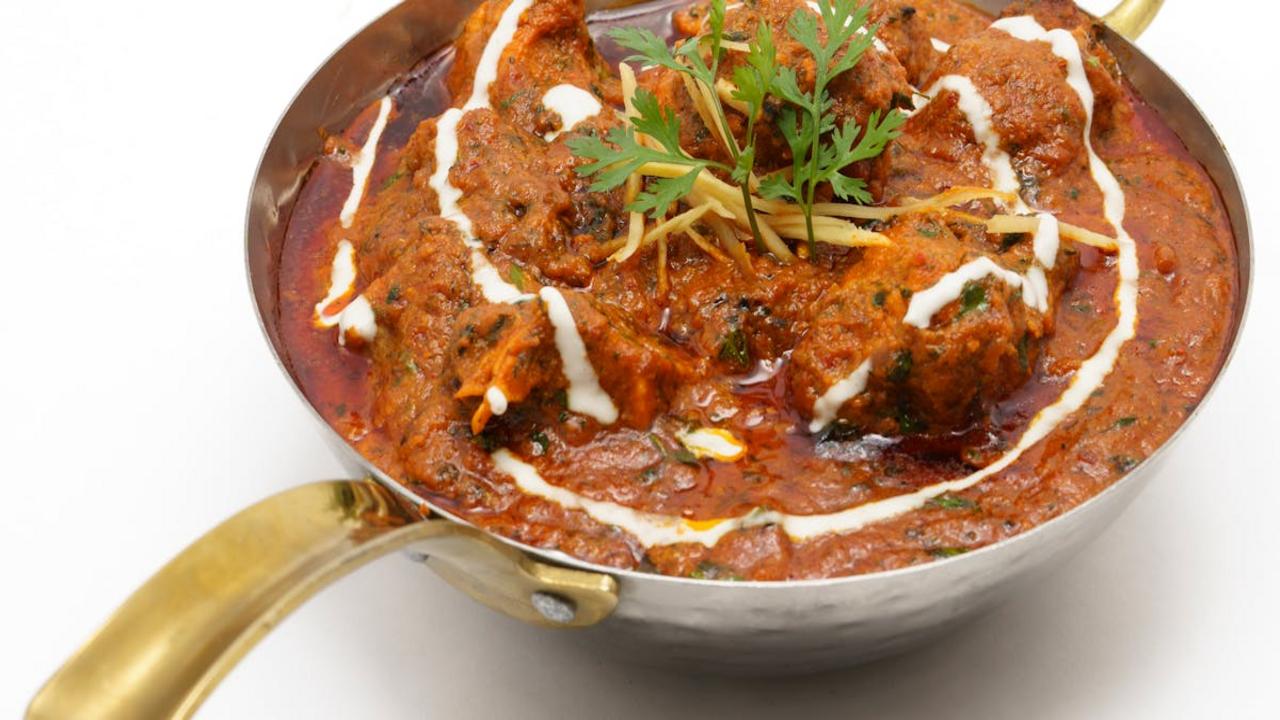
You know that spicy, tomato-rich Madras curry you order from your favorite Indian restaurant? Well, here’s something that might surprise you – it’s not actually from Madras (now Chennai) at all! This beloved dish was created in British curry houses during the 1960s, specifically designed to appeal to Western palates who wanted something with a serious kick. The name “Madras” was simply borrowed to give the dish an authentic Indian feel, but if you walked into a traditional restaurant in Chennai and asked for Madras curry, you’d probably get some confused looks.
What makes this revelation even more interesting is how different this British-Indian creation is from actual South Indian food. Real Chennai cuisine focuses heavily on rice, lentils, coconut, and curry leaves, with dishes like sambar and rasam taking center stage. The “Madras curry” you love is typically a fiery red curry loaded with chili powder, tomatoes, and sometimes potatoes – ingredients that create a completely different flavor profile. Don’t let this stop you from enjoying it though! This fusion creation has become a comfort food classic, and you can easily make a healthier version at home using fresh spices, lean protein, and plenty of vegetables.
Saag Paneer
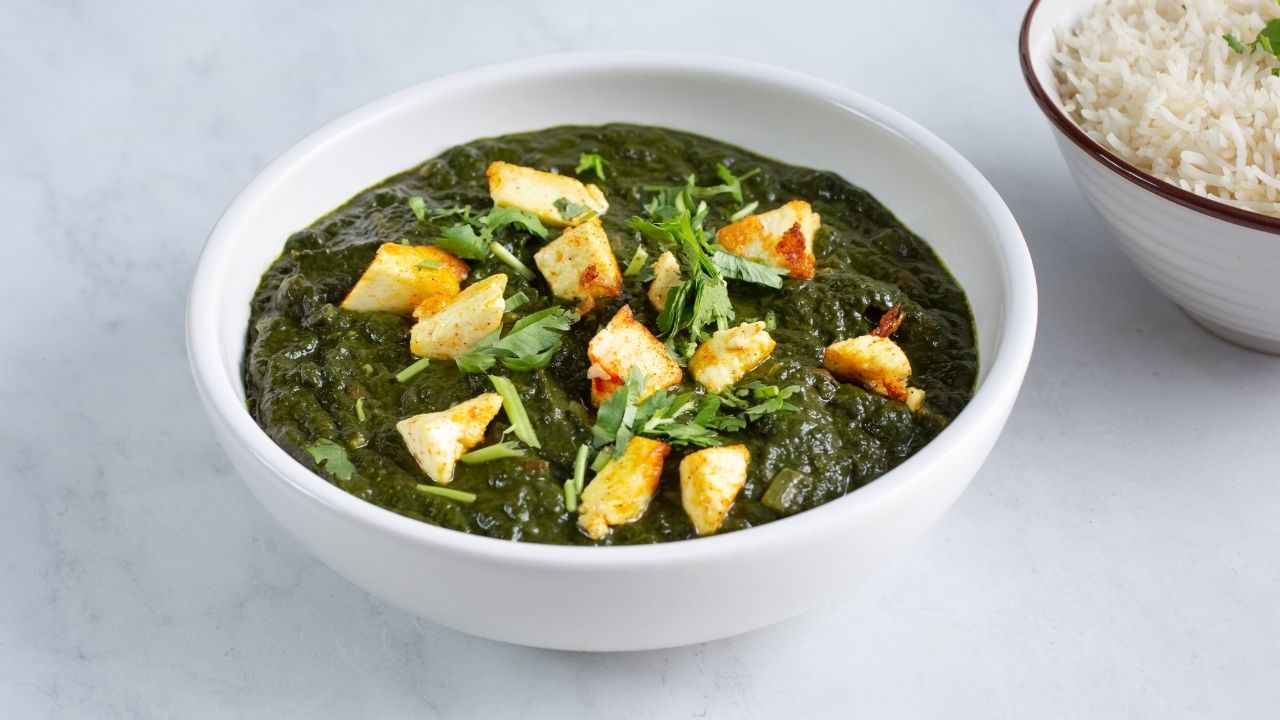
You know that creamy, spinach-heavy dish you order at your favorite Indian restaurant? Here’s a fun fact that might surprise you – saag paneer as we know it today isn’t exactly traditional Indian fare! While spinach dishes and fresh cheese have deep roots in Indian cuisine, the specific combination and preparation method popular in restaurants often reflects British colonial influence and Western preferences. Traditional Indian greens dishes typically use mustard greens, amaranth, or other leafy vegetables, and the cooking methods differ significantly from what you’ll find in most Western Indian restaurants.
The saag paneer you’re familiar with was actually adapted for Western palates, featuring milder flavors and a creamier texture than authentic regional variations. Real Indian saag recipes vary dramatically across different regions – some use mixed greens, others focus on mustard leaves, and many don’t include paneer at all! The restaurant version often adds extra cream and butter to create that rich, velvety sauce we all crave. Don’t get me wrong – this adaptation is absolutely delicious and nutritious, packed with iron from the greens and protein from the cheese. It’s just fascinating how dishes transform as they travel across cultures, creating new favorites that become “traditional” in their own right!
Rogan Josh
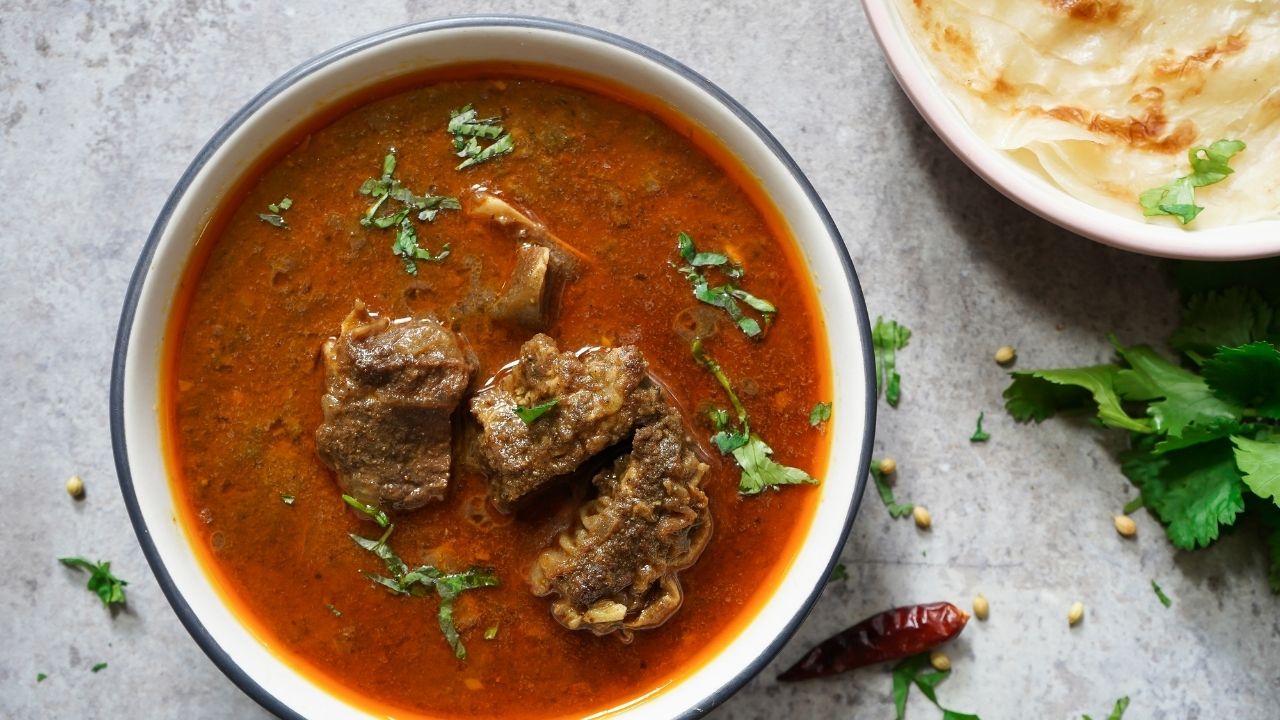
Here’s a dish that might surprise you – this beloved “Indian” curry actually has Persian roots! Rogan Josh traveled to Kashmir centuries ago through Persian traders and Mughal influence, where it transformed into something uniquely beautiful. The name itself comes from Persian words: “rogan” meaning oil or fat, and “josh” meaning heat or passion. While many Indian restaurants serve their version with tomatoes and vibrant red color, the traditional Kashmiri preparation relies on dried red chilies and yogurt for its distinctive appearance and flavor profile.
What makes authentic Rogan Josh so special is its incredibly tender lamb that practically falls off the bone, slowly braised with aromatic spices like cardamom, cinnamon, and fennel. The Persian influence shows in its rich, oil-based gravy and the absence of onions and garlic in traditional recipes – quite different from typical Indian curries! If you want to try making this at home, focus on marinating your lamb in yogurt and spices overnight, then cook it low and slow. The result is a deeply satisfying dish that tells the story of how food travels across borders and creates new traditions in every kitchen it touches.
Mango Chutney
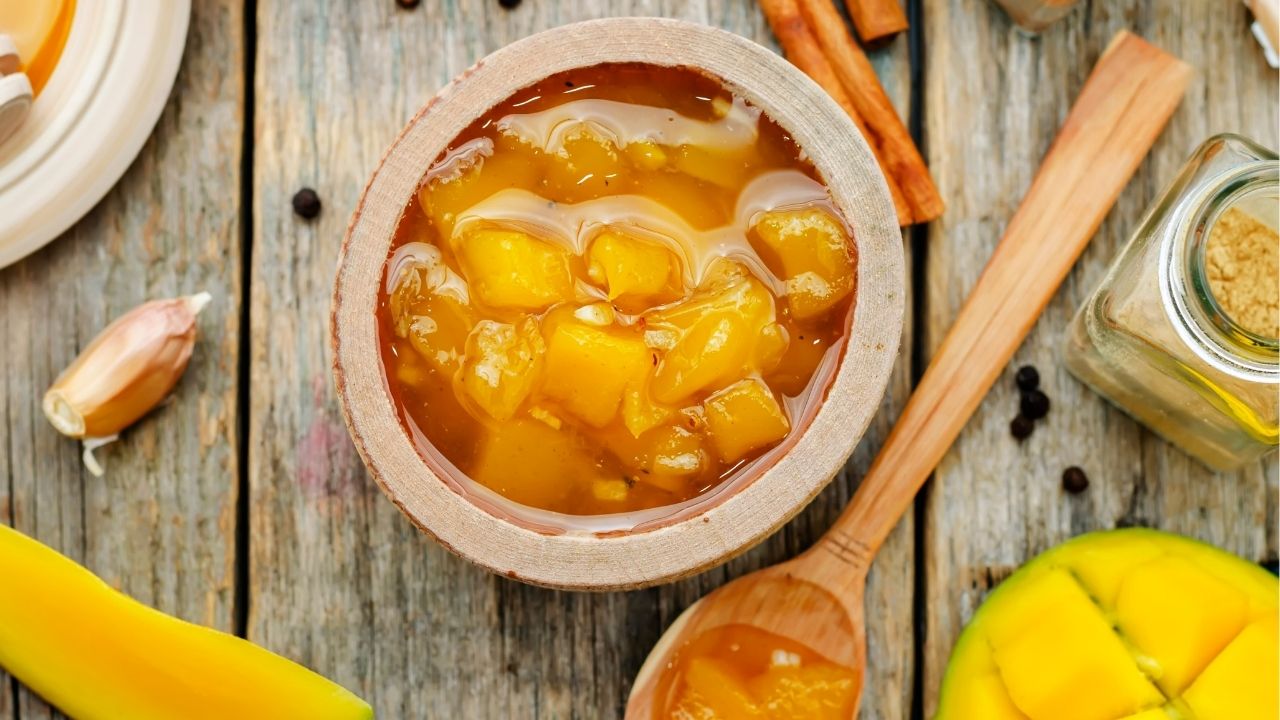
Here’s something that might surprise you: that sweet and tangy mango chutney you adore with your Indian meals? It’s actually a British creation! Major Grey’s Chutney, the commercial version most of us know and love, was developed in the 1800s by British colonists who wanted to recreate the complex flavors they encountered in India. While India certainly has traditional chutneys made with mangoes, the thick, sweet, preserve-like consistency we’re familiar with comes from British adaptations that catered to Western palates.
Traditional Indian chutneys are typically fresh, thin, and served immediately after preparation – think cilantro-mint chutney or coconut chutney. The jarred mango chutney you find at grocery stores contains added sugars, vinegar, and preservatives that make it shelf-stable but quite different from authentic Indian preparations. Don’t get me wrong – I absolutely love spreading this British-Indian fusion on cheese boards or mixing it into yogurt for a quick dip! The beauty of food evolution means we get to enjoy these delicious cross-cultural creations, even when they’re not quite what they seem to be.
Vindaloo
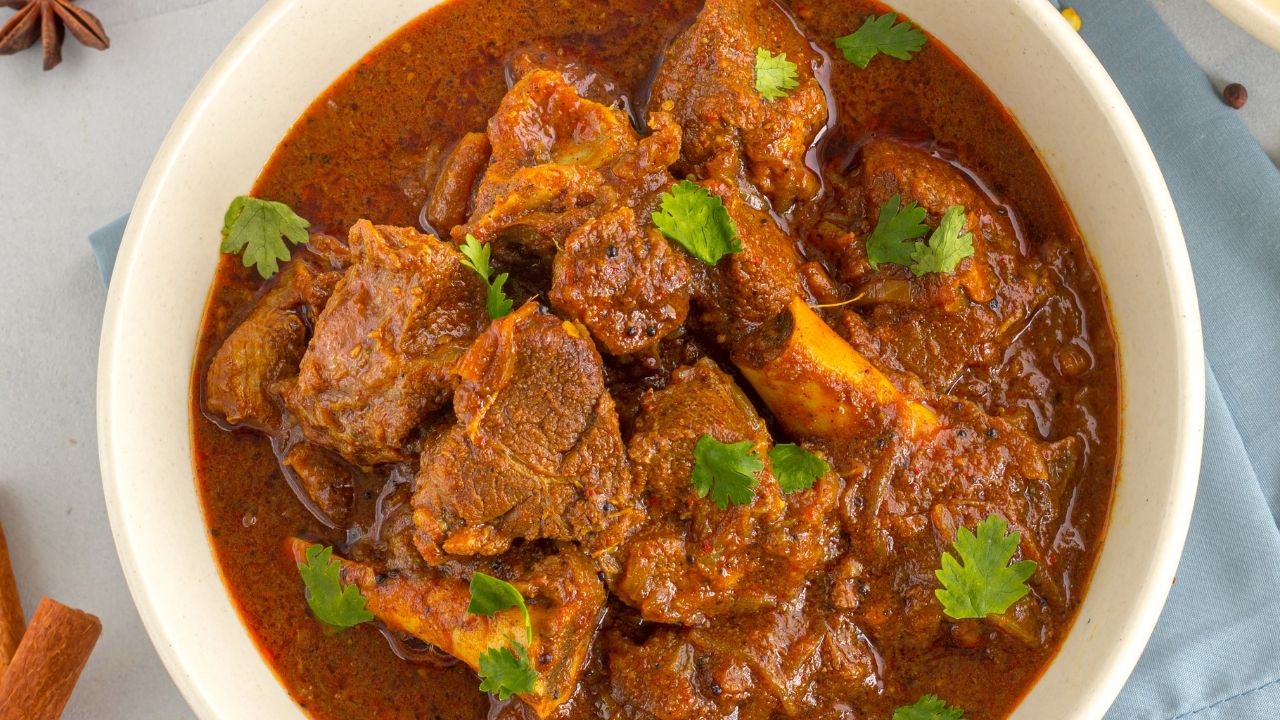
You know that fiery, tangy vindaloo you order from your favorite Indian restaurant? Well, here’s something that might catch you off guard – this beloved dish actually has Portuguese roots! The original “carne de vinha d’alhos” was brought to Goa by Portuguese colonizers in the 15th century. This traditional Portuguese dish featured pork marinated in wine vinegar and garlic, creating a preservation method perfect for long sea voyages. The Portuguese settlers adapted their recipe using local Goan ingredients, but the foundation remained distinctly European.
Over centuries, Goan cooks transformed this Portuguese import into something uniquely their own. They swapped wine for palm vinegar, added local spices like red chilies and turmeric, and created the complex, heat-packed dish we recognize today. What makes this evolution so beautiful is how it represents true fusion cooking – taking one culture’s technique and marrying it with another’s ingredients and flavors. So next time you’re savoring that rich, spicy vindaloo, remember you’re actually enjoying a delicious example of how food travels across oceans and cultures, creating something entirely new and wonderful in the process!
Balti
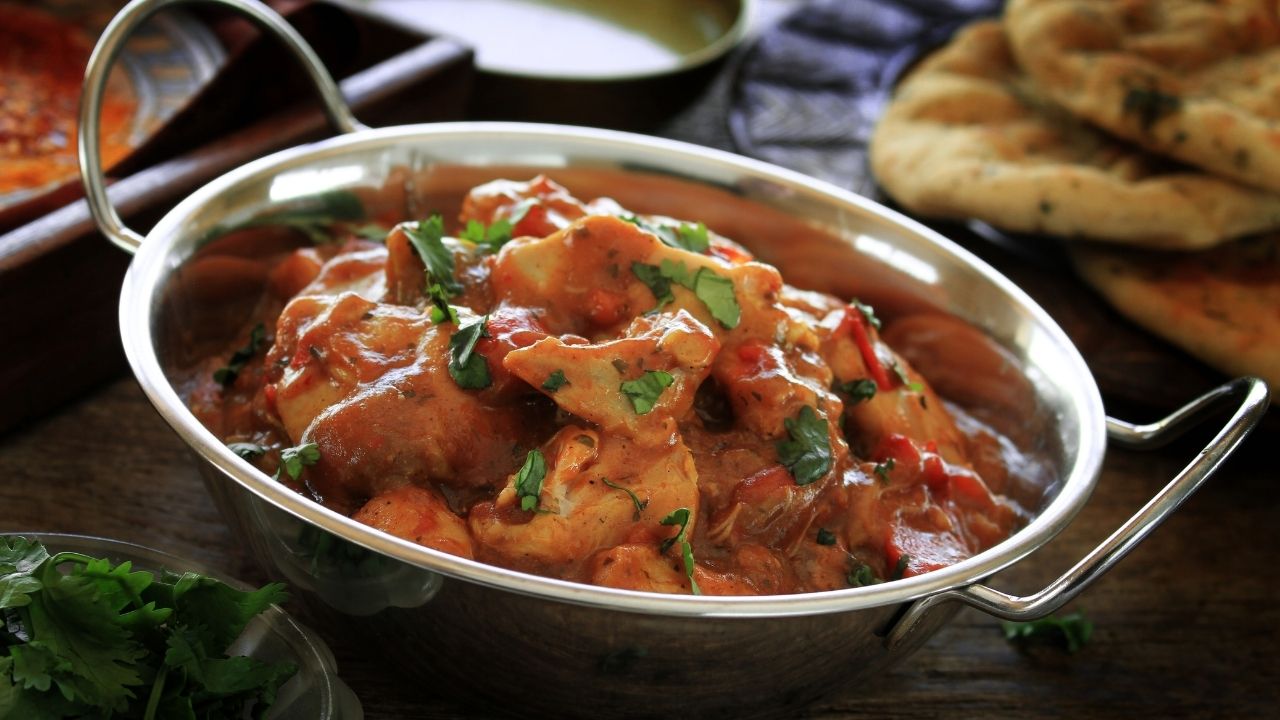
You know that rich, aromatic curry you order from your favorite Indian restaurant? The one served sizzling in that distinctive wok-like pan? Well, here’s something that might surprise you – Balti cuisine was actually born in Birmingham, England, not the Indian subcontinent! This beloved dish emerged in the 1960s when Pakistani and Kashmiri immigrants in Birmingham’s Balti Triangle created something entirely new. They combined traditional South Asian cooking techniques with local ingredients and preferences, serving everything in those iconic cast-iron bowls that give Balti its name.
What makes Balti so special is how it perfectly represents fusion cooking at its finest. The high-heat cooking method creates those incredible flavors we all crave – tender meat and vegetables with bold spices that dance on your palate. The beauty of making Balti at home is that you can control every ingredient, loading it up with fresh vegetables like bell peppers, tomatoes, and onions for a nutritious meal that doesn’t compromise on taste. Try making your own version with lean protein, plenty of colorful veggies, and warming spices like cumin and coriander. You’ll create a wholesome dinner that brings families together around the table, just like those Birmingham restaurants intended all those years ago.
Naan Bread
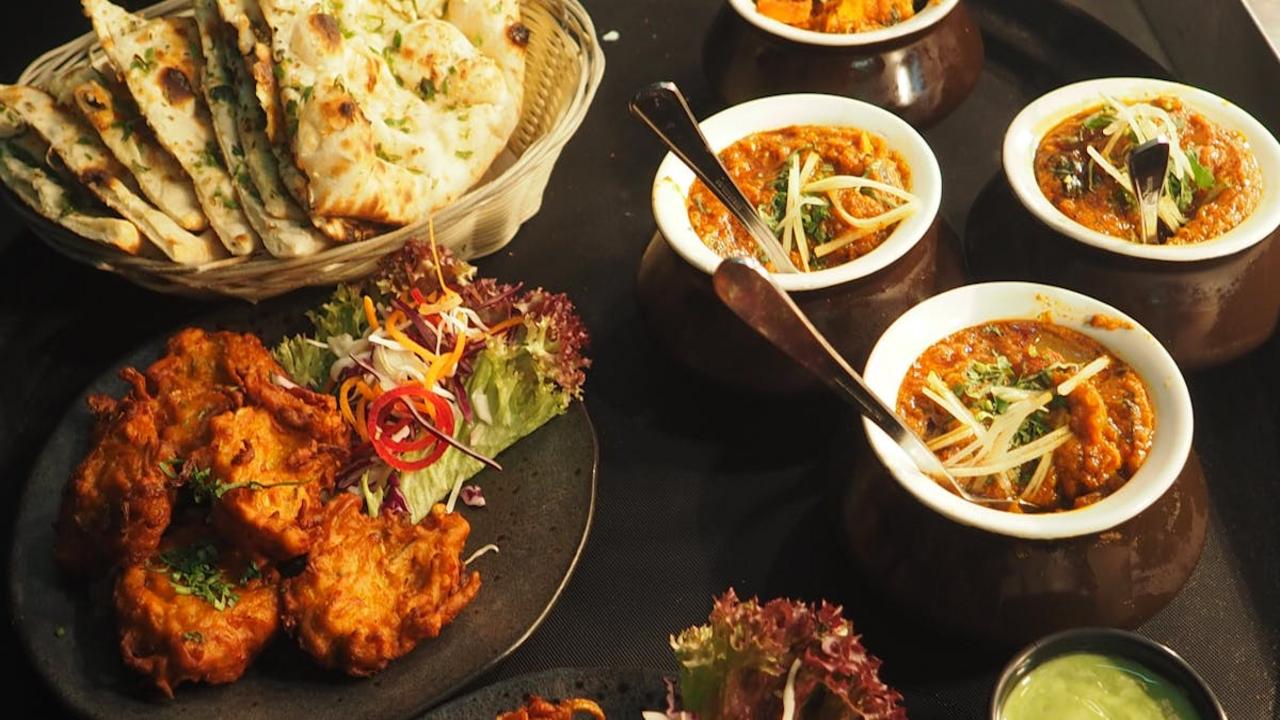
You know that pillowy, buttery naan bread you order with your favorite Indian curry? Here’s something that might surprise you – traditional naan wasn’t actually a staple in most Indian homes! This yeasted flatbread has Persian and Central Asian roots, and it required special tandoor ovens that most regular Indian households simply didn’t have. The naan we know today became popular in Indian restaurants during the Mughal period, but even then, it was more of a royal court food than an everyday bread.
What makes this even more interesting is that the thick, fluffy naan served in many Western Indian restaurants is quite different from authentic versions. Traditional Indian breads like chapati, roti, and paratha were the real everyday heroes – unleavened, cooked on simple griddles, and made with whole wheat flour. These humble breads sustained families for generations and required no fancy equipment. So while naan certainly has its place in Indian cuisine now, don’t feel guilty about reaching for those healthier, fiber-rich alternatives that actually represent the true spirit of Indian home cooking!
Chicken Tikka Masala
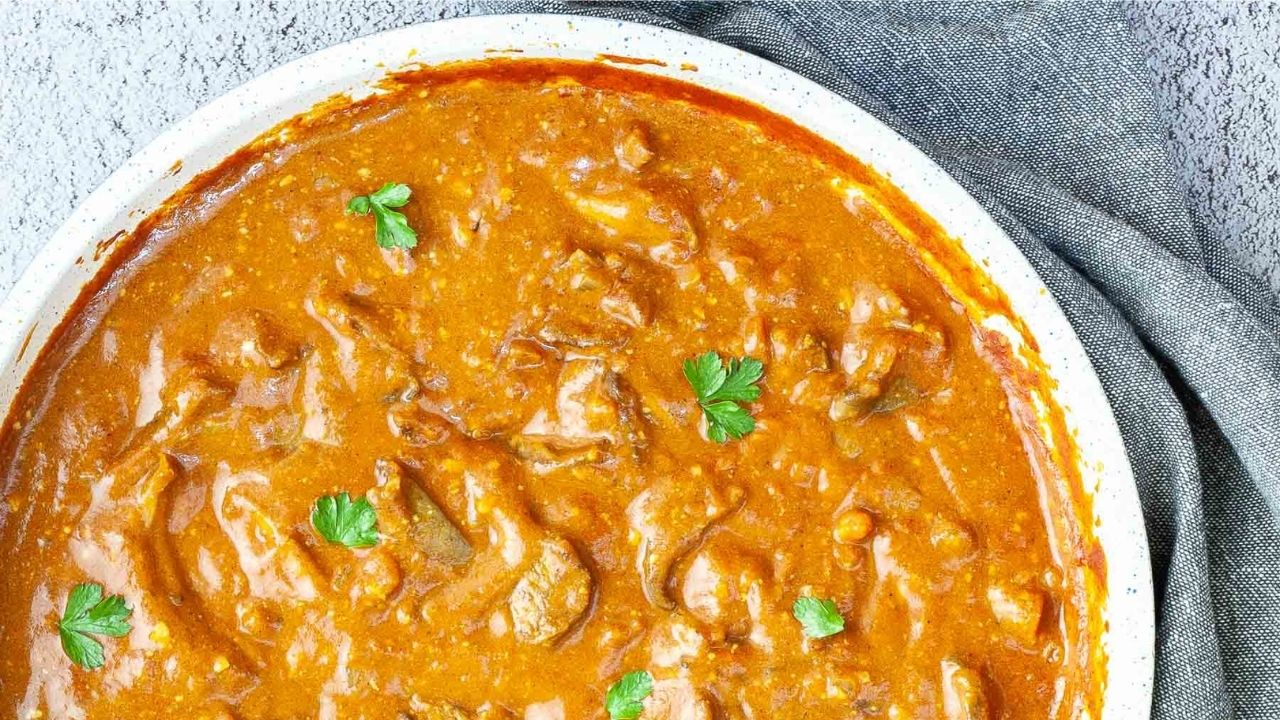
You know that creamy, tomato-based curry that’s become synonymous with Indian dining? Well, here’s something that might shock you – Chicken Tikka Masala was actually born in Britain! Most food historians agree this beloved dish originated in the 1960s in Glasgow, Scotland, when a Pakistani chef created it to satisfy British palates. The story goes that a customer complained his chicken tikka was too dry, so the resourceful chef added a rich, creamy tomato sauce. This brilliant adaptation transformed a traditional dry-spiced dish into something entirely new that would capture hearts worldwide.
What makes this revelation so fascinating is how this “Indian” dish reflects the beautiful evolution of food through immigration and adaptation. The chef took authentic Indian cooking techniques – those perfectly spiced, tandoor-grilled chicken pieces – and married them with ingredients and flavors that would appeal to local tastes. Today, you’ll find versions of this dish in Indian restaurants across the globe, each with their own twist on the original British-Pakistani creation. It’s become so popular that many people consider it India’s national dish, even though you’d be hard-pressed to find it on menus in India itself!