Top 15 Restaurant Classics Too Tough to Recreate at Home
Some restaurant dishes remain firmly out of reach for home cooks, no matter how many YouTube tutorials you watch. These classics demand specialized equipment, years of training, or just plain impossible patience. While you might nail a decent roast chicken or chocolate cake, certain recipes belong squarely in professional kitchens.
From towering French pastries to intricate Japanese preparations, these dishes separate weekend warriors from seasoned chefs. The techniques involved often require precision that’s hard to achieve without commercial tools or extensive practice. You might attempt them once for the challenge, but most people happily leave these to the experts.
Understanding why these dishes stay restaurant-exclusive helps you appreciate the skill behind each plate. Next time you order one of these beauties, you’ll know exactly what went into creating it. Here are fifteen classics that prove some things are worth letting professionals handle.
Cassoulet
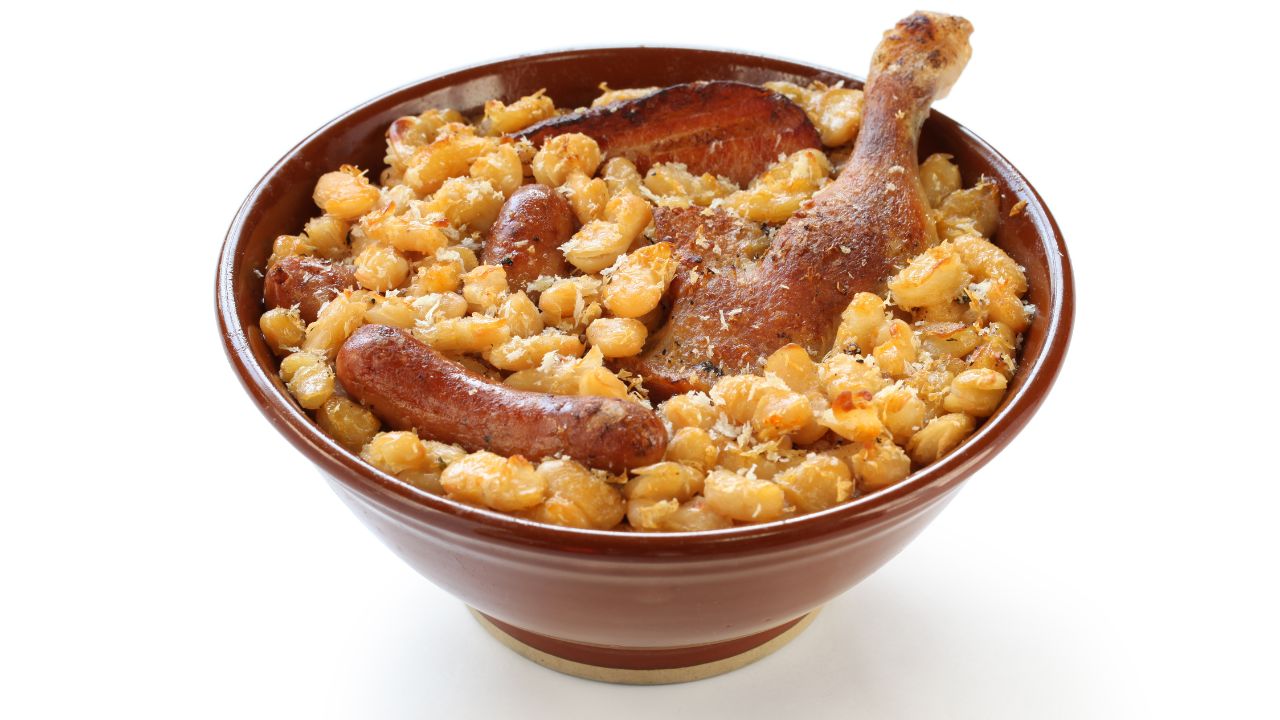
This rich, slow-cooked French dish from the Languedoc region demands hours of patient preparation and a deep understanding of layering flavors. Traditional cassoulet combines white beans with duck confit, pork sausage, and sometimes lamb, all simmered together until they meld into pure comfort. The real challenge lies in achieving that perfect balance between creamy beans and crispy, golden breadcrumb topping. You need to build flavor gradually, starting with rendering fat from the meats and allowing the beans to absorb every bit of that savory goodness. The dish requires constant attention, periodic stirring, and breaking that crust multiple times before the final bake creates the signature crispy top layer.
Beyond the time commitment, sourcing authentic ingredients poses another hurdle. Finding proper duck confit, Toulouse sausage, and the right type of white beans can send you on a grocery store scavenger hunt. The technique of repeatedly breaking and reforming the crust takes practice to master, and your timing needs to be spot-on to prevent dry beans or mushy texture. Even the right pot matters—traditionally, cassoulet cooks in a special earthenware dish that distributes heat evenly. Most home kitchens lack this specialized equipment, making temperature control tricky. While the result is undeniably spectacular when done correctly, this French masterpiece tests even experienced cooks. Your local bistro has perfected this dish through countless batches, so sometimes surrendering to their expertise makes more sense than attempting this marathon cooking project at home.
Canelé
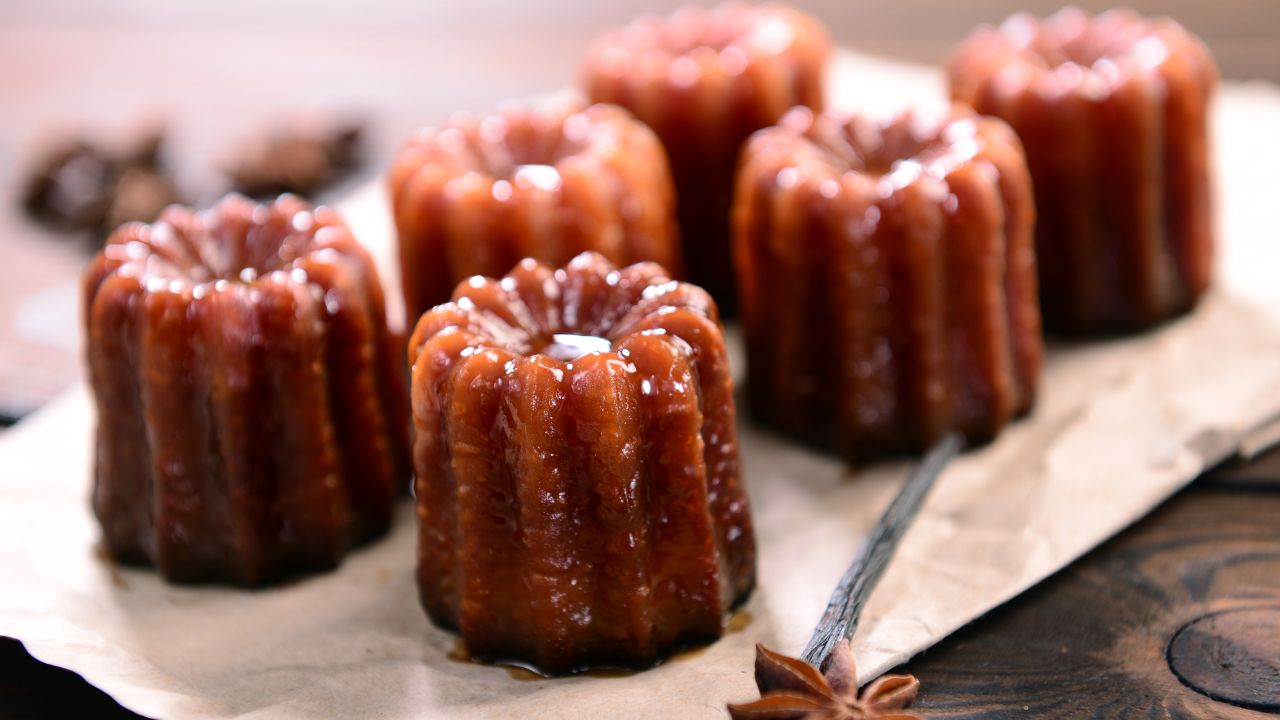
These petite French pastries from Bordeaux look deceptively simple, but trust me, getting that signature caramelized, almost burnt exterior with a custardy, rum-scented center is nearly impossible without specialized equipment. You need copper molds coated with beeswax and butter, which must be heated to extremely high temperatures—we’re talking around 500°F. The batter itself requires precise ratios and must rest for at least 24 hours before baking. Even professional bakers struggle with canelés because the slightest variation in temperature or timing results in pastries that are either too soft, too hard, or missing that gorgeous dark crust that makes them so special.
What makes these treats particularly tricky at home is the specific heat conductivity of copper molds, which cost hundreds of dollars and take up considerable space. Silicone alternatives just don’t deliver the same results—the texture becomes rubbery instead of crisp on the outside. The high-heat requirement also means your home oven needs to maintain consistent temperatures that most residential models can’t handle reliably. When you order canelés at a French bistro, you’re paying for equipment, technique, and years of practice that home bakers simply can’t replicate. Save yourself the frustration and enjoy these elegant pastries prepared by experts who’ve mastered the demanding process.
Tarte Tatin
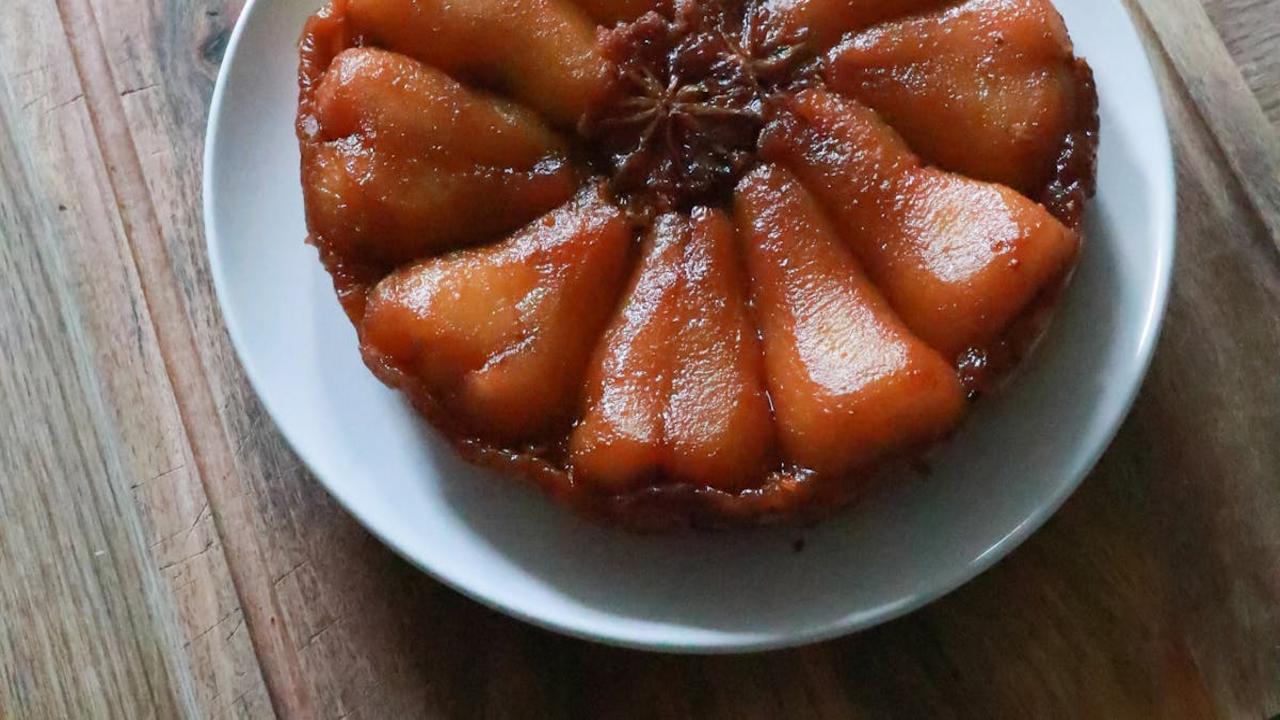
This French upside-down apple tart has been wooing dessert lovers since the 1880s, but don’t let its elegant simplicity fool you. Getting that perfect caramelized apple layer requires serious finesse and a steady hand. The sugar needs to reach just the right amber color without burning, the apples must be arranged in a precise pattern, and then there’s the nerve-wracking flip at the end. One wrong move and your beautiful creation becomes a sticky disaster on your kitchen counter. Restaurant pastry chefs have mastered the art of timing and temperature control that makes this dessert shine.
The real challenge lies in achieving that glossy, deeply caramelized bottom that becomes the stunning top after you flip it. Your apples need to be firm enough to hold their shape but tender enough to melt in your mouth, while the puff pastry must stay crispy despite all that moisture. Home ovens often struggle with the consistent high heat needed, and most of us don’t have the heavy-duty pans that distribute heat evenly for perfect caramelization. Plus, there’s the psychological pressure of inverting an entire tart without hesitation – restaurant pros make it look effortless, but at home, that moment of truth can be genuinely terrifying.
Gâteau Saint-Honoré
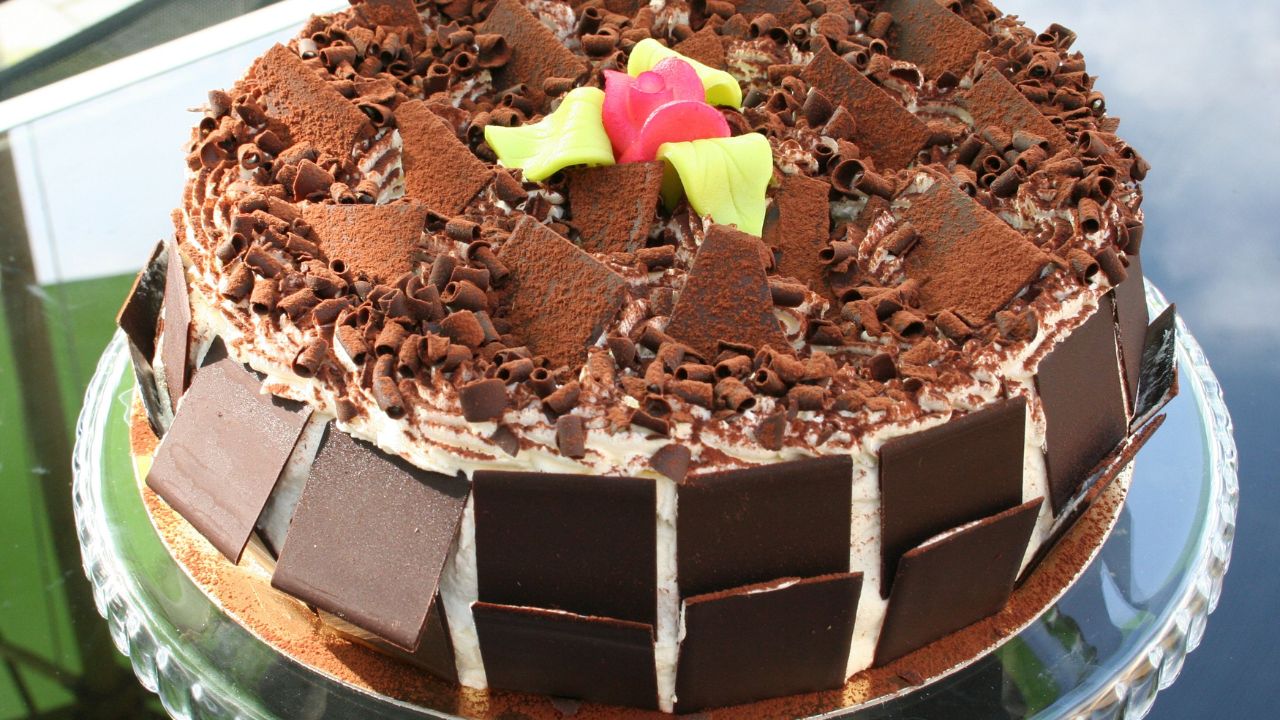
This French pastry is a showstopper that demands serious skills and patience. Named after the patron saint of bakers, Gâteau Saint-Honoré combines puff pastry, choux pastry, cream puffs, and caramel in one elaborate dessert. You’ll need to master multiple techniques just to get started: creating the perfect puff pastry base, piping choux pastry around the edges, making cream puffs that actually puff up properly, and then dipping each one in caramel without burning yourself or the sugar. The assembly alone feels like an engineering project, and you haven’t even gotten to the crème chiboust filling yet—a delicate mixture of pastry cream and Italian meringue that requires precise temperature control and timing.
Professional pastry chefs spend years perfecting this dessert, and they have the advantage of specialized equipment, temperature-controlled kitchens, and plenty of practice. At home, you’re dealing with an oven that might run hot or cold, humidity that affects how your caramel sets, and the challenge of keeping everything at the right consistency while you race against the clock. One wrong move—overworked puff pastry, undercooked choux, or caramel that crystallizes—can derail the entire project. Unless you’re a dedicated home baker with serious time to spare, this French classic is better left to the professionals who can execute it flawlessly every single time.
Mole Poblano
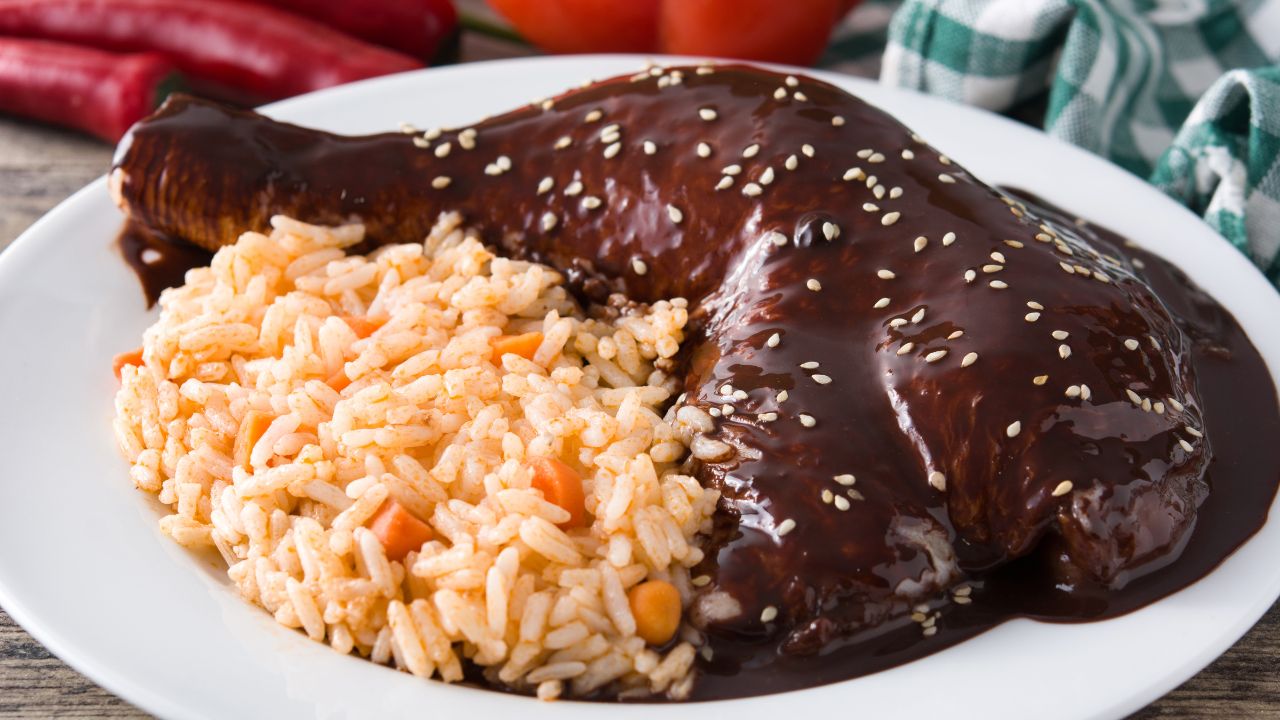
Mole Poblano stands as one of Mexico’s most celebrated sauces, but recreating it at home requires serious dedication and about 30 different ingredients. This complex sauce traditionally combines dried chiles, chocolate, nuts, seeds, spices, and sometimes even stale bread or tortillas, all ground and simmered for hours to achieve that perfect balance of sweet, spicy, and savory. The magic happens in the careful toasting and grinding of each component, a process that demands patience and precision most home cooks simply can’t spare on a weeknight.
The real challenge isn’t just the ingredient list—it’s understanding how each element contributes to the final flavor profile. Burn your chiles slightly, and the whole sauce turns bitter. Add the chocolate too early, and it becomes grainy. Many families in Puebla spend entire days preparing authentic mole for special occasions, passing down techniques through generations. While shortcuts exist, they rarely capture that deep, layered complexity you experience in a traditional Mexican restaurant. If you’re craving this legendary sauce, supporting your local Mexican eatery might be your best bet for experiencing the real deal without turning your kitchen into a three-day cooking marathon.
Ramen from scratch
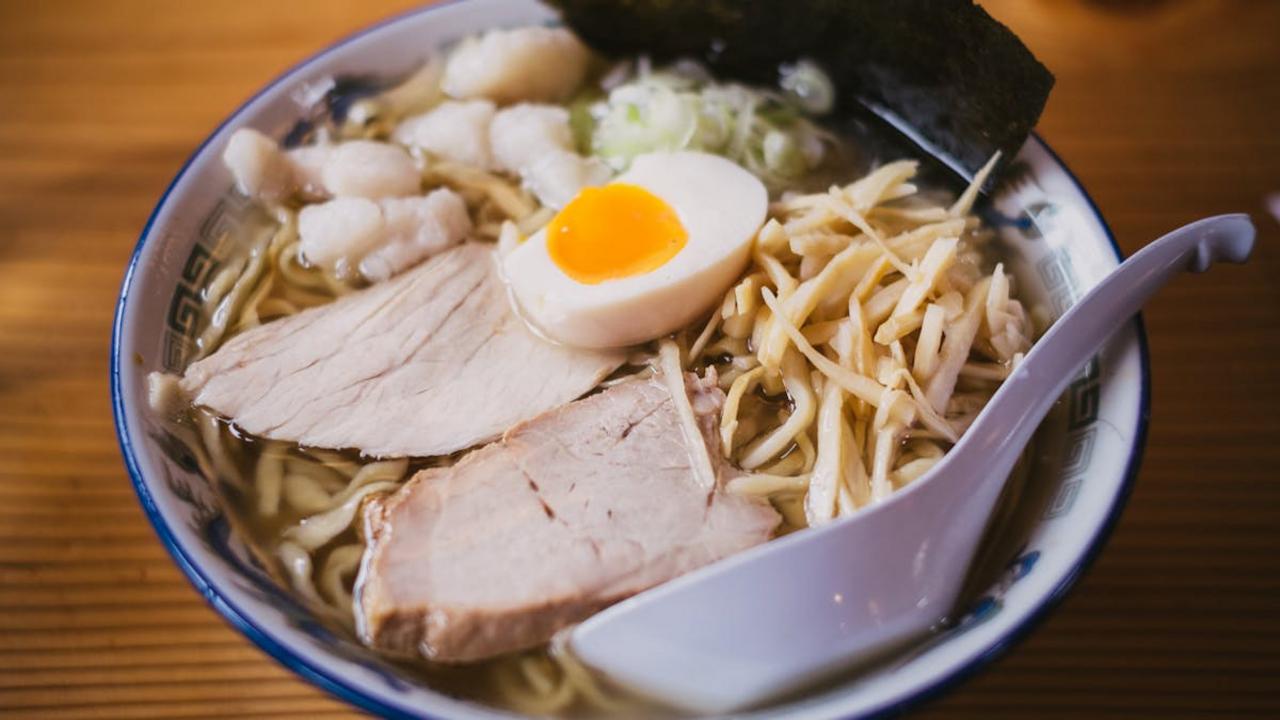
Making authentic ramen from scratch is one of those culinary undertakings that separates casual home cooks from the truly dedicated. While instant ramen takes three minutes, real ramen demands hours of simmering bones, carefully monitoring temperatures, and combining multiple components that each require their own preparation time. The broth alone needs anywhere from eight to twelve hours to develop that rich, velvety texture you crave, and you’ll need to source specific ingredients like pork bones, kombu, and bonito flakes that aren’t always easy to find at your local grocery store.
Beyond the broth, you’re looking at making your own noodles (which requires alkaline water to get that signature springy texture), preparing chashu pork that marinates overnight, soft-boiling eggs to perfection, and assembling toppings like bamboo shoots and nori. The timing and technique for each element needs to be precise, and even after all that work, achieving the same depth of flavor that your favorite ramen shop creates daily can feel impossible. Professional ramen chefs spend years perfecting their craft, and they have the advantage of making massive batches that develop better flavor than the smaller quantities you’d prepare at home. Sometimes the best option is simply finding a great ramen spot near you and letting the experts do what they do best while you enjoy the final product.
Sushi
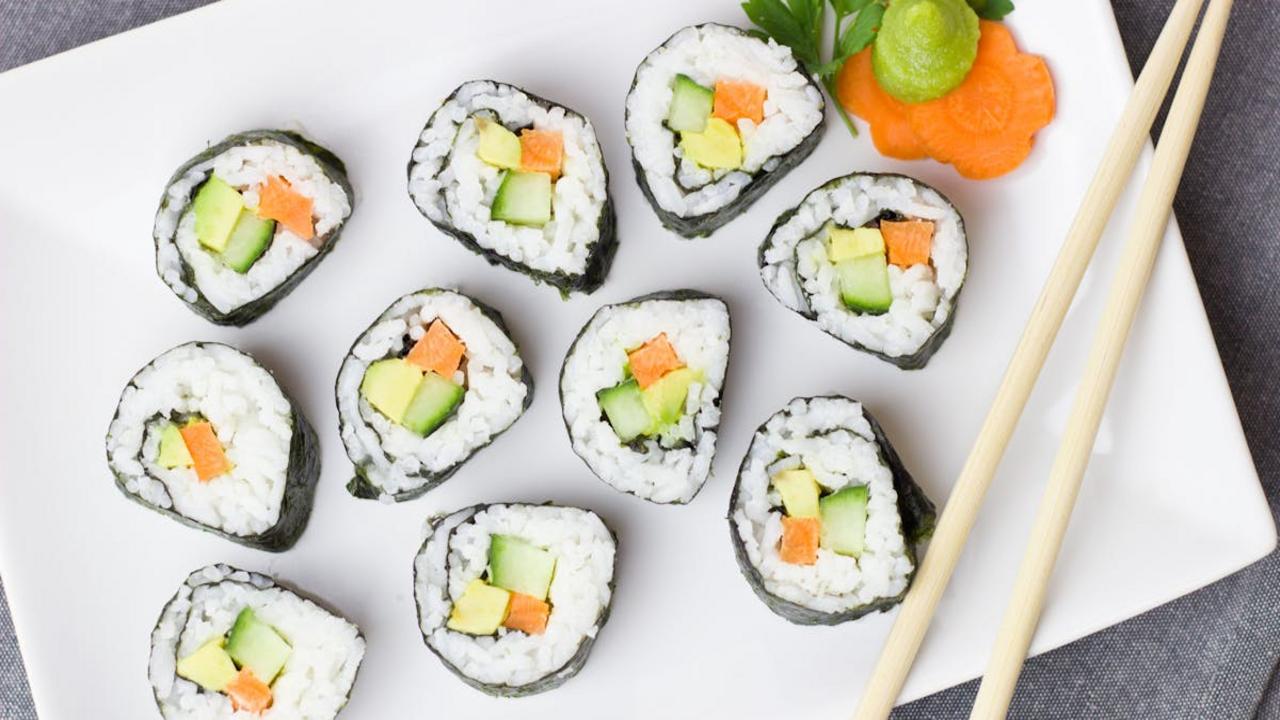
Rolling sushi at home sounds fun until you realize how much skill goes into creating those perfect, Instagram-worthy pieces. The rice alone requires precision—it needs to be seasoned just right with vinegar, sugar, and salt, then cooled to the perfect temperature. Too warm, and your nori gets soggy. Too cold, and the rice won’t stick properly. Then there’s the actual rolling technique, which takes years to master. Professional sushi chefs train for ages to get that consistent pressure that keeps everything tight without squishing the rice or tearing the seaweed. Your homemade California roll might taste decent, but it’ll probably look more like a rice burrito than the elegant cylinders served at your favorite Japanese restaurant.
Beyond technique, sourcing sushi-grade fish is another major hurdle for home cooks. You can’t just grab any salmon from the grocery store and call it safe for raw consumption. Sushi-grade fish must be frozen at specific temperatures to eliminate parasites, and finding a reliable supplier isn’t always easy or affordable. Plus, there’s the variety factor—restaurants offer dozens of fish options, specialty cuts, and unique combinations that would cost a fortune to replicate at home. Even if you nail the rice and find decent fish, matching that restaurant-quality presentation and taste requires equipment like sharp knives, bamboo mats, and practice that most home kitchens simply don’t have. Sometimes it’s better to leave the sushi rolling to the pros and enjoy their expertise.
Peking Duck
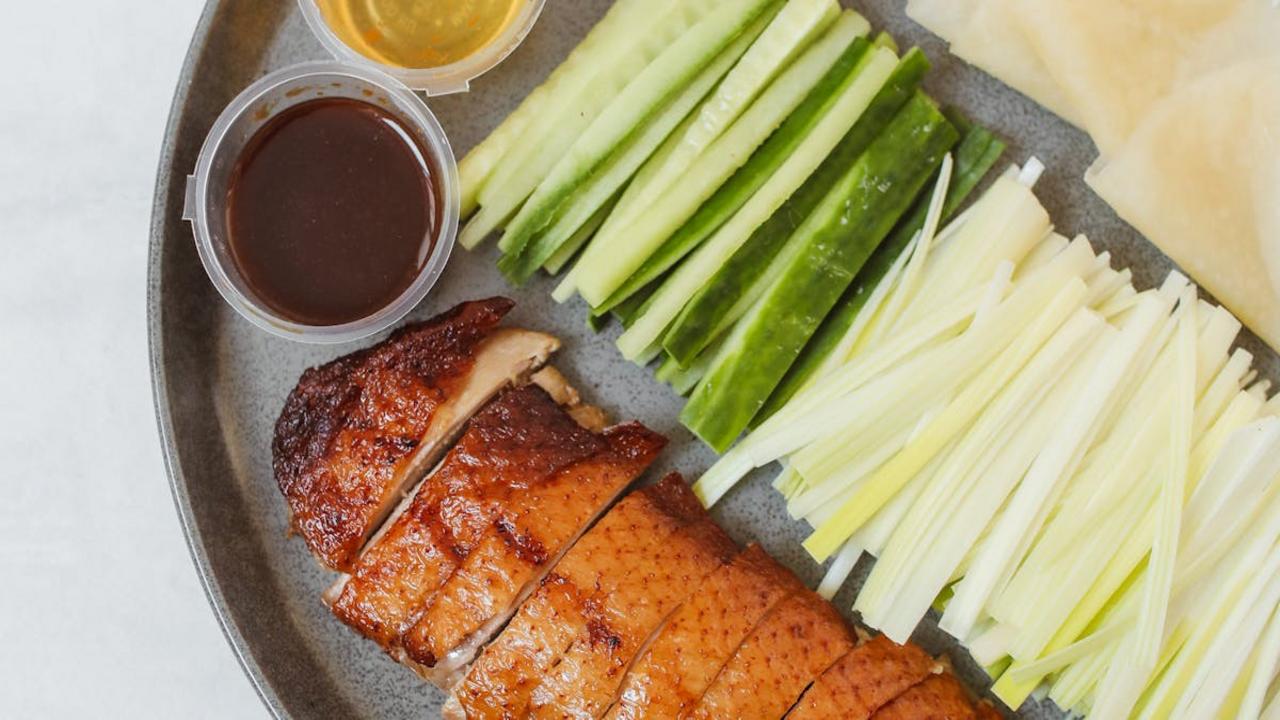
Peking Duck stands as one of the most celebrated dishes in Chinese cuisine, but attempting it at home can feel like setting yourself up for disappointment. The traditional preparation involves an elaborate process that takes days, not hours. First, the duck needs proper air-drying to achieve that signature crispy skin—a step that requires hanging the bird in a cool, dry place for at least 24 hours. Then there’s the roasting technique itself, which demands precise temperature control and multiple bastings to create that incredible lacquered finish. Professional kitchens use special ovens that create the perfect environment for achieving that golden, shatteringly crisp skin while keeping the meat underneath tender and juicy.
Even if you manage to nail the technical aspects, carving the duck properly presents another hurdle. Skilled chefs slice the skin separately from the meat in paper-thin pieces, presenting it with traditional accompaniments like thin pancakes, scallions, cucumber, and hoisin sauce. Without years of practice, your slicing technique probably won’t match restaurant precision, and the whole presentation suffers. The reality is that Peking Duck restaurants have perfected their craft over generations, investing in specialized equipment and training that simply can’t be replicated in a home kitchen. Save yourself the stress and enjoy this masterpiece where it truly shines—at a restaurant where experts can deliver the authentic experience you deserve.
Consommé
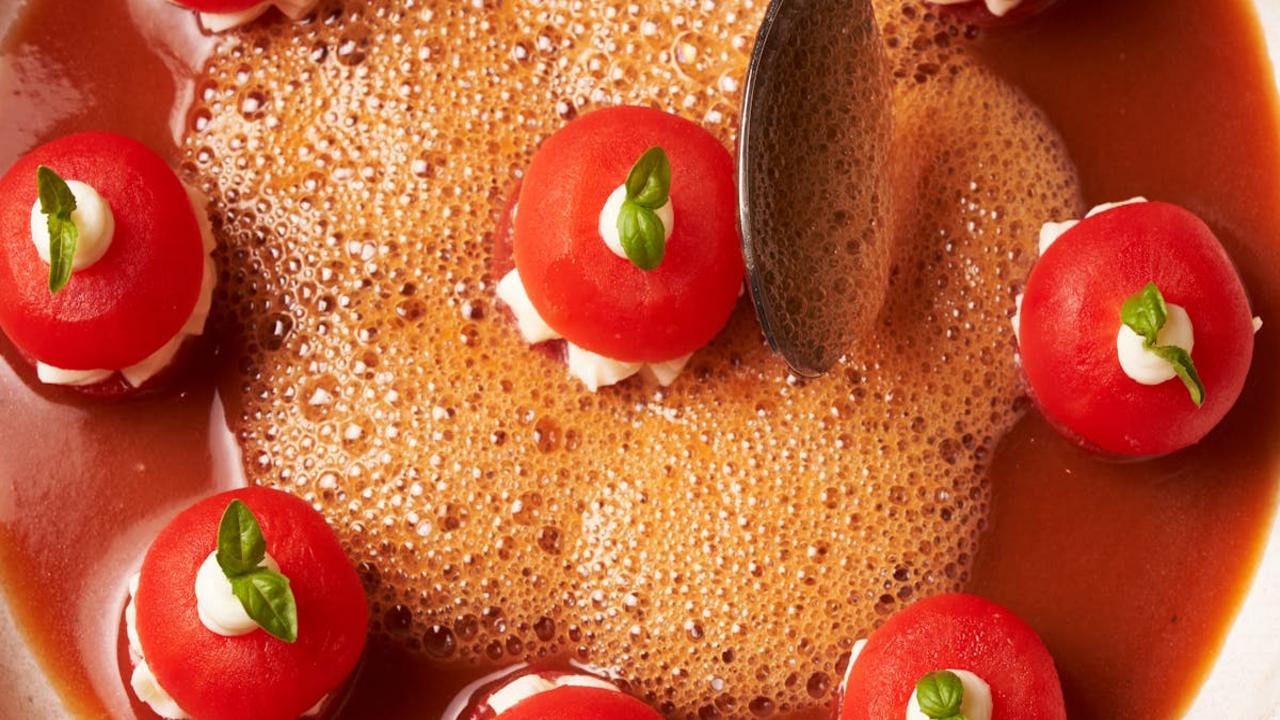
Making a truly clear, flavorful consommé is one of those kitchen tasks that separates home cooks from professional chefs. This intensely clarified broth requires patience, precision, and a technique called “rafting” that uses egg whites and ground meat to filter out every impeck of cloudiness. You’ll spend hours carefully monitoring temperature, never letting the liquid boil, and watching as the raft slowly does its magic. The process demands constant attention and a gentle touch that’s hard to maintain when you’re juggling other tasks in a home kitchen. One wrong move—a bubble too vigorous, a stir too enthusiastic—and you’ll end up with murky broth instead of that gorgeous, crystal-clear liquid.
Beyond the technical difficulty, you need top-quality stock as your foundation, which means making homemade stock first if you want restaurant-worthy results. Most home cooks don’t have access to the premium bones and aromatics that restaurants purchase in bulk. The entire process, from stock to finished consommé, can take two full days of work for what amounts to a relatively simple-looking bowl of broth. Restaurants serve this as a first course to showcase their skill, but at home, you’re better off appreciating it when dining out and saving your energy for dishes that give you more bang for your cooking buck.
Turducken
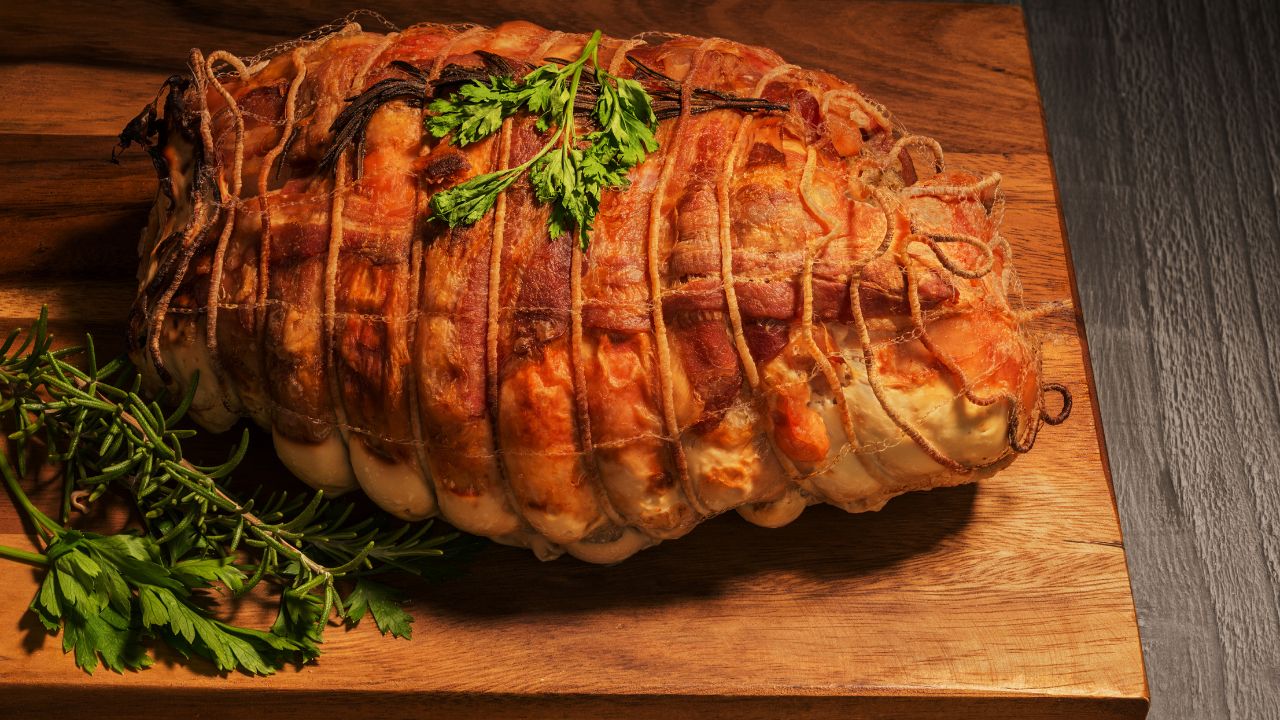
If you’ve ever wondered what it’s like to tackle a culinary beast, turducken is your answer. This legendary dish involves deboning a chicken, stuffing it inside a deboned duck, and then nestling both inside a deboned turkey. Each layer gets its own stuffing, creating a mind-blowing combination of flavors and textures. The process demands serious knife skills, patience, and a hefty time commitment. Most home cooks don’t have the specialized knowledge to properly debone three birds without turning them into a mangled mess. Even if you manage the deboning, cooking this massive creation evenly without drying out one layer while undercooking another becomes a mathematical nightmare.
The truth is, professional chefs who specialize in turducken have years of experience under their belts. They know exactly how to handle the meat, season each component perfectly, and monitor temperatures throughout the lengthy cooking process. At home, you’re looking at several hours of prep work before the bird even hits the oven, followed by an extended roasting time that can leave you second-guessing every decision. While the concept sounds amazing for a showstopping holiday meal, the reality involves way too much stress for most home kitchens. You’re better off ordering this spectacular creation from experts who can guarantee that perfect, Instagram-worthy slice every single time.
Soufflé
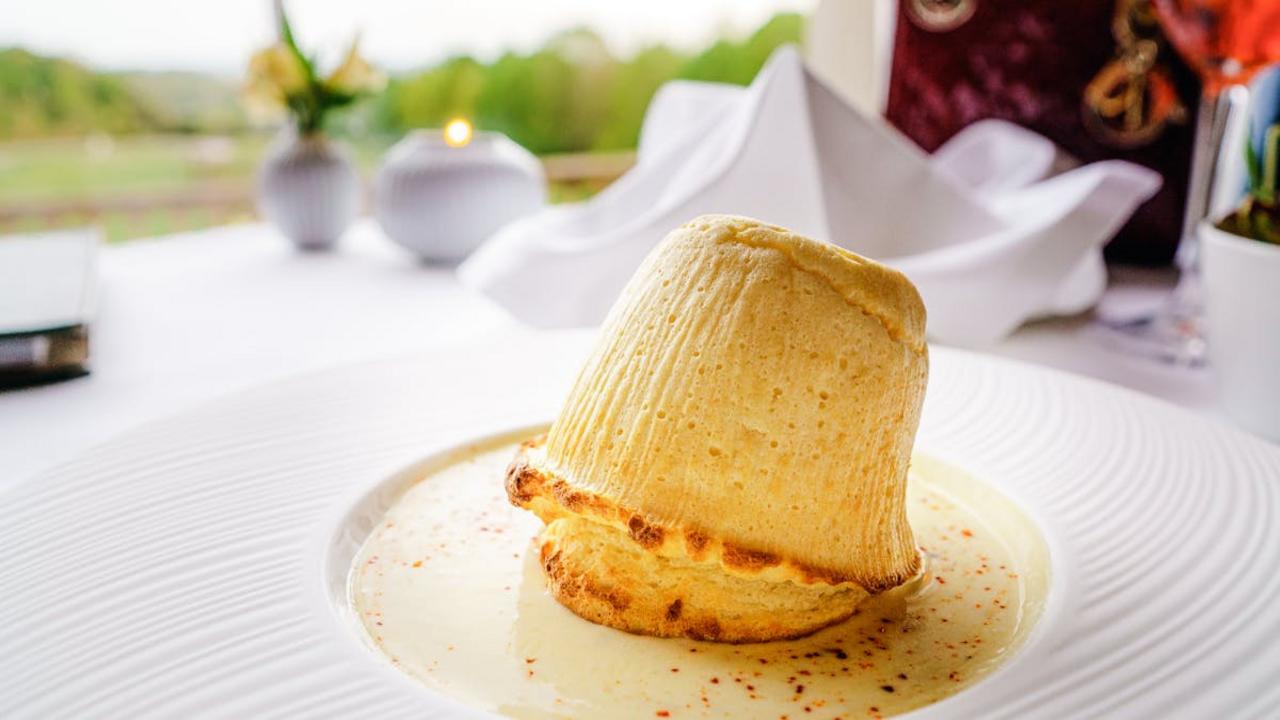
Making a soufflé at home sounds romantic until you’re standing in front of your oven, watching through the glass like it’s a high-stakes reality show. This French masterpiece demands precision, perfect timing, and nerves of steel. The egg whites need whipping to exact peaks, the base requires careful folding without deflating all that hard-earned volume, and your oven temperature must be spot-on. Open that door too early, and you’ll watch your beautiful creation collapse faster than a house of cards in a windstorm. Restaurant kitchens have this down to a science, with trained pastry chefs who’ve mastered the delicate balance thousands of times over.
What really sets restaurant soufflés apart is their flawless execution under pressure. Professional kitchens maintain consistent oven temperatures and have the luxury of making multiple attempts during prep time. At home, you’re working with variable ovens, unpredictable humidity, and probably some nerves that make your hand shake while folding in those egg whites. The texture needs to be cloud-like yet structured, with a perfectly golden exterior and that signature dramatic rise. Even experienced home cooks find themselves second-guessing every step. Sure, you could attempt one for a special occasion, but be prepared for the possibility that your first few tries might not achieve that Instagram-worthy height you’re dreaming of.
Beef Wellington
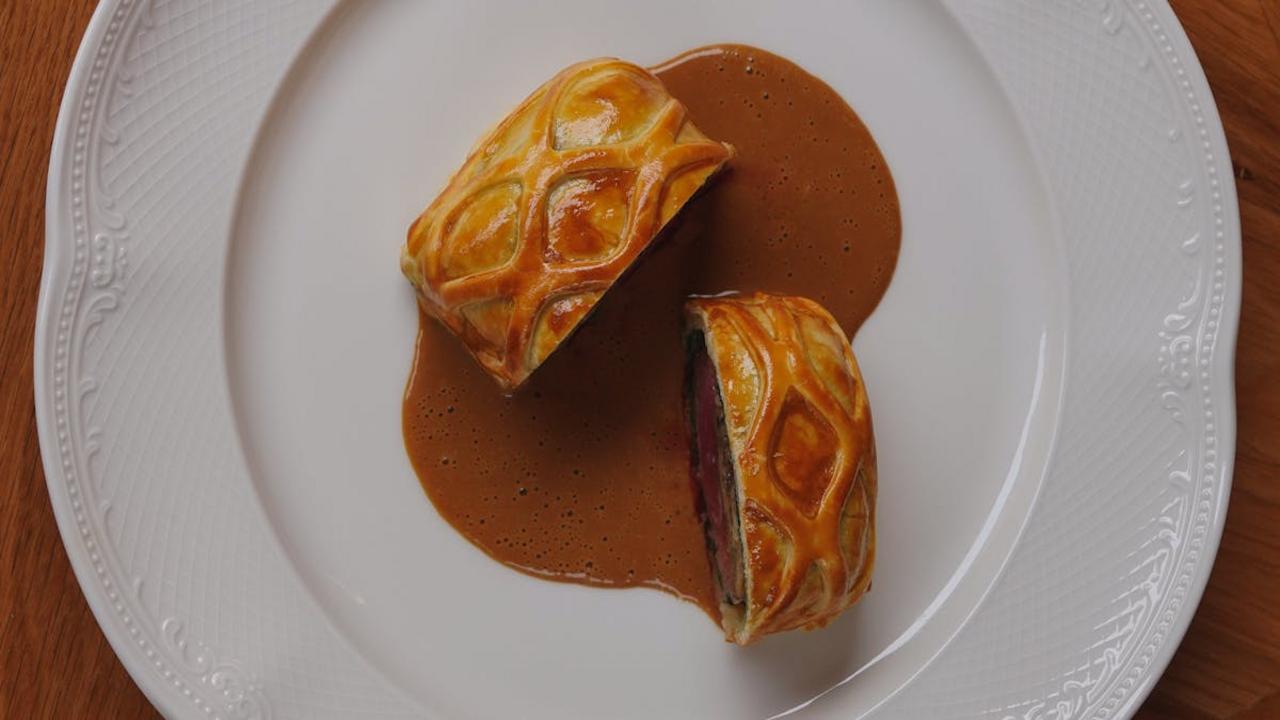
This British masterpiece looks absolutely stunning when it’s served tableside at a fancy restaurant, but trying to pull it off at home can quickly turn into a stress-filled disaster. You’re dealing with multiple layers that all need perfect timing: a tender beef tenderloin seared just right, a mushroom duxelles that can’t be too wet, delicate prosciutto, and flaky puff pastry that must be golden brown without overcooking the meat inside. The temperature control alone is enough to make even confident home cooks second-guess themselves, and getting that Instagram-worthy slice with a perfectly pink center takes serious practice and precision.
What makes this dish particularly tricky is that you can’t really check on your progress once everything’s wrapped up and in the oven. You’re basically flying blind, hoping your internal meat thermometer will save the day. The puff pastry tends to get soggy if your mushroom mixture isn’t dry enough, and overcooking the beef by even a few minutes means you’ve wasted expensive ingredients and hours of effort. Professional chefs have the advantage of high-powered convection ovens and years of experience knowing exactly how their equipment performs, which is why their Beef Wellington consistently comes out picture-perfect while home versions often end up either undercooked or disappointingly dry.
Mille-Feuille
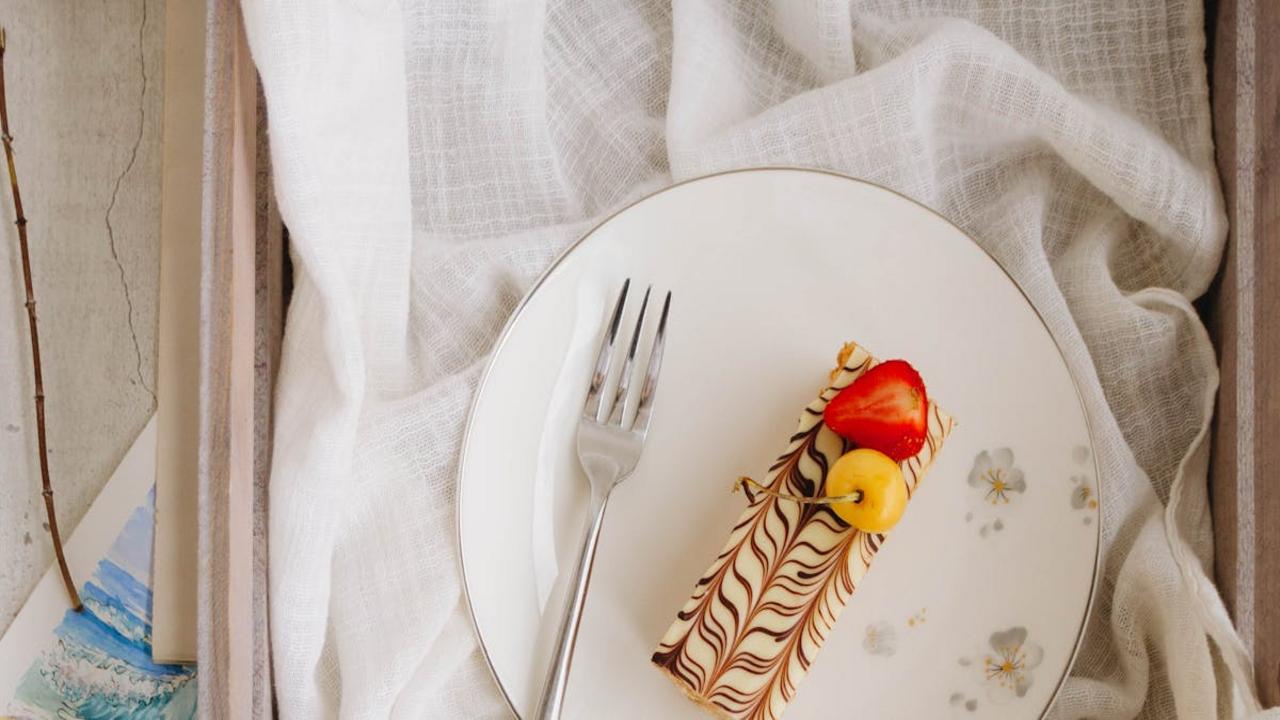
The delicate layers of puff pastry in a mille-feuille demand precision that’s honestly pretty intimidating for most home cooks. Getting those paper-thin sheets to rise evenly while maintaining their crisp texture requires temperature control and timing that professional kitchens master through years of practice. The pastry cream filling needs to be smooth and stable, holding its shape between layers without becoming too thick or runny. Plus, that glossy fondant topping with its signature feathered chocolate design? That’s a whole other skill set you’ll need to develop.
Professional pastry chefs spend countless hours perfecting the lamination process that creates those hundreds of flaky layers in puff pastry. At home, even if you follow every step correctly, humidity can sabotage your efforts, turning crispy layers soggy before you even serve them. The assembly itself becomes a balancing act—literally—as you try to stack three fragile pastry rectangles with cream without everything sliding apart. Most restaurant versions also feature additional components like fresh berries or caramel that need to complement rather than overpower the delicate pastry. When you order this classic French dessert at a restaurant, you’re really paying for expertise that takes years to develop, not just ingredients and time.
Baked Alaska
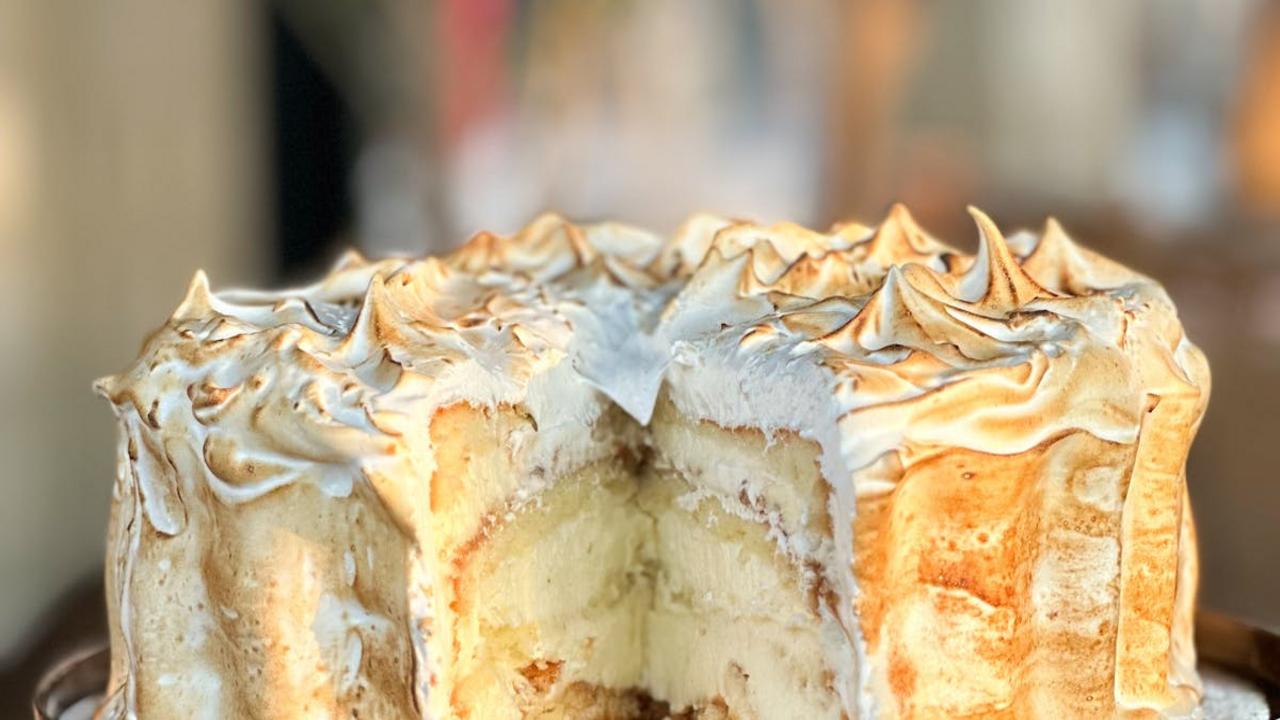
This showstopper dessert combines cake, ice cream, and torched meringue into one spectacular creation that’s notoriously tricky to pull off at home. The challenge lies in getting everything at the right temperature—your ice cream needs to stay frozen solid while you torch the meringue coating to golden perfection. Most home kitchens don’t have the blast freezers that restaurants use, making it nearly impossible to achieve that perfect balance. Plus, creating a stable meringue that won’t weep or collapse requires precise timing and technique that even experienced home bakers struggle with.
Restaurant pastry chefs have this dessert down to a science, working with specialized equipment and years of practice to nail the dramatic presentation every single time. They can pipe towering meringue peaks that hold their shape perfectly and torch them tableside for maximum wow factor. At home, you’re racing against melting ice cream while trying to get your meringue just right, often ending up with a soggy mess or a partially melted center. The theatrical flambeéing technique restaurants sometimes use adds another layer of complexity that’s honestly better left to the professionals who do this nightly.
Croquembouche

This towering French dessert is a showstopper that demands serious pastry skills and nerves of steel. You’ll need to master perfect choux pastry, create glossy caramel that stays workable without burning, and then assemble dozens of cream puffs into a gravity-defying cone shape. The timing is everything—work too slowly and your caramel hardens into an unusable mess, work too quickly and you risk burning your fingers while gluing each puff into place. Professional pastry chefs train for years to get this right, and even they sometimes need multiple attempts. The structural engineering alone requires understanding weight distribution and balance that most home cooks simply haven’t developed.
Beyond the technical difficulty, you’ll face practical obstacles at home. Your kitchen probably lacks the specialized cone mold that makes construction easier, and your oven may not accommodate the massive height this dessert reaches. The caramel work requires constant heat adjustments and split-second decisions that separate beautiful amber coating from bitter, burnt sugar. Even if you manage the assembly, transporting this delicate tower without disaster is nearly impossible. Most restaurants prepare croquembouche in-house specifically because it doesn’t travel well and needs last-minute finishing touches. Save yourself the stress and order this magnificent creation from professionals who have the space, tools, and expertise to make it shine.