12 Fast Food Trends Shaking Up Your Drive Thru Right Now
The fast food landscape transforms before our eyes, and I’m genuinely excited about what’s happening. From plant-based options that actually taste incredible to ghost kitchens revolutionizing how we think about restaurant spaces, these changes mirror what I’ve been advocating in home cooking—fresh ingredients, smart technology, and mindful choices.
You know what strikes me most? These trends reflect the same principles I apply in my kitchen: efficiency without sacrificing quality, health-conscious decisions, and using technology to enhance rather than replace the human touch. Mobile apps streamline ordering just like meal prep simplifies weeknight dinners.
Whether it’s sustainable packaging or personalized loyalty programs, fast food chains now prioritize what matters to conscious consumers. These twelve trends show how the industry adapts to our evolving relationship with food—convenient yet thoughtful, quick yet nourishing.
Restaurant Automation
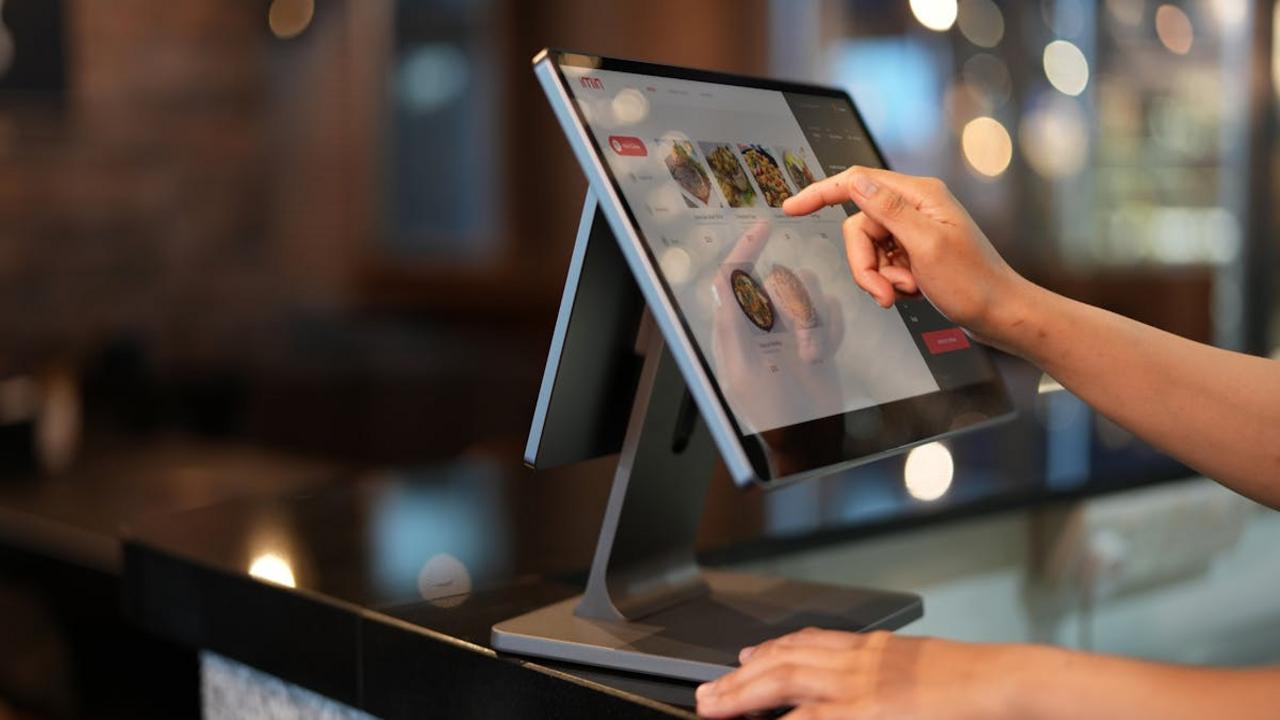
You know what catches my eye every time I pull up to a drive-thru these days? Those sleek kiosks and robotic voices taking my order instead of a human voice crackling through the speaker. Restaurant automation has completely transformed how we interact with fast food, and honestly, it reminds me of my own kitchen evolution. Just like how I’ve learned to trust my food processor for perfectly consistent spice blends or my slow cooker for hands-off cooking, these restaurants are finding ways to create consistency while freeing up their human staff for more meaningful tasks. The precision these automated systems bring to order-taking actually mirrors how I approach my own cooking – reducing variables that can throw off the final result.
What really fascinates me about this trend is how it’s pushing fast food toward the same reliability I strive for in my home cooking. When I’m developing a new recipe, I want every single batch to turn out exactly the same way, and that’s exactly what these automated systems achieve for restaurants. They’re using AI-powered ordering systems, robotic fryers that know precisely when your fries reach that perfect golden color, and even automated assembly lines that layer ingredients with mathematical precision. Sure, it might feel a bit impersonal at first, but think about it this way – it means your favorite spicy chicken sandwich will taste exactly the same whether you order it on a Tuesday morning or a Friday night rush. That consistency is something I deeply respect as someone who values getting the same delicious results every single time I cook.
Smart Kitchen Technology

You know what gets me excited about fast food these days? Watching how restaurants integrate smart kitchen technology that actually makes sense. I’m talking about AI-powered fryers that know exactly when your fries reach that perfect golden crisp, or automated grill systems that cook your burger patty to the precise temperature every single time. These aren’t just fancy gadgets – they’re tools that help kitchens work smarter, not harder. As someone who values consistency in my own cooking, I appreciate how this technology helps fast food workers focus on what matters most: getting fresh, properly cooked food to you quickly.
What really impresses me is how these smart systems reduce food waste while improving food safety. Imagine sensors that track ingredient freshness and alert staff before anything spoils, or automated inventory systems that predict exactly how much food to prep for the lunch rush. These innovations remind me of my own kitchen philosophy – being mindful about waste while maintaining quality. Sure, I still prefer making my own meals from scratch with whole ingredients, but I respect how technology helps fast food chains serve millions of people more efficiently. The real win happens when these smart kitchens free up human workers to provide better customer service and ensure your order gets the attention it deserves.
Healthier Kids Menus

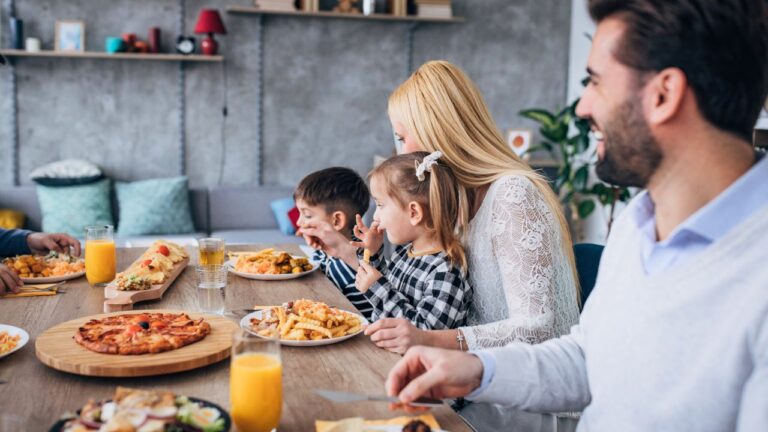
You know what gets me excited? Watching major chains finally recognize that feeding our little ones doesn’t have to mean processed nuggets and sugary drinks. Fast food restaurants are rolling out kids’ menus that would make any parent do a happy dance – think grilled chicken strips instead of breaded ones, apple slices with fun dips, and milk or water as the default drink options. These changes remind me of how I approach cooking at home: starting with real ingredients and building from there.
What I love most about this shift is seeing restaurants add globally-inspired options that mirror what many of us cook in our own kitchens. You’ll find quinoa bowls, veggie-packed wraps, and even mini versions of Mediterranean-style dishes appearing on these menus. The best part? Many chains now let kids customize their meals, teaching them to make thoughtful food choices early on. This trend speaks to something I’ve always believed – when we give children real food that tastes good, they develop a natural appreciation for wholesome ingredients that will serve them throughout their lives.
Delivery Partnerships
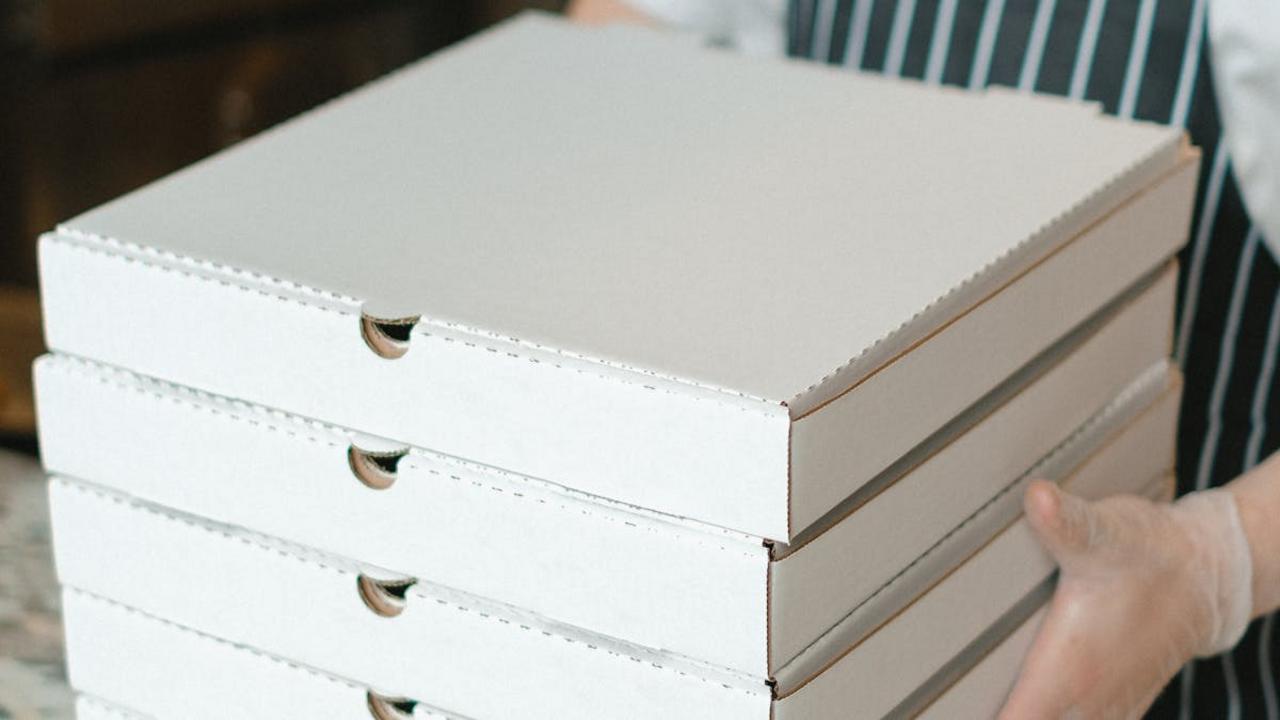
Fast food chains now team up with multiple delivery platforms simultaneously, and honestly, this shift changes everything for us home cooks who sometimes need that quick meal solution. You can order from the same restaurant through DoorDash, Uber Eats, and Grubhub, each offering different promotions and delivery times. These partnerships create competition that benefits you directly – better prices, faster service, and exclusive menu items that appear only on certain apps. I love how this mirrors what we do in our kitchens when we source ingredients from different suppliers to get the best quality and value.
What fascinates me most about these delivery partnerships is how they’re pushing restaurants to think beyond their physical locations, much like how we adapt our home cooking based on what’s available. Chains now create delivery-only brands and ghost kitchens that exist solely within apps, experimenting with fusion concepts and limited-time offerings. This approach reminds me of my own cooking philosophy – you work with what you have and create something new. These partnerships also mean restaurants can test bold new flavors and concepts without the overhead of a full storefront, bringing more diverse options right to your door when you need a break from cooking.
Personalized Loyalty Programs

Fast food chains now track your favorite orders, preferred locations, and even the time you typically visit to create loyalty programs that actually know you. Instead of generic “buy 10, get 1 free” cards, these digital programs remember that you always order extra pickles on your burger or skip the onions entirely. They’ll send you targeted offers for items you actually want, maybe a discount on that spicy chicken sandwich you order every Tuesday after your workout. This data-driven approach means your rewards feel more like personalized recommendations from someone who pays attention to your preferences.
I appreciate this shift because it mirrors how I think about cooking at home – understanding what people genuinely enjoy rather than pushing one-size-fits-all solutions. Just like how I adjust recipes based on my family’s taste preferences, these programs adapt to your dining habits. You might receive early access to new menu items that align with your dietary choices, or points that accumulate faster on healthier options if that’s your pattern. While I still encourage making fresh meals at home whenever possible, I recognize that busy schedules sometimes require convenience. These smarter loyalty programs at least make those occasional fast food visits feel more intentional and less wasteful.
Sustainable Packaging
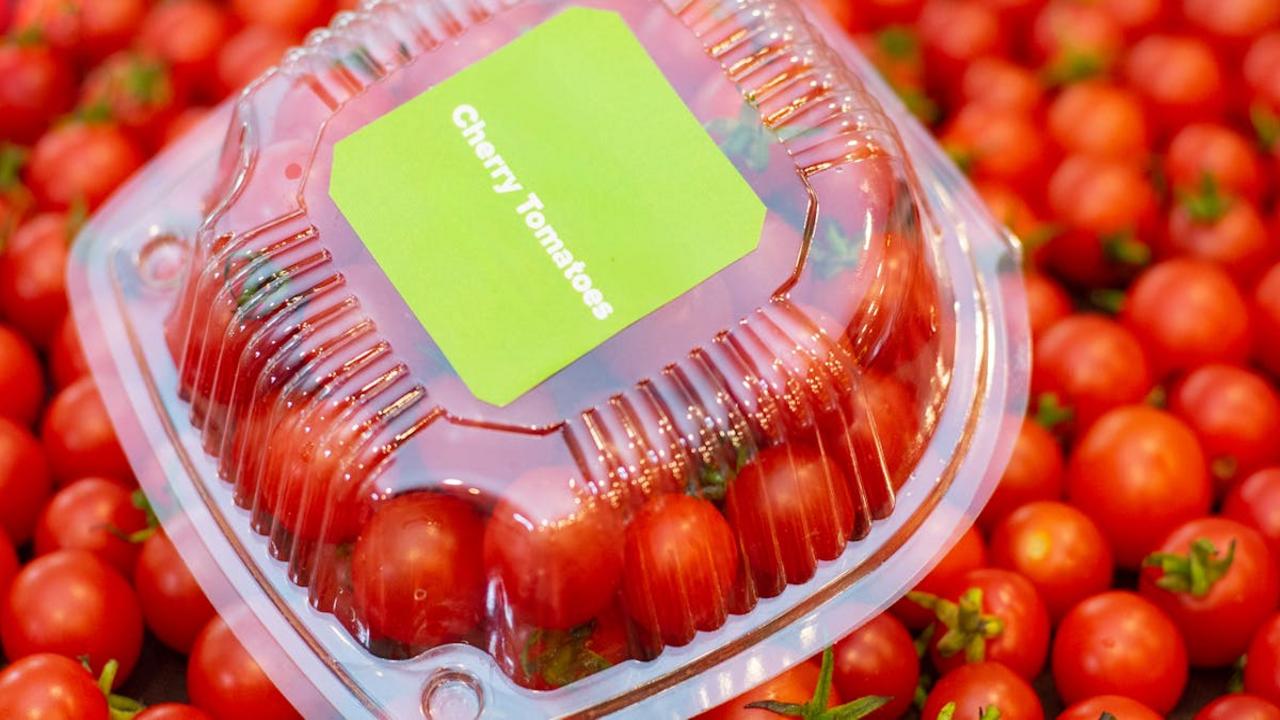
You know what gets me excited these days? Walking into my favorite burger joint and seeing them hand me my order in compostable containers that won’t sit in a landfill for the next hundred years. Fast food chains are finally catching up to what we home cooks have known forever – packaging matters just as much as what’s inside. Major brands are swapping out plastic containers for plant-based alternatives, paper wraps made from recycled materials, and even edible packaging that you can munch on instead of tossing. It’s like watching the industry finally understand that feeding people well means caring for the planet too.
What really impresses me is how these changes mirror the mindset I try to bring to my own kitchen – thinking about the whole picture, not just the immediate meal. When I prep ingredients at home, I save vegetable scraps for stock and use glass containers that last for years. Now fast food companies are adopting similar thinking, creating packaging that breaks down naturally or gets recycled into new products. Some chains even offer incentives for bringing your own reusable cups, which reminds me of shopping at the farmer’s market with my canvas bags. This shift shows that convenience food doesn’t have to mean compromising our values.
Breakfast All Day
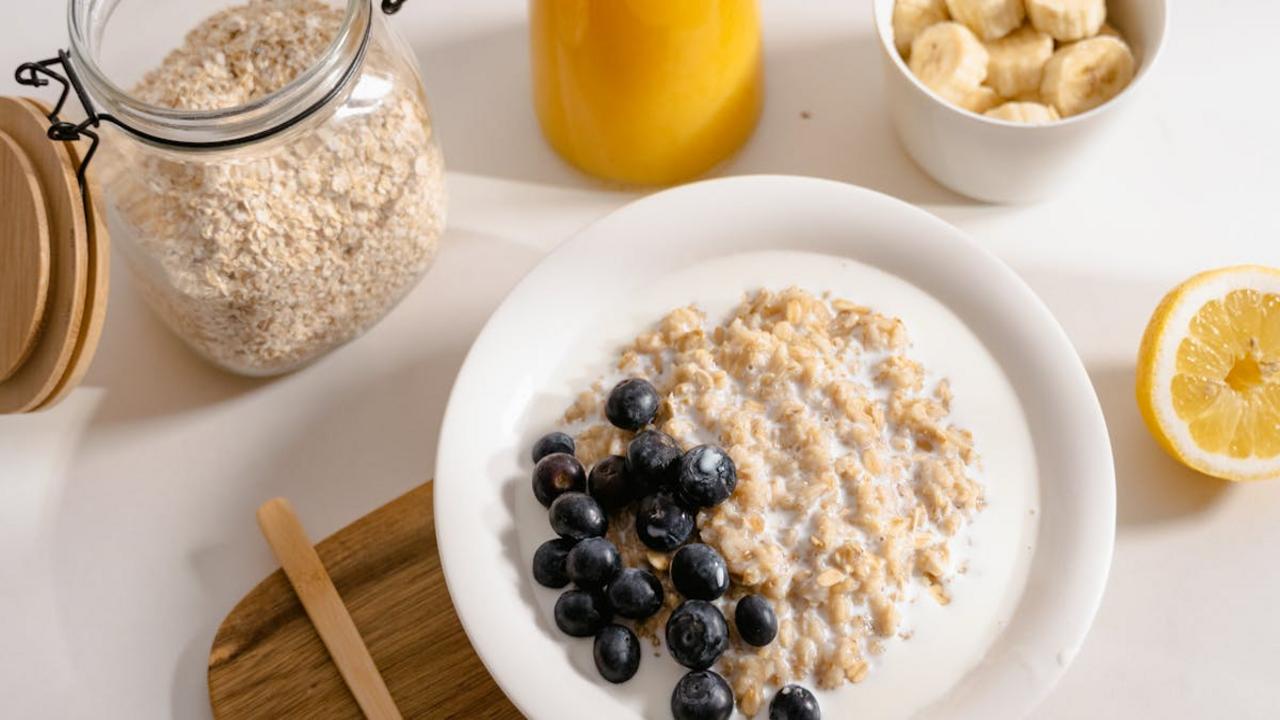
You know what really gets me excited about this breakfast-all-day trend? It’s like fast food chains finally caught up with what home cooks like us have always known – morning flavors don’t need to disappear at 10:30 AM! I’ve been making breakfast hash for dinner and pancakes for afternoon snacks in my kitchen for years, and now you can grab those fluffy buttermilk pancakes or that perfectly seasoned breakfast sandwich whenever your body actually craves them. There’s something beautiful about honoring our natural rhythms instead of forcing ourselves into arbitrary meal windows.
What I love most is watching chains get creative with their breakfast offerings throughout the day. They’re adding fresh ingredients like avocado, spinach, and real whole grains to their breakfast items – ingredients I always keep stocked in my pantry. Sure, you won’t get the same nutritional density as my homemade sweet potato breakfast bowls with fresh herbs and free-range eggs, but this trend opens doors for people to think differently about when and how they fuel their bodies. It’s a step toward breaking free from processed food schedules and listening to what your body actually wants, which is exactly the kind of mindful eating I champion in my kitchen.
Subscription Services

Fast food chains now offer subscription services that give you unlimited coffee, discounted meals, or exclusive menu access for a monthly fee. McDonald’s McCafé Pass, Panera’s Sip Club, and Taco Bell’s Taco Lover’s Pass have transformed how we think about quick dining. These programs create loyalty while offering genuine value – something I appreciate as someone who believes in getting the most from every food dollar. You pay upfront and enjoy perks throughout the month, making your morning coffee run or lunch break more predictable and budget-friendly.
What excites me about this trend is how it mirrors the meal planning I do at home – you invest time and resources upfront for consistent, satisfying results. Just like batch cooking grains and proteins for the week, these subscriptions help you plan ahead and reduce daily decision fatigue. While I always encourage cooking from scratch, I understand busy schedules sometimes demand convenience. If you’re going to grab fast food, these services help you make smarter choices by encouraging you to stick with one brand rather than impulsively choosing whatever catches your eye. The key is using them mindfully, just like any tool in your food routine.
Digital Drive Thru Lanes
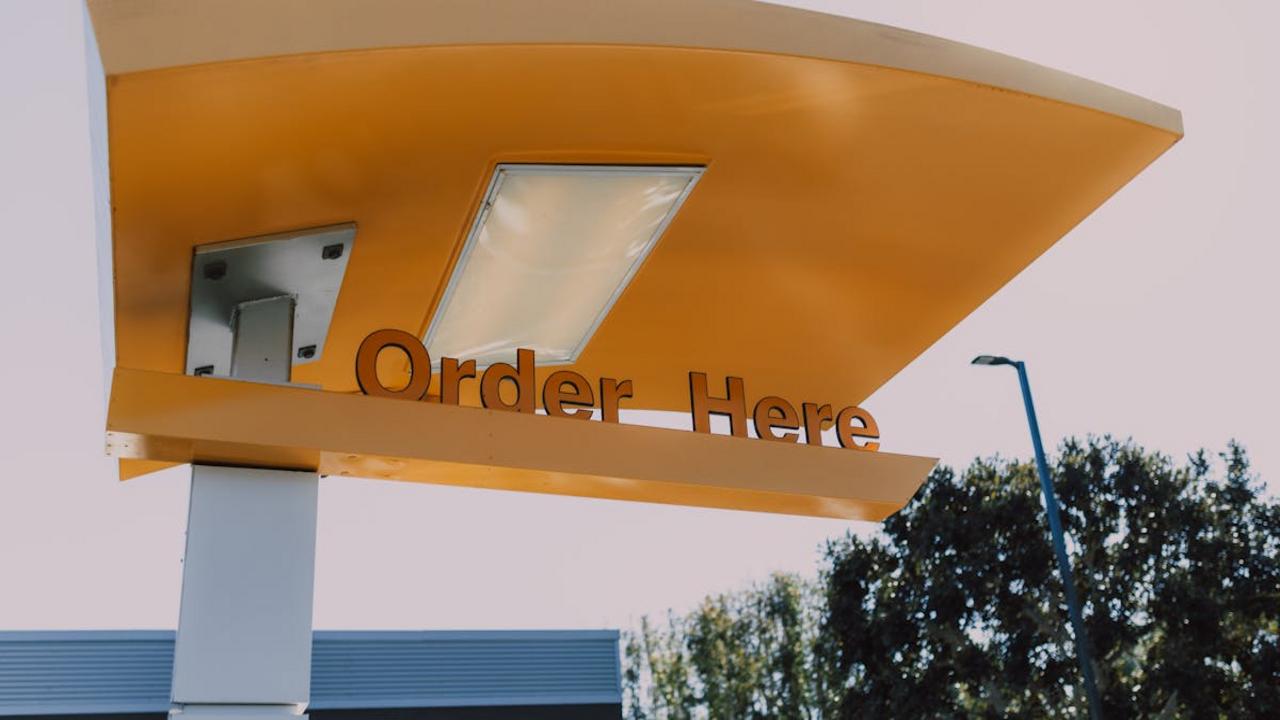
You know what gets me excited about modern fast food? It’s watching technology transform how we connect with our meals, even when we’re grabbing something quick on busy weekdays. Digital drive-thru lanes are revolutionizing the entire ordering experience, turning those traditional speaker boxes into interactive touchscreens and AI-powered systems. Picture this: you pull up to a sleek digital menu board that recognizes your car, remembers your usual order, and even suggests modifications based on your dietary preferences. These smart systems can detect whether you’re a returning customer and instantly pull up your favorite combinations, making the whole process feel surprisingly personal and efficient.
What really impresses me about these digital lanes is how they’re making space for healthier choices and customization options that weren’t possible before. The screens display detailed nutritional information, ingredient lists, and allergen warnings right there in front of you – no more guessing games about what’s actually in your food. You can easily swap ingredients, adjust portions, or discover lighter alternatives with just a few taps. Some locations even let you pre-order through mobile apps, so your freshly prepared meal is ready the moment you arrive. This technology bridges the gap between convenience and conscious eating, giving you more control over what goes into your body without sacrificing the speed we all crave during hectic days.
Mobile Ordering Apps
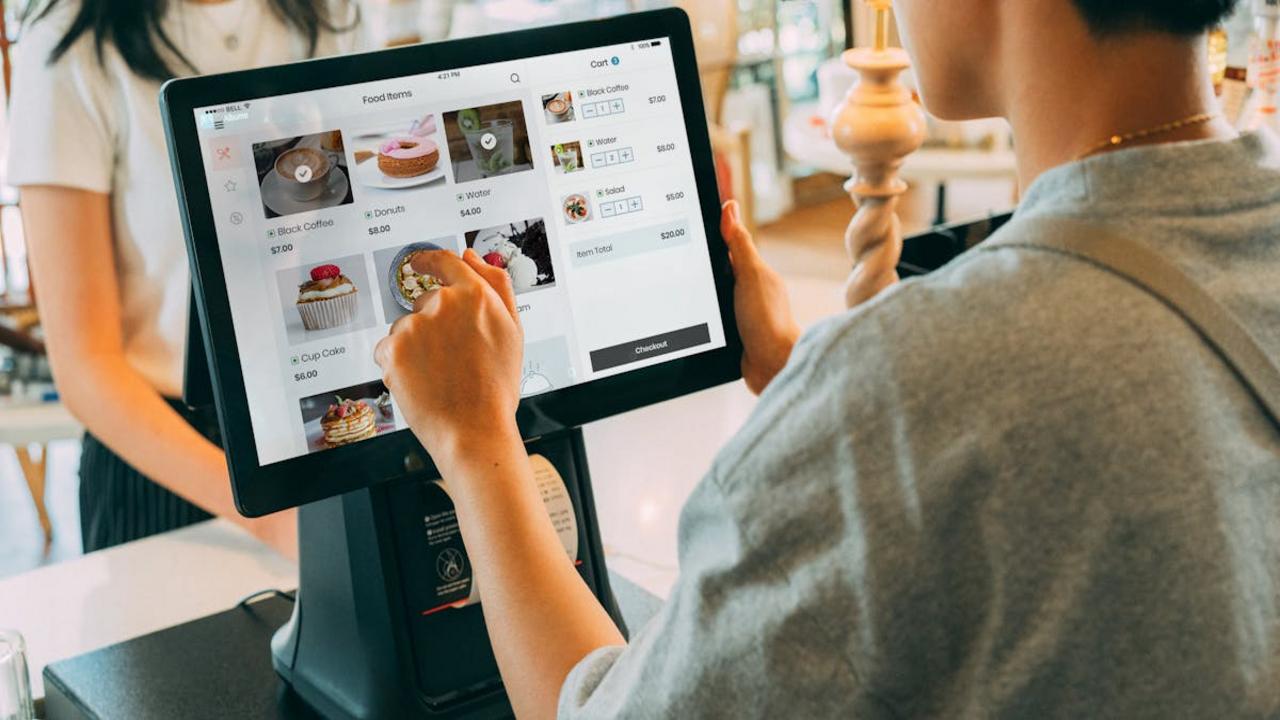
You know what’s completely transformed how I think about fast food convenience? These mobile ordering apps that basically put an entire restaurant in your pocket! I’m talking about skipping those long drive-thru lines while you’re rushing between grocery shopping and meal prep sessions. The beauty lies in how you can customize your order down to the smallest detail – removing processed additives, asking for extra vegetables, or even requesting nutritional information right there on your phone. Instead of feeling pressured at the speaker, you get time to make thoughtful choices that align with your health goals.
What really excites me is how these apps often reveal menu items you never knew existed – like those fresh salad options hidden behind the burger promotions, or seasonal ingredients that remind me of farmers market finds. Many chains now offer real-time ingredient sourcing information, so you can choose restaurants committed to fresher, less processed options. The best part? You can schedule pickup times around your cooking schedule, grab a quick protein source between homemade meal preparations, or even discover new flavor combinations that inspire your next kitchen experiment. It’s like having a food research tool that saves both time and helps you make better choices!
Ghost Kitchens
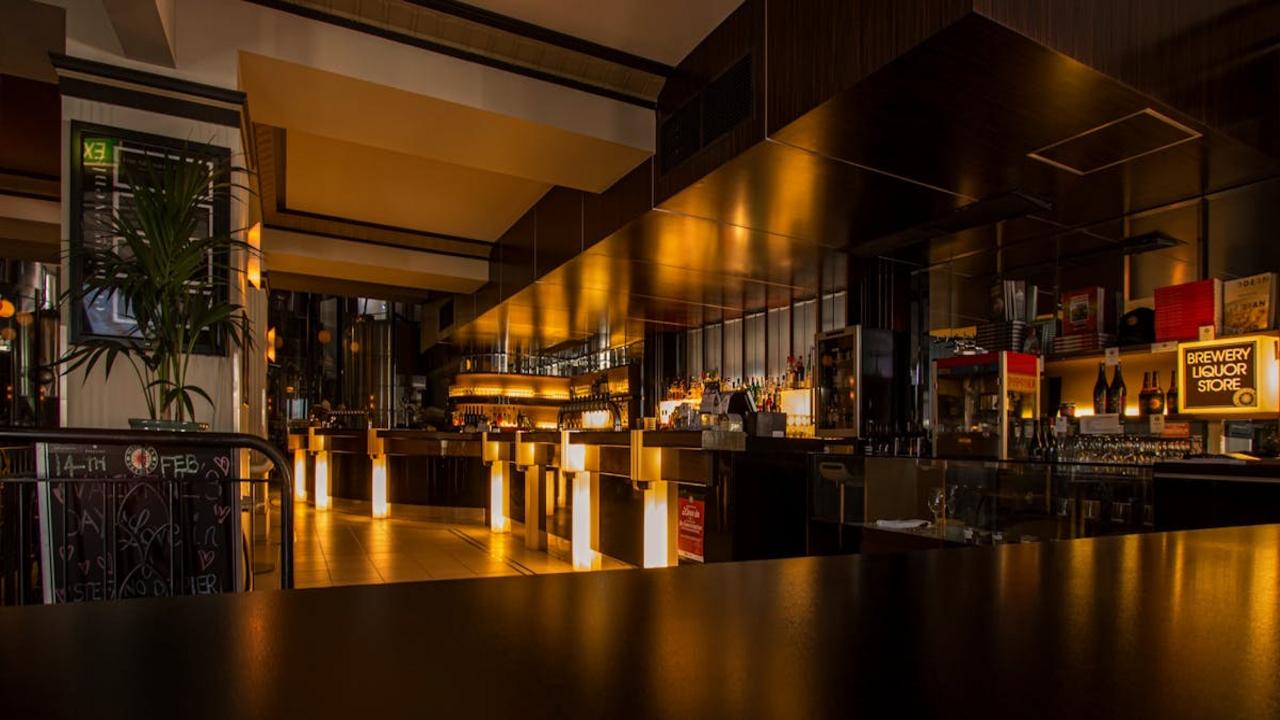
You know what fascinates me about ghost kitchens? They’re completely changing how we think about restaurant food without us even realizing it. These delivery-only operations run from commercial spaces with no dining rooms, no waitstaff, and sometimes no storefront at all. Your favorite app-ordered meal might come from a shared kitchen space where five different “restaurants” operate side by side, each focusing purely on creating amazing food for delivery. It’s like the ultimate behind-the-scenes cooking operation, and honestly, I find the efficiency pretty inspiring.
What excites me most is how ghost kitchens allow talented chefs to focus entirely on what they do best—cooking—without the overhead costs of traditional restaurants. I’ve started seeing some incredible global fusion concepts emerge from these spaces, where cooks can experiment with bold flavors and authentic techniques without worrying about appealing to walk-in customers. Think Korean-Mexican fusion bowls or Mediterranean-Indian wraps that might seem too adventurous for a traditional storefront. The lower startup costs mean more diverse voices can enter the food scene, bringing us dishes that reflect real cultural creativity rather than playing it safe with standard fast food offerings.
Plant Based Menu Items
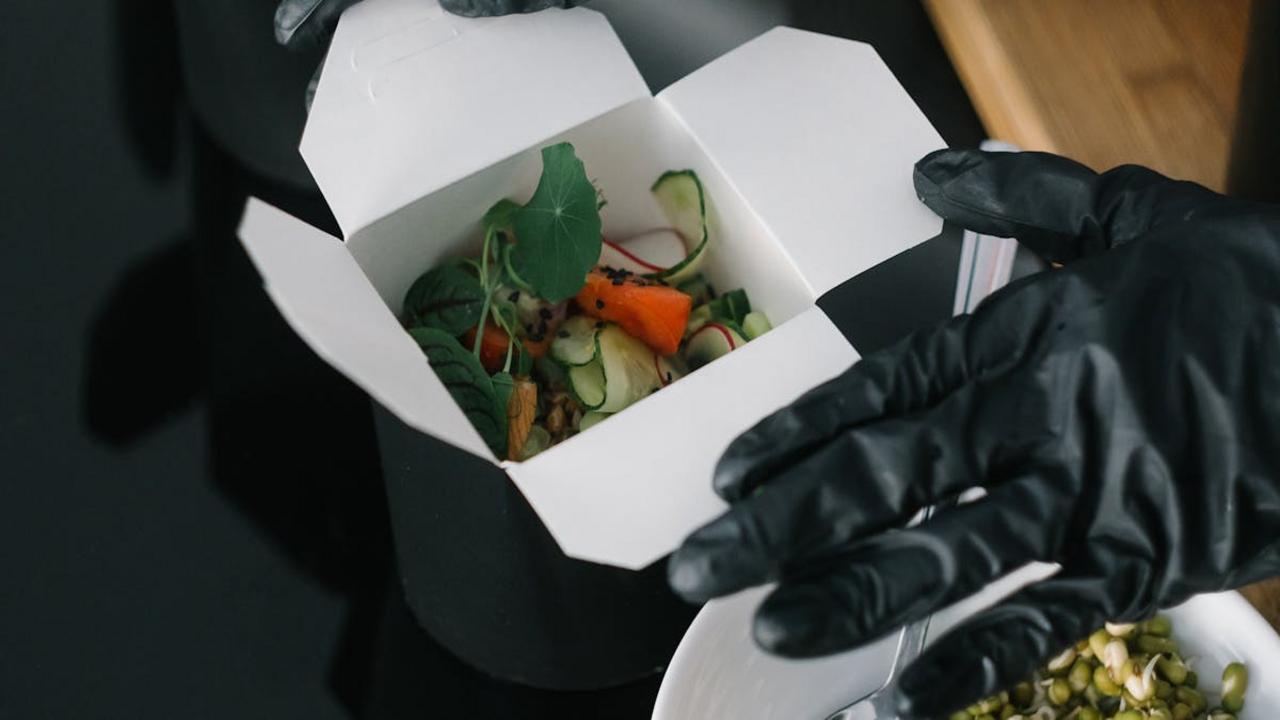
Fast food chains are finally catching up to what I’ve been preaching in my kitchen for years—plants deserve the spotlight! You’re seeing Beyond Burgers at McDonald’s, Impossible Whoppers at Burger King, and even KFC testing their Beyond Fried Chicken. What excites me most is watching these massive chains recognize that plant-based doesn’t mean flavorless cardboard. They’re investing serious time and money into creating burgers that bleed, chicken that has that satisfying bite, and even dairy-free milkshakes that actually taste creamy and indulgent.
This shift opens doors for home cooks like you and me to experiment more boldly with plant proteins in our own kitchens. I love how these commercial successes are normalizing ingredients like pea protein, mushroom-based patties, and cashew cream sauces. You don’t need to wait for your local drive-thru to perfect these flavors—grab some black beans, walnuts, and spices from your pantry, and you can create burger patties that rival anything coming through that window. The beauty of plant-based cooking lies in layering flavors naturally, letting each ingredient shine while building something completely satisfying and nourishing for your body.