10 Iconic British Dishes with Fascinating Backstories
Britain’s food scene gets a bad rap, but honestly? That’s complete rubbish. Behind every plate of seemingly simple grub lies a wild tale of wartime ingenuity, class warfare, or pure accidental genius.
Take fish and chips—what started as separate Jewish and Belgian traditions somehow crashed together in Victorian England to create the ultimate comfort food. Or consider the Full English Breakfast, which began as a medieval show-off meal for wealthy landowners before becoming every hungover Brit’s salvation.
These ten dishes didn’t just happen overnight. They’re edible history lessons wrapped in pastry, swimming in gravy, or stuffed into sausage casings. Each one tells you something fascinating about British culture, from Cornwall’s mining communities to Yorkshire’s proud pudding makers. Ready for some seriously tasty storytelling?
Bangers and Mash
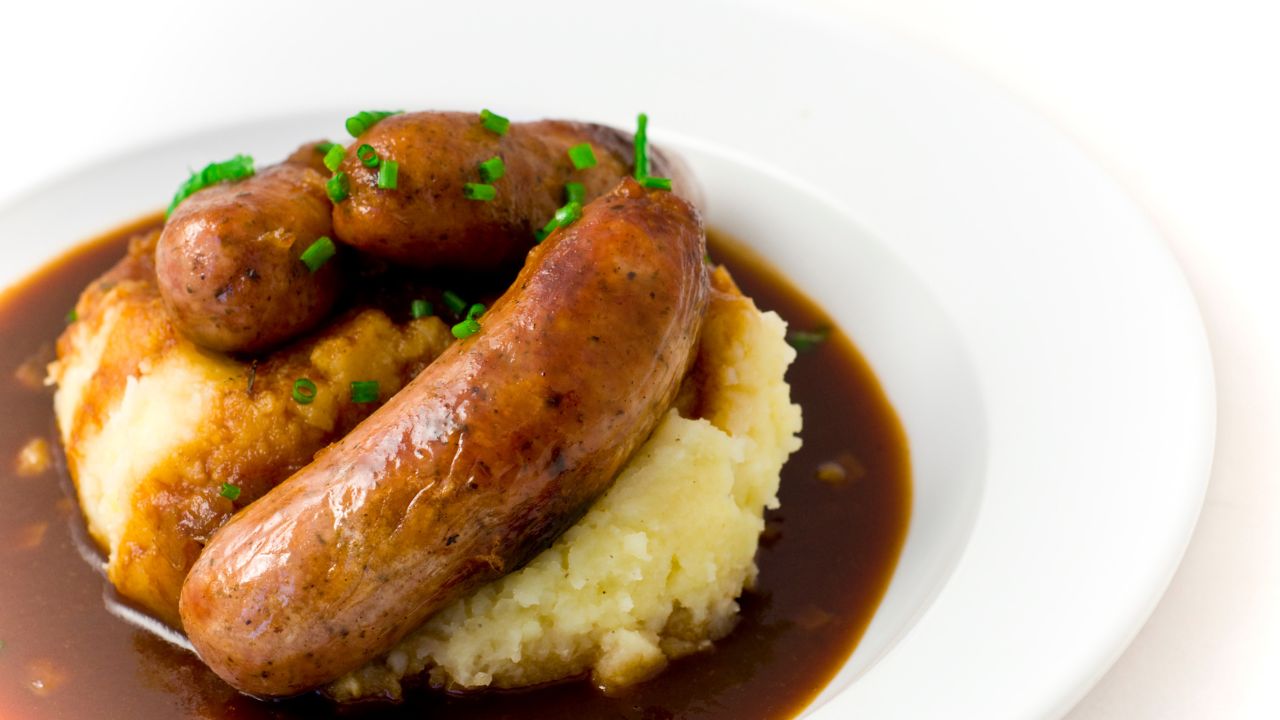
You know that satisfying thud when a proper sausage hits your plate next to a mountain of creamy mashed potatoes? That’s the sound of British comfort food at its finest! “Bangers and mash” earned its cheeky name during World War I, when meat rationing forced butchers to bulk up sausages with so much water and fillers that they’d literally explode with a bang in the pan. Talk about making the best of a bad situation! The term stuck around because, honestly, what sounds more fun than ordering “bangers” for dinner? These weren’t your fancy Cumberland sausages either – they were survival food dressed up with a sense of humor that only the Brits could muster during wartime.
The magic happens when you pair those gloriously imperfect sausages with proper mashed potatoes – none of that lumpy nonsense, mind you. We’re talking about potatoes whipped into submission with enough butter and milk to make a nutritionist weep. Top it all off with onion gravy (because gravy makes everything better), and you’ve got yourself a plate that screams “home” louder than your mum calling you in for tea. Modern pubs have elevated this working-class hero with artisanal sausages and truffle-infused mash, but honestly? Sometimes you just want that original wartime comfort food that somehow turned exploding sausages into a national treasure. Pure British genius, really.
Steamed Pudding
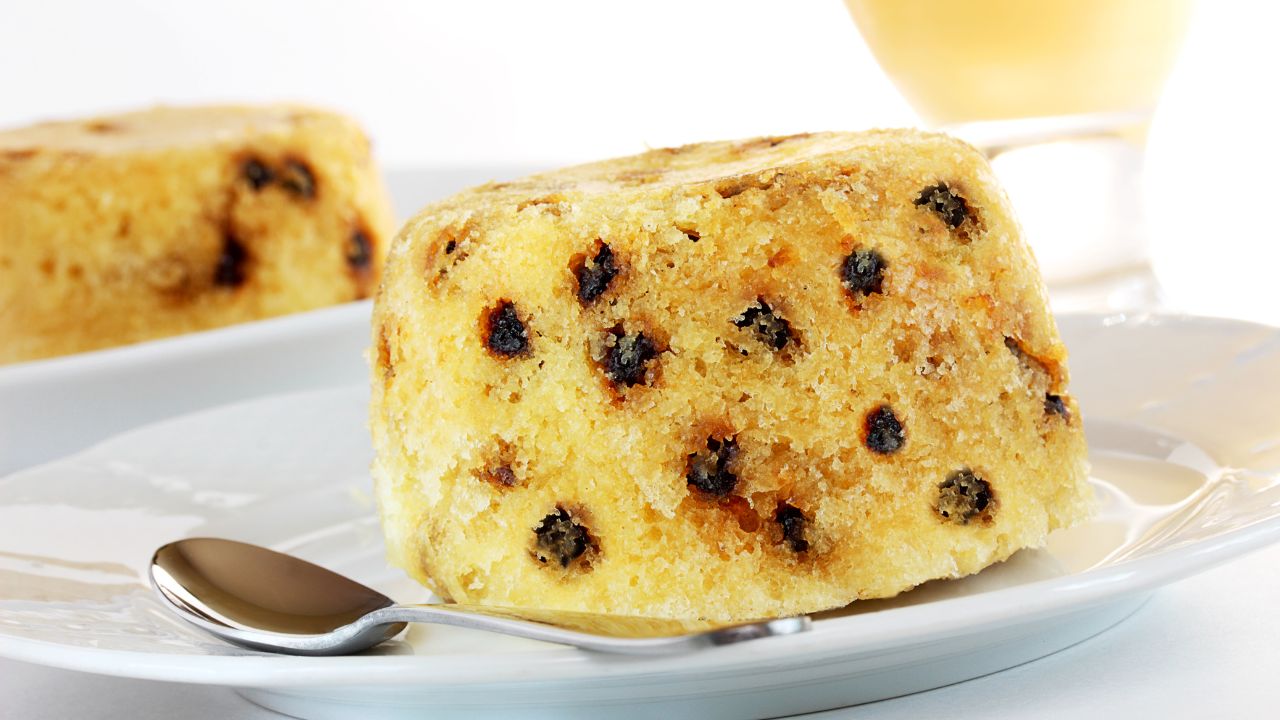
Picture this: it’s 1617, and someone in Britain just discovered they could wrap suet, flour, and whatever leftovers they had lying around in a cloth, then dangle it in boiling water like some sort of medieval cooking experiment. That’s exactly how steamed pudding came to be! Originally called “pudding in a bag,” this genius invention started as a way to stretch ingredients and fill hungry bellies without needing an oven. The cloth method was revolutionary because most homes didn’t have proper ovens back then – just a fire and a pot of water. Smart cooks realized they could create an entire meal by suspending their wrapped concoction over bubbling water for hours.
Fast forward to today, and steamed pudding has evolved into something absolutely magical. You get these dense, moist cakes that practically melt in your mouth, whether you’re making a classic Christmas pudding loaded with dried fruits and brandy, or a simple treacle sponge that’ll make you weak in the knees. The beauty of steamed pudding lies in its forgiving nature – you can throw almost anything into that basin, cover it with buttered paper, and let steam work its magic for two to three hours. Modern cooks often use pudding basins instead of cloths, but the principle remains the same: gentle, moist heat creates textures you simply cannot achieve any other way. Trust me, once you master the art of steamed pudding, your dessert game will never be the same!
Trifle
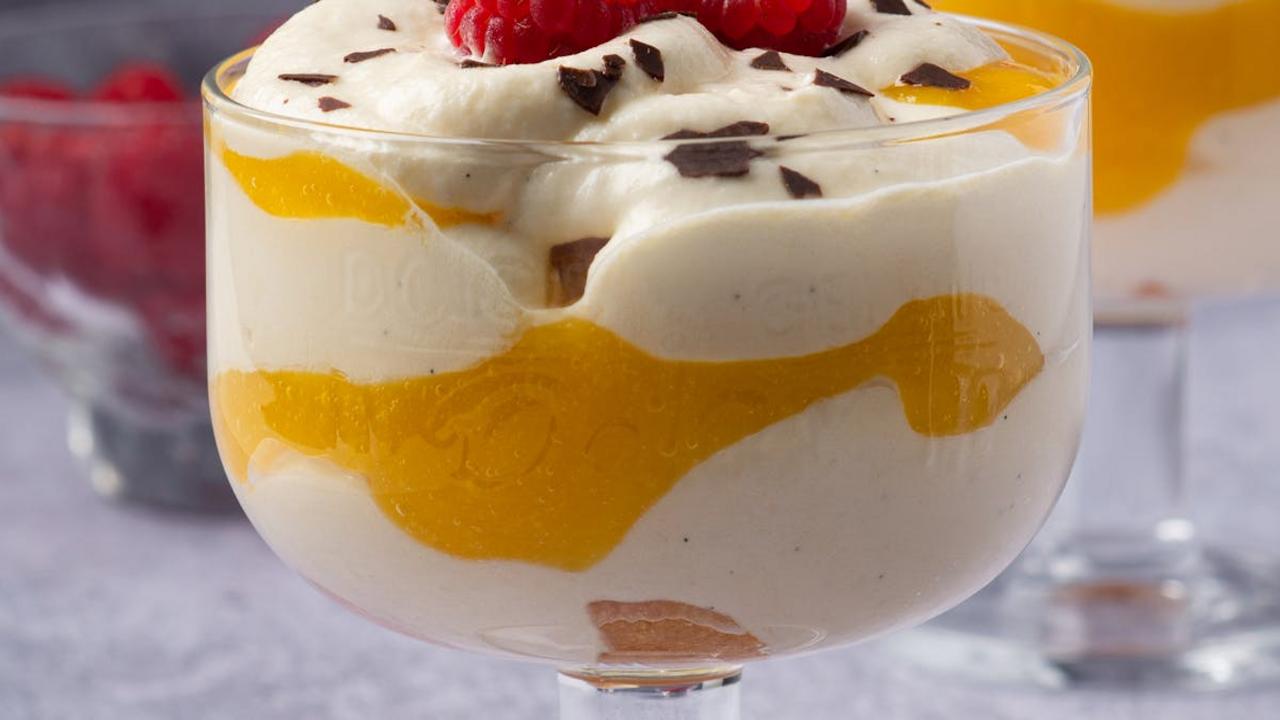
Picture this: you’re at a proper British dinner party, and someone brings out what looks like a glass bowl filled with the most glorious mess you’ve ever seen. That’s trifle for you—the dessert that proves sometimes the best things in life come from happy accidents. This wobbly wonder started its life in the 16th century as a simple cream and sugar affair, but like most British food stories, it got wonderfully complicated over time. The name literally means “something of little importance,” which is quite possibly the most British understatement ever, considering how much joy this dessert brings to Sunday family gatherings.
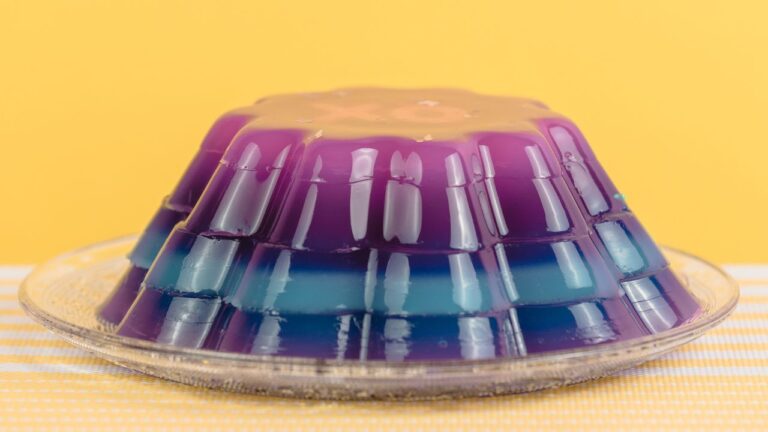
The genius of trifle lies in its democratic approach to leftovers—got some stale sponge cake? Chuck it in! Leftover custard? Perfect! A splash of sherry because why not? The Victorians took this concept and ran with it, creating towering architectural marvels of cream, fruit, and booze-soaked cake that could feed an army. Modern trifle makers love to debate the “proper” way to layer everything, but honestly, as long as you’ve got something sweet, something creamy, and something with a bit of alcohol, you’re golden. Pro tip: make it the day before—trifle gets better as it sits, like a fine wine or a good gossip story.
Cornish Pasty

Picture this: you’re a tin miner in 19th-century Cornwall, your hands covered in arsenic and grime, and lunch break arrives. What do you grab? A Cornish pasty, of course! This genius invention wasn’t just food—it was survival engineering. The thick, crimped crust served as a disposable handle that miners could hold with their dirty hands, then toss away to avoid poisoning themselves. Meanwhile, the filling—beef, potato, swede, and onion, seasoned with just salt and pepper—stayed pristine inside its pastry fortress. The wives would initial their husbands’ pasties with dough letters, because apparently even in the 1800s, lunch theft was a serious workplace crime.
Today’s Cornish pasty still follows the same sacred recipe that earned it Protected Geographical Indication status in 2011. You can’t just call any old pastry pocket a “Cornish pasty”—it must be made in Cornwall with those traditional ingredients, crimped on the side (never on top, you heathens!), and shaped like that distinctive D-curve. The pasty shops in Cornwall take this so seriously that they’ve been known to engage in heated debates about proper crimping techniques. Fun fact: traditionalists believe the crimped edge should have exactly 20 folds, though modern bakers sometimes cheat with fewer. When you bite into an authentic one, that flaky pastry gives way to tender beef and vegetables that somehow taste like pure comfort wrapped in edible packaging.
Bread and Butter Pudding
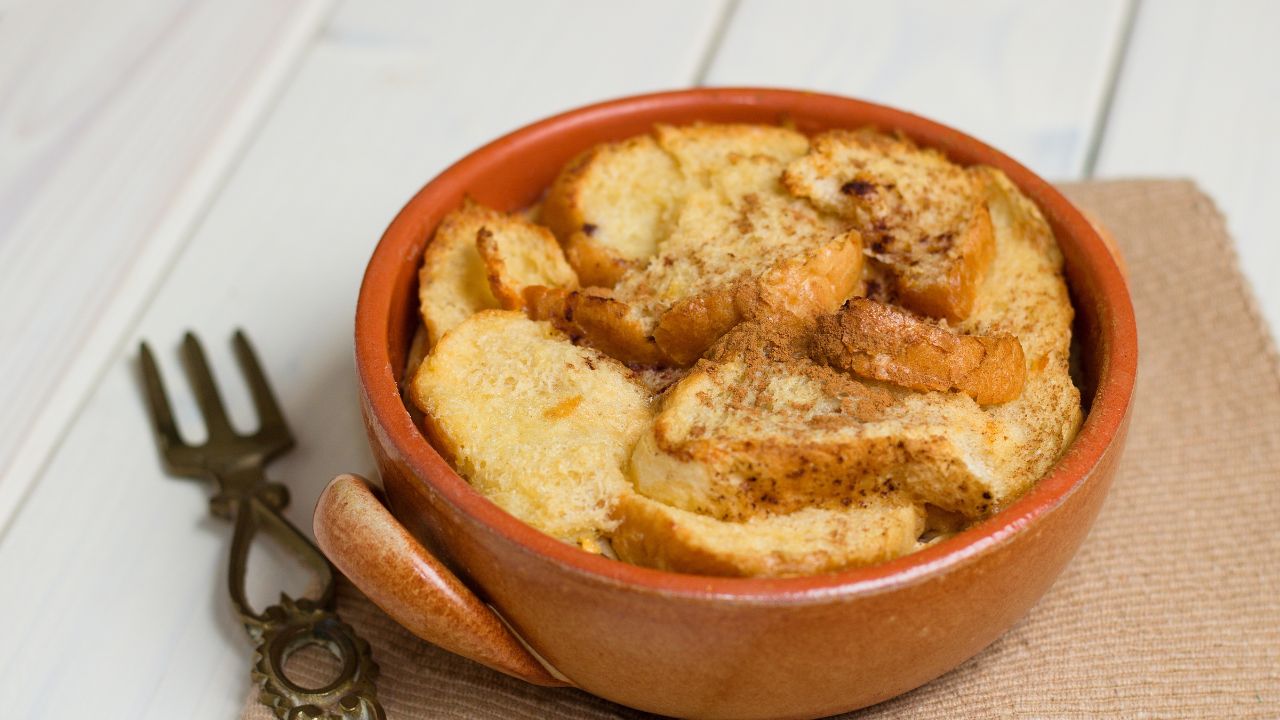
Picture this: you’re a Victorian housewife staring at a pile of stale bread that’s harder than your mother-in-law’s heart. What do you do? You create magic, that’s what! Bread and butter pudding was born from pure desperation and British stubbornness – the refusal to waste even the most pathetic slice of yesterday’s loaf. This humble dessert started in kitchens where throwing away food was practically a sin, and resourceful cooks discovered that stale bread, when soaked in a rich custard and baked until golden, transforms into something absolutely divine. The genius lies in how the bread’s texture changes completely – those crusty, forgotten pieces become silky, custardy layers that melt on your tongue.
Here’s where it gets interesting: the “proper” way to make bread and butter pudding has sparked more family feuds than arguments over inheritance. Some swear by white bread only, while others sneak in a bit of brioche for extra decadence. The butter must be real butter – none of that margarine nonsense – and it should be spread right to the edges because corners matter, people! Traditional recipes call for raisins, but rebels have been known to add everything from chocolate chips to marmalade. The custard ratio is sacred: too much egg and you’ve got scrambled eggs with bread, too little and you’re eating soggy toast. When done right, the top gets beautifully caramelized while the inside stays creamy and comforting – basically a warm hug in dessert form.
Full English Breakfast
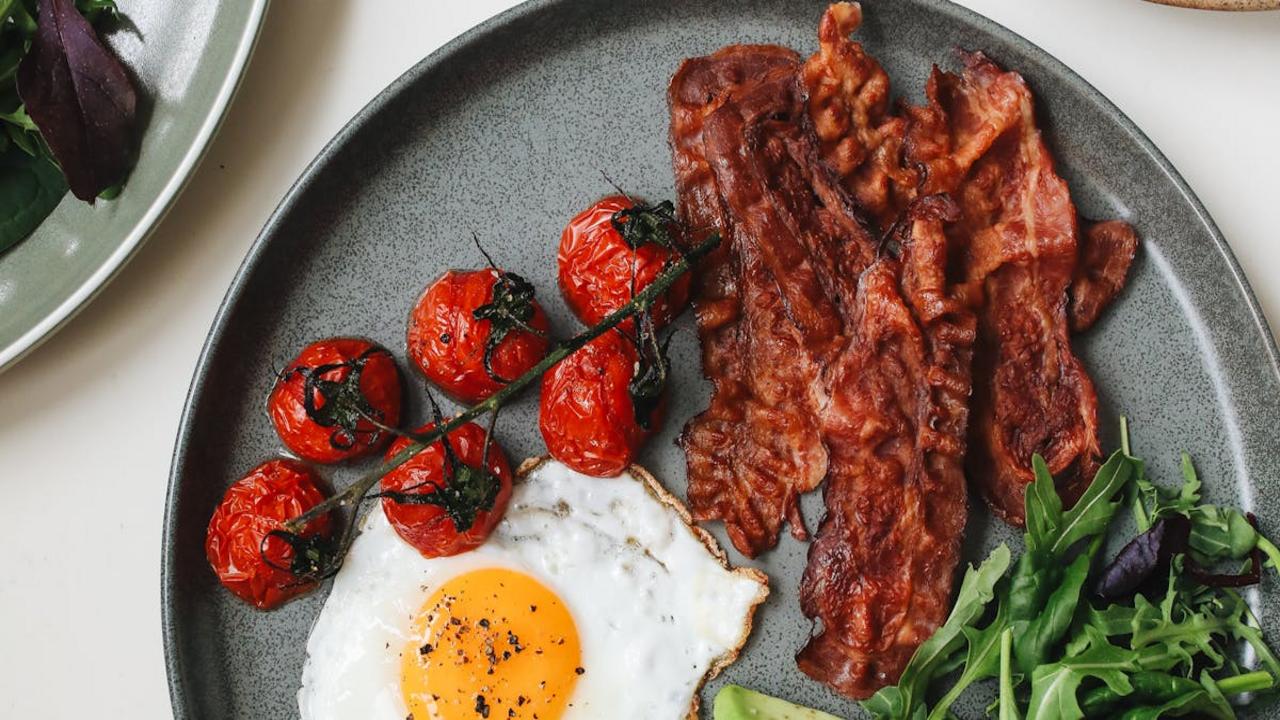
Picture this: you stumble downstairs on a Saturday morning, still wearing yesterday’s mascara and questionable life choices, and there it sits—the Full English Breakfast in all its greasy, glorious splendor. This magnificent monster of a meal didn’t just appear overnight like your regrettable 2 AM online shopping purchases. The Victorians actually invented this carb-loaded masterpiece as a way to show off their wealth, because apparently nothing says “I’ve got money” quite like drowning your plate in bacon fat at 9 AM. Working-class folks caught on quickly, realizing that shoveling down eggs, bacon, sausages, beans, black pudding, grilled tomatoes, and toast before a twelve-hour shift made perfect sense.
Here’s where things get wonderfully ridiculous: the Full English has sparked more regional arguments than Brexit discussions at family dinners. Northerners will fight you over bubble and squeak inclusion, while Scots insist their tattie scones belong on every proper plate. Meanwhile, the Irish quietly laugh at everyone because they know their version with white pudding reigns supreme. You want to make the perfect fry-up? Cook everything in the same pan (yes, even the bread—trust me on this), start with the sausages because they take forever, and for heaven’s sake, don’t you dare serve those beans cold. The beauty of this breakfast lies in its complete lack of pretension—it’s comfort food that doesn’t apologize for existing.
Shepherds Pie
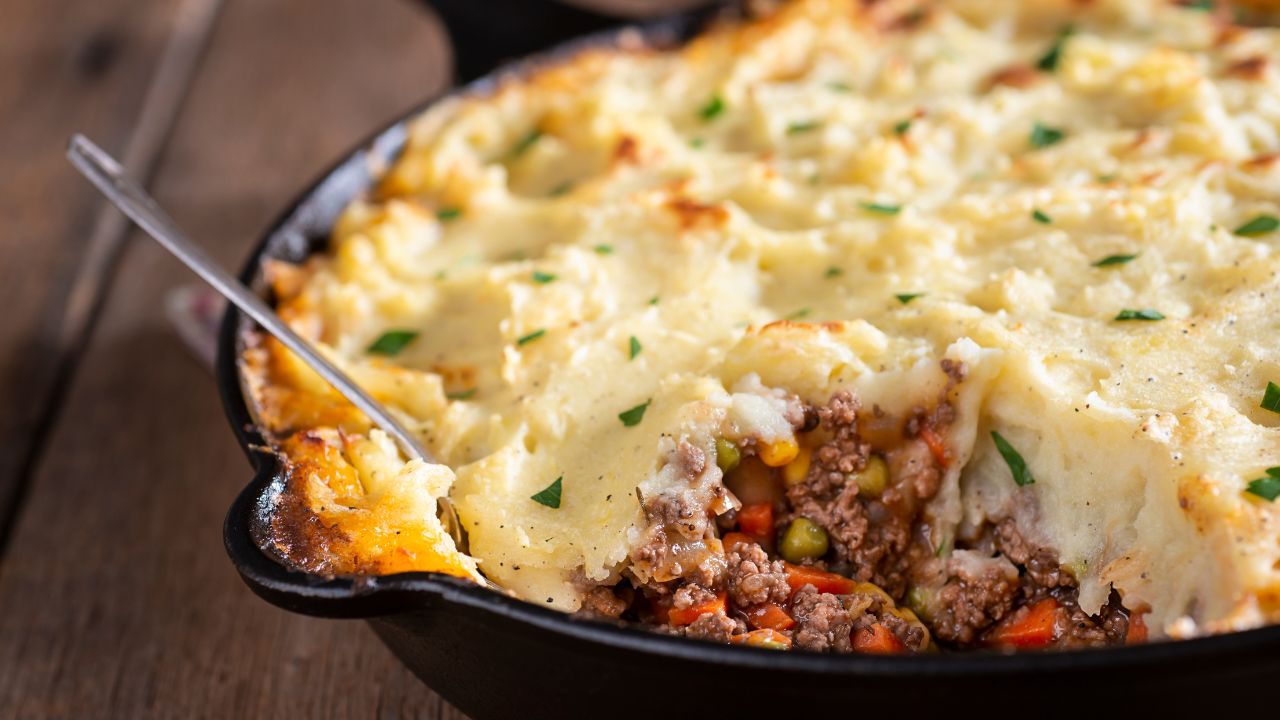
Picture this: you’re a resourceful 18th-century cook staring at leftover roasted lamb from Sunday dinner, and your brain starts working overtime. What do you do with those precious scraps? You chop them up, toss them with onions and gravy, pile on some mashed potatoes, and create what we now call shepherd’s pie! This brilliant invention wasn’t born from fancy cookbook inspiration—it was pure kitchen pragmatism at its finest. Back then, wasting food was basically a crime against your wallet, so clever cooks transformed yesterday’s feast into today’s comfort food masterpiece.
Now here’s where things get wonderfully confusing: if you use beef instead of lamb, you’ve technically made cottage pie, not shepherd’s pie. Think about it—shepherds tend sheep, not cattle! But honestly, most people today couldn’t care less about this distinction and happily call any version shepherd’s pie. The real magic happens when you get that perfect golden-brown potato crust on top, hiding the savory treasure beneath. Pro tip: fork some ridges into your mashed potato topping before baking—those little peaks will crisp up beautifully and give you the most satisfying contrast between creamy interior and crunchy edges. It’s like edible architecture that actually tastes incredible!
Roast Beef and Gravy
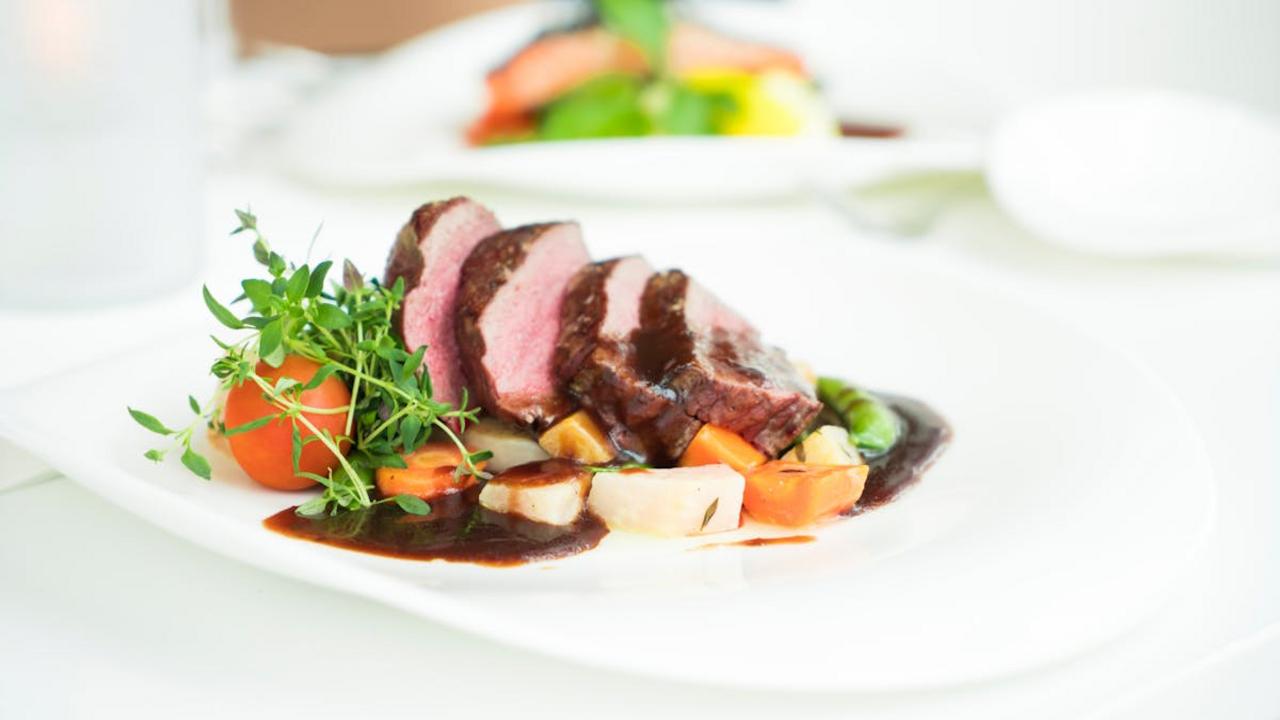
Picture this: you’re standing in your grandmother’s kitchen on a Sunday afternoon, and the most magnificent aroma wafts through the air—that’s roast beef working its magic. This quintessentially British dish didn’t just appear overnight; it became the Sunday centerpiece during the 18th century when coal became cheaper and ovens more reliable. The French actually nicknamed the British “les rosbifs” because of their obsession with this glorious cut of meat, and honestly, can you blame us? There’s something deeply satisfying about a perfectly roasted joint, crackling away in the oven while you pretend to read the Sunday papers but really just keep checking on it every ten minutes.
Now, here’s where things get interesting—the gravy game changed everything. Traditional British gravy isn’t just some afterthought; it’s the liquid gold that transforms your roast from good to absolutely divine. You start with those beautiful drippings from your beef, add a splash of red wine if you’re feeling fancy (or just use the cooking water from your vegetables if you’re being practical), and thicken it with flour until it reaches that perfect consistency. Pro tip: always strain your gravy through a fine sieve because nobody wants lumpy gravy at Sunday dinner—it’s practically a cardinal sin. The combination of tender, pink beef sliced thick enough to matter, paired with that rich, savory gravy, creates pure comfort food magic that’s kept British families gathered around dinner tables for generations.
Yorkshire Pudding
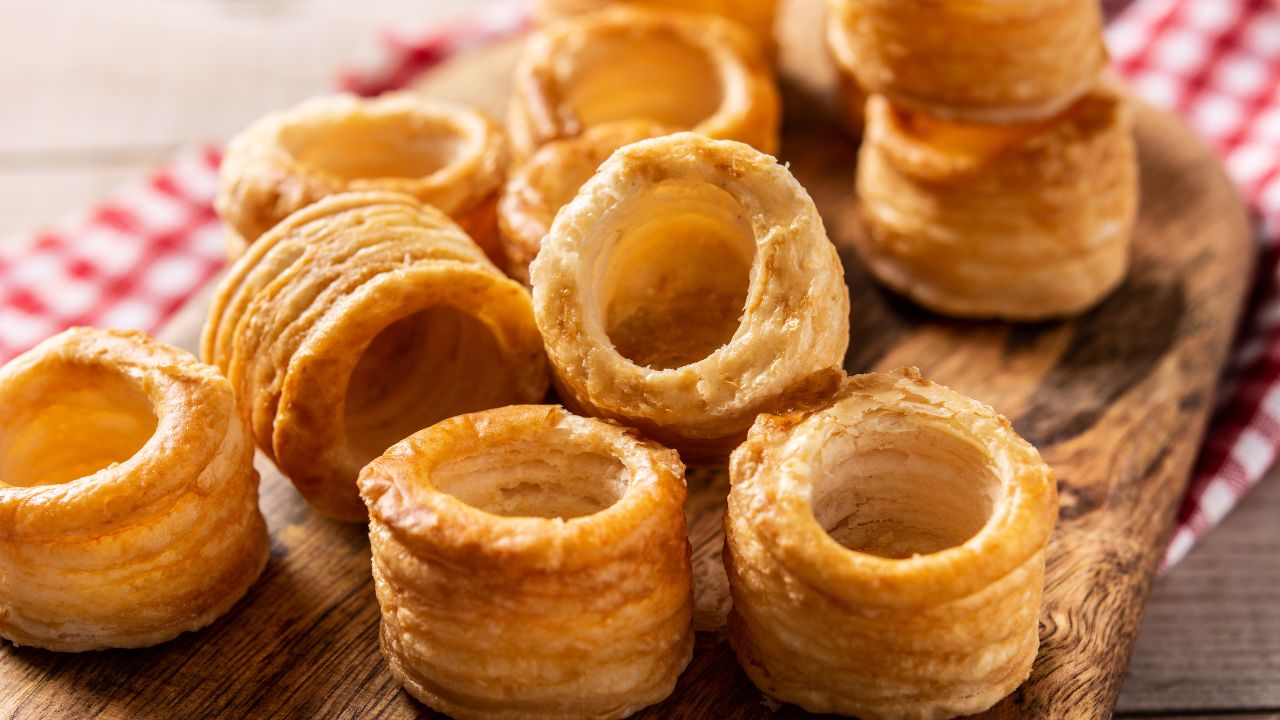
Here’s something that’ll blow your mind: Yorkshire pudding wasn’t originally meant to be pudding at all! Back in the 1700s, clever Yorkshire cooks placed a batter-filled pan underneath the Sunday roast to catch all those precious dripping fats. What started as “dripping pudding” became the golden, pillowy masterpiece we know today. The batter would puff up magnificently in the scorching oven heat, creating these gorgeous hollow cups that soaked up every drop of meaty goodness. It was pure genius disguised as accident – the kind of happy mistake that makes you want to high-five your ancestors.
Now, making proper Yorkshire pudding is like performing kitchen magic, and I’m convinced there’s actual sorcery involved. Your batter needs to be smooth as silk, your tin smoking hot (we’re talking nuclear-level temperatures here), and your oven door must remain firmly shut while those beauties rise. The moment you peek, they’ll collapse faster than a house of cards in a hurricane! Traditionally served before the main course to fill up hungry bellies and stretch the meat further, these golden beauties have evolved into Sunday roast royalty. Pro tip: if your Yorkshire puddings don’t rise taller than your ego, you’re doing something wrong – probably not getting that oil hot enough!
Fish and Chips
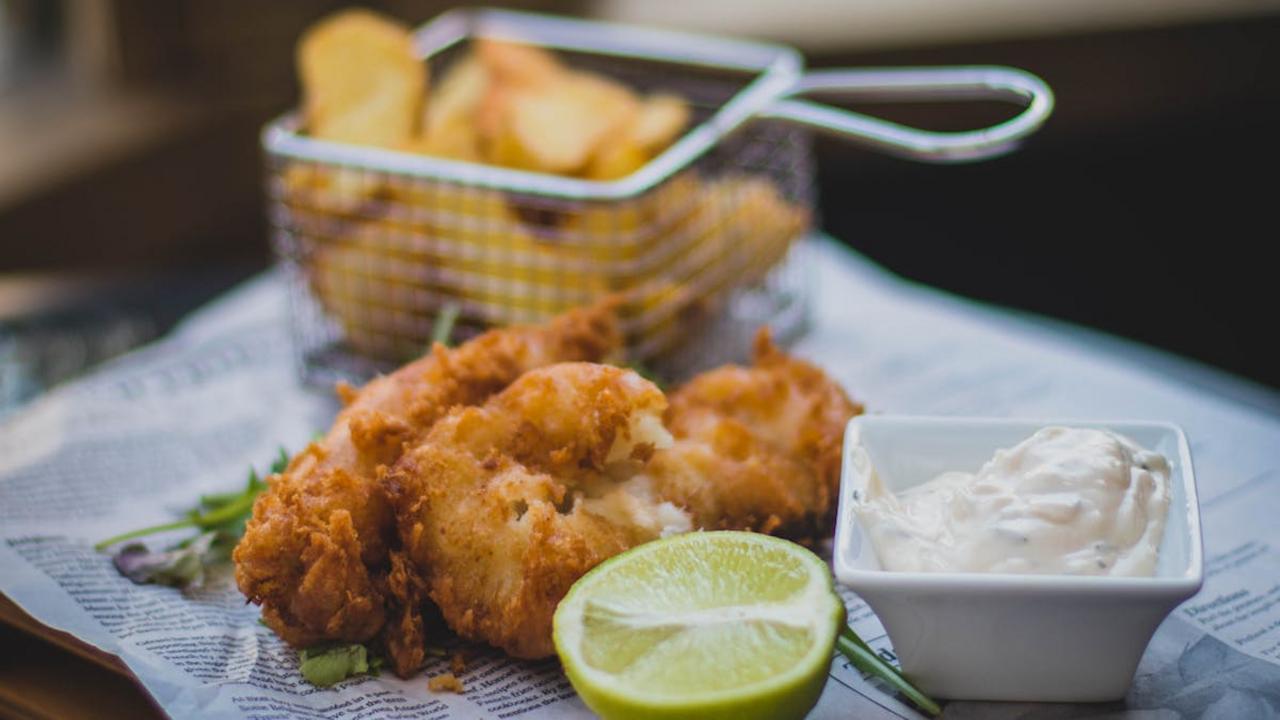
Picture this: you’re walking down a foggy London street, and suddenly the most glorious smell hits your nose—crispy batter, fluffy potatoes, and that unmistakable aroma of proper chip shop oil. Fish and chips didn’t just happen overnight; this golden duo has quite the international backstory! Jewish immigrants brought fried fish to Britain in the 1600s, while chips arrived courtesy of French and Belgian influences. The genius who first paired them together remains a mystery, though both Lancashire and London claim bragging rights. What we do know is that by the 1860s, enterprising folks were selling this magical combination from wooden huts and carts.
Here’s where things get wonderfully British: fish and chips became so important to national morale that Winston Churchill refused to ration them during World War II. Smart move, Winston! The traditional newspaper wrapping wasn’t just for show either—it kept everything warm and added that authentic grease-stained charm we all secretly love. Today’s chip shops still follow time-honored traditions, from twice-cooking the chips for maximum fluffiness to using beef dripping for that incomparable flavor. Pro tip: always ask for “salt and vinegar” with confidence, and don’t you dare eat it with a fork unless you want suspicious looks from proper Brits!