14 Surprising Foods You Can Save and Savor Instead of Throwing Away
Food waste hurts both your wallet and the planet! Those wilting vegetables or browning fruits you’re about to toss? They hold incredible potential for delicious meals. I’ve discovered countless ways to transform these “past prime” ingredients into something spectacular in my kitchen adventures.
Your kitchen likely contains several items you regularly discard that could become tomorrow’s star dish. That stale bread makes perfect croutons, while spotted bananas create the moistest banana bread. Those soft tomatoes? They’re begging to become a rich pasta sauce that’ll outshine any jarred variety.
Rethinking what constitutes “unusable” food opens up creative cooking opportunities while cutting your grocery bills. I’m excited to share fourteen surprising foods you can rescue and reinvent, turning what many consider trash into truly treasured meals your family will request again and again.
Browned Herbs
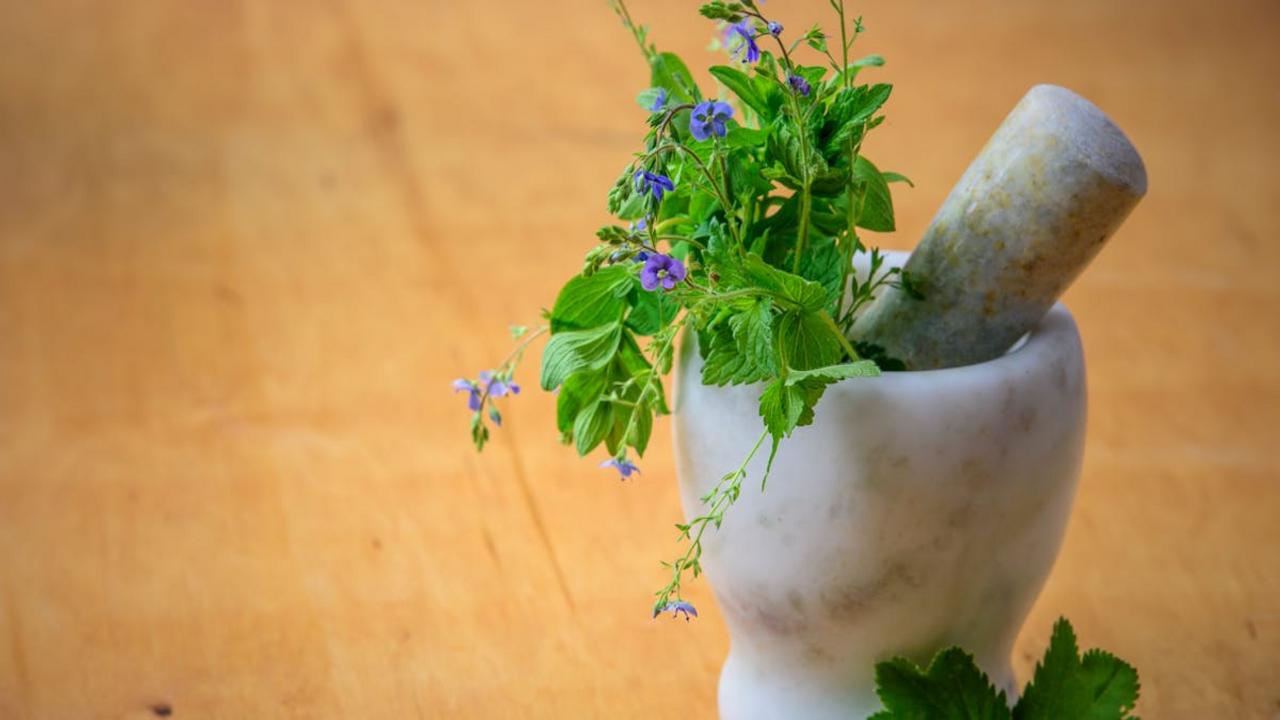
Those wilted basil leaves and browning cilantro sitting in your fridge aren’t destined for the compost bin—they’re actually perfect candidates for your next flavor-packed creation! I’ve learned that slightly past-their-prime herbs often concentrate their flavors, making them ideal for cooking applications where fresh herbs might be too delicate. That droopy parsley transforms beautifully into a vibrant chimichurri, while those sad-looking mint leaves become the star of a fragrant tea blend or get blitzed into a cooling yogurt sauce.
The key is understanding which herbs work best when they’re not picture-perfect anymore. Soft herbs like basil and cilantro shine in pestos, sauces, and marinades where you’ll be blending them anyway. Woody herbs like rosemary and thyme actually develop deeper, more complex flavors as they dry out—toss them into slow-cooked stews or roasted vegetables. I always keep a “herb rescue” jar in my freezer filled with olive oil and whatever browning herbs I have on hand. This becomes my secret weapon for adding instant depth to soups, pasta dishes, and grain bowls throughout the week.
Limp Celery
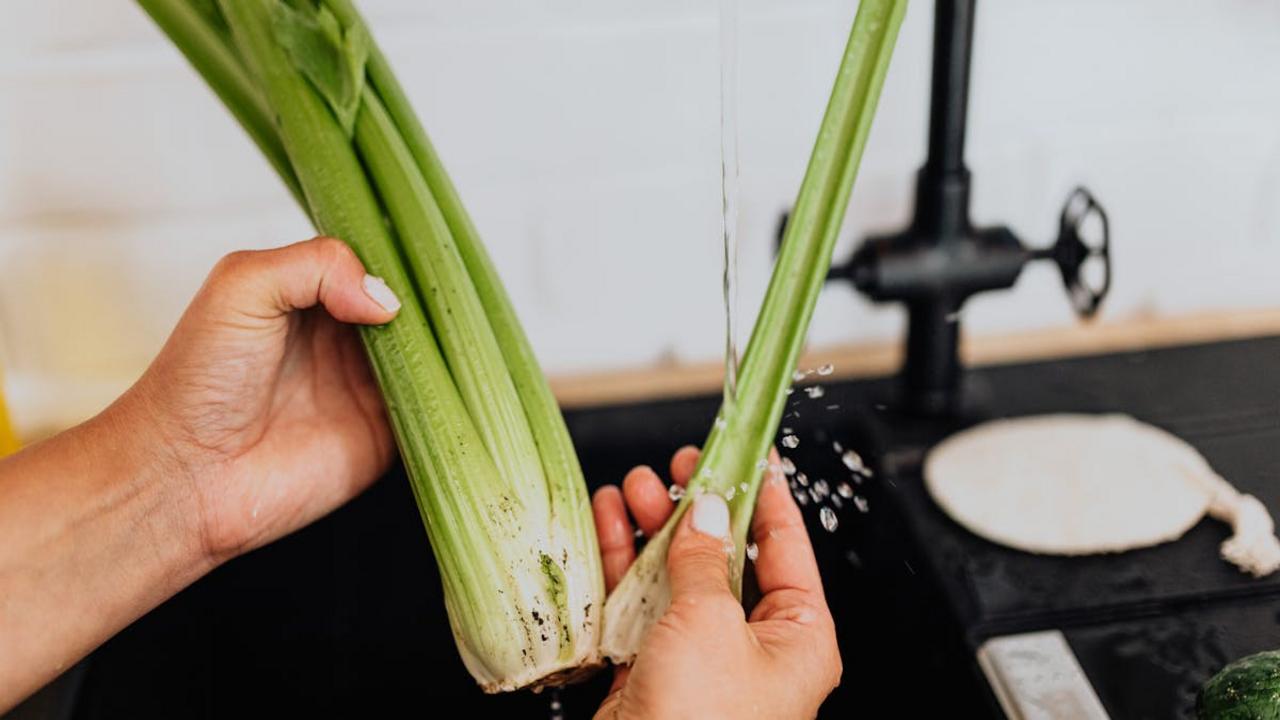
Don’t throw that sad, bendy celery away! I’ve rescued countless bunches of limp celery from the compost bin, and each time I’m reminded why this humble vegetable deserves a second chance. That droopy texture actually makes celery perfect for cooking applications where crunch isn’t needed. I love chopping it up for my aromatic base in soups, stews, and braises alongside onions and carrots. The softened celery melts beautifully into these dishes, adding that distinctive earthy flavor that forms the backbone of so many global cuisines.
You can also revive limp celery by giving it an ice bath for 30 minutes – sometimes it springs back to life! But honestly, I often skip this step and head straight to my blender. Limp celery makes incredible green juices when combined with cucumber, apple, and fresh herbs. I’ve also started adding it to my vegetable stock along with onion peels and herb stems. The soft texture breaks down quickly, releasing all those concentrated flavors into the broth. This approach transforms what seems like kitchen waste into liquid gold that elevates every dish you make.
Past Prime Berries
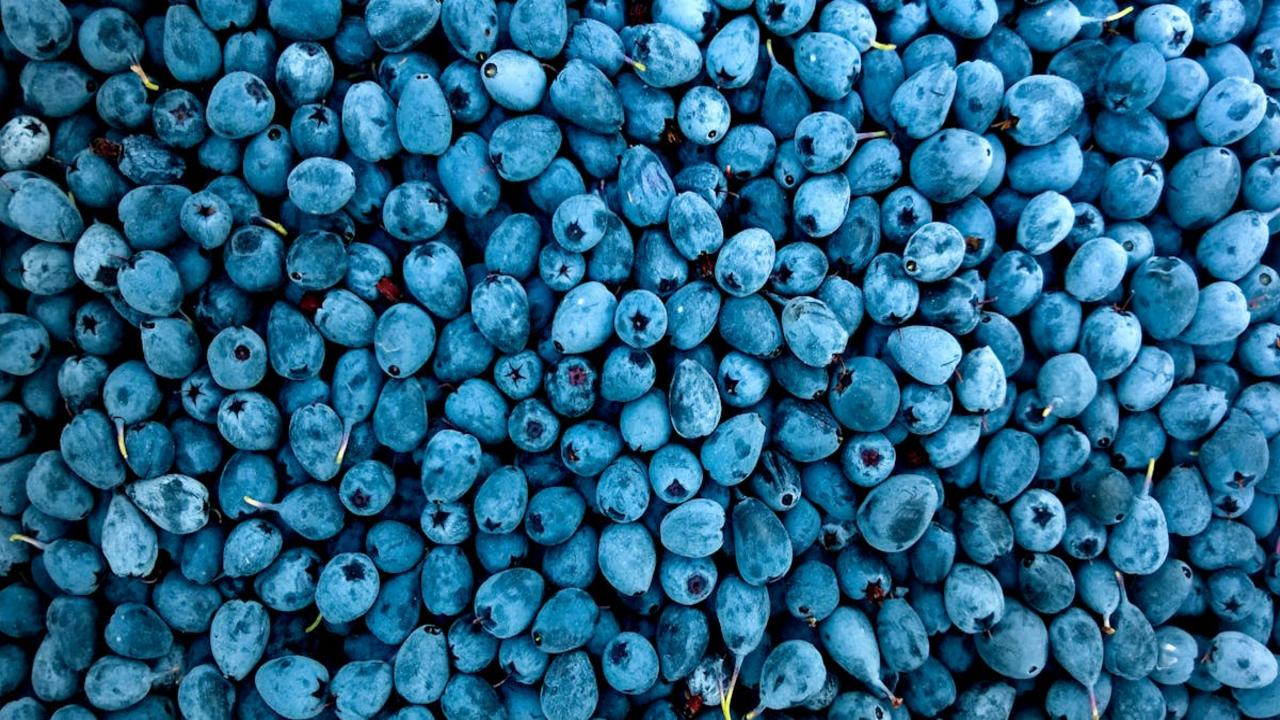
Those wrinkled, slightly soft berries sitting in your fridge aren’t destined for the compost bin – they’re actually perfect for transforming into something magical. I’ve learned that berries past their fresh-eating prime carry concentrated sweetness that fresh ones simply can’t match. The natural sugars become more pronounced, making them ideal for jams, compotes, and baked goods. You can toss them into pancake batter where their softness distributes beautiwhen cooked, or blend them into smoothies where texture doesn’t matter but flavor absolutely does.
My favorite way to rescue these gems is by making a quick berry compote that takes just ten minutes on the stovetop. Add a splash of lemon juice and a touch of honey, then watch as they break down into a gorgeous, chunky sauce perfect for yogurt, oatmeal, or vanilla ice cream. You can also freeze them in ice cube trays with a bit of water to create fruit-infused ice cubes for summer drinks, or roast them with a drizzle of balsamic vinegar to create an unexpected topping for savory dishes like grilled chicken or goat cheese crostini.
Overripe Avocados
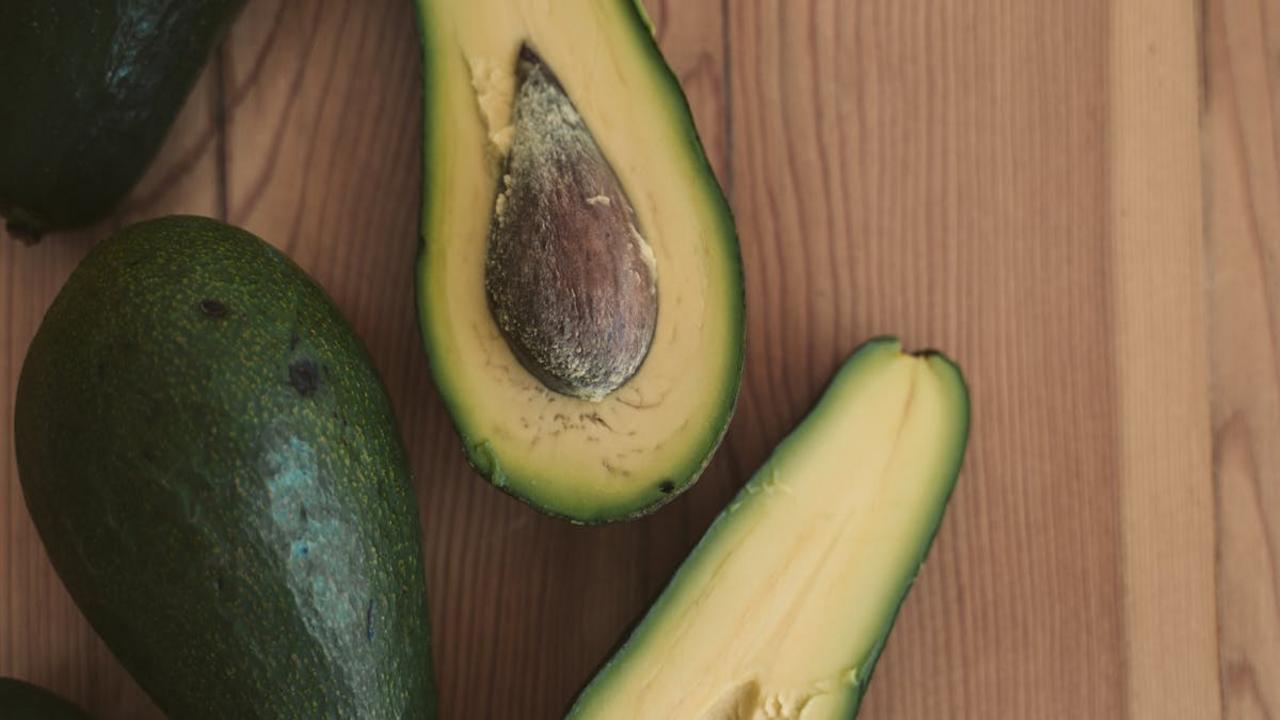
Those brown, mushy avocados sitting on your counter aren’t destined for the trash—they’re perfect for creating rich, creamy magic in your kitchen! I transform overripe avocados into decadent chocolate mousse by blending them with cocoa powder, a touch of maple syrup, and vanilla. The result? A silky dessert that nobody would ever guess contains vegetables. You can also whip them into smoothies where their creamy texture compensates for the slightly off flavor, or fold them into brownie batter for incredible moisture and healthy fats.
Beyond desserts, overripe avocados make fantastic face masks—yes, really! But staying in the kitchen realm, I love turning them into vibrant green goddess dressing by blending with herbs, lemon juice, and olive oil. They also work beautifully in baked goods like muffins and quick breads, replacing butter while adding nutrients. The key is balancing their earthy flavor with bright acids like lime or strong flavors like chocolate. Don’t let texture fool you—those mushy avocados often have concentrated flavor that shines when paired thoughtfully with complementary ingredients.
Dry Cheese
You know that block of cheddar sitting in your fridge that’s gone a bit hard around the edges? Don’t toss it! I’ve transformed countless “past their prime” cheeses into incredible additions for my cooking. That dried-out parmesan rind you were about to discard becomes liquid gold when you drop it into a simmering pot of soup or risotto. The concentrated flavors in aged, slightly dried cheese actually intensify, giving you more bang for your buck. I keep a dedicated container in my freezer just for cheese rinds and hardened pieces.
Here’s what I do with dry cheese that completely changed my cooking game: grate the hard parts directly over pasta, fold them into scrambled eggs, or blend them into homemade pesto for an extra punch of umami. Even that rubbery mozzarella can find new life when you melt it into a grilled cheese or chop it into small cubes for a frittata. The key is understanding that texture changes don’t mean flavor disappears – they often mean it concentrates. I’ve made some of my most memorable dishes by refusing to waste these golden nuggets of concentrated dairy goodness.
Wrinkled Carrots
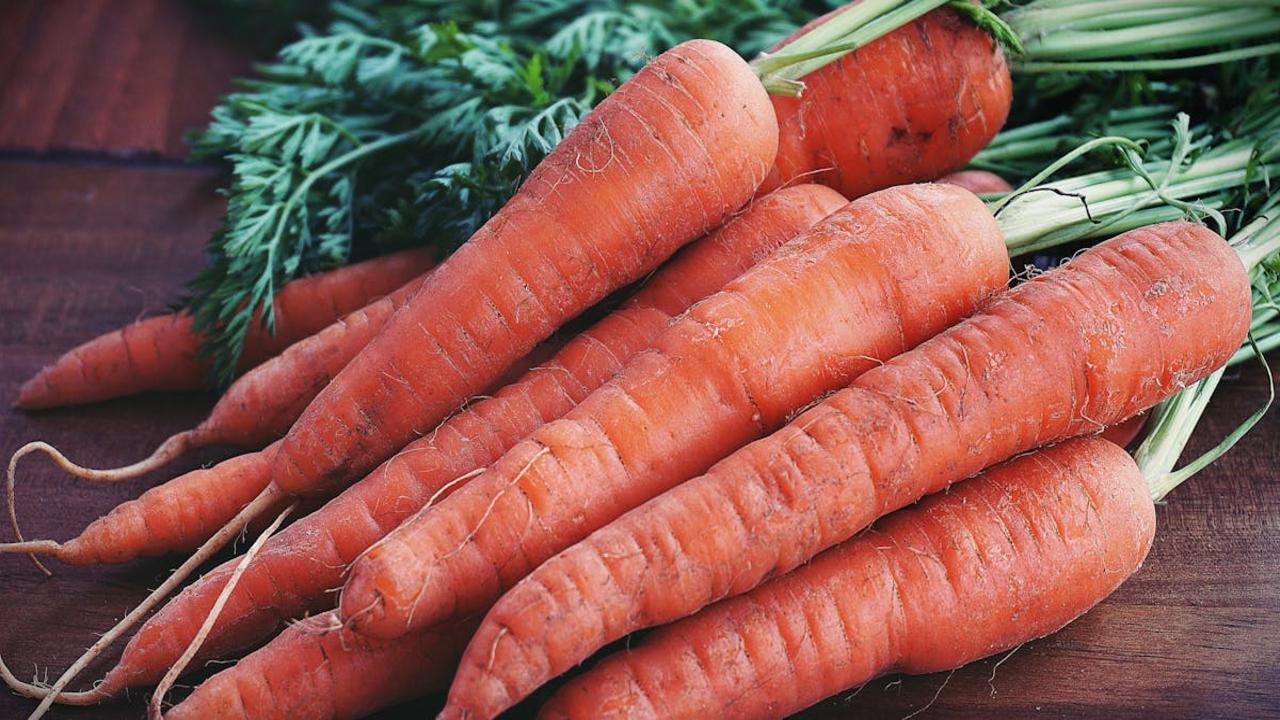
Those bendy, wrinkled carrots sitting in your crisper drawer aren’t destined for the compost bin—they’re actually perfect for some of my favorite cooking techniques. I grab these flexible beauties and transform them into silky soups, aromatic broths, or roasted medleys where their concentrated sweetness really shines. The slight dehydration that creates those wrinkles actually intensifies their natural sugars, making them ideal for dishes where you want that deep, earthy carrot flavor to take center stage.
I love using wrinkled carrots in my weekend batch cooking sessions, especially for making homemade vegetable stock or adding them to slow-braised stews where they break down beautifully. Their softer texture means they cook faster than fresh carrots, so they’re perfect for quick weeknight dinners too. Just last week, I turned a bag of forgotten wrinkled carrots into a gorgeous ginger-carrot soup that had everyone asking for the recipe. Don’t let their appearance fool you—these humble vegetables still pack incredible nutrition and flavor that your body will thank you for.
Old Potatoes
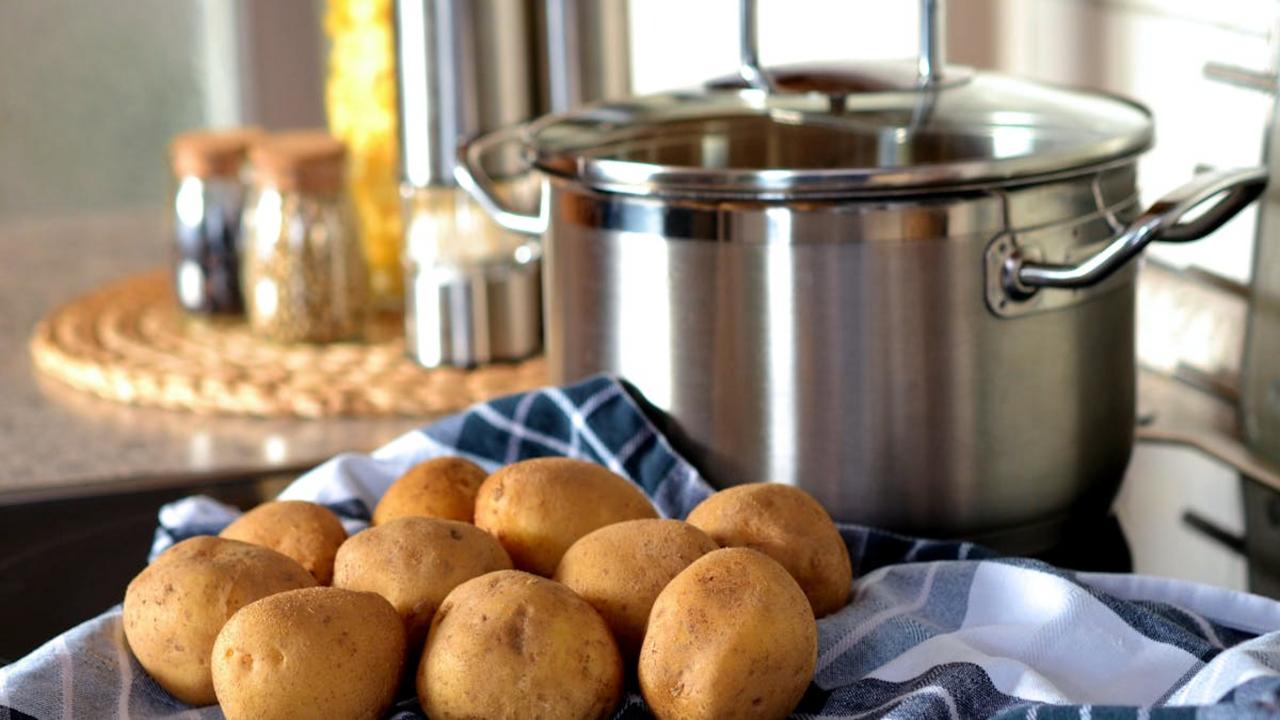
Those wrinkled potatoes sitting in your pantry aren’t ready for the compost bin just yet! I’ve learned that slightly soft or sprouted potatoes can become incredibly flavorful ingredients with just a bit of creativity. The key is knowing which ones to save and which to toss – if they’re just wrinkled or have small sprouts, you’re good to go. Simply remove any green spots and sprouts, then transform them into something beautiful. These aged potatoes actually develop a concentrated, almost nutty flavor that works wonderfully in rustic dishes.
My favorite way to give old potatoes new life is by making crispy smashed potatoes with global spices. Boil them until tender, smash gently with a fork, then roast with olive oil, turmeric, and cumin for a Middle Eastern twist, or paprika and garlic for a Spanish-inspired side. You can also grate them for hash browns, blend into soups for natural thickening, or cube them for hearty stews. The slightly drier texture of older potatoes actually makes them perfect for absorbing marinades and spice blends, creating deeper flavors than fresh ones ever could.
Bruised Peaches
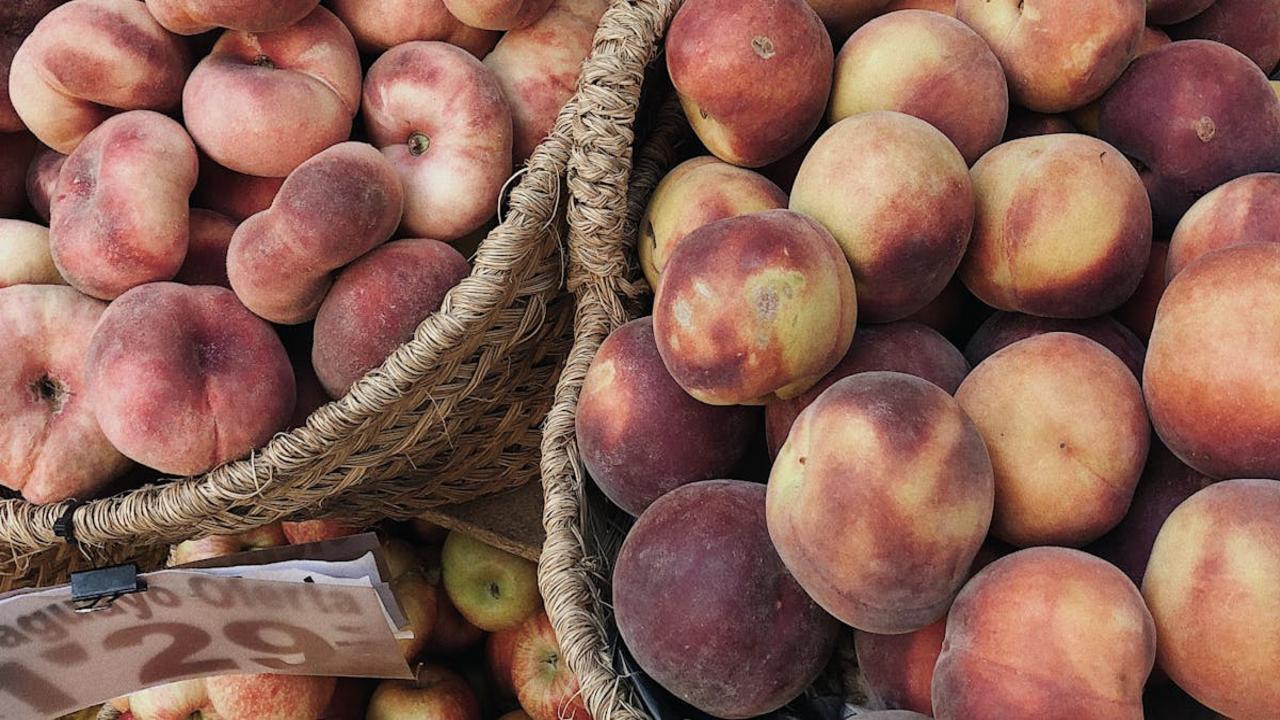
Those soft, slightly dented peaches sitting in your fruit bowl aren’t ready for the compost bin just yet! I grab these overlooked gems and transform them into pure magic in my kitchen. The bruised spots actually indicate concentrated sweetness – nature’s way of telling you the sugars have developed beautifully. Simply cut away any truly damaged areas, and you’re left with incredibly fragrant, juicy fruit that’s perfect for cooking. I’ve learned that these “imperfect” peaches often taste more intense than their pristine counterparts.
My go-to move with bruised peaches involves roasting them with a touch of honey, cinnamon, and fresh thyme – the heat caramelizes their natural sugars while the herbs add unexpected depth. You can fold them into morning oatmeal, swirl them into yogurt, or blend them into smoothies where their softness becomes an advantage rather than a flaw. I also love making quick peach compotes that keep in the fridge for days, ready to top everything from pancakes to grilled chicken. Don’t overlook their potential in savory dishes either – diced bruised peaches add wonderful sweetness to salsas and grain salads.
Milk Past Date
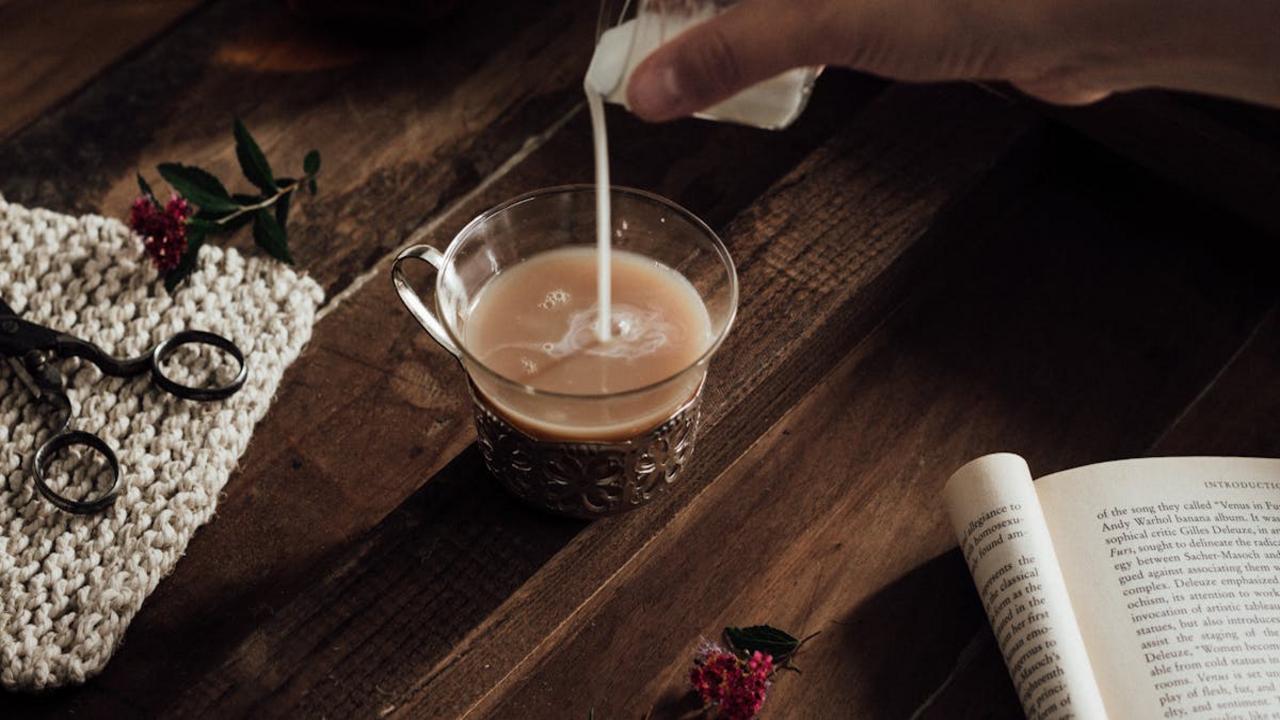
Before you pour that slightly sour milk down the drain, stop right there! That “expired” milk sitting in your fridge can transform into something beautiful in your kitchen. I’ve rescued countless cartons of milk that were just starting to turn, and they’ve become some of my most treasured baking ingredients. The slight tanginess that develops when milk begins to sour actually mimics buttermilk, making it perfect for pancakes, biscuits, and quick breads that need that acidic boost for extra fluffiness and flavor.
You can also turn soured milk into fresh cheese right on your stovetop – just heat it gently until it curdles, strain through cheesecloth, and you’ve got homemade ricotta that’s infinitely better than store-bought versions. I love mixing this fresh cheese with herbs from my garden for a simple spread, or folding it into pasta dishes where its creamy texture melts beautifully. The whey left behind becomes liquid gold for bread baking, adding protein and creating incredibly tender crumbs. Trust your nose over expiration dates – if it smells just tangy and not putrid, that milk has plenty of life left in new forms.
Soft Tomatoes
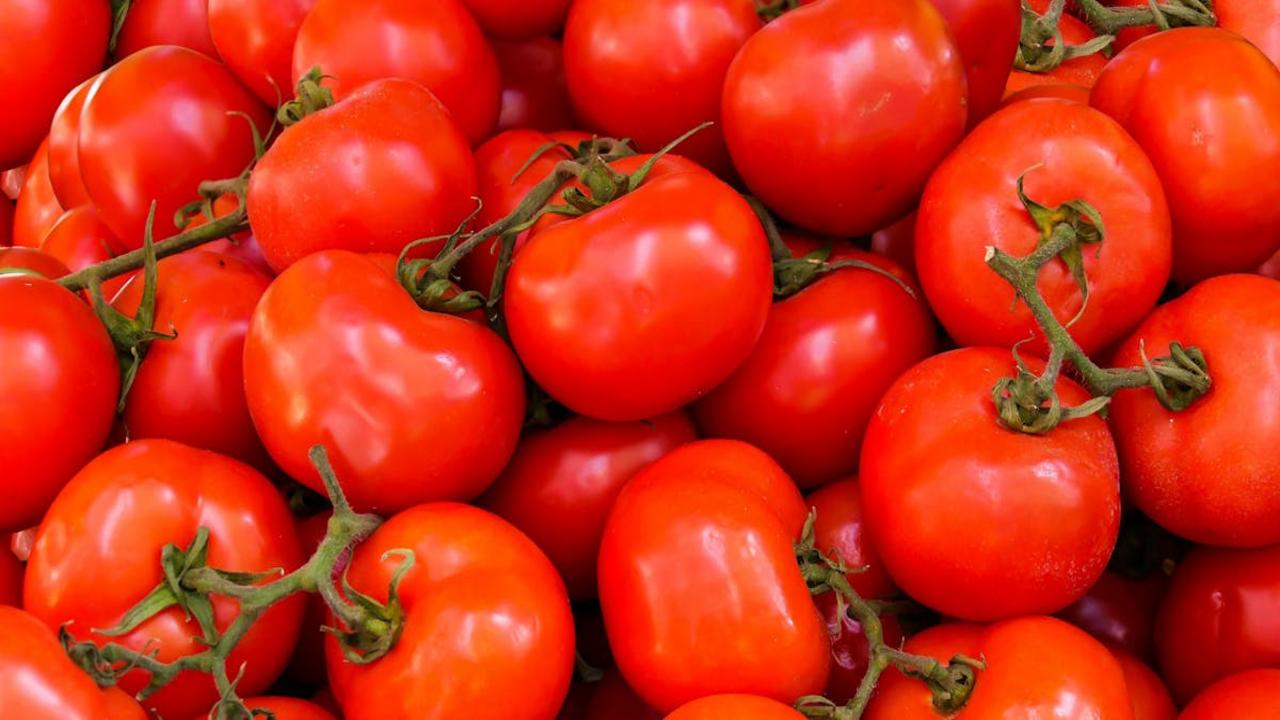
Those squishy tomatoes sitting on your counter aren’t ready for the compost bin just yet! I’ve learned that soft tomatoes actually hold incredible potential for creating deeply flavorful dishes that would make any home cook proud. When tomatoes start to soften, their sugars concentrate and their flavors intensify, making them perfect candidates for roasting, slow-cooking, or transforming into rich sauces. I often grab these overlooked gems and turn them into my go-to marinara that simmers with garlic, fresh basil, and a splash of good olive oil.
Your soft tomatoes can become the backbone of so many nourishing meals – from hearty stews inspired by Mediterranean traditions to spicy Indian curries that warm the soul. I love roasting them with herbs until they’re jammy and caramelized, then folding them into grain bowls or spreading them on crusty bread for a simple yet satisfying meal. The natural umami that develops in these tender tomatoes creates depth that fresh ones simply can’t match. Next time you spot those soft beauties, grab them with confidence and watch how they transform your cooking from ordinary to extraordinary.
Spotted Apples
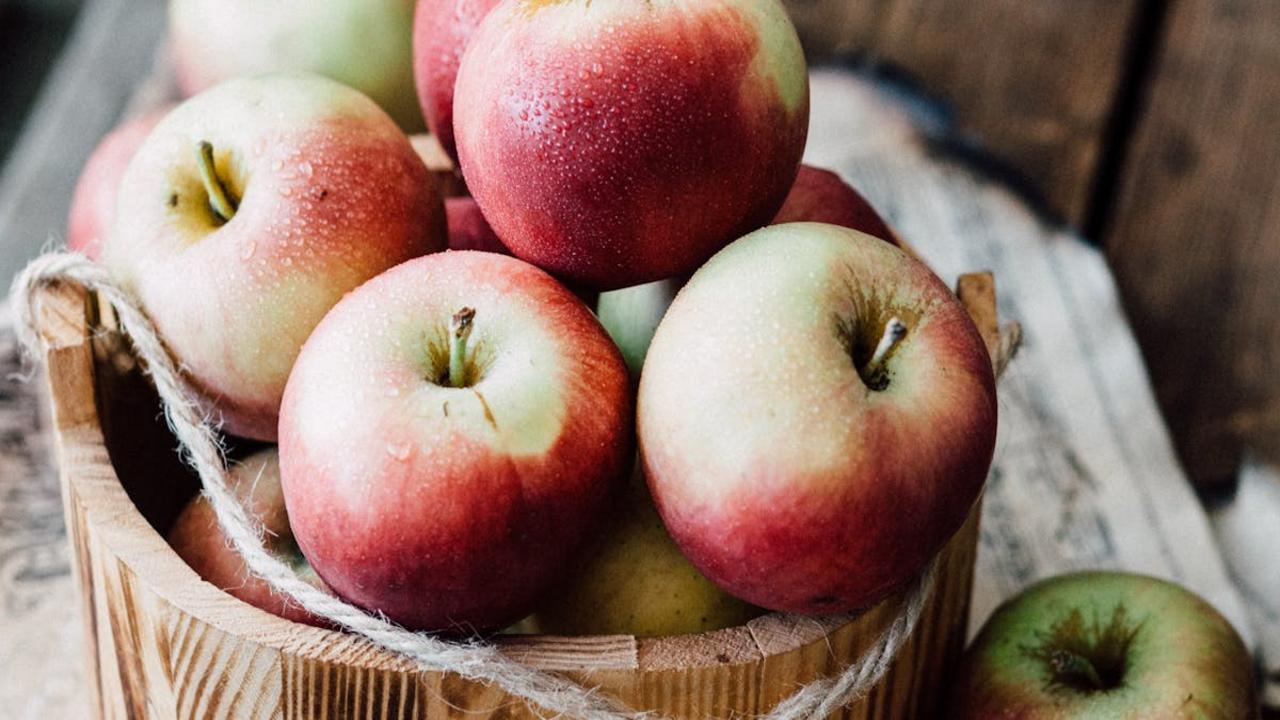
You know that moment when you open your fruit drawer and find those apples looking a bit worse for wear? Those brown spots and soft patches don’t mean game over for your fruit! I’ve learned to see these imperfect apples as hidden gems waiting for their second act. The spotted areas are simply concentrated sugars that develop as the fruit ripens – nature’s way of creating built-in sweetness that works beautifully in cooked applications.
Transform these overlooked apples into something magical by peeling away any tough skin and chopping them into chunky pieces. They break down perfectly into rustic applesauce that needs minimal added sweeteners, or fold them into morning oatmeal where they practically melt into caramelized goodness. I love adding cinnamon, cardamom, and a pinch of ginger to create a warming breakfast that fills your kitchen with incredible aromas. You can also dice them for quick bread recipes, where their natural sugars create pockets of intense apple flavor. These spotted beauties often taste sweeter than their pristine counterparts, making them perfect for reducing food waste while creating wholesome, scratch-made meals.
Wilted Lettuce
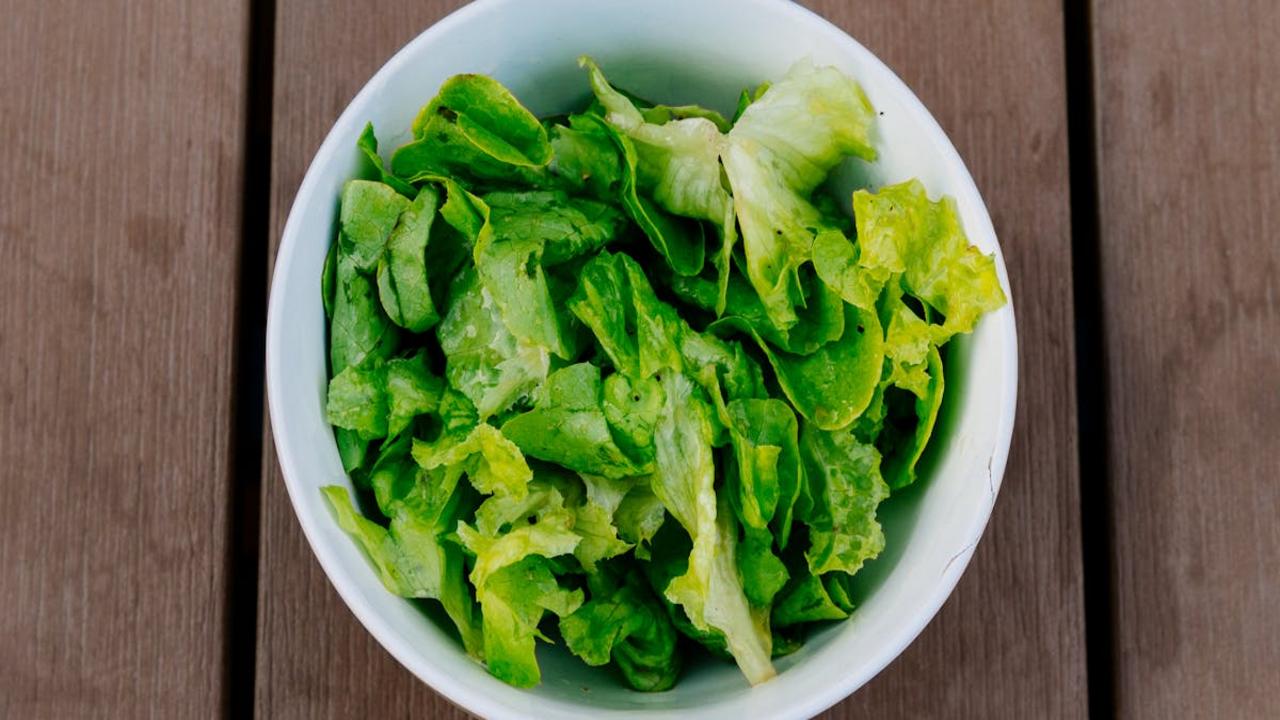
That sad, droopy lettuce sitting in your crisper drawer doesn’t belong in the trash—it belongs in your next warm dish! I’ve learned that wilted greens often carry more concentrated flavor than their crisp counterparts, making them perfect for cooked applications. When lettuce loses its crunch, it transforms into something entirely different: a tender, mild green that absorbs flavors beautifully. Think of it as nature’s way of prepping your ingredients for you.
Turn that wilted lettuce into a quick sauté with garlic and ginger, or toss it into soups during the last few minutes of cooking. I love adding wilted romaine to fried rice—it brings a fresh element without the harsh bite of raw greens. You can also braise it with a splash of soy sauce and sesame oil for an Asian-inspired side dish, or fold it into scrambled eggs with fresh herbs. The key is treating wilted lettuce like any other cooking green: spinach, bok choy, or Swiss chard. Your wallet and your taste buds will thank you for seeing past that less-than-perfect appearance.
Brown Bananas
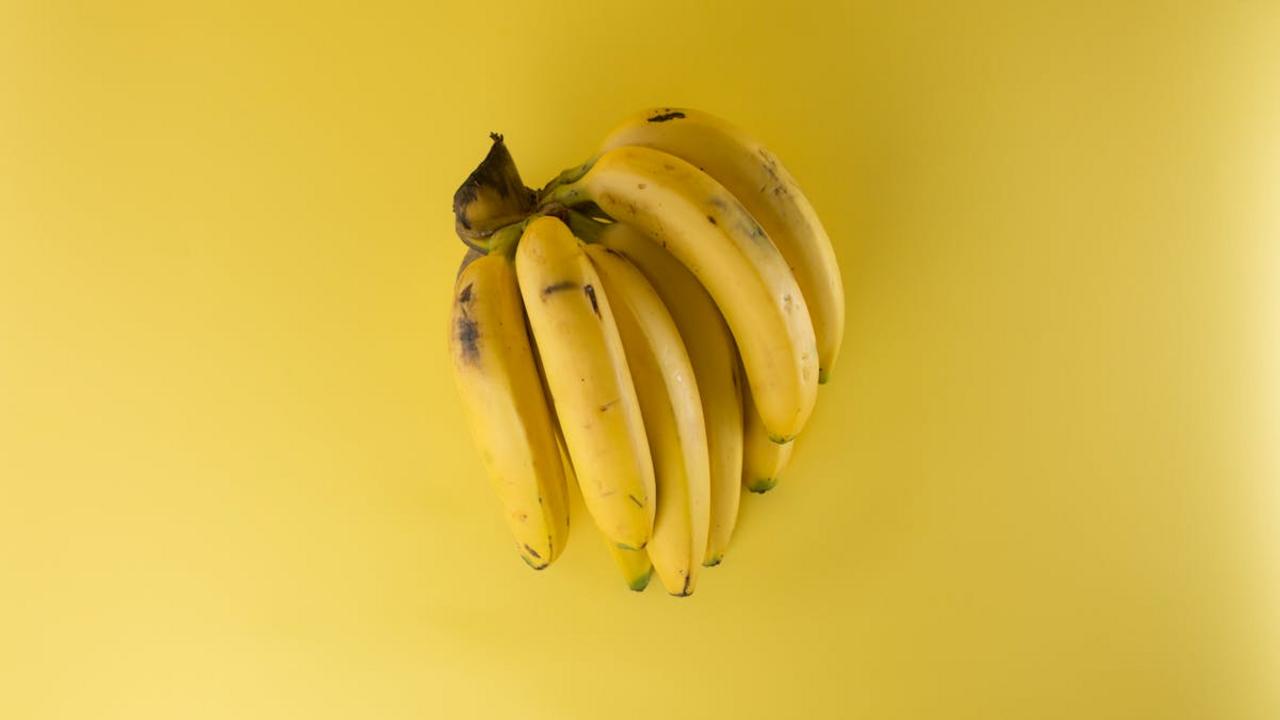
Those spotty, soft bananas sitting on your counter aren’t destined for the trash—they’re actually at their flavor peak! I keep a dedicated bowl for these beauties because their concentrated sweetness makes them absolute gold for baking and cooking. The natural sugars have developed fully, giving you that intense banana flavor that transforms everything from pancakes to smoothies into something extraordinary.
I freeze mine in chunks for instant smoothie additions, or mash them into my morning oatmeal with a sprinkle of cinnamon and chopped walnuts. They create the most incredible banana bread—no added sugar needed because nature has already done the work. You can also blend them into nice cream with a touch of vanilla, or fold them into yogurt for a naturally sweet treat. These overripe gems save you money while adding authentic banana flavor that those perfectly yellow ones simply can’t match.
Stale Bread
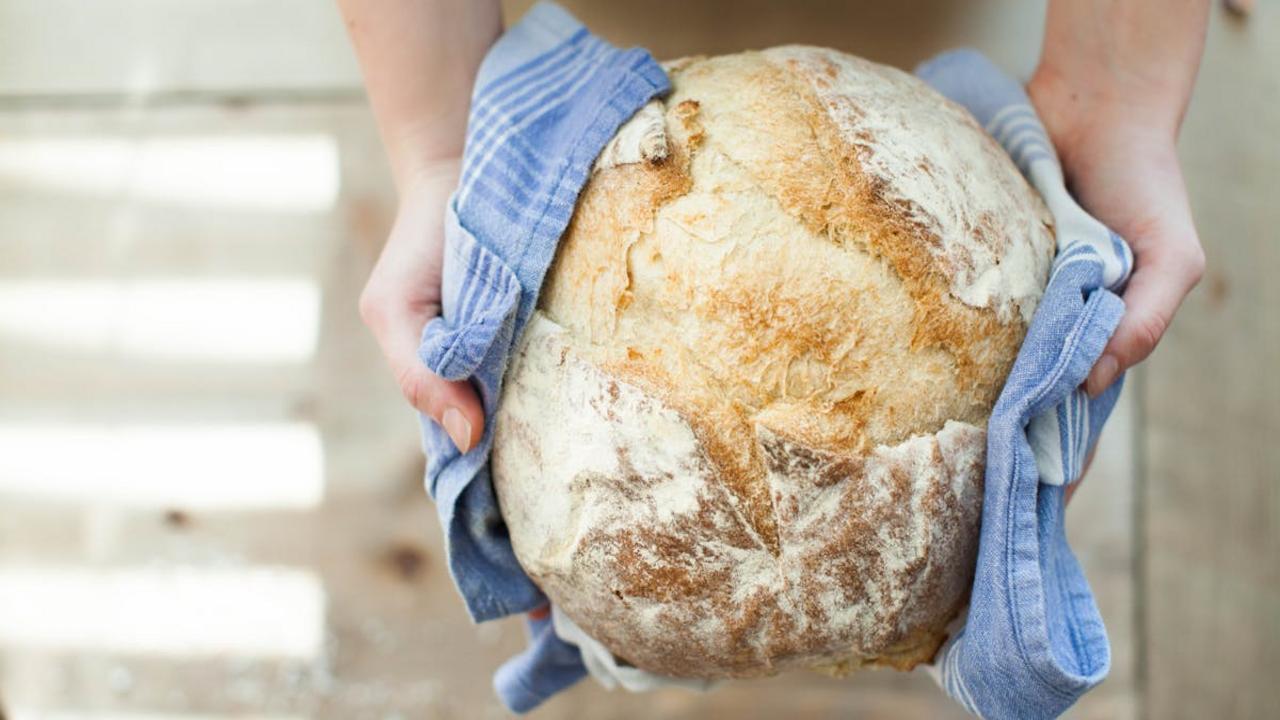
That rock-hard loaf sitting on your counter isn’t destined for the trash—it’s your ticket to some incredible comfort food! I transform stale bread into golden, crispy croutons by tearing it into chunks, tossing with olive oil, garlic powder, and whatever herbs I have on hand, then roasting until perfectly crunchy. These homemade croutons beat any store-bought version and add serious texture to salads, soups, and grain bowls. You can also blitz stale bread in your food processor to make fresh breadcrumbs that’ll keep in your freezer for months, ready to coat chicken cutlets or top pasta dishes.
My favorite way to rescue day-old bread is making bread pudding—both sweet and savory versions work beautifully. For a savory spin, I layer torn bread with sautéed vegetables, cheese, and beaten eggs, creating a hearty breakfast casserole that feeds a crowd. The sweet version gets cinnamon, vanilla, and whatever fruit needs using up from my fridge. French toast is another winner that actually works better with slightly stale bread since it soaks up that custard mixture without falling apart. Trust me, once you start seeing stale bread as opportunity rather than waste, you’ll never toss another loaf again.