14 Smart Food Safety Habits Chefs Swear By for a Cleaner, Safer Kitchen
Ever watched a professional chef whip around the kitchen with ninja-like precision? That’s not just showmanship—it’s food safety in action! The difference between a five-star meal and a trip to the emergency room often comes down to simple habits that keep nasty bacteria at bay. Professional kitchens run on strict safety codes that you can easily bring home.
My chef friends constantly remind me that food safety isn’t just restaurant business—it’s everyone’s business. After spending time in restaurant kitchens, I’ve seen firsthand how these pros transform safety protocols into second nature. The good news? You don’t need a culinary degree to cook like the pros do (safely, that is).
The kitchen should be your happy place, not a bacterial breeding ground. By adopting these 14 chef-approved safety habits, you’ll dramatically reduce your risk of foodborne illness while actually making cooking more efficient. Think of these tips as your invisible kitchen insurance policy—protection that works while you create!
Food Allergen Management
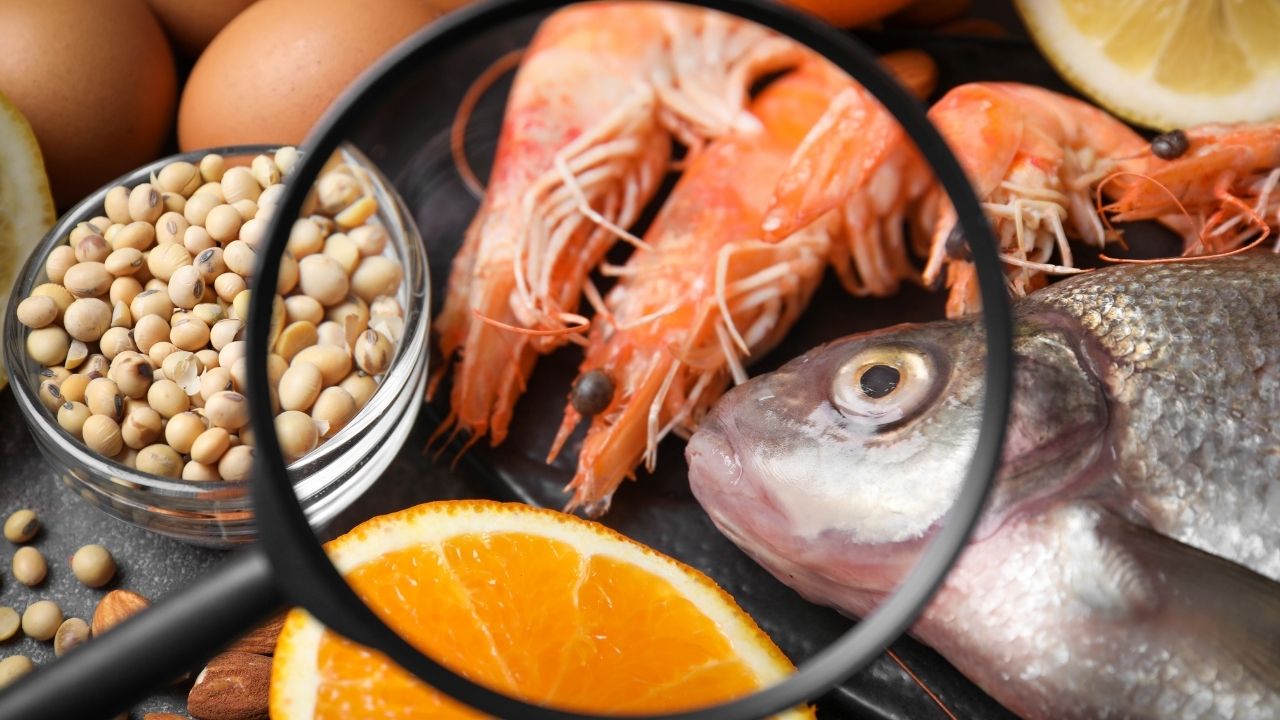
Picture this: you’re running a bustling kitchen when suddenly someone mentions they have a severe peanut allergy, and your brain does that thing where it frantically rewinds through every dish you’ve prepped today. Professional chefs know this panic all too well, which is why they’ve developed bulletproof systems for managing allergens that would make a hospital jealous. The smartest kitchens keep dedicated cutting boards, knives, and prep areas for common allergens like nuts, shellfish, and gluten – color-coding them so even the most frazzled line cook can’t mess up. Some restaurants go so far as to have separate fryer oil for allergen-free items, because cross-contamination is sneakier than a cat stealing bacon off your plate.
Here’s where it gets really interesting: top chefs treat allergen information like classified documents, maintaining detailed ingredient lists and training their entire team to recite them like poetry. They know that “may contain traces of” isn’t just legal jargon – it’s the difference between a happy customer and a medical emergency. Smart kitchens also implement the “clean as you go” rule religiously, washing hands and sanitizing surfaces between every allergen-containing prep task. The really savvy ones keep emergency action plans posted and make sure at least one person per shift knows how to use an EpiPen, because being prepared for the worst-case scenario isn’t paranoia – it’s professional responsibility wrapped in common sense.
Personal Hygiene While Cooking

Picture this: you’re channeling your inner Gordon Ramsay, knife skills on point, when suddenly you realize you’ve been touching your hair, scratching your nose, and adjusting your apron without washing your hands once. Yikes! Professional chefs treat handwashing like a sacred ritual—they scrub those mitts for a full 20 seconds with hot, soapy water before touching any ingredient. Fun fact: your hands carry more bacteria than a subway turnstile, with over 150 different species of microorganisms calling your fingertips home. That’s why smart cooks wash their hands after handling raw meat, touching their face, using the restroom, or basically breathing near anything questionable.
Beyond the obvious hand-scrubbing marathon, seasoned chefs rock some seriously unglamorous accessories that somehow make them look cooler. Hair nets, beard covers, and aprons aren’t fashion statements—they’re your kitchen armor against contamination. I once watched a pastry chef tie her hair back so tight she looked like she was ready for takeoff, all because a single strand in the soufflé could spell disaster. Keep your fingernails shorter than your patience during dinner rush, ditch the jewelry that turns you into a walking petri dish, and change those clothes if you’ve been wrestling with raw chicken. Remember, looking like a serious cook means prioritizing cleanliness over style—though honestly, there’s something undeniably attractive about someone who takes food safety seriously.
Kitchen Tool Sanitization
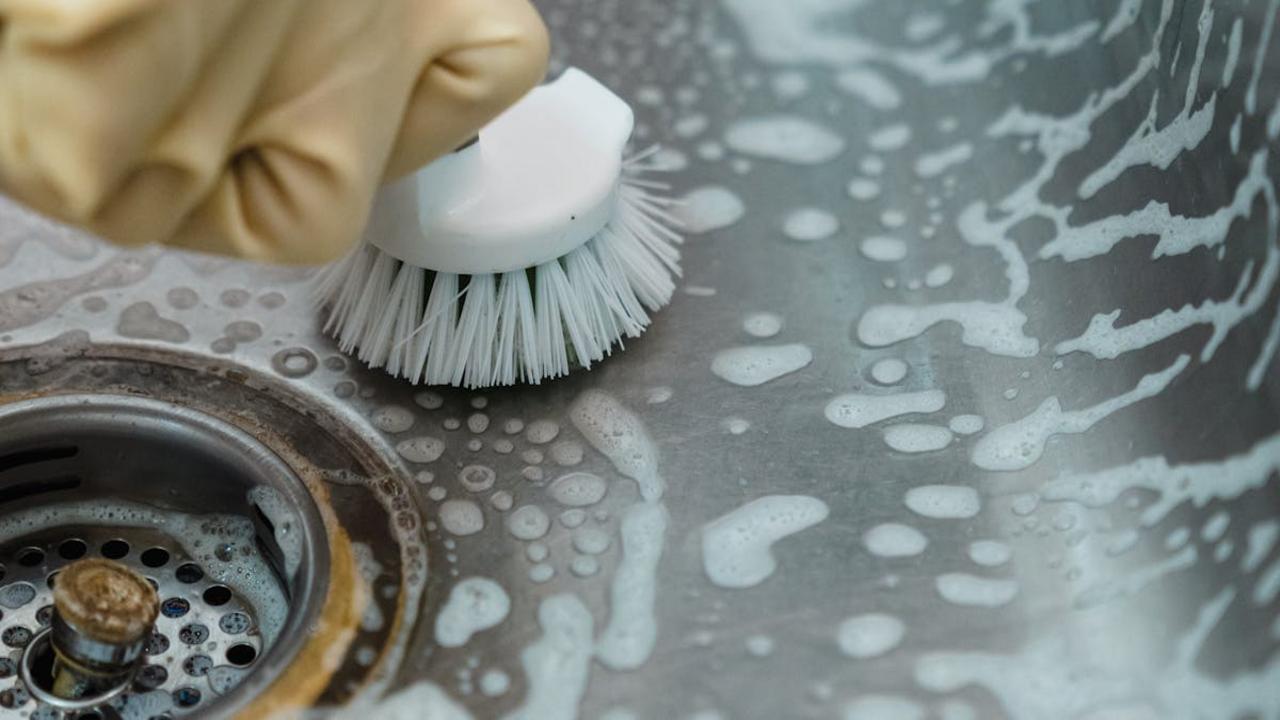
Your chef’s knife might look spotless after a quick rinse, but here’s the dirty truth: bacteria laugh in the face of your casual water splash. Professional chefs treat their tools like surgical instruments, and you should too! That wooden cutting board you’ve been giving the old soap-and-water treatment? It’s basically a bacterial bed and breakfast. Chefs know that proper sanitization means a bleach solution (one tablespoon per gallon of water) or white vinegar for those who prefer the natural route. Don’t forget about those sneaky spots where germs love to party – knife handles, can opener gears, and the inside of your blender gasket are basically microscopic nightclub districts.
Here’s where things get interesting: heat kills everything, but not all your tools can take a sauna session. While your metal tongs can handle boiling water like champs, that plastic spatula might turn into modern art if you’re not careful. Smart chefs keep separate sanitizing buckets – one for soaking, one for rinsing – because cross-contamination is sneakier than a toddler with chocolate fingers. Pro tip: replace your kitchen sponges every week, because after seven days, they contain more bacteria than your toilet seat (yes, really!). Your grandmother’s cast iron skillet that’s been “seasoned” for decades? Even that bad boy needs proper cleaning between raw meat and vegetables.
Safe Leftover Storage
You know that moment when you’re staring at your beautiful leftover lasagna, wondering if it’s still safe to eat after sitting in your fridge for… wait, was it three days or five? Professional chefs don’t play guessing games with leftovers because they’ve learned the hard way that food safety isn’t negotiable. The golden rule in restaurant kitchens is the “first in, first out” system – date everything that goes into storage, and use the oldest items first. Smart chefs never trust their memory because even Gordon Ramsay probably can’t remember exactly when he made that batch of bolognese.
Here’s what separates amateur home cooks from the pros: proper cooling and storage techniques that prevent bacterial parties in your food. Hot food should cool to room temperature within two hours, then get refrigerated immediately – leaving it out longer turns your dinner into a science experiment you definitely don’t want to eat. Professional kitchens use shallow containers for faster cooling, store items at 40°F or below, and follow the three-to-four-day rule for most cooked foods. They also know that reheating leftovers to 165°F kills most bacteria, but only if you stored them properly in the first place. Trust me, your future self will thank you for labeling that mysterious container in the back of your fridge!
Cooking Temperature Guidelines
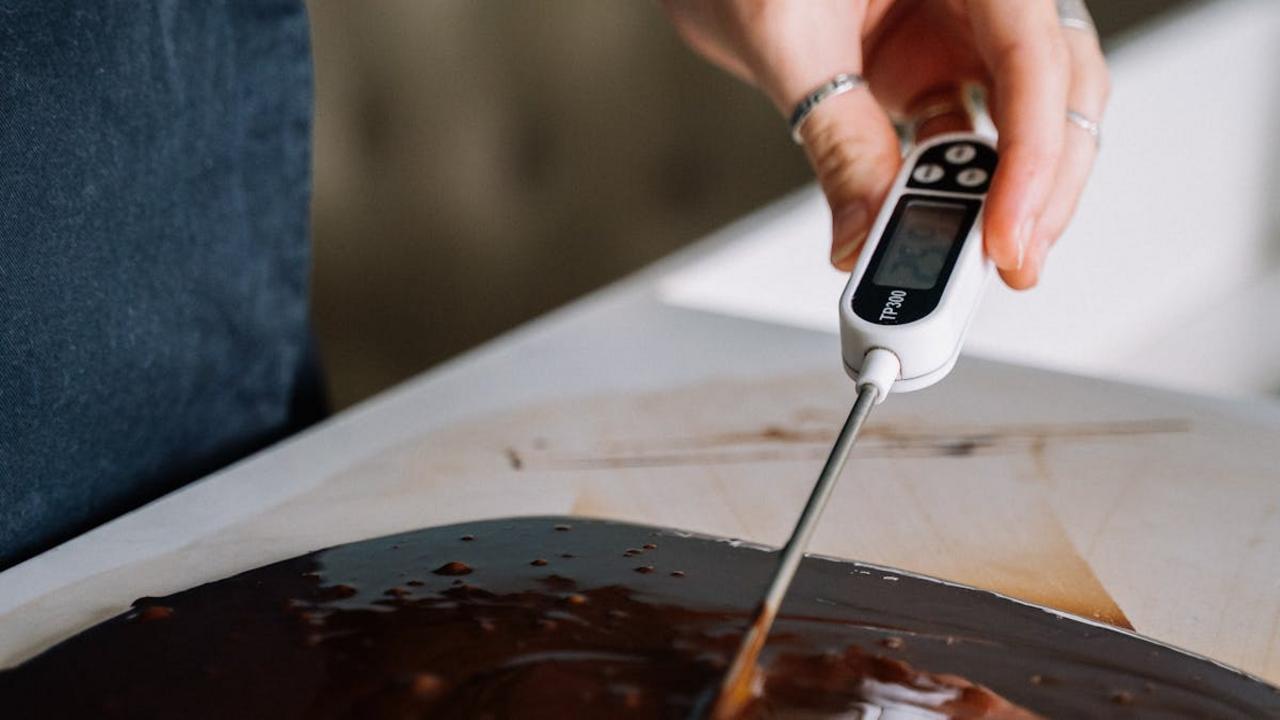
Think of your meat thermometer as your kitchen superhero – the one tool that stands between you and a dinner party disaster. Professional chefs don’t just wing it with cooking temperatures; they follow strict guidelines that would make a scientist jealous. Poultry needs to hit 165°F internally (yes, even that fancy organic chicken from your farmer’s market), while ground beef requires 160°F to knock out any lingering bacteria. Pork and lamb should reach 145°F, then rest for three minutes – think of it as a little spa break for your protein. Here’s a fun fact: the USDA temperature recommendations weren’t just pulled out of thin air; they’re based on decades of food safety research that determined exactly how hot you need to get to eliminate harmful pathogens without turning your dinner into shoe leather.
The beauty of proper temperature control goes beyond just safety – it’s your secret weapon for achieving perfect doneness every single time. While your grandmother might have relied on the “poke it with a fork and hope for the best” method, modern chefs know that precision creates consistency. Fish reaches its peak at 145°F, where it flakes beautifully but still maintains its delicate texture. Even leftovers deserve respect – reheat them to 165°F to ensure any bacteria that might have crashed the party while sitting in your fridge gets evicted immediately. Pro tip: invest in a good instant-read thermometer and treat it like the kitchen MVP it truly is. Your guests will thank you when they’re not spending the evening making friends with your bathroom.
Fresh Produce Cleaning
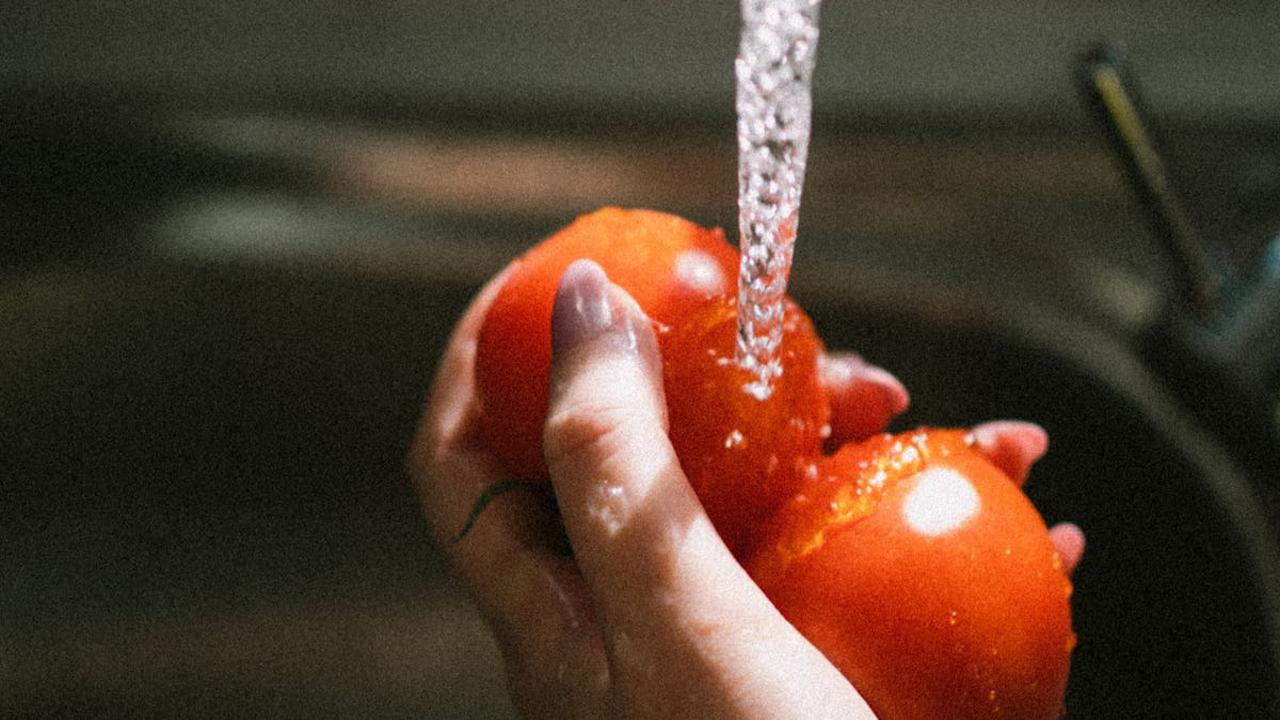
You know that moment when you grab an apple and wonder where it’s been? Well, professional chefs have turned produce washing into a fine science, and honestly, it’s about time we caught up! Here’s the thing: your fruits and vegetables have traveled more miles than most influencers, picking up dirt, bacteria, and who knows what else along the way. Smart chefs never skip the rinse-and-scrub routine, even for produce they plan to peel. Why? Because your knife becomes a tiny bulldozer, pushing surface contaminants straight into the good stuff. They use cold running water for most items, giving firm produce like apples and potatoes a gentle scrub with a clean brush. For leafy greens, they swish each leaf individually in a bowl of cold water, then pat dry with clean towels.
Professional kitchens have a fascinating trick: they wash produce right before using it, not when they bring it home from the market. This prevents premature spoilage while keeping everything fresh and clean. Some chefs swear by a quick vinegar solution (one part white vinegar to three parts water) for extra cleaning power, especially for strawberries and grapes that seem to collect every speck of dust in existence. The best part? You don’t need fancy vegetable washes from the store – plain water does the job beautifully for most produce. Just remember to dry everything thoroughly afterward, because wet produce becomes a bacterial playground faster than you can say “soggy salad.” Your stomach will thank you for this extra step!
Refrigerator Organization
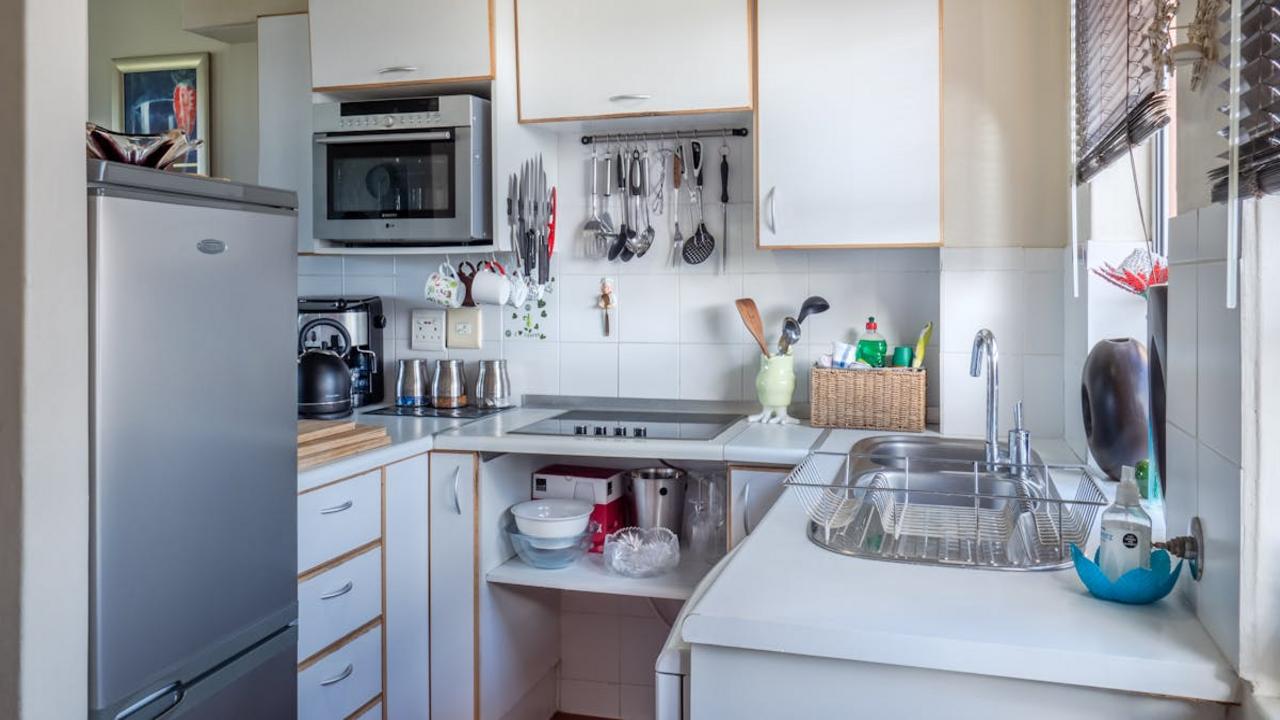
Your fridge isn’t just a cold box—it’s a strategic battlefield where proper placement can mean the difference between fresh lettuce and slimy green mush. Professional chefs treat their refrigerators like military commanders organizing troops, and honestly, they’re onto something brilliant. Raw meat lives on the bottom shelf like a grumpy hermit, preventing any sneaky drips from contaminating your beautiful produce above. Dairy products claim the middle territory where temperatures stay most consistent, while your delicate herbs and greens get VIP treatment in the crisper drawers. That weird door storage? Perfect for condiments and drinks that can handle temperature fluctuations better than a drama queen handles criticism.
Here’s something that’ll make you rethink everything: your fridge has temperature zones just like different climate regions on Earth! The back stays coldest (around 35°F), while the door swings between temperatures like a moody teenager. Smart chefs use this geography to their advantage—storing leftovers toward the back where they’ll stay freshest longest, and keeping frequently-used items like butter slightly forward where they’re easier to spread. Label everything with dates using masking tape and a Sharpie, because three-week-old mystery containers are nobody’s friend. Pro tip: organize by expiration dates so older items sit front and center, practically screaming “eat me first!” This simple system prevents that heartbreaking moment when you discover expensive ingredients have gone bad while hiding behind newer purchases.
Safe Defrosting Methods

Listen, I’ve watched too many home cooks turn their chicken into a science experiment by leaving it on the counter overnight, and honestly, it makes me weep for humanity. Your frozen protein isn’t a vampire that needs to see daylight to come back to life! The refrigerator method remains the gold standard – plan ahead and move your meat from freezer to fridge 24 hours before cooking. Sure, it requires the kind of meal planning that makes spontaneous dinner parties impossible, but your stomach will thank you when you’re not spending the evening making friends with your toilet.
If you’re in a time crunch (because who among us hasn’t forgotten to defrost dinner until 5 PM?), cold water immersion saves the day faster than a superhero in spandex. Submerge your sealed protein in cold water, changing the water every 30 minutes – this method defrosts a pound of meat in about an hour. Microwave defrosting works too, but only if you plan to cook immediately after, since microwaves create those weird warm spots where bacteria throw their own little party. Never, and I mean NEVER, defrost at room temperature – that 40-140°F danger zone turns your kitchen counter into bacteria’s favorite nightclub, complete with rapid multiplication and food poisoning as the unwelcome party favor.
Raw Meat Handling
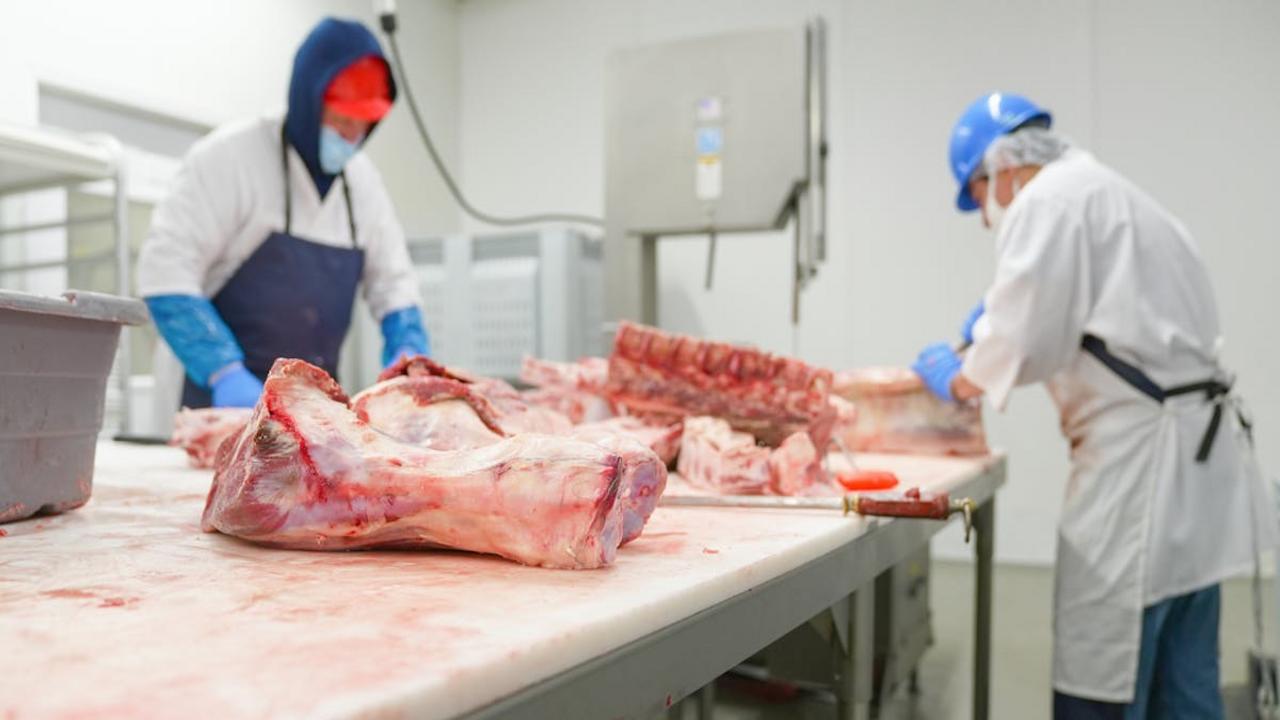
Picture this: you’re channeling your inner Gordon Ramsay, ready to transform that beautiful ribeye into dinner magic, when suddenly you realize you’ve been treating raw meat like it’s a friendly golden retriever instead of the bacterial playground it actually is. Raw meat carries more unwanted hitchhikers than a cross-country road trip – we’re talking salmonella, E. coli, and campylobacter, just to name the usual suspects. These microscopic party crashers love nothing more than spreading their chaos from your cutting board to your salad greens faster than gossip at a high school reunion.
Smart chefs treat raw meat like radioactive material – with respect, separate tools, and obsessive hand-washing rituals that would make Lady Macbeth proud. Always designate one cutting board exclusively for raw meat (preferably a different color so you don’t accidentally slice your tomatoes on the same surface where chicken just shed its juices), and wash your hands for a full 20 seconds after every single interaction. Fun fact: you can sing “Happy Birthday” twice during proper hand-washing, though I personally prefer belting out the chorus of “Don’t Stop Believin'” – it’s more motivating and takes exactly the right amount of time to banish those germs to oblivion.
Kitchen Surface Sanitization
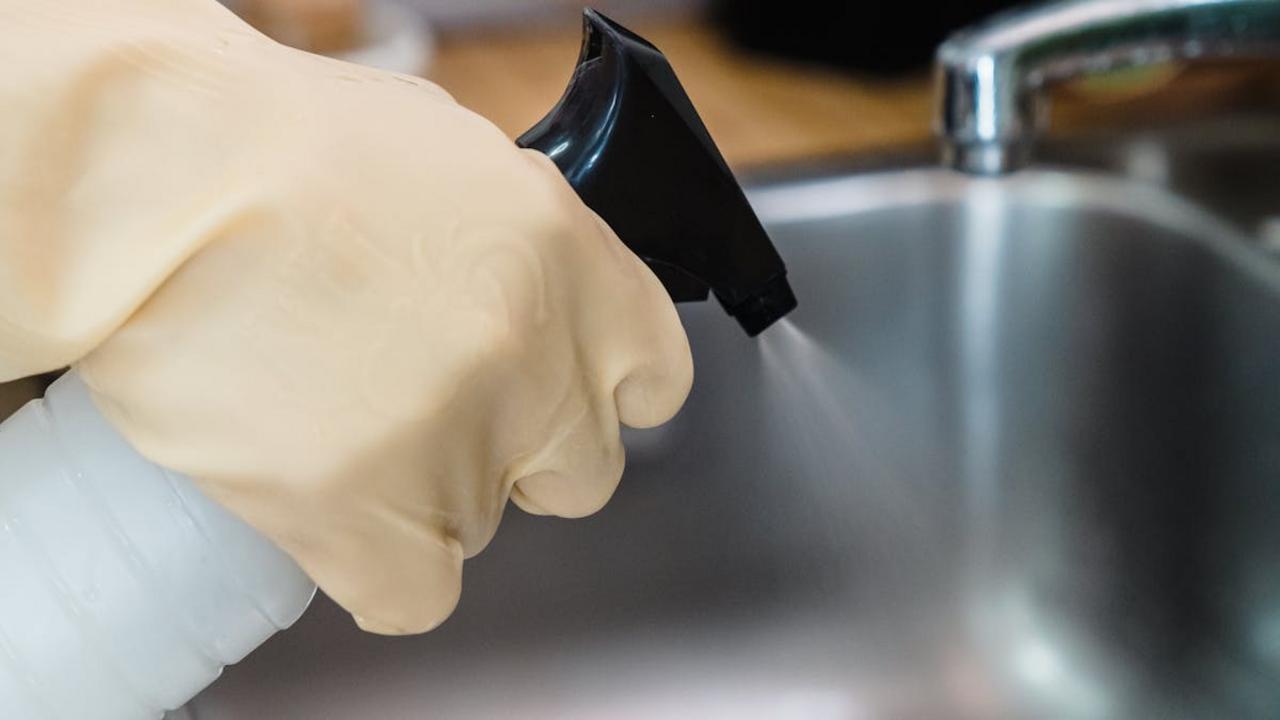
Picture this: your kitchen counter has seen more action than a Broadway stage—raw chicken juice from last night’s dinner prep, mysterious sticky spots from your weekend baking marathon, and let’s not forget that coffee ring that’s practically become part of the granite’s personality. Professional chefs treat their work surfaces like sacred ground, and they’ve got the sanitizing routine down to a science that would make a germaphobe weep with joy. The secret weapon? A simple bleach solution (one tablespoon per gallon of water) that gets swapped out daily, plus microfiber cloths that grab onto bacteria like they’re collecting autographs at a food safety convention.
Here’s where things get interesting: most home cooks think a quick wipe with whatever’s handy counts as cleaning, but chefs know the difference between cleaning (removing visible dirt) and sanitizing (actually killing those microscopic party crashers). They clean first with hot soapy water, then follow up with their sanitizing solution, letting it sit for at least 30 seconds before wiping dry. Fun fact: wooden cutting boards need extra TLC—after each use, they get scrubbed with coarse salt and half a lemon, which acts like nature’s own antibacterial spa treatment. Professional kitchens also designate specific cutting boards for different ingredients (red for meat, green for vegetables), because cross-contamination is basically the boogeyman of food safety, and nobody wants to explain to customers why their salad tastes suspiciously like last Tuesday’s fish special.
Food Expiration Dates
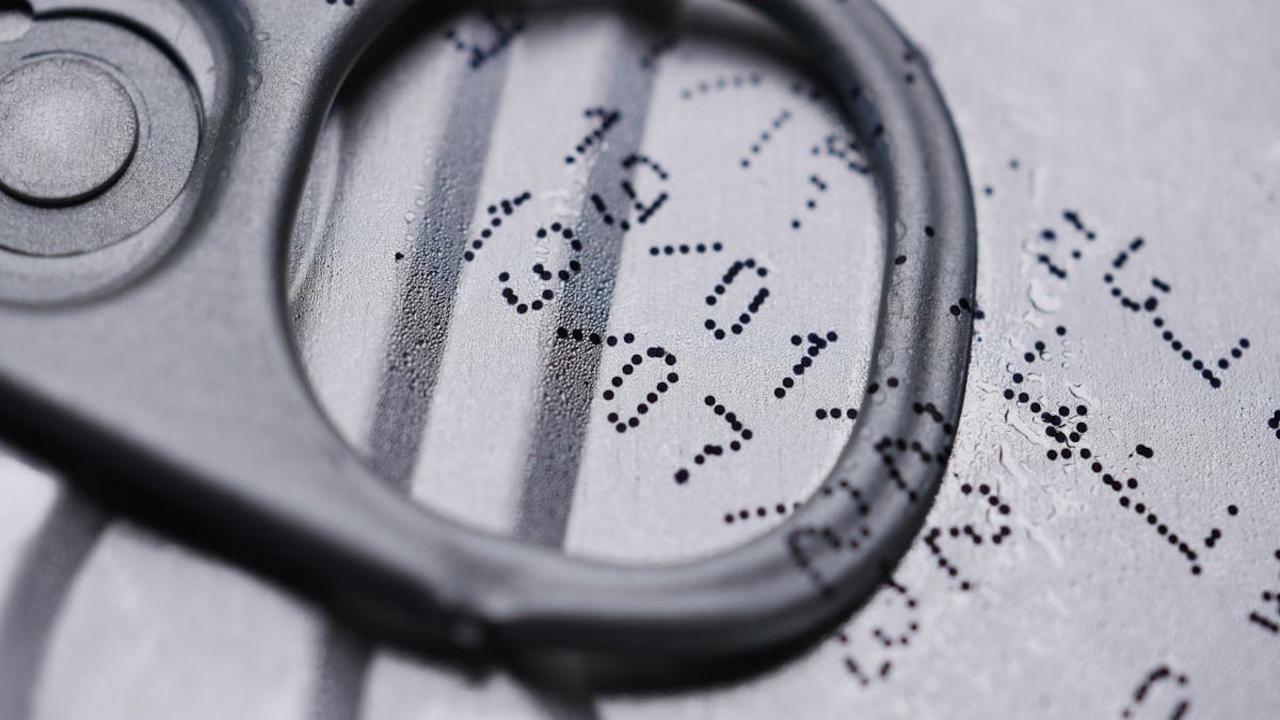
Here’s the plot twist that’ll make you question everything you thought you knew about those tiny dates stamped on your groceries: they’re more like gentle suggestions than hard rules! Professional chefs treat expiration dates like horoscopes—interesting to read, but definitely not gospel. That carton of milk sitting in your fridge? It might still be perfectly fine three days past its “sell by” date if it passes the sniff test and hasn’t developed any funky textures. The secret lies in understanding the difference between “sell by,” “use by,” and “best by” dates, which food manufacturers use more for inventory management than actual food safety.
Smart chefs rely on their senses instead of blindly following calendar dates, and you should too! Your nose knows better than any printed label whether that yogurt has gone rogue or if those strawberries are ready for the compost bin. Store your food properly—keep your refrigerator at 40°F or below, rotate older items to the front, and trust your instincts when something seems off. Fun fact: honey never expires (archaeologists have found perfectly edible honey in ancient Egyptian tombs!), while eggs can often last weeks beyond their carton date if stored correctly. The real magic happens when you learn to read food’s natural signals—the smell, texture, and appearance tell the true story of freshness.
Cross Contamination Prevention
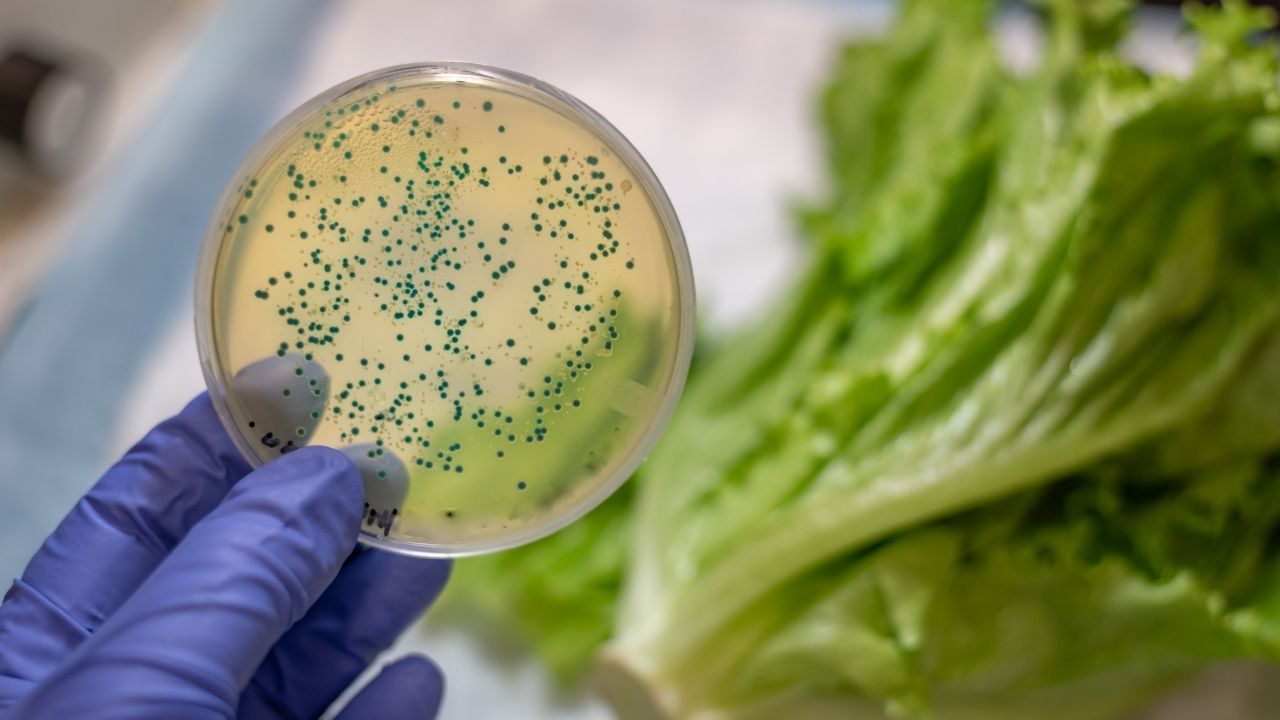
Picture this: you’re making chicken tacos for dinner, and you use the same cutting board for raw poultry and fresh lettuce without washing it. Congratulations, you just created a bacterial dance party that nobody wants to attend! Cross contamination happens faster than you can say “food poisoning,” and professional chefs treat it like the kitchen villain it truly is. They’ve mastered the art of keeping raw meats, cooked foods, and fresh produce in their own separate lanes, like traffic directors for ingredients.
The golden rule here involves color-coded cutting boards – red for raw meat, green for vegetables, and blue for fish. Think of them as superhero capes for food safety! Smart chefs also practice the “two-towel system,” keeping one for hands and another for surfaces, because mixing those up turns your kitchen towel into a germ highway. Here’s a fun fact: bacteria can multiply every 20 minutes in the right conditions, so that innocent-looking counter becomes a microscopic metropolis if you’re not careful. Keep separate utensils for raw and cooked foods, wash your hands like you’re scrubbing for surgery between tasks, and always work from cleanest to dirtiest ingredients – your future self (and your guests) will thank you!
Safe Food Storage Temperatures
Your refrigerator isn’t just a cold box—it’s your kitchen’s personal bodyguard, standing sentinel against the invisible army of bacteria that would love nothing more than to turn your beautiful ingredients into a science experiment gone wrong. Professional chefs treat temperature like a sacred commandment, and for good reason: keep your fridge between 32-40°F (0-4°C), and you’re golden. Any warmer, and you’re basically rolling out the red carpet for salmonella and its troublemaking friends. The freezer? That fortress needs to stay at 0°F (-18°C) or below, where bacteria go into suspended animation like tiny frozen villains waiting for their chance to strike.
Here’s where things get interesting: your fridge has personality zones just like different neighborhoods in a city. The bottom shelf is the coldest spot (perfect for raw meat), while the door is the warmest and most unstable area—which explains why storing milk there is like putting your dairy products on a temperature roller coaster. Smart chefs know that hot food needs to cool down to room temperature before hitting the fridge, otherwise you’re creating a sauna effect that can push surrounding foods into the danger zone. And that leftover pizza? Don’t leave it out longer than two hours, or one hour if your kitchen feels like a tropical vacation. Temperature isn’t just about numbers—it’s about respecting the delicate dance between time, heat, and hungry microorganisms.
Proper Hand Washing
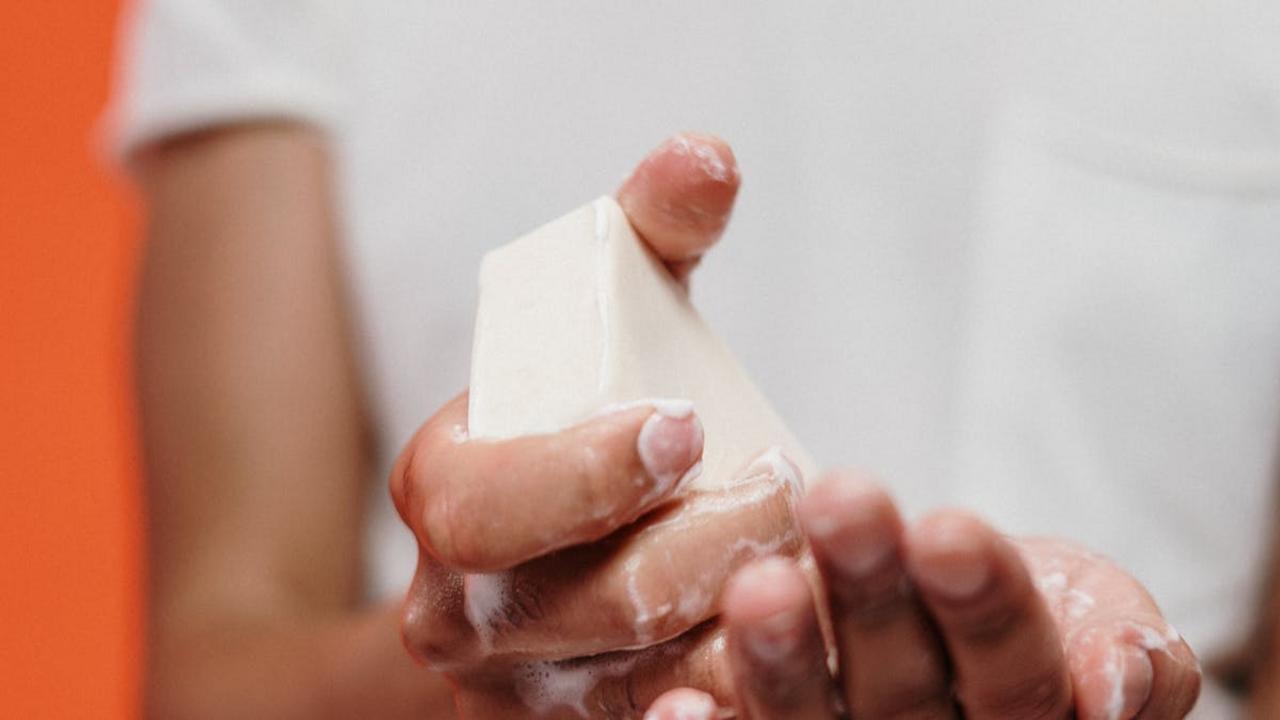
You know that moment when you watch a chef scrub their hands with the intensity of a surgeon prepping for brain surgery? That’s not dramatic flair – that’s professional survival instinct kicking in. Real chefs wash their hands like they’re trying to rid themselves of invisible food poisoning demons, because honestly, they kind of are. The magic formula involves twenty seconds of vigorous scrubbing with hot water and soap, getting under those nails where yesterday’s garlic loves to hide. Pro tip: sing “Happy Birthday” twice, or if you’re feeling fancy, belt out the chorus of your favorite power ballad while you scrub away.
Here’s something wild – your hands carry more bacteria than a subway turnstile after rush hour, yet most home cooks give them a quick rinse and call it good. Chefs know better because they’ve seen what happens when someone skips this step (spoiler alert: it involves angry customers and health inspectors). The real secret lies in washing between your fingers, around your wrists, and yes, even under that wedding ring you never take off. Temperature matters too – lukewarm water might feel nice, but hot water opens up those pores and helps the soap do its bacteria-busting job. Trust me, your future dinner guests will thank you, even if they never know you just prevented their potential midnight bathroom marathon.