15 Shelf-Stable Foods People Stockpile When Storms Roll In
When Mother Nature decides to throw her worst tantrum, smart folks know the secret: forget the bread and milk stampede at the grocery store. The real survival heroes sit quietly on pantry shelves, laughing at expiration dates like they’re bad jokes. These shelf-stable champions have sustained explorers, soldiers, and your grandmother’s depression-era neighbors for centuries.
Picture this: you’re riding out a hurricane with nothing but canned soup and stale crackers while your neighbor munches on homemade trail mix and sips coffee that actually tastes good. The difference? They’ve mastered the ancient art of smart stockpiling. These foods don’t just survive apocalyptic scenarios—they thrive in them.
From prehistoric pemmican to modern dehydrated vegetables, these fifteen powerhouse foods prove that survival doesn’t mean suffering through cardboard-flavored meals. Each one tells a story of human ingenuity, turning preservation into an edible insurance policy that your future self will definitely thank you for stashing away.
Rolled oats
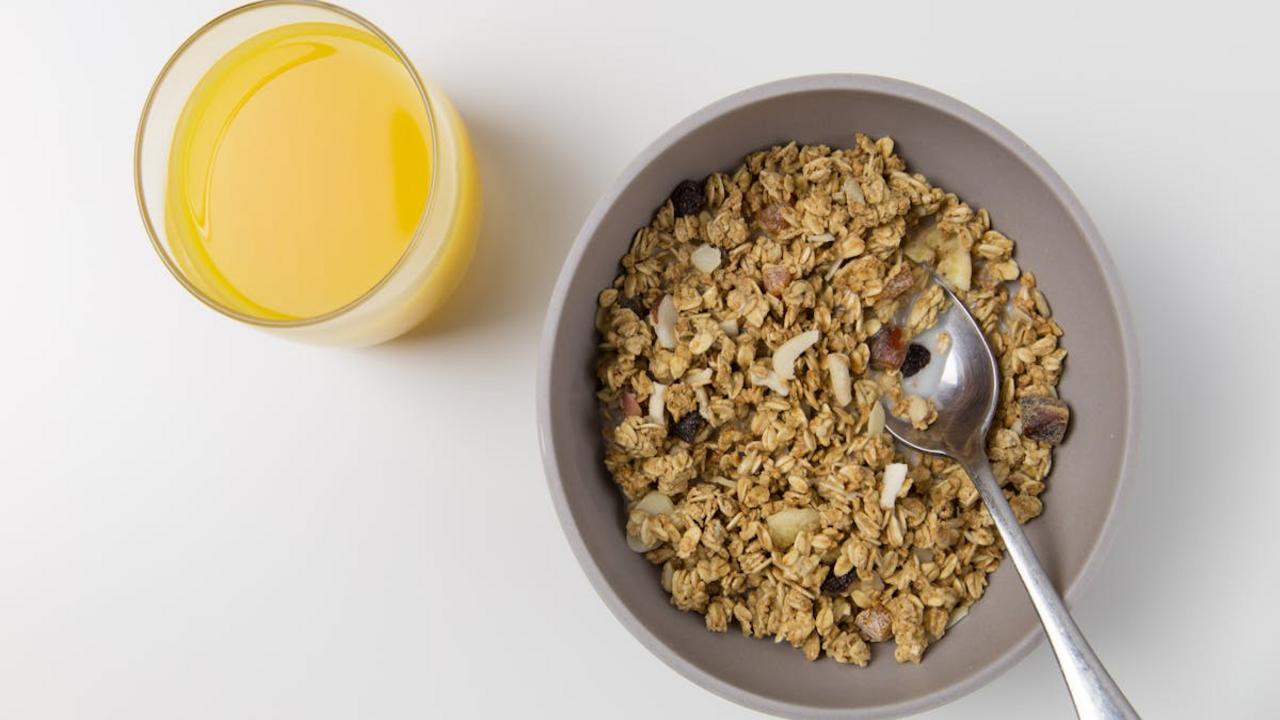
You know what’s absolutely genius about rolled oats? They’re basically the Swiss Army knife of the pantry world! While everyone else fights over the last loaf of bread when storm warnings hit, smart folks quietly grab those cylindrical containers of humble oats. These flattened little grain discs can transform into breakfast, lunch, dinner, or even dessert faster than you can say “power outage.” I once knew someone who survived three days of a blizzard eating nothing but creative oat concoctions – she made savory oatmeal with canned tomatoes one night and oat cookies in a camping Dutch oven the next day. The woman was basically a wizard!
Here’s something that’ll blow your mind: rolled oats are just regular oat groats that got steamrolled (literally!) to cook faster. They’re shelf-stable champions that can hang out in your pantry for up to two years without going rancid, unlike their prissy cousin, steel-cut oats, which take forever to cook. During storms, you can make overnight oats with whatever milk or milk substitute you have, cook them into hearty porridge on a camp stove, or even eat them raw mixed with nuts and dried fruit. Pro tip from my camping days: throw some oats into soup to make it heartier, or pulse them in a blender to make oat flour for emergency pancakes. They’re cheap, filling, and surprisingly versatile – basically the superhero your storm pantry deserves!
Dried fruits
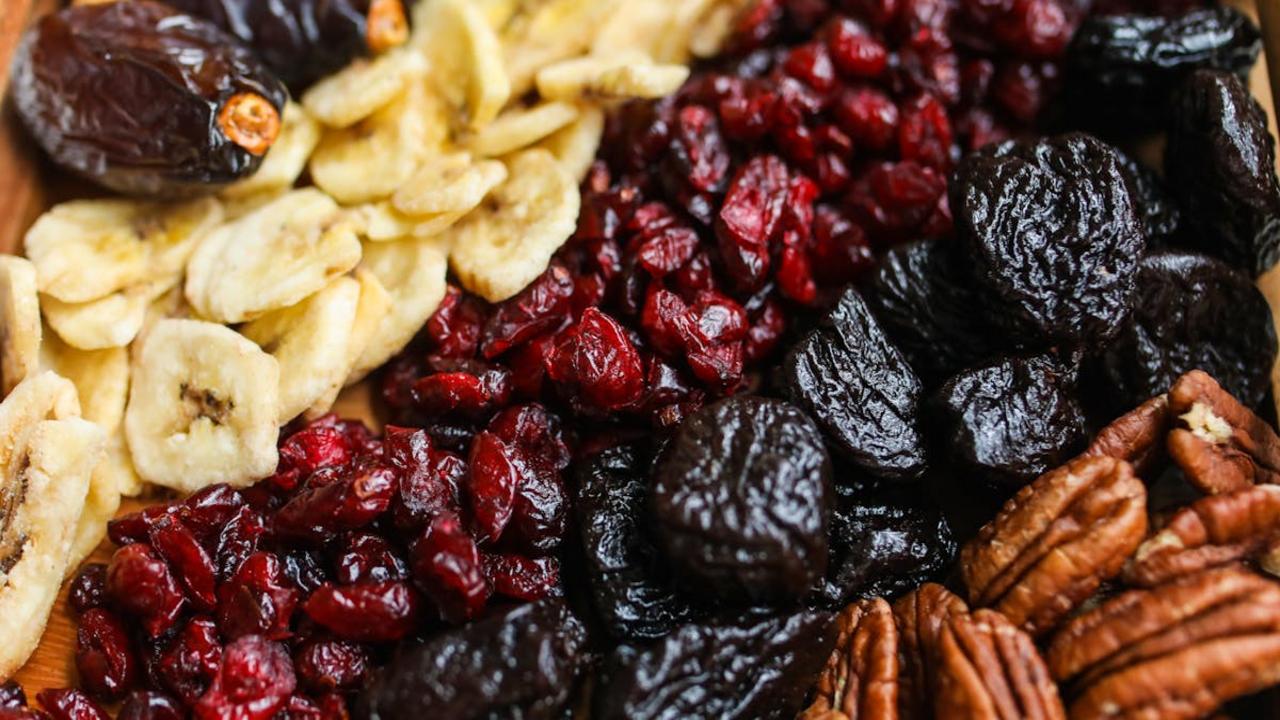
When Mother Nature throws her wildest tantrums, dried fruits become your sweet salvation in the pantry! These chewy little gems pack more concentrated flavor per square inch than their fresh counterparts – think of them as nature’s candy that happens to survive apocalyptic weather conditions. Raisins, dates, apricots, and cranberries transform into wrinkled wizards of sweetness through dehydration, losing their water but gaining serious staying power. You can stash them for months without refrigeration, making them perfect storm companions that won’t judge you for eating them straight from the bag at 2 AM during a power outage.
Here’s where dried fruits get sneaky brilliant: they’re incredibly versatile beyond midnight snacking sessions. Toss dried cranberries into your emergency oatmeal for breakfast pizzazz, or mix chopped dates with nuts for an instant energy bomb that beats any expensive protein bar. Dried apricots can sweeten up bland rice dishes when your fresh produce runs low, while raisins make everything from trail mix to emergency bread pudding taste like you actually planned this whole storm thing. Plus, they’re loaded with fiber, potassium, and natural sugars that keep your energy steady when you’re hauling generator fuel or playing seventeen rounds of Monopoly by candlelight.
Hardtack
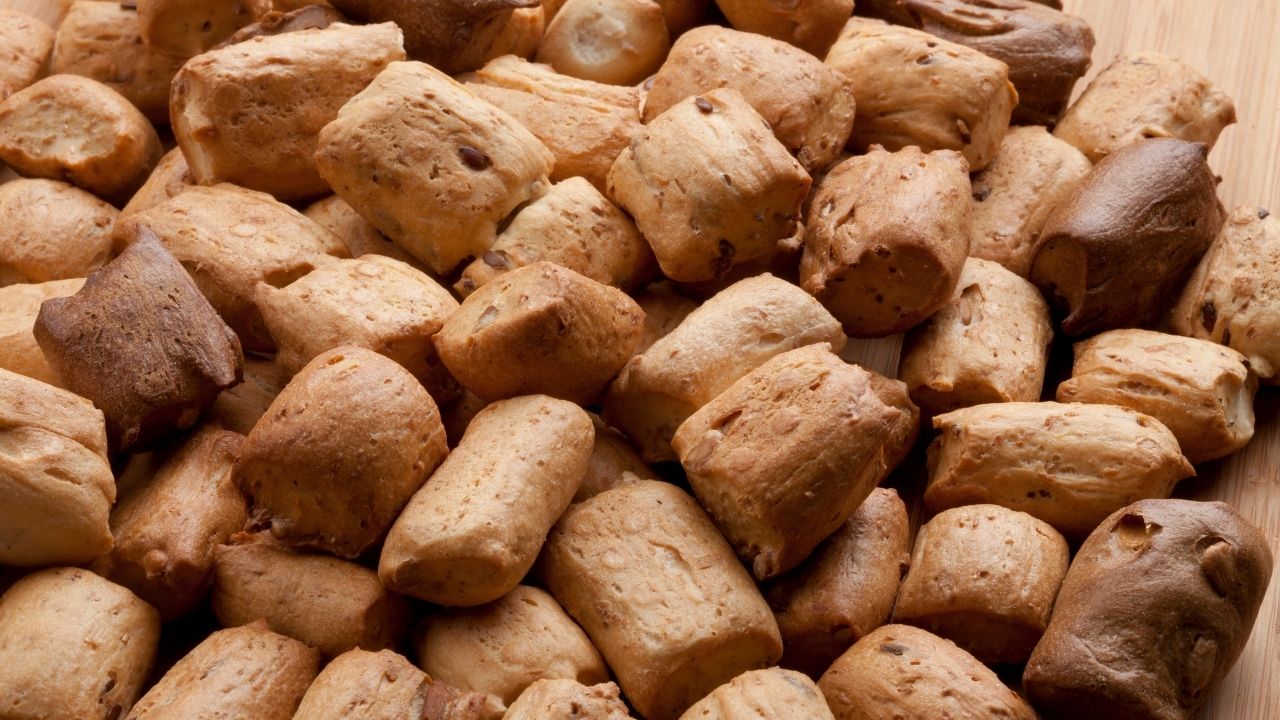
You know that friend who always brings the most boring snacks to movie night? Well, hardtack is basically their spirit animal in biscuit form. This legendary survival food earned its reputation during Civil War times, when soldiers nicknamed it “tooth dullers” and “sheet iron crackers” – and trust me, those weren’t terms of endearment. Made from just flour, water, and salt, hardtack looks like a beige tile you’d find in your grandmother’s bathroom, but don’t let appearances fool you. This stuff can outlast your mortgage, your marriage, and probably your great-great-grandchildren.
The beauty of hardtack lies in its stubborn refusal to spoil, rot, or show any signs of decay whatsoever. Archaeologists have found perfectly preserved hardtack from shipwrecks that’s still technically edible (though I wouldn’t recommend it for your next dinner party). When storm clouds gather, smart preppers stock up on these concrete cookies because they’ll keep indefinitely in a dry place. Just soak them in coffee, soup, or whatever liquid you have handy – your jaw will thank you later. Some folks grind them up to make a kind of flour, while others use them as the world’s most durable crackers. Pro tip: if you hear a loud crack when someone bites into hardtack, that’s not the biscuit breaking – it’s probably a tooth!
Dehydrated vegetables
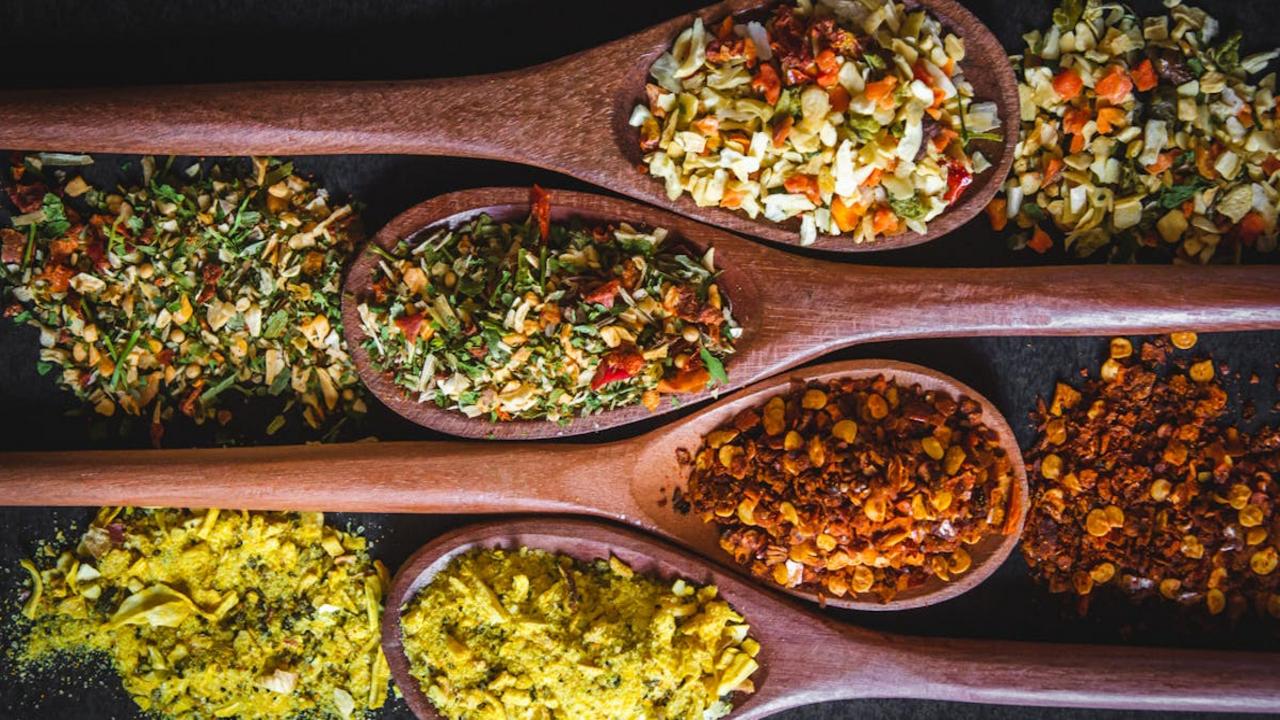
Picture this: you’re staring at what looks like colorful confetti scattered across your kitchen counter, but it’s actually your storm survival stash of dehydrated vegetables. These wrinkled little flavor bombs might not win any beauty contests, but they’re basically vegetables that went through a time machine and came out looking like their great-grandparents. Dehydrated veggies can last anywhere from 8 to 20 years when stored properly, which means they’ll probably outlive your smartphone and maybe even your car. The dehydration process removes about 95% of the water content, concentrating all those vitamins and minerals into tiny, shelf-stable packages that weigh practically nothing.
Here’s where these shriveled champions really shine: drop a handful of dehydrated bell peppers into your storm-day soup, and watch them plump back up like magic sponges, bringing color and crunch to your bowl. You can rehydrate them by soaking in warm water for 15-20 minutes, or just toss them directly into whatever you’re cooking and let them absorb the liquid naturally. I keep bags of dehydrated corn, carrots, and onions in my pantry because they transform boring rice or pasta into something that actually resembles a real meal. Plus, they’re incredibly lightweight – a pound of fresh tomatoes becomes just two ounces when dehydrated, making them perfect for your emergency kit without turning you into a pack mule.
Maple syrup

You know that liquid gold sitting in your pantry? Maple syrup isn’t just pancake perfume—it’s your secret weapon when Mother Nature throws her tantrums. This amber nectar can outlast most relationships when stored properly, staying fresh for years without refrigeration once unopened. I once discovered a forgotten bottle from three years ago tucked behind my canned beans, and it tasted just as divine as the day I bought it. The magic happens because real maple syrup contains natural preservatives and has a low water activity level that makes bacteria throw up their tiny hands in defeat.
Beyond drowning your emergency flapjacks, maple syrup transforms into your storm-day superhero ingredient. Mix it with oatmeal, drizzle over peanut butter sandwiches, or stir into your coffee when the power’s out and you’re feeling fancy despite wearing yesterday’s pajamas. Here’s a wild fact: it takes about 40 gallons of maple sap to make just one gallon of syrup—talk about concentrated sweetness! Pro tip from someone who’s weathered more storms than I care to count: buy the real stuff, not the corn syrup imposters. Grade A Dark Robust packs more flavor punch and gives you that authentic maple taste that makes even instant oatmeal feel like a cozy cabin breakfast.
Salt
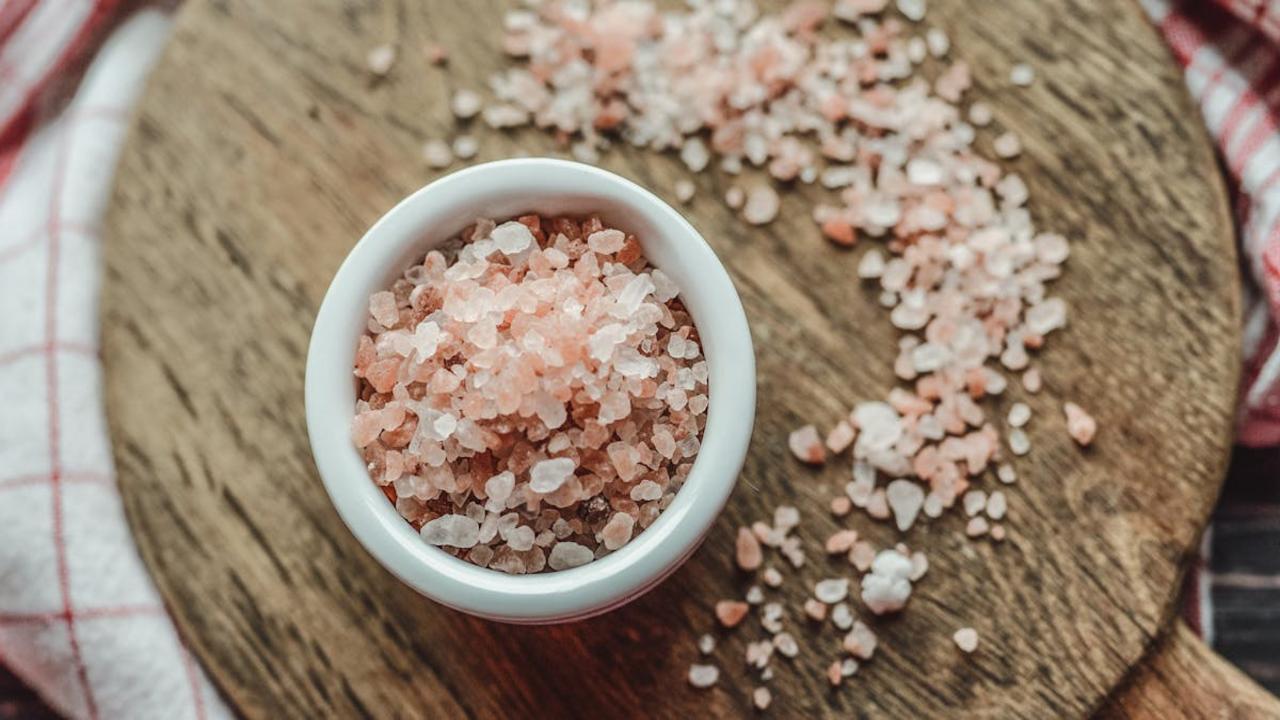
You know that white granular treasure sitting in your pantry right now? That humble little container holds more power than a superhero’s cape! Salt isn’t just another ingredient—it’s the ultimate food preservation wizard that’s been keeping humans fed for thousands of years. When hurricanes start brewing and everyone’s panic-buying bread, smart folks grab extra salt because this crystalline wonder can turn perishables into long-lasting provisions. Got fresh meat that needs to stick around? Pack it in salt. Vegetables threatening to go bad? Salt-cure those babies! Ancient civilizations literally built trade routes around this stuff, and Roman soldiers were sometimes paid in salt (hence “salary”)—now that’s what I call valuable currency.
Beyond its preservation superpowers, salt becomes your best friend when the power goes out and you’re cooking over camp stoves or makeshift grills. Just a pinch transforms bland emergency rations into something actually edible—because let’s face it, nobody wants to survive on tasteless crackers and canned beans. Plus, salt helps your body retain water during stressful situations, which becomes pretty important when you’re hauling fallen tree branches or sandbagging your house. Stock up on both iodized table salt for daily cooking and coarse kosher salt for preservation projects. Trust me, when your neighbors are fighting over the last loaf of bread, you’ll be sitting pretty with your salt-cured bacon and pickled vegetables, eating like royalty while the storm rages outside.
Instant coffee
Listen, I know what you’re thinking – instant coffee sounds about as appetizing as cardboard soup. But when the wind starts howling and the power lines start dancing, that little jar of freeze-dried magic becomes your caffeinated best friend. Instant coffee was actually invented by a Japanese scientist named Satori Kato in 1901, who probably had no idea he’d be saving storm-stranded folks from caffeine withdrawal over a century later. The beauty lies in its simplicity: just add hot water (or cold, if you’re feeling adventurous), and boom – you’ve got yourself a cup of liquid motivation that’ll keep you alert during those long, dark hours.
Sure, it won’t win any awards for complexity or make your kitchen smell like a Parisian café, but instant coffee packs a serious caffeine punch – sometimes even more than your fancy drip brew. I’ve seen people transform from grumpy storm zombies into functional humans with just one steaming mug of the stuff. Plus, you can jazz it up with powdered milk, sugar, or even a dash of cinnamon if you’re feeling fancy. The real genius move? Mix it into your pancake batter for storm-day coffee pancakes, or stir it into chocolate frosting for an impromptu mocha treat. When Mother Nature throws her tantrum, instant coffee keeps you grounded – literally and figuratively.
Beef jerky
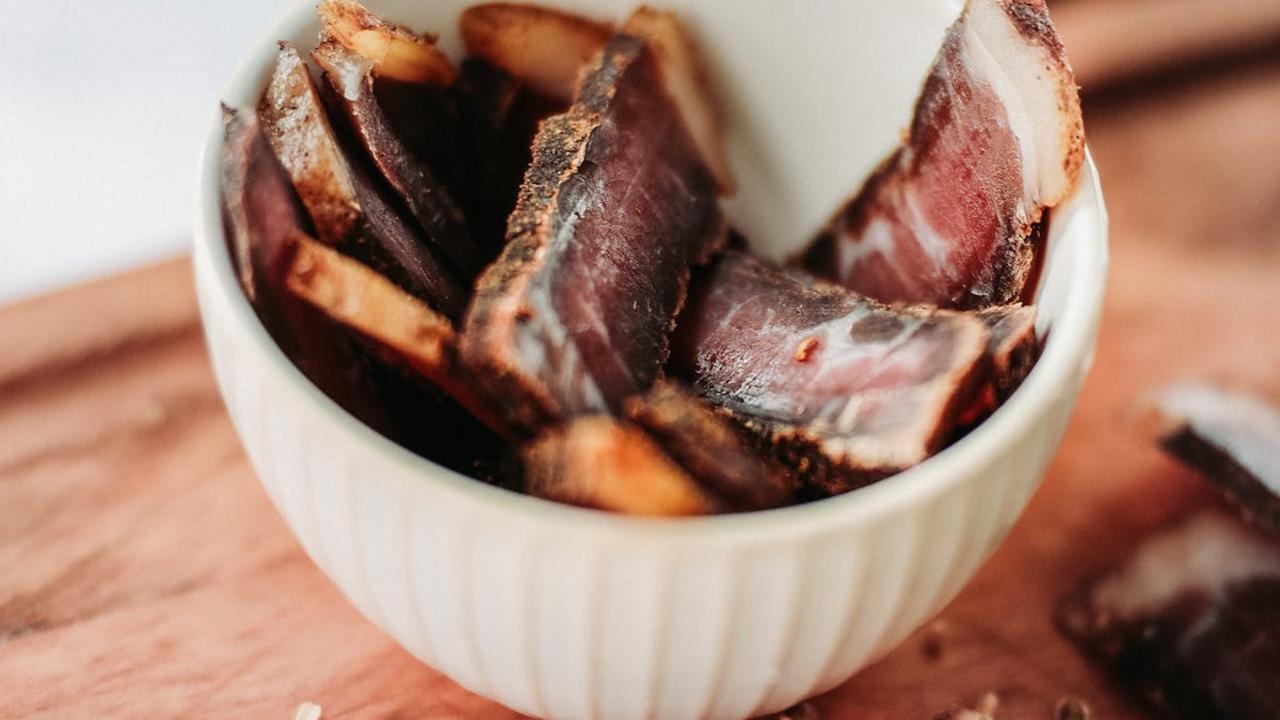
You know that friend who always claims they’re “going paleo” but somehow still manages to demolish a bag of chips? Well, beef jerky is their storm-prep salvation! This chewy, salty strip of concentrated cow has been keeping people fed since ancient civilizations figured out how to preserve meat without refrigeration. The process involves removing about 75% of the meat’s moisture, which explains why a single piece can satisfy your jaw muscles for roughly seventeen minutes of aggressive chewing. Fun fact: astronauts take jerky to space because it’s practically indestructible and doesn’t float around the cabin like those annoying freeze-dried ice cream crumbs.
When hurricane winds start howling, jerky transforms from gas station impulse buy to legitimate survival food. One ounce packs around 14 grams of protein, making it more nutritionally dense than most protein bars that cost three times as much. Sure, the sodium content could probably de-ice your driveway, but during a power outage, you’re not exactly worried about your daily recommended intake. Pro tip: buy the good stuff from local butchers or make your own – those sketchy convenience store brands with ingredients you can’t pronounce might survive the apocalypse, but your taste buds deserve better than mystery meat that tastes like salted cardboard.
Nuts and seeds
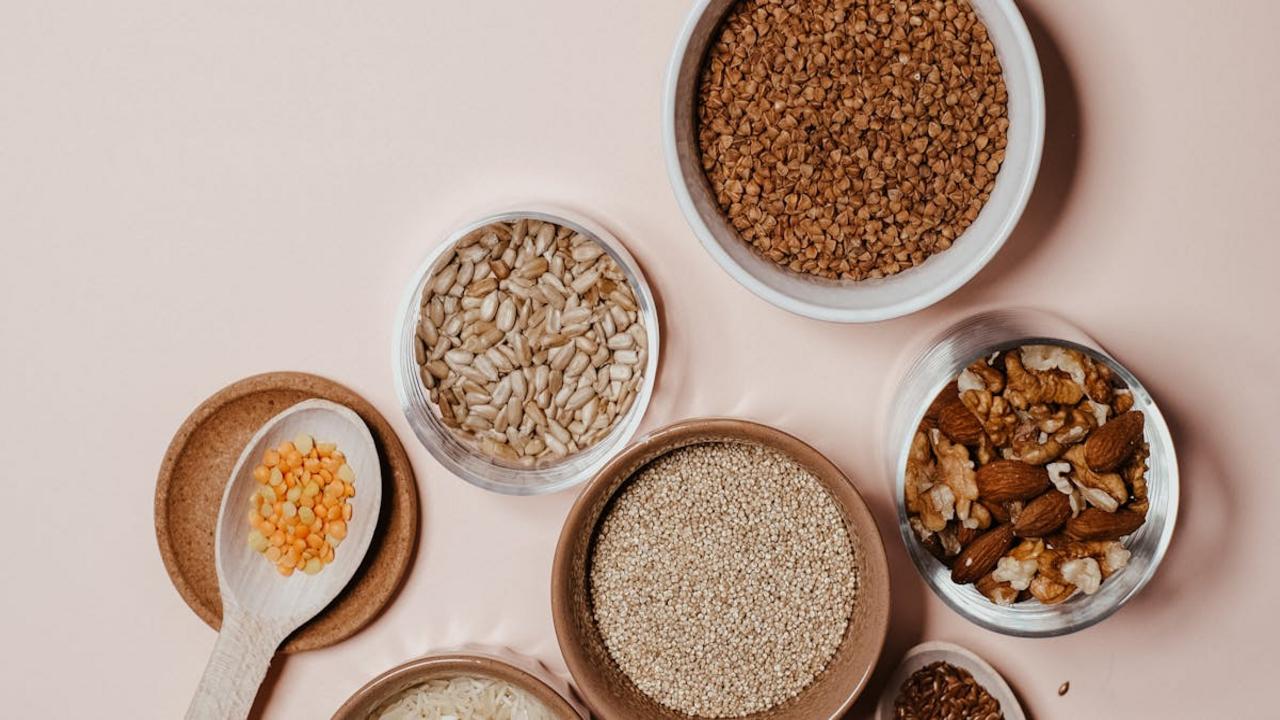
Listen, when Mother Nature throws her tantrums, you want snacks that won’t judge you for stress-eating at 2 AM while watching weather reports. Nuts and seeds are basically nature’s little survival kits wrapped in convenient, crunchy packages. A single walnut contains more omega-3s than most people get in a week of regular eating, while pumpkin seeds pack enough zinc to make your immune system do a happy dance. These protein-packed powerhouses laugh in the face of power outages and keep their nutritional punch for months without refrigeration. Plus, they’re so calorie-dense that a handful can keep you going longer than your neighbor’s generator.
The beauty of stockpiling nuts and seeds lies in their incredible versatility – you can eat them straight from the jar like a desperate chipmunk, toss them into whatever canned soup you’re heating over a camp stove, or grind them into nut butter if you’re feeling fancy during the apocalypse. Almonds stay fresh for up to a year in their shells (they’re basically wearing little armor!), while sunflower seeds can outlast most relationships at two years stored properly. Pro tip: buy them in bulk during non-storm seasons because nothing says “panic buying” like paying $12 for a tiny bag of cashews while everyone else fights over the last loaf of bread.
Dried beans
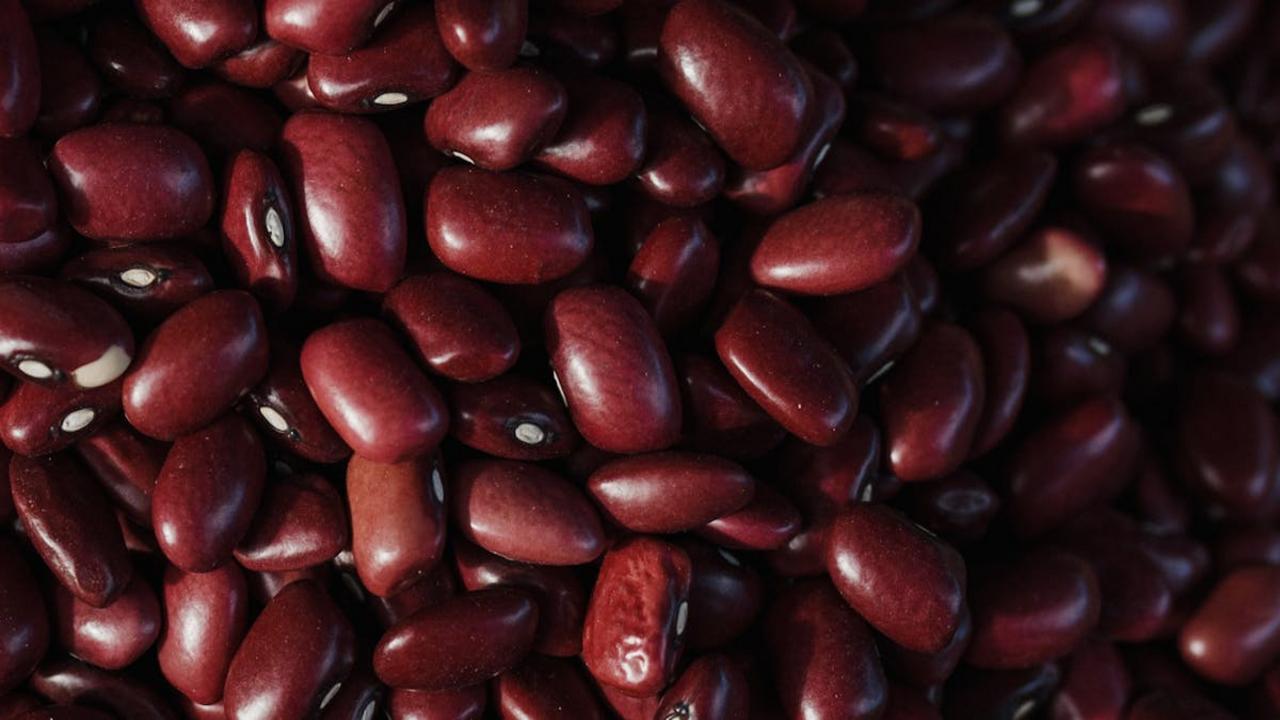
You know what’s funny about dried beans? They’re basically the superheroes of the pantry world, just sitting there in their unassuming little packages, waiting to transform into something magnificent. When hurricane season hits and everyone’s racing around the grocery store like contestants on a game show, smart folks grab these humble protein powerhouses. A single bag can stretch into countless meals – from hearty chili that’ll warm your soul to creamy hummus that makes you forget you’re eating storm food. Plus, they’re practically indestructible, lasting years in storage while maintaining their nutritional punch.
Here’s something that’ll blow your mind: beans are nitrogen-fixing wizards! Before they even reach your plate, they’ve been busy improving soil quality wherever they grew. But let’s talk practicality – these little gems pack serious protein (about 15 grams per cup), fiber that keeps you satisfied, and they’re ridiculously budget-friendly. Soak them overnight, toss them in your slow cooker with some garlic and herbs, and you’ve got a meal that tastes like you’ve been cooking all day. Black beans, pinto beans, navy beans – each variety brings its own personality to the pot, turning your storm-day cooking into an adventure rather than a chore.
Hard cheese
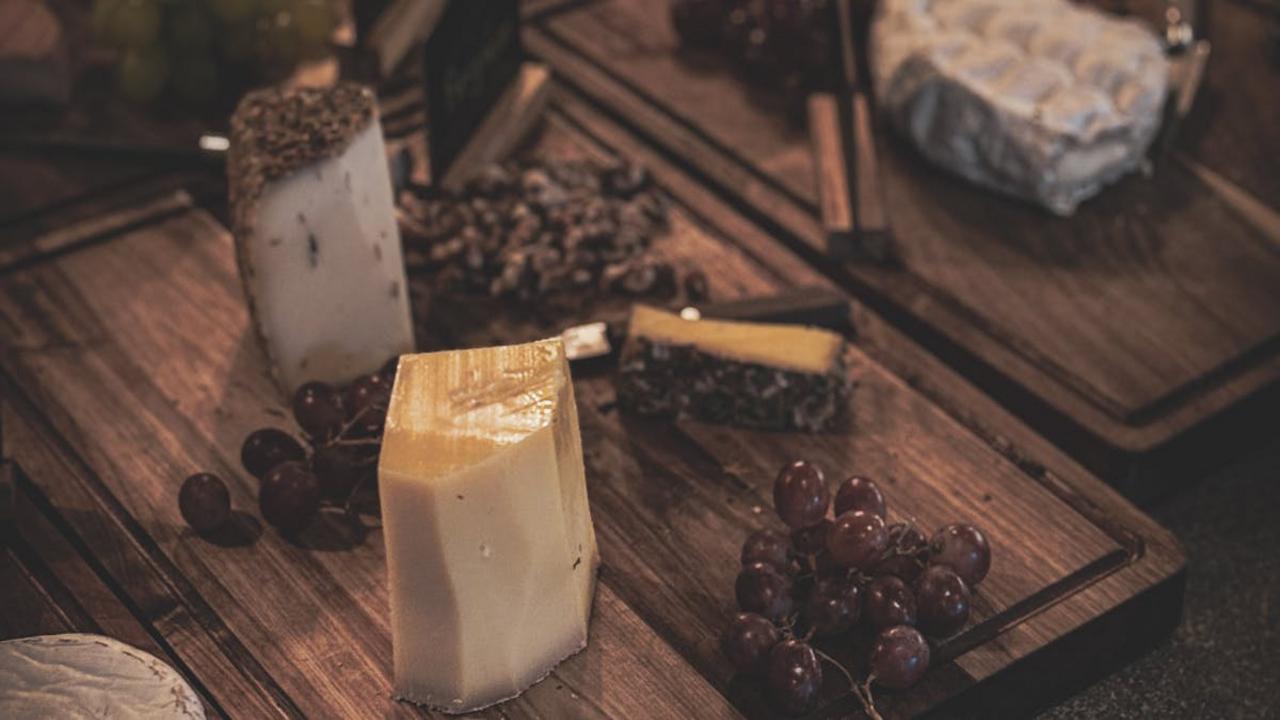
Picture this: the power’s out, the wind’s howling, and your neighbor’s frantically texting about their milk going bad. Meanwhile, you’re sitting pretty with a wheel of aged cheddar that laughs in the face of refrigeration failure. Hard cheeses like Parmesan, aged Gouda, and sharp cheddar are the superheroes of storm prep – they can survive at room temperature for days without breaking a sweat. These compressed, aged beauties have such low moisture content that bacteria basically pack up and leave town. Your great-grandmother knew this trick, storing wheels of cheese in cool cellars for months on end.
The magic happens during the aging process, where time transforms milk into concentrated flavor bombs that double as survival food. A block of aged Gruyère contains enough protein and fat to keep you satisfied while you wait out Mother Nature’s tantrum. Plus, hard cheese pairs with basically everything in your emergency stash – crackers, canned tomatoes, even that questionable jar of pickles you’ve been avoiding. Fun fact: some aged cheeses actually develop tiny calcium lactate crystals that create those delightful crunchy bits you feel when biting into really good Parmesan. So while everyone else is mourning their spoiled dairy, you’ll be grating fresh cheese over your candlelit pasta dinner like the storm-savvy food genius you are.
Pemmican
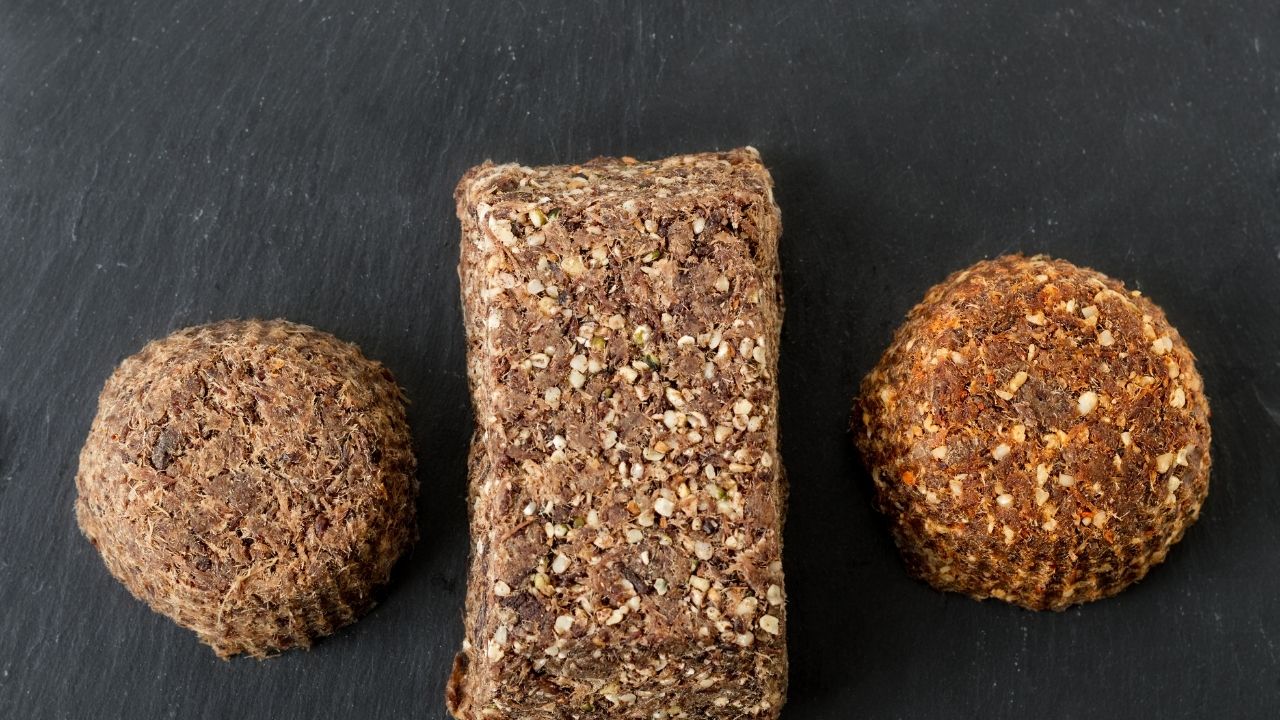
Imagine if beef jerky went to survival camp and came back with a PhD in long-term storage – that’s pemmican for you! This protein-packed powerhouse has been keeping explorers, Indigenous peoples, and doomsday preppers fueled for centuries. Made from dried meat (usually buffalo or beef), rendered fat, and sometimes berries, pemmican is basically nature’s energy bar with serious staying power. You can make your own by grinding up your favorite jerky, mixing it with melted suet or coconut oil, and pressing it into bars. One bite delivers enough calories to fuel a polar expedition, which is exactly what it did for countless Arctic adventurers who probably would have become popsicles without it.
The beauty of pemmican lies in its stubborn refusal to go bad – we’re talking years of shelf life when stored properly. Native American tribes perfected this recipe long before anyone thought to wrap granola bars in shiny packaging, and they knew what they were doing. During storm season, having some pemmican stashed away means you’ve got portable protein that doesn’t need refrigeration, cooking, or even plates. Sure, it might not win any beauty contests (it looks like compressed dog treats), but when the power’s out and you’re hungry enough to eat your own shoes, this humble survival food suddenly becomes the most beautiful thing in your pantry.
Honey

Honey stands as nature’s most patient pantry resident, literally laughing in the face of expiration dates. This golden nectar boasts a shelf life that makes archaeologists weep with envy – they’ve found perfectly edible honey in Egyptian tombs that’s over 3,000 years old! While your storm stash probably won’t need to last quite that long, you can rest easy knowing your honey will outlive your great-great-grandchildren. The secret lies in honey’s naturally low moisture content and acidic pH, creating an environment so hostile to bacteria that even the most determined microbes throw in the towel.
Beyond its immortal status, honey transforms into your kitchen’s most versatile storm companion. You can drizzle it over plain crackers for an instant energy boost, stir it into hot tea made with your emergency water supply, or mix it with peanut butter for a protein-packed spread that’ll make you forget you’re eating disaster rations. Pro tip: if your honey crystallizes during storage (which happens naturally), just warm the jar in a bowl of hot water, and it’ll return to its liquid glory. Keep a few different varieties on hand – wildflower for everyday sweetening, buckwheat for robust flavor, and clover for delicate applications. Your taste preferences won’t have to suffer just because the power’s out!
Dried milk

Picture this: you’re staring at a bag of what looks like white powder, wondering if you accidentally grabbed something questionable from the back of your pantry. Fear not – that’s just dried milk, the unsung hero of storm preparedness that’s been quietly saving breakfast routines since 1832! This chalky miracle transforms from dusty granules into creamy goodness with just a splash of water, making it the ultimate shape-shifter in your emergency arsenal. While fresh milk spoils faster than your resolve to eat healthy after the holidays, powdered milk sits patiently on your shelf for months, sometimes years, just waiting for its moment to shine.
Now, before you wrinkle your nose and declare it tastes like sadness mixed with calcium, hear me out – dried milk has come a long way from the gritty disaster your grandmother might remember. Modern processing creates surprisingly smooth results, especially if you mix it up the night before and let it chill in the fridge (assuming your power’s still on). You can sneak it into pancake batter, use it for creamy soups, or even make emergency mac and cheese that doesn’t taste like regret. Pro tip: mix the powder with a tiny bit of water first to make a paste, then gradually add more liquid – this prevents those stubborn lumps that float around like tiny white icebergs of disappointment.
Powdered eggs

You know what makes me giggle every time I see someone’s emergency stash? Those bright yellow canisters of powdered eggs sitting proudly next to the canned beans like they’re ready to save breakfast civilization. These dehydrated wonders can sit on your shelf for years—we’re talking up to 10 years if stored properly—just waiting for that moment when fresh eggs become as rare as a sunny day during hurricane season. I’ve watched my neighbor Carol clutch her powdered egg container like it’s made of gold during the last storm warning, and honestly, she’s not wrong. One tablespoon mixed with three tablespoons of water equals one fresh egg, which means that single canister can replace about 40 eggs!
Now, before you wrinkle your nose and imagine chalky scrambled disappointment, hear me out—powdered eggs have come a long way from their military ration days. Sure, they won’t win any beauty contests against farm-fresh beauties, but they’re absolute champions in baking situations. I’ve made surprisingly decent pancakes, muffins, and even custards with these yellow granules during power outages. The trick? Don’t try to make them the star of a simple scramble—they shine best when mixed into batters or casseroles where other flavors can dance around and distract from their slightly artificial personality. Plus, they’re packed with protein and won’t judge you for eating cake for breakfast when the world feels a little upside down.