14 ‘Chinese’ Takeout Favorites You Won’t Find in China
You might recognize General Tso’s chicken or fortune cookies from your local Chinese takeout menu, but ask for these dishes in Beijing or Shanghai and you’ll get confused looks. These popular “Chinese” foods were actually created or heavily modified for American palates, resulting in dishes that bear little resemblance to authentic Chinese cuisine.
I discovered this cultural gap during my cooking adventures. Many of these American-Chinese classics developed from Chinese immigrant adaptations, using available ingredients and catering to Western tastes. The crispy, sweet-sauced dishes we crave after a long day are delicious in their own right, just not authentically Chinese.
The transformation of Chinese food in America tells a fascinating story of cultural adaptation. While dishes like crab rangoon and orange chicken satisfy American cravings for bold, sweet flavors, traditional Chinese cooking typically features more subtle seasoning, diverse vegetables, and different cooking techniques that highlight natural ingredients.
Duck Sauce
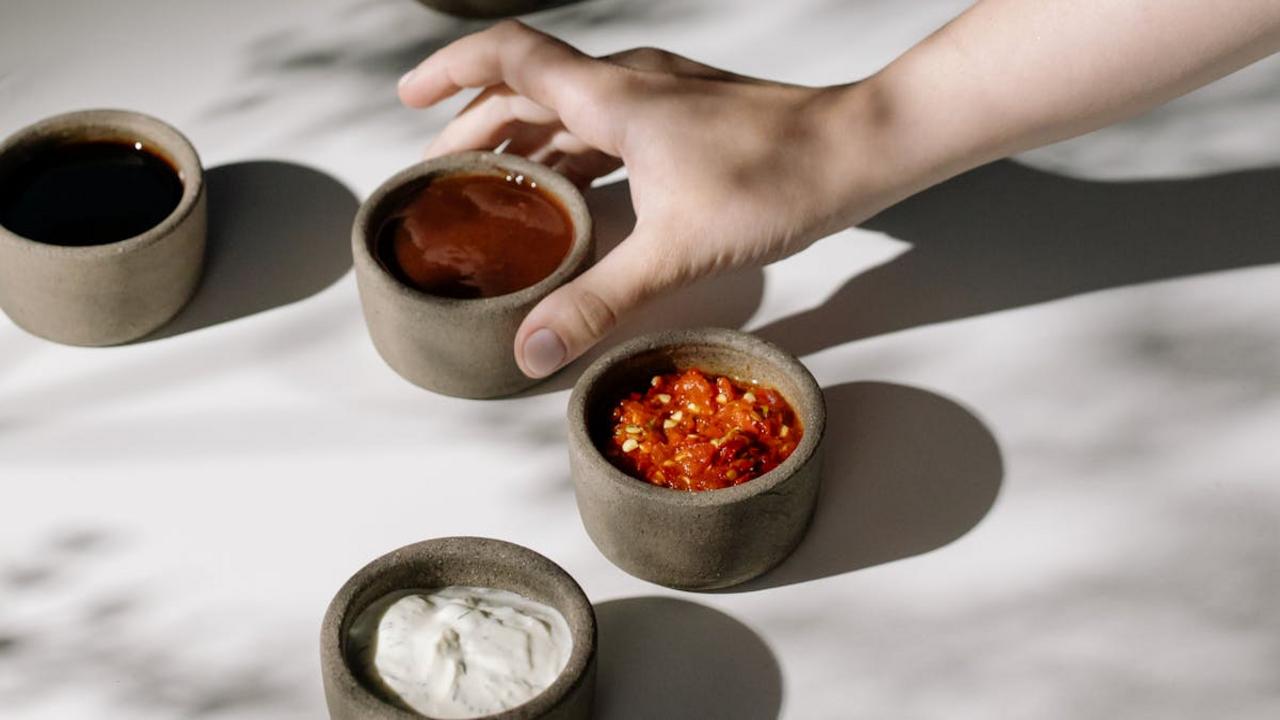
You know that sweet, tangy orange sauce that comes in those little plastic packets with your takeout order? That’s duck sauce, and I have to break it to you – you won’t find this anywhere in China. This American invention became a staple at Chinese-American restaurants, but its origins are completely Western. The sauce typically combines apricot preserves, vinegar, and sugar to create that distinctive sweet-and-sour flavor that Americans associate with Chinese food. What’s funny is that despite its name, it rarely contains any duck at all!
I’ve made my own version at home using fresh apricots, rice vinegar, and a touch of ginger for warmth. The homemade version tastes so much brighter and cleaner than the processed packets – no artificial colors or high fructose corn syrup needed. You can control the sweetness and add your own twist with ingredients like fresh chili flakes or a splash of soy sauce. Try making a batch and storing it in the fridge; it keeps for weeks and transforms simple grilled chicken or roasted vegetables into something special. The beauty of cooking from scratch means you can create authentic flavors without relying on mystery ingredients from a packet.
Spring Rolls
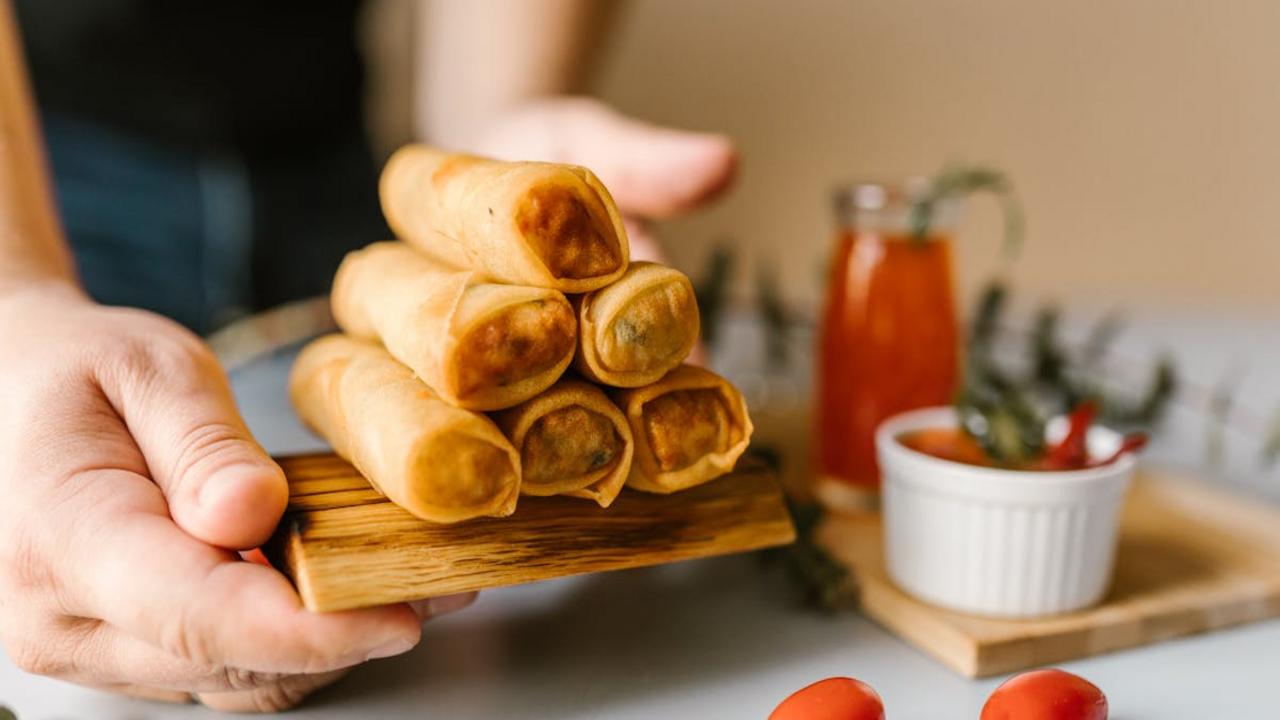
You know what always makes me smile? Watching someone bite into a crispy American-Chinese spring roll, expecting that familiar crunch and sweet-savory filling, then discovering these golden beauties barely exist in traditional Chinese cuisine. While China does have fresh spring rolls (like Vietnamese-style summer rolls) and some fried versions, the thick, crunchy tubes packed with cabbage and served with duck sauce became an American invention. I love making my own version at home because you control every ingredient – no mysterious fillings or processed additives that sneak into restaurant versions.
My homemade approach transforms this takeout favorite into something genuinely nourishing. I fill mine with fresh julienned vegetables – carrots, bell peppers, and purple cabbage for color and crunch – then add some leftover roasted chicken or tofu for protein. Instead of deep frying, I brush them with a little avocado oil and bake until golden. The best part? You can prep a dozen on Sunday, freeze them, and have wholesome snacks ready all week. Pair them with a simple peanut dipping sauce made from natural peanut butter, rice vinegar, and a touch of honey, and you’ve got something that honors the original while actually feeding your body well.
Lemon Chicken
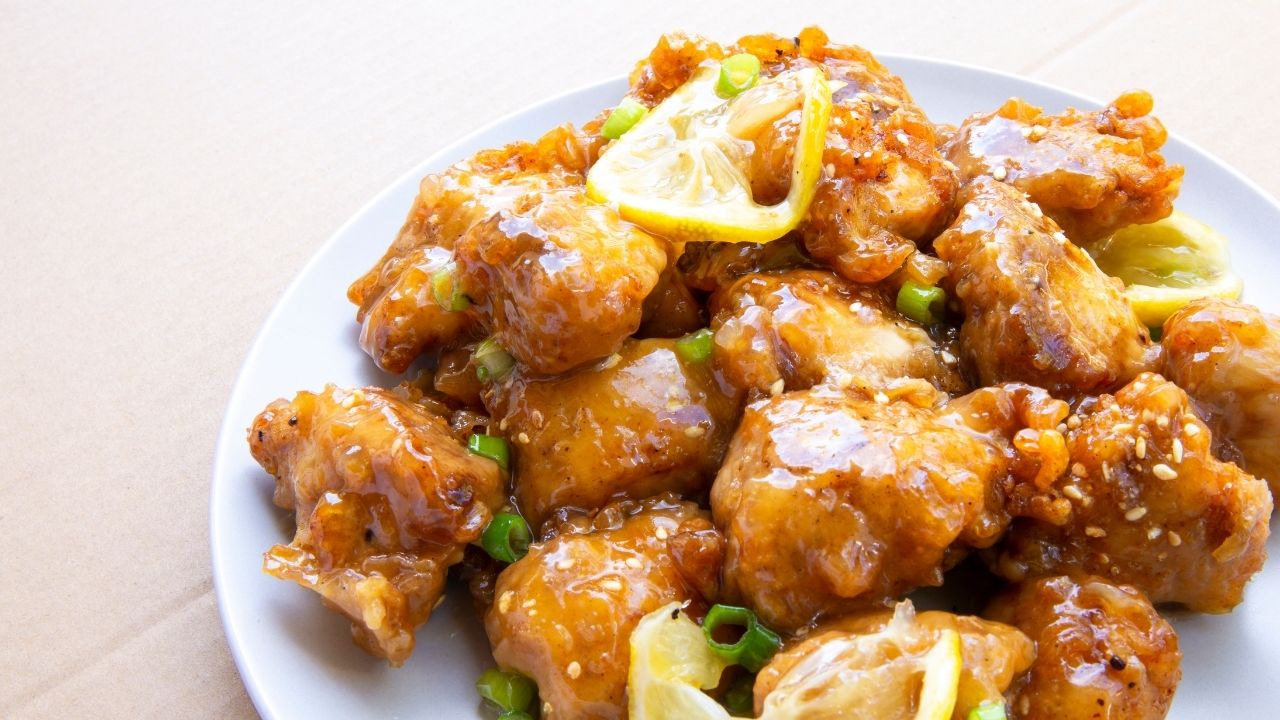
Picture this: you walk into your favorite Chinese-American restaurant, scan the menu, and spot “Lemon Chicken” gleaming under the poultry section. Here’s what I want you to know – this sweet and tangy creation exists almost exclusively in North American Chinese restaurants. In China, you won’t find chicken pieces battered, deep-fried, and smothered in that glossy, corn-starch-thickened lemon sauce that we’ve grown to love. Traditional Chinese cooking does incorporate citrus, but typically through fresh ingredients like lemon zest or actual lemon juice integrated into stir-fries, not as a sugary coating.
Now, don’t get me wrong – I’m not here to shame anyone’s lemon chicken obsession! Instead, I want to show you how to recreate this comfort food at home with cleaner ingredients. Skip the heavy batter and try lightly coating chicken thighs in arrowroot powder, then pan-searing them until golden. For the sauce, I whisk together fresh lemon juice, a touch of honey, ginger, and a splash of tamari. The result? All that familiar tangy-sweet satisfaction without the processed heaviness. Your homemade version will taste brighter, fresher, and you’ll know exactly what goes into every single bite.
Kung Pao Chicken
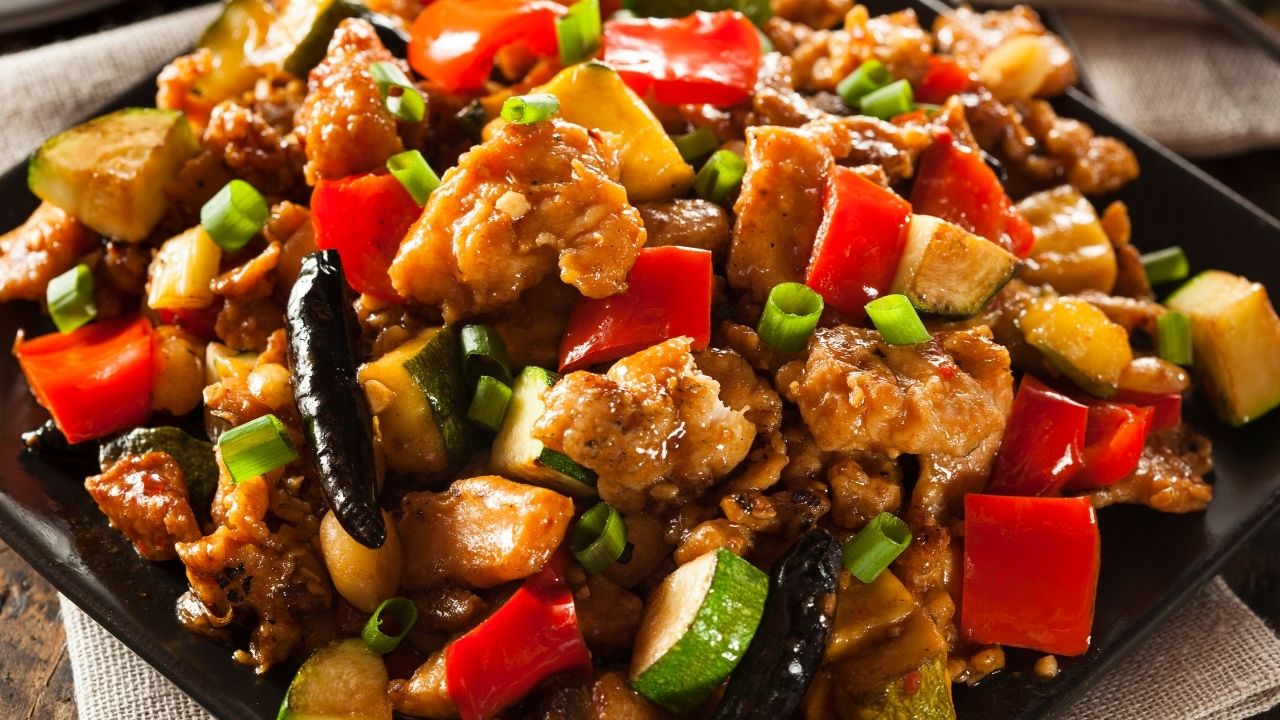
You know that fiery, sweet-and-sour dish loaded with peanuts that most American Chinese restaurants serve? That’s not the Kung Pao Chicken you’d find wandering through Sichuan province. The authentic version – named after Ding Baozhen, a Qing Dynasty official whose title was Kung Pao – focuses on the holy trinity of Sichuan flavors: the numbing tingle of Sichuan peppercorns, dried chilies, and fermented black beans. The original uses diced chicken thigh, not breast, and you won’t find those candied peanuts or that glossy, cornstarch-thickened sauce that coats your takeout version.
What happened in America was pure adaptation magic – Chinese immigrants created something that would appeal to local palates while still honoring the spirit of the original. I actually prefer making my own version at home, where I can control the heat level and skip the processed sauces entirely. I use coconut aminos instead of soy sauce for depth, add fresh ginger and garlic, and toss in whatever vegetables need using up – bell peppers, snap peas, even broccoli stems. The key is getting that wok hot enough to create those beautiful charred edges on the chicken while keeping everything tender inside.
Sesame Chicken
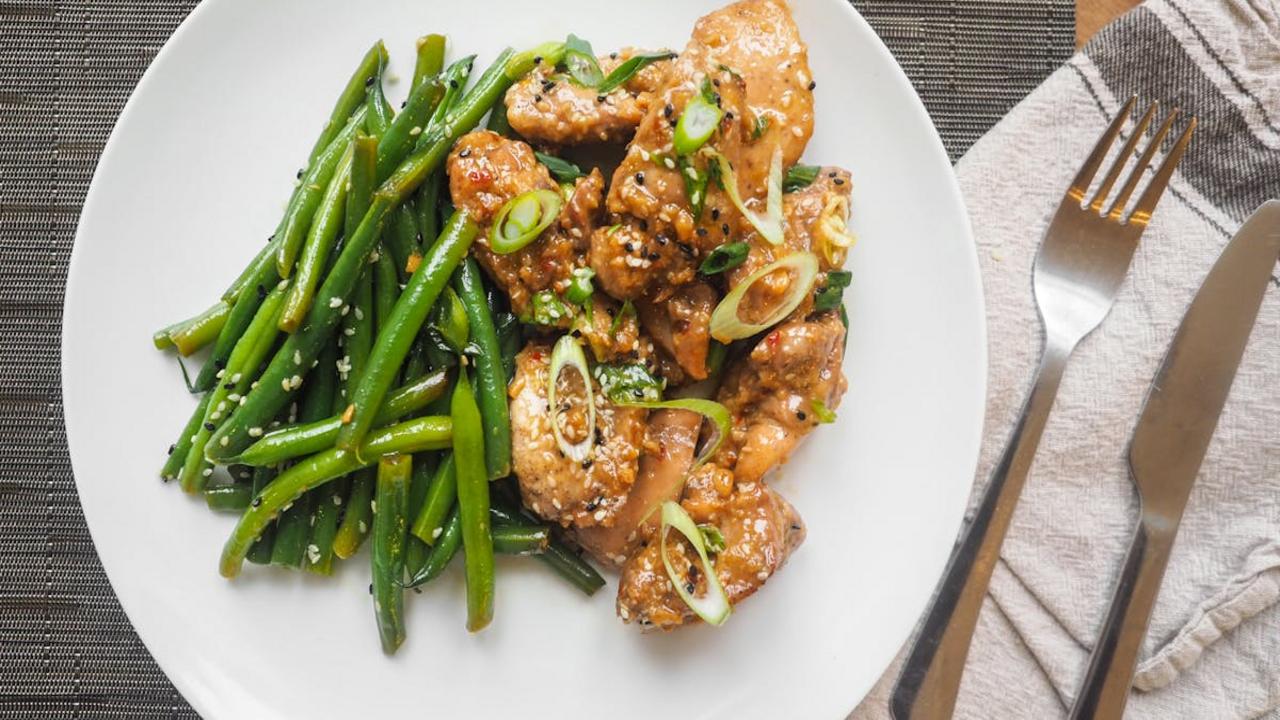
You know that golden, glossy sesame chicken from your local takeout joint? That sweet, sticky coating with its satisfying crunch has absolutely nothing to do with traditional Chinese cooking. This American creation was born in Chinese-American kitchens, designed to satisfy Western preferences for sweet and crispy textures. Real Chinese chicken dishes focus on savory, umami-rich flavors with fresh ginger, garlic, and soy sauce – not the candy-like coating we’ve grown accustomed to here.
I love making my own version at home because you can control exactly what goes into that coating. Instead of the typical heavy batter loaded with corn syrup, I create a lighter tempura-style coating using rice flour and sparkling water, then toss the chicken in a sauce made from honey, tamari, rice vinegar, and toasted sesame oil. The result gives you that familiar comfort without the processed ingredients. Plus, baking instead of deep-frying means you get all that satisfying crunch with way less oil – your body will thank you for it.
Orange Chicken
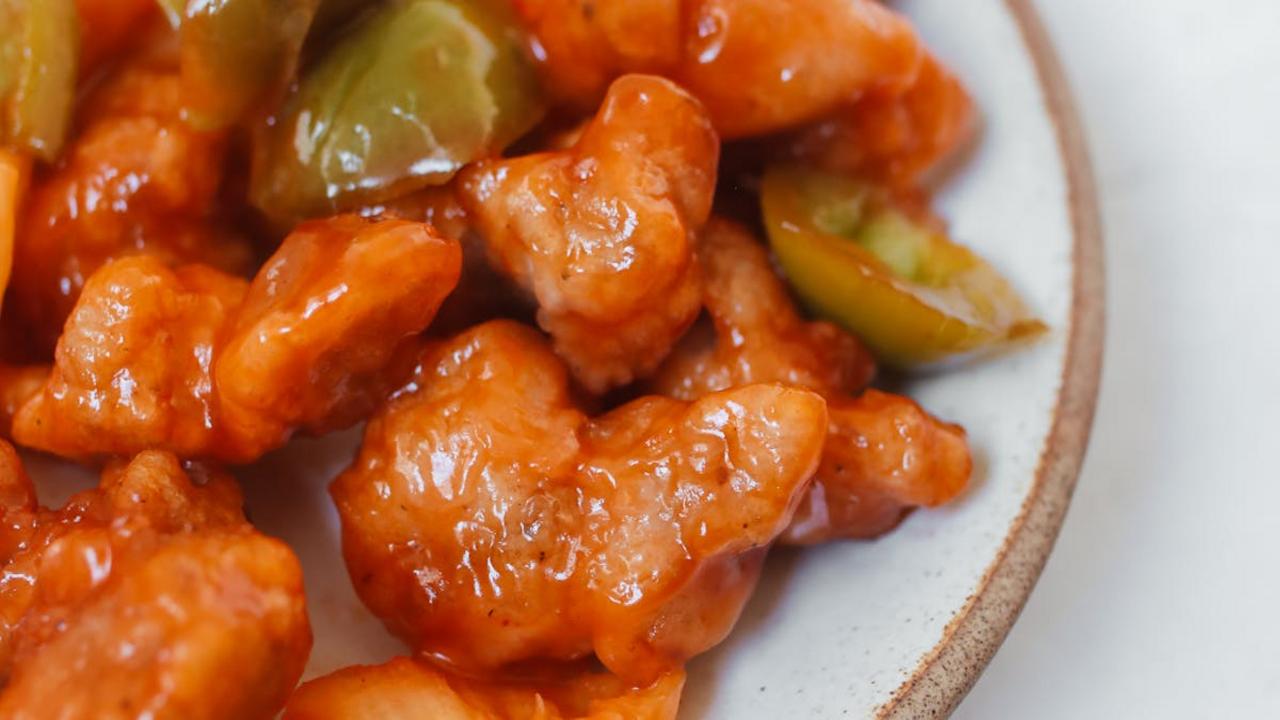
You know what gets me every time I walk past a food court? That glossy, amber-colored orange chicken sitting under the heat lamps, looking absolutely nothing like any dish I’ve encountered in actual Chinese kitchens. This American creation became a fast-food phenomenon, but here’s the thing – you can make a version at home that’s infinitely better than anything you’ll find in a mall. I skip the heavy corn syrup and artificial colors, instead building layers of flavor with fresh orange juice, a touch of honey, rice vinegar, and just enough heat to wake up your palate.
The magic happens when you control every ingredient that goes into your sauce. Real orange zest brings that bright, citrusy punch that bottled versions can never match, while a splash of soy sauce adds that umami depth your body craves. I like to coat my chicken pieces in a light cornstarch mixture – not that thick, gummy coating you get from takeout – then pan-fry until golden. The sauce comes together in minutes, clinging to each piece without that sticky-sweet overload. Trust me, once you taste homemade orange chicken made with whole ingredients, you’ll understand why cooking from scratch always wins.
Sweet and Sour Chicken
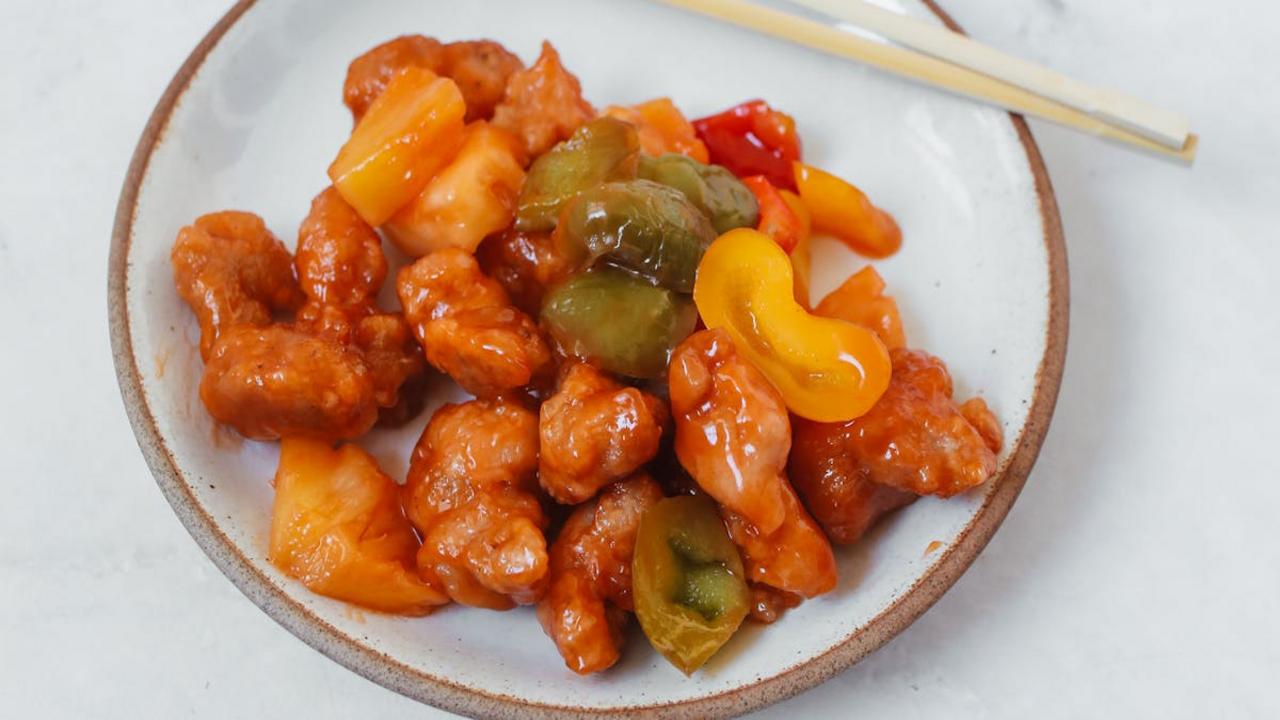
You know that bright orange, glossy sweet and sour chicken from your local takeout spot? I hate to break it to you, but you won’t find anything like it wandering through the streets of Beijing or Shanghai. This dish represents one of the most dramatic transformations in Chinese-American cooking history. Traditional Chinese sweet and sour preparations focus on fish or pork, using subtle balances of rice vinegar, sugar, and soy sauce. The American version cranks up the sweetness with pineapple chunks, bell peppers, and that unmistakable neon sauce that coats everything in sugary glory.
I’ve spent years perfecting my own version at home, and I can tell you that making this dish from scratch changes everything. Instead of relying on processed sauces packed with corn syrup and artificial colors, I create a more balanced sweet and sour base using fresh pineapple juice, rice vinegar, and a touch of honey. The chicken gets a light cornstarch coating for that satisfying crunch without the heavy batter. What amazes me most about this dish is how it perfectly captures the American appetite for bold, comforting flavors while still maintaining that satisfying contrast of textures and tastes that makes every bite irresistible.
Egg Foo Young
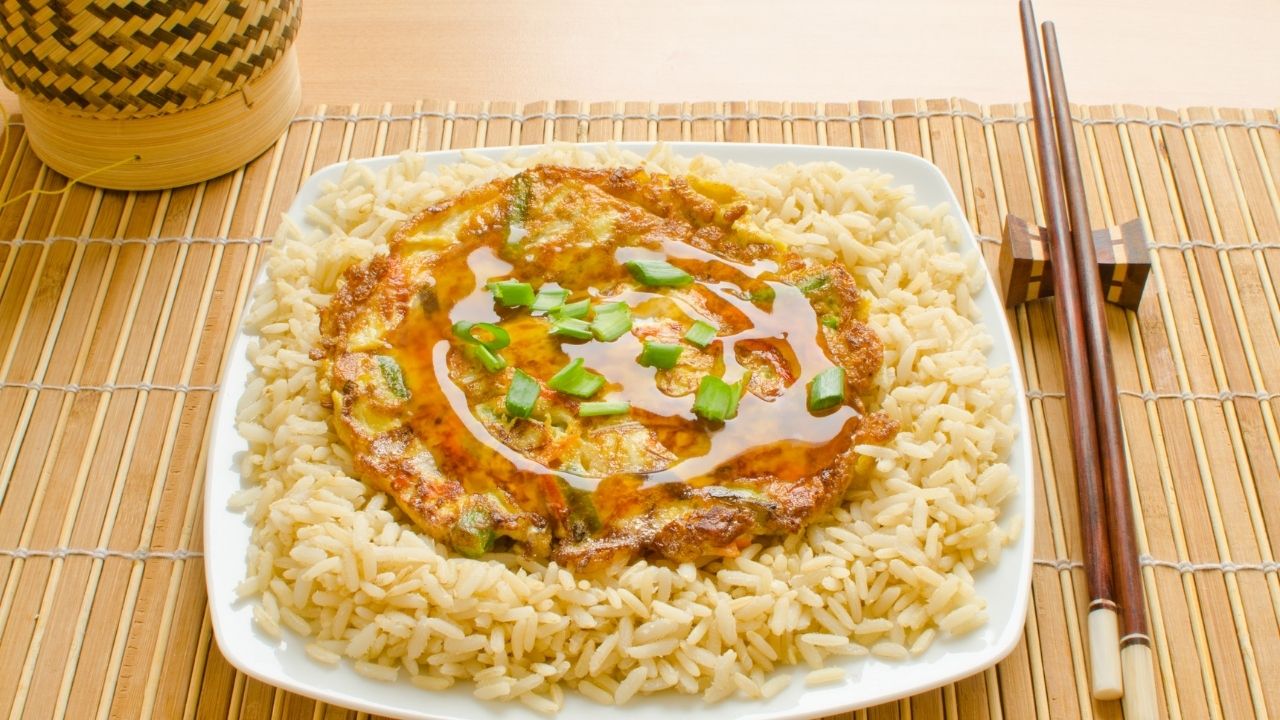
You know what makes me chuckle every time I see Egg Foo Young on a takeout menu? This fluffy, omelet-like creation that Americans have been ordering for decades simply doesn’t exist in traditional Chinese cooking. What we call Egg Foo Young is actually an American invention, likely created by Chinese immigrants who adapted their cooking techniques to local tastes and available ingredients. The dish typically features beaten eggs mixed with bean sprouts, onions, and sometimes meat or seafood, then pan-fried into thick patties and smothered in a brown gravy that screams “American comfort food.”
Here’s the thing about making this at home – you can transform it into something genuinely nourishing by skipping the heavy, cornstarch-laden gravy and focusing on fresh, whole ingredients. I love whisking farm-fresh eggs with crisp vegetables like shredded cabbage, carrots, and scallions, then cooking them like thick pancakes in a cast-iron skillet. The result is protein-packed and satisfying without all the processed additives. If you want that saucy element, try a light tamari and ginger reduction instead of the typical thick brown sauce. Your body will thank you for the cleaner approach, and honestly, the flavors shine so much brighter when you’re not masking everything with heavy, artificial-tasting gravy.
Beef with Broccoli
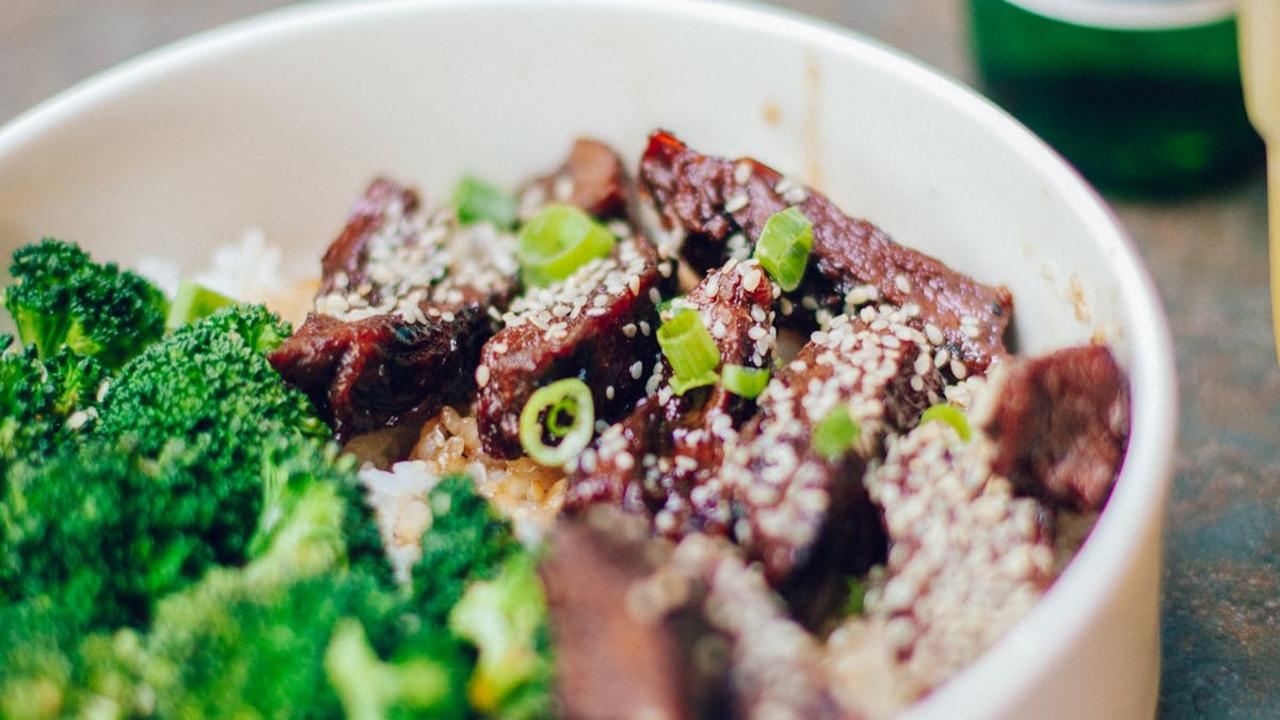
You know that glossy, saucy beef with broccoli from your local takeout spot? Here’s the thing – walk into any restaurant in China and ask for it, and you’ll get some puzzled looks. This American-Chinese creation became a staple because it checked all the boxes: familiar protein, recognizable vegetables, and that signature brown sauce we all crave. The genius behind this dish lies in how it transforms simple ingredients into something that feels both exotic and comforting to Western palates.
What I love about making this at home is how you can control every element – from using grass-fed beef to keeping your broccoli crisp and vibrant instead of that mushy mess you sometimes get from takeout. I skip the cornstarch-heavy sauces and create mine with tamari, a touch of honey, fresh ginger, and garlic. The key is getting your wok screaming hot and cooking everything quickly so the beef stays tender and the broccoli maintains that perfect bite. Trust me, once you make this fresh version at home, you’ll taste the difference immediately – it’s cleaner, brighter, and so much more satisfying than anything that comes in those white containers.
Chop Suey
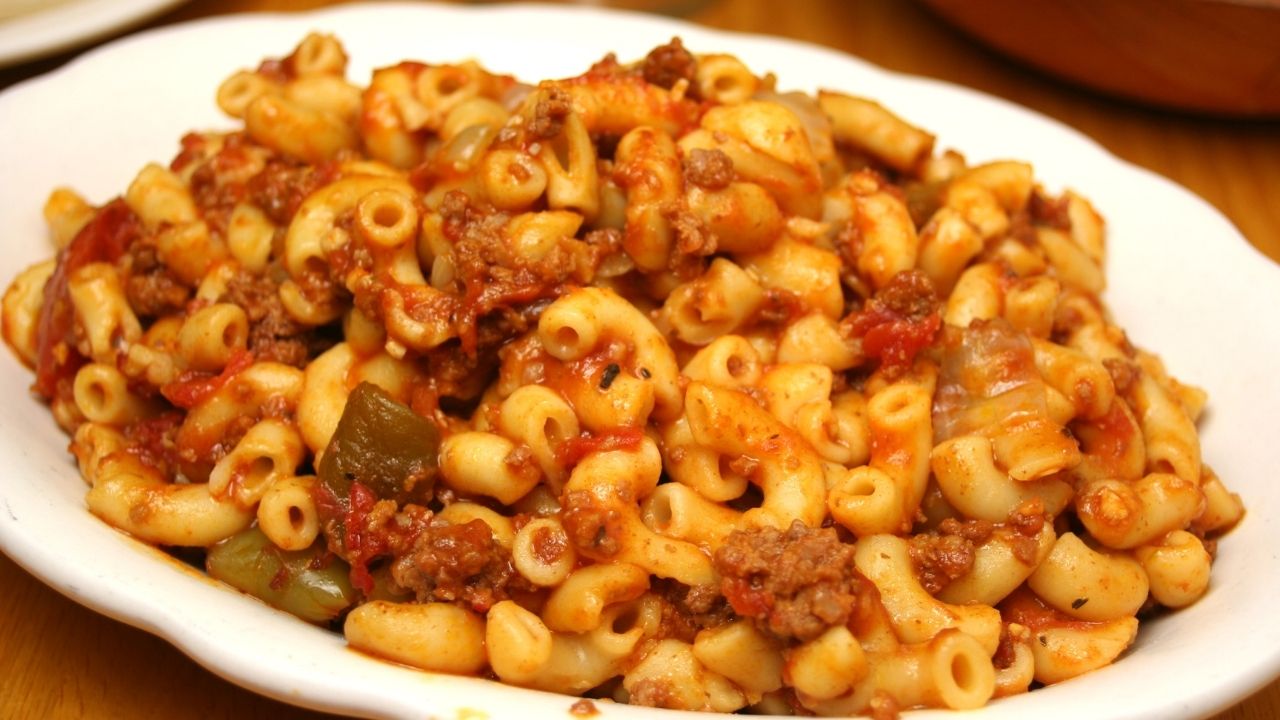
You know what makes me smile? The beautiful mystery that is chop suey. This dish tells such a fascinating story about adaptation and creativity in the kitchen. Born from Chinese immigrant cooks working with whatever vegetables they could find in American markets, chop suey became this wonderful medley of crisp vegetables, tender protein, and a glossy sauce that brings everything together. I love how it represents the spirit of making something delicious from what you have on hand – exactly the kind of intuitive cooking that makes my heart happy.
What draws me to chop suey is how it celebrates the magic of fresh vegetables cooked just right. When you stir-fry those bean sprouts, celery, and cabbage quickly over high heat, they keep their crunch while absorbing all those savory flavors. The sauce – usually a simple combination of soy sauce, a touch of sugar, and cornstarch for thickening – creates this silky coating that makes every bite satisfying. Making chop suey at home means you control every ingredient, skipping any processed additives and focusing on wholesome vegetables and quality protein. It’s comfort food that actually nourishes your body while telling the story of culinary innovation born from necessity.
Moo Shu Pork
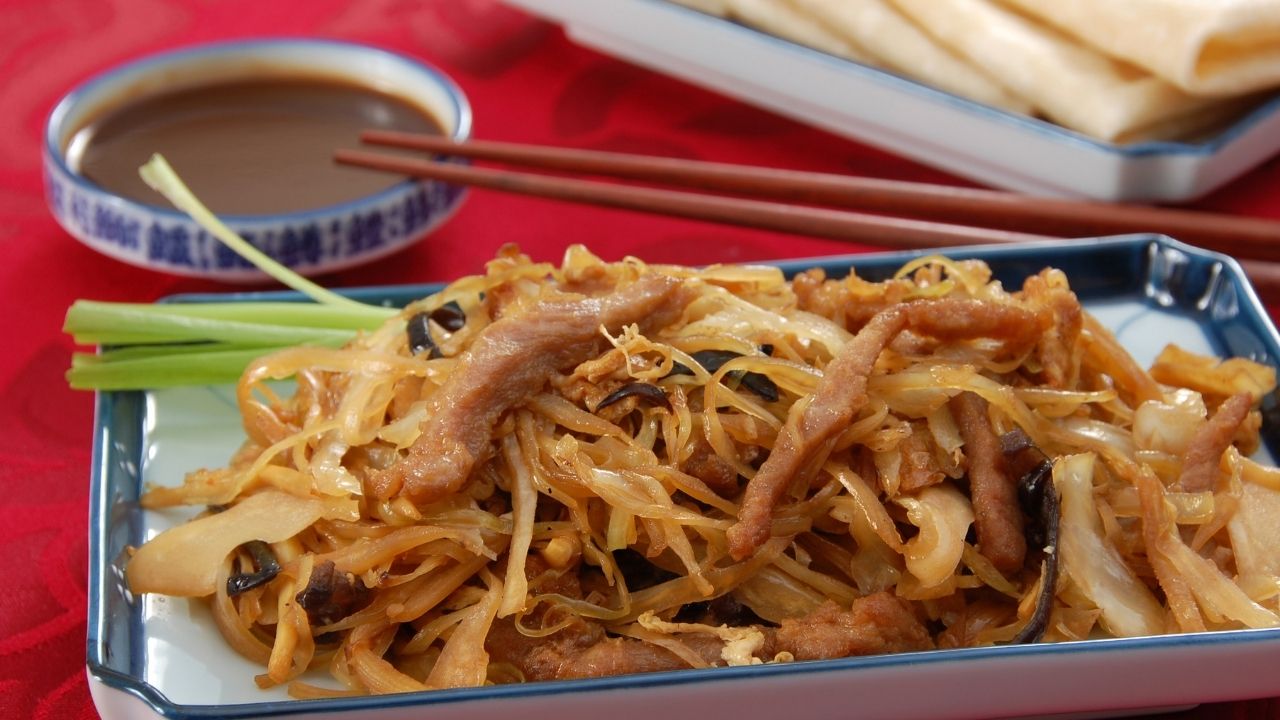
You know what makes me smile about moo shu pork? It’s basically a brilliant American invention disguised as traditional Chinese food. While China does have dishes with shredded pork and vegetables, the version we love here—complete with those thin pancakes and sweet hoisin sauce—is pure Chinese-American creativity. I’ve made this at home countless times, and honestly, it’s one of those dishes that proves how beautifully food evolves when cultures meet. The key is getting your pork really tender and your vegetables crisp-tender, creating that perfect contrast in every bite.
What I love most about making moo shu at home is how you can control every ingredient. Skip the processed sauces and make your own hoisin with fermented bean paste, rice vinegar, and a touch of honey. I always add extra mushrooms—shiitake if I can find them—and keep the cabbage nice and crunchy. The pancakes might seem intimidating, but they’re just flour, water, and a little oil. Roll them thin, cook them quickly in a dry pan, and you’ve got something way better than what comes from most takeout places. This dish teaches you that the best fusion food happens when you respect both traditions while creating something entirely new.
Crab Rangoon
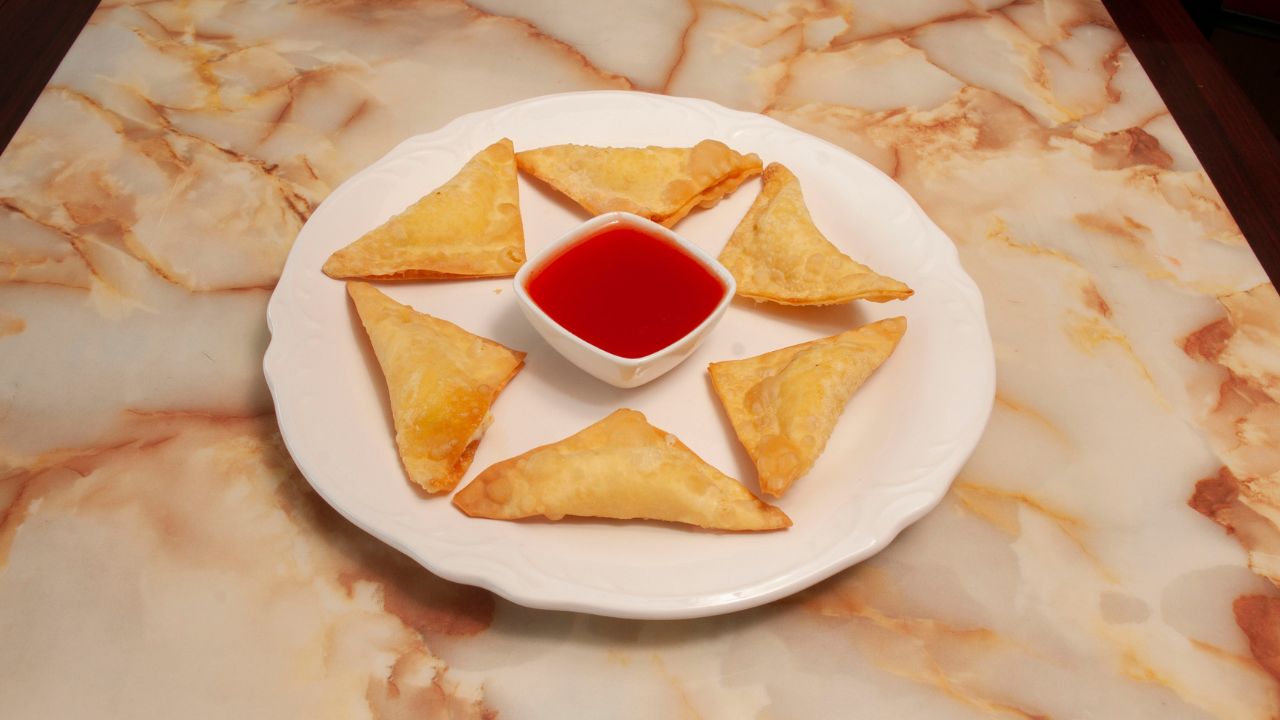
You know what always makes me chuckle? Walking into any American Chinese restaurant and seeing Crab Rangoon on the menu like it’s some ancient dynasty recipe. Friend, I’ve got news for you – those crispy, cream cheese-filled wontons are about as Chinese as apple pie! This beloved appetizer was actually born right here in America, likely in the 1950s at Trader Vic’s restaurant. The combination of cream cheese, crab (often imitation), and scallions wrapped in wonton skins speaks to that beautiful fusion creativity that happens when cultures meet in restaurant kitchens.
What I love about making these at home is how you can actually control the quality of ingredients. Skip the processed cream cheese and whip up your own fresh version, or go wild with real crab meat instead of the usual imitation stuff. I like adding a touch of fresh ginger and maybe some finely chopped water chestnuts for crunch. The magic happens in that contrast – the crispy exterior giving way to warm, creamy filling. Sure, they’re not authentic Chinese food, but they represent something equally valuable: the way immigrant cooks adapted their techniques to local tastes and ingredients, creating something entirely new and delicious.
Fortune Cookies
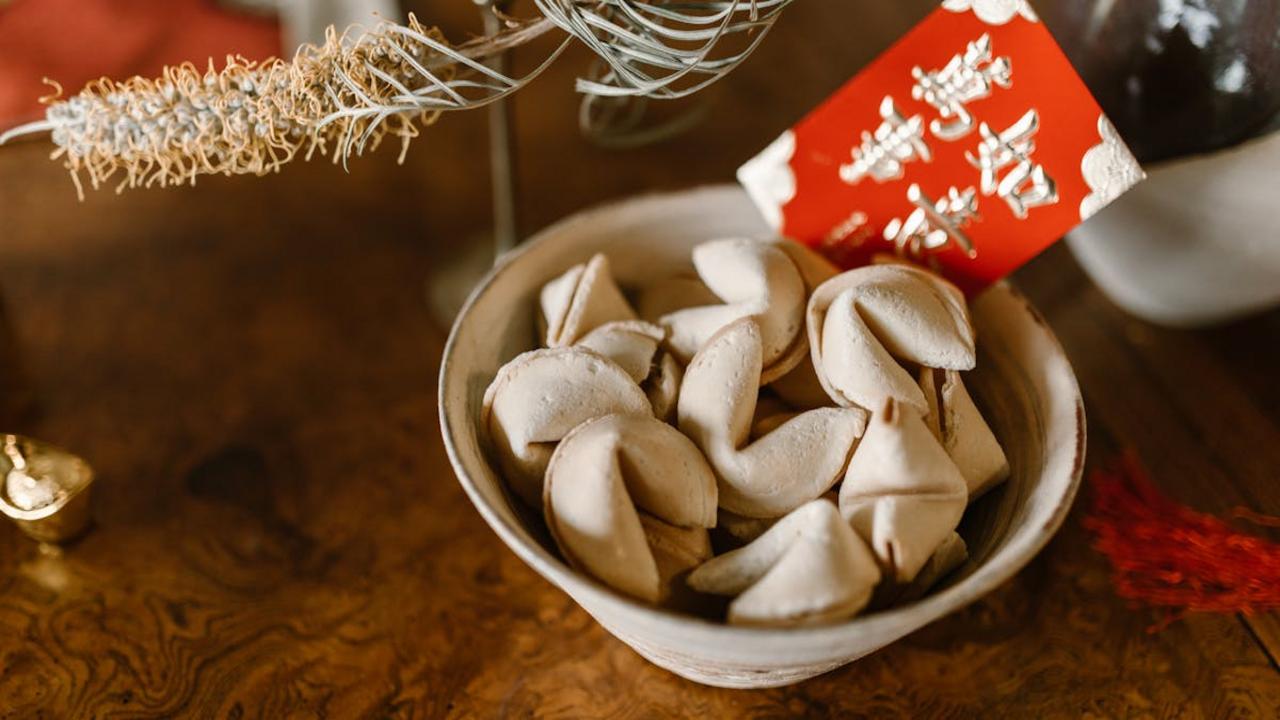
You know what blows my mind? Those crispy, sweet fortune cookies that arrive at the end of every American Chinese meal aren’t actually Chinese at all! I discovered this fascinating fact during my own food adventures, and it completely changed how I view these little prophetic treats. Fortune cookies were actually created in California, likely by Japanese immigrants in the early 1900s. When I first learned this, I started making my own at home using a simple batter of flour, sugar, and egg whites – no mysterious ingredients or preservatives needed.
Making fortune cookies from scratch became one of my favorite weekend projects because you control every single ingredient that goes into them. I love experimenting with different flavors – adding a touch of vanilla, almond extract, or even matcha powder for something special. The real magic happens when you personalize the fortunes inside with meaningful messages for friends and family. Instead of generic predictions, I write little notes of encouragement or inside jokes that make people smile. It’s such a beautiful way to share love through food, and honestly, these homemade versions taste so much better than the mass-produced ones you get at restaurants.
General Tso’s Chicken
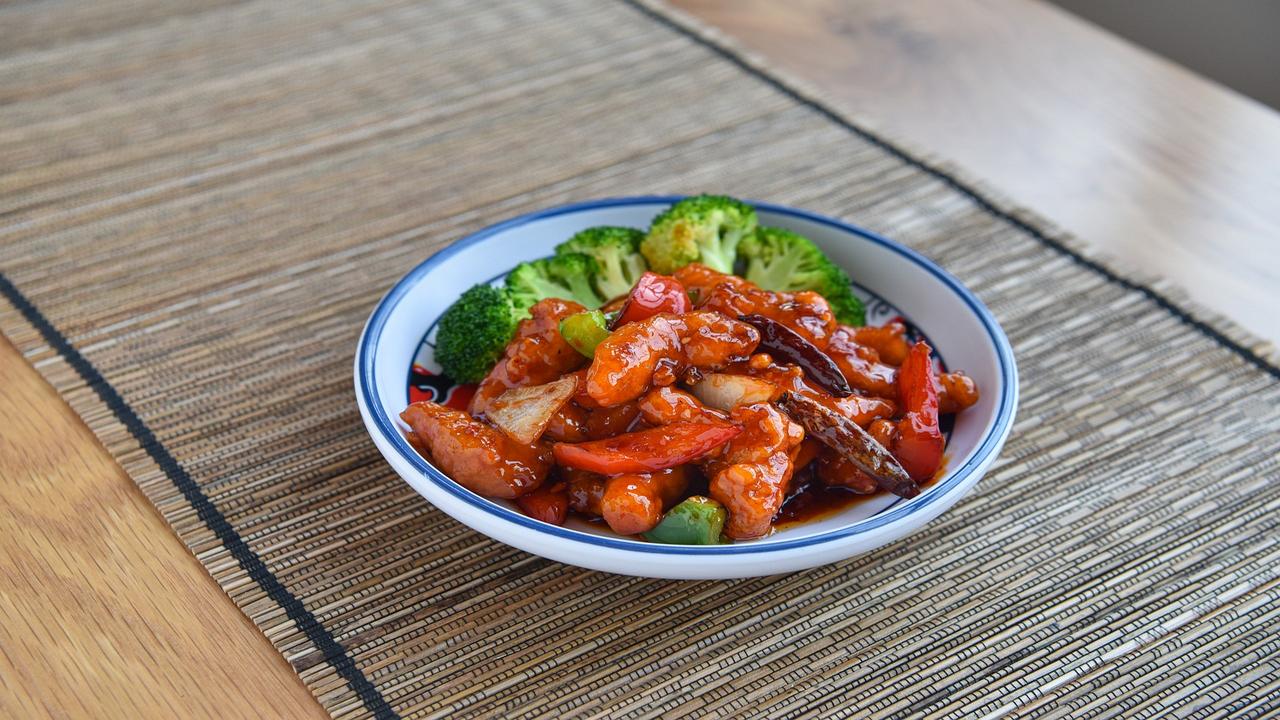
You know what makes me smile every time I see General Tso’s Chicken on a menu? The fact that this crispy, sweet-and-tangy dish represents pure American creativity at work! Despite its Chinese-sounding name, this recipe was actually born in the kitchens of Chinese-American restaurants in the 1970s. I’ve spent countless hours perfecting my own version at home, and I can tell you that making it from scratch transforms this takeout favorite into something truly special. The original General Tso was a real Qing Dynasty military leader, but he probably never imagined his name would grace battered chicken pieces swimming in a glossy, addictive sauce.
What I love most about recreating General Tso’s at home is how you can control every ingredient that goes into your body. Instead of relying on processed sauces loaded with corn syrup and artificial flavors, I make my own using fresh ginger, garlic, rice vinegar, and just enough natural sweetener to balance the heat from dried chilies. The key lies in achieving that perfect contrast between the crispy exterior and tender chicken inside – I use a light cornstarch coating and fry at the right temperature. This way, you get all the satisfaction of your favorite takeout dish while nourishing your body with real, wholesome ingredients that you can actually pronounce.