14 Iconic Dishes Born in Hard Times Now Beloved Traditions
Necessity has always sparked creativity in the kitchen. During times of scarcity, our ancestors transformed humble ingredients into meals that now grace dinner tables worldwide. These 14 iconic dishes show how limited resources and ingenious cooking techniques birthed some of our most cherished food traditions.
You’ll find a common thread through these recipes—the brilliant repurposing of leftovers, stretching modest ingredients, and making something wonderful from what’s available. From bread pudding saving stale loaves to Spam musubi emerging during wartime rationing, each dish tells a story of resilience and resourcefulness.
I’ve gathered recipes that span continents and centuries, yet share the same origin story: making more with less. What started as survival cooking evolved into comfort food that connects us to our heritage. These dishes remind us that some of the most meaningful food traditions grew from the simplest beginnings.
Matzo Ball Soup
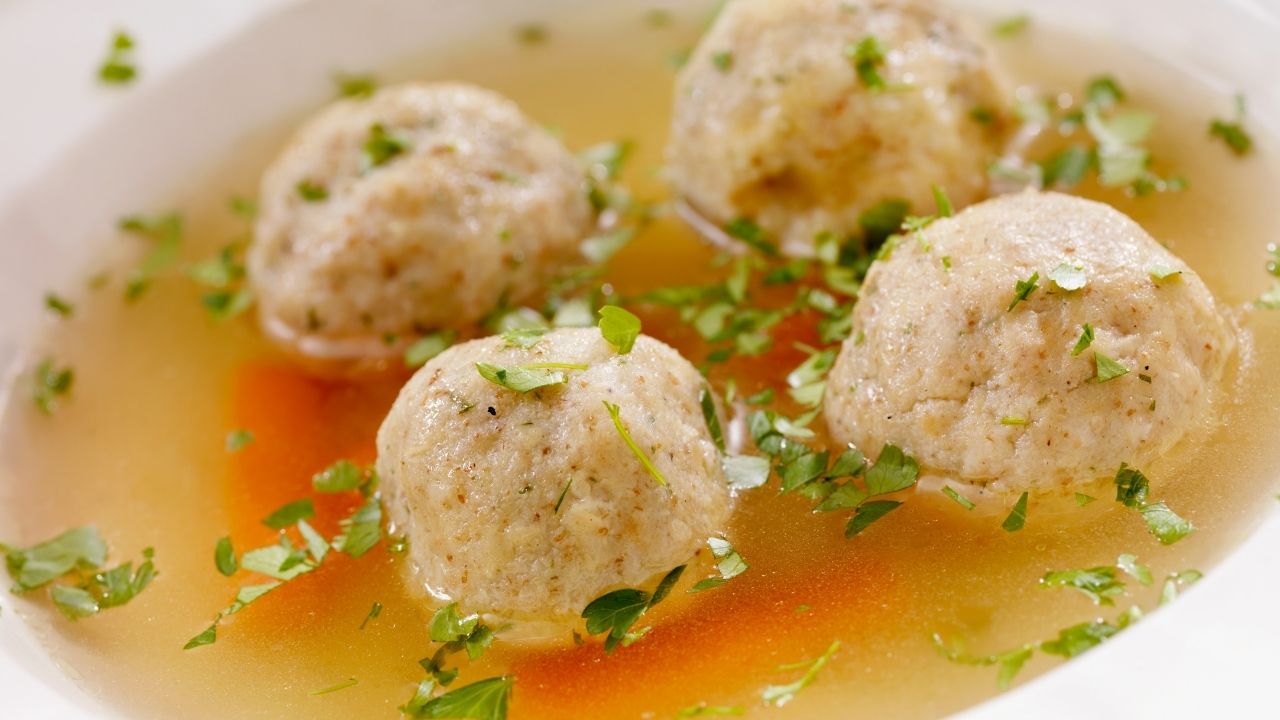
Picture this: you’re in your grandmother’s kitchen during Passover, watching her roll tender dumplings between her weathered palms while a pot of golden broth simmers nearby. Matzo ball soup came to life during times when Jewish families needed to stretch simple ingredients—matzo meal, eggs, and schmaltz (rendered chicken fat)—into something deeply satisfying. What started as resourceful cooking during periods of scarcity transformed into the ultimate comfort food, proving that sometimes the most basic pantry staples create magic when combined with love and intention.
You can make this soul-warming soup your own by starting with homemade chicken stock—I simmer whole chickens with onions, carrots, and celery for hours until the broth turns liquid gold. The matzo balls themselves are pure simplicity: mix matzo meal with beaten eggs, a touch of schmaltz or olive oil, and fresh herbs like dill or parsley. Chill the mixture before rolling into balls—this prevents them from falling apart in the bubbling broth. Each spoonful delivers tender dumplings floating in rich, nourishing soup that connects you to generations of home cooks who understood that real comfort comes from wholesome ingredients prepared with care.
Spam Musubi
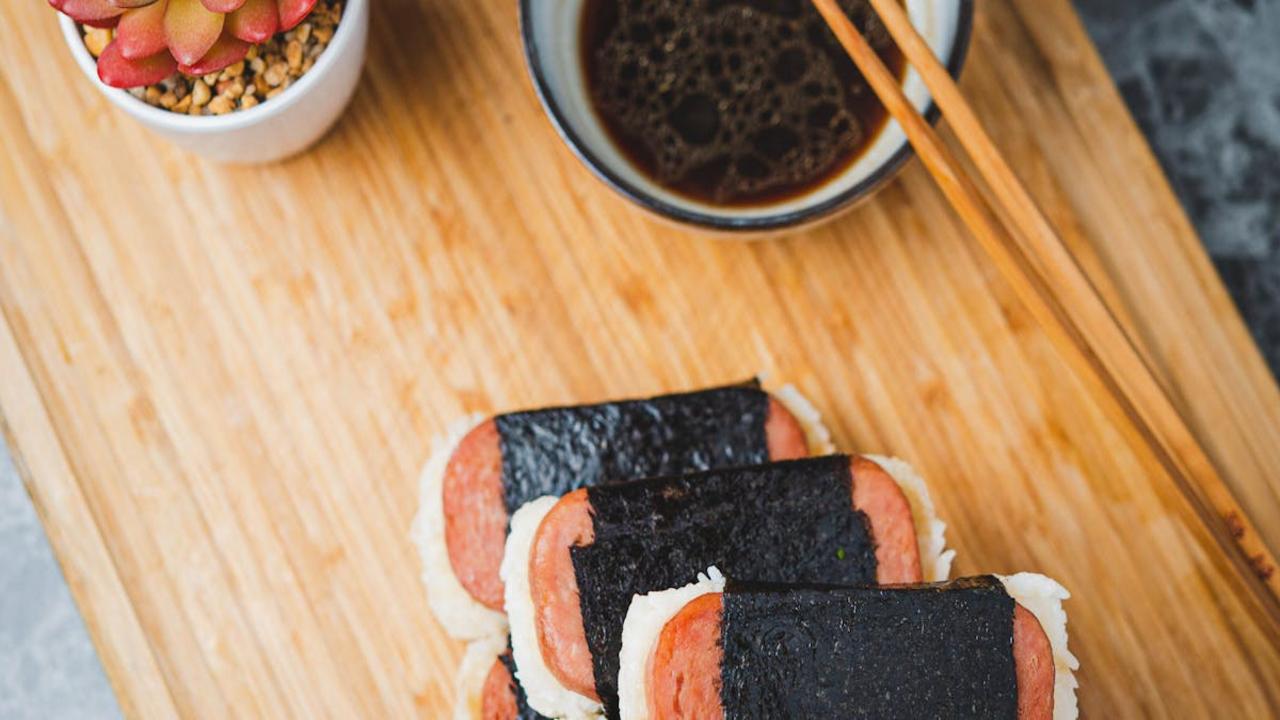
Picture this: you’re standing in a Hawaiian convenience store at sunrise, and locals are grabbing these beautiful rice-and-Spam creations for breakfast. That’s Spam musubi for you – born from pure necessity during World War II when fresh ingredients were scarce, but canned meat was abundant. Japanese plantation workers in Hawaii took their traditional onigiri (rice balls) and adapted them with what they had: Spam, rice, and nori seaweed. What started as making do became something absolutely magical.
Now, I know what you’re thinking about Spam – but hear me out! When you slice it thin, pan-fry it until caramelized, and brush it with a simple teriyaki glaze made from soy sauce and mirin, it transforms completely. The salty-sweet protein pairs beautifully with seasoned sushi rice, all wrapped snugly in crisp nori. I make mine with brown rice for extra nutrition and add a thin layer of avocado – trust me on this one. The result is this perfect handheld meal that’s become Hawaii’s unofficial snack. You get protein, carbs, and that satisfying umami flavor that keeps you coming back. It’s proof that the most beloved foods often come from the simplest, most honest ingredients.
Pad Thai
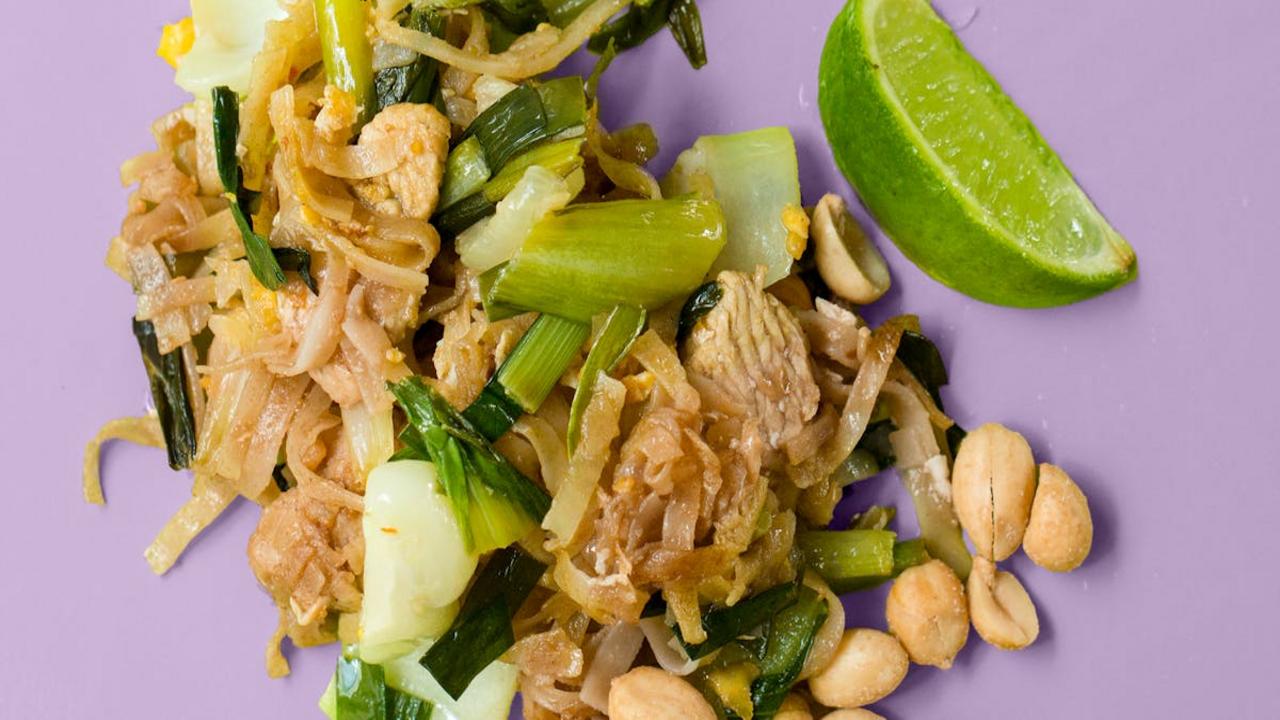
You know, every time I make Pad Thai in my kitchen, I think about how this gorgeous noodle dish rose from pure necessity during World War II. Thailand’s Prime Minister Plaek Phibunsongkhram actually promoted this recipe as part of a national identity campaign when rice was scarce and the country needed affordable, filling meals. The beauty of Pad Thai lies in its brilliant balance—sweet palm sugar or brown sugar, tangy tamarind paste, salty fish sauce, and that perfect hit of lime. What started as an economic survival strategy became Thailand’s most famous export, and I absolutely love how resourceful cooks transformed simple rice noodles into something so satisfying and complex.
When I teach friends to make Pad Thai, I always emphasize how forgiving this dish can be with substitutions. Can’t find tamarind paste? Mix brown sugar with lime juice and a splash of rice vinegar. No fish sauce? Soy sauce with a pinch of salt works beautifully. I’ve made incredible versions using whatever protein I had on hand—leftover chicken, fresh shrimp, or even crispy tofu. The magic happens in that hot wok where everything comes together in under ten minutes. Each strand of noodle gets coated in that glossy, amber sauce while bean sprouts add crunch and scrambled eggs create silky richness. This dish proves that the most beloved foods often spring from the most challenging circumstances.
Poutine
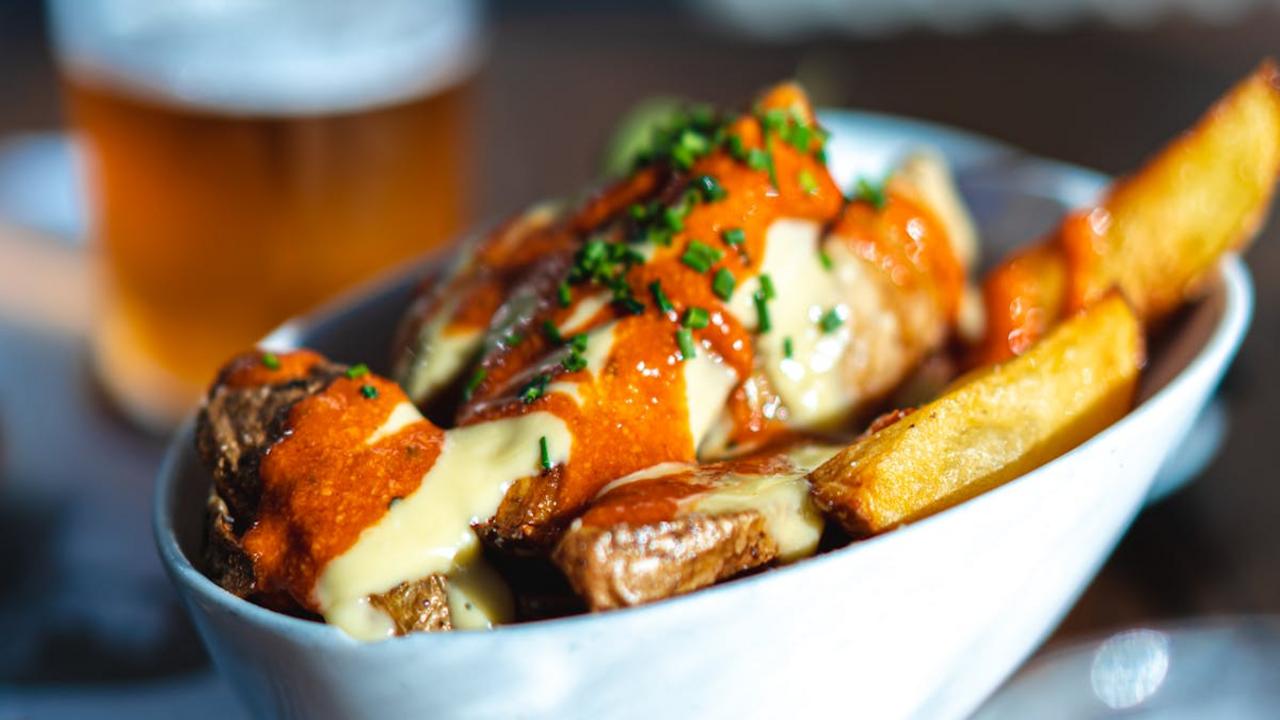
Picture this: you’re a truck driver in 1950s Quebec, working long shifts for modest pay, craving something hearty that won’t break the bank. That’s exactly how poutine came to life—born from necessity in rural Quebec diners where resourceful cooks transformed simple ingredients into pure comfort. French fries, cheese curds, and gravy might sound basic, but together they create magic that speaks to your soul. I love how this dish represents the beautiful alchemy that happens when you trust your instincts with humble ingredients, turning what’s available into something extraordinary.
What fascinates me most about poutine is how it mirrors my own cooking philosophy—taking everyday ingredients and creating something greater than the sum of its parts. Those squeaky cheese curds melt just enough under the warm gravy while maintaining their texture, creating layers of flavor and satisfaction that processed alternatives simply can’t match. Today, I encourage you to think beyond traditional poutine and experiment with roasted sweet potato fries, homemade herb gravy, or even adding sautéed mushrooms for extra depth. This dish teaches us that the most beloved foods often come from moments when creativity meets constraint, proving that nourishing comfort food doesn’t need fancy ingredients—just genuine care and intuitive cooking.
Colcannon
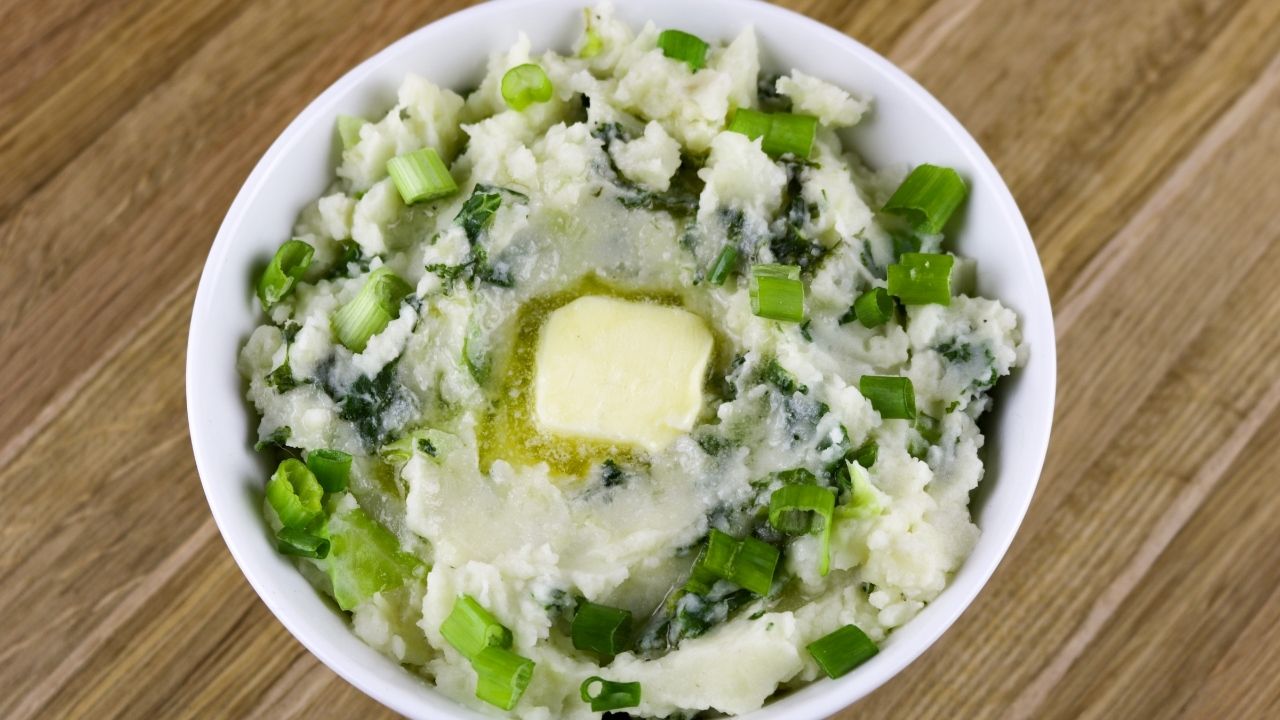
Colcannon represents everything I adore about transforming humble ingredients into something magical. This Irish potato dish was born from necessity during the Great Famine, when families mixed whatever greens they could find—cabbage, kale, or scallions—with mashed potatoes and maybe a precious bit of butter. What strikes me most is how this simple combination creates such satisfying comfort. I make mine with purple-top turnips mixed in alongside the potatoes, adding an earthy sweetness that surprises people. The key lies in getting your potatoes perfectly fluffy and not overworking them when you fold in those bright green vegetables.
Today, colcannon has become my go-to side dish when I want something hearty yet nourishing. I love experimenting with different greens—sometimes I’ll throw in massaged kale with garlic, other times I’ll use cabbage that’s been quickly sautéed until just wilted. The beauty of this dish is its flexibility; you can make it your own while honoring its roots. I always finish mine with a generous pat of grass-fed butter melting into a golden pool in the center, just like Irish grandmothers have done for generations. It’s proof that the most beloved foods often come from making the best of what you have.
Feijoada
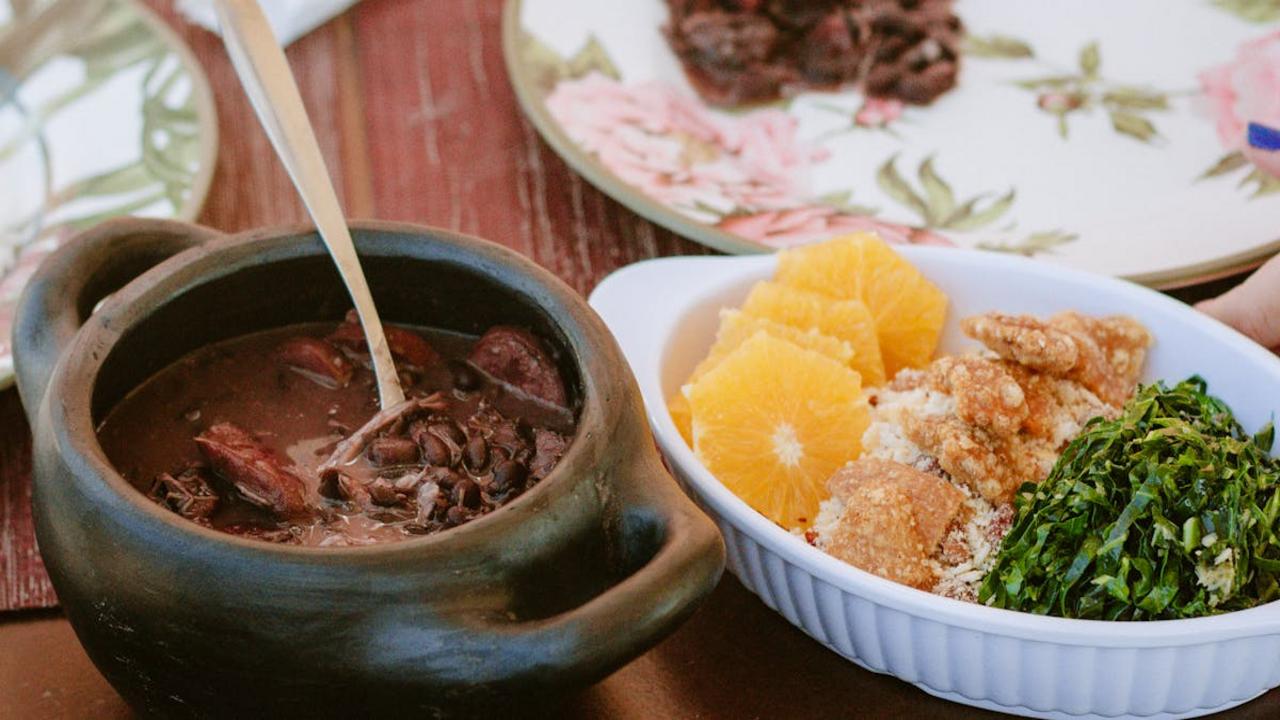
Brazil’s national dish, feijoada, tells a story of resilience that moves me every time I prepare it. Born from the necessity of enslaved Africans and Portuguese colonizers making meals from scraps—beans paired with whatever meat cuts were available—this hearty black bean stew became something magnificent. I love how this dish transforms humble ingredients into pure comfort. When I make feijoada in my kitchen, I think about how those original cooks took discarded pig parts, tough cuts, and simple black beans, then created something so satisfying it would become a weekend ritual across an entire nation.
What strikes me most about feijoada is how it celebrates slow cooking and patience—values I hold dear in my own cooking philosophy. The beans need time to break down and absorb all those rich, smoky flavors from the meats. I always soak my beans overnight, then let everything simmer together for hours until the liquid becomes thick and glossy. Served with fresh orange slices, collard greens, and fluffy white rice, feijoada shows you how necessity breeds creativity. This dish proves that when you start with whole, unprocessed ingredients and give them time and attention, magic happens in your pot.
Coq au Vin
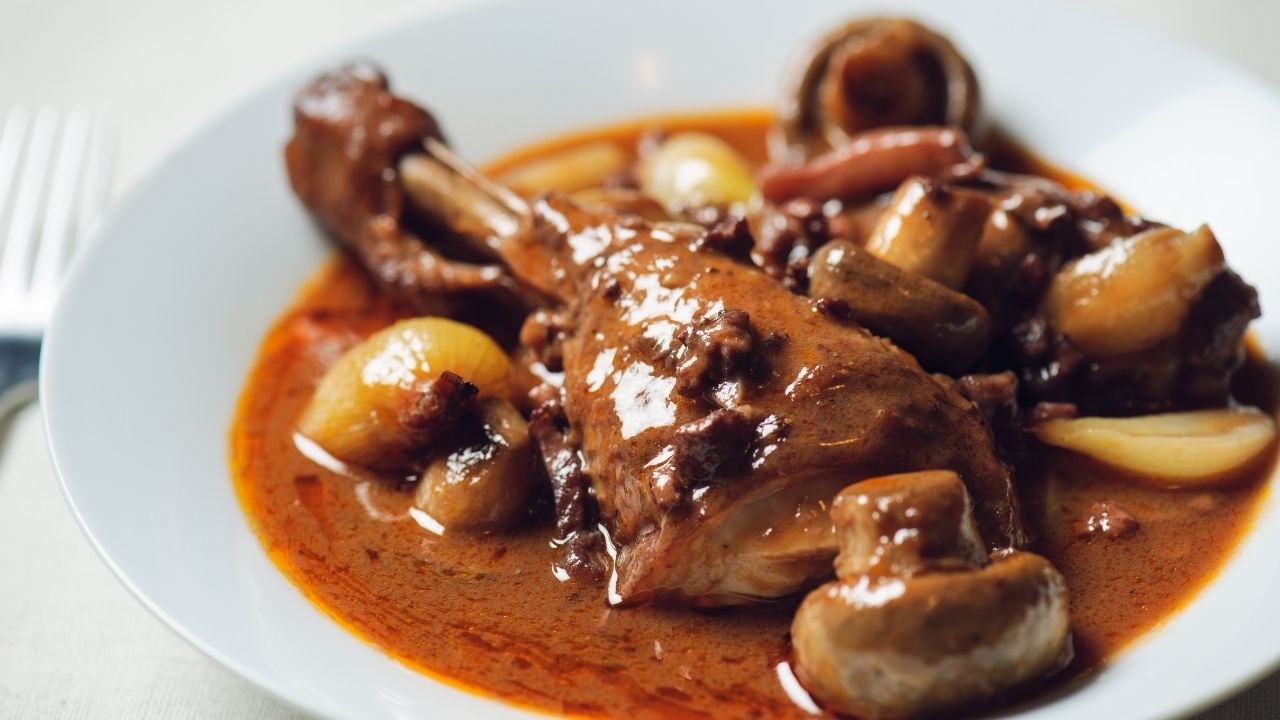
You know what amazes me about French home cooking? How they transformed tough, stringy roosters into pure magic with nothing more than wine and patience. Coq au Vin was born from pure necessity—French farmers had these old birds that were too tough for regular cooking, but too valuable to waste. So they braised them low and slow in whatever wine they had on hand, usually Burgundy, creating something that would become a cornerstone of French cuisine. Picture this: you’re simmering chicken pieces with mushrooms, pearl onions, and herbs, watching the wine work its transformative power.
What I love most about making Coq au Vin today is how it teaches you the beauty of slow cooking without any fancy equipment. You start by browning your chicken pieces (I often use thighs for their richness), then build layers of flavor with bacon, aromatics, and that gorgeous wine reduction. The dish practically cooks itself once everything hits the pot—just like those resourceful French cooks intended. I always tell people to use wine they’d actually drink, because you’re concentrating those flavors. This recipe proves that some of our most beloved dishes came from making the best of what was available, turning tough times into tender, soul-warming meals.
Gazpacho
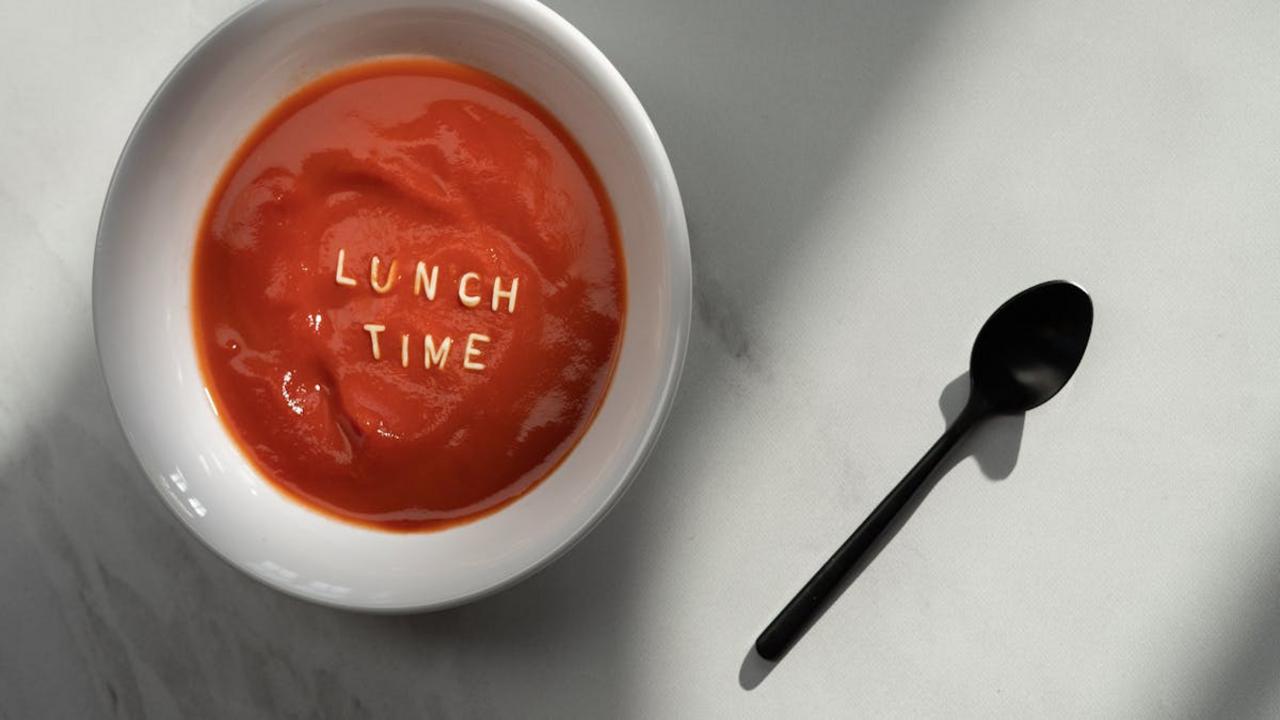
Picture this: you’re a field worker in scorching Andalusian heat, and your lunch needs to cool you down while giving you energy to continue. That’s exactly how gazpacho was born – from the necessity of Spanish laborers who created this brilliant cold soup using stale bread, olive oil, vinegar, and whatever vegetables they could find. What started as peasant food has become one of Spain’s most celebrated dishes, and I absolutely adore how this transformation happened through pure ingenuity and resourcefulness.
Making gazpacho at home connects you directly to this beautiful tradition of turning simple ingredients into something extraordinary. I love how forgiving this soup is – you can adjust the tomatoes for sweetness, add more cucumber for freshness, or boost the garlic if you’re feeling bold. The key lies in using the ripest tomatoes you can find and good olive oil, then letting time work its magic as the flavors meld together. Every spoonful delivers pure summer sunshine, proving that the most nourishing dishes often come from the most humble beginnings.
Shepherd’s Pie
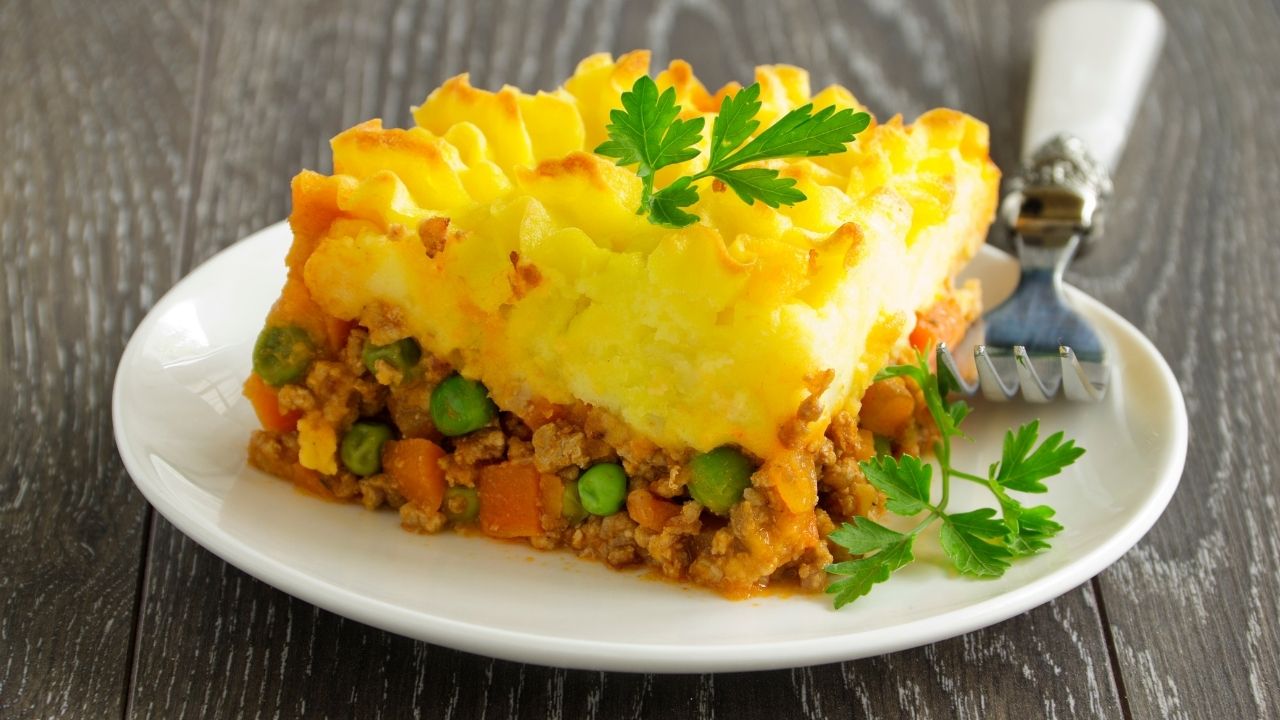
Picture this: English shepherds coming home after long days in the fields, their wives transforming Sunday’s leftover roast lamb into something that could stretch for another meal or two. That’s how shepherd’s pie was born – pure necessity meeting kitchen creativity. I love how this dish teaches us that the best comfort foods often spring from making do with what you have. The genius lies in layering those tender meat scraps with vegetables and topping everything with creamy mashed potatoes that turn golden and crispy in the oven.
What makes me smile about shepherd’s pie is how it breaks every rule about “proper” cooking yet creates something absolutely magical. You’re taking leftovers, adding whatever vegetables need using up – carrots, peas, onions, maybe some herbs from the garden – and creating a complete meal that feeds a family. I always tell people to think of it as your canvas for using up odds and ends. Got some sweet potatoes instead of regular ones? Perfect. Want to sneak in some finely chopped mushrooms or bell peppers? Go for it. This dish celebrates resourcefulness and proves that some of our most beloved comfort foods were born from the simple act of not wanting to waste good ingredients.
Ribollita
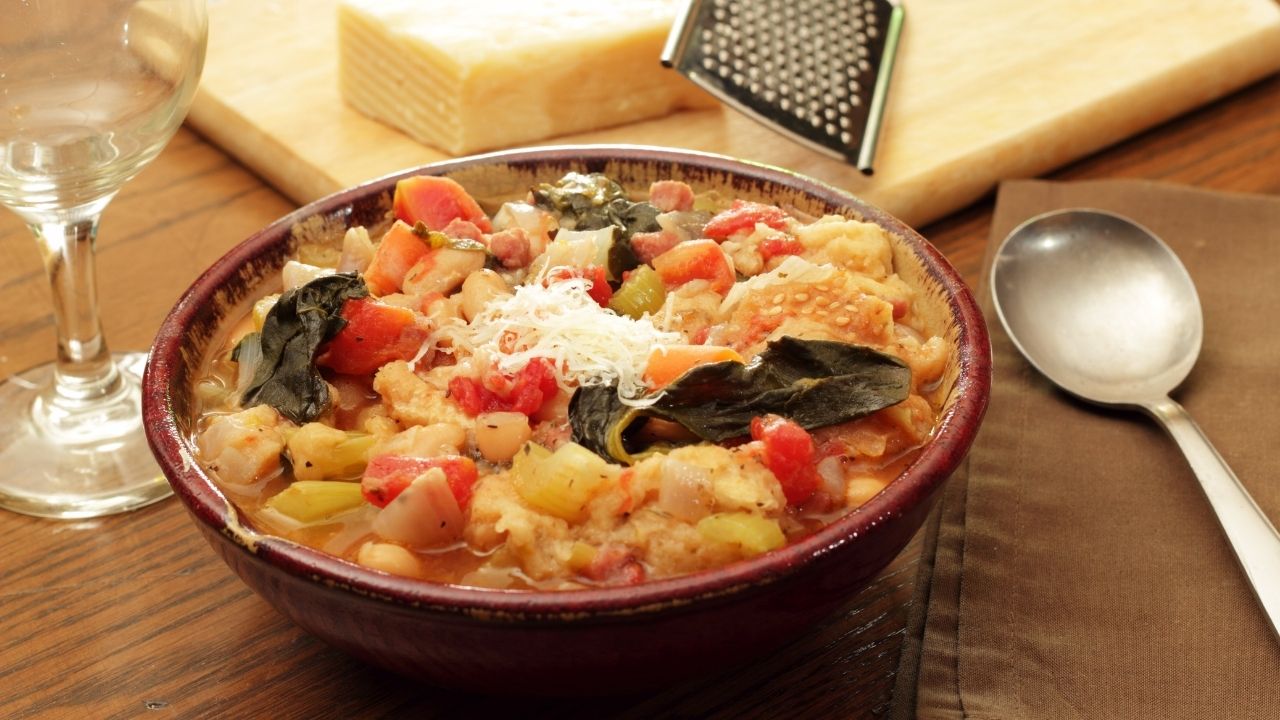
Picture this: you’ve got day-old bread sitting on your counter, some wilted greens in your fridge, and maybe a lonely can of beans in your pantry. Instead of tossing everything, you create magic. That’s exactly what Tuscan peasants did centuries ago when they invented ribollita, which literally means “reboiled.” This hearty soup transforms humble leftovers into something so satisfying and nourishing that it became a cornerstone of Italian comfort food. I love how this dish proves that the most memorable meals often come from making the most of what you already have.
What makes ribollita so special is its forgiving nature—you can throw in whatever vegetables you have on hand, from kale and cabbage to carrots and onions, along with cannellini beans and chunks of stale bread that soak up all those incredible flavors. The beauty lies in how the bread thickens the soup naturally, creating this wonderfully rustic texture that feels like a warm hug in a bowl. Every time I make ribollita, I’m reminded that the best cooking happens when you trust your instincts, taste as you go, and remember that sometimes the most “imperfect” ingredients create the most perfect meals.
French Onion Soup
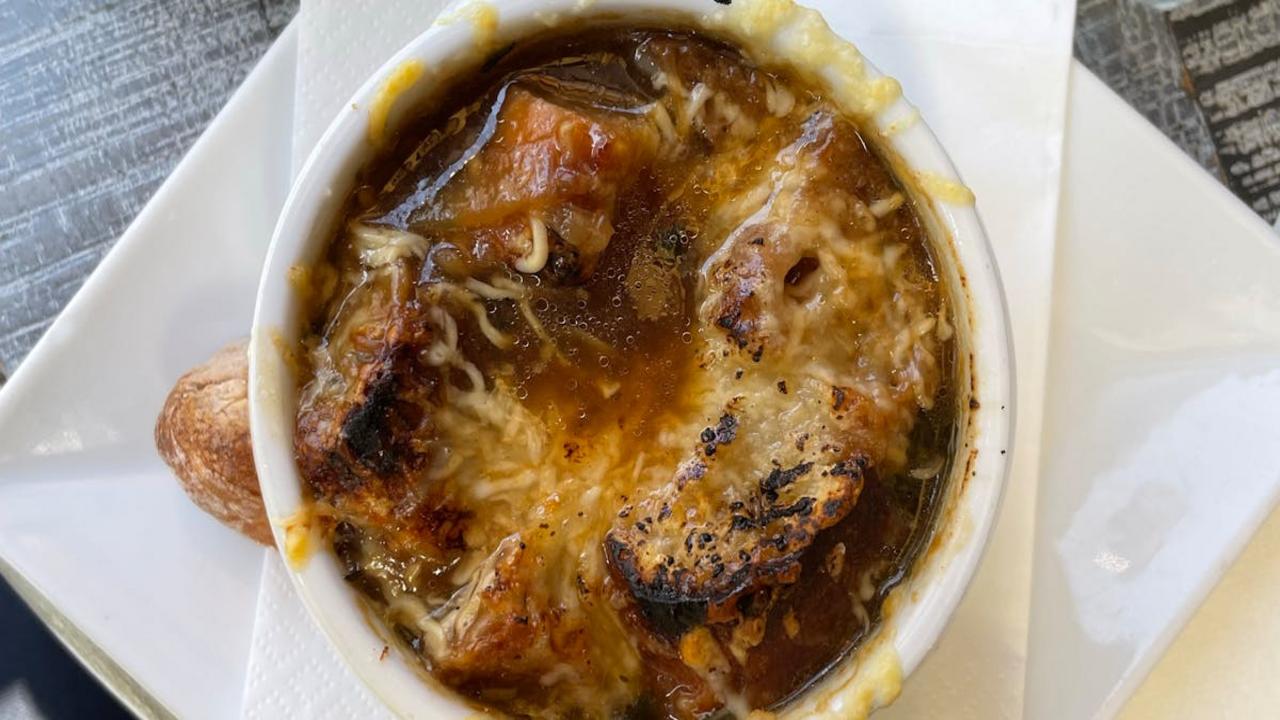
You know, French onion soup tells one of my favorite stories about turning humble ingredients into something absolutely magical. Born from necessity in 18th century France, this soup came to life when people had little more than onions, stale bread, and whatever cheese scraps they could find. I love how those resourceful cooks discovered that slowly caramelizing onions transforms their sharp bite into deep, sweet richness – it’s pure alchemy in your kitchen. The way those golden strands melt into a fragrant broth reminds me why I always keep a bag of onions handy; they’re your secret weapon for building incredible flavor from almost nothing.
Making this soup connects you directly to that tradition of creating abundance from simplicity. I skip the processed shortcuts and take time to properly caramelize my onions – sometimes forty minutes or more – because that’s where the real magic happens. The bubbling cheese on top isn’t just Instagram-worthy; it represents how our ancestors stretched ingredients to feed their families with dignity and warmth. Every spoonful carries centuries of home cooks who understood that patience, good technique, and respect for ingredients can turn poverty cooking into something fit for kings. This soup proves that the most beloved comfort foods often spring from the most challenging times.
Bubble and Squeak
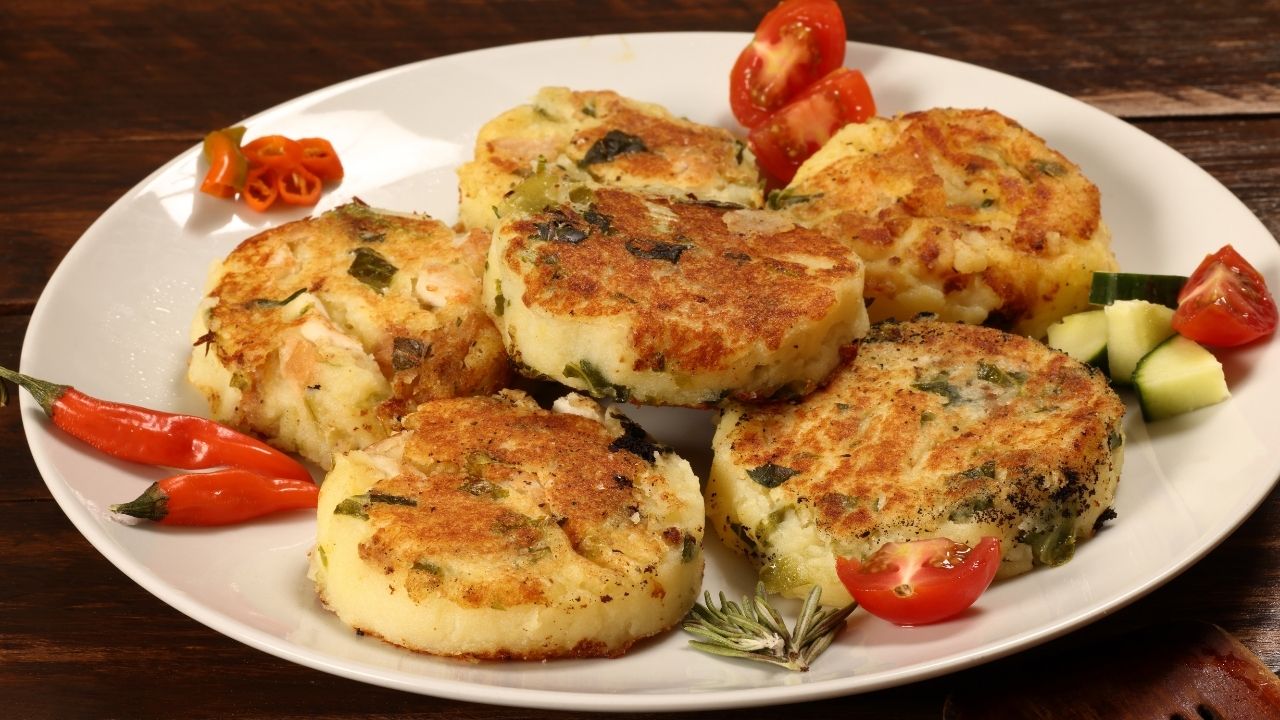
You know that moment when you open your fridge and see leftover roast vegetables and mashed potatoes staring back at you? That’s exactly how Bubble and Squeak was born in British kitchens during tough times when throwing away food wasn’t an option. This brilliant dish transforms yesterday’s Sunday roast remnants into something completely new and satisfying. The name comes from the sounds it makes while cooking—the bubbling and squeaking as vegetables hit the hot pan. I love how this dish teaches us that leftovers aren’t something to endure but ingredients waiting for their second act.
Making Bubble and Squeak becomes this beautiful dance of intuition and creativity. You start by mashing together whatever vegetables you have—Brussels sprouts, cabbage, carrots, potatoes—then form them into patties and fry until golden and crispy. The magic happens when those edges caramelize and develop that incredible texture contrast between the crispy exterior and creamy center. Every family has their own version, and that’s the beauty of it. Sometimes I add fresh herbs or a touch of wholegrain mustard to brighten things up. This dish proves that the most humble ingredients, when treated with respect and creativity, create the most memorable meals.
Panzanella
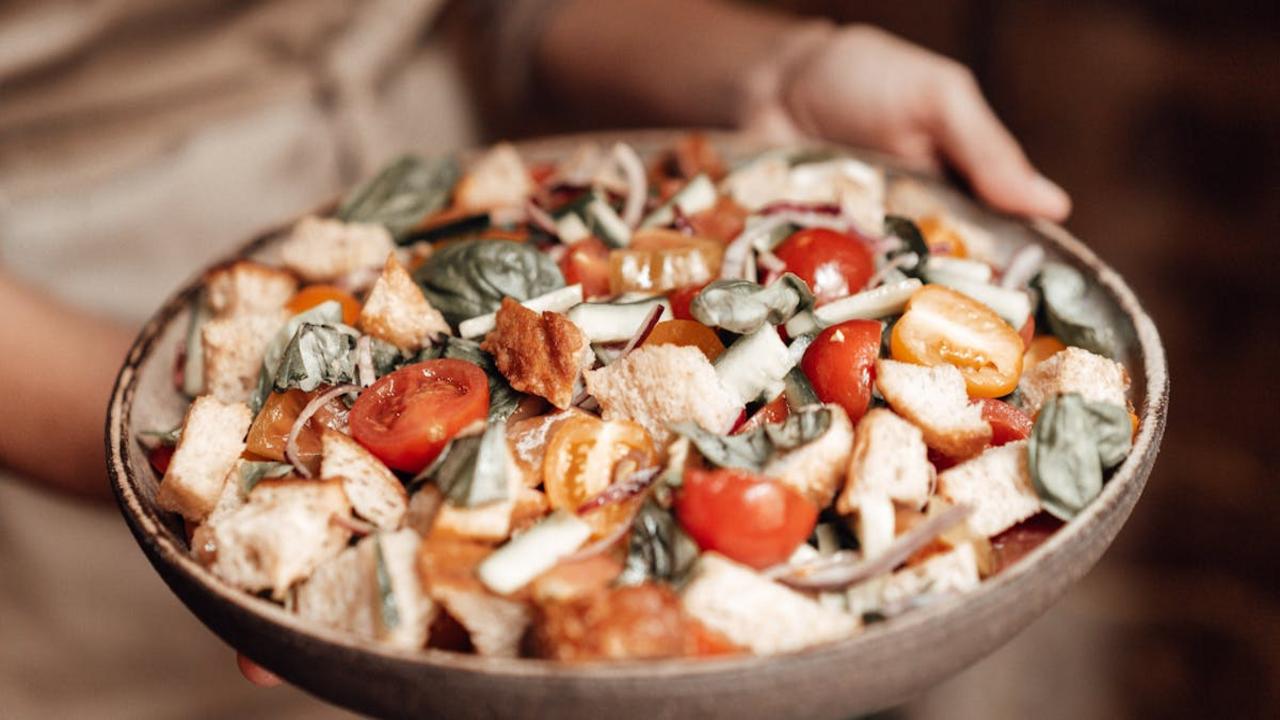
When Tuscan peasants faced stale bread and empty pantries, they created something magical that speaks to my heart as a home cook. Panzanella transforms yesterday’s crusty loaf into a vibrant salad that celebrates the pure flavors of ripe tomatoes, crisp vegetables, and good olive oil. I love how this dish teaches us that waste becomes wonder with just a splash of vinegar and a pinch of creativity. The bread soaks up all those gorgeous juices, creating textures that dance between chewy and tender—it’s like watching ordinary ingredients perform an extraordinary transformation right in your bowl.
You know what excites me most about panzanella? It mirrors everything I believe about intuitive cooking and using what you have on hand. Start with that forgotten loaf, tear it into rustic chunks, then build layers of flavor with whatever vegetables are singing to you from the market. Cucumber adds crunch, red onion brings bite, fresh basil provides that aromatic lift—each component plays its part in this humble yet sophisticated symphony. The beauty lies in its flexibility; you can swap ingredients based on seasons or preferences, making it uniquely yours every single time while honoring its roots in resourceful Italian kitchens.
Bread Pudding
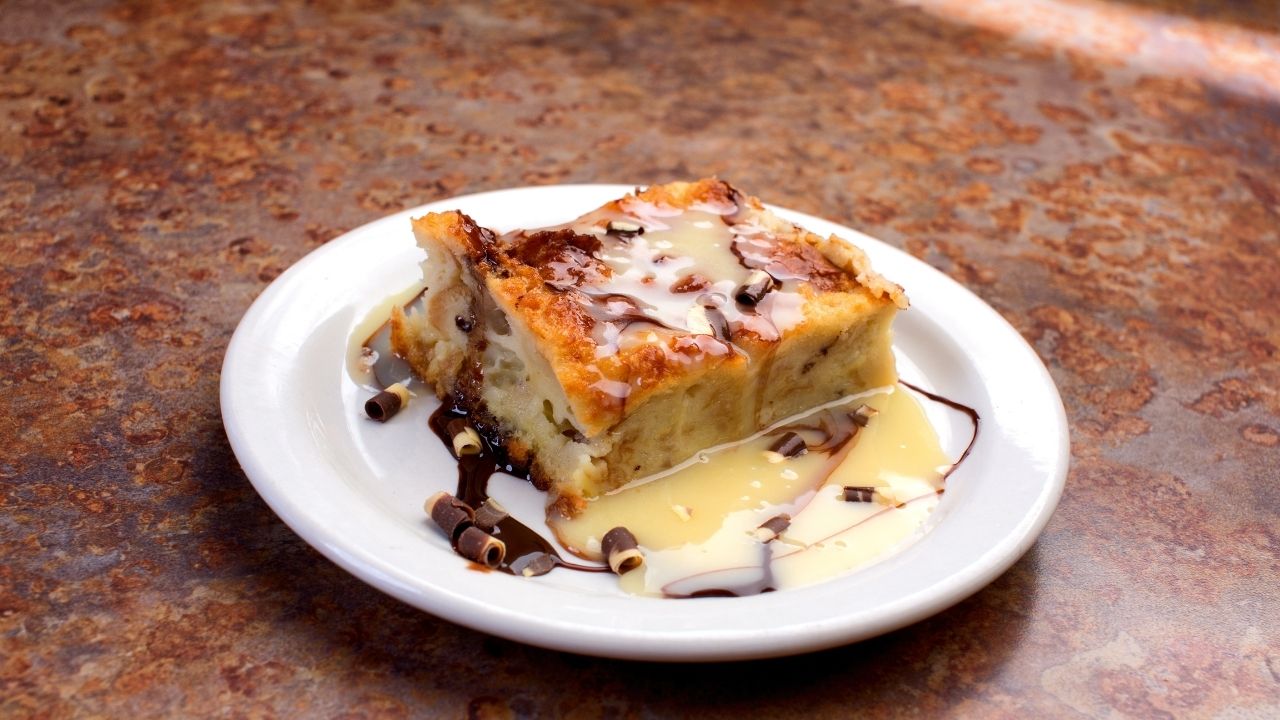
You know that heartbreaking moment when you discover your beautiful loaf of bread has gone stale? Instead of tossing it in the trash, our ancestors transformed this “failure” into pure magic. Bread pudding emerged from kitchens where waste simply wasn’t an option—every crumb mattered. French cooks called it “pain perdu” (lost bread), while British families knew it as a way to stretch their weekly budget. I love how this dessert represents the ultimate kitchen wisdom: sometimes the most broken ingredients create the most comforting results.
What makes bread pudding so special is its forgiving nature—you can’t really mess it up! I’ve made versions with day-old croissants, leftover challah, even that crusty baguette sitting on your counter. Mix in some eggs, milk (or coconut milk for richness), a touch of vanilla, and whatever spices speak to you. Cinnamon and nutmeg feel classic, but I’ve added cardamom and orange zest for something different. The beauty lies in how the custard soaks into every porous corner, creating this incredible contrast between the crispy top and creamy center. It’s comfort food that tells a story of resourcefulness and creativity.