12 American Dining Habits That Make Locals Cringe Around the World
Travel opens your eyes to different cultures, especially how we eat. While Americans have our own dining customs, some of these habits make locals in other countries physically recoil. What seems perfectly normal at home might be downright offensive elsewhere!
I’ve learned through my global cooking adventures that food etiquette varies wildly across borders. From walking while eating (a major no-no in Japan) to our casual pizza-folding technique that horrifies traditional Italians, American dining behaviors often stand out—and not always in a good way.
The next time you dine internationally, watch how locals handle their meals. Skipping the ice in France or waiting for everyone to be served in India shows respect for local customs. Small adjustments to your eating habits go a long way in creating genuine connections through food, no matter where you find yourself.
Drinking coffee during meal (Italy)

Picture this: you’re sitting at a charming Roman trattoria, savoring handmade pasta while sipping your cappuccino. The server’s expression shifts from friendly to bewildered, and nearby diners start whispering. In Italy, coffee operates by sacred rules that locals follow religiously. Cappuccinos belong exclusively to morning hours—typically before 11 AM—and never, ever alongside food. Italians view coffee as a digestive aid, something you drink after your meal, not during it. They believe milk-based coffee drinks interfere with digestion and overwhelm the delicate flavors of their carefully crafted dishes.
I learned this lesson during my first trip to Milan, where I watched my Italian friend Roberto nearly choke on his risotto when I ordered a latte with dinner. He gently explained that Italians drink espresso after meals—quick, strong, and standing at the bar. The ritual feels almost ceremonial: a small cup of intensely concentrated coffee that cleanses your palate and signals the meal’s end. Now when I recreate Italian dishes at home, I follow this tradition. I brew a proper espresso after finishing my homemade carbonara or fresh gnocchi, letting that bold coffee flavor reset my senses completely.
Adding extra sauces (France)
Picture this: your great-grandmother storing potatoes, carrots, and apples through the winter without a single refrigerator hum in the background. Root cellaring takes me back to those brilliant food preservation methods our ancestors perfected, and honestly, I can’t get enough of how this technique transforms the way we think about seasonal eating. You create a naturally cool, humid environment—usually underground or in a basement—where root vegetables and certain fruits can live happily for months. The magic happens when you maintain temperatures between 32-40°F with 85-95% humidity, mimicking nature’s own storage system.
I’ve been experimenting with root cellaring in my own basement corner, and the results blow my mind every time. Carrots stay crisp and sweet well into spring, while potatoes maintain their earthy flavor without sprouting. You’ll discover that different vegetables have their preferences—beets love it slightly warmer than carrots, and onions prefer drier conditions. The beauty lies in reconnecting with seasonal rhythms and reducing food waste dramatically. Start small with a wooden crate in a cool basement spot, layer your vegetables in slightly damp sand or sawdust, and watch how this ancient wisdom keeps your harvest fresh naturally.
Starting meal before everyone is served (India)

Your great-grandmother knew something we forgot—fresh butter beats store-bought every single time. I started making my own butter after tasting a friend’s homemade version at a dinner party, and now I can’t go back to those waxy, preservative-laden blocks from the grocery store. All you need is heavy cream and a jar (or stand mixer if you’re feeling fancy). The process takes just minutes: shake that cream until it separates into golden butter and tangy buttermilk. The transformation feels magical every time I watch it happen.
What excites me most about home butter making is how you can customize flavors to match your cooking style. I love folding in fresh herbs from my garden—rosemary and thyme create an incredible compound butter for roasted vegetables. Sometimes I add a pinch of sea salt and honey for morning toast, or mix in garlic and parsley for pasta dishes. The buttermilk becomes a bonus ingredient for pancakes and biscuits, so nothing goes to waste. This simple technique connects you directly to your food while giving you complete control over what goes into your body—no mysterious additives or artificial colors, just pure, creamy goodness you made with your own hands.
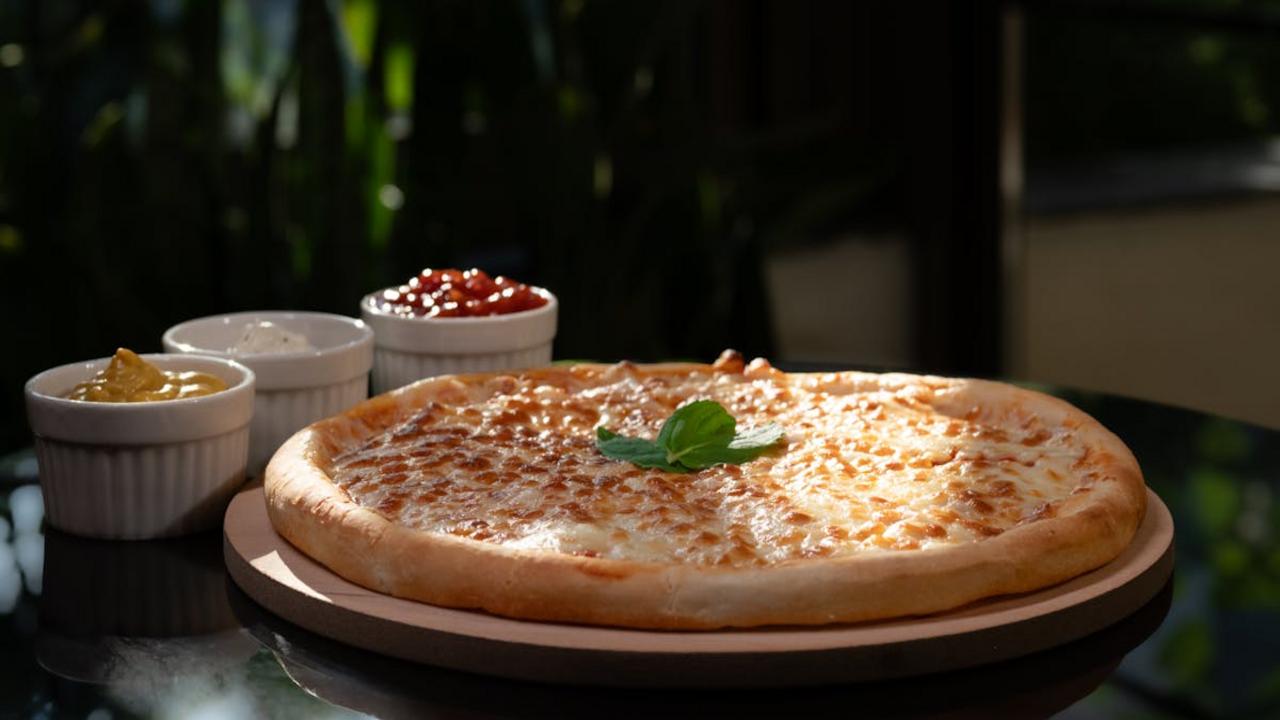
Eating pizza with hands (Italy)

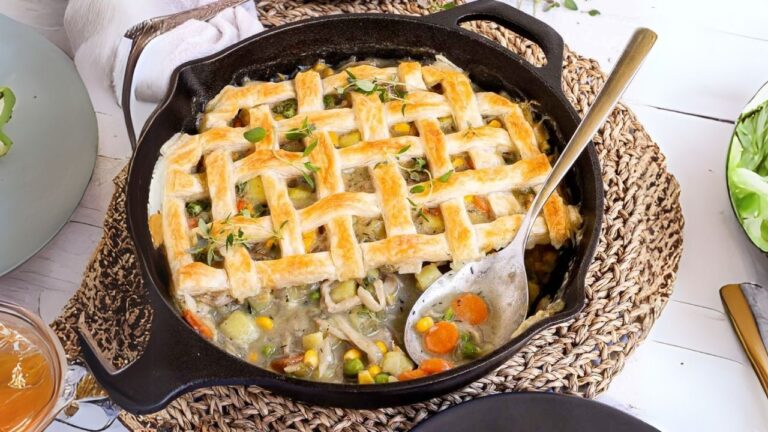
Your grandmother’s cast iron skillet wasn’t just cookware—it was her secret weapon for creating meals that sang with flavor and nourishment. I’ve watched friends abandon their non-stick pans after rediscovering the magic of cooking with cast iron, and honestly, I get it completely. These heavy-duty workhorses transform simple ingredients into something extraordinary through their incredible heat retention and natural non-stick surface that develops over time. When you sear vegetables in a well-seasoned cast iron pan, they caramelize beautifully while retaining their nutrients, creating those golden edges that make even Brussels sprouts irresistible.
What draws me most to cast iron cooking is how it connects us to generations of home cooks who understood that good food requires patience and the right tools. You can take your skillet straight from stovetop to oven, making it perfect for dishes like my favorite turmeric-spiced chicken thighs that finish with roasted root vegetables underneath. The iron actually adds trace minerals to your food—a bonus that modern cookware simply can’t match. Sure, cast iron requires a bit more care than grabbing any random pan, but once you develop the habit of proper seasoning and maintenance, you’ll have cookware that literally improves with age and use.
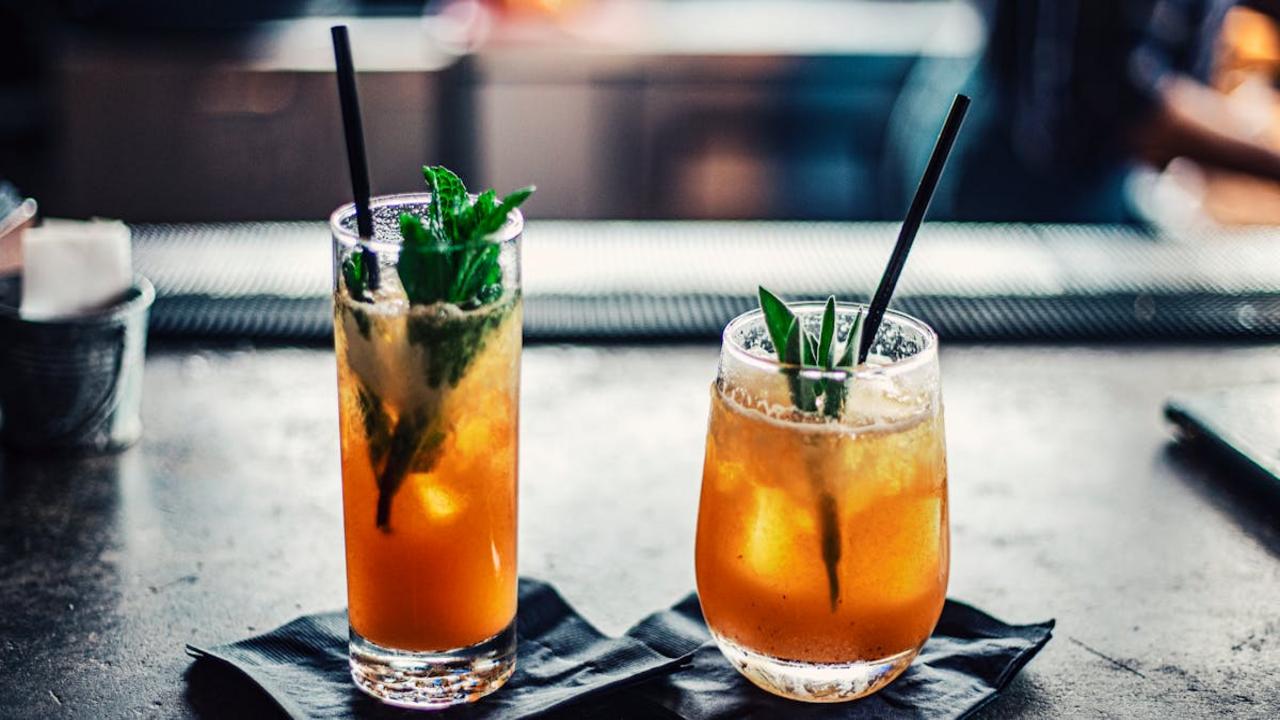
Adding ice to drinks (France)
I remember the first time I watched my grandmother work her granite grinding stone, transforming whole spices into fragrant powders that filled our kitchen with intoxicating aromas. Stone grinding isn’t just about creating spice powders—it’s about unlocking flavors that electric grinders simply can’t match. The slow, methodical process generates minimal heat, preserving volatile oils and compounds that give spices their true character. When you grind cardamom pods or coriander seeds on stone, you’re not just breaking them down; you’re coaxing out every nuance of flavor that industrial processing tends to destroy.
Today, I keep my granite mortar and pestle within arm’s reach, using it for everything from crushing garlic with coarse salt to making fresh curry pastes from scratch. The texture you achieve through stone grinding creates a completely different mouthfeel—pastes become silky yet substantial, spice blends develop layers of complexity you never knew existed. My friends always ask why my Thai curry pastes taste so much more vibrant than store-bought versions, and the secret lies in that ancient grinding motion. Stone grinding connects you to centuries of cooking wisdom while creating intensely flavorful bases that transform ordinary ingredients into extraordinary meals.
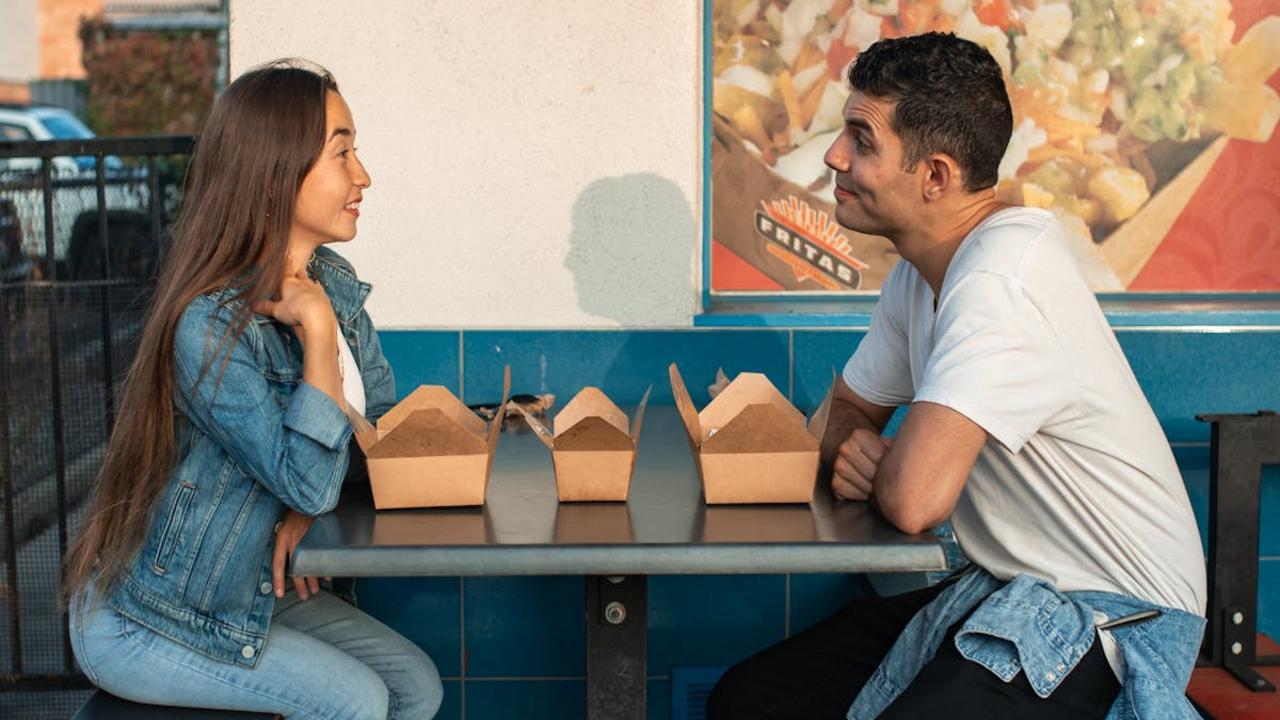
Asking for takeout boxes (Spain)
Picture this: your grandmother’s hands moving with practiced precision, transforming simple vegetables into tangy treasures that could brighten any meal months later. That’s the magic I discovered when I started making my own pickles, and honestly, there’s something deeply satisfying about watching cucumbers, radishes, or even watermelon rinds transform in their briny bath. The process connects you to generations of home cooks who understood that preservation wasn’t just about extending shelf life—it was about creating layers of flavor that could turn a simple sandwich into something memorable.
What I love most about pickling is how forgiving and creative the process can be. You can quick-pickle thinly sliced red onions with rice vinegar and a touch of honey for your tacos tonight, or commit to a longer fermentation process that develops those complex, probiotic-rich flavors your gut will thank you for. I’ve pickled everything from classic dill spears to adventurous combinations like turmeric-spiced cauliflower and ginger-kissed carrots. The beauty lies in how you can adapt traditional techniques to whatever vegetables are abundant in your kitchen, reducing food waste while creating condiments that pack more personality than anything you’ll find in a store jar.
Splitting the bill (Italy)

Your grandmother knew something we’re just rediscovering—drying food transforms ordinary ingredients into concentrated flavor bombs that last for months. I’ve been experimenting with my dehydrator lately, turning summer’s bounty of tomatoes into chewy, intensely sweet morsels that add depth to winter stews. The process strips away water while concentrating sugars and nutrients, creating ingredients that pack serious punch in your cooking. You don’t need fancy equipment either; your oven on its lowest setting works perfectly for drying herbs, fruit leather, or even thinly sliced vegetables.
What excites me most about food drying is how it connects us to global food traditions while reducing waste in our modern kitchens. I love making my own dried chilies for Mexican-inspired dishes, or creating fruit leather from overripe mangoes that would otherwise go bad. The technique works beautifully with unexpected combinations too—try drying cherry tomatoes with fresh basil, or make your own seasoning blends by drying herbs from your garden. This ancient preservation method gives you control over what goes into your food, eliminating the preservatives and added sugars found in store-bought dried goods while creating pantry staples that bring incredible flavor to your everyday cooking.
Using fork as primary utensil (Korea)
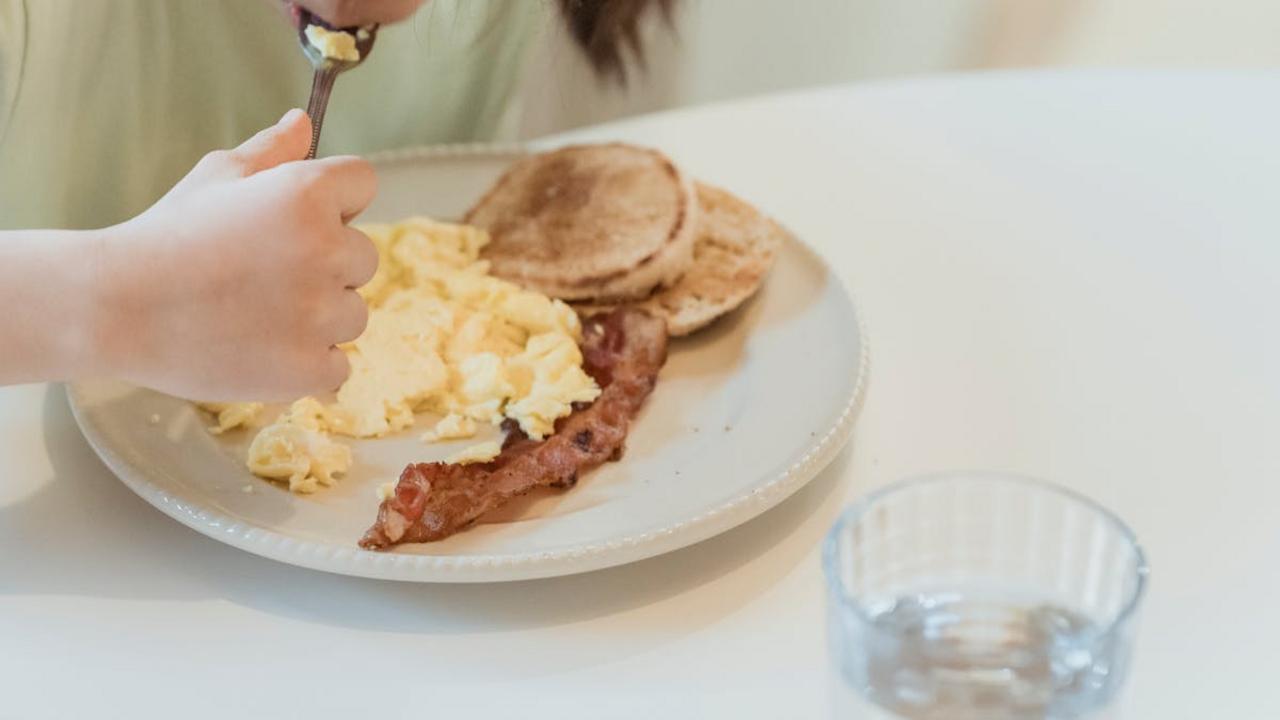
Walking into a Korean restaurant with my usual fork-first mentality taught me a humbling lesson about dining etiquette. In Korea, chopsticks and spoons reign supreme, with the spoon handling rice and soups while chopsticks tackle everything else. When I reached for a fork during my first Korean barbecue experience, the gentle correction from my host opened my eyes to how deeply utensil choices connect to cultural respect. Koreans view the fork as unnecessarily aggressive for their delicate banchan (side dishes) and perfectly seasoned rice, which deserves the gentle touch of a spoon.
This experience transformed how I approach Korean cooking at home. I now keep wooden chopsticks and ceramic spoons readily available, and honestly, eating Korean food this way enhances every flavor. The spoon allows you to perfectly balance rice with stews like kimchi jjigae, while chopsticks let you appreciate the texture of marinated vegetables and grilled meats without crushing them. Korean dining emphasizes harmony between utensils and food, and once you adapt to this rhythm, you’ll understand why locals find fork usage jarring – it disrupts the careful balance they’ve perfected over centuries.
Holding fork in right hand (Europe)
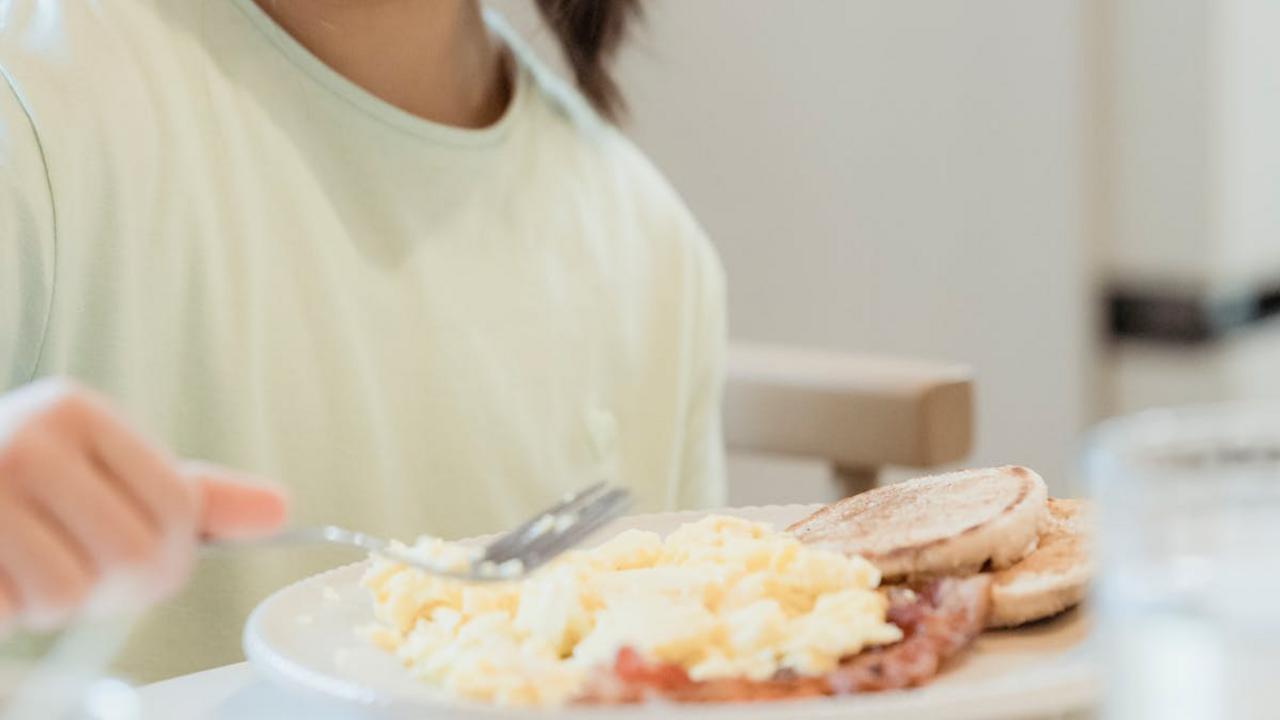
You know that moment when you’re at a dinner table in Paris or Rome, confidently cutting your perfectly prepared ratatouille, and suddenly you notice everyone staring? Here’s the thing – while we Americans naturally switch our fork from left to right hand after cutting, Europeans keep their fork firmly planted in their left hand throughout the entire meal. It’s called the Continental style, and honestly, once you try it, you’ll wonder why we ever made eating so complicated with all that switching back and forth.
I learned this the hard way during my first cooking exchange in Tuscany, where my host family gently corrected my “American zigzag” technique. The European method actually makes so much sense – your knife stays in your right hand, fork in your left, and you can eat those beautiful, farm-fresh vegetables and handmade pasta without the awkward utensil shuffle. Plus, it keeps the rhythm of conversation flowing naturally around the table. Now when I’m creating recipes at home, I often think about how the European approach to dining mirrors their approach to cooking – direct, efficient, and focused on really savoring each bite rather than rushing through the mechanics of eating.
Finishing entire meal (Russia)
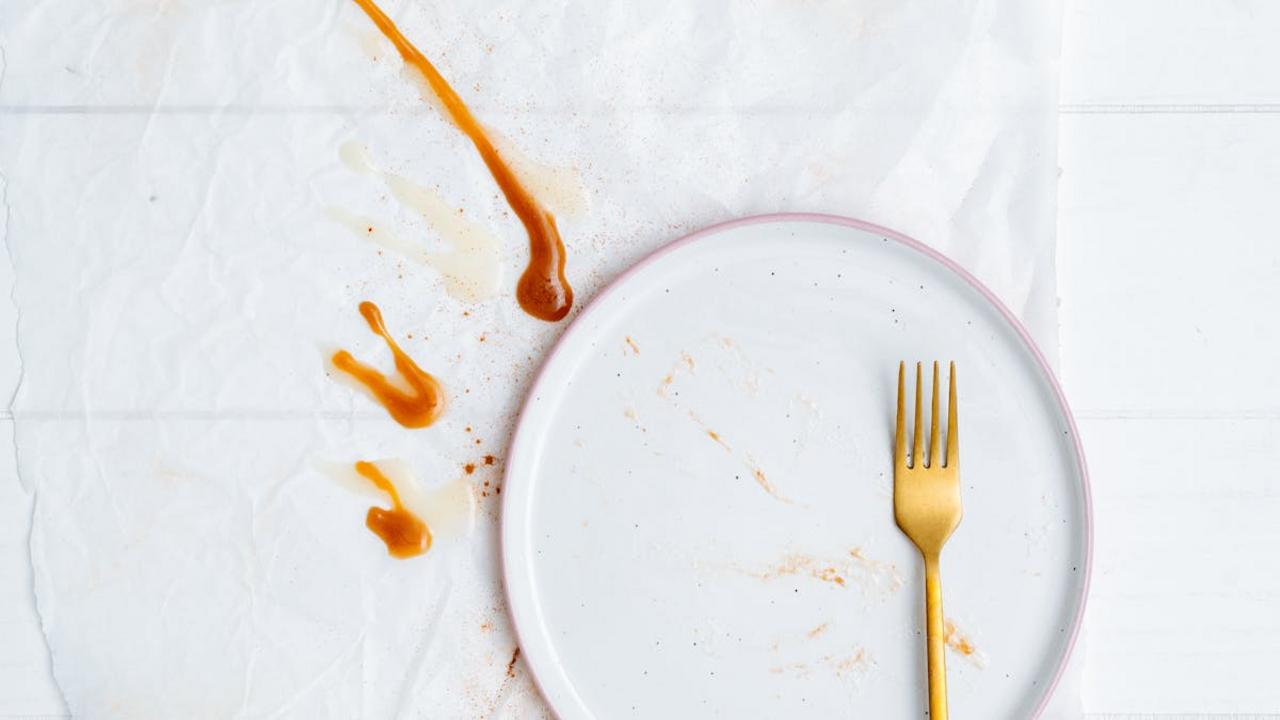
Growing up cooking with my grandmother, I learned that food speaks a universal language of love and respect. In Russia, clearing your plate completely sends the wrong message entirely—it suggests your host didn’t provide enough food for you. This creates genuine embarrassment for Russian families who take immense pride in their hospitality. Americans who finish every last bite think they’re showing appreciation, but they’re actually communicating that they left the table hungry.
I discovered this firsthand during a memorable dinner in Moscow where I instinctively scraped my bowl clean of the most incredible borscht. My host’s face fell, and she immediately rushed to bring more food, apologizing profusely. Now when I cook for Russian friends, I always leave a small portion untouched—it’s my way of honoring their generous spirit. This simple act shows you were satisfied and well-cared for, which means everything in Russian culture. Understanding these nuances transforms how we connect through food across different cultures.
Tipping waitstaff (China)

You know how we Americans automatically reach for our wallets to leave that 18-20% tip after every meal? Well, if you try that same move in China, you might actually offend your server! I learned this the hard way during my first trip to Shanghai when I left what I thought was a generous tip, only to have the waitress chase me down the street to return my “forgotten” money. In Chinese dining culture, good service comes standard – it’s not something you need to pay extra for. The concept of tipping actually suggests that the restaurant doesn’t pay their staff fairly, which reflects poorly on the establishment.
What I find beautiful about this cultural difference is how it shifts the entire dining experience. Without the pressure of calculating tips, you can focus completely on enjoying your meal and the company around you. The servers take genuine pride in their work because excellent service is simply expected, not incentivized by extra cash. When I cook Chinese-inspired dishes at home now, I think about this philosophy – the idea that quality and care should be built into every step, not added as an afterthought. It reminds me why I prefer making everything from scratch rather than relying on shortcuts or processed ingredients.
Eating while walking (Japan)

3