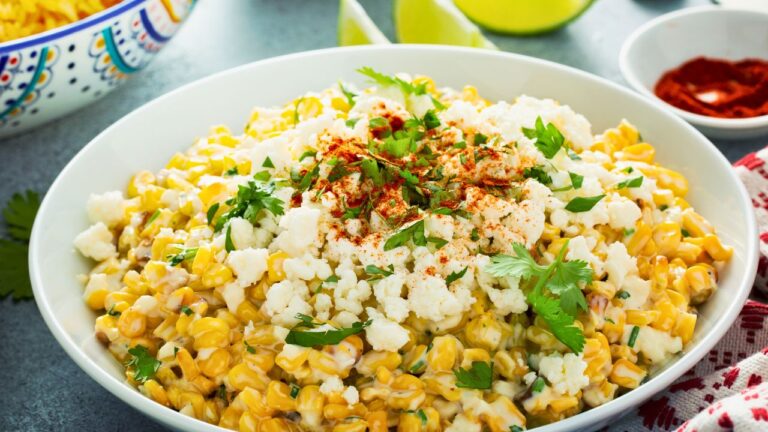
14 Planet-Friendly Foods You’ll Want to Cook and Eat
Ever wondered what you could eat that’s both good for you AND good for Mother Earth? I’ve got 14 eco-superheroes ready to jazz up your kitchen! From protein-packed lentils to the ocean’s treasures like mussels and seaweed, these foods leave a feather-light carbon footprint while delivering knockout nutrition.
Think beyond the basics with jackfruit (hello, meat substitute that grows on trees!) and microgreens (tiny plants with giant flavor punches). Some might raise your eyebrows—fly larvae, anyone?—but trust me, sustainable eating doesn’t mean bland eating. These planet-champions bring bold flavors and textures to your table.
Your dinner plate wields more environmental power than you think. By cooking with these 14 earth-friendly ingredients, you’ll create meals that satisfy your hunger, tickle your taste buds, AND help keep our planet spinning happily. Who knew saving the world could be so delicious?
Tree Nuts
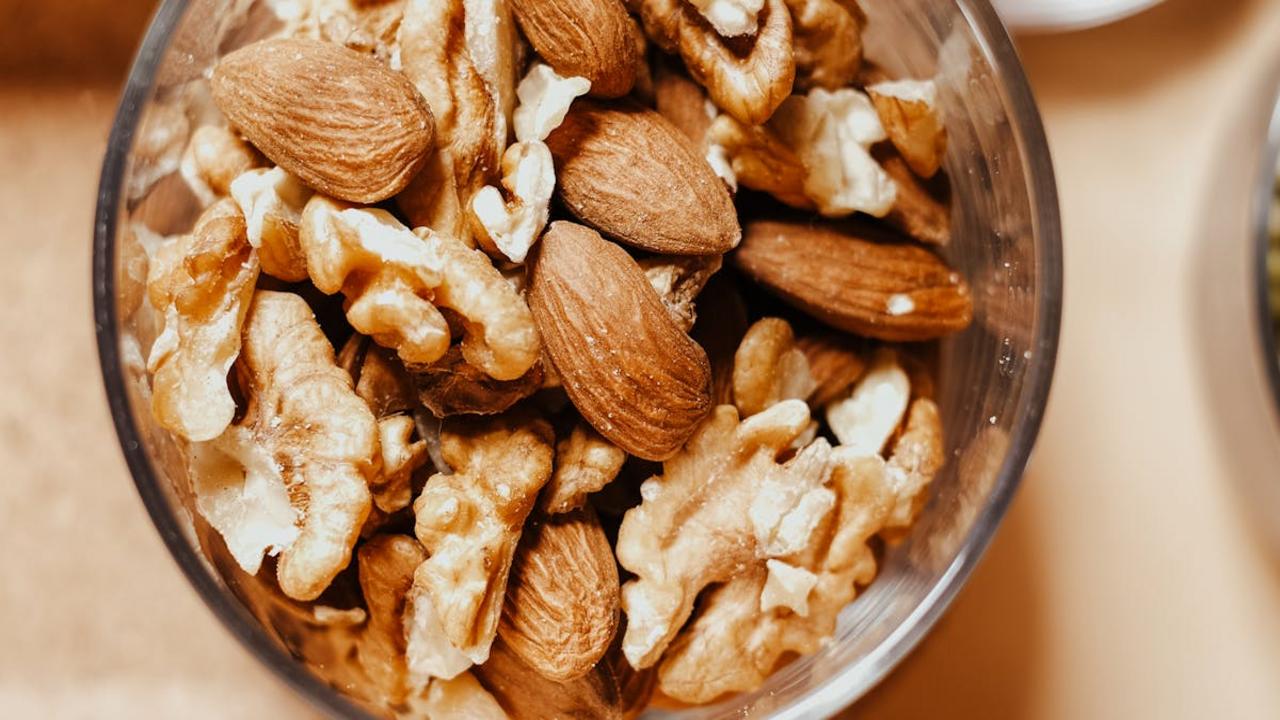
Picture this: you’re munching on almonds while single-handedly saving the planet. Sounds too good to be true? Well, grab your favorite nutcracker because tree nuts are basically the superheroes of sustainable eating! These crunchy little powerhouses require significantly less water than many protein sources – we’re talking about 1,900 gallons of water per pound of almonds versus a whopping 5,000+ gallons for beef. Plus, nut trees are carbon-storing champions that can live for decades, quietly doing their part to clean our air while producing delicious snacks. Walnuts, pecans, hazelnuts, and their nutty cousins all deserve a spot in your pantry, and your conscience will thank you for it.
Now here’s where it gets fun: tree nuts are basically nature’s perfect convenience food that happens to be ridiculously versatile. Toss some toasted walnuts into your morning oatmeal, blend cashews into the creamiest dairy-free sauce you’ve ever tasted, or go wild and make your own almond butter (warning: you might never buy store-bought again). I once spent an entire afternoon making pecan pralines and felt like a kitchen wizard – until I realized I’d eaten half the batch while “quality testing.” The beauty of cooking with nuts lies in their ability to transform from simple snacks into show-stopping ingredients that add richness, crunch, and satisfying healthy fats to practically any dish you can dream up.
Fava Beans
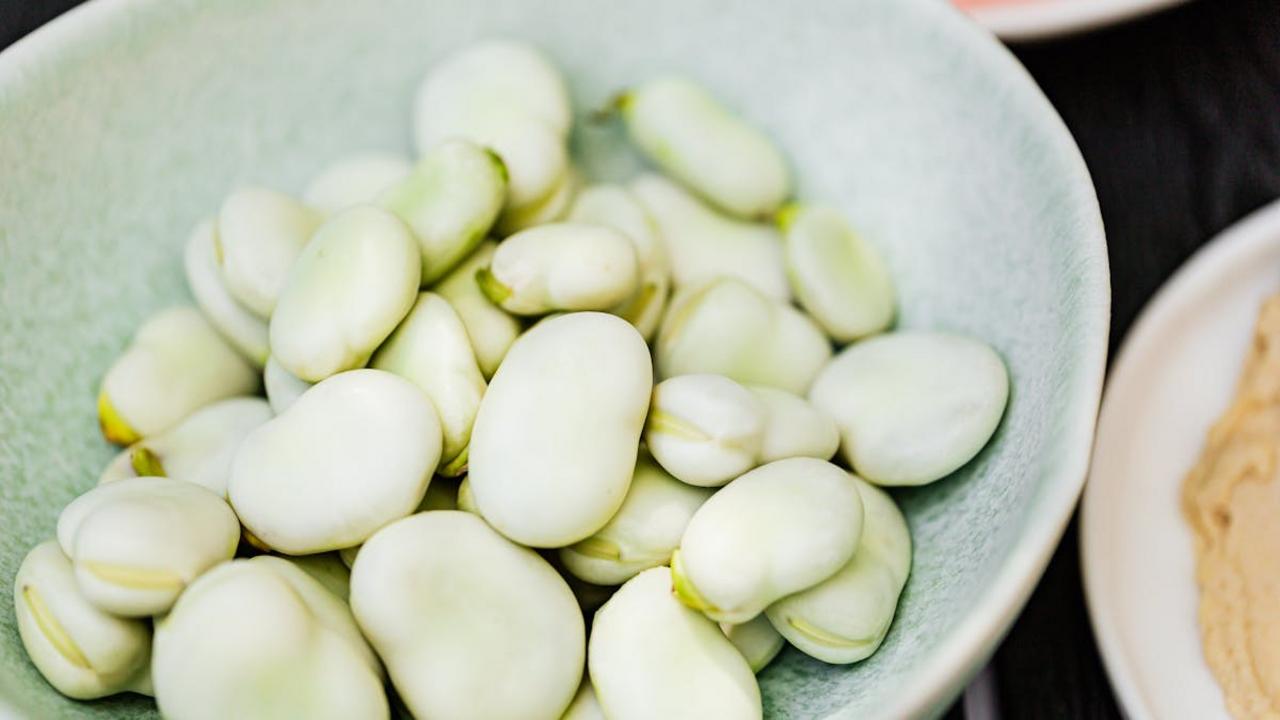
Fava beans are like the quirky cousin of the legume family who shows up to dinner parties wearing vintage clothes and speaking three languages fluently. These ancient green gems have been feeding humans for over 8,000 years, which means they’ve got serious staying power in the sustainability department. While you’re busy shelling them (and yes, you’ll need to do the double-peel dance – first the pod, then that waxy skin), you can feel smug knowing these nitrogen-fixing powerhouses actually improve soil health while they grow. They’re basically the garden’s favorite overachiever, requiring minimal water and leaving the earth better than they found it.
Now, here’s where fava beans get really interesting: they contain L-DOPA, the same compound used to treat Parkinson’s disease, which explains why they’re sometimes called “happy beans” in certain circles. I discovered this fact while researching why my Italian grandmother always insisted fava beans would “make you strong like bull.” Turns out she wasn’t wrong! These protein-packed beauties taste like spring personified – earthy, slightly sweet, and with a creamy texture that makes them perfect for everything from rustic pasta dishes to elegant purées. Pro tip: if the double-shelling process makes you want to cry, blanch them in boiling water first, then shock them in ice water. The skins will slip off like silk pajamas, and you’ll feel like a kitchen genius.
Fly Larvae
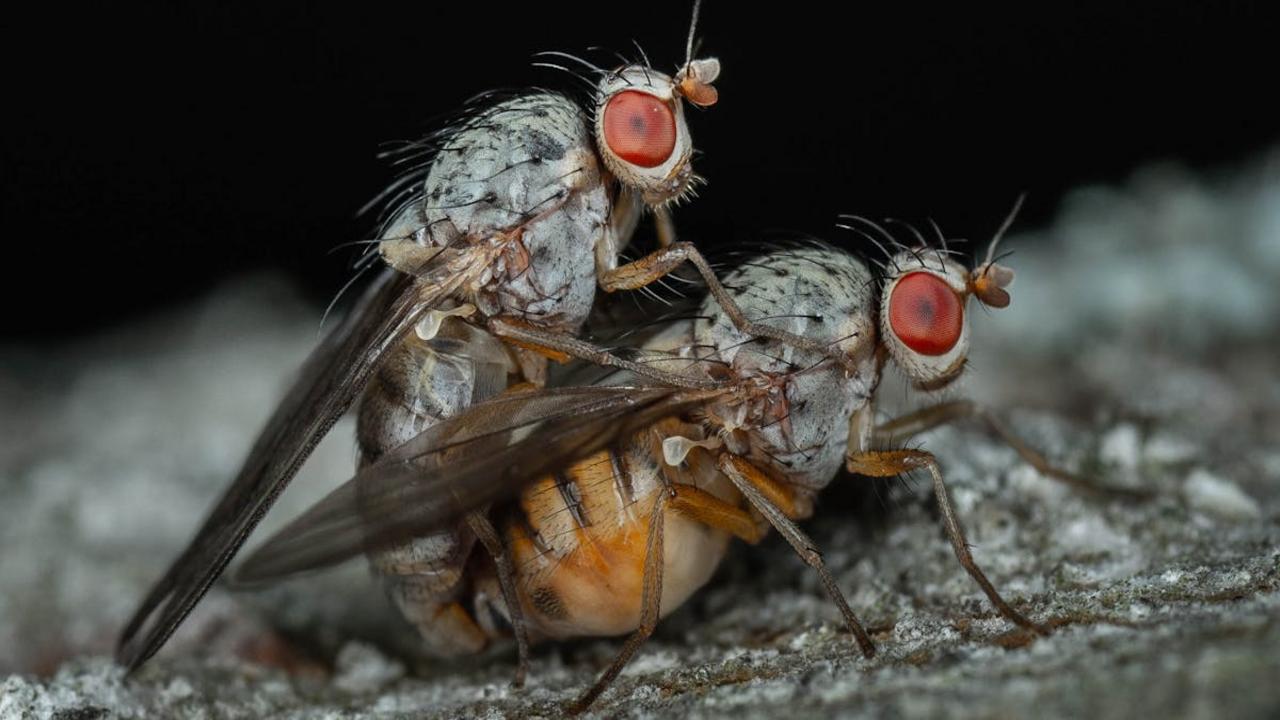
Listen, I know what you’re thinking – and trust me, I had the same expression when I first heard about eating fly larvae. But before you slam your laptop shut, hear me out! These little protein powerhouses are already making waves in forward-thinking kitchens across Europe and Asia. Black soldier fly larvae, specifically, pack more protein per gram than beef while requiring 2,000 times less water to produce. They’re like nature’s most efficient little recycling machines, converting food waste into premium nutrition faster than you can say “sustainable dining.” Plus, they have this surprisingly nutty flavor that reminded me of roasted sunflower seeds – who knew?
The best part? You don’t have to go hunting for these critters in your backyard (please don’t). Specialty food companies now sell them dried, ground into flour, or even as crunchy snacks that look surprisingly normal. I tried them roasted with a sprinkle of sea salt and paprika, and honestly, they disappeared faster than popcorn at movie night. They work beautifully mixed into energy bars, sprinkled over salads for extra crunch, or blended into smoothies where they become completely invisible but double your protein intake. Your gym buddies will wonder what your secret is, and you can just smile mysteriously while knowing you’re saving the planet one larvae at a time.
Moringa
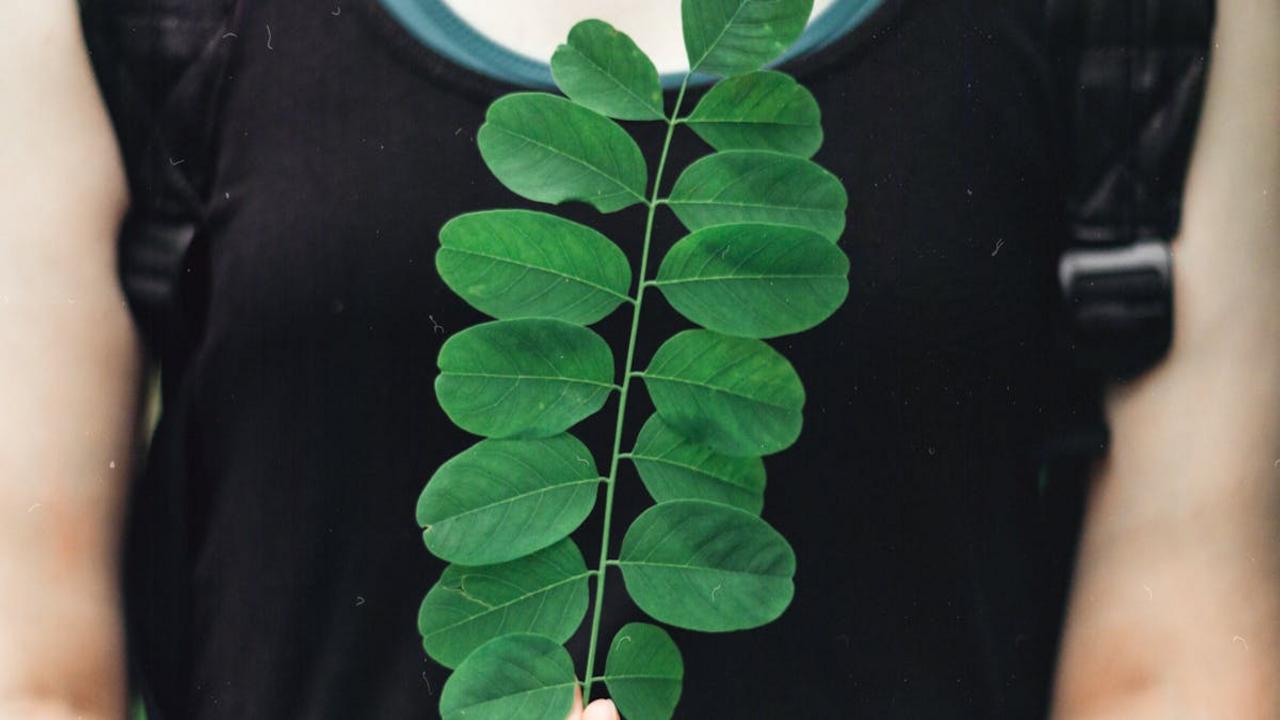
Meet moringa, the overachiever of the plant kingdom that makes kale look like a slacker. This tree, native to India and dubbed the “miracle tree” by people who clearly know their botany, produces leaves so packed with nutrients they could probably power a small city. We’re talking about a plant that contains more vitamin C than oranges, more calcium than milk, and more protein than yogurt – basically, it’s the superhero your salad has been waiting for. The leaves have this earthy, slightly peppery flavor that’s like spinach’s more interesting cousin who traveled the world and came back with stories.
Here’s where moringa gets really wild: this tree grows faster than your nephew shoots up during a growth spurt, reaching 15 feet in its first year while requiring almost no water. Talk about low maintenance! You can toss the fresh leaves into smoothies, soups, or stir-fries, or grab the powder form to sneak into everything from pancakes to energy balls. Pro tip: start with just a teaspoon of the powder because moringa doesn’t mess around – it’s got a strong personality that can overwhelm your taste buds if you go overboard. Plus, every part of this tree is edible, from the leaves to the pods to the roots, making it the ultimate zero-waste ingredient.
Hemp Seeds
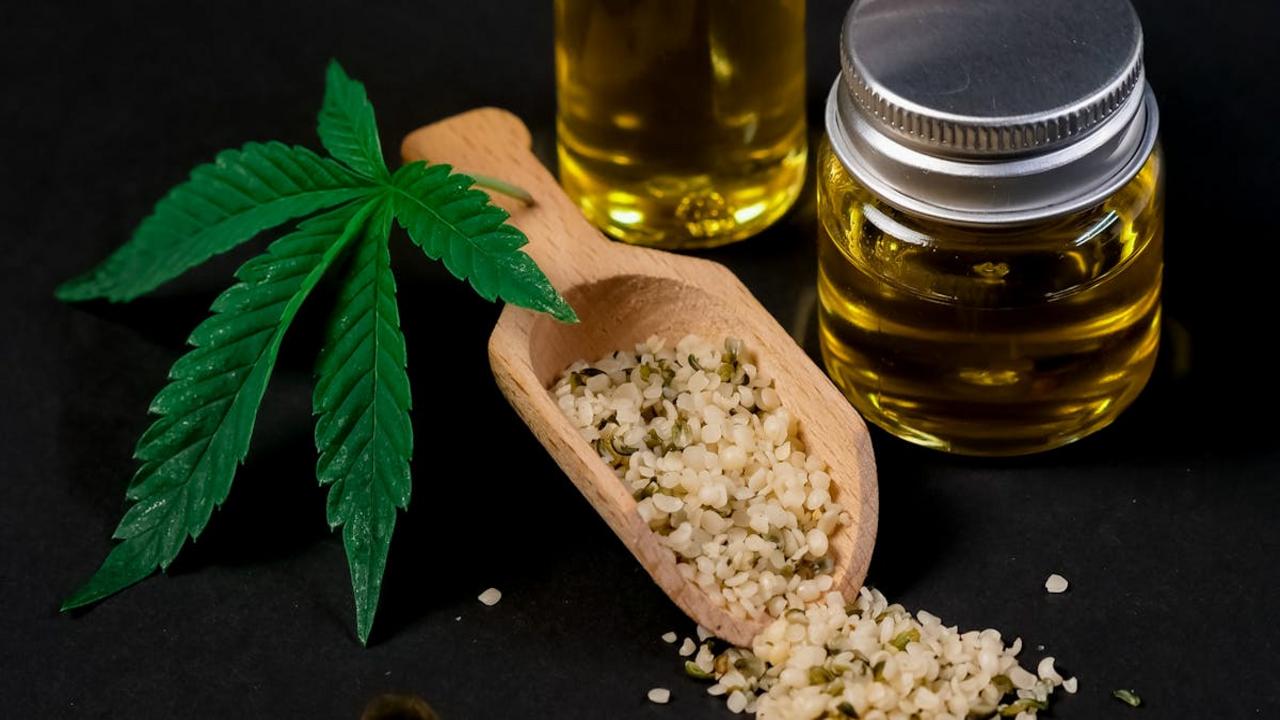
Hemp seeds might sound like something your rebellious cousin would hide in their dorm room, but these tiny nutritional powerhouses are completely legal and absolutely brilliant for your body and the planet. These little green gems pack more protein per ounce than most nuts, plus they contain all nine essential amino acids your body needs to function properly. Growing hemp requires virtually no pesticides, uses 50% less water than cotton, and actually improves soil health by removing toxins—making it one of the most sustainable crops on Earth. Plus, hemp plants grow faster than Jack’s beanstalk, reaching maturity in just 120 days while absorbing four times more CO2 than trees.
Now, before you start imagining these seeds taste like lawn clippings, let me set the record straight: hemp seeds have a delightfully nutty flavor that’s somewhere between sunflower seeds and pine nuts. I like sprinkling them on my morning yogurt, where they add a satisfying crunch and turn my breakfast into a protein-packed adventure. You can blend them into smoothies for instant creaminess, toss them into salads for extra texture, or even grind them into hemp butter that makes peanut butter jealous. Their mild flavor means they play well with both sweet and savory dishes, and unlike their notorious cousin, the only thing they’ll make you high on is good nutrition and environmental smugness.
Algae
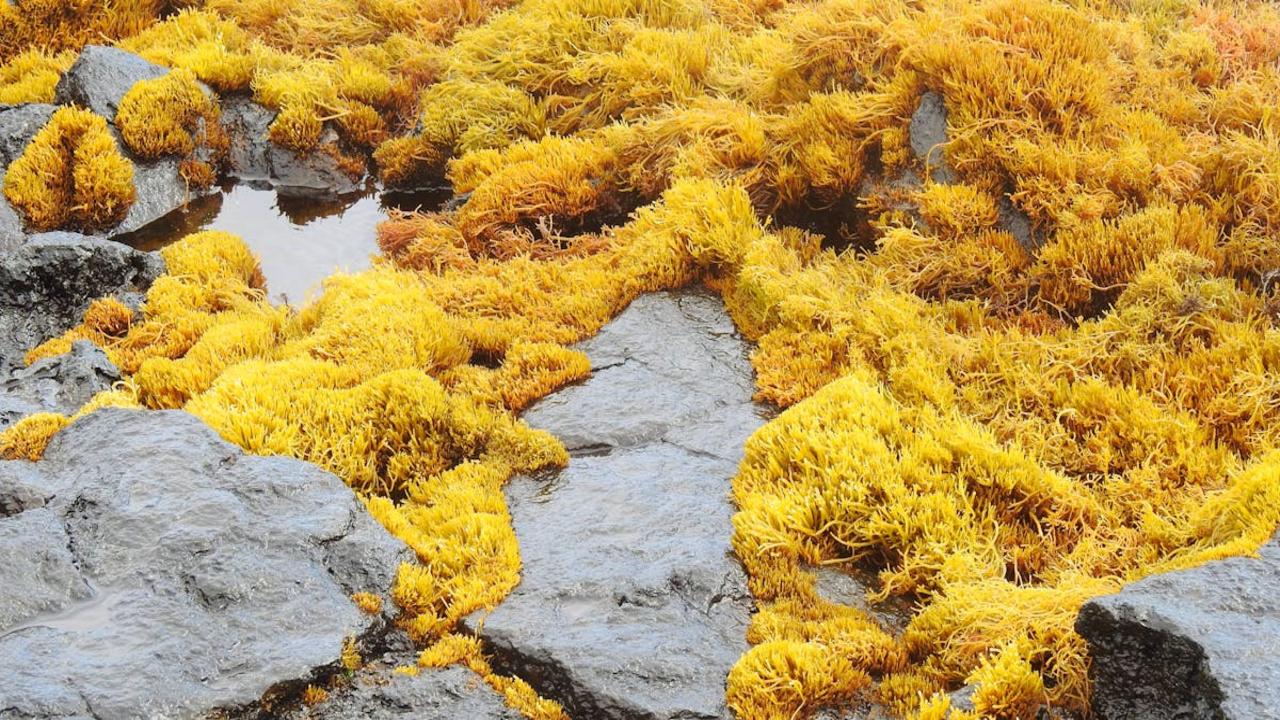
Okay, I know what you’re thinking – algae sounds about as appetizing as pond scum, because, well, that’s exactly what it is! But hear me when I say this slimy green stuff is having a major glow-up in kitchens worldwide. Spirulina and chlorella are the superstars of the algae family, packing more protein per gram than beef while requiring virtually no freshwater, land, or fertilizers to grow. These microscopic powerhouses can double their biomass in just 24 hours, making them the Usain Bolt of sustainable protein sources. Plus, they’re secretly hiding in your favorite health smoothies already – that gorgeous emerald color isn’t just Instagram-worthy, it’s planet-worthy too.
Now, before you start scraping green gunk off your local pond (please don’t!), commercial algae comes in convenient powder form that you can sneak into practically everything. I’ve mixed spirulina into chocolate truffles, creating what I call “Hulk balls” – they taste mysteriously earthy and rich, with none of the fishy flavor you might expect. Chlorella works beautifully in savory dishes too; try whisking it into salad dressings for a pop of color that’ll make your guests wonder if you’ve discovered some exotic herb. The best part? While you’re munching on these tiny green machines, they’re busy absorbing more CO2 than trees and producing oxygen faster than you can say “save the planet.” Who knew being eco-friendly could taste this good?
Kelp

Picture this: you’re snorkeling in the Pacific, and suddenly you’re surrounded by towering underwater forests that sway like green ribbons in the current. That’s kelp for you – the ocean’s most dramatic vegetable that grows up to two feet per day (making your garden zucchini look like a total slacker). This sea superfood packs more iodine than your thyroid knows what to do with, plus calcium, iron, and vitamins that would make a multivitamin jealous. The best part? Kelp absorbs carbon dioxide like a marine vacuum cleaner, making it one of the most planet-friendly foods you can munch on.
Now, before you wrinkle your nose thinking about slimy seaweed salad from that questionable sushi joint, hear me out – fresh kelp noodles are crispy, refreshing, and taste like the ocean decided to become pasta. You can toss them in sesame oil with garlic and ginger, or go full hipster and spiralize them into “kelp-ghetti” with marinara sauce. Pro tip: if you’re buying dried kelp, soak it for about 30 minutes and watch it transform from sad, shriveled strips into glossy green ribbons that would make any mermaid proud. Your taste buds get an umami bomb, and the planet gets a high-five for supporting one of nature’s most efficient carbon-capturing crops.
Microgreens
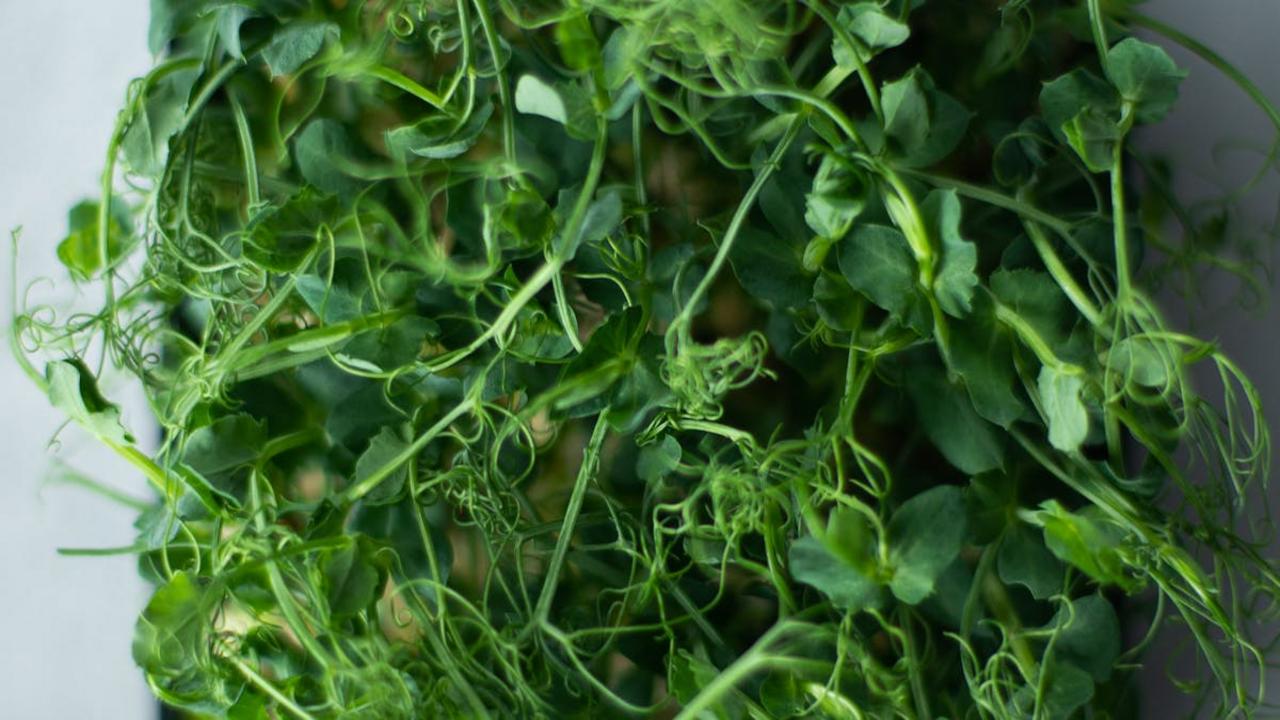
Think of microgreens as the overachieving younger siblings of regular vegetables—they pack more nutritional punch per bite than their full-grown counterparts, and they do it all while looking absolutely adorable on your plate. These tiny powerhouses contain up to 40 times more vitamins and antioxidants than mature plants, which means you can feel smugly superior about your health choices while sprinkling what looks like fancy confetti on your salad. You can grow them on your windowsill in about 7-14 days, making them the perfect project for impatient gardeners who want instant gratification without the commitment of a full vegetable garden.
The best part about microgreens? They’re basically foolproof to grow, even if you’ve managed to kill every houseplant you’ve ever owned. All you need is some seeds, a shallow tray, and enough patience to water them without drowning the poor things. Radish microgreens add a peppery kick that’ll wake up your sandwich, while pea shoots bring a sweet, fresh crunch that makes you wonder why regular peas even bother growing up. Plus, growing your own means zero food miles—your carbon footprint for these little green gems is basically just the energy you burned walking to your kitchen counter.
Jackfruit
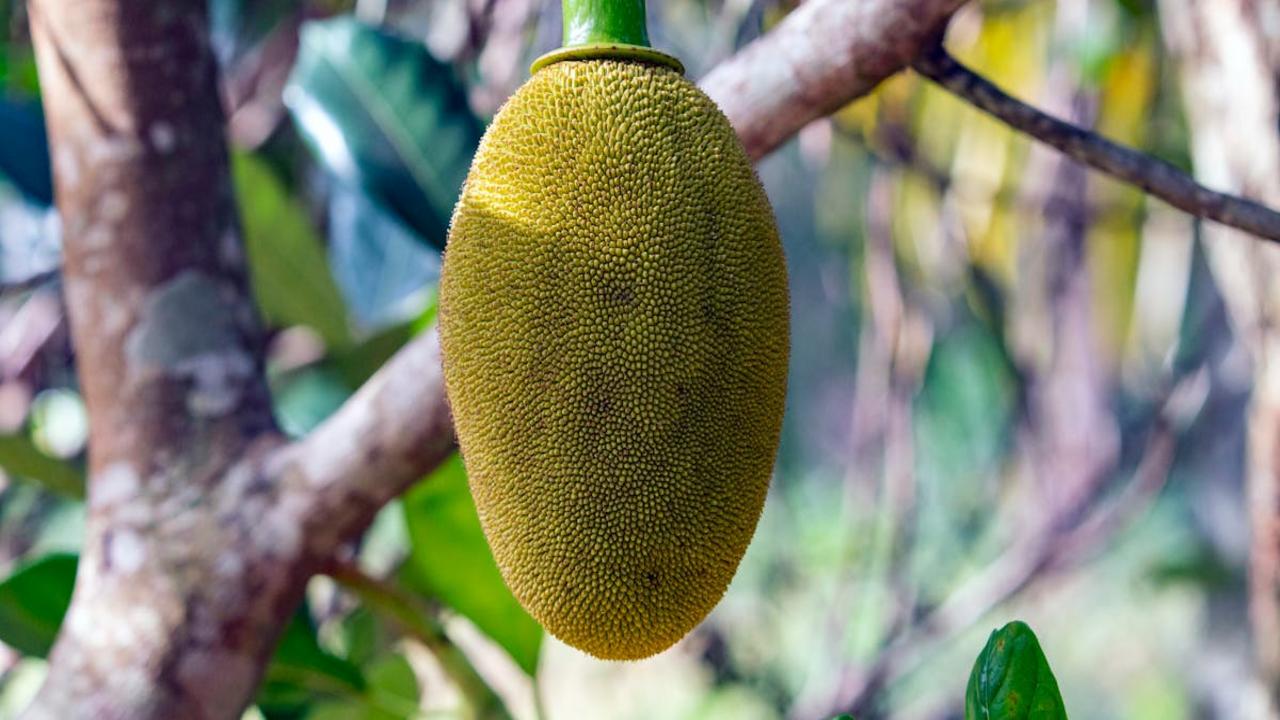
Picture this: you’re strolling through a tropical market when suddenly you spot what looks like a medieval mace had a baby with a pineapple. That’s jackfruit for you – the world’s largest tree fruit that can weigh up to 80 pounds and grows directly from tree trunks like nature’s own bizarre decorations. This spiky green giant from Southeast Asia has become the unofficial poster child of the plant-based movement, and honestly, it deserves every bit of hype. Young jackfruit has this uncanny ability to mimic pulled pork so convincingly that even your meat-loving uncle might do a double-take at your next barbecue.
Here’s where jackfruit gets really exciting for our planet: one tree can produce 150-200 fruits per year, making it incredibly resource-efficient compared to livestock farming. You can turn this versatile fruit into “carnitas” tacos, BBQ sandwiches, or curry that’ll make you forget all about traditional protein sources. The secret lies in its fibrous texture – shred it up, season it well, and watch it transform into whatever your heart desires. Plus, jackfruit trees actually improve soil quality and require minimal water, making them environmental superheroes disguised as slightly intimidating fruits. Pro tip: buy it canned in brine to skip the intimidating fresh fruit prep – your kitchen counter will thank you!
Bamboo Shoots
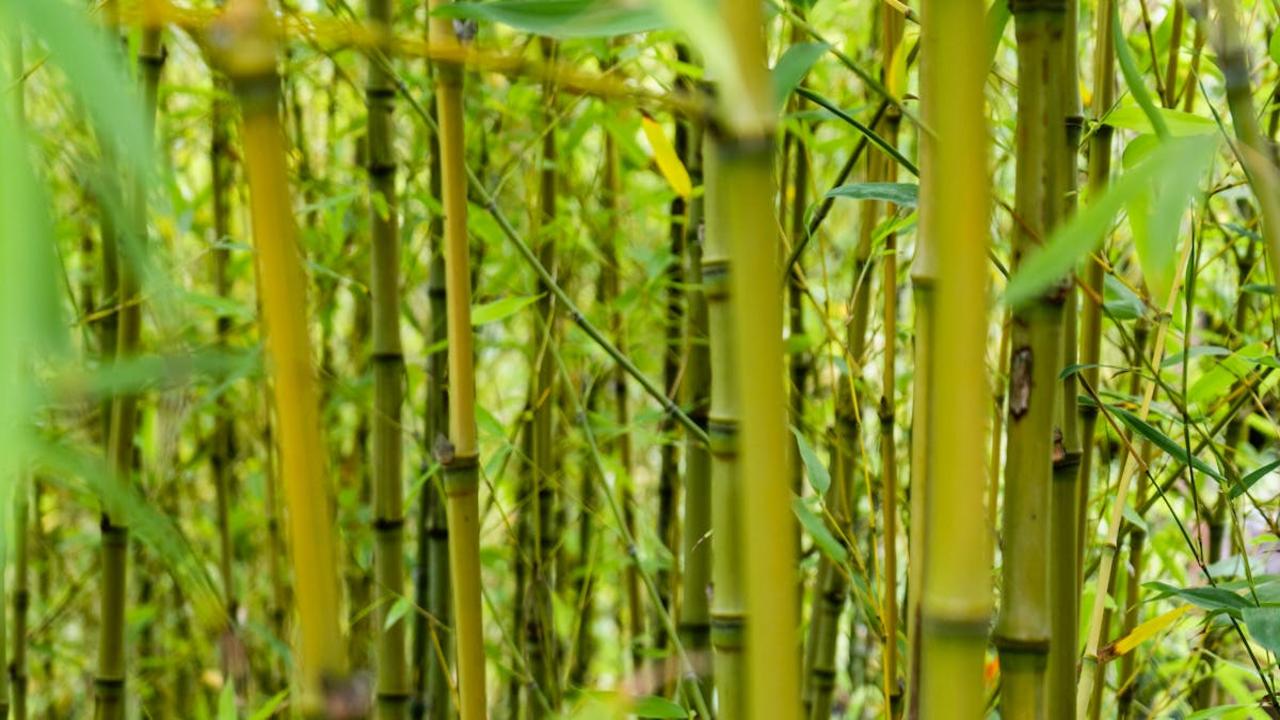
Picture this: you’re wandering through an Asian grocery store, and suddenly you spot these pale, torpedo-shaped things sitting in cans like they’re planning world domination. Meet bamboo shoots – the vegetable that grows so fast it could probably outpace your morning commute! These crunchy delights can shoot up three feet in a single day (talk about overachievers), making them one of the most sustainable foods on the planet. Bamboo literally regenerates itself faster than your Netflix queue updates, and harvesting the shoots doesn’t kill the plant – it’s like getting a haircut that helps you grow stronger.
Now, I know what you’re thinking: “Emily, do they actually taste good, or are we just eating them because pandas think they’re fancy?” Here’s the beautiful truth – bamboo shoots have this incredible ability to absorb whatever flavors you throw at them while maintaining their signature crisp texture. Think of them as the chameleon of vegetables, but way more fun at dinner parties. Toss them into a stir-fry with garlic and soy sauce, add them to your ramen for extra crunch, or slice them thin for salads. They’re packed with fiber, potassium, and practically zero calories, which means you can eat them guilt-free while feeling smugly superior about your carbon footprint. Plus, they’re naturally gluten-free and low-carb, making them the diplomatic vegetable that gets along with everyone’s dietary restrictions.
Quinoa
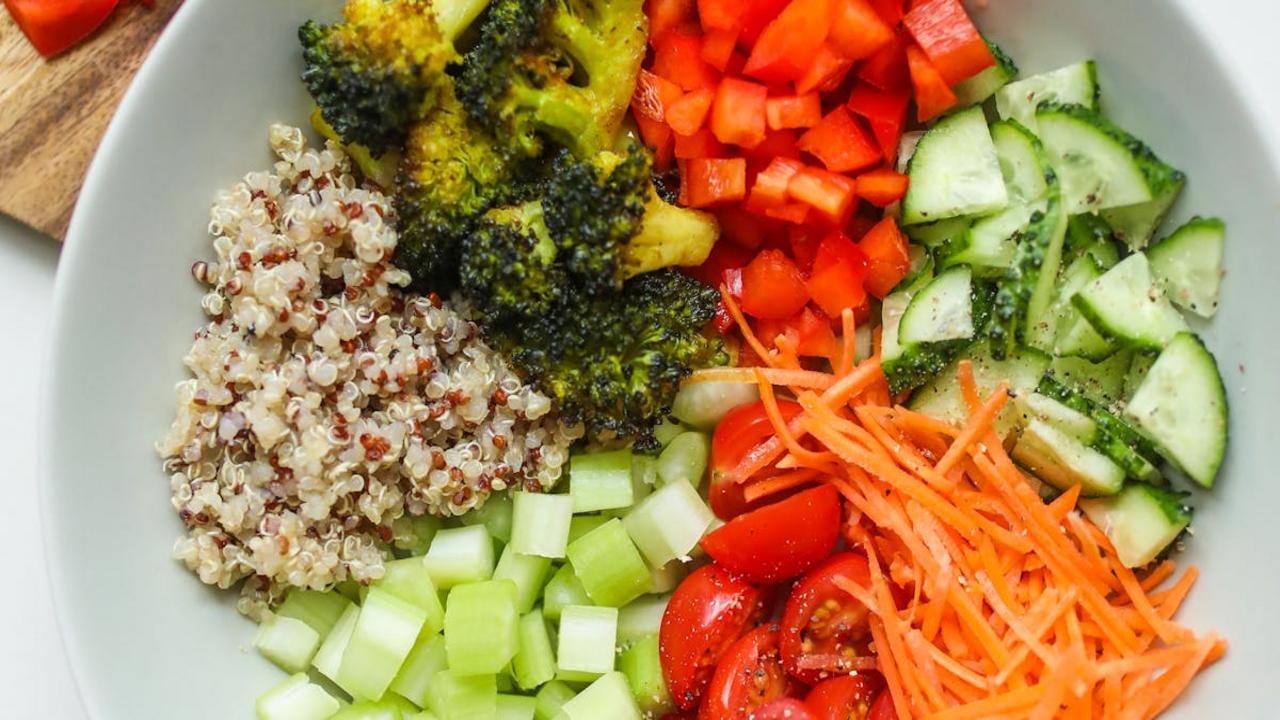
Picture this: you’re standing in the grocery store, squinting at a bag of tiny, pearl-like seeds that cost more per pound than some cuts of meat. Welcome to quinoa (KEEN-wah, not kwin-OH-ah, unless you want every health food enthusiast within earshot to silently judge you). This ancient grain—technically a seed, but who’s counting?—has been feeding South American civilizations for over 4,000 years. The Incas called it “chisaya mama,” meaning “mother of all grains,” which sounds way more mystical than “superfood number 47” that we’ve dubbed it. Here’s the kicker: quinoa grows in some of the harshest conditions on Earth, thriving in high altitudes where other crops would throw in the towel and demand a transfer to tropical paradise.
What makes quinoa planet-friendly isn’t just its tough-as-nails growing personality—it’s also a complete protein powerhouse that doesn’t need factory farms or massive water resources. One cup of cooked quinoa gives you all nine essential amino acids, making it the overachiever of the grain world. I once watched a friend try to pronounce “saponins”—the natural coating that makes unrinsed quinoa taste like soap—and decided that nature has quite the sense of humor. Rinse those little guys thoroughly, then toast them in a dry pan for a few minutes before adding liquid. The nutty, almost popcorn-like aroma will fill your kitchen, and suddenly you’ll understand why this humble seed conquered the health food world faster than you can say “Buddha bowl.”
Mussels
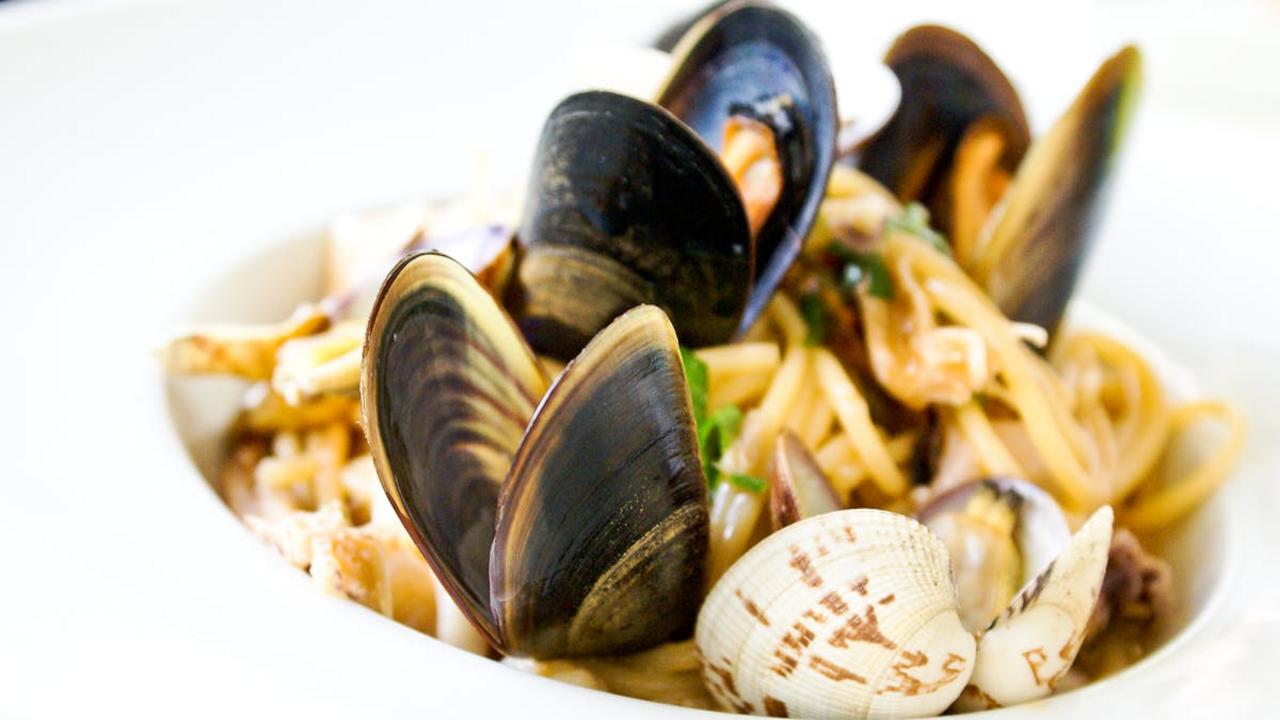
Picture this: you’re slurping down a bowl of gorgeous, glistening mussels while secretly saving the planet. These little ocean gems are basically the superheroes of sustainable seafood, and they don’t even need capes! Mussels are filter feeders, which means they spend their days cleaning the water around them like tiny, delicious janitors. They gobble up algae and other particles, leaving their marine neighborhood sparkling clean. Plus, mussel farming requires zero fertilizers, pesticides, or freshwater – they just hang out on ropes in the ocean, doing their thing and getting plump for our dinner tables.
Now here’s where mussels get really cheeky: they actually improve their environment while growing. Wild, right? Most protein sources demand resources, but mussels give back more than they take. A single mussel can filter up to 20 gallons of seawater per day! When you’re ready to cook them, grab a pot, throw in some white wine, garlic, and herbs, then watch these beauties steam open in minutes. The best part? If a mussel doesn’t open during cooking, it’s basically telling you “thanks, but no thanks” – toss those stubborn ones aside. Serve with crusty bread for sopping up that incredible broth, and you’ve got yourself a meal that’s both ridiculously satisfying and planet-friendly.
Seaweed
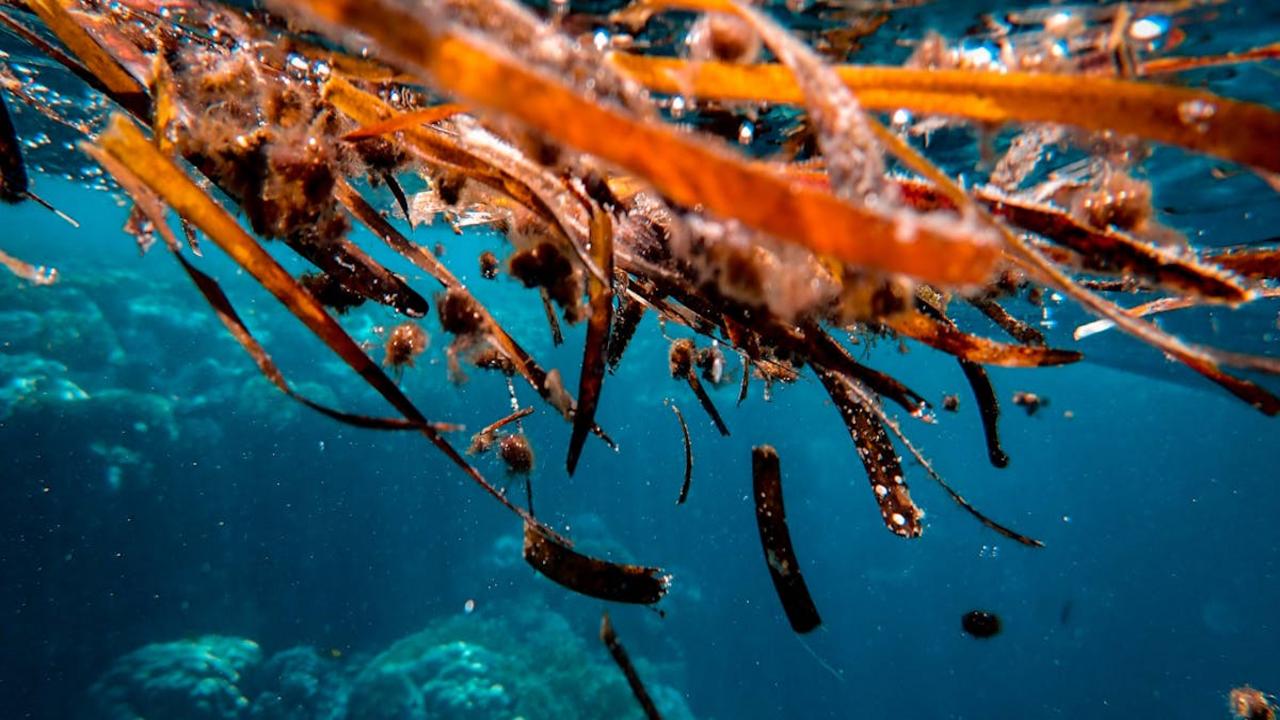
Picture this: you’re at a Japanese restaurant, and that glossy green ribbon wrapped around your sushi isn’t just there for decoration—it’s actually one of the most planet-friendly foods on Earth! Seaweed grows like a champion without needing fresh water, fertilizers, or land, making it basically the overachiever of the ocean. While you’re munching on nori (that’s the seaweed sheets), you’re consuming something that actively removes carbon dioxide from seawater and produces more oxygen per acre than most terrestrial plants. Plus, different varieties pack serious nutritional punches: kelp delivers iodine for your thyroid, wakame brings calcium to the party, and dulse tastes surprisingly bacon-like when you crisp it up in a pan.
Don’t worry if the only seaweed you know comes from takeout containers—this oceanic vegetable wants to become your new kitchen buddy. Try tossing dried wakame into your soup for an instant umami boost, or blend fresh kelp into smoothies (trust me, you won’t taste it, but your body will thank you for the minerals). Sea lettuce makes fantastic green wraps for sandwiches, and if you’re feeling adventurous, crispy dulse flakes can replace bacon bits on your salad. The best part? Every bite you take supports ocean farming that actually improves marine ecosystems rather than depleting them, so you can feel good about expanding your palate while helping the planet one sea veggie at a time.
Lentils
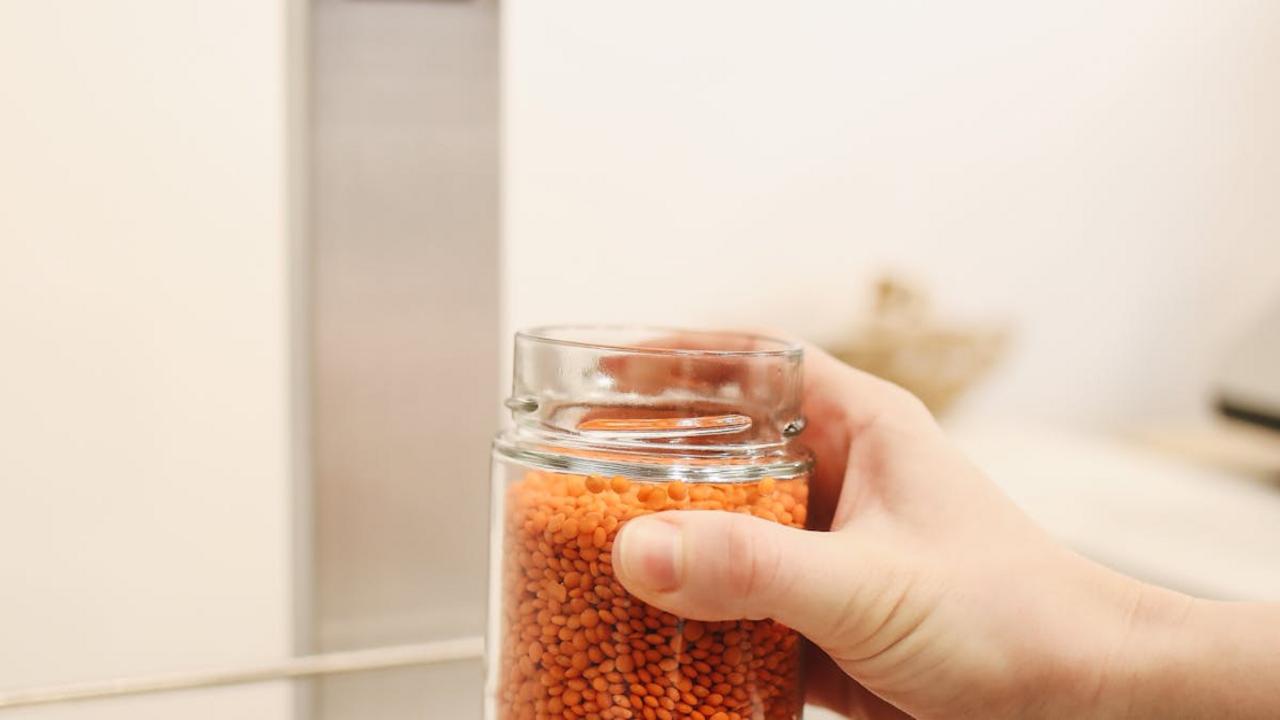
Picture this: tiny, unassuming legumes that pack more protein punch than a heavyweight boxer and require less water to grow than your average houseplant. Lentils are basically the superheroes of the pantry, disguised as boring brown (or red, or green, or black) pebbles that your grandmother probably tried to sneak into your soup. These little powerhouses have been feeding humans for over 10,000 years – making them older than agriculture itself and definitely more reliable than your last three relationships. They’re so planet-friendly that growing them actually improves soil quality by fixing nitrogen, which means they’re literally making the earth better while they grow.
Now here’s where lentils get really exciting: they cook faster than rice, cost less than coffee, and transform into everything from creamy dal that’ll make you forget takeout exists to crispy fritters that crunch like autumn leaves. Red lentils dissolve into silky soups in just 15 minutes, while green ones hold their shape like tiny soldiers in hearty stews. I once threw some into a pot with nothing but onions, garlic, and whatever spices were lurking in my cabinet, and somehow created something so delicious my neighbors started “dropping by” right around dinnertime. The best part? One cup of dried lentils feeds four people and contains more folate than a multivitamin – making them the overachiever your parents always wanted you to be.