12 Tasty Reasons to Bring Back the Family Dinner Table for Healthier Meals, Happier Moments and Stronger Bonds
Remember those magical dinners at Grandma’s house? The clinking of forks, the symphony of laughter, and the aroma of home-cooked goodness filling every corner. In our fast-paced world of delivery apps and solo Netflix dinners, we’ve lost something precious – the simple joy of breaking bread together.
Your dinner table holds more power than you think. Beyond just feeding hungry bellies, it creates a daily sanctuary where stories flow, bonds strengthen, and memories take root. Studies show families who eat together 3-5 times per week raise kids who make healthier food choices and maintain better mental health.
From boosting communication to creating lifelong habits, family dinners pack a mighty punch in shaping happier, healthier homes. Ready to dust off that dining table and spark some mealtime magic? Here’s why bringing back family dinner could be your best decision yet.
Refinement of Conflict Resolution Skills

Your dinner table doubles as a mini United Nations summit, where everyone brings their unique opinions, moods, and occasional drama to the mix! Through regular family meals, kids and adults learn to handle disagreements gracefully – like that time my brother and I fought over the last breadstick and mom turned it into a lesson about sharing. The dinner table creates natural opportunities to practice compromise, active listening, and expressing feelings constructively. You’ll find yourself becoming a master mediator between your teenager’s phone addiction and your partner’s “no devices at dinner” rule.
Think of family dinner as your personal conflict-resolution boot camp, minus the drill sergeant and push-ups. Your kids watch and learn how you handle differences with your spouse, giving them a front-row seat to healthy disagreement management. They pick up valuable social cues, body language, and respectful communication patterns. Before you know it, your 8-year-old will mediate disputes between siblings with the finesse of a seasoned diplomat. Plus, the relaxed atmosphere of sharing food makes tough conversations flow more smoothly – there’s something about passing the mashed potatoes that takes the edge off any tension!
Support for Academic Success

Your dinner table doubles as a secret weapon for your kids’ report cards! Research shows children who eat regular family meals score higher grades and perform better on standardized tests. While you’re passing the mashed potatoes, you’re also dishing out vocabulary lessons – the average family dinner conversation includes over 1,000 rare words that kids wouldn’t hear in everyday chatter. That’s right, your casual chat about how to pronounce “quinoa” or what makes bread rise could boost your little one’s language skills!
Think of each family meal as a mini tutoring session wrapped in comfort food. Kids who join family dinners read more, write better, and show stronger problem-solving abilities. The cherry on top? These academic benefits stick around long-term – even through high school and college years. Your simple “How was school today?” conversation between bites of spaghetti creates a daily check-in that helps spot learning struggles early and celebrates academic wins. Plus, those random dinner discussions about why the sky is blue or how ancient Egyptians built pyramids spark natural curiosity and a love for learning that textbooks just can’t match.
Promotion of Responsibility and Routine
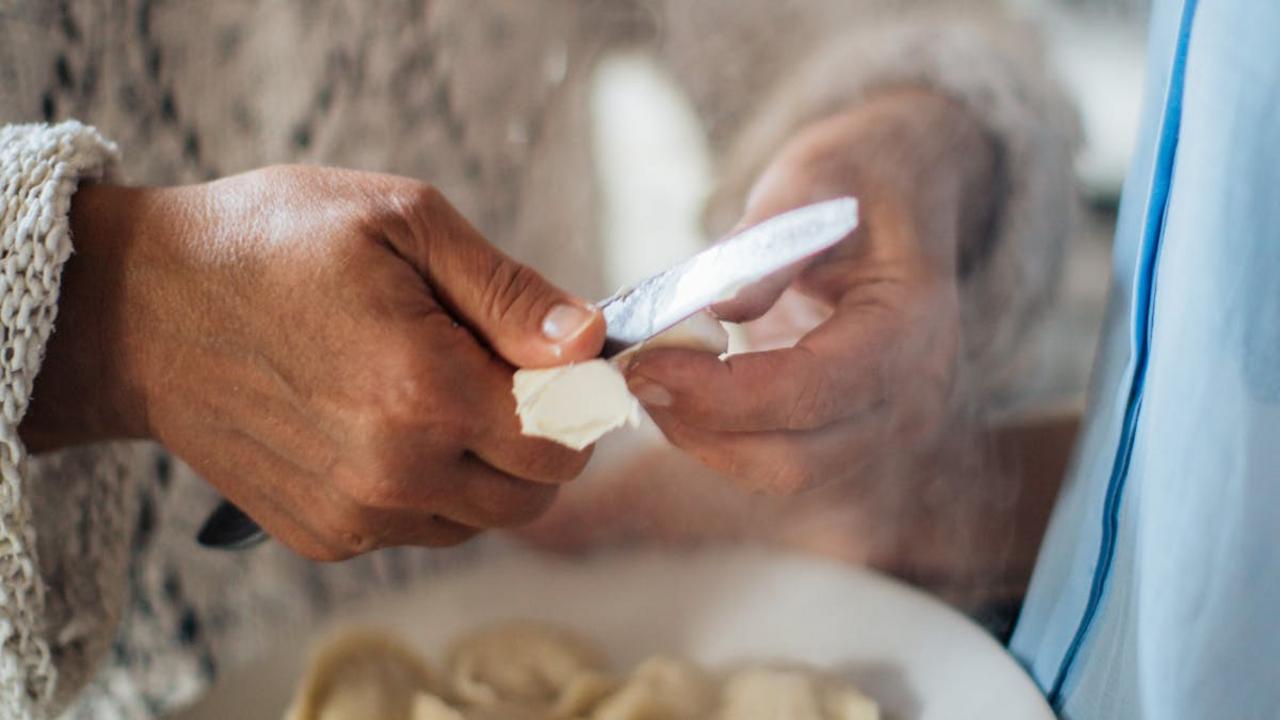
Want to turn your kids into mini kitchen superheroes? The family dinner table works pure magic in teaching responsibility! When you assign your little ones simple tasks like setting the table, helping with meal prep, or washing dishes, you’re not just getting an extra pair of hands – you’re building their confidence and life skills. My nephew Tommy started as our designated “napkin folder” at age 5, and now at 12, he makes a mean spaghetti carbonara that could rival any Italian nonna’s recipe. The best part? Kids who help with dinner tend to make better food choices and show more interest in trying new dishes.
Creating a consistent dinner routine doesn’t mean you need military-grade precision – it just means carving out that special time when everyone knows where they should be. Your family’s internal clock will start ticking around dinner time, making the evening flow smoother than butter on hot toast. Pick a time that works for your crew – maybe it’s 6:30 PM sharp, or perhaps it’s “whenever Dad’s last Zoom call ends” o’clock. The key is sticking to it most days, which helps kids develop better homework habits, reduces evening chaos, and gives everyone something to look forward to. Plus, your stomach will start growling right on schedule – talk about built-in dinner bells!
Development of Social Skills

Your family dinner table doubles as a mini social skills bootcamp – minus the drill sergeant! Through regular shared meals, kids pick up the natural rhythm of conversation, learning the dance of “your turn, my turn” in discussions. I’ve watched my nephew Tommy go from interrupting everyone mid-bite to becoming quite the little diplomat, mastering the art of waiting for the perfect moment to share his dinosaur facts. These daily interactions teach children how to read facial expressions, understand tone of voice, and grasp those unspoken social cues that’ll serve them well beyond the kitchen walls.
The dinner table also creates a safe space for practicing more complex social interactions. Kids learn how to disagree politely (no, broccoli isn’t poisonous), how to express gratitude (even for that experimental casserole), and how to show empathy when someone’s had a rough day. My friend Sarah swears her three kids developed their stellar party conversation skills purely from years of dinner table debates about everything from favorite superheroes to whether pizza qualifies as a breakfast food. These seemingly simple exchanges build confidence and communication abilities that stick with children throughout their lives.
Encouragement of Open Dialogue

You know what happens at most family dinner tables? Magic – the kind that turns regular Tuesday meals into mini therapy sessions (minus the hefty bill). When you gather everyone around steaming plates of lasagna or a bowl of your famous chili, you create this cozy bubble where kids actually want to talk about their day. I’ve noticed how my nephew Tommy, usually glued to his phone, lights up at dinner time with stories about his newest skateboarding tricks or that tough math test he aced.
The dinner table transforms into this judgment-free zone where conversations flow as smoothly as the gravy boat getting passed around. Your teenager might open up about school drama between bites of mashed potatoes, or your youngest could share their dreams of becoming an astronaut while picking through their peas. Research shows kids who regularly eat with their families do better in school and have higher self-esteem. Plus, there’s something about munching on mac and cheese that makes even the shyest family members want to join the chat. No phones, no TV – just real talk and real connections over really good food.
Opportunity to Pass Down Traditions

Your grandma’s secret spaghetti sauce recipe didn’t appear by magic – it took years of kitchen wisdom passed down through generations of family dinners. The dinner table transforms into a classroom where kids learn the stories behind Great-Aunt Martha’s famous meatballs or Dad’s “world-famous” pancake flip technique. I still remember sitting on a kitchen stool watching my mom crimp pie edges while she shared tales of learning the same move from her mother in their tiny Minnesota kitchen. These moments around food create the threads that weave your family’s unique story.
Family recipes carry more than just ingredients – they hold memories, life lessons, and cultural heritage that only face-to-face sharing can preserve. Your kids might roll their eyes now at hearing the hundredth retelling of how your grandfather caught and cooked fresh fish during the Great Depression, but these stories will stick with them. Whether it’s teaching your daughter the precise fold for homemade dumplings or showing your son how to properly season a cast-iron skillet, each shared meal creates an opportunity to pass along both practical skills and precious family lore that digital recipes just can’t replicate.
Increased Sense of Belonging

Picture this: Your family gathered around the dinner table, sharing stories between bites of your grandma’s secret recipe pasta. That’s where the magic of belonging blooms! Research shows that regular family dinners create deep bonds and a strong sense of identity. Your kids will remember these moments – not just the food, but the laughter, the silly inside jokes, and those “How was your day?” conversations that sometimes lead to the most meaningful connections. Think of your dinner table as your family’s cozy nest where everyone knows they have a special spot.
You’ll notice the difference in your kids’ confidence and security when they know dinner time means guaranteed family time. Studies from Stanford University found children who eat with their families regularly show higher self-esteem and better social skills. I’ve seen it firsthand with my nieces – they fight over who gets to tell the first story at dinner! The simple act of passing dishes, asking for seconds, and sharing daily highlights creates an unshakeable foundation of support. Your dinner table becomes more than furniture – it transforms into your family’s anchor, where everyone knows they truly belong.
Reduced Screen Time

Let’s face it – our phones and tablets have become unwanted dinner guests, buzzing and beeping through what should be quality family time. But here’s the good news: bringing back regular family dinners naturally cuts down on screen time without feeling like a digital detox boot camp. Your kids (and let’s be honest, you too) will be too busy passing the potatoes, sharing stories about their day, and fighting over the last dinner roll to scroll through social media or check their notifications.
Think about it – thirty minutes of actual face-to-face conversation beats thirty minutes of staring at screens any day. Studies show families who eat together spend 35% less time on devices during meals compared to those who dine separately. The bonus? Your kids will start copying your screen-free behavior. My friend Sarah tried this with her teenagers – within two weeks, they went from zombie-scrolling through dinner to having heated debates about which Marvel superhero would make the best chef. Now that’s what I call a successful dinner table transformation!
Enhanced Emotional Wellbeing

You know that warm, fuzzy feeling you get when everyone’s laughing around the dinner table? That’s your emotional wellbeing getting a major boost! Family dinners create a reliable safe space where kids and adults can open up about their day, share their wins and worries, and feel genuinely heard. My friend Sarah noticed her teenage daughter became more talkative and confident after they committed to eating together three times a week. The simple act of passing dishes and making eye contact strengthens those invisible threads that bind families together.
Research backs up what your grandmother always knew – regular family meals reduce stress, anxiety, and depression. The predictable rhythm of dinner gatherings gives children a sense of security and belonging, especially during tough times. I’ve seen it firsthand with my own kids – our nightly dinner chats have become their favorite time to unload school drama or share exciting news. Plus, there’s something magical about how good food and good company can turn any bad day around. The dinner table becomes your family’s emotional anchor, where everyone knows they’ll find understanding, support, and maybe an extra serving of mom’s famous mac and cheese.
Healthier Eating Habits

You know what happens when you sit down for a proper family dinner? Magic – the good kind that keeps your body happy! Without the TV blaring or phones pinging, you’ll naturally eat slower and notice when you’re actually full. My neighbor Sarah made this switch last year, and her kids started asking for seconds of broccoli (yes, really!). Family meals give you control over portions and ingredients, unlike those sneaky restaurant servings that could feed a small army.
Your kitchen becomes your health headquarters when you make family dinners a priority. You’ll catch yourself reaching for fresh vegetables instead of processed snacks, and you’ll model these smart food choices for your kids. Just last week, my friend’s 6-year-old daughter proudly announced she wanted to be “strong like mommy” while munching on honey-roasted carrots at their dinner table. Studies show families who eat together consume more nutrients, fewer calories, and less sugar. Plus, you’ll save a ton of money on takeout – which means more cash for that fancy olive oil you’ve been eyeing!
Stronger Family Bonds

You know what’s better than scrolling through your phone during dinner? Actually talking and laughing with your family! I’ve noticed something magical happens when everyone sits down together at the dinner table – real connections start to form. Your kids open up about their day at school, your partner shares funny work stories, and suddenly you’re all giggling about that time Dad tried to flip pancakes and one landed on the ceiling. These shared moments around food create lasting memories and deeper understanding between family members.
Research backs this up too – families who eat together regularly report feeling closer and more connected. My friend Sarah made it a rule that phones stay in a basket during dinner, and now her teenagers actually look forward to their evening meals together. They’ve created special traditions like “Taco Tuesday Trivia” where everyone brings an interesting fact to share. The dinner table becomes this cozy space where inside jokes are born, problems get solved, and everyone feels heard. Plus, those extra minutes of connection make the food somehow taste even better!
Improved Communication Skills

Want to know the secret sauce to better family conversations? It’s right there at your dinner table! Kids who regularly eat with their families develop impressive communication skills naturally through these daily chats. I’ve noticed my own nephew transform from a shy kindergartener into a confident chatterbox after my sister made family dinners non-negotiable. Between passing the mashed potatoes and sharing stories about their day, kids pick up proper turn-taking, active listening, and the fine art of keeping conversations flowing.
Your family dinner table doubles as a cozy classroom where kids learn to express themselves clearly, read social cues, and build vocabulary without even realizing it. Picture this: your little one confidently ordering their own meal at a restaurant, making new friends at school, or standing up for themselves on the playground – these real-world social skills often start with simple dinner table interactions. Plus, those hilarious kid stories and random questions (“Why don’t penguins get cold feet?”) make dinner time the highlight of everyone’s day. Who knew a simple lasagna could spark such meaningful connections?