10 Super Healthy Cuisines from Around the Globe
Ever wondered why some people live longer, look better, and stay healthier? The secret often lies right on their dinner plates. From the sun-soaked Mediterranean to the bustling streets of Tokyo, certain regions have cracked the code of eating well while staying fit.
I’ve scoured the globe, eaten my way through countless meals (tough job, I know!), and found ten incredible food cultures that pack both flavor and nutrition into every bite. These cuisines don’t just feed you – they supercharge your health with ancient wisdom and modern nutritional science.
Get ready for a mouthwatering tour of dishes that’ll make your body thank you. We’ll skip the boring “diet food” and dive into rich, satisfying meals that generations have enjoyed while maintaining amazing health. Trust me, healthy eating has never tasted this good!
Ethiopian Cuisine
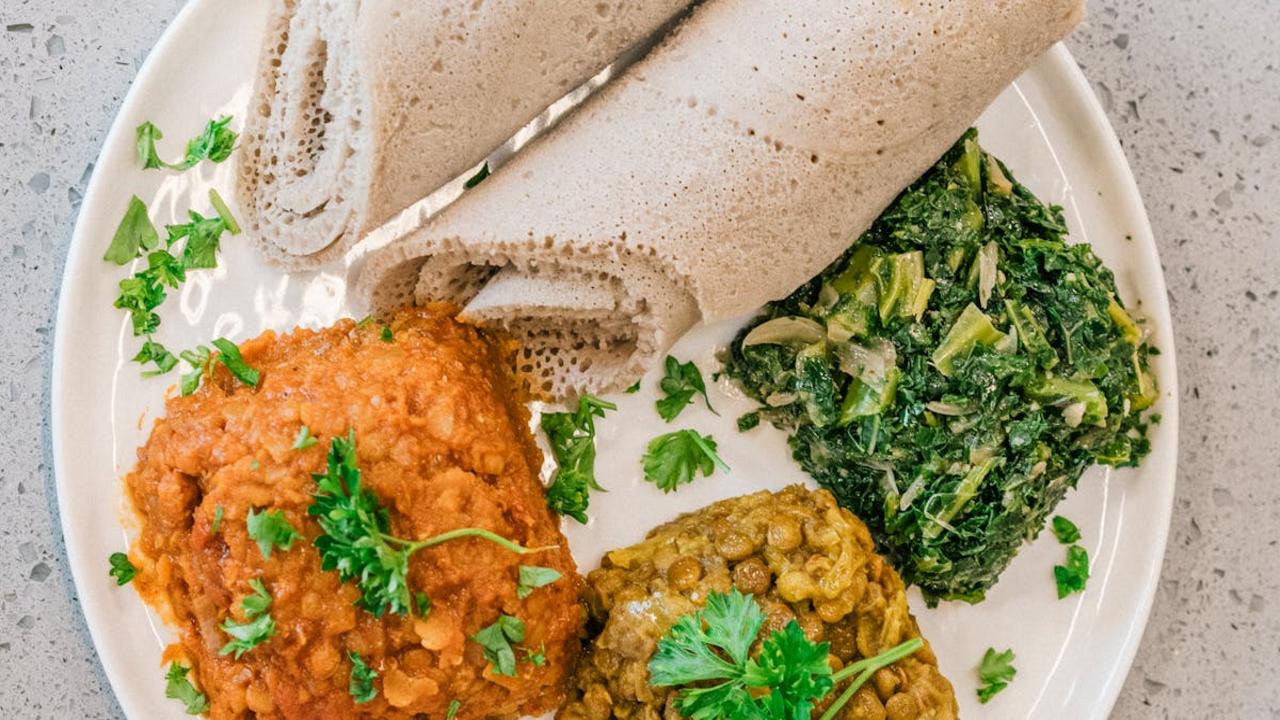
I can’t get enough of Ethiopian food’s bold flavors and unique dining style! The foundation of every Ethiopian meal sits on injera – this wonderfully spongy, slightly sour flatbread made from teff flour. Think of it as your plate, utensil, and bread all rolled into one. You’ll find colorful stews (called wats) and veggie dishes spread across the injera like an edible painter’s palette. My favorite is misir wat, a spicy red lentil stew loaded with berbere – Ethiopia’s signature spice blend that packs a punch with chili peppers, garlic, ginger, and warm spices.
What makes Ethiopian food so healthy? For starters, many dishes feature protein-rich legumes, whole grains, and tons of vegetables. The cuisine naturally caters to vegetarians and vegans through dishes like shiro (ground chickpea stew) and gomen (collard greens). Plus, the fermentation process used to make injera adds beneficial probiotics and makes nutrients more bioavailable. Most Ethiopian meals involve sharing from a common plate, making dinner a wonderfully social experience. Just remember – you eat with your right hand, tearing off pieces of injera to scoop up those amazing stews!
Lebanese Cuisine
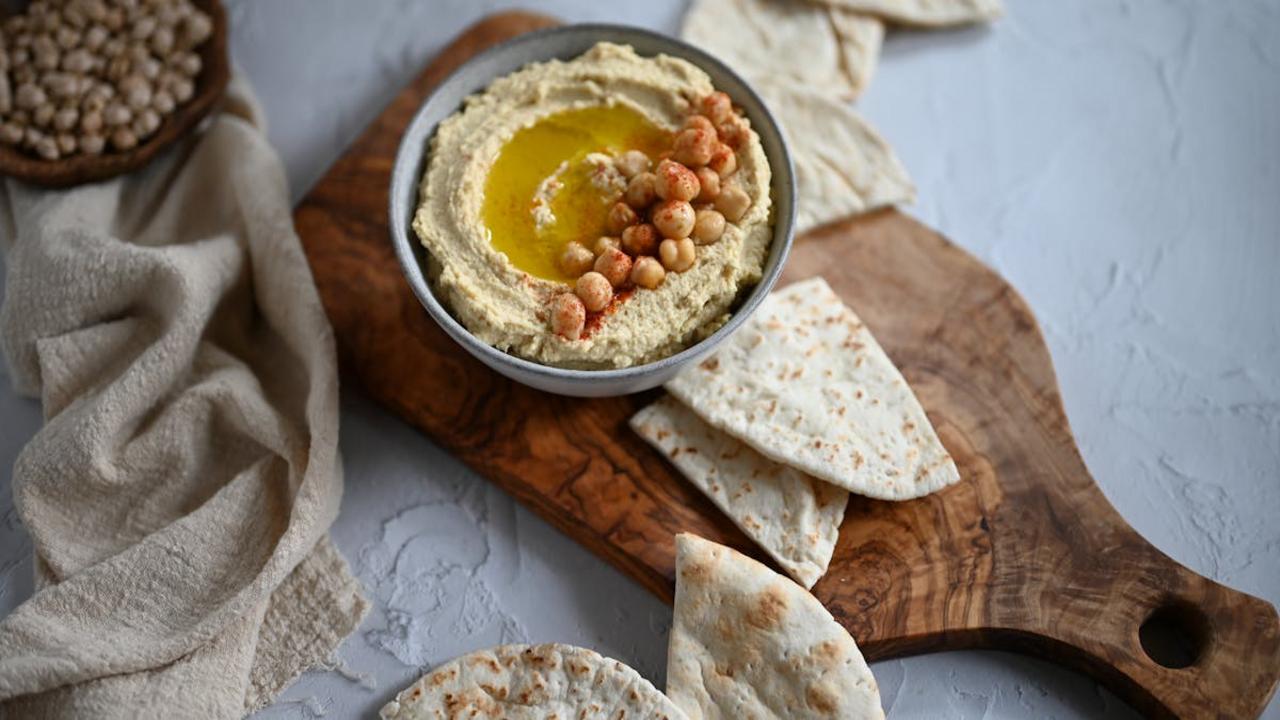
I can’t help but gush about Lebanese food – it’s like the Mediterranean diet got a glamorous makeover! From the mountains of Beirut to the bustling streets of Tripoli, Lebanese cooking packs a serious nutritional punch. The stars of this show? Fresh vegetables, whole grains, lean proteins, and enough garlic to ward off an army of vampires. You’ll find mezze tables loaded with fiber-rich hummus, smoky baba ganoush, and tabbouleh that’s practically bursting with parsley and bulgur wheat. And don’t get me started on their clever use of yogurt – they mix it into everything from breakfast to dinner, adding protein and gut-friendly probiotics.
The Lebanese really know how to make healthy food sing with their clever spice combinations. Za’atar, a mix of thyme, sumac, and sesame seeds, adds antioxidants and minerals to their famous man’oushe flatbreads. Their love for fresh herbs goes beyond garnish – they throw mint, oregano, and thyme into dishes with wild abandon. Ever tried stuffed grape leaves (dolma)? They’re little packages of rice, herbs, and sometimes meat that pack more nutrients than your average multivitamin. Plus, the Lebanese tradition of sharing multiple small plates means you naturally eat slower and more mindfully – pretty smart, right?
Spanish Cuisine
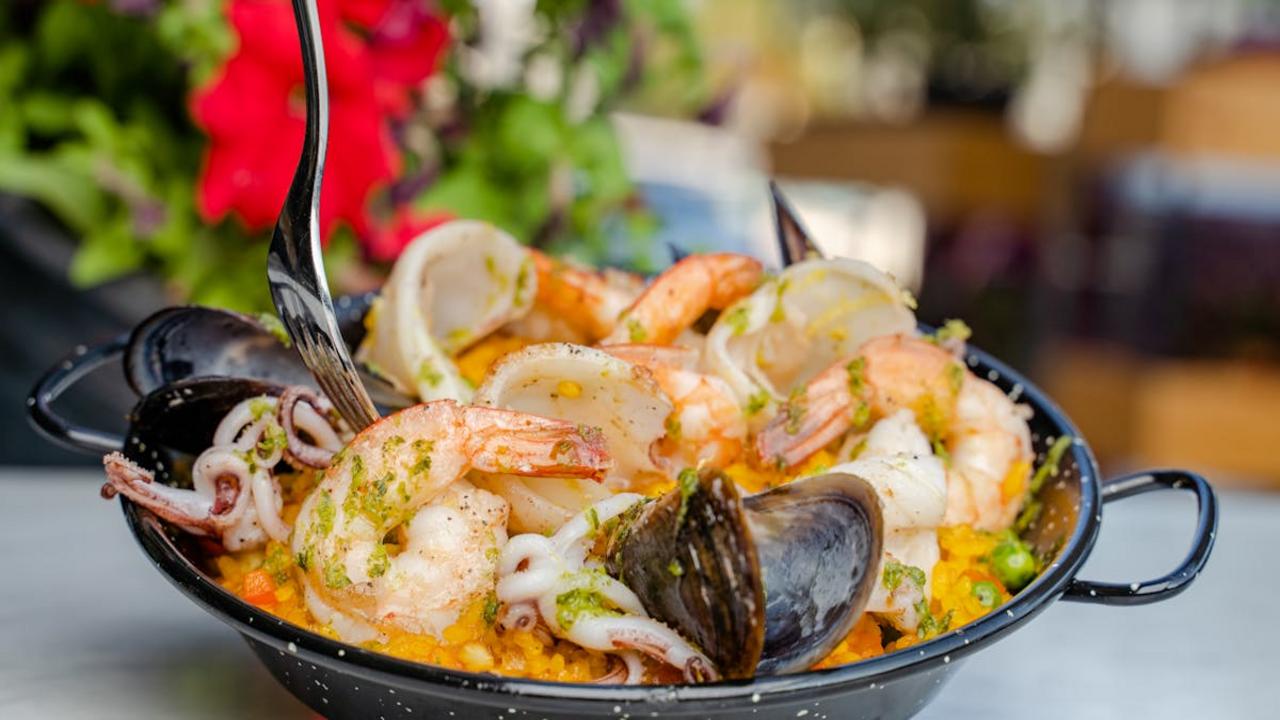
You’ll find Spanish food philosophy wonderfully simple – fresh ingredients, minimal processing, and maximum flavor! The Mediterranean diet shines through Spain’s food culture with its abundant olive oil, seafood, and colorful vegetables. Spanish cooks have mastered the art of making healthy food incredibly crave-worthy – just look at their gazpacho, a cold tomato soup packed with raw vegetables that feels more like a refreshing drink than a nutritious powerhouse. And don’t get me started on their seafood dishes – grilled octopus with paprika will make you forget you’re eating something so good for you!
The real magic happens during Spain’s sacred mealtime ritual – small plates of tapas shared among friends and family. Picture this: grilled sardines rich in omega-3s, garlicky shrimp sizzling in olive oil, roasted red peppers drizzled with extra virgin olive oil, and mushrooms stuffed with herbs. My favorite healthy Spanish hack? They cook everything in heart-healthy olive oil and load up on antioxidant-rich saffron and paprika. Plus, they’ve nailed the whole portion control thing with their tapas culture – you get to sample many different dishes without overdoing it. Smart, right?
Thai Cuisine
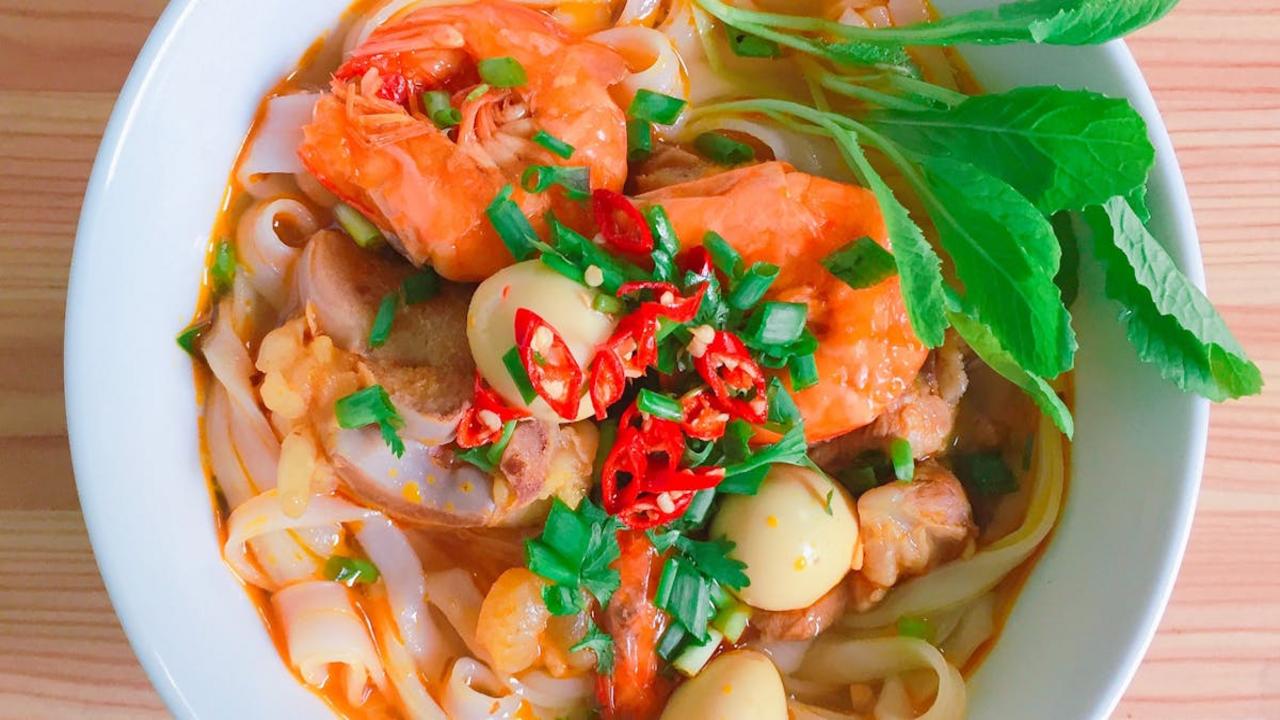
Thai food hits you with an explosion of flavors that’ll make your head spin (in the best way possible)! Every Thai dish brings together sweet, sour, spicy, and salty in a mind-blowing combination that seems almost magical. From the zingy lime in Tom Yum soup to the creamy coconut milk in green curry, Thai cuisine packs serious nutrition into every bite. The abundant herbs like lemongrass, galangal, and kaffir lime leaves don’t just add incredible flavor – they’re packed with antibacterial and anti-inflammatory properties that’ll have your immune system doing a happy dance.
What makes Thai food a health superstar? The secret lies in the fresh ingredients and smart cooking methods. Instead of heavy frying, many dishes get a quick stir-fry that keeps vegetables crisp and nutrients locked in. Fresh chilies speed up your metabolism while garlic and ginger aid digestion. Even the humble Thai fish sauce brings a punch of B vitamins and minerals. My favorite part? The generous use of fresh herbs means you’re getting a dose of antioxidants with every forkful. Pro tip: order your pad thai with extra bean sprouts and peanuts – they add a protein boost and satisfying crunch that’ll keep you full for hours!
Nordic Cuisine

Hey, want to know why Vikings were such tough cookies? Their diet! Nordic cuisine packs a serious nutritional punch with its emphasis on whole grains, fatty fish, and foraged goodies. You’ll find Scandinavians munching on fiber-rich rye bread, omega-3 loaded salmon, and wild berries that could put your daily multivitamin to shame. The funny thing is, these Nordic food traditions actually make perfect sense – in those long, dark winters, you need serious fuel to keep going!
I got a kick out of learning that the Nordics turned limitations into gold – they became masters of preservation techniques like fermenting, smoking, and pickling. Think gravlax (cured salmon), rugbrød (dense rye bread), and lingonberry preserves. The best part? Modern Nordic cooking still follows these ancient principles. They keep it simple: fresh, seasonal, and local. You’ll spot cloudberries on your plate in autumn, fresh-caught cod in winter, and wild mushrooms popping up in spring dishes. And yes, they do eat more than just meatballs – though those are pretty fantastic too!
Vietnamese Cuisine
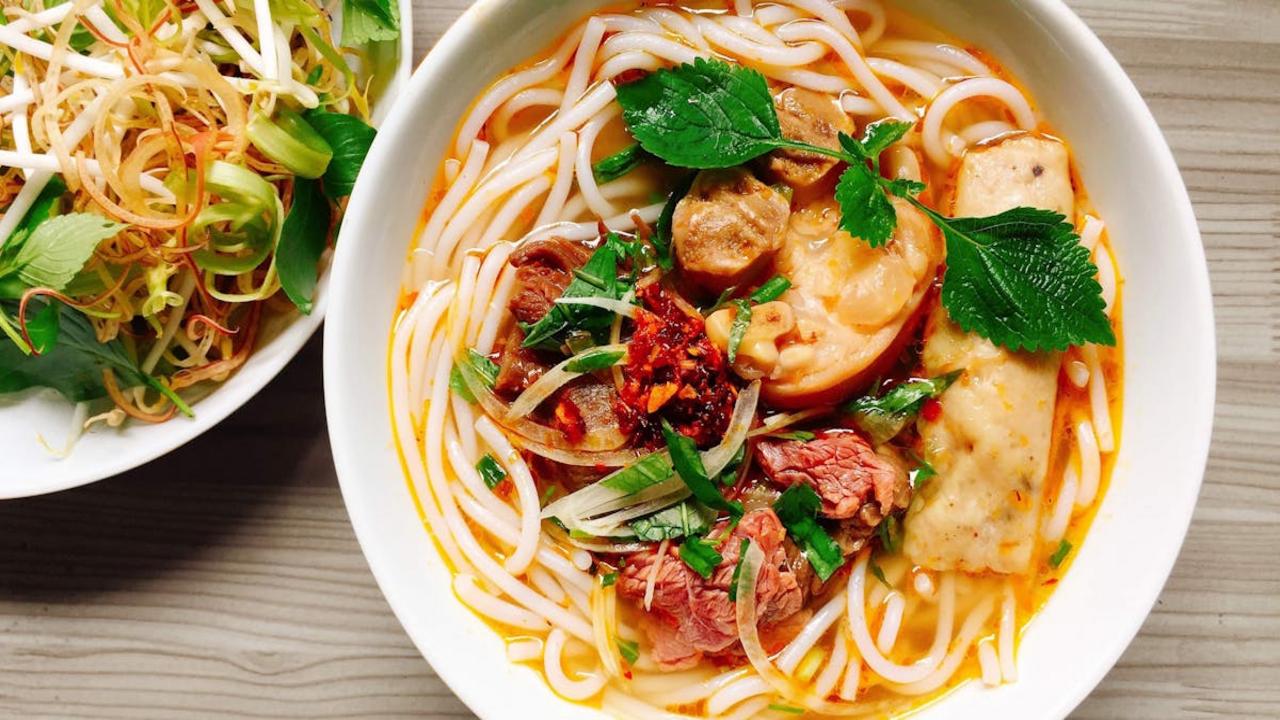
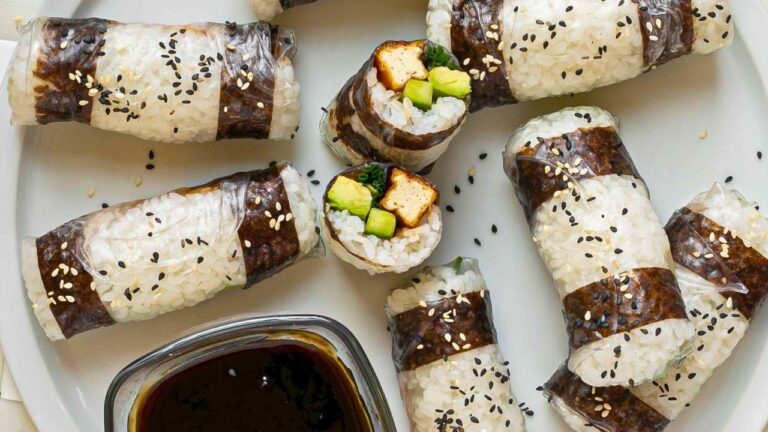
I swear Vietnamese food must have some kind of magic in it – how else could it pack so much flavor while staying incredibly healthy? The secret lies in the fresh herbs and vegetables that fill every bowl and plate. Think mountains of cilantro, mint, and basil paired with crisp bean sprouts and fresh lime. My favorite part? The brilliant balance of fresh and fermented ingredients creates this amazing depth without adding extra calories. You’ll find aromatic broths like pho buzzing with ginger and star anise, while rice paper rolls burst with raw vegetables and lean proteins.
The Vietnamese have mastered the art of minimal cooking oil, relying instead on water-based cooking methods like steaming and boiling. Fish sauce adds that incredible umami punch without the heaviness of cream-based sauces. The combination of raw vegetables and herbs doesn’t just make the food prettier – it adds fiber, vitamins, and antioxidants to every bite. And don’t get me started on the bone broths! They simmer for hours, extracting all those good-for-you minerals and creating soups that could cure anything from a cold to a broken heart (okay, maybe not the heart part, but they sure make you feel better!).
Indian Cuisine
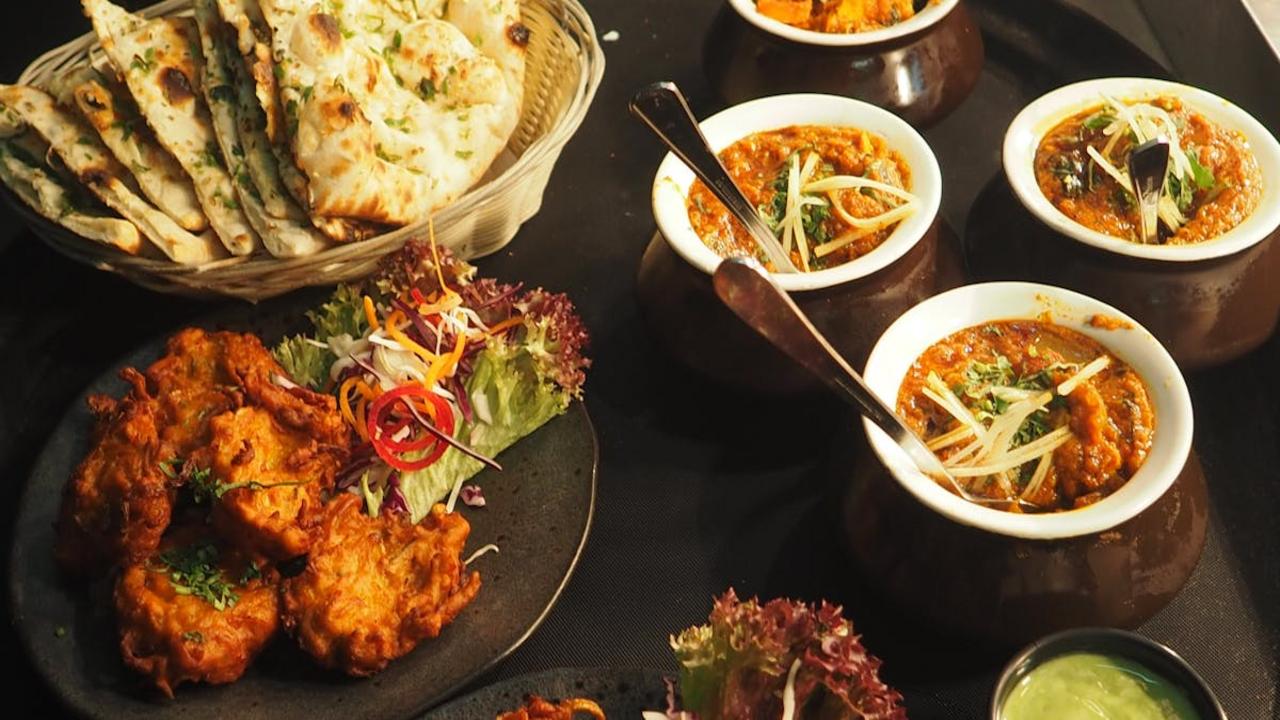
I can’t help but get excited about Indian cuisine – it’s like a masterclass in using spices as medicine! Your body will thank you for diving into this rainbow of aromatic dishes packed with turmeric, ginger, garlic, and cardamom. These power-packed ingredients don’t just make your food sing; they’re natural inflammation fighters and immunity boosters. The combination of lentils (dal) and rice gives you complete protein, while the heavy use of vegetables in dishes like saag (spinach curry) and bhindi masala (okra) loads you up with fiber and nutrients.
Want to know what makes Indian food extra special? It’s how every dish brings together multiple health benefits in one delicious package. Take the classic curry – you’ll get antibacterial properties from garlic, digestive aid from ginger, and anti-inflammatory benefits from turmeric. Even the yogurt-based dishes like raita cool your system while providing probiotics for gut health. And here’s a fun fact: many Indian households still use copper vessels to store water overnight – the ancient practice actually helps purify water and adds beneficial minerals to your diet. Now that’s what I call smart eating!
Korean Cuisine
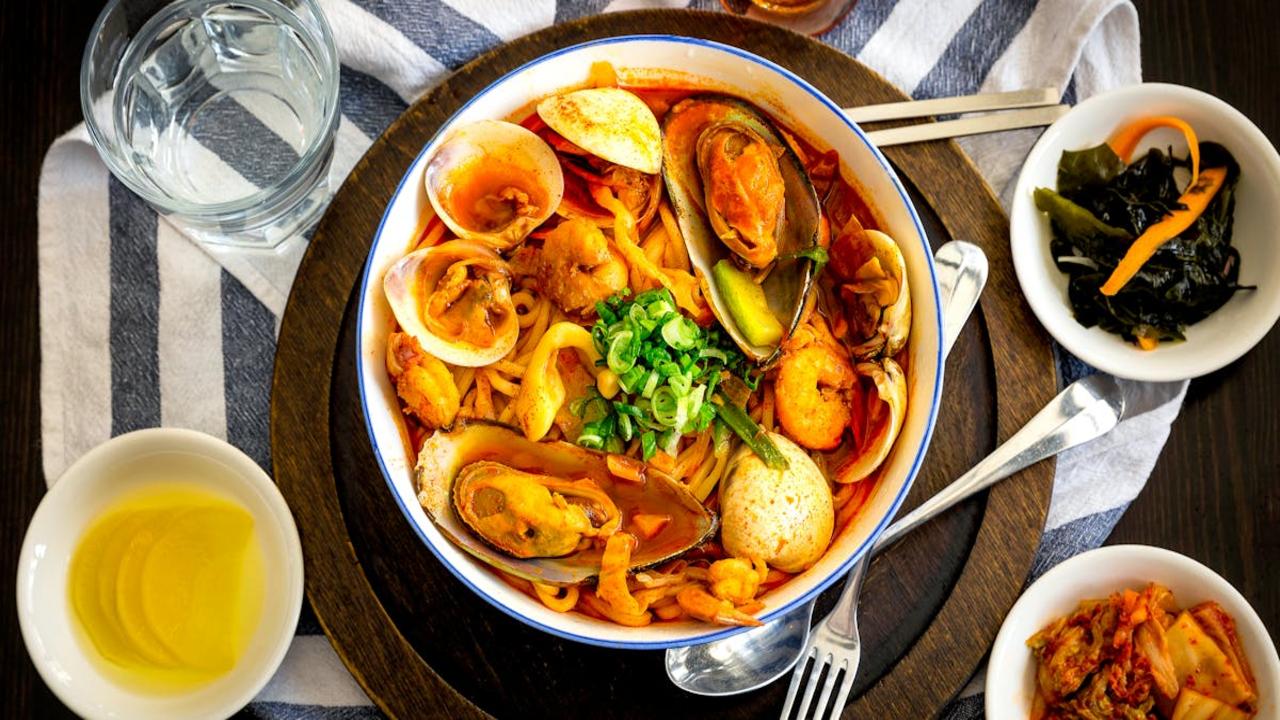
Korean food doesn’t just fill your belly – it supercharges your health! The Korean approach to eating brings together an incredible mix of fermented foods like kimchi (that crunchy, spicy cabbage that makes every meal more exciting), nutrient-packed vegetables, and lean proteins. Every Korean meal follows a beautiful balance, centered around rice and accompanied by numerous small dishes called banchan. These little plates turn your table into a rainbow of colors, from bright orange kimchi to deep green seaweed salads, each packed with good-for-you ingredients.
The magic of Korean cooking lies in its fantastic fermentation techniques, which pack your gut with beneficial probiotics. Think beyond kimchi – there’s gochujang (red chili paste), doenjang (fermented soybean paste), and countless pickled vegetables that make Korean food a digestive health powerhouse. The liberal use of garlic, ginger, and chili peppers doesn’t just create bold flavors – these ingredients are natural inflammation fighters. Plus, Korean cooking methods like grilling and steaming help retain nutrients while keeping the fat content low. My favorite part? The communal nature of Korean dining means you’ll never get stuck in a food rut – there’s always something new to try on that beautiful, banchan-filled table!
Japanese Cuisine
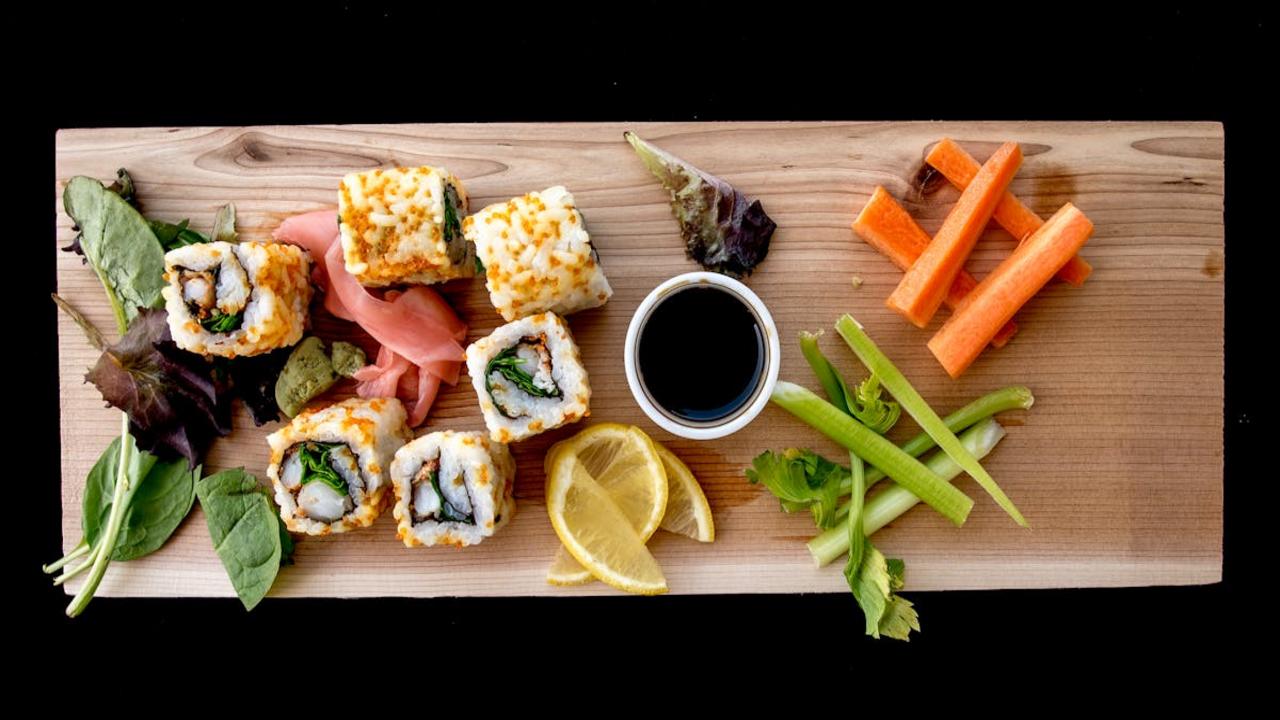
You’ll find Japanese cuisine obsessed with freshness, balance, and precision – and I mean obsessed! The Japanese have turned healthy eating into something close to magic. From omega-3 rich fish to mineral-packed seaweed, every ingredient serves a purpose. Their small portions and mindful eating habits explain why Japan has one of the world’s highest life expectancies. Did you know the average Japanese person eats around 154 pounds of fish yearly? That’s roughly three times more than what Americans consume!
My favorite thing about Japanese food is how they’ve mastered the art of fermentation. Take natto – those sticky, fermented soybeans packed with vitamin K2 that boost bone and heart health. Sure, the texture might make some squeamish (it’s like eating beans covered in spider webs!), but combine it with steamed rice and miso soup for breakfast, and you’ve got yourself a nutritional powerhouse. And don’t get me started on matcha – this powdered green tea contains more antioxidants than regular green tea and gives you a smooth energy boost without the jitters!
Mediterranean Cuisine
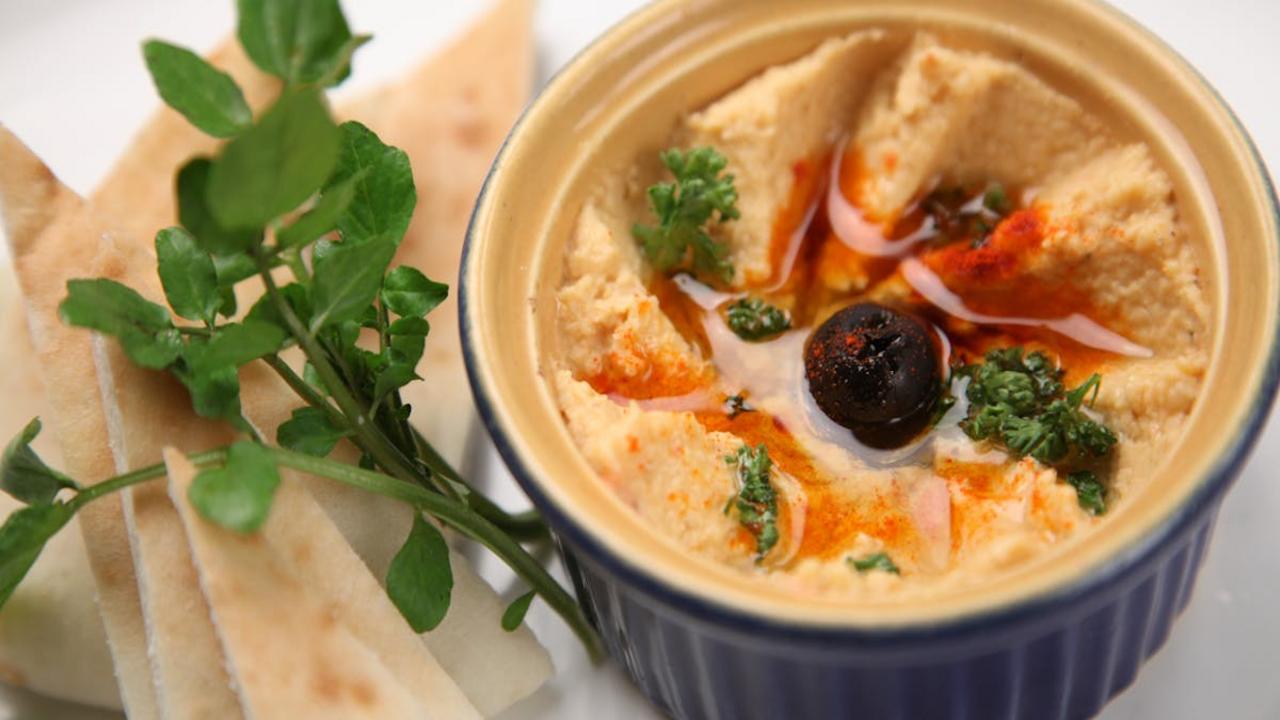
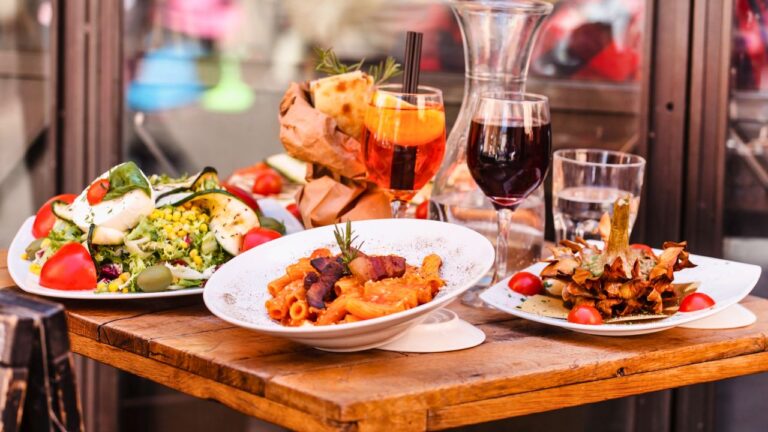
Hey, want to know why your doctor keeps nudging you toward Mediterranean food? This sun-kissed cuisine from countries like Greece, Italy, and Spain isn’t just delicious – it’s practically a prescription for good health! Picture yourself drizzling golden olive oil over fresh tomatoes, sprinkling herbs on grilled fish, or dunking warm bread into hummus. The Mediterranean diet focuses on fresh vegetables, whole grains, lean proteins (especially fish), and yes, a daily glass of red wine. The locals have been eating this way for centuries, and they’re clearly onto something – they have some of the lowest rates of heart disease in the world.
I learned a fun secret while visiting my friend Maria’s Greek grandmother – Mediterranean cooking is all about simplicity and fresh ingredients. You won’t find processed foods or complicated cooking techniques here. Instead, you’ll see plenty of legumes, nuts, and seasonal produce taking center stage. The magic happens when you combine these simple ingredients – like tossing together a quick salad with cucumbers, feta, olives, and a splash of olive oil. And here’s something that’ll make you smile: in Mediterranean culture, meals aren’t just about the food – they’re social events where families gather to share stories, laugh, and enjoy life together. No wonder people who follow this diet tend to live longer!