14 Must-Have Korean Cooking Staples to Elevate Your Home Meals
Korean food hits different – it’s that perfect mix of bold, funky, and absolutely addictive flavors that’ll make your kitchen smell like a cozy Seoul restaurant. With just a handful of key ingredients, you can transform ordinary dishes into knockout Korean meals that’ll have your friends begging for dinner invites.
I’ve spent years collecting tips from Korean grandmas, food vendors, and home cooks who’ve shared their pantry secrets. The magic lies in having the right foundation – from the deep umami of soy sauce to the sweet crunch of Korean pears. These 14 staples will turn you into a Korean cooking pro faster than you can say “kimchi.”
Think of these ingredients as your Korean cooking superheroes – each one brings its own special power to your dishes. The sweet-nutty sesame oil, the fiery gochugaru (red pepper powder), and the fermented funk of doenjang (soybean paste) work together to create that authentic Korean flavor that’ll make your meals sing.
Korean Pear
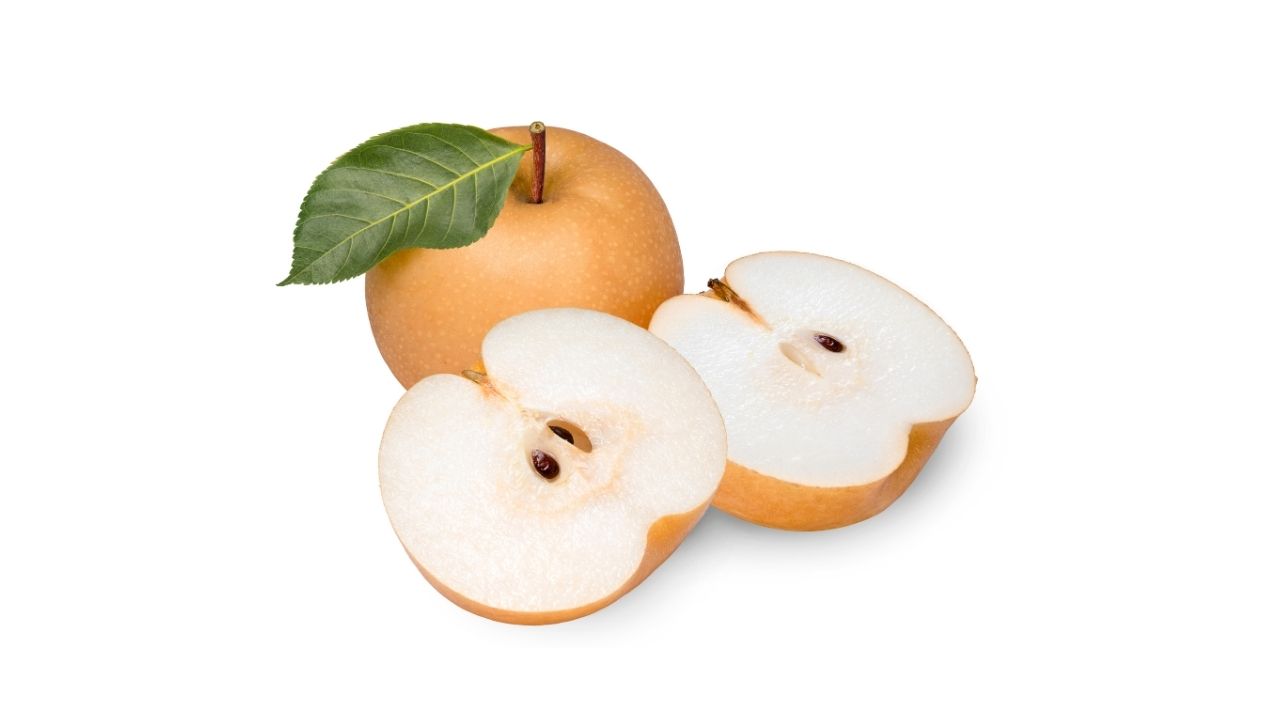
Meet the Korean pear, your new favorite fruit! Think of it as the sophisticated cousin of the regular pear – round, super crisp, and incredibly juicy. I swear, biting into one feels like drinking sweet fruit nectar straight from nature’s juice box. These beauties pack a serious hydration punch and bring a refreshing sweetness that’ll make you wonder how you lived without them. In Korean cooking, you’ll find these pears doing double duty – they’re not just for snacking, but also work magic in marinades, especially for Korean BBQ where they help tenderize meat naturally.
You’ll spot Korean pears by their distinctive round shape and golden-brown color – they look more like apples than traditional pears. The texture will blow your mind – imagine the most satisfying crunch combined with honey-sweet juice that runs down your chin. Beyond their snack appeal, grate them into your bulgogi marinade or slice them thin for a fancy garnish on your bibimbap. Pro tip: Keep them in your fridge, and they’ll stay crisp for weeks. Just remember to handle them with care – these juicy giants bruise easier than your ego after losing at Monopoly!
Napa Cabbage
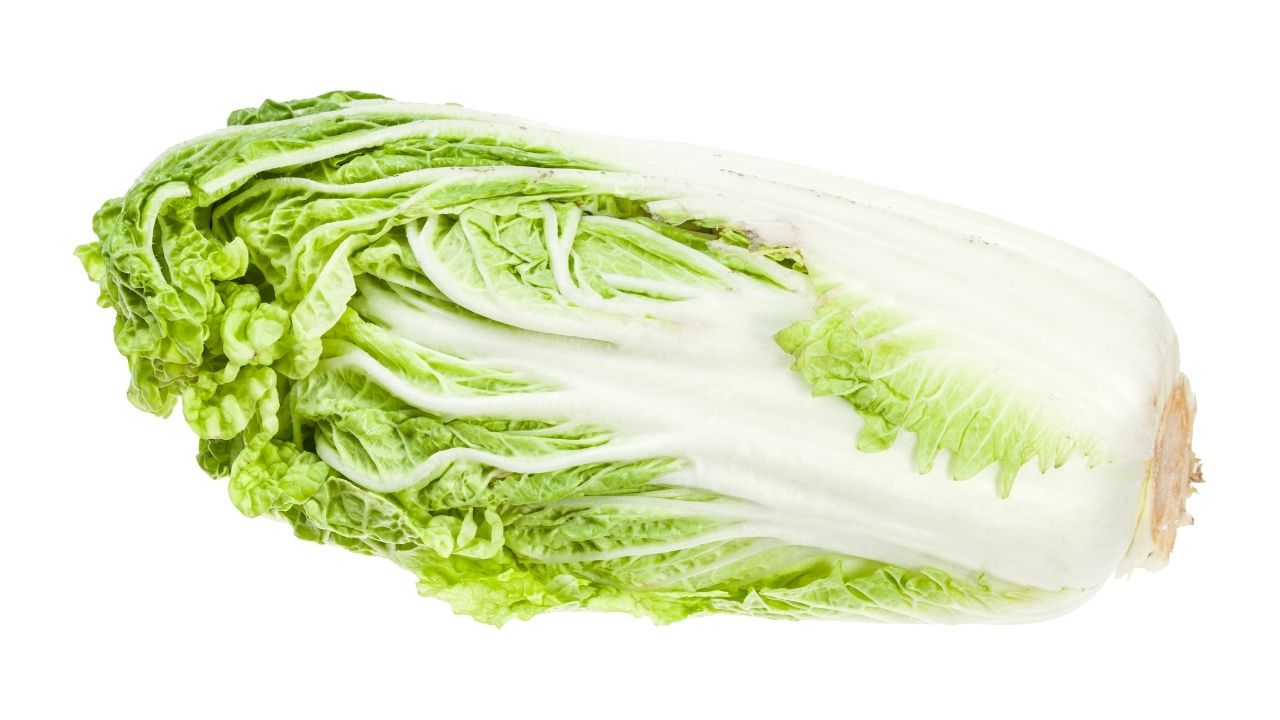
You’ll spot Napa cabbage (also called Chinese cabbage) front and center in Korean kitchens, and for good reason! This oblong beauty rocks a gentle sweetness and crisp texture that’ll make your regular cabbage jealous. I keep a head or two in my fridge at all times because it’s the star player in kimchi making. But don’t box this veggie in – it shines raw in salads, adds crunch to stir-fries, and transforms into a silky dream when braised in soups.
Here’s a pro tip I learned from my Korean neighbor Mrs. Kim: before using Napa cabbage in kimchi, give it a good salt treatment. Sprinkle coarse salt between the leaves and let it sit for 2 hours – this draws out excess moisture and preps it perfectly for that fermented goodness. Beyond kimchi, I love throwing chopped Napa into my weeknight stir-fries or wrapping bulgogi in its tender leaves like a taco. The outer leaves pack more crunch, while the yellow inner ones bring a butter-soft bite to any dish.
Korean Red Chili Powder
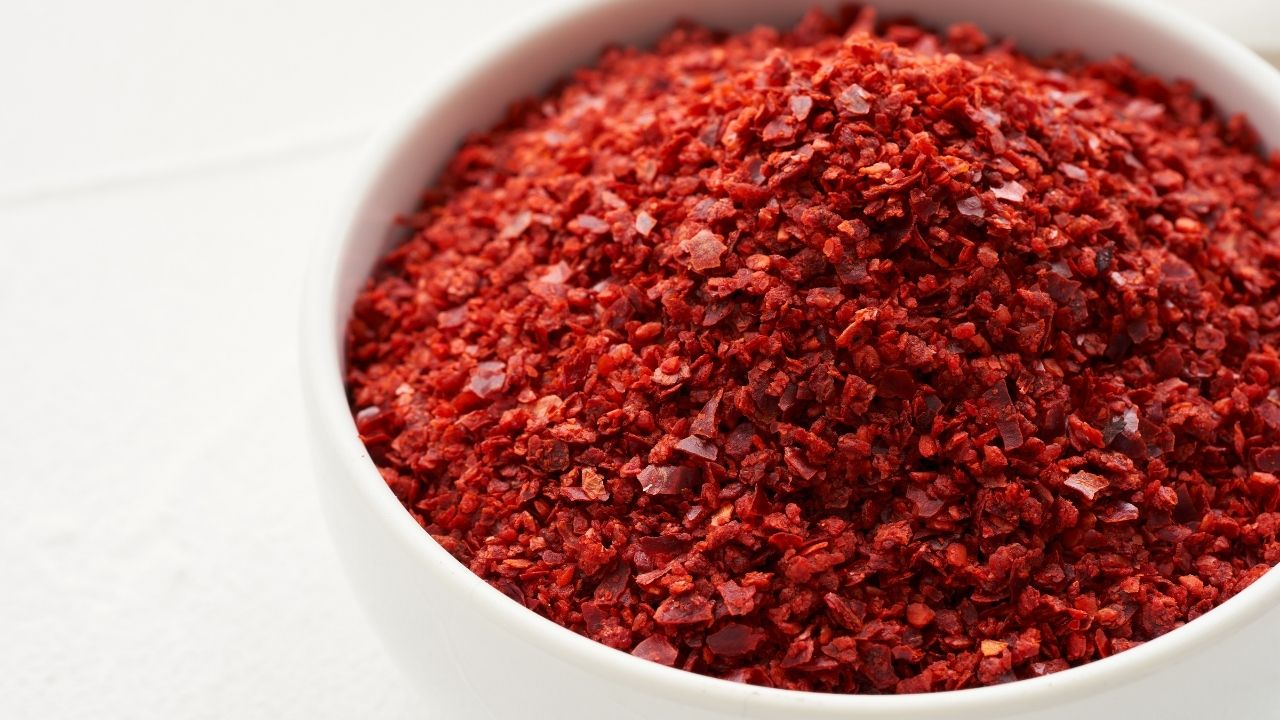
Meet your new best friend in Korean cooking – gochugaru, the vibrant red chili powder that’ll make your dishes sing! Unlike its fiery cousins from other cuisines, Korean red chili powder brings a unique sweet-hot punch that won’t set your mouth on fire. I remember my first encounter with gochugaru in a kimchi-making class – I sneezed three times after accidentally inhaling a pinch, but boy, was the end result worth it! You’ll find this gorgeous burgundy powder adding its signature color and gentle heat to everything from kimchi to stews.
The secret to picking great gochugaru lies in its color and texture. Look for a vivid red shade that’ll make your heart skip a beat, and aim for flakes that feel slightly coarse between your fingers. Store it in an airtight container in your fridge, and it’ll stay fresh for months – though I bet you’ll go through it faster than you think! Pro tip: start with a small amount and work your way up. I once dumped a whole handful into my budding kimchi and spent the next week guzzling water like a camel in the desert. Your future self will thank you for showing restraint!
Fish Sauce
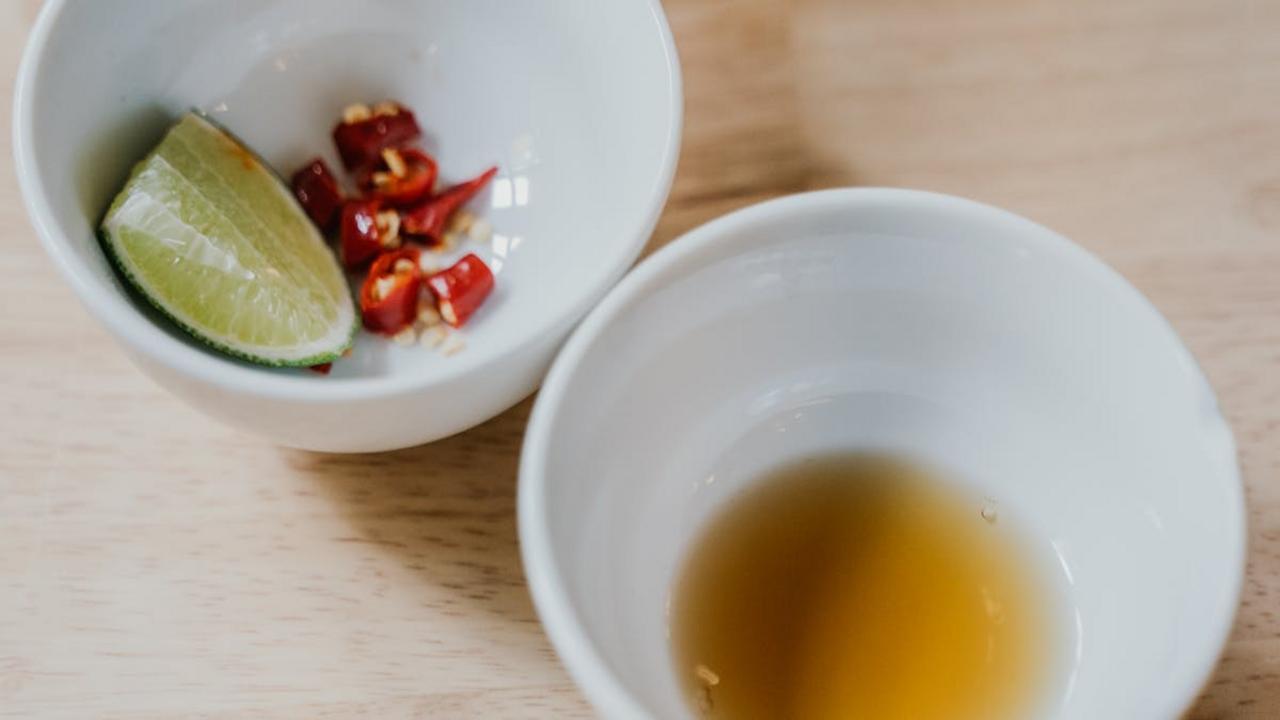
You might think fish sauce smells a bit funky (okay, really funky), but trust me – this liquid gold will transform your Korean dishes from good to “oh my goodness, what is this magic?” Made from fermented anchovies and salt, Korean fish sauce (anchovy sauce or aek-jeot) adds that deep, rich umami punch that makes your food sing. I keep a bottle front and center in my fridge, ready to splash into everything from kimchi to stews. The secret? Just a tiny dash goes a long way – too much and you’ll overwhelm the dish!
Unlike its Southeast Asian cousins, Korean fish sauce tends to be a bit lighter and less intense, making it perfect for Korean home cooking. Add a splash to your doenjang-jjigae (soybean paste stew) or use it to season blanched vegetables for that extra depth. My favorite trick? Mix it with some minced garlic and green onions for an instant dipping sauce that’ll make your grilled meats pop. Just remember to store it in the fridge after opening – unless you want your whole kitchen smelling like a fish market!
Rice Vinegar
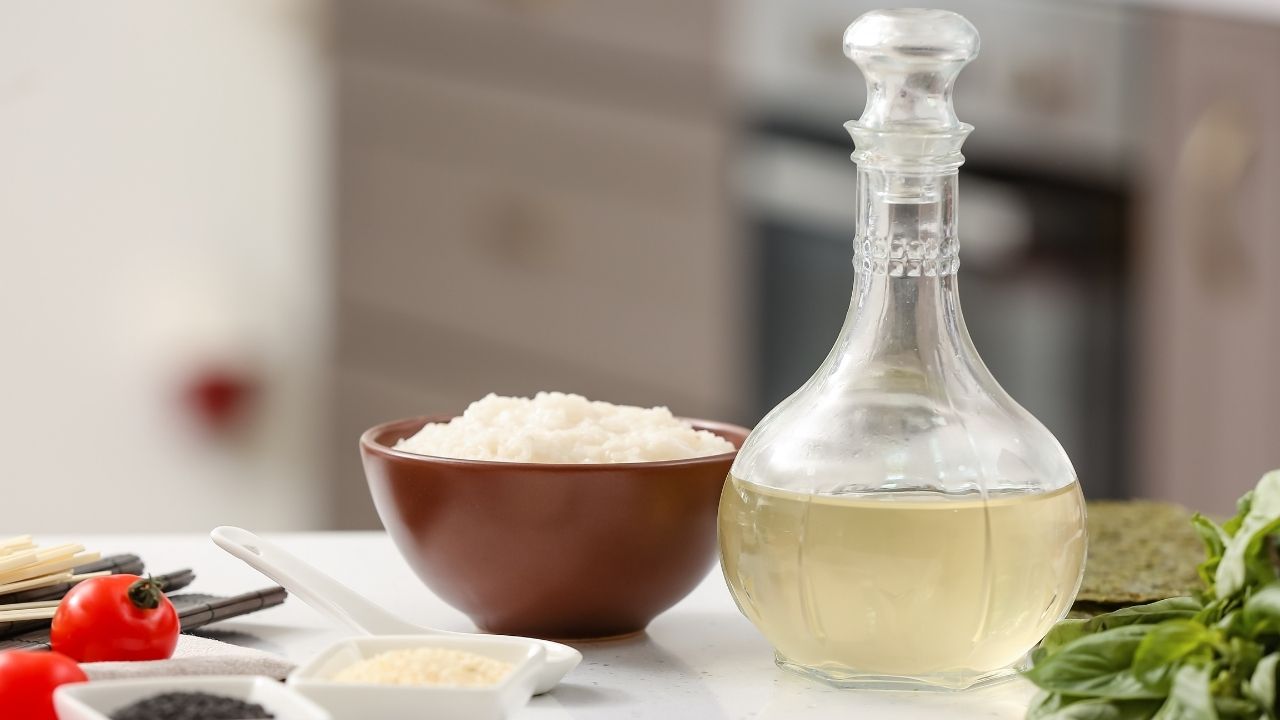
Oh, you’ll want to grab a bottle of rice vinegar – this clear, mild-mannered vinegar brings that perfect tangy kick to your Korean dishes without going overboard. I keep at least two bottles in my pantry because I use it in everything from quick pickled radishes to zippy dipping sauces. Unlike its more aggressive cousin, white vinegar, Korean rice vinegar adds a gentle brightness that won’t make you pucker up like you’ve just eaten a lemon. Your kimchi fried rice needs this subtle acidity to balance out all those rich, savory flavors.
Korean home cooks have been using rice vinegar for centuries, and now I understand why – it’s incredibly versatile! Mix it with a bit of sugar for a quick pickle brine, splash it into your bibimbap sauce, or add a dash to wake up a boring salad. Here’s a fun fact: rice vinegar actually helps break down proteins, making it fantastic for marinades. I once accidentally doubled the amount in my bulgogi marinade and discovered it made the meat exceptionally tender (though a bit too tangy – learn from my mistakes, folks!). Look for bottles labeled “Korean rice vinegar” or “mi-cho” at Asian markets for the most authentic flavor.
Toasted Sesame Seeds
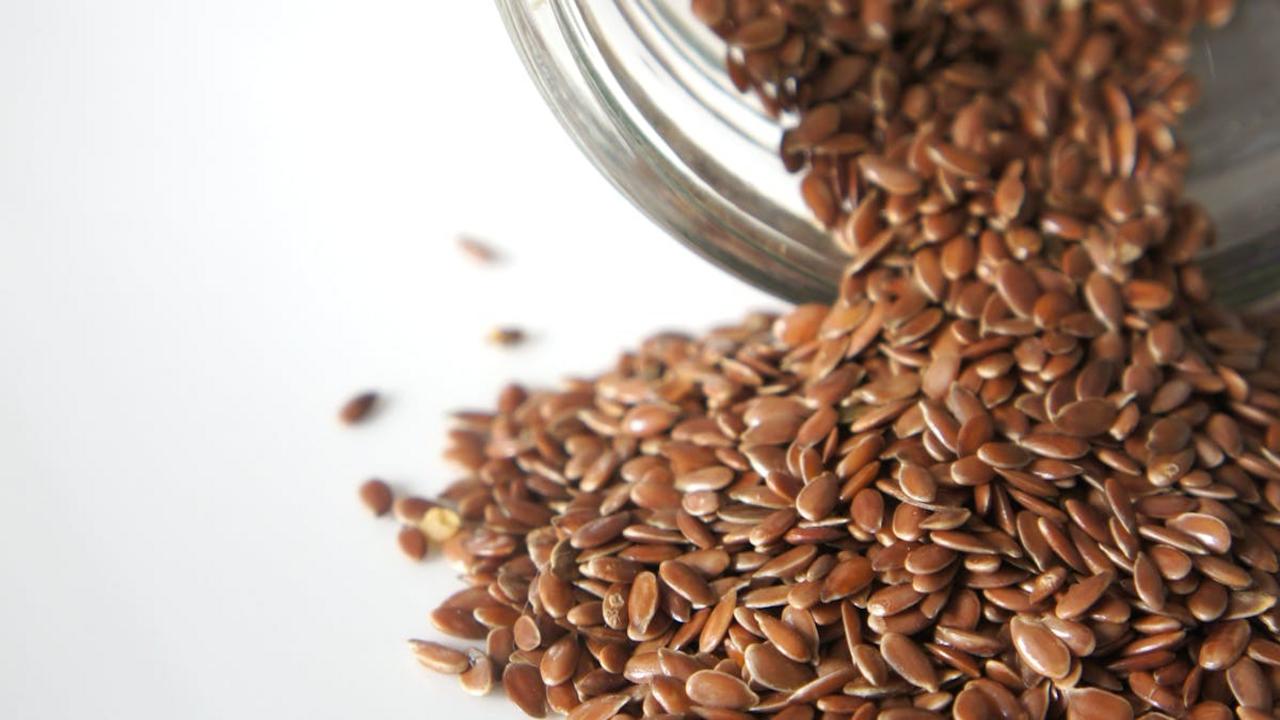
You’ll spot these tiny golden gems sprinkled on countless Korean dishes, from bibimbap to banchan. I always keep a jar of toasted sesame seeds (called “bokkeun-kkae” in Korean) within arm’s reach of my stovetop because they add an irresistible nutty crunch to any dish. The secret? Toast them yourself in a dry pan until they turn golden brown and start dancing around – just watch them closely, because these little guys can go from perfectly toasted to burnt in seconds! The aroma that fills your kitchen during toasting will make your mouth water instantly.
While you can buy pre-toasted sesame seeds, nothing beats the fresh-toasted version for maximum flavor punch. I grind some in my mortar and pestle to make sesame powder for seasoning, and leave others whole for that perfect texture contrast. Pro tip: store your toasted sesame seeds in an airtight container in the fridge – they’ll stay fresh and flavorful for months. Sprinkle them on your morning avocado toast, mix them into your rice, or use them as a garnish for soups and salads. My favorite quirky use? Adding them to homemade cookies for an unexpected Korean twist!
Green Onions
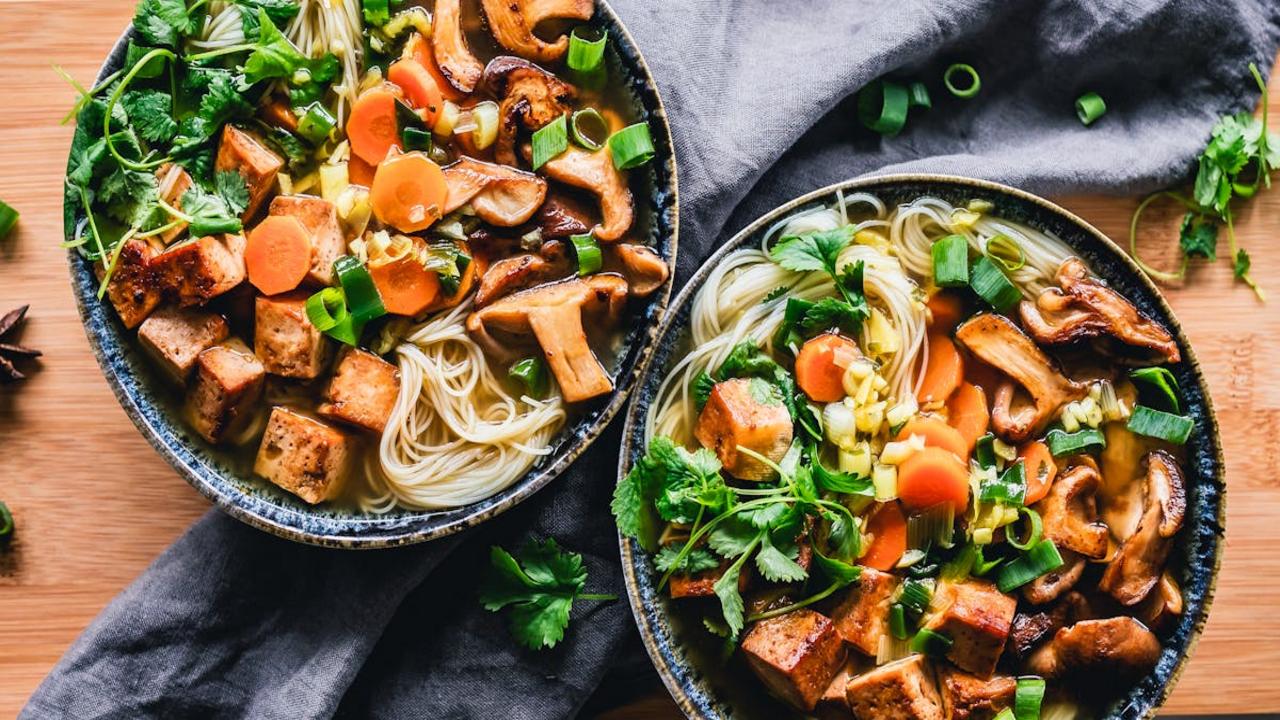
I can’t imagine Korean cooking without green onions! These slender, vibrant stalks pack such a mighty punch that I keep at least two bunches in my fridge at all times. Korean cooks use both the white and green parts differently – the sturdy white bottoms add a sharp kick to stir-fries and soups, while the tender green tops make the perfect garnish for everything from bibimbap to Korean BBQ. You’ll spot them dancing across countless Korean dishes, adding that perfect pop of color and fresh, oniony zip that makes your mouth water before you even take a bite.
Here’s a cool trick I learned from my Korean neighbor: store your green onions standing upright in a glass of water with a plastic bag loosely covering the tops – they’ll stay fresh for weeks! And don’t toss those roots – if you plant them in a small container with soil, they’ll regrow into fresh stalks within days. Korean recipes often call for green onions cut in specific ways – from fine diagonal slices for garnishing to longer strips for wrapping around grilled meats. The versatility of this humble ingredient never fails to amaze me – it’s both a workhorse and a showstopper in Korean cooking.
Ginger
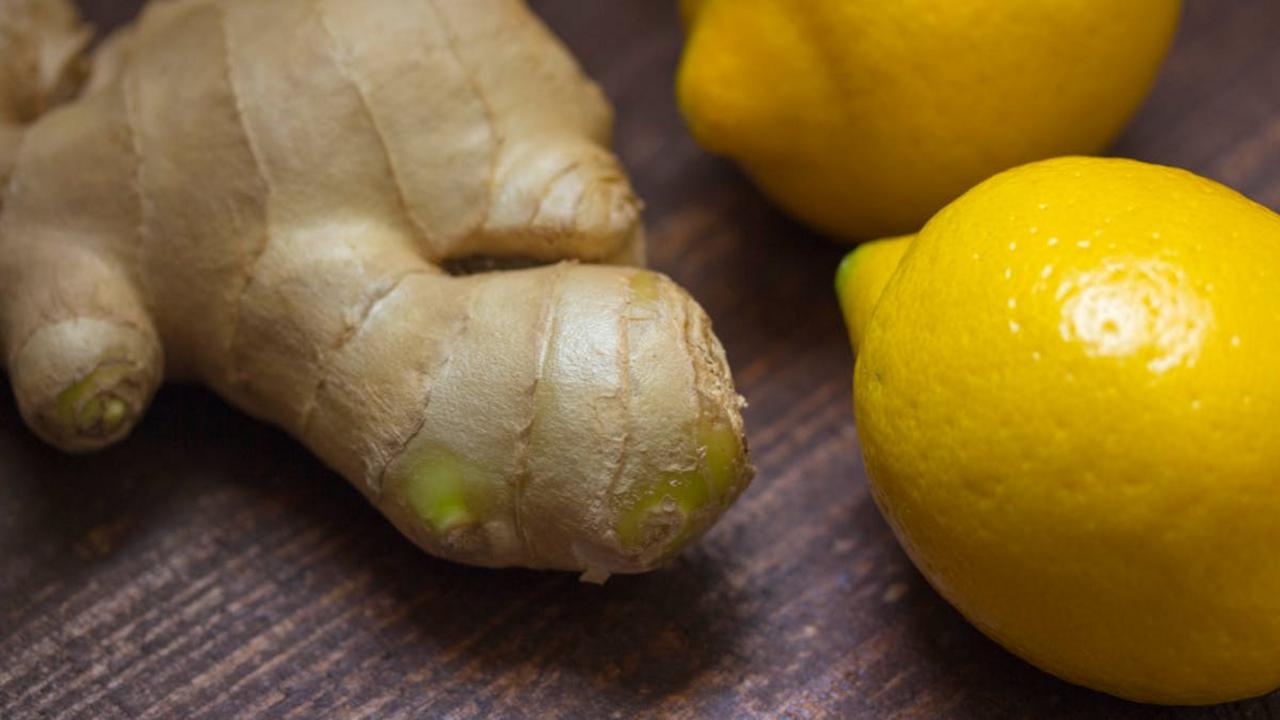
Oh, the mighty ginger root! I can’t count how many times this knobby little superhero has saved my Korean dishes from falling flat. Fresh ginger adds that unmistakable zingy kick that makes your mouth dance – and let me tell you, Korean cooking just wouldn’t be the same without it. I keep a hefty chunk in my fridge at all times, ready to grate into marinades, soups, and stir-fries. My favorite trick? Freeze your ginger whole and grate it frozen – it’s way easier to handle, and you’ll never have to deal with stringy bits again!
Beyond its flavor-boosting powers, ginger brings some serious health benefits to your Korean cooking party. This root has been a go-to remedy in Asian medicine for centuries, known for calming upset stomachs and fighting inflammation. I add extra ginger to my kimchi stews when I’m feeling under the weather, and somehow it always perks me right up. Pro tip: Look for firm, smooth pieces at the store – if it’s wrinkly or soft, walk away! And don’t bother peeling it before grating – just give it a quick wash, and you’re good to go.
Garlic
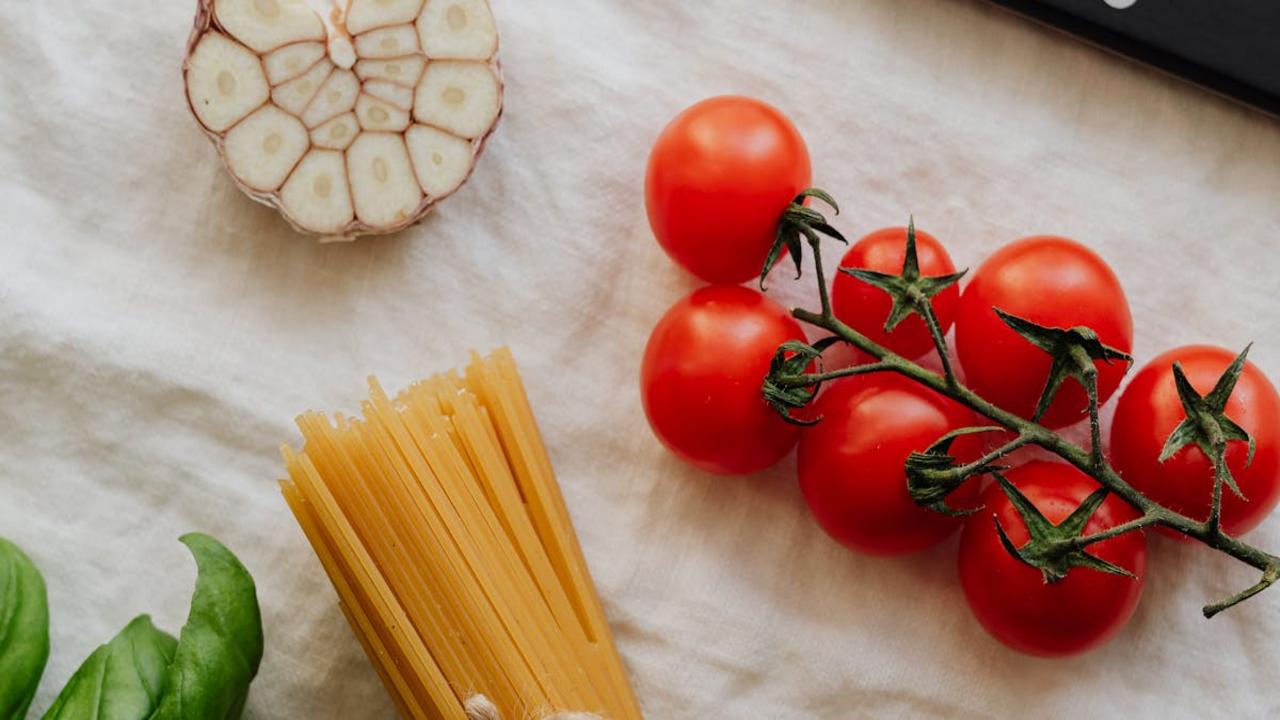
If Korean kitchens had a superhero, garlic would wear the cape! You’ll find this mighty bulb playing the leading role in almost every Korean dish, from simple soups to elaborate banchan (side dishes). I go through so many heads of garlic each week that my local grocery store owner now gives me knowing smiles. Raw, minced, or roasted until golden and sweet, garlic adds that unmistakable punch that makes Korean food sing. My favorite trick? Slice it paper-thin for kimchi or crush it into a paste with the flat side of your knife for the most intense flavor.
Here’s a pro tip that changed my kitchen game: buy pre-peeled garlic from Korean markets if you’re cooking big batches. Yes, some food purists might gasp, but trust me – your fingernails will thank you! Just keep it in an airtight container in your fridge, and it’ll stay fresh for weeks. And don’t toss those green sprouts that sometimes pop up in the middle of your garlic cloves – Koreans often use these tender shoots in stir-fries and soups for an extra layer of garlicky goodness. Your breath might need a mint afterward, but your taste buds will do a happy dance!
Fermented Soybean Paste
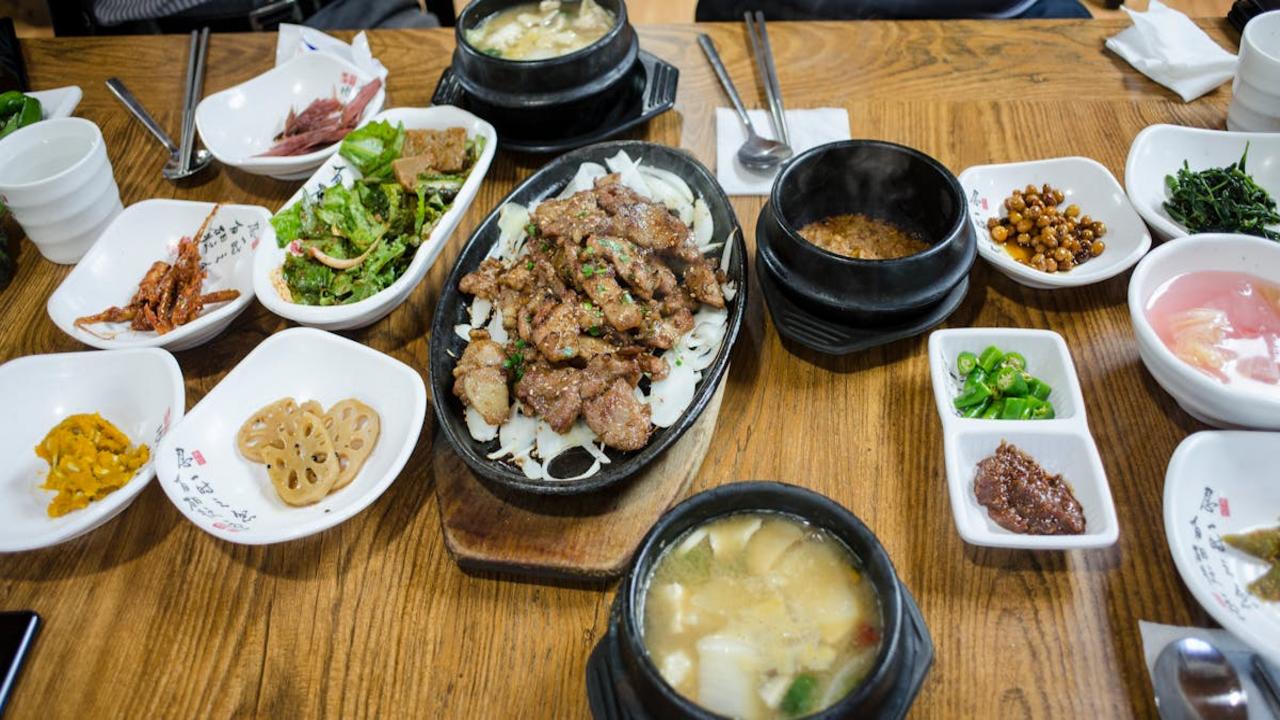
Let me paint you a picture of doenjang, the Korean fermented soybean paste that’ll rock your world. This funky, salty paste packs such an intense umami punch that I’ve seen first-time tasters do a double-take before breaking into huge grins. Think of it like miso’s bold, outgoing cousin who’s not afraid to make a statement. You’ll find this deep brown paste bringing depth to everything from classic doenjang-jjigae (soybean paste stew) to simple vegetable dips. The longer it ferments, the more complex and rich the flavor becomes – I’ve tasted some that’s been aged for years, and wow, what a difference!
Making doenjang follows an ancient tradition where soybeans are boiled, mashed, shaped into blocks, and dried in the sun. After a few months of fermentation magic, you get this incredibly concentrated flavor bomb that can transform any dish from bland to brilliant. A spoonful will add an instant Korean authenticity to your soups, stews, and marinades. My favorite quick fix? Mix it with a bit of minced garlic, sesame oil, and gochugaru for an amazing sauce that makes raw vegetables absolutely sing. Just remember – a little goes a long way, unless you want your dinner guests wondering if you’re trying to knock their socks off!
Red Chili Paste
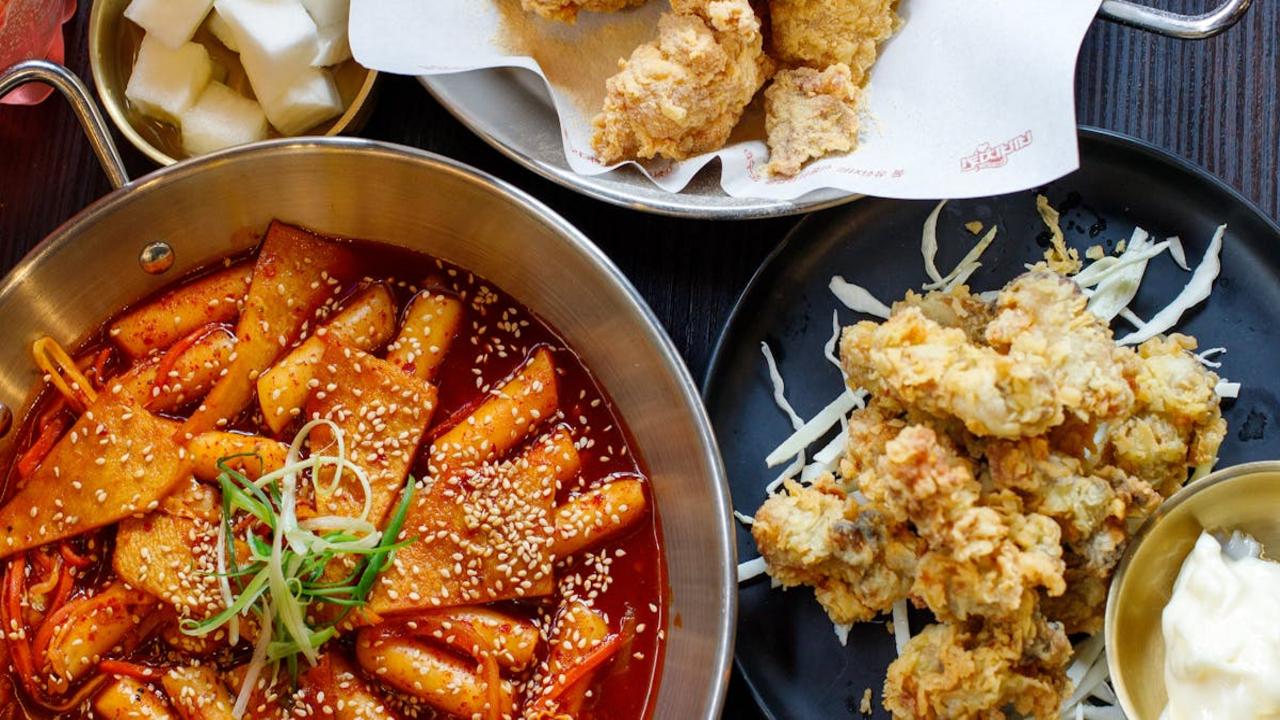
Meet gochugaru, the fiery red chili paste that adds a kick to everything from bibimbap to kimchi. This Korean kitchen superhero packs a unique blend of sweet, smoky, and spicy notes that’ll make your dishes sing. I keep a tub of this crimson gold in my fridge at all times – it’s saved many bland dishes from the depths of boring-ville. The deep red color comes from sun-dried chilies ground into a coarse powder, then mixed with sticky rice powder and fermented soybeans.
Want to amp up your stews? Add a dollop. Need to transform plain rice into something magical? Mix in a spoonful. Your scrambled eggs looking sad? A touch of gochugaru will fix that! The beauty of this paste lies in its versatility – it works in marinades, dips, soups, and pretty much anything you can dream up. Pro tip: start with a tiny amount and work your way up – unless you’re ready to breathe fire like a dragon. And remember, not all red chili pastes are created equal – look for the ones marked “Korean” or “gochugaru” specifically for that authentic flavor punch.
Sesame Oil
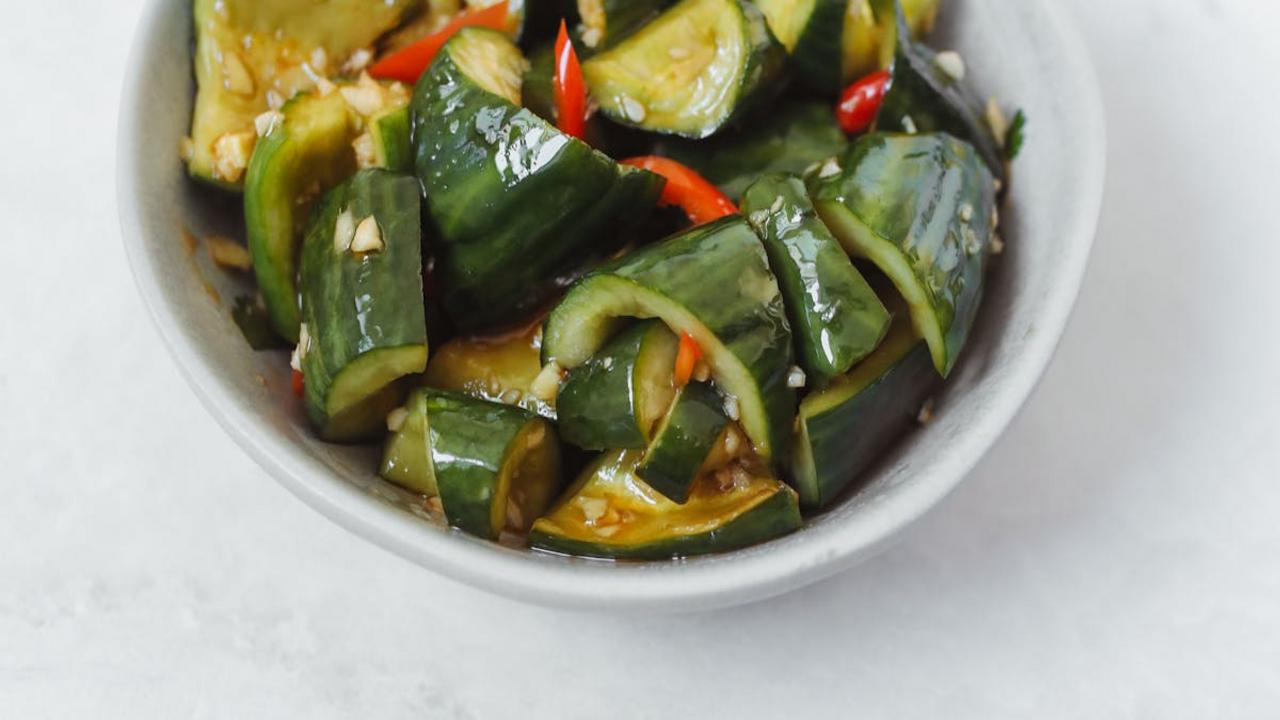
Oh my goodness, if you haven’t discovered Korean sesame oil yet, you’re missing out on liquid gold! Unlike its lighter Chinese counterpart, Korean sesame oil packs a deep, nutty punch that’ll make your kitchen smell like heaven. I keep two bottles in my pantry at all times because running out would be a complete catastrophe. The rich, toasted aroma transforms simple dishes into mouth-watering creations – just a few drops can turn your boring bowl of rice into something magical. My favorite trick? Add a tiny splash to your sunny-side-up eggs right before serving.
You’ll find sesame oil in almost every Korean dish, from bibimbap to namul (seasoned vegetables). The key is to use it sparingly – this isn’t your everyday cooking oil! Instead, think of it as a finishing touch, like a flavorful garnish that ties everything together. My Korean neighbor taught me to drizzle it over soups just before serving, and now I can’t imagine eating Korean food without that distinctive nutty finish. Pro tip: store your sesame oil in the fridge to keep it fresh longer, and always buy toasted sesame oil rather than untoasted – the difference in flavor will blow your mind!
Rice
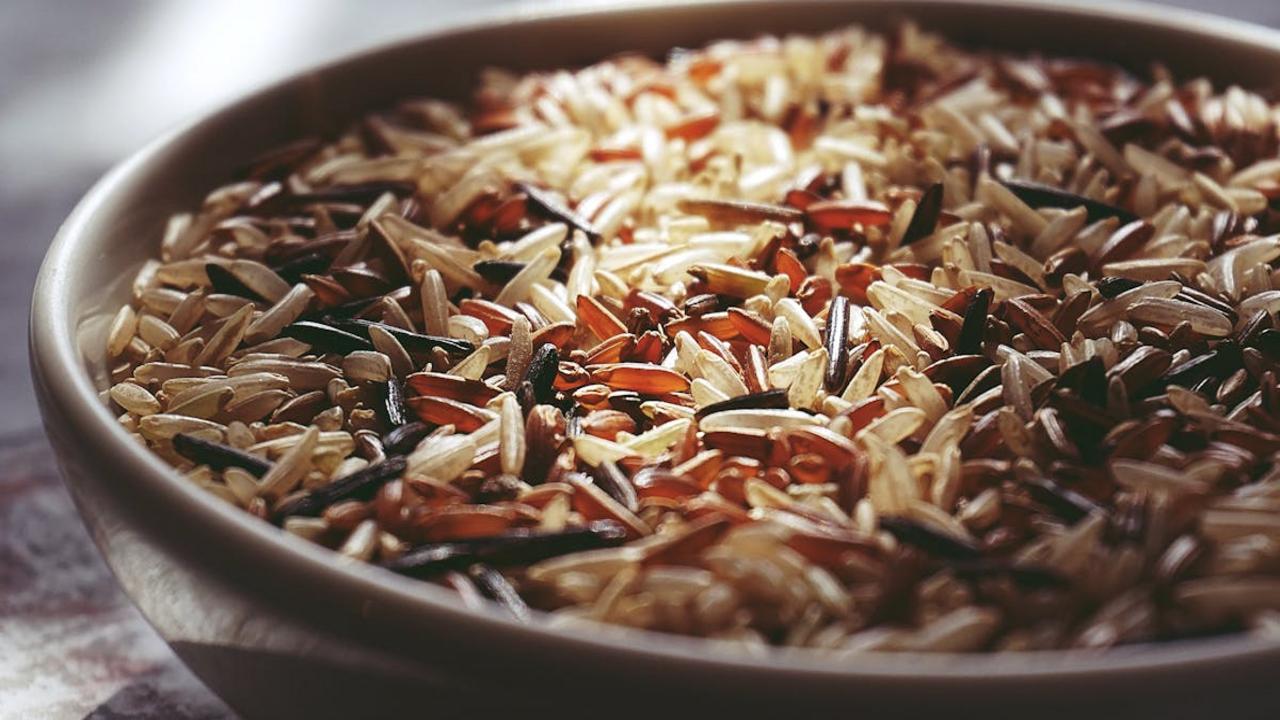
Ask any Korean what their day would feel incomplete without, and they’ll say “rice” faster than you can blink. This humble grain sits at the heart of Korean cuisine like a dependable best friend who’s always there for you. You’ll want short-grain white rice, which cooks up into perfect sticky clusters that grab onto your banchan (side dishes) just right. While your standard grocery store might stock it, I’d recommend hitting up your local Asian market for brands like Nishiki or Kokuho Rose – they’ll give you that authentic Korean table experience.
Getting your rice game right takes practice, but here’s a pro tip: rinse your rice until the water runs clear (usually 3-4 times), then let it soak for 30 minutes before cooking. This extra step makes all the difference between good rice and “oh-my-goodness-this-is-amazing” rice. If you’re feeling adventurous, mix in some purple rice or barley for added nutrition and a beautiful pop of color. And remember – investing in a solid rice cooker will make your life infinitely easier. Your Korean food adventures start with this foundation!
Soy Sauce
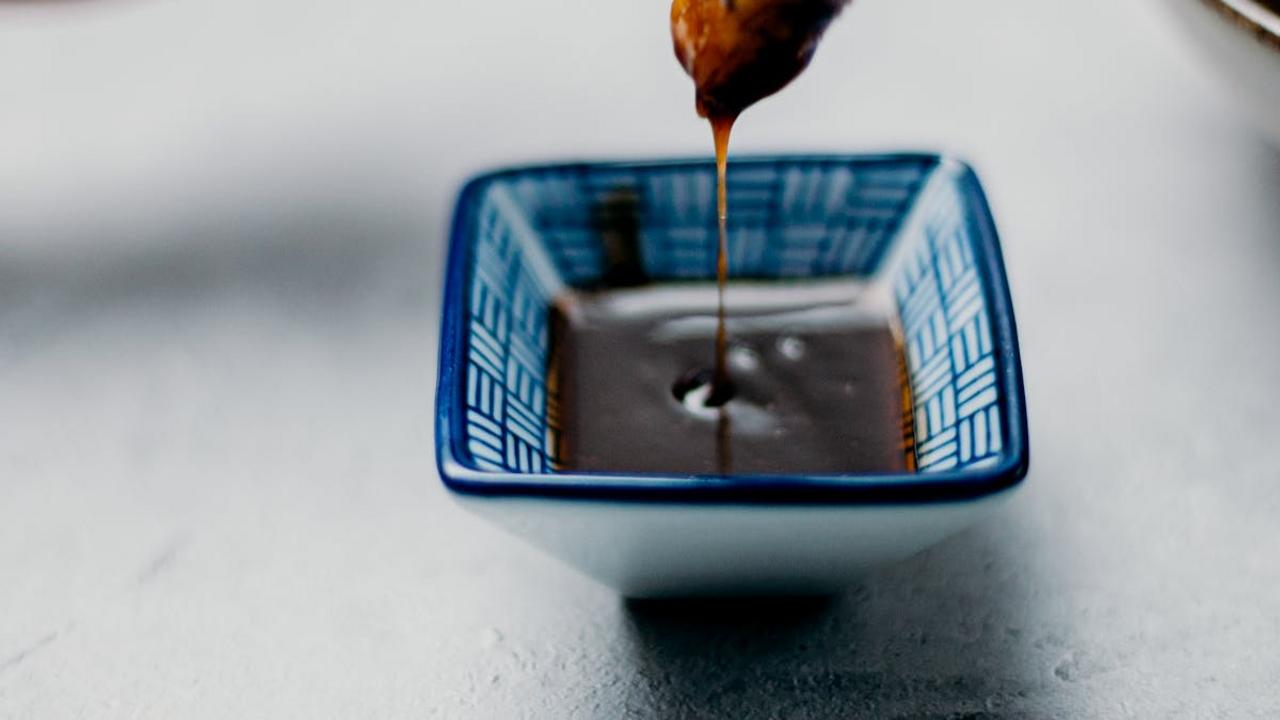
I’ve learned that not all soy sauces are created equal, especially in Korean cooking! Korean soy sauce (ganjang) brings a different kind of magic to your dishes compared to its Japanese or Chinese cousins. The Korean variety packs a deeper, more complex punch that can transform your bulgogi from “meh” to “wow!” My favorite trick? Adding a splash of ganjang to plain rice – it’s like giving your boring white rice a sparkly new outfit. Just remember to pick up the right bottle at the Asian market – look for “ganjang” or “joseon ganjang” on the label.
Your pantry needs two types of Korean soy sauce: regular (ganjang) for everyday cooking and soup soy sauce (gukganjang) for soups and stews. Gukganjang has a lighter color but more intense flavor – think of it as soy sauce’s louder, more outgoing sibling. My first attempt at making doenjang-guk with regular soy sauce instead of gukganjang was… interesting. The soup turned muddy brown instead of the clear, amber color it should’ve been. Now I keep both types on hand, and my Korean soups shine with that perfect balance of saltiness and umami that makes you want to lick the bowl clean!