13 Processed Foods You’ll Find Everywhere, From the Snack Aisle to Your Pantry
Walk through any grocery store and you’ll spot them immediately – those brightly packaged foods that seem to call your name from every aisle. These processed foods have become staples in most households, offering convenience when life gets busy. While I’m all about fresh, wholesome cooking, I understand that reality sometimes demands quick solutions.
The truth is, many of us rely on these packaged options more than we’d like to admit. From morning cereals to late-night snacks, processed foods fill our pantries and satisfy our cravings. Understanding what you’re actually eating helps you make better choices for your family’s health and happiness.
You don’t need to eliminate everything processed from your kitchen overnight. Instead, focus on balance – keep some convenient options while adding more fresh, homemade alternatives. Small swaps can make a huge difference in how you feel and fuel your body every day.
Energy Drinks

You know those brightly colored cans lining entire sections of gas stations and grocery stores? Energy drinks have become one of the most visible processed foods in our daily lives, and honestly, they’re hard to miss with their bold marketing and promises of instant alertness. These beverages pack a serious punch with caffeine levels that often exceed your morning coffee by two or three times, plus a cocktail of synthetic vitamins, artificial flavors, and sugar substitutes. I’ve watched friends reach for these drinks during afternoon slumps, thinking they’re getting a quick energy boost, but what they’re really getting is a highly processed blend that can send blood sugar and heart rates on quite the roller coaster ride.
The ingredients list on most energy drinks reads like a chemistry experiment – taurine, guarana, B-vitamins in synthetic forms, and artificial colors that create those electric blues and neon greens. While manufacturers market these drinks as performance boosters, the reality is that you’re consuming a heavily processed product that delivers short-term energy followed by an inevitable crash. Instead of reaching for these processed options, try making your own energy boost at home with green tea, a splash of natural fruit juice, and a pinch of sea salt. Your body will thank you for choosing real ingredients over synthetic stimulants, and you’ll avoid the jittery feeling that comes with these highly processed beverages.
Boxed Mac and Cheese

You know that bright orange box sitting in your pantry right now? That’s probably one of the most recognizable processed foods in America, and honestly, I get why it’s such a staple. Boxed mac and cheese delivers comfort in under ten minutes, making it a lifesaver for busy weeknights or when you need something quick and satisfying. The pasta comes pre-shaped, and that powdered cheese sauce packet transforms into creamy goodness with just milk and butter. Sure, it’s loaded with preservatives, artificial colors, and sodium, but sometimes you just need that nostalgic bowl of cheesy noodles that reminds you of childhood.
Here’s what I love about having this processed option around – you can actually make it healthier without losing the comfort factor! Try stirring in some steamed broccoli, diced tomatoes, or leftover rotisserie chicken to boost the nutrition. You can even swap regular milk for something with more protein or add a handful of spinach that wilts right into the sauce. While I always encourage making homemade mac and cheese from scratch, having a box or two in your pantry means you’re never more than minutes away from a warm, filling meal that hits all the right comfort spots.
Packaged Deli Meats

You probably grab packaged deli meats without thinking twice about them, but these convenient proteins pack more processing than you might realize. From your favorite turkey slices to that ham you love on sandwiches, these meats go through multiple steps including curing, smoking, and adding preservatives like sodium nitrates and nitrites. Many brands also include phosphates, artificial flavors, and loads of sodium to maintain that familiar taste and texture we expect. While they make lunch prep incredibly easy, understanding what goes into these products helps you make better choices for your family.
The good news is that you don’t have to give up convenience entirely! Look for brands that use minimal ingredients and avoid artificial preservatives when possible. Some companies now offer uncured options that use celery powder instead of synthetic nitrites, giving you cleaner ingredients without sacrificing flavor. You can also balance things out by pairing your deli meats with fresh vegetables, whole grain breads, and plenty of water to help offset the sodium content. Remember, moderation is key – these processed meats can absolutely fit into a healthy lifestyle when you choose quality options and enjoy them as part of balanced meals.
Potato Chips

You know those crispy, golden slices that call your name from every grocery store aisle? Potato chips have become the ultimate snack companion, transforming simple potatoes into irresistible crunchy bites. These thin-cut potato rounds get deep-fried or baked until they reach that perfect snap, then coated with salt and countless flavor combinations. From classic sea salt to bold barbecue, spicy jalapeño, or even exotic truffle varieties, manufacturers have created endless options to satisfy every craving.
While I absolutely understand the appeal of reaching for a bag during movie nights or afternoon hunger pangs, these processed snacks pack more than just satisfying crunch. Most commercial potato chips contain high levels of sodium, unhealthy trans fats, and artificial additives that your body doesn’t really need. But here’s the exciting part – you can easily make your own healthier versions at home! Try slicing sweet potatoes or regular potatoes paper-thin, brushing them lightly with olive oil, sprinkling with herbs, and baking until crispy. You’ll get that same satisfying crunch with wholesome ingredients you can actually pronounce.
Frozen Pizza

Frozen pizza sits in practically every freezer across America, and honestly, I totally get why! This convenient dinner solution transforms from cardboard-flat disc to bubbling, cheesy goodness in just 12-15 minutes. You’ll spot countless varieties lining the frozen food aisles – from classic pepperoni and supreme combinations to cauliflower crusts and gluten-free options. The appeal is undeniable: no prep work, minimal cleanup, and consistent results every single time you pop one in the oven.
While frozen pizza certainly saves the day during busy weeknights, you can make this processed food work harder for your health with a few simple tweaks. I love adding fresh vegetables like bell peppers, spinach, or cherry tomatoes right on top before baking – they roast beautifully and boost the nutritional value significantly. You can also upgrade the protein by sprinkling some leftover grilled chicken or turkey pepperoni. Choose brands with whole grain crusts when possible, and consider using frozen pizza as your base for creativity rather than settling for exactly what comes in the box. This way, you get convenience without completely sacrificing nutrition!
Instant Noodles

You know those steaming bowls of instant noodles that call your name during late-night study sessions or busy weekdays? These convenient packets have become a pantry staple for millions worldwide, and honestly, I get why they’re so popular. The magic happens through a process called flash-frying, where fresh noodles get quickly fried and dehydrated, creating those familiar wavy blocks that cook up in just minutes. While they’re undeniably convenient, most instant noodles pack a serious sodium punch – sometimes containing more than half your daily recommended intake in a single serving.
Here’s the thing about instant noodles: you can totally make them work in a healthier meal plan with a few simple tweaks. I love adding fresh vegetables like spinach, carrots, or mushrooms to boost the nutritional value, and cracking an egg into the hot broth creates extra protein and richness. You can also use only half the seasoning packet to cut down on sodium, then amp up the flavor with fresh herbs, a splash of low-sodium soy sauce, or a squeeze of lime. Remember, these noodles are meant to be a quick meal solution, not your everyday dinner – but when you need something fast and comforting, they definitely deliver on both fronts.
Canned Soups
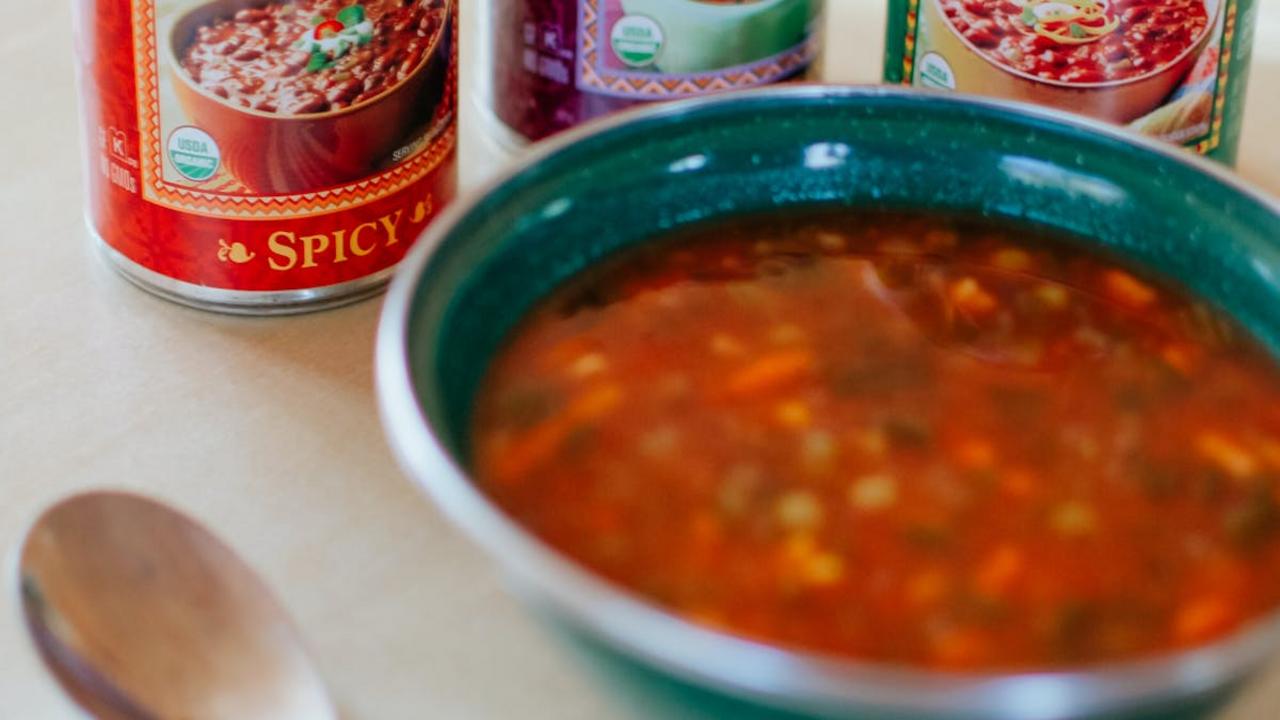
You’ll spot canned soups lining practically every grocery store shelf, and there’s a good reason they’ve become such a pantry staple. These convenient meal solutions pack sodium levels that can reach astronomical heights – sometimes containing up to 40% of your daily recommended intake in just one serving! The processing methods strip away many of the fresh nutrients you’d find in homemade versions, while artificial preservatives and flavor enhancers step in to maintain that long shelf life. Despite their convenience factor, most commercial varieties rely heavily on refined starches, processed vegetables, and synthetic additives to create their signature textures and flavors.
Don’t worry though – you can absolutely enjoy the convenience of canned soups while making smarter choices! Look for low-sodium or reduced-sodium options that give you more control over your daily salt intake. Better yet, scan the ingredient list for varieties made with recognizable whole foods like actual vegetables, lean proteins, and minimal additives. You can also transform any canned soup into a more nutritious meal by adding fresh vegetables, herbs, or a handful of spinach during heating. This simple trick boosts the vitamin content while diluting some of that excess sodium, giving you the best of both worlds – convenience and better nutrition for your busy lifestyle.
Soda

You probably grab a can or bottle of soda without thinking twice about it, but this bubbly drink represents one of the most processed beverages in your fridge. Manufacturers create soda by combining carbonated water with high fructose corn syrup or artificial sweeteners, artificial flavors, preservatives, and food coloring. The production process strips away any natural elements, leaving you with a liquid that your body doesn’t recognize as real food. Even diet versions pack artificial ingredients that can trigger cravings and disrupt your metabolism.
I know how tempting that fizzy sweetness can be, especially on a hot day or with your favorite meal. Instead of reaching for that processed bottle, try making your own sparkling drinks at home! Mix plain sparkling water with fresh fruit juice, muddle some berries, or add a splash of kombucha for natural probiotics. You can even freeze fruit pieces in ice cube trays to create flavorful, colorful additions to your homemade sodas. Your body will thank you for choosing real ingredients over artificial ones, and you’ll discover flavors that actually nourish you while satisfying that craving for something special to drink.
Packaged Cookies

You know those irresistible packaged cookies that seem to call your name from every grocery store shelf? From classic chocolate chip to fancy sandwich varieties, these sweet treats have become pantry staples in homes everywhere. Most commercial cookies pack impressive shelf lives thanks to preservatives, stabilizers, and modified ingredients that keep them fresh for months. While they’re convenient for lunchboxes and midnight snacking, many contain high amounts of added sugars, trans fats, and artificial flavors that can leave you feeling less than satisfied.
Here’s the thing about store-bought cookies – they often lack the wholesome ingredients and love that make homemade versions so special. Instead of real butter and pure vanilla, you’ll frequently find palm oil, corn syrup, and artificial vanilla flavoring. But don’t worry! You can absolutely enjoy cookies as part of a balanced lifestyle. Try reading labels and choosing brands with shorter ingredient lists, or better yet, set aside a weekend afternoon to bake your own batch. Homemade cookies give you complete control over sugar content, and you can sneak in nutritious additions like oats, nuts, or even a touch of whole wheat flour.
Microwave Popcorn

You grab that familiar box from your pantry shelf, tear open the package, and within minutes your kitchen fills with that unmistakable buttery aroma. Microwave popcorn has become the go-to snack for movie nights, late-night study sessions, and quick hunger fixes. This convenient treat transforms plain corn kernels into fluffy, seasoned bites through steam pressure and artificial flavoring systems. Most brands coat their kernels with partially hydrogenated oils, artificial butter flavoring, and preservatives to create that signature taste and extended shelf life.
While microwave popcorn offers undeniable convenience, you might want to consider what’s actually inside that bag. Many commercial varieties contain diacetyl, a chemical compound that creates the buttery flavor but has raised health concerns over the years. The high sodium content and trans fats found in traditional microwave popcorn can add up quickly if you make it your regular snacking choice. Instead, try air-popping your own kernels on the stovetop with a drizzle of olive oil and your favorite seasonings – you’ll get the same satisfying crunch with complete control over the ingredients that go into your bowl.
Hot Dogs

Hot dogs sit right at the heart of American convenience culture, and honestly, I get why they’re everywhere! You’ll spot them in stadium concession stands, gas station rollers, and probably tucked away in your own freezer right now. These processed meat cylinders pack a serious punch of sodium, preservatives like nitrates, and fillers that might make your head spin if you read the ingredient list too closely. Most commercial hot dogs contain a blend of mechanically separated chicken, pork, or beef, along with corn syrup, modified food starch, and enough salt to make your taste buds do a little dance.
Now, before you swear off barbecues forever, I want you to know that not all hot dogs are created equal! You can find cleaner versions made with grass-fed beef, organic turkey, or even plant-based alternatives that skip the nitrates and mystery ingredients. Look for brands that list real meat as the first ingredient and avoid those with long chemical names you can’t pronounce. When you do grab hot dogs for your next cookout, pair them with fresh toppings like sauerkraut, diced onions, or homemade relish to add some nutritional value to your meal. Remember, moderation is your friend here – hot dogs can absolutely have a place in your life when you choose wisely and don’t make them a daily habit.
White Bread

White bread sits on practically every grocery store shelf, and there’s a good reason it’s become such a pantry staple across America. This soft, pillowy loaf goes through an extensive refining process that strips away the wheat’s bran and germ, leaving behind mostly the starchy endosperm. Manufacturers then bleach the flour to achieve that pristine white color we recognize, and they add back synthetic vitamins and minerals to replace some of what was lost during processing. The result? A bread that’s incredibly shelf-stable and has that familiar, mild flavor that pairs well with everything from peanut butter to sandwich meats.
You’ll notice white bread contains preservatives, dough conditioners, and often high fructose corn syrup or sugar to enhance texture and extend freshness. While it’s convenient and budget-friendly, this processing removes much of the fiber, protein, and natural nutrients found in whole grain alternatives. If you’re looking to make a simple swap in your kitchen, try gradually introducing whole grain breads into your routine. Start by mixing half white and half whole grain for sandwiches, then slowly increase the whole grain ratio as your family adjusts to the heartier texture and nuttier flavor.
Breakfast Cereals

Your morning bowl of cereal might seem innocent enough, but most breakfast cereals rank among the most heavily processed foods you’ll stock in your pantry. Manufacturers transform whole grains into tiny shapes through high-heat extrusion, then coat them with sugar, artificial colors, and synthetic vitamins to create those colorful, crunchy pieces your kids beg for. Even cereals marketed as “healthy” often contain more sugar per serving than a chocolate chip cookie, plus preservatives and stabilizers to keep them shelf-stable for months.
You can make smarter choices by reading labels carefully and looking for cereals with fewer than 6 grams of sugar per serving and at least 3 grams of fiber. Better yet, try making your own granola at home with rolled oats, nuts, seeds, and a touch of honey or maple syrup. I love mixing steel-cut oats with fresh berries and cinnamon for a hearty breakfast that keeps me satisfied all morning. Your body will thank you for choosing whole foods over those brightly colored boxes, and you’ll discover that real food actually tastes better than anything that comes with a cartoon mascot on the package.