14 Ways Convenience Foods Quietly Cost You Money Flavor and Cooking Skills
Convenience foods promise quick solutions, but they’re silently stealing more than just your time in the kitchen. Every time you reach for that pre-packaged meal or processed snack, you’re trading away precious opportunities to develop your cooking instincts and connect with real ingredients.
I’ve watched countless home cooks lose their confidence because they’ve become dependent on boxes and bags instead of trusting their own hands. These shortcuts don’t just drain your wallet—they rob you of the deep satisfaction that comes from creating something beautiful and nourishing from scratch.
Your body craves the vibrant nutrients and complex flavors that only whole foods can provide. Breaking free from processed dependencies opens up a world where you become the master of your own kitchen, creating meals that truly feed your soul.
Encouragement of Overconsumption
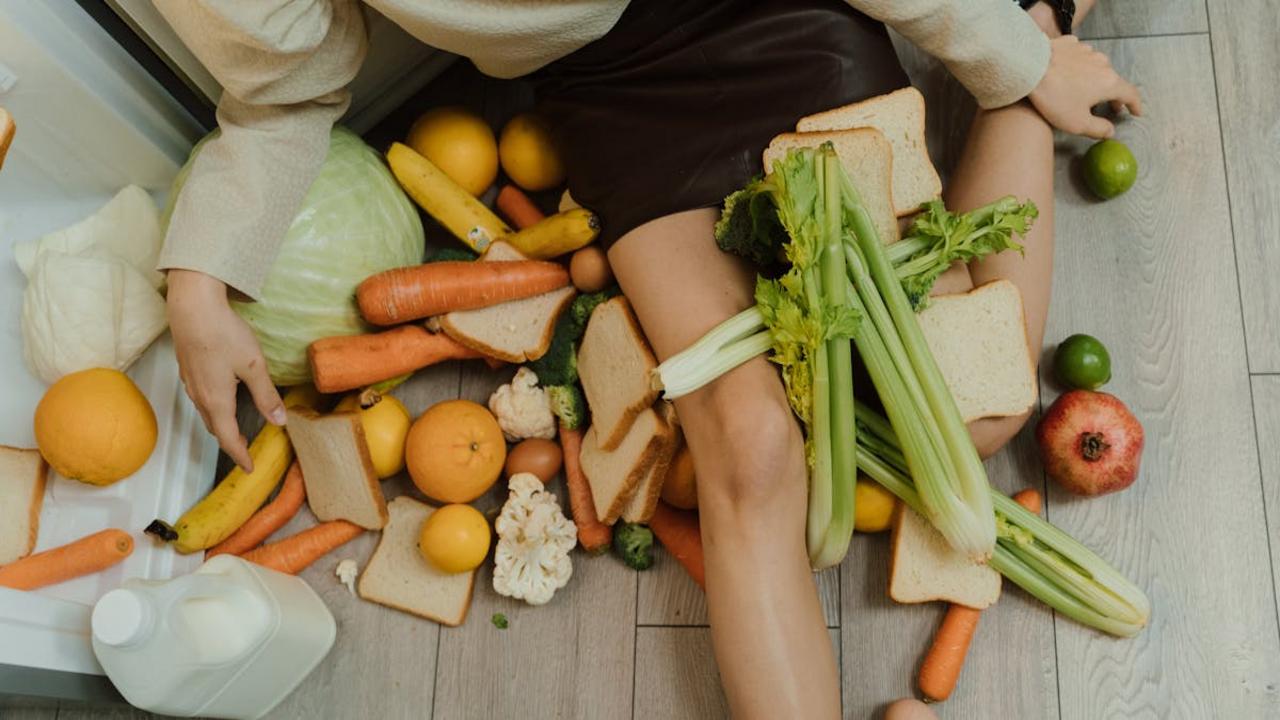
Convenience foods practically scream “eat more!” from their flashy packaging and supersized portions. I’ve watched friends mindlessly munch through entire bags of chips or polish off family-sized frozen dinners meant for four people. These products are designed to bypass your natural hunger cues with their perfect blend of salt, sugar, and fat that keeps you reaching for more. The portion sizes have grown so dramatically over the decades that what once fed a family now feels like a single serving to many people.
When you cook from scratch, something beautiful happens – you naturally tune into your body’s signals and create meals that truly satisfy. I notice how a bowl of homemade lentil curry with fresh herbs and spices keeps me content for hours, while processed alternatives leave me hunting for snacks within the hour. Your wallet feels the difference too, as those “just one more” convenience purchases add up quickly. By preparing your own meals with whole ingredients, you regain control over portions and break free from the expensive cycle of manufactured hunger that convenience foods create.
Monotony of Diet

You know what happens when you rely too heavily on convenience foods? Your meals start looking eerily similar week after week. Those frozen dinners, pre-packaged salads, and instant everything create a repetitive cycle that your palate grows tired of faster than you’d think. I see this pattern constantly – people get stuck in a rut of rotating between the same five or six processed options because they seem quick and easy. But here’s what really gets me: while you think you’re saving time, you’re actually robbing yourself of the incredible variety that fresh cooking brings to your table.
When you cook from scratch, even with simple ingredients, you naturally create diversity in your meals. One day you’re roasting vegetables with Middle Eastern spices, the next you’re tossing together a quick Asian-inspired stir-fry with whatever’s in your fridge. This variety isn’t just about preventing boredom – it’s about nourishing your body with different nutrients, textures, and flavors that processed foods simply can’t match. Plus, breaking free from that convenience food monotony saves you money in the long run because you stop buying those expensive pre-made meals that all taste disappointingly similar anyway.
Decreased Meal Satisfaction

You know that feeling when you finish a meal and somehow feel unsatisfied, even though your stomach is full? That’s what happens when you rely heavily on convenience foods. These processed options often lack the complex flavors, textures, and aromas that signal true satisfaction to your brain. Your body craves variety and depth in taste, but most packaged meals deliver flat, one-dimensional flavors that leave you reaching for more food shortly after eating. I’ve noticed this pattern with so many friends who depend on frozen dinners and instant meals – they eat, feel temporarily full, then find themselves snacking within hours.
When you cook fresh ingredients yourself, you create layers of satisfaction that processed foods simply can’t match. The sizzle of garlic hitting hot oil, the way fresh herbs brighten a simple grain bowl, or how slow-cooked vegetables develop their natural sweetness – these experiences feed more than just hunger. They nourish your senses and create genuine contentment that lasts for hours. This deep satisfaction means you naturally eat less overall, your cravings decrease, and you stop that expensive cycle of constantly buying snacks and extras to fill the void that convenience foods leave behind. Real food satisfaction saves money because satisfied people don’t overeat or constantly graze.
Encouragement of Food Deserts
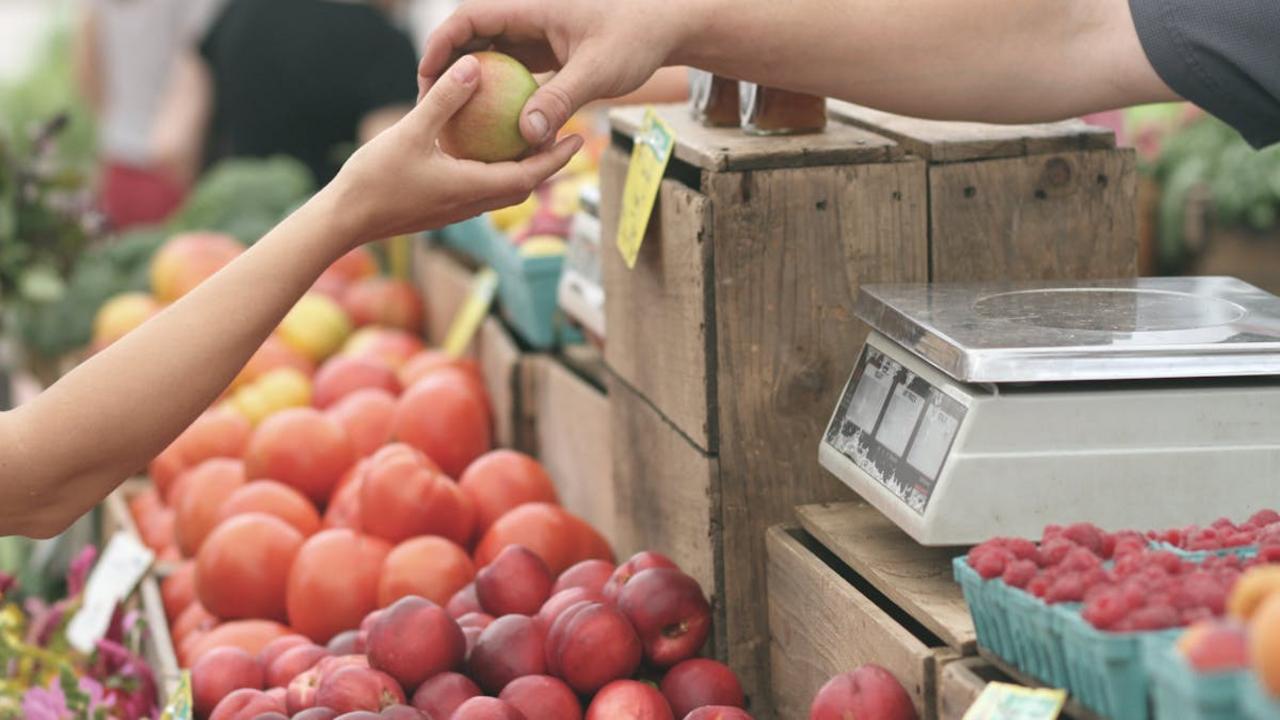
You know what breaks my heart? Walking through neighborhoods where the only “fresh” options come from gas station coolers and dollar store shelves. Convenience foods don’t just cost you money—they actively contribute to creating and maintaining food deserts in communities that need real nutrition most. When we consistently choose packaged meals over supporting local grocers and farmers’ markets, we send a clear economic message that processed food wins over fresh produce.
I’ve seen this pattern firsthand in communities across the country. Big box stores stock their shelves with shelf-stable convenience items because they know people will buy them, while fresh produce sections shrink or disappear entirely. Your purchasing power matters more than you realize. Every time you pick up that frozen dinner instead of visiting the neighborhood market for fresh ingredients, you’re inadvertently voting with your wallet against food access in your community. The solution starts with small changes—buying one fresh ingredient instead of a pre-made version, supporting local vendors when possible, and showing these businesses that real food still has value in our daily lives.
Loss of Cooking Skills
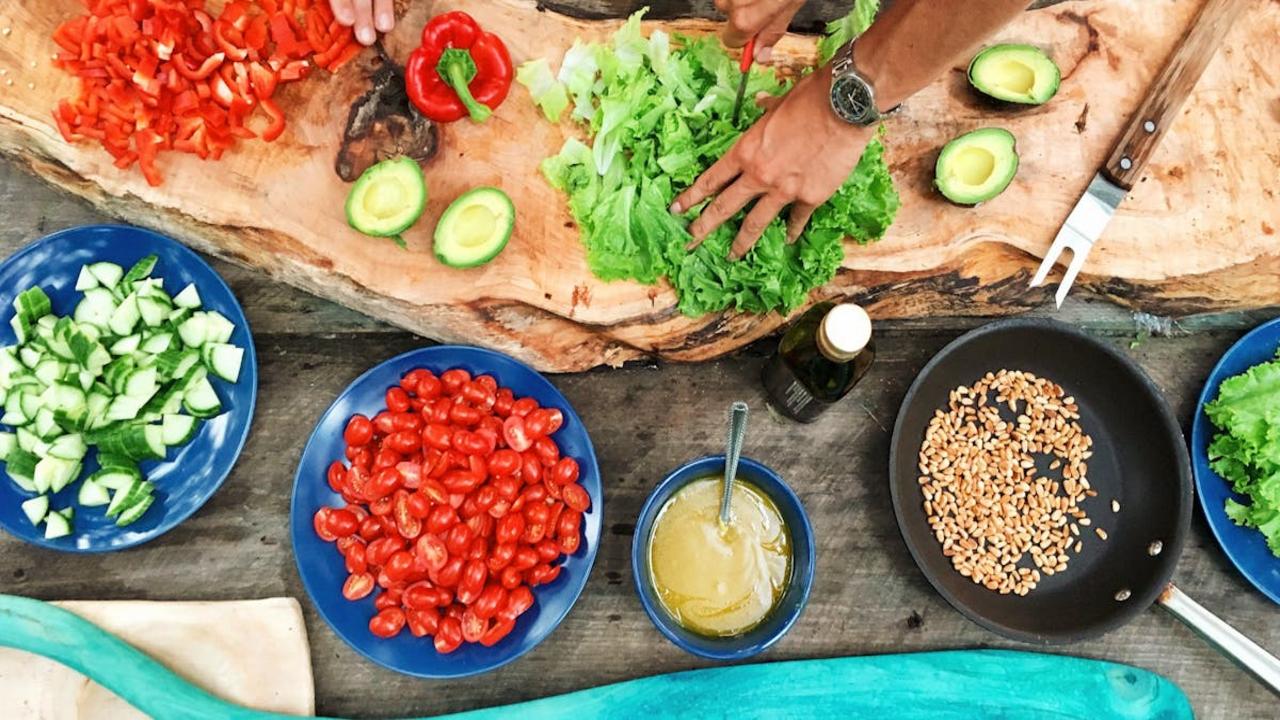
I watch friends struggle to cook a simple omelet, and my heart breaks a little. Years of relying on pre-made meals and frozen dinners have created a generation that feels intimidated by their own kitchens. You lose that intuitive understanding of how ingredients work together—the way onions sweeten when they caramelize, how salt brings out natural flavors, or why your grandmother always added a pinch of sugar to her tomato sauce. These aren’t just cooking techniques; they’re connections to nourishment that get severed when we consistently choose convenience over creativity.
What really concerns me is how this dependency creates a vicious cycle that drains your wallet. Without basic knife skills, you can’t break down whole chickens or prep vegetables efficiently, so you buy expensive pre-cut produce. You don’t know how to build flavors from scratch, so you reach for costly seasoning packets and sauce bottles. Most heartbreaking of all, you miss the confidence that comes from transforming simple ingredients into something magical. I’ve seen students light up when they realize they can make restaurant-quality curry with just spices, coconut milk, and vegetables—suddenly they’re saving money and eating better than they ever imagined possible.
Long Term Health Costs

Your body keeps a running tab on every processed meal you feed it, and trust me, the bill comes due eventually. Those convenient frozen dinners loaded with sodium, preservatives, and hidden sugars might save you time today, but they’re quietly setting you up for expensive health problems down the road. High blood pressure, diabetes, heart disease, and obesity don’t just appear overnight—they develop slowly from years of choosing convenience over nutrition. I’ve watched friends spend thousands on medications and doctor visits, wondering how their health deteriorated so quickly, not realizing their daily food choices were the primary culprit.
The financial impact hits harder than most people realize. A single diabetes diagnosis can cost you over $16,000 annually in medical expenses, medications, and monitoring supplies. Heart disease treatments can easily reach $50,000 or more. Compare that to the extra few dollars you spend on fresh ingredients and home-cooked meals—suddenly, chopping vegetables and cooking from scratch looks like the smartest investment you can make. I started viewing my kitchen time differently once I calculated these numbers. Every homemade meal isn’t just nourishing my family; it’s protecting our financial future from devastating medical bills that could have been prevented with better daily choices.
Packaging Waste
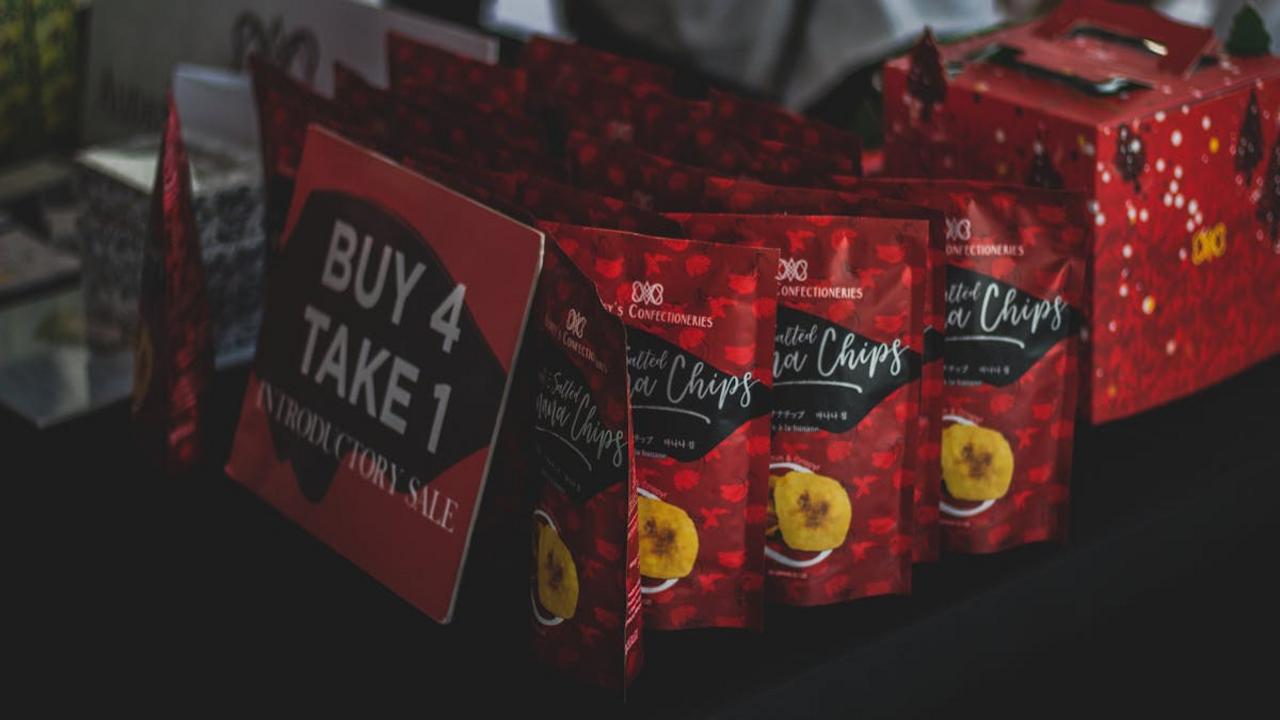
Every time you reach for that pre-packaged salad or frozen dinner, you’re not just paying for the food—you’re funding an elaborate packaging system that quietly drains your wallet. Those plastic containers, sealed trays, and individual portion wraps cost money to produce, and guess who absorbs that expense? You do, through higher prices. I’ve watched friends spend $8 on a small container of pre-cut vegetables that would cost $2 if they bought them whole. The markup isn’t just for convenience; it’s covering the cost of all that plastic, cardboard, and specialized sealing materials that keep your food looking pristine on the shelf.
Here’s what really gets me: most of that packaging heads straight to your trash can within minutes of opening. You’re literally paying extra to create waste in your home. When I make my own granola instead of buying those individually wrapped bars, I save money and reduce the mountain of wrappers that would otherwise pile up in my kitchen. Fresh ingredients come with minimal packaging—a bunch of cilantro in a simple rubber band, tomatoes in a paper bag, grains from bulk bins in your own containers. Your grocery budget stretches further when you’re not subsidizing the packaging industry with every purchase, and your home stays cleaner without constant wrapper management.
Environmental Impact

Every time you grab that frozen dinner or pre-packaged snack, you’re unknowingly contributing to a massive environmental footprint that extends far beyond your kitchen. The convenience food industry generates enormous amounts of packaging waste—from plastic trays and film wraps to cardboard boxes and aluminum containers—most of which ends up in landfills or our oceans. I’ve seen firsthand how switching to whole ingredients transforms not just your health but also your environmental impact. When you buy fresh vegetables, grains, and proteins in bulk or with minimal packaging, you dramatically reduce the waste that leaves your home.
The carbon footprint of convenience foods tells an even more concerning story. These products often travel thousands of miles through complex supply chains, require energy-intensive processing facilities, and demand refrigerated transport and storage. Compare this to cooking with seasonal, local ingredients—something I’ve grown passionate about through my travels and cooking experiences. When you prepare meals from scratch using ingredients sourced from nearby farms or markets, you’re supporting shorter supply chains and reducing transportation emissions. Plus, you’re reconnecting with the natural rhythms of food production, discovering how much more vibrant and flavorful ingredients taste when they haven’t been processed, preserved, and shipped across continents.
Increased Risk of Allergies

Friend, I’ve noticed something troubling during my years of cooking and talking with families about their food choices. Convenience foods often contain hidden allergens that manufacturers slip into products where you’d never expect them. That innocent-looking frozen pizza might contain soy protein isolates, while your favorite instant soup could have traces of nuts or dairy derivatives listed under cryptic chemical names. These sneaky ingredients force your immune system into constant alert mode, potentially triggering sensitivities you never had before.
When you cook from scratch, you control every single ingredient that touches your plate. I remember helping a neighbor discover that her daughter’s mysterious skin reactions disappeared completely once we started making homemade versions of her favorite snacks. The processed cookies she loved contained multiple preservatives and artificial additives that were irritating her system. Now, we bake simple oat cookies with just flour, butter, eggs, and real vanilla – no mysterious numbers or unpronounceable chemicals. Your body recognizes real food and responds with gratitude instead of inflammation.
Impact on Gut Health

Your gut microbiome thrives on diversity, and convenience foods deliver the opposite – a monotonous parade of refined sugars, artificial preservatives, and inflammatory oils that starve your beneficial bacteria. I’ve watched friends struggle with digestive issues for years, only to see dramatic improvements once they traded their freezer meals for fresh, fiber-rich foods. When you cook from scratch, you naturally include fermented elements like miso in your stir-fries, yogurt in your marinades, or pickled vegetables alongside your main dishes. These living foods feed the good bacteria that keep your digestive system running smoothly and support your immune function.
The hidden cost here goes beyond immediate discomfort – poor gut health affects your mood, energy levels, and long-term disease risk. Convenience foods often lack the prebiotic fibers found in whole grains, legumes, and vegetables that your microbiome desperately needs. I’ve noticed that since I started making my own bone broths, fermenting vegetables, and incorporating more plant diversity into my meals, my digestion improved dramatically. You’re not just saving money by avoiding processed foods; you’re investing in a healthier gut ecosystem that will serve you for decades. Every homemade meal becomes an opportunity to nourish the trillions of microorganisms that keep you feeling your best.
Preservatives and Additives
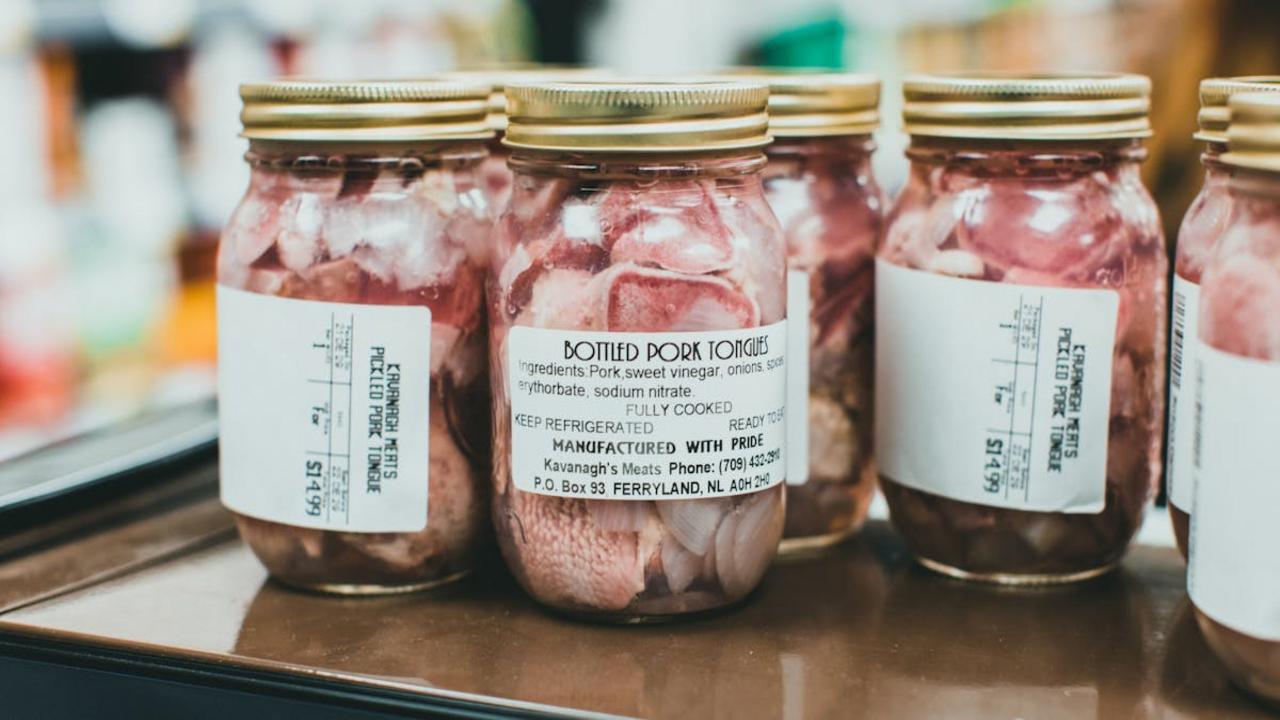
When you grab that frozen dinner or packaged snack, you’re not just buying food—you’re purchasing a chemistry experiment. Those unpronounceable ingredients listed on the back? They’re preservatives and additives working overtime to keep your food shelf-stable for months, sometimes years. BHT, sodium benzoate, artificial colors, and countless other synthetic compounds become part of your daily intake without you even realizing it. I’ve seen friends develop mysterious headaches and digestive issues that disappeared once they started cooking fresh meals at home.
Your body wasn’t designed to process these chemical cocktails, and the long-term effects remain largely unknown. Instead of trusting corporations with your health, why not take control? Fresh herbs like rosemary and thyme naturally preserve food while adding incredible flavor. Sea salt, citrus juice, and proper storage techniques can extend your homemade meals’ life without compromising your wellbeing. When you cook from scratch using whole ingredients, you know exactly what goes into your body. Your energy levels will thank you, your skin will glow, and you’ll taste the difference that real food makes in every single bite.
Hidden Sugars

You know that sneaky feeling when you think you’re making a healthy choice, only to discover you’ve been fooled? That’s exactly what happens with hidden sugars in convenience foods. I remember the day I flipped over a “healthy” granola bar package and counted not one, not two, but seven different types of sugar listed in the ingredients. My heart sank because I’d been feeding these to my family thinking I was doing something good for them. The food industry has become incredibly clever at disguising sugar under names like brown rice syrup, maltodextrin, and evaporated cane juice – they sound so much healthier than plain old sugar, don’t they?
These hidden sugars don’t just impact your health; they’re stealing money right from your wallet while dulling your ability to appreciate natural sweetness. When you constantly consume foods loaded with artificial sweeteners and hidden sugars, your palate becomes desensitized to the subtle sweetness of a perfectly ripe mango or the natural caramel notes in roasted sweet potatoes. I’ve seen this happen with my own cooking students – they’ll add sugar to everything because they can’t taste the inherent sweetness in whole foods anymore. By learning to cook from scratch and reading labels carefully, you’ll save money on expensive “health” foods that aren’t actually healthy, and you’ll rediscover how satisfying real ingredients can be. Your morning oats with fresh berries and a drizzle of honey will taste infinitely better than any processed breakfast bar ever could.
Elevated Sodium Levels

When you grab that frozen dinner or canned soup, you’re unknowingly inviting a sodium bomb into your kitchen. Most convenience foods pack astronomical amounts of salt—sometimes exceeding your entire daily recommended intake in just one serving. I’ve checked labels that made my eyes water: a single frozen entrée containing over 1,500 milligrams of sodium, which is nearly your whole day’s worth! This excessive sodium doesn’t just affect your blood pressure; it trains your palate to crave increasingly salty flavors, making fresh, naturally seasoned foods taste bland by comparison.
Here’s what really gets me fired up: manufacturers use sodium as a cheap flavor enhancer and preservative, masking the fact that many processed ingredients lack real depth. When you cook from scratch, you control every grain of salt that goes into your meal. You can build complex flavors using fresh herbs, spices, citrus, and aromatics—techniques that actually enhance your cooking skills rather than dulling them. Start reducing processed foods gradually, and watch how your sensitivity to natural flavors returns. Your homemade curry will suddenly burst with nuanced spice notes, and that simple roasted vegetable dish will taste like the celebration it truly is.
Nutritional Deficiency

You know what really gets me fired up? Walking down the grocery aisle and seeing people fill their carts with boxes and packages, thinking they’re feeding their families well. Here’s the truth I’ve learned after years of cooking from scratch: convenience foods strip away the very nutrients your body craves. Those bright packages promise quick meals, but they’re often loaded with refined sugars, unhealthy fats, and synthetic vitamins that your body barely recognizes. Meanwhile, the fiber, antioxidants, and natural minerals found in whole ingredients get processed right out.
I remember the day I realized my energy levels soared after ditching packaged meals for simple, whole-food cooking. Fresh vegetables retain their vitamin C, leafy greens keep their iron and folate intact, and whole grains provide sustained energy that no processed cereal can match. When you cook with real ingredients, you control what goes into your body. That homemade lentil curry with fresh turmeric and ginger? It’s delivering anti-inflammatory compounds that no factory can replicate. Your wallet might feel lighter initially buying quality ingredients, but your body will thank you with better health, fewer doctor visits, and energy that doesn’t crash at 3 PM.