12 Iconic American Dishes People Either Love or Hate
American food sparks heated debates at dinner tables nationwide. Some dishes create instant mouth-watering cravings while others make people run screaming from the kitchen. From Hawaiian pizza (which isn’t Hawaiian at all) to the strange marriage of chicken and waffles, these polarizing foods have drawn battle lines between family members for generations.
I’ve watched friendships temporarily fracture over whether beans belong in chili or if ranch dressing deserves a place on pizza. The mention of black licorice can empty a room faster than announcing tax audits. Meanwhile, Brussels sprouts have transformed from childhood nightmares to trendy restaurant staples, proving that even the most divisive foods can find redemption.
What makes these 12 iconic dishes so controversial? Perhaps it’s their bold flavors, unusual combinations, or the childhood memories they trigger. American cheese melts some hearts while hardening others. Deep dish pizza creates fierce loyalty in Chicago but eye-rolls elsewhere. These foods don’t just feed us—they divide us into passionate camps of devoted fans and dedicated haters.
Brussels Sprouts
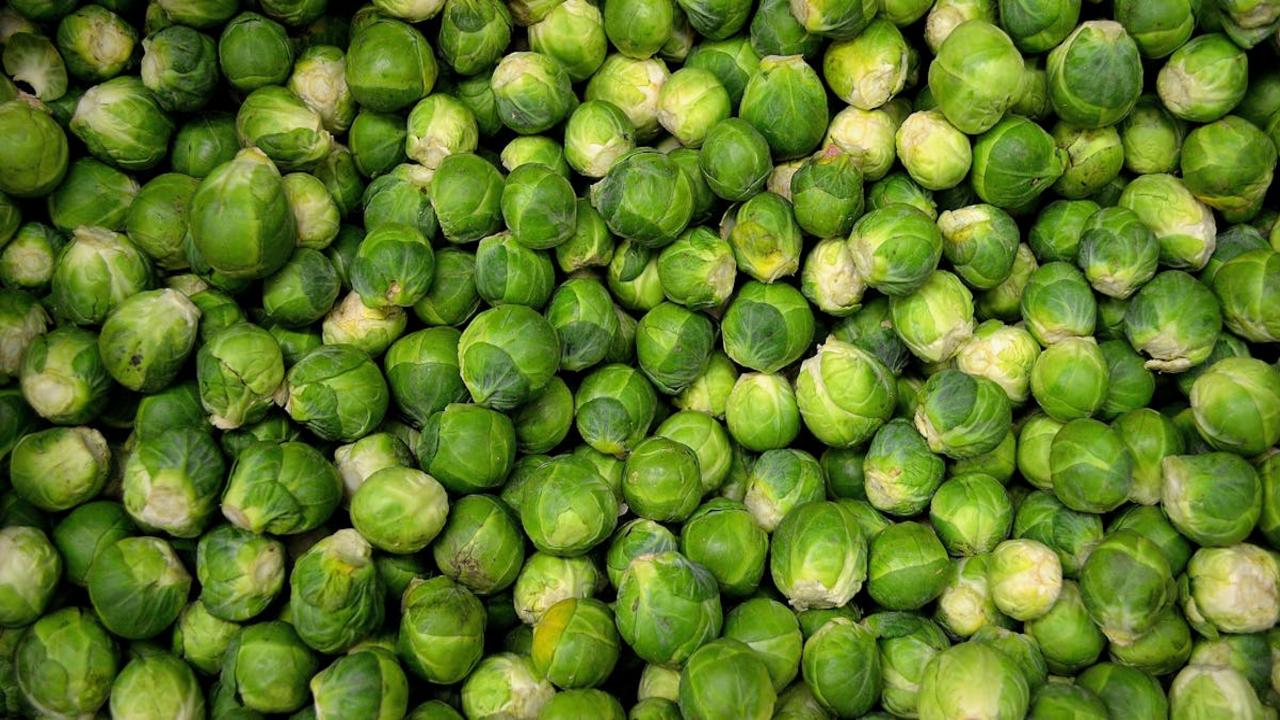
Oh, Brussels sprouts – the tiny green cabbages that somehow became America’s most polarizing vegetable! You either worship these mini masterpieces or run screaming from the dinner table like a five-year-old. There’s absolutely no middle ground here, folks. These little spheres of controversy pack more drama than a soap opera, and honestly, I’m here for it. Fun fact: Brussels sprouts actually got their bad rap because for decades, people boiled them into mushy, sulfurous submission. No wonder kids everywhere developed PTSD from these poor, misunderstood vegetables!
But here’s where things get interesting – roast those bad boys with some olive oil, salt, and maybe a drizzle of balsamic, and suddenly you’ve got crispy, caramelized gems that’ll convert even the most stubborn haters. I’ve watched grown adults do complete 180s after trying properly prepared Brussels sprouts, and it’s honestly magical to witness. The secret lies in high heat and patience – let them get those gorgeous brown edges that taste like vegetable candy. Pro tip: slice them in half, toss with bacon bits (because bacon makes everything better), and watch your dinner guests question everything they thought they knew about vegetables!
Cilantro
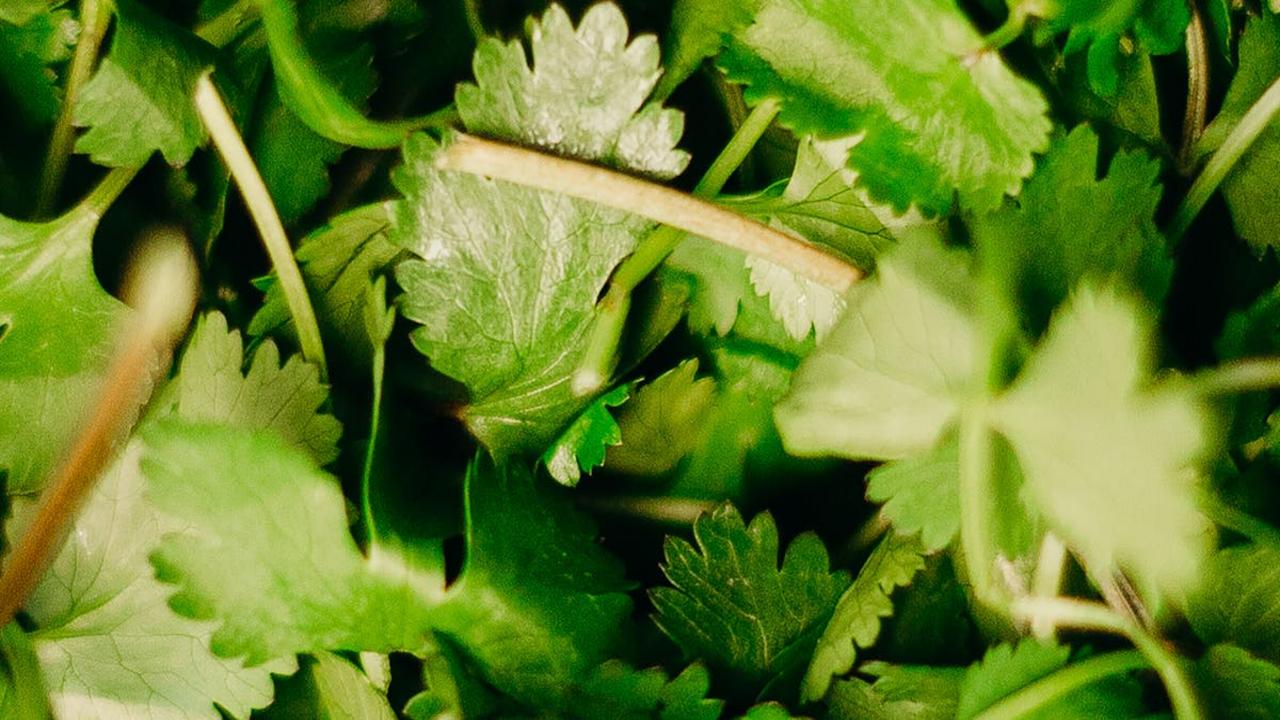
You know that moment when someone mentions cilantro and the entire room splits into two camps faster than a political debate? This innocent-looking herb with its delicate, lacy leaves has probably caused more family dinner arguments than pineapple on pizza. Here’s the wild part: roughly 14% of people carry a genetic variant that makes cilantro taste like soap mixed with metal shavings. Imagine ordering your favorite street tacos and getting a mouthful of what essentially amounts to dish detergent. Meanwhile, the rest of us are over here practically bathing our burritos in the stuff because it tastes like fresh, citrusy heaven.
The cilantro divide runs so deep that restaurants have started offering “cilantro on the side” as standard practice, and I’ve watched grown adults meticulously pick out every last green speck from their guacamole like they’re defusing a bomb. If you’re team cilantro, try throwing some into your morning scrambled eggs with lime juice – it transforms breakfast into something magical. For the soap-tasters out there, parsley makes a decent substitute, though it lacks that bright, almost effervescent quality that makes cilantro lovers go weak in the knees. Either way, this herb continues to be the most polarizing ingredient in American kitchens, proving that genetics really do have the last laugh.
Black Licorice
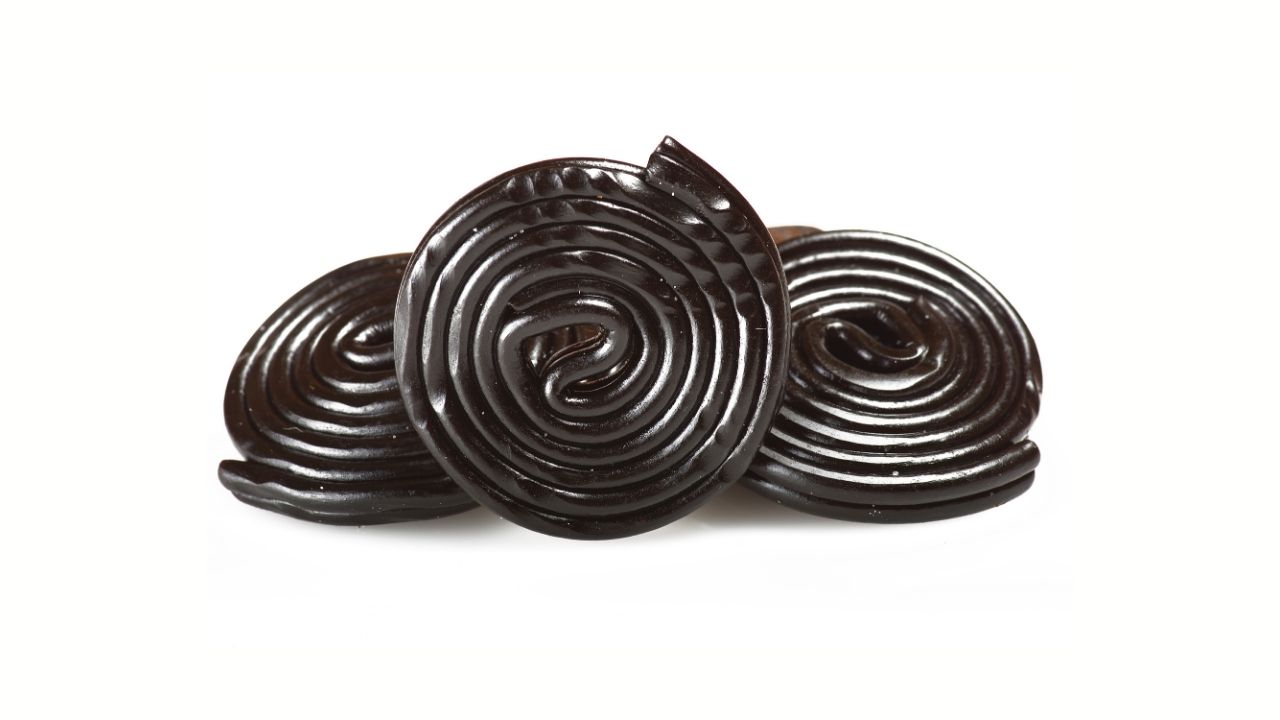
You either worship at the altar of black licorice or you’d rather eat your own shoelaces—there’s absolutely no middle ground with this polarizing confection. The moment that distinctive anise flavor hits your mouth, you’re transported to either candy heaven or what feels like a medicinal nightmare. Fun fact: the love-it-or-hate-it reaction actually has a genetic component! Some people possess a specific gene variant that makes them hypersensitive to the compounds in anise, which explains why your best friend gags while you’re reaching for seconds. The ancient Egyptians were absolutely obsessed with licorice root, using it for everything from sweetening breath to treating stomach ailments—they clearly knew something we’re still arguing about today.
Good & Plenty, those little pink and white capsules of controversy, have been dividing families since 1893, making them America’s oldest branded candy still in production. Black jelly beans sit lonely in Easter baskets nationwide, often the last survivors after all their fruity siblings have been devoured. Here’s a wild tidbit: eating massive amounts of black licorice can actually mess with your potassium levels and blood pressure—though you’d need to consume about four bags daily for weeks to reach dangerous territory. If you’re team black licorice, try pairing it with dark chocolate or incorporating it into homemade ice cream for a sophisticated dessert that’ll either impress your dinner guests or send them running for the hills.
Ranch on Pizza
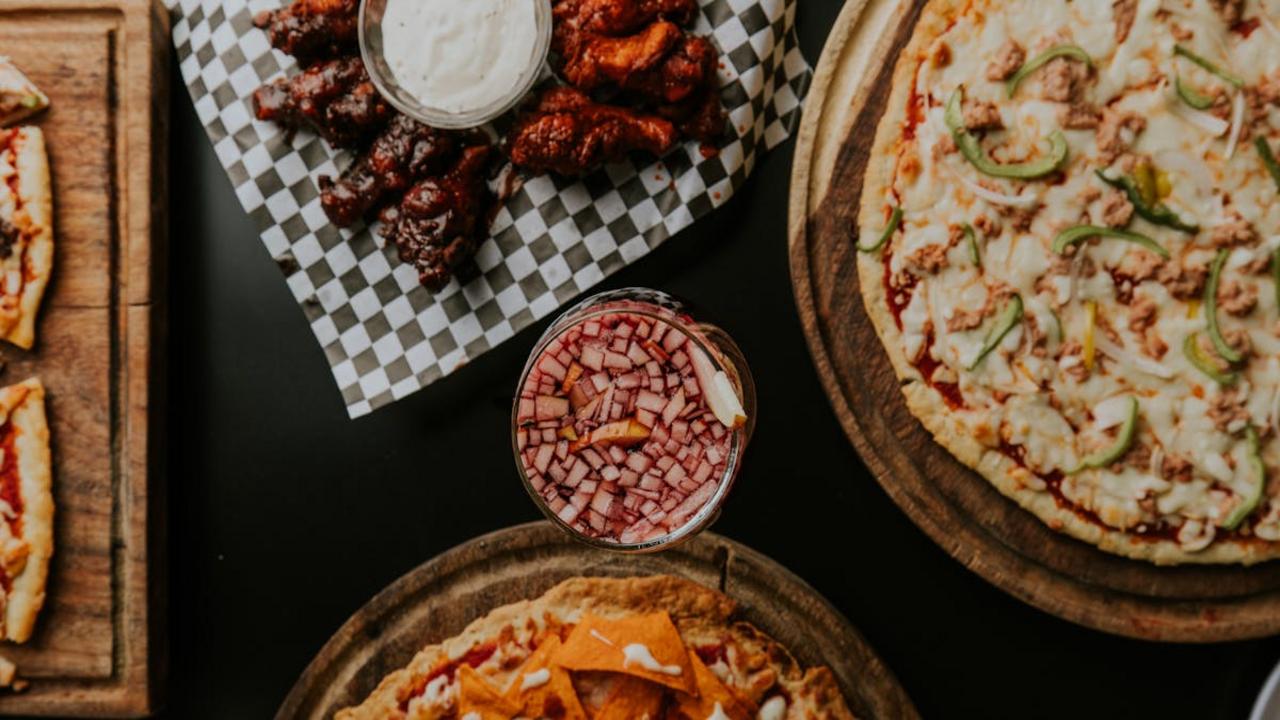
Picture this: you’re at a pizza joint, and someone at the next table asks for a side of ranch dressing to dip their pepperoni slice. The entire restaurant goes silent. Half the room stares in horror while the other half nods approvingly. Welcome to one of America’s most polarizing food combinations! Ranch dressing on pizza started gaining traction in the Midwest during the 1990s, and now it’s practically a religion in certain parts of the country. The creamy, herb-laden sauce somehow found its way from salad bowls to pizza boxes, creating a divide more dramatic than pineapple ever could.
Ranch enthusiasts swear the cool, tangy dressing perfectly balances hot, greasy pizza, especially when you’re dealing with spicy toppings or that questionable late-night slice from your local dive. They’ll tell you it transforms even mediocre pizza into something magical. Meanwhile, pizza purists consider it an absolute travesty – like putting ketchup on a perfectly aged steak or wearing socks with sandals. Fun fact: Hidden Valley Ranch actually encourages this pairing on their website, complete with recipes for ranch-infused pizza sauces. Whether you’re team ranch or team traditional, there’s no denying this combination sparks passionate debates at dinner tables across America.
Chili with Beans
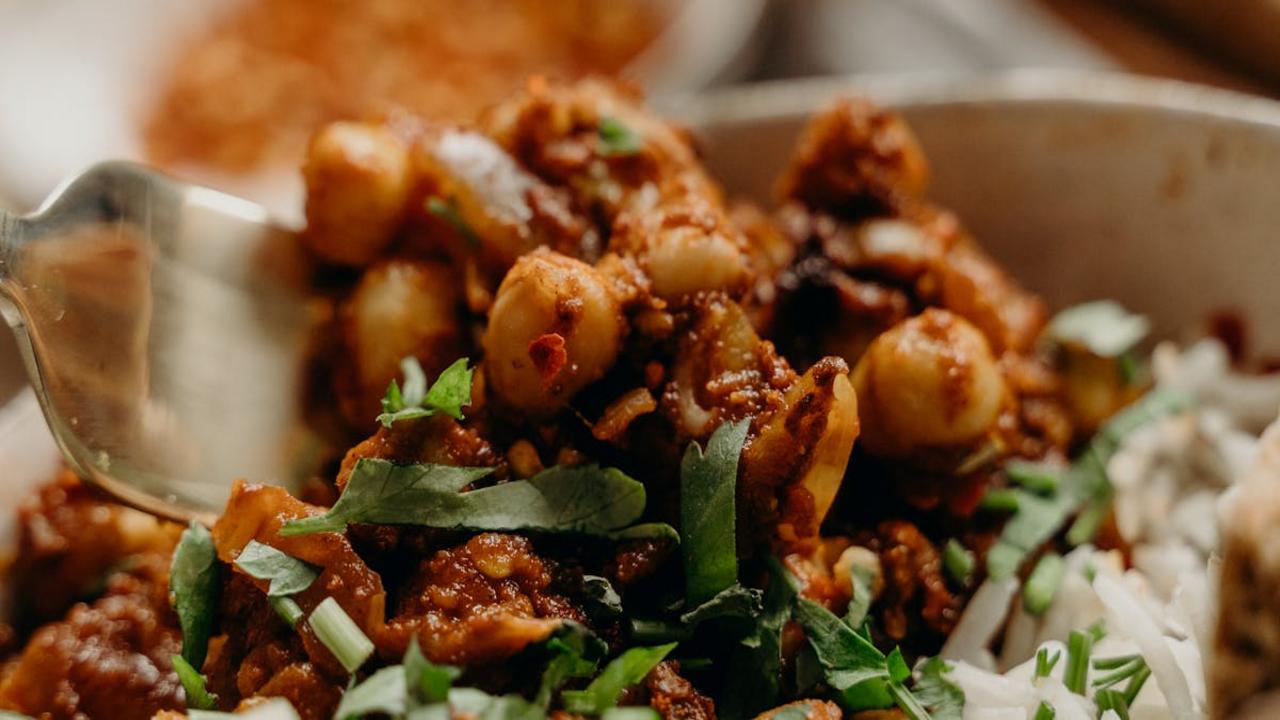
Welcome to the most heated debate in American food history – and I’m not just talking about the spice level! Chili with beans sits at the center of a civil war that makes Yankees versus Confederates look like a friendly neighborhood disagreement. Texans will literally challenge you to a duel if you dare suggest their sacred chili should contain those little legumes. They’ve even got a saying: “If you know beans about chili, you know chili ain’t got no beans.” Meanwhile, the rest of America scratches their heads and wonders what all the fuss is about while happily dumping kidney beans, pintos, and black beans into their bubbling pots.
Here’s the thing about beans in chili – they’re basically nature’s little flavor sponges that soak up all those gorgeous spices and turn every spoonful into a hearty, stick-to-your-ribs experience. While purists argue that beans are just cheap filler (and honestly, they’re not wrong about the budget-friendly aspect), the rest of us appreciate how they transform chili from a meat sauce into an actual meal. Fun fact: the International Chili Society actually prohibits beans in their official competitions, which explains why your uncle’s award-winning recipe tastes nothing like what you grew up eating. Whether you’re team bean or team no-bean, one thing’s certain – this argument will outlive us all, probably still raging in some cosmic diner long after we’re gone.
Raisins in Cookies
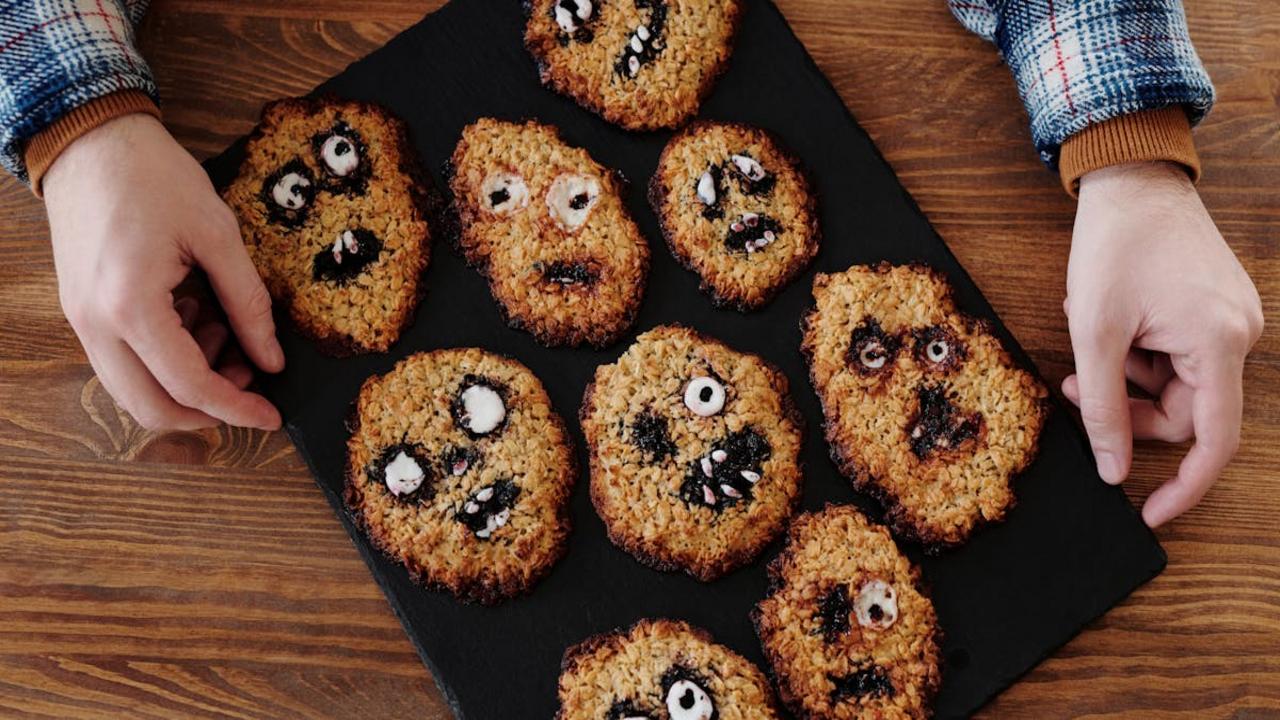
Picture this: you’re reaching for what appears to be a perfectly innocent chocolate chip cookie, only to bite down and discover those chewy little imposters masquerading as chocolate. The great raisin cookie deception has claimed another victim! These wrinkled grape remnants have been sneaking into American cookie jars since the 1800s, when clever bakers discovered that dried fruit could add natural sweetness and moisture to their treats. Oatmeal raisin cookies became particularly popular during World War II when chocolate was rationed, turning raisins into the unexpected heroes of the home front baking scene.
Here’s where cookie lovers split into two distinct camps: the raisin revolutionaries who genuinely adore these chewy bursts of concentrated sweetness, and the chocolate purists who consider them nothing short of culinary betrayal. Fun fact: raisins actually contain more antioxidants than grapes because the drying process concentrates their beneficial compounds. The pro-raisin crowd appreciates their natural caramel-like flavor and the way they create pockets of intense sweetness throughout each bite. Meanwhile, the anti-raisin faction argues that these shriveled fruits have no business pretending to be chocolate, especially when they’re lurking in cookies that look suspiciously similar to their beloved chocolate chip varieties. Either way, raisin cookies have earned their permanent spot in American baking tradition, continuing to surprise unsuspecting snackers everywhere.
Root Beer Float
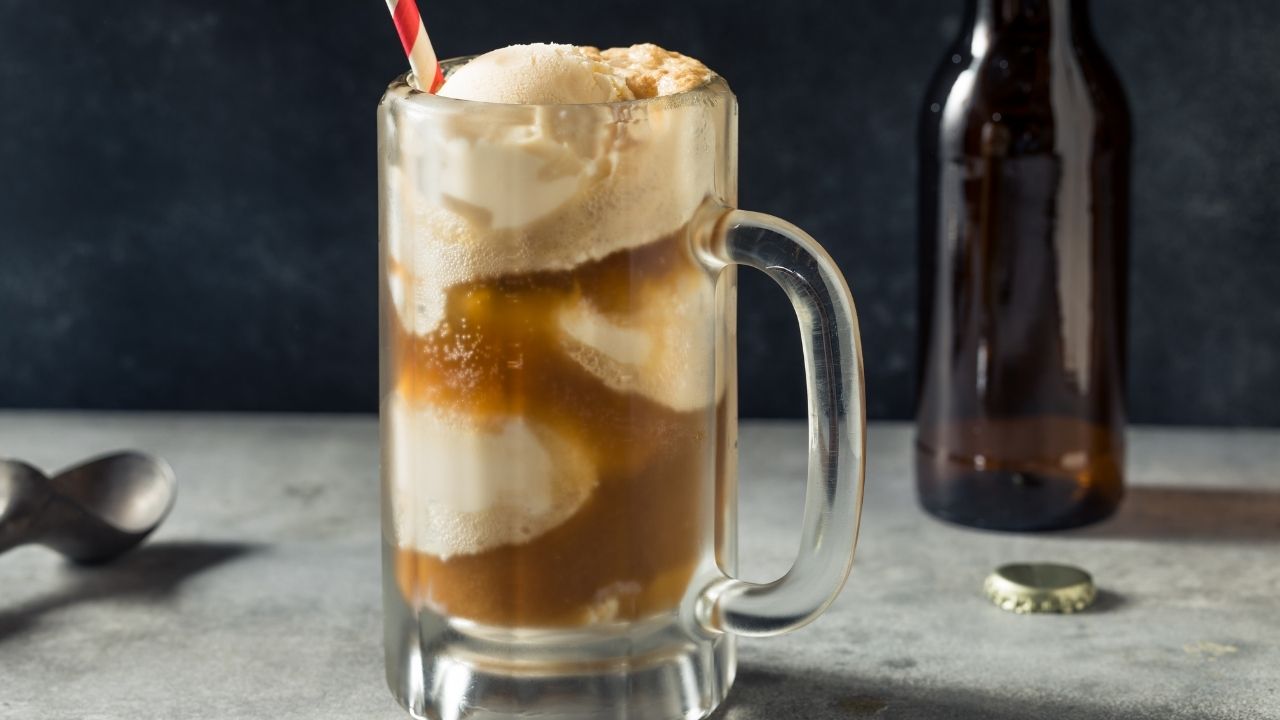
You either grew up thinking root beer floats were the pinnacle of dessert sophistication, or you wondered why anyone would willingly dunk ice cream into what basically amounts to fizzy medicine. This bubbly, creamy concoction divides America faster than pineapple on pizza debates. The root beer float traces its fizzy origins back to 1893 when Philadelphia’s Robert McCay Green supposedly invented it by accident at a soda fountain. Legend has it he ran out of cream for his sodas and grabbed vanilla ice cream instead—boom, instant classic or instant controversy, depending on your stance on carbonated beverages meeting dairy products.
The beauty lies in its simplicity: two scoops of vanilla ice cream drowning in a sea of root beer, creating that satisfying foam crown on top. Root beer enthusiasts swear by the perfect ratio (roughly 3:1 root beer to ice cream), while skeptics question why you’d ruin perfectly good ice cream with something that tastes like toothpaste’s weird cousin. The drink became a drive-in staple in the 1950s, served in frosty mugs that made everything feel more official. Today, craft root beer makers have elevated this humble float into gourmet territory with small-batch sodas and artisanal ice creams, though purists still reach for A&W and stick with classic vanilla.
American Cheese
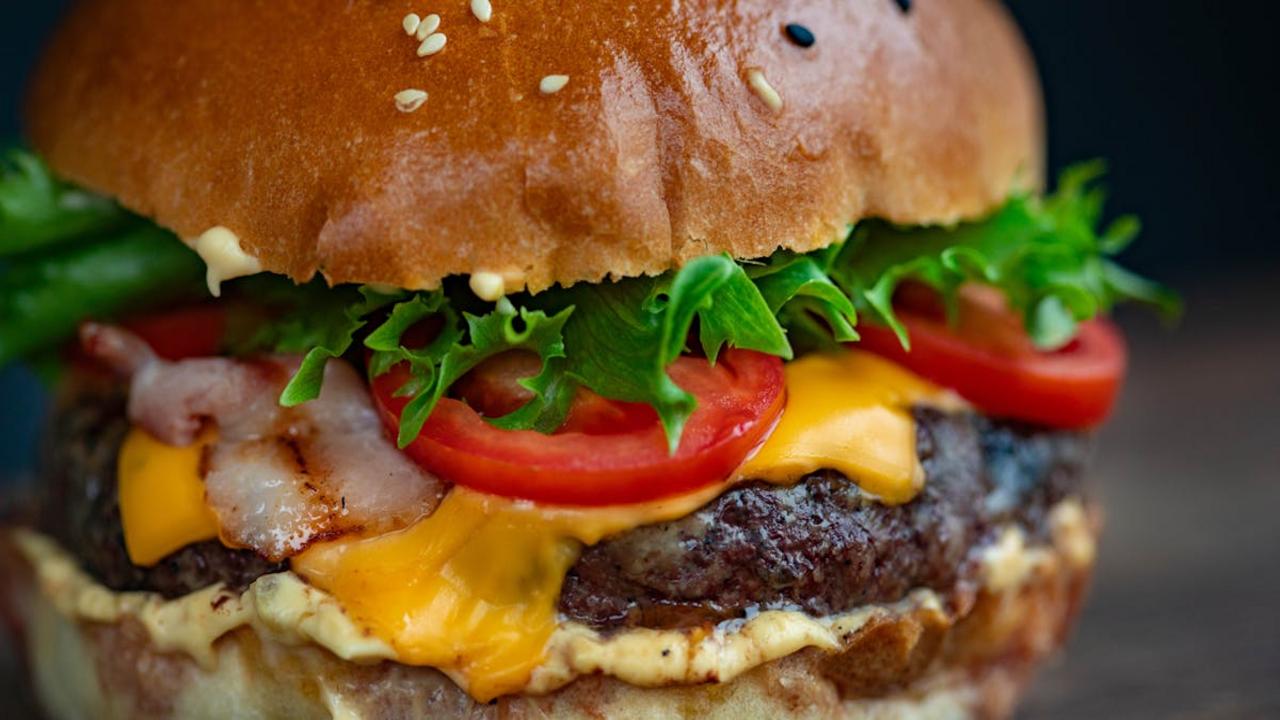
Oh, American cheese – the orange square that sits at the center of more dinner table debates than politics and religion combined! You either worship at the altar of its perfectly melty goodness or you recoil in horror at what you consider a processed abomination. There’s no middle ground here, folks. This synthetic slice of dairy controversy was actually invented by a Canadian-American named James Lewis Kraft in 1916, who figured out how to blend different cheeses with emulsifiers to create something that would last longer than fresh cheese. Little did he know he was creating the Marmite of the cheese world – people would either defend it with their dying breath or ban it from their kitchens forever.
Here’s the thing about American cheese that drives its haters absolutely bonkers: it’s not technically cheese at all! The FDA classifies it as a “pasteurized processed cheese product,” which sounds about as appetizing as cardboard. But here’s what the lovers know that the haters refuse to acknowledge – this stuff melts like a dream and creates the most gloriously gooey grilled cheese sandwich known to humanity. You can’t get that perfect, stretchy cheese pull with fancy aged cheddar, no matter how hard you try. American cheese has a melting point of around 150°F, making it the undisputed champion of comfort food applications. Sure, it might not belong on a charcuterie board next to your artisanal goat cheese, but slap it between two pieces of buttered bread and suddenly you’re transported back to childhood bliss.
Meatloaf
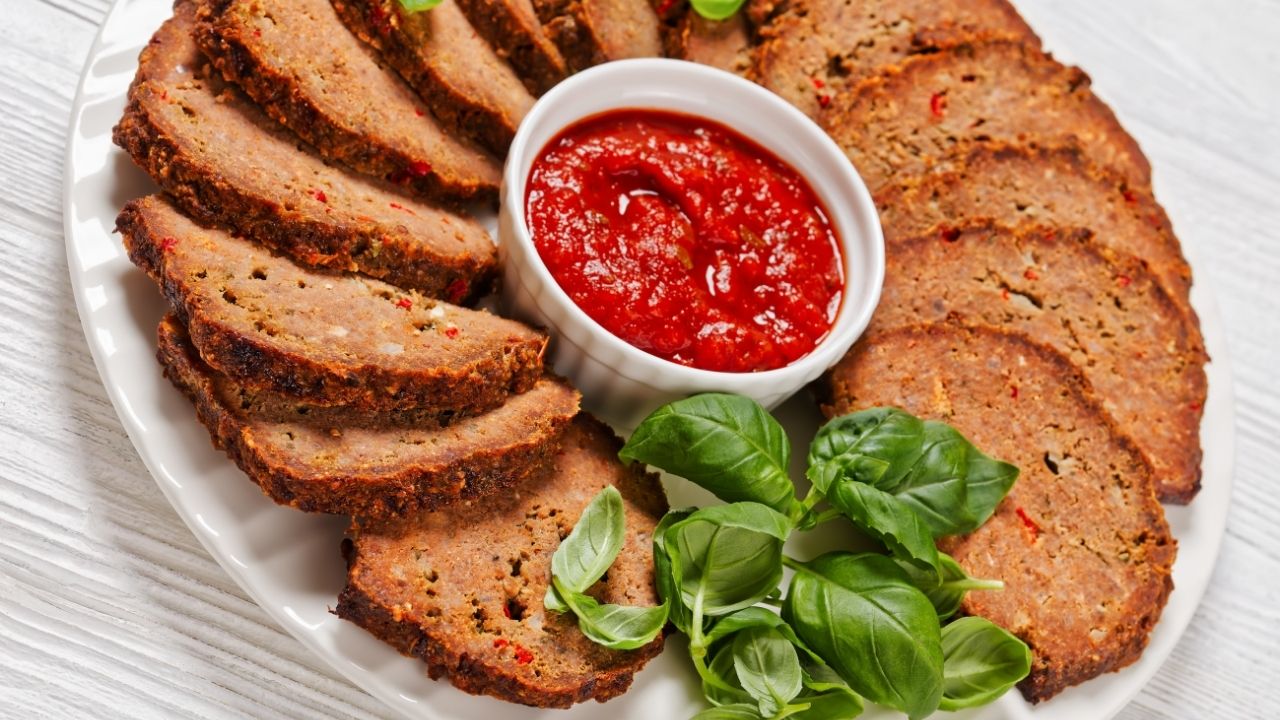
Picture this: your grandmother’s kitchen, that magical smell wafting from the oven, and a perfectly formed loaf that looks suspiciously like something you’d build with Play-Doh but tastes infinitely better. Meatloaf represents the ultimate comfort food paradox – it’s simultaneously the most beloved and most ridiculed dish in American kitchens. You either grew up craving those thick, ketchup-glazed slices or you spent your childhood strategically hiding chunks under your mashed potatoes. The beauty of meatloaf lies in its democratic nature: every family has their secret recipe, whether it’s adding crushed crackers, diced onions, or that mysterious “special ingredient” (usually Worcestershire sauce, but don’t tell anyone I spilled the beans).
Here’s a fun fact that’ll blow your mind: meatloaf actually dates back to ancient Rome, where they mixed chopped meat with wine-soaked bread. Fast forward to Depression-era America, and suddenly this humble dish became the hero of stretching a dollar and feeding hungry families. Modern meatloaf skeptics often point to those tragic, dense hockey pucks served in school cafeterias, but a well-made version? Pure magic. The key lies in the holy trinity of ground beef, pork, and veal (or just beef if you’re keeping it simple), bound together with eggs and breadcrumbs, then topped with that glossy, tangy glaze that caramelizes into sweet perfection. Pro tip: let it rest for ten minutes after baking – trust me on this one!
Deep Dish Pizza
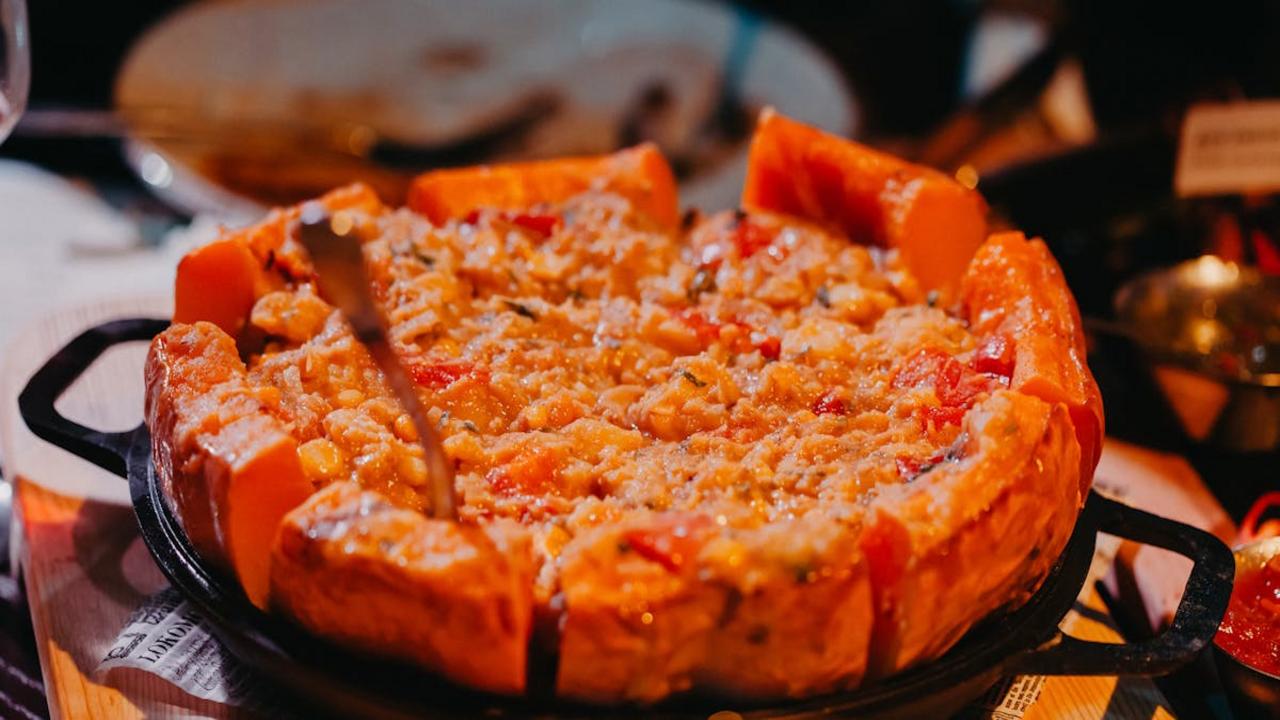
Chicago’s deep dish pizza stands as the ultimate food battleground, where pizza purists clutch their thin crusts while Chicagoans defend their beloved casserole-like creation with the fury of a thousand Italian grandmothers. This isn’t your typical grab-and-go slice – we’re talking about a pizza so thick you need a fork, knife, and possibly a construction permit. The buttery, flaky crust rises like edible architecture, creating walls that hold an absurd amount of cheese, chunky tomato sauce, and whatever toppings brave enough to dive into this cheesy abyss. Fun fact: Lou Malnati’s uses a secret cornmeal crust recipe that’s been guarded more closely than the recipe for Coca-Cola, and their pizza takes about 45 minutes to bake because good things come to those who wait (and because physics demands it).
The controversy burns hotter than a 500-degree pizza oven, with New Yorkers famously declaring it “not pizza” while Chicagoans roll their eyes and continue enjoying their glorious cheese volcanoes. Jon Stewart once called it a “casserole,” which probably caused at least seventeen Chicagoans to write strongly worded letters. But here’s the thing – love it or hate it, you remember your first deep dish experience. Maybe you struggled with the structural integrity of your first bite, or perhaps you discovered that eating an entire slice requires the stamina of a marathon runner. The average deep dish slice contains roughly a day’s worth of cheese (okay, maybe not literally, but it feels like it), and somehow that feels like exactly the right amount when you’re facing down a Chicago winter.
Chicken and waffles
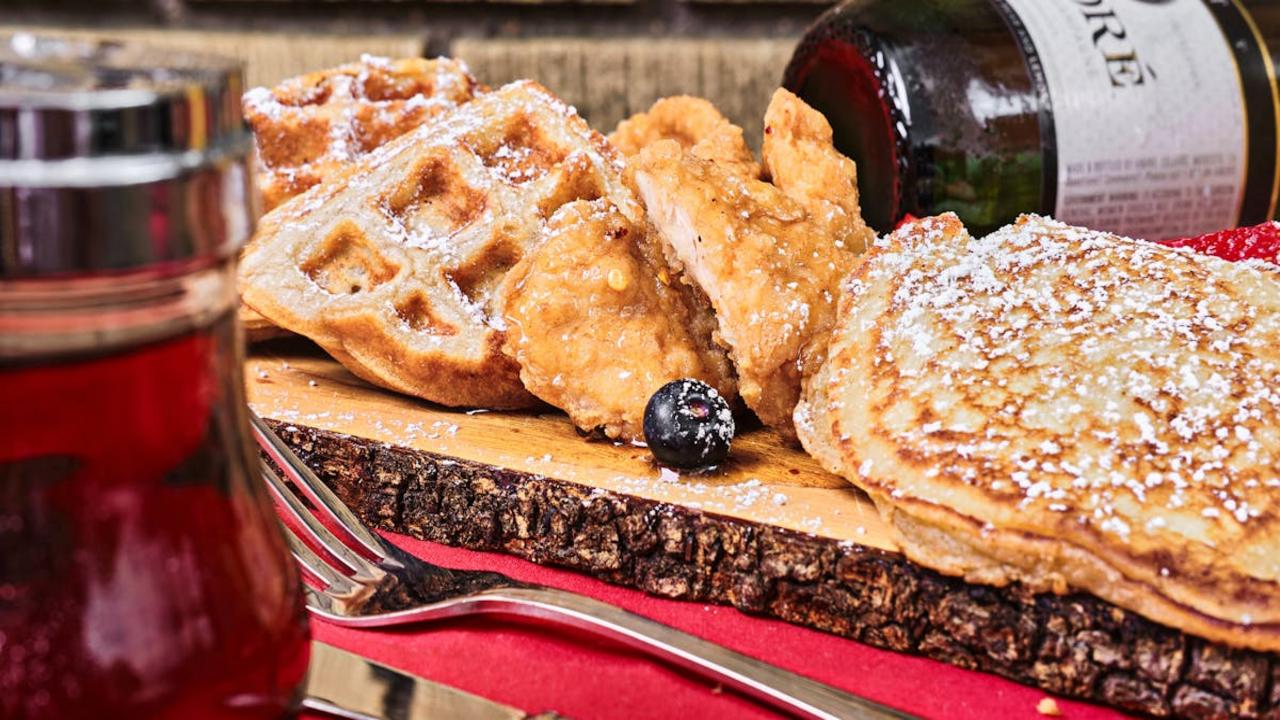
Picture this: you’re staring at a plate where crispy fried chicken sits majestically atop a golden, syrup-soaked waffle, and your brain short-circuits trying to process this sweet-meets-savory madness. Chicken and waffles represents the beautiful chaos of American dining—a dish that makes perfect sense and absolutely no sense simultaneously. Born from the late-night cravings of jazz musicians in 1930s Harlem, this combination emerged when performers needed something substantial after their gigs ended too late for dinner but too early for breakfast. The dish gained legendary status at places like Wells Supper Club, where musicians like Nat King Cole would fuel up on this protein-and-carb powerhouse before heading home.
What makes people either worship or recoil from this dish boils down to texture warfare and flavor philosophy. Supporters rave about the magical moment when maple syrup bridges the gap between crispy chicken skin and fluffy waffle squares, creating sweet pockets of liquid gold that complement the savory crunch. Critics argue that breakfast foods should stay in their lane, thank you very much, and mixing morning carbs with dinner protein feels like culinary anarchy. The temperature contrast adds another layer—hot chicken meeting warm waffles while cold butter melts into the mix creates a symphony of sensations that either sends you to food heaven or leaves you questioning humanity’s decision-making skills. Pro tip: if you’re making this at home, use buttermilk waffles and honey-drizzled hot sauce for the ultimate flavor adventure.
Hawaiian Pizza
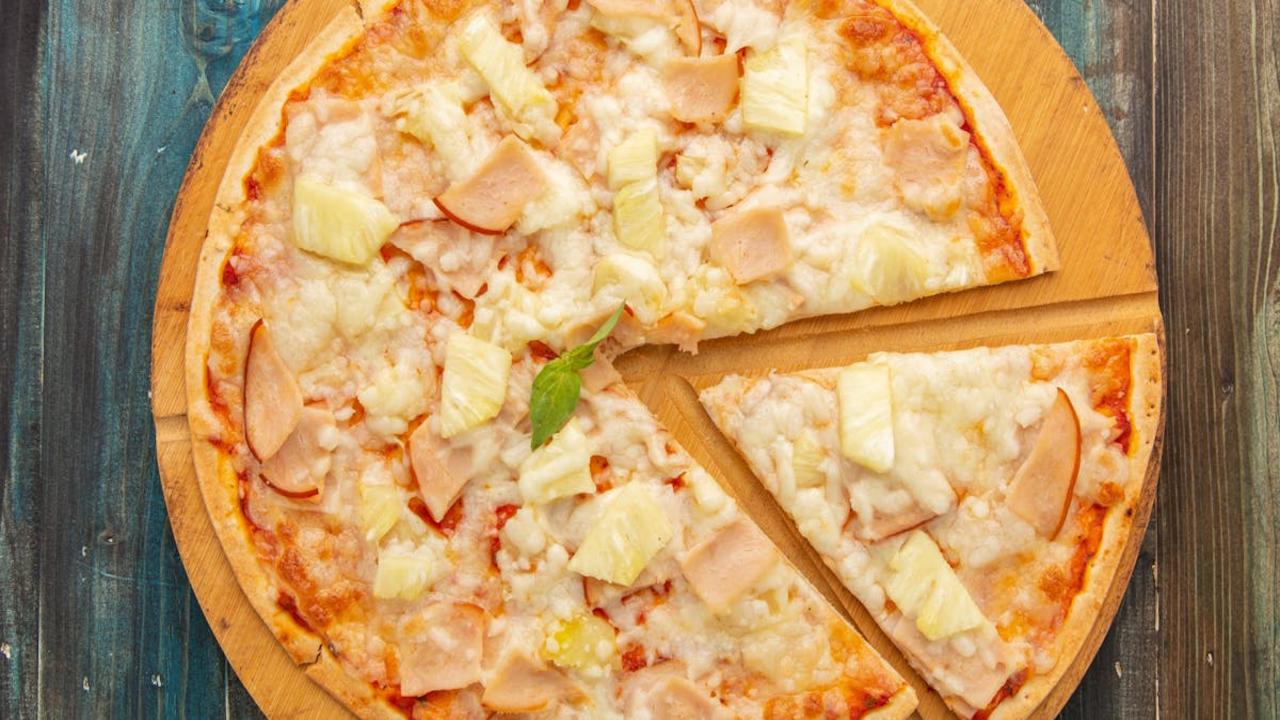
You know that friend who puts ketchup on everything? Well, Hawaiian pizza is basically the pizza equivalent of that person – and boy, does it spark some heated debates! This Canadian creation (yes, you read that right – it’s not even Hawaiian) features ham and pineapple chunks dancing together on a bed of melted cheese, creating what some call a tropical paradise and others consider a crime against humanity. The whole controversy started back in 1962 when Greek-Canadian chef Sam Panopoulos decided to throw some canned pineapple on a pizza at his restaurant in Ontario, probably never imagining he’d create one of food’s most divisive topics.
Here’s the thing about Hawaiian pizza – it’s basically edible chaos theory in action. One bite gives you sweet, tangy pineapple juice mixing with salty ham and creamy cheese, creating this weird flavor explosion that either makes your mouth do a happy dance or sends you running for the hills. The fruit-on-pizza debate has literally ended friendships and started office wars, with passionate defenders arguing that the sweet-savory combo is pure genius while haters insist fruit belongs nowhere near their precious pizza. Fun fact: Italians are so offended by this creation that some pizzerias in Italy refuse to serve it, though secretly, plenty of them do because tourists keep asking for it!