She Felt Unwell and Abruptly Left the Table. She Expected the Group to Cover Her Meal.
There are certain unspoken rules of social etiquette that we all learn to live by. One of the most fundamental is that when you accept an invitation to dine out with a group of friends, you expect to pay for what you ordered. It’s a simple matter of fairness and respect.
However, one young man recently shared a story online that proves not everyone plays by the same rulebook, leaving him stunned and his friendship on the rocks.
The Incident
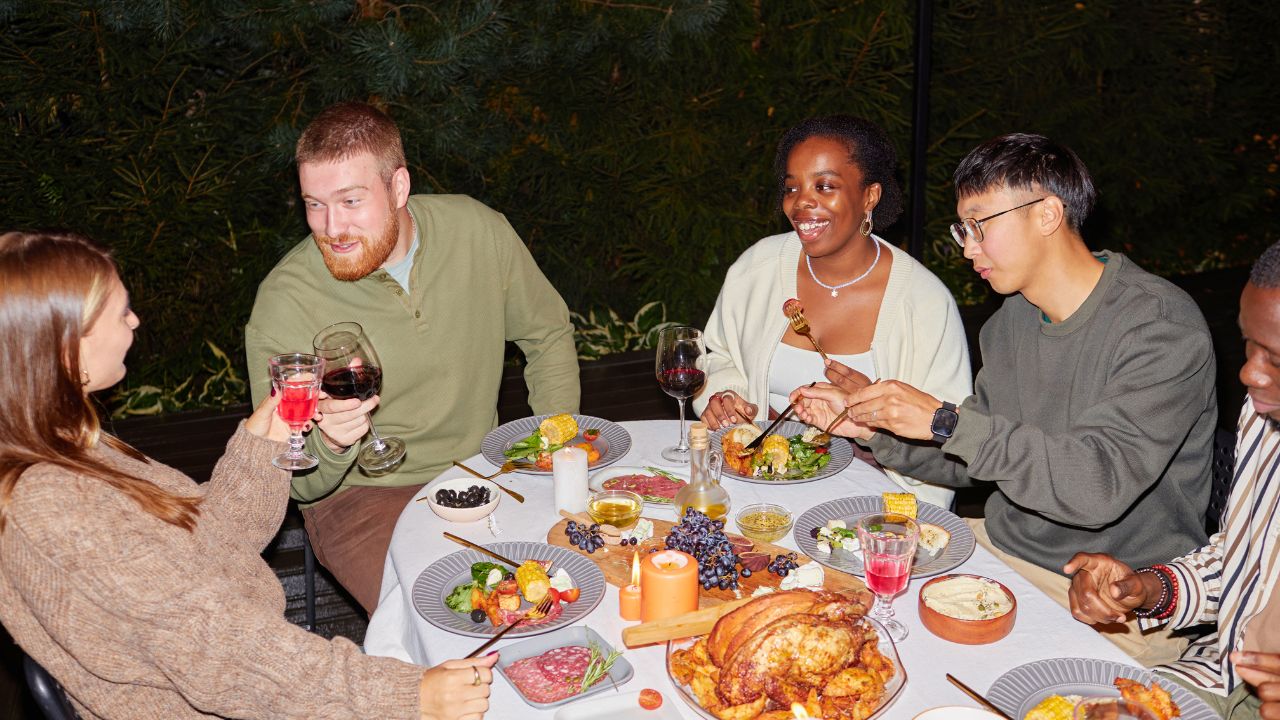
The story begins with a happy reunion. A young man, whom we’ll call the narrator, went out for drinks and dinner with a group of four friends. The group included three male friends and one female friend, “D,” who lives abroad and was visiting. The narrator notes that he is particularly close with D, while the other men don’t know her as well.
After a round of drinks, which the narrator paid for, the group headed to a well-known, and rather pricey, Chinese restaurant. Everyone ordered a dish or two, and the evening was going well until D began to feel unwell after eating. As they waited for the check, D felt so sick that she abruptly called a taxi and left without so much as a proper goodbye to two of the men at the table.
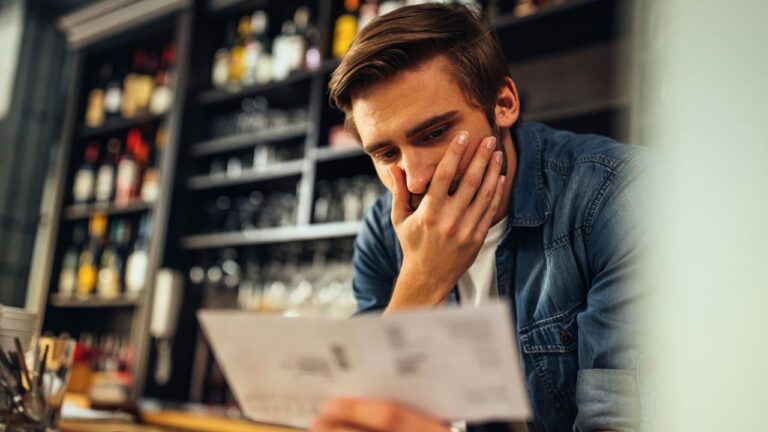
In her absence, another friend, “A,” graciously covered her share of the bill. A few days later, he asked the narrator to get the money back from D, as he was the closest to her. When the narrator broached the subject, he was met with a shocking outburst. D was furious, declaring it was “unchivalrous” to ask the only woman in the group to pay.
She insisted that anywhere else in the world, this would be considered “utterly shameful and ‘unmanly.'” The narrator was left speechless, trying to explain that splitting the bill is customary and that his own tight budget, which she knew about, prevented him from covering her share himself.
The Internet Reacts
When the narrator shared his dilemma, the internet was quick to weigh in, with the vast majority of people siding with him and his friends. The reactions fell into a few distinct camps.
The “Absolutely Not” Crowd
Most readers were appalled by D’s sense of entitlement and her outdated views on dining etiquette. They felt she was completely in the wrong for assuming her friends would foot her bill, regardless of her gender. One commenter put it plainly: “You don’t assume that your meal is being covered without checking first, and if you do somehow make a mistake, you apologize and fix it.”
Many were particularly irked by her claim that men paying for women is a global standard. Several users from Europe, where D is from, quickly debunked this notion. “I’m from Europe and if she pulled that here, she’d be laughed at,” one person wrote. Another added, “This is not a thing in Europe. If you go out as friends, you pay your share of the bill. She just wanted a free dinner.”
The “Devil’s Advocate”
While few defended D’s actions, some tried to find a charitable explanation for her bizarre behavior, especially since the narrator said it was out of character. They wondered if there was more to the story. “Maybe she thought it was a birthday thing for her too?” one person mused, trying to find a reason for her expectation.
Another commenter wondered if something else was at play, asking, “If this behavior is out of the ordinary, is it possible she’s having recent money problems?” The narrator later clarified this wasn’t the case, but it shows how people tried to make sense of such a baffling reaction from a friend.
The “Petty Revenge” Crowd
Then there were those who had advice on how to handle the situation—and the friendship—moving forward. Many felt that D’s reaction was a clear sign that the friendship wasn’t as solid as the narrator believed. “Close your wallet, and I’ll bet you’ll find out she isn’t really a friend,” one user advised.
Others offered a more creative solution that mixed fairness with a bit of comeuppance. One of the most popular suggestions was, “Pay A for D’s share and then tell her that was her birthday dinner.” Another person was much more blunt, simply asking, “Why is she still your friend?! Drop her.”
The Etiquette Verdict
Let’s be perfectly clear: in modern society, friendship is a partnership of equals. The idea that a woman should be exempt from paying her way simply because she is in the company of men is not just outdated, it’s insulting. It implies a woman is not a capable, independent equal at the table.
The golden rule of group dining is simple: unless someone has explicitly offered to treat you, you are responsible for your own expenses. To leave without paying and then become indignant when asked to settle your debt is the height of poor manners. True chivalry and respect are found in fairness, not in forcing friends into uncomfortable financial positions based on gender.

Your Take
What do you think? Was the friend’s expectation of a free meal a simple cultural misunderstanding, or was it a shocking display of entitlement?
Ready for the next level of insight? Discover more in my latest article here.