14 Must-Have Korean Pantry Staples to Cook Bold Authentic Flavors at Home
Korean cooking transforms your kitchen into a vibrant space where umami meets heat, sweetness balances salt, and fermented flavors create depth you never knew existed. I’ve spent years perfecting Korean dishes, and trust me—having the right pantry staples makes all the difference between good food and unforgettable meals.
These fourteen ingredients form the backbone of authentic Korean cooking. You don’t need fancy equipment or years of training. Just stock your pantry with these powerhouse ingredients, and you’ll create restaurant-quality dishes that bring warmth and bold flavors to your dinner table.
Building a Korean pantry means investing in ingredients that work overtime. Each item on this list multitasks across dozens of recipes, from quick weeknight stir-fries to slow-braised weekend feasts. Once you have these staples, Korean cooking becomes intuitive and incredibly rewarding.
Korean Pear
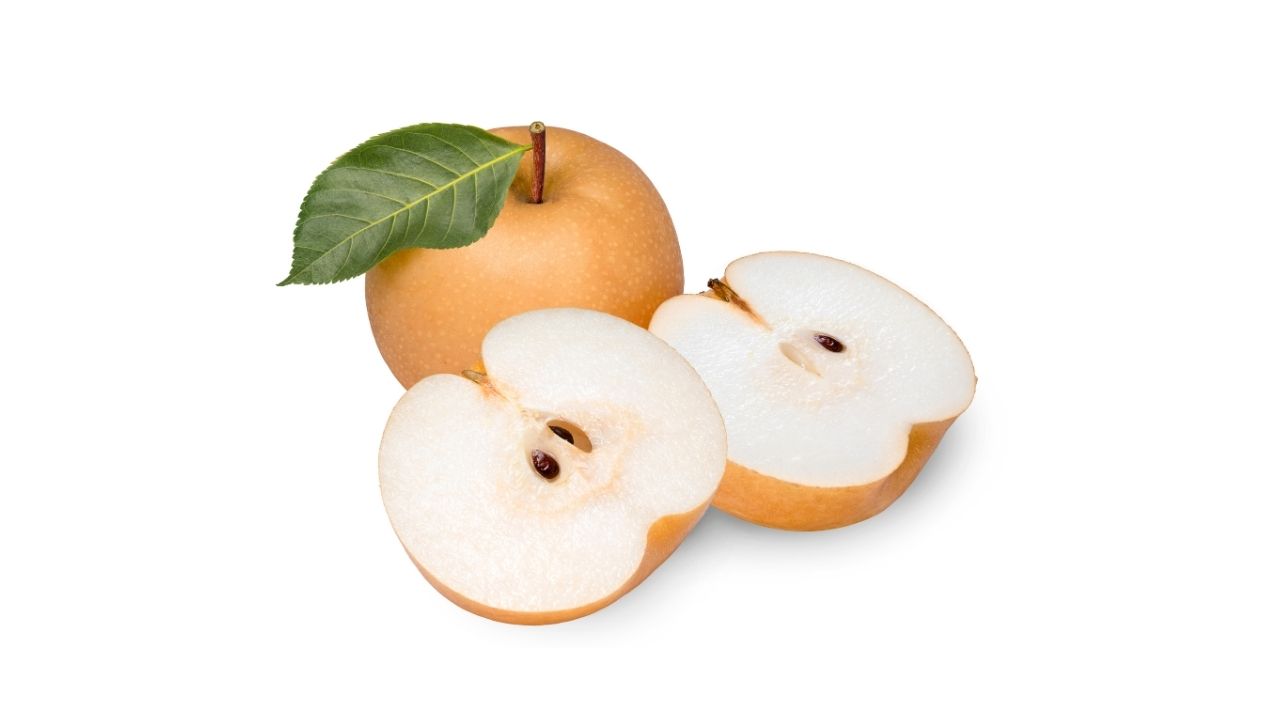
Korean pears bring this incredible crisp sweetness that transforms marinades and dressings in ways you never expected. I keep these golden beauties on hand because they contain natural enzymes that break down tough meat fibers, making your bulgogi and galbi incredibly tender. When you grate fresh Korean pear into your marinade, it creates this beautiful balance – the fruit’s subtle sweetness rounds out salty soy sauce and spicy gochujang without overpowering the dish. You can find them at most Asian markets, and they store beautifully in your refrigerator for weeks.
Beyond marinades, Korean pears add this wonderful texture contrast to fresh salads and slaws. I love julienning them into thin matchsticks for naengmyeon (cold noodle soup) or mixing them into kimchi for an extra layer of crunch and natural sweetness. Their high water content and crisp flesh make them perfect for balancing rich, fermented flavors. You can substitute regular Asian pears if Korean varieties aren’t available, but Korean pears have this particular sweetness and firmness that really makes traditional dishes sing. Trust me, once you start cooking with these gems, you’ll understand why Korean cooks consider them indispensable.
Napa Cabbage
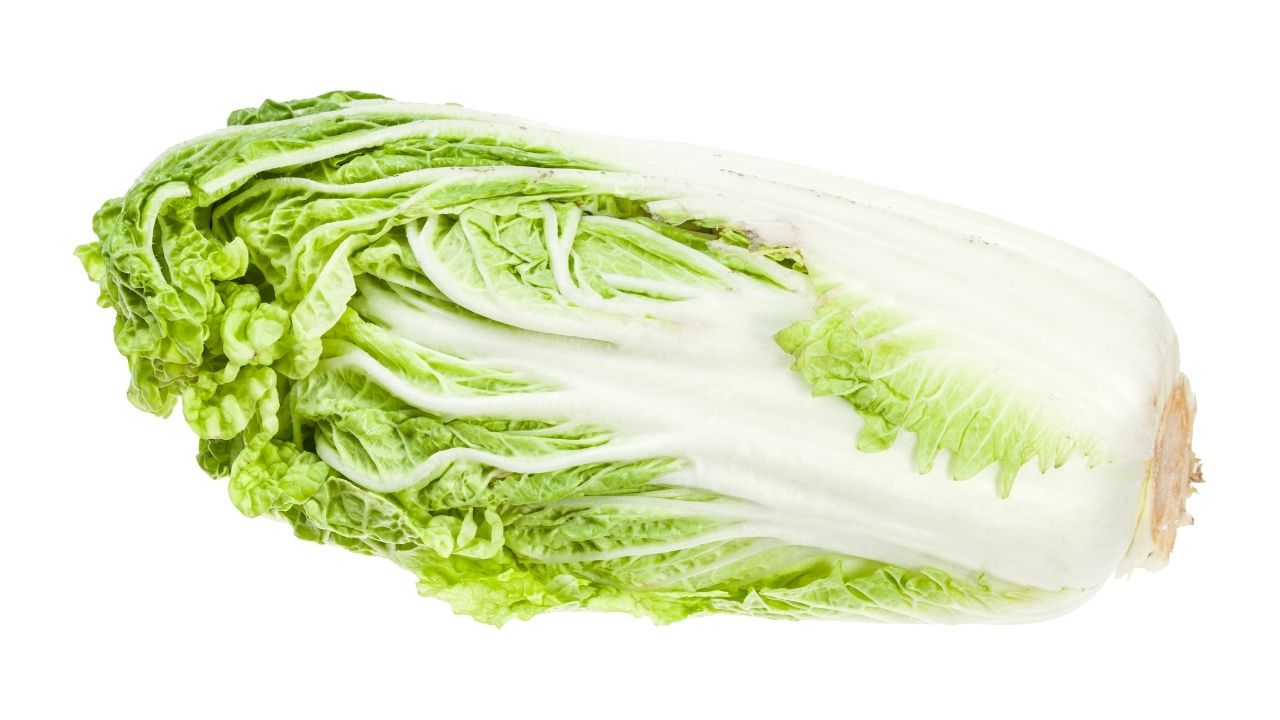
Napa cabbage sits at the heart of Korean cooking, and once you start working with this tender, sweet brassica, you’ll understand why it’s absolutely indispensable. Unlike regular green cabbage, napa has delicate leaves with thick white ribs that create the perfect texture contrast—crisp yet yielding. I keep heads of this cabbage in my fridge year-round because it transforms everything from quick weeknight stir-fries to the most authentic kimchi you can imagine. The leaves hold onto flavors beautifully while maintaining their satisfying crunch, making every bite interesting and textured.
What I love most about napa cabbage is how it bridges the gap between raw and cooked preparations effortlessly. You can slice it thin for fresh slaws that brighten heavy winter meals, or let it slowly ferment into kimchi that develops complex, funky flavors over weeks. I often throw chopped napa into my miso soups during the last few minutes of cooking, where it wilts just enough to become silky while keeping some bite. The natural sweetness balances spicy gochujang perfectly, and the high water content means it releases just the right amount of liquid to create flavorful broths without making dishes soggy.
Korean Red Chili Powder
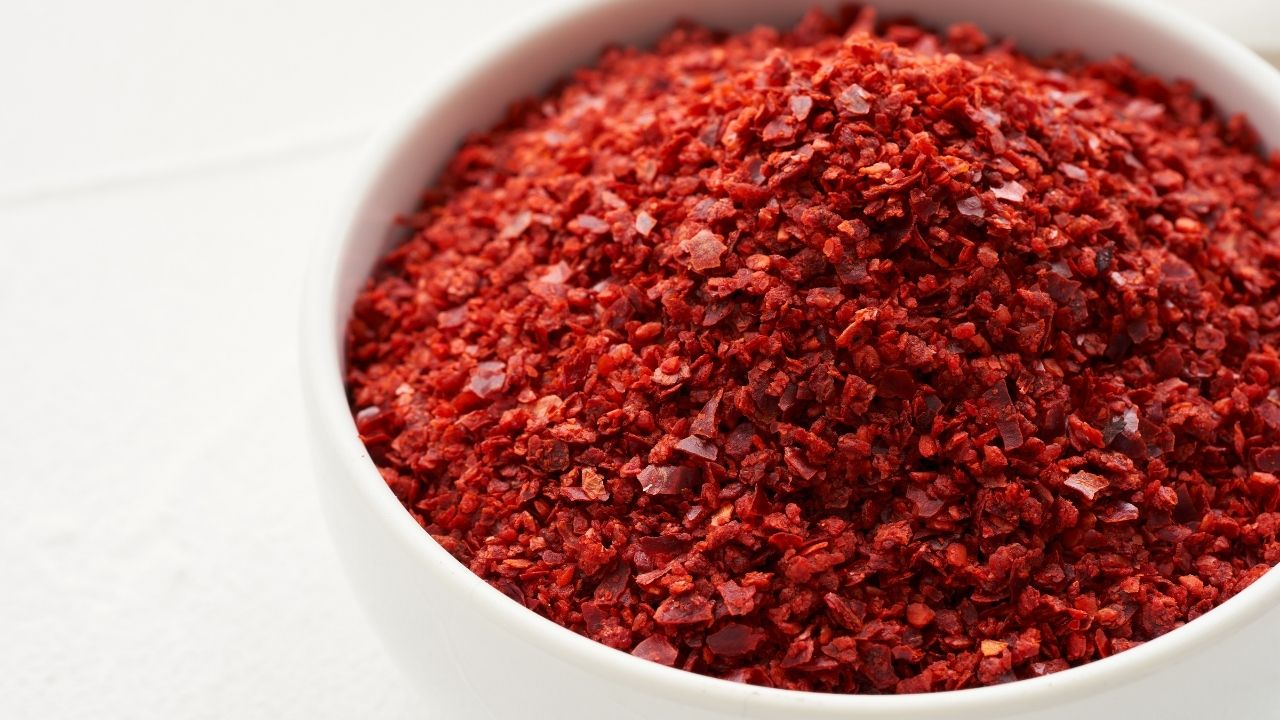
Korean red chili powder, or gochugaru, brings a completely different heat profile than anything you’ll find in your regular spice rack. This isn’t your typical cayenne or paprika – gochugaru delivers a smoky, fruity warmth that builds gradually rather than hitting you with immediate fire. I keep multiple varieties in my pantry because the coarseness matters: fine powder works beautifully for marinades and dressings, while coarse flakes add texture and visual appeal to finished dishes. The sun-dried Korean chilies create this incredible depth that transforms simple vegetables into something extraordinary.
You’ll reach for gochugaru constantly once you understand its magic. I sprinkle it over roasted vegetables, stir it into soups, and mix it with sesame oil for an instant flavor boost. Unlike processed hot sauces loaded with preservatives, gochugaru gives you pure, clean heat that enhances rather than masks other ingredients. Start with small amounts – maybe half a teaspoon – then build up to your preferred intensity. Store it in an airtight container away from light, and it’ll maintain its vibrant color and complex flavor for months, becoming your secret weapon for adding Korean soul to any dish.
Fish Sauce
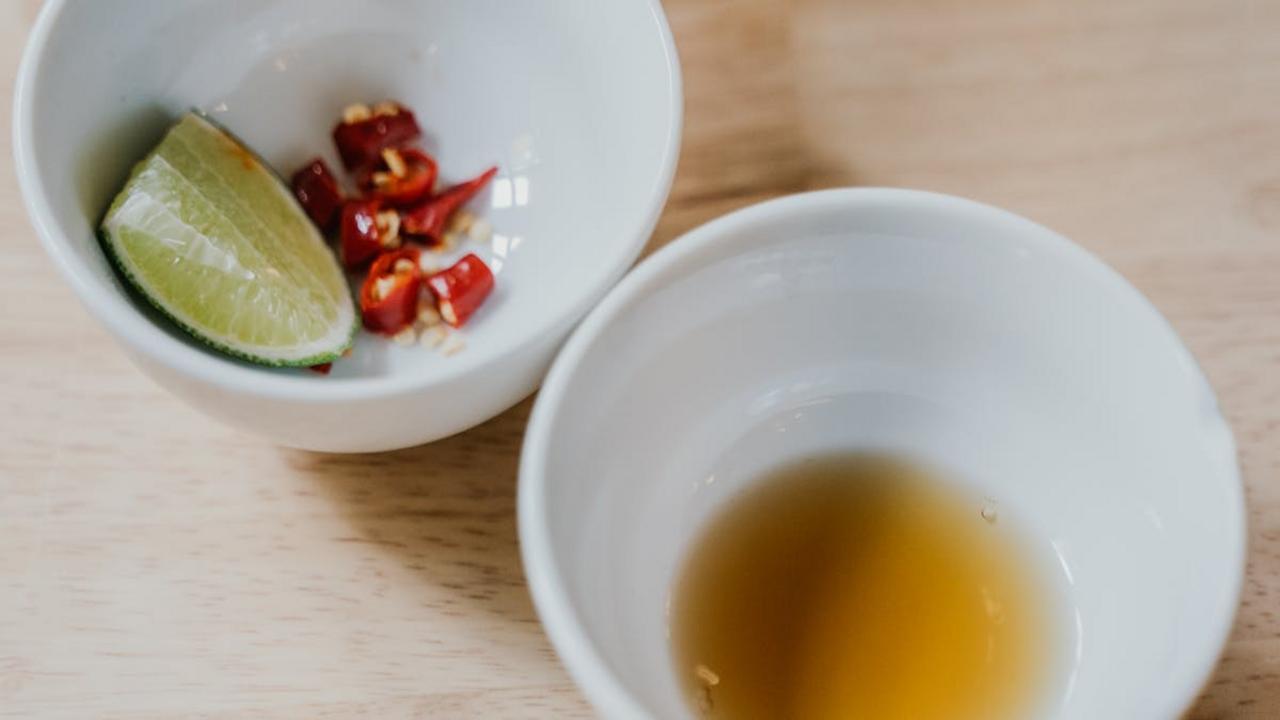
Fish sauce might seem like an odd addition to Korean cooking if you’re familiar with its prominent role in Southeast Asian dishes, but this umami powerhouse has quietly made its way into modern Korean kitchens. While traditional Korean fermented fish sauces like jeotgal have been around for centuries, the lighter, more accessible fish sauce we know today adds incredible depth to Korean marinades, stews, and even kimchi. I keep a bottle in my pantry because it transforms simple ingredients into something extraordinary – just a splash in your bulgogi marinade or kimchi jjigae will create layers of savory complexity that make your dishes sing.
What I love about fish sauce in Korean cooking is how it bridges the gap between traditional and contemporary flavors. You can substitute it for some of the salt in your kimchi-making process, or add a few drops to your Korean-style fried rice for that restaurant-quality umami hit. The key is using it sparingly – think of it as liquid gold that amplifies rather than dominates. Start with just a teaspoon in your marinades or a few drops in your soups, and taste as you go. Once you start cooking with fish sauce in your Korean dishes, you’ll notice how it rounds out flavors and adds that mysterious depth that makes you wonder what makes the dish so irresistibly good.
Rice Vinegar
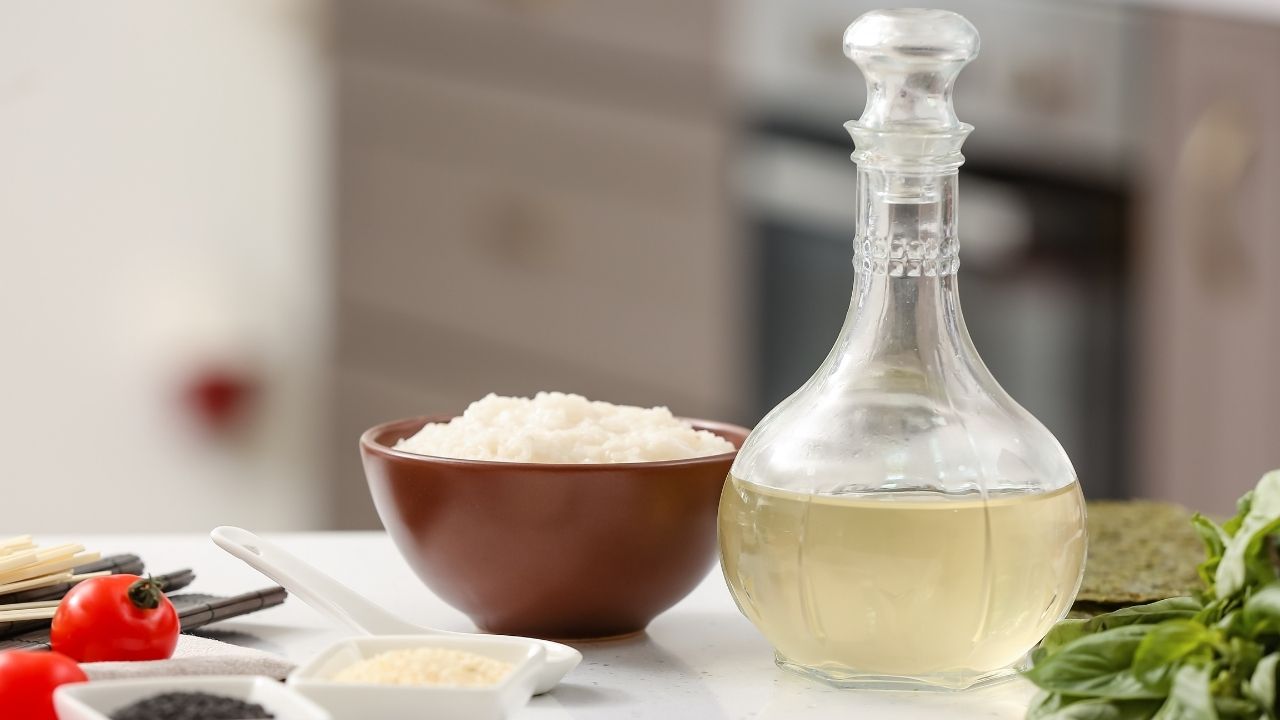
Rice vinegar brings a gentle, clean acidity that’s completely different from the sharp bite you get with white or apple cider vinegar. I keep this beautiful golden liquid on hand because it adds brightness without overwhelming the other flavors in your dish. You’ll find rice vinegar working magic in everything from quick cucumber pickles to marinades for bulgogi. The subtle sweetness makes it perfect for balancing the heat in kimchi or creating that perfect dipping sauce for Korean pancakes. Unlike harsher vinegars, rice vinegar won’t mask the complex flavors you’re building in your Korean cooking.
What I love most about rice vinegar is how it transforms simple ingredients into something extraordinary. Mix it with soy sauce, sesame oil, and a touch of honey, and you’ve got an incredible salad dressing that works on both traditional Korean salads and your everyday greens. I use it in my homemade kimchi recipe because it helps develop those tangy, fermented flavors more quickly while keeping everything bright and fresh. The mild nature of rice vinegar means you can be generous with it – it enhances without dominating, making every bite more vibrant and alive.
Toasted Sesame Seeds
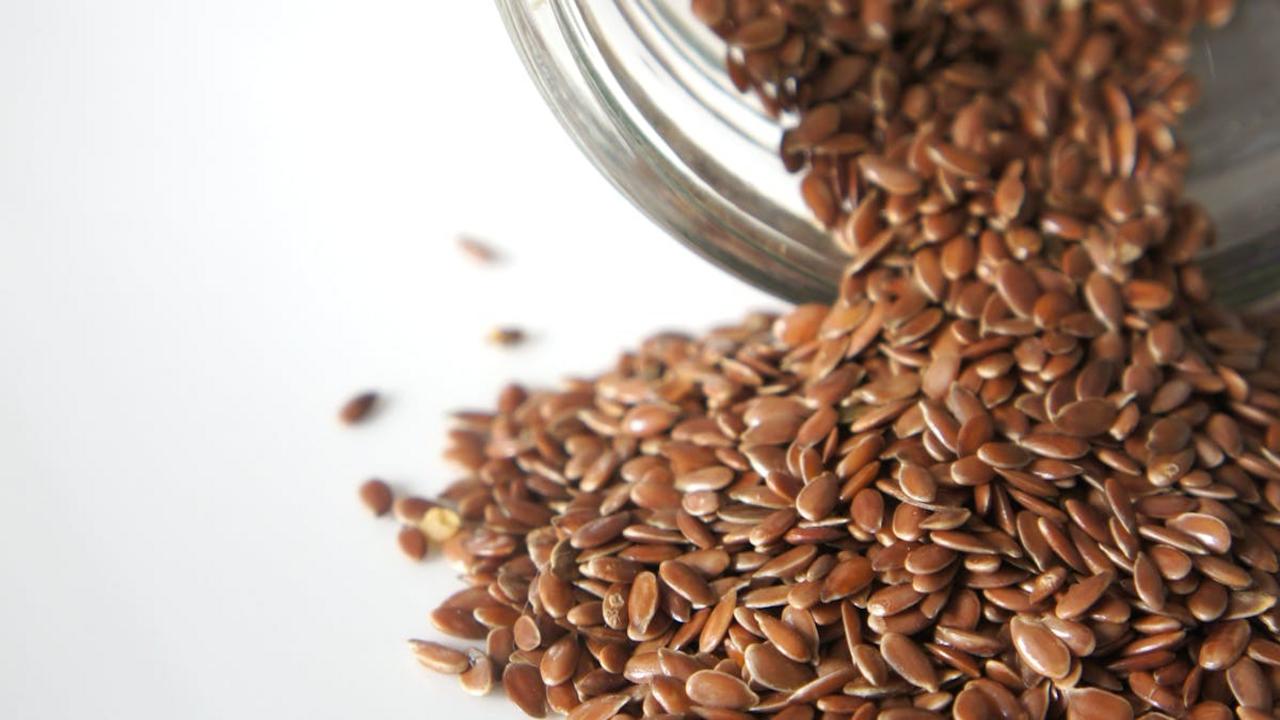
These tiny golden gems transform ordinary dishes into something magical with their nutty, rich flavor that develops beautifully when toasted. I keep both white and black sesame seeds in my pantry because they each bring their own personality to Korean cooking. White sesame seeds offer a milder, sweeter note, while black ones deliver a more intense, earthy flavor that adds visual drama to your plates. You can buy them pre-toasted, but honestly, toasting them yourself takes just minutes and fills your kitchen with the most incredible aroma.
Korean cooks sprinkle toasted sesame seeds on everything from bibimbap to spinach banchan, and once you start using them, you’ll understand why. They add textural interest and a depth of flavor that makes vegetables sing and proteins more satisfying. I love grinding them into a coarse powder to make gomashio (sesame salt) or mixing whole seeds into marinades and dressings. Store them in an airtight container in your refrigerator after toasting to maintain their crispness and prevent the oils from going rancid. Trust me, these little seeds will become one of your most-reached-for ingredients once you discover their power to elevate simple ingredients into restaurant-quality dishes.
Green Onions
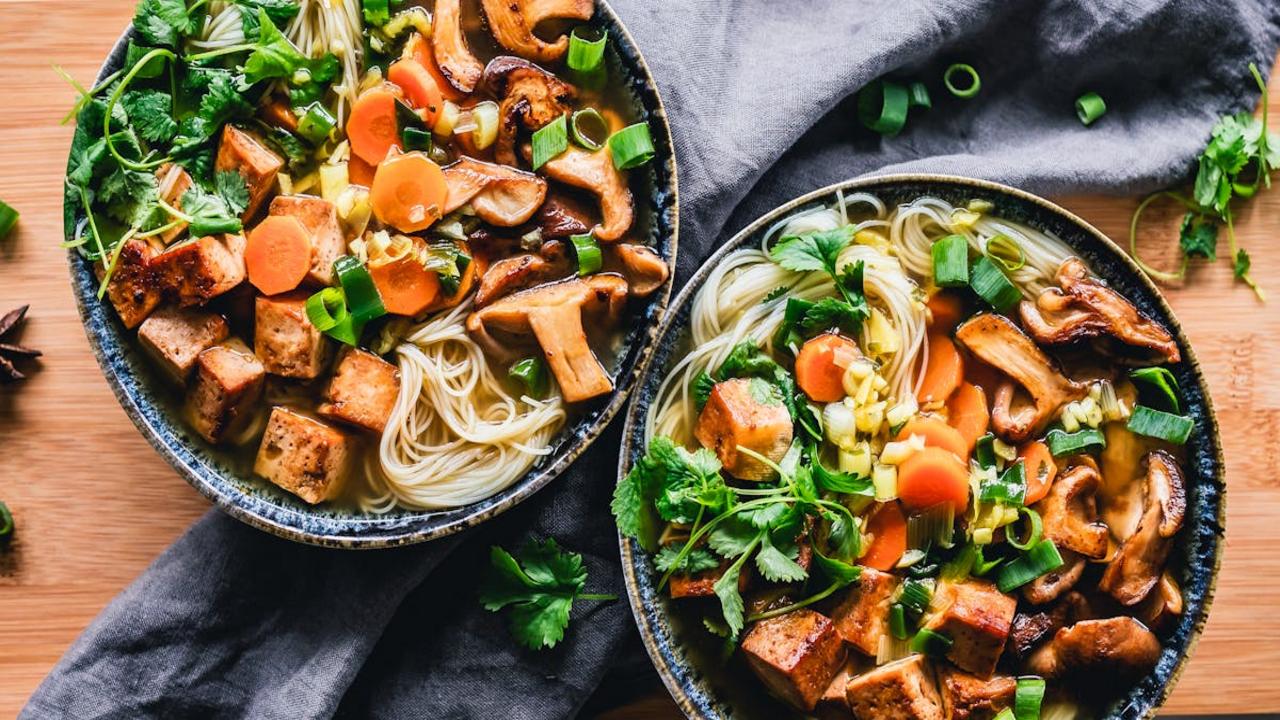
Green onions become your best friend in Korean cooking – they’re the bridge between sharp onion bite and gentle herb freshness that Korean dishes absolutely crave. I keep bunches of these beauties in my fridge because they transform everything from simple fried rice to complex stews with their mild, sweet flavor and satisfying crunch. The white bulbs offer concentrated onion taste while the green tops bring color and delicate onion notes that never overpower your carefully balanced flavors.
You’ll find green onions starring in pajeon (savory pancakes), adding texture to kimchi jjigae, and brightening up bibimbap bowls with their vibrant presence. I love how they hold up during cooking yet stay crisp enough to use fresh as garnish – this dual personality makes them incredibly versatile in your Korean pantry arsenal. When you’re building authentic Korean flavors at home, green onions provide that fresh, clean finish that makes every bite feel complete and satisfying.
Ginger
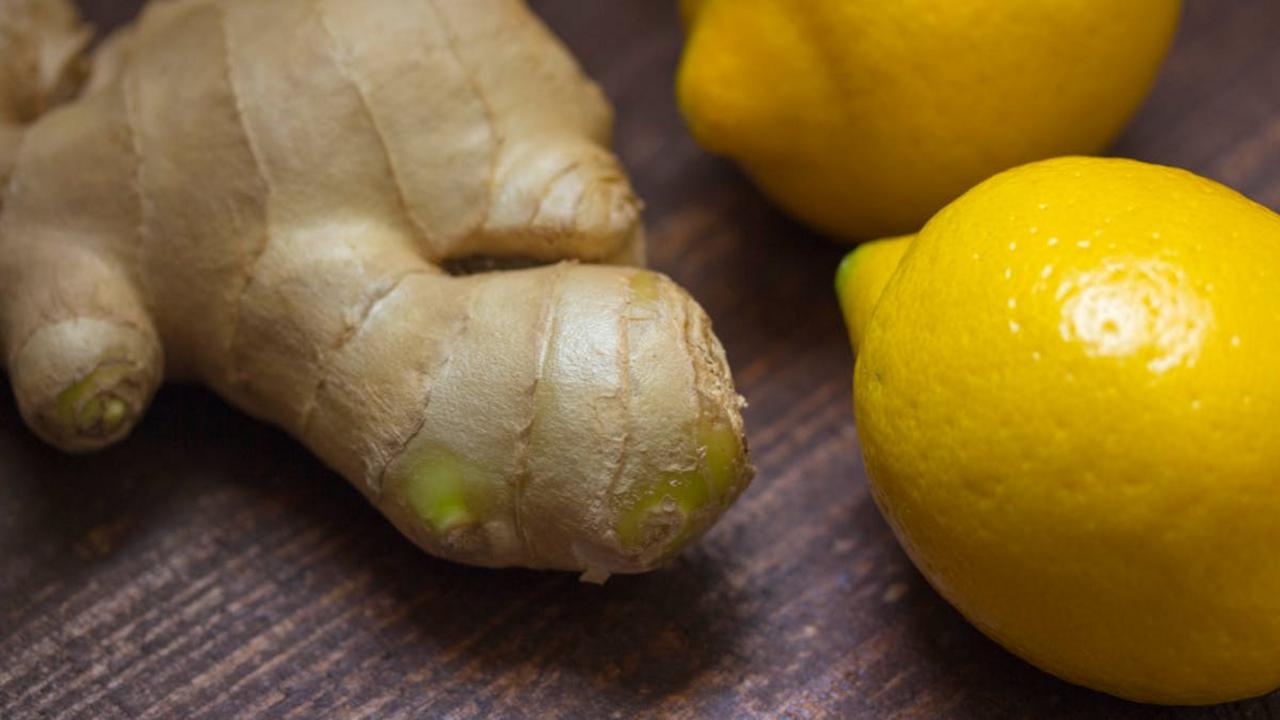
Fresh ginger brings an unmistakable warmth and zing to Korean cooking that I can’t imagine my kitchen without. This knobby root adds layers of complexity—sometimes sharp and peppery, other times mellow and sweet, depending on how you use it. I keep both fresh ginger root and ginger powder in my pantry because they each serve different purposes. The fresh stuff gets grated into marinades, minced for stir-fries, or sliced thin for broths, while the powder works beautifully in spice blends and dry rubs.
What I love most about ginger is how it bridges the gap between medicine and food—something Korean cooks have understood for centuries. When I’m making Korean chicken soup or preparing a healing ginger tea, I feel connected to generations of home cooks who trusted this root to nourish and comfort. Store your fresh ginger in the refrigerator, and don’t bother peeling it if you’re grating—just scrub it clean. Pro tip: freeze ginger root for easier grating, and always buy pieces that feel firm and heavy for their size. You’ll taste the difference in everything from bulgogi marinades to homemade kimchi.
Garlic
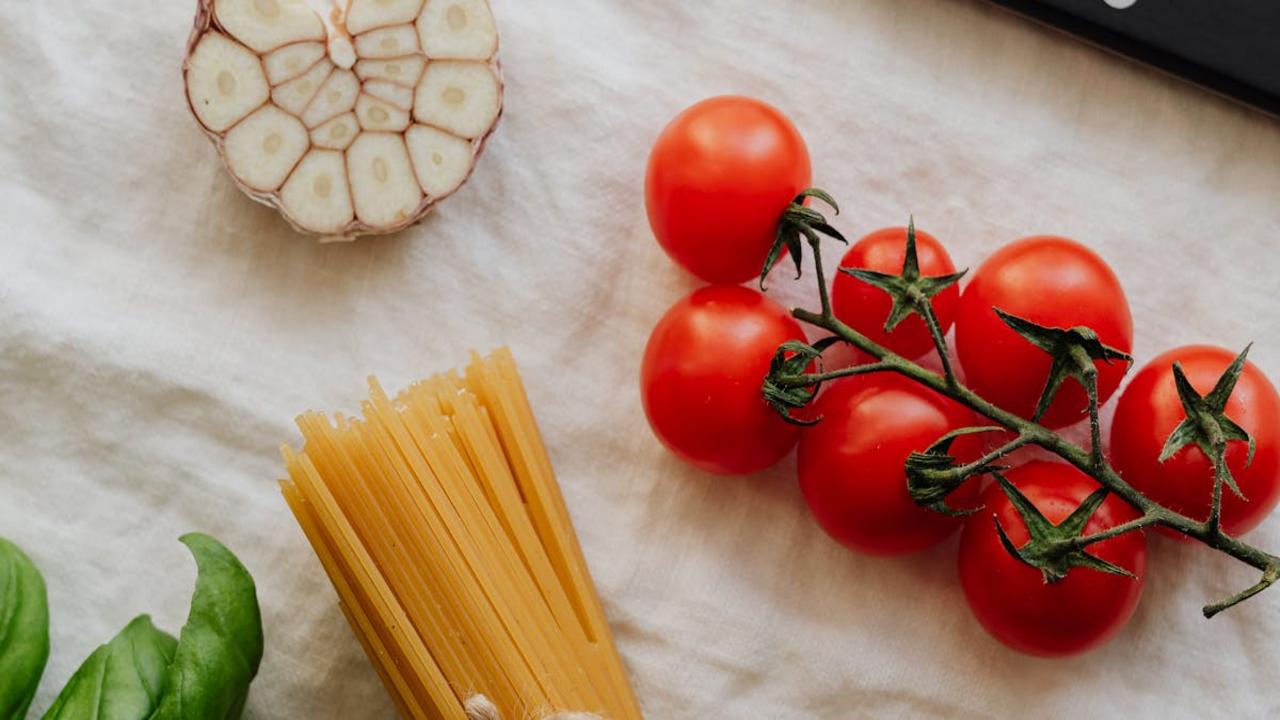
Fresh garlic forms the aromatic backbone of Korean cooking, and I guarantee you’ll go through bulbs faster than you think once you start cooking Korean food regularly. Korean recipes often call for generous amounts of minced or sliced garlic, sometimes using entire heads in a single dish. The pungent, sharp bite of raw garlic transforms into sweet, mellow notes when cooked, creating layers of flavor that define authentic Korean dishes. I always keep multiple heads on hand because Korean cooking doesn’t hold back on this powerhouse ingredient.
What sets Korean garlic usage apart from other cuisines is how it’s incorporated at different cooking stages to build complexity. You’ll find it raw in kimchi for that fiery punch, slowly caramelized in bulgogi marinades for sweetness, and quickly stir-fried with vegetables for a fragrant finish. I’ve learned to prep garlic in different ways – some minced fine for marinades, some sliced thin for quick cooking, and some left in larger pieces for braised dishes where it becomes tender and almost creamy. This versatile approach to one ingredient shows how Korean cooking maximizes flavor potential in every component.
Fermented Soybean Paste
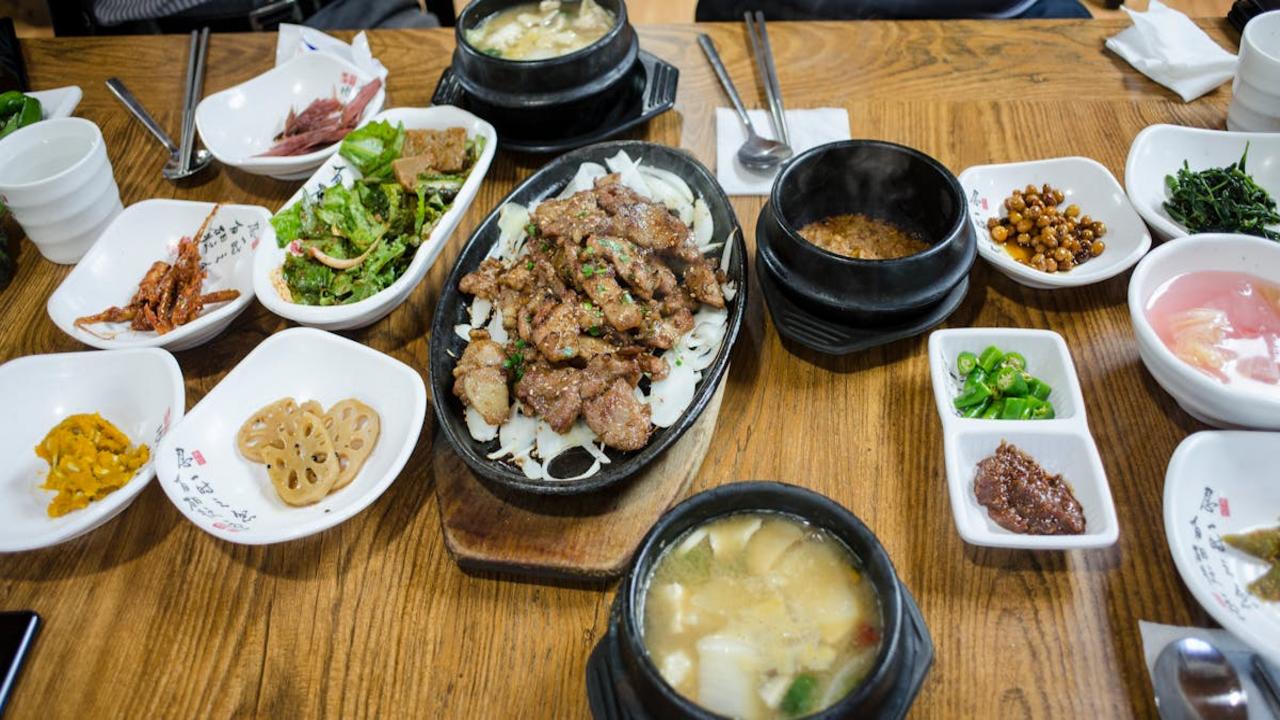
Fermented soybean paste, known as doenjang in Korean, transforms your cooking with its deep, earthy complexity that no other ingredient can replicate. I keep this thick, dark brown paste in my refrigerator at all times because it brings an incredible umami foundation to soups, stews, and marinades. Made from fermented soybeans and salt, this paste develops its rich flavor through months of natural fermentation – a process that creates layers of savory depth you simply cannot achieve with shortcuts. Unlike miso, doenjang has a more robust, assertive character that stands up beautifully to bold Korean flavors.
You’ll discover that doenjang works magic in traditional dishes like doenjang jjigae (soybean paste stew) and as a base for bulgogi marinades, but I love experimenting with it in unexpected ways too. Try whisking a spoonful into salad dressings for instant umami, or mixing it with garlic and sesame oil as a dipping sauce for fresh vegetables. The paste keeps for months in your refrigerator, developing even more complex flavors over time. Start with small amounts – its intensity can overwhelm delicate dishes – but once you understand its power, you’ll find yourself reaching for it to add that distinctive Korean soul to countless recipes.
Red Chili Paste
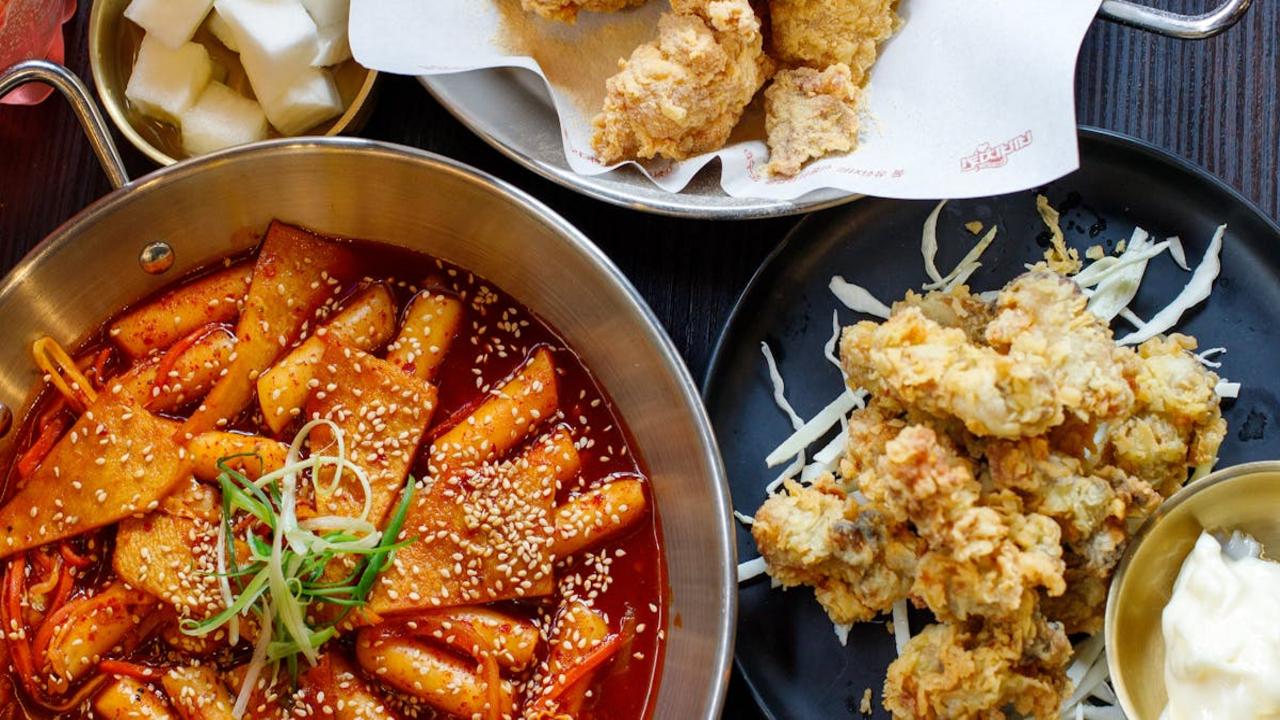
Gochujang stands as the fiery heart of Korean cooking, and honestly, once you start using this fermented red chili paste, your kitchen will never be the same. This thick, mahogany-colored condiment brings together glutinous rice, fermented soybeans, red chili powder, and salt in a beautiful dance of sweet, spicy, salty, and umami flavors. Unlike hot sauces that simply burn your tongue, gochujang offers complexity—it builds heat slowly while coating your palate with rich, almost smoky undertones that make you crave more.
I keep multiple containers of gochujang in my fridge because this paste transforms everything it touches. Stir a spoonful into your morning scrambled eggs, mix it with honey and soy sauce for an incredible glaze on roasted vegetables, or blend it into salad dressings for an unexpected kick. The fermentation process creates depth that processed hot sauces simply can’t match, and the natural sweetness from the rice balances the heat perfectly. Start with small amounts—gochujang’s intensity varies between brands—but don’t be afraid to experiment. This paste will become your secret weapon for adding instant Korean flair to everything from marinades to soups.
Sesame Oil
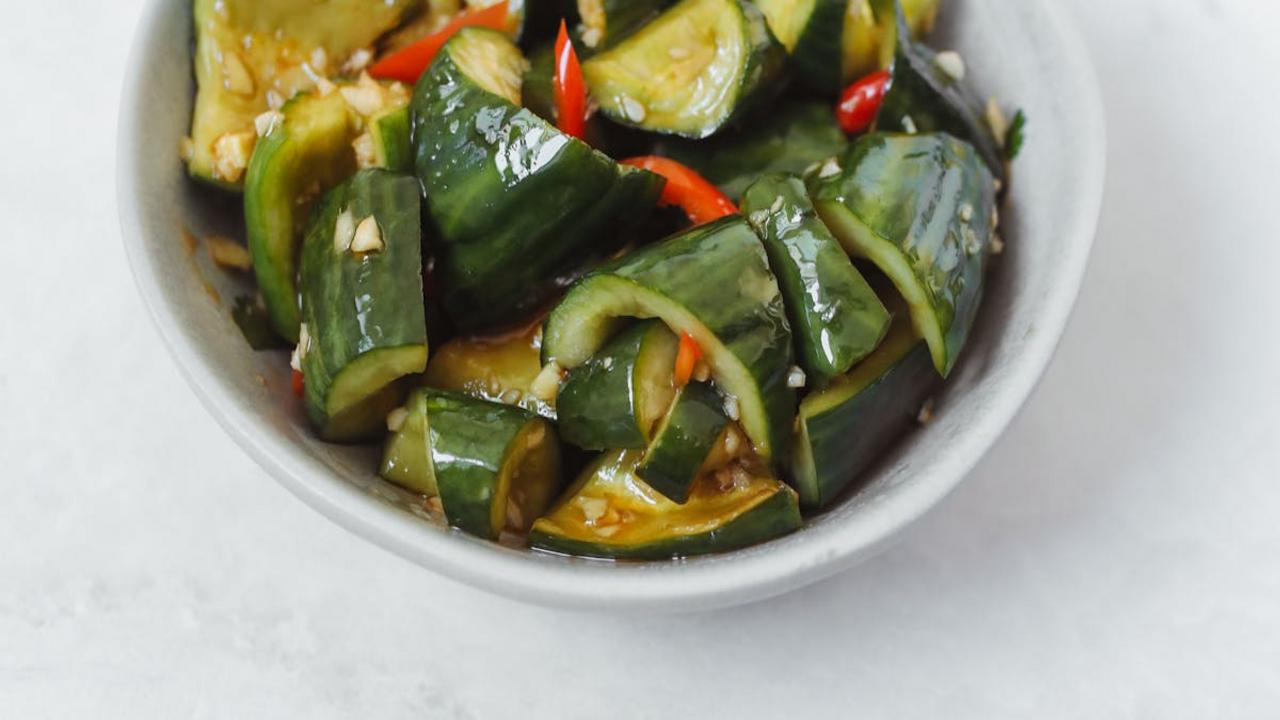
You know that moment when you open a bottle of toasted sesame oil and the nutty, rich aroma fills your kitchen? That’s pure magic right there. This golden elixir transforms ordinary dishes into something extraordinary with just a few drops. I keep two types in my pantry: light sesame oil for cooking at higher temperatures, and the darker, toasted version for finishing dishes. The toasted variety packs such an intense flavor that a little goes a long way – think of it as the seasoning salt of Asian cooking.
Here’s what I’ve learned from years of cooking Korean food: sesame oil isn’t just an ingredient, it’s the soul of many dishes. Drop a teaspoon into your bibimbap, drizzle it over steamed vegetables, or mix it into marinades for bulgogi. I love how it bridges the gap between healthy cooking and bold flavors – you get those good fats while adding depth that makes vegetables actually crave-worthy. Store it in a cool, dark place and buy smaller bottles since the flavor diminishes over time. Trust me, fresh sesame oil will make you wonder why your Korean dishes never tasted quite right before.
Rice
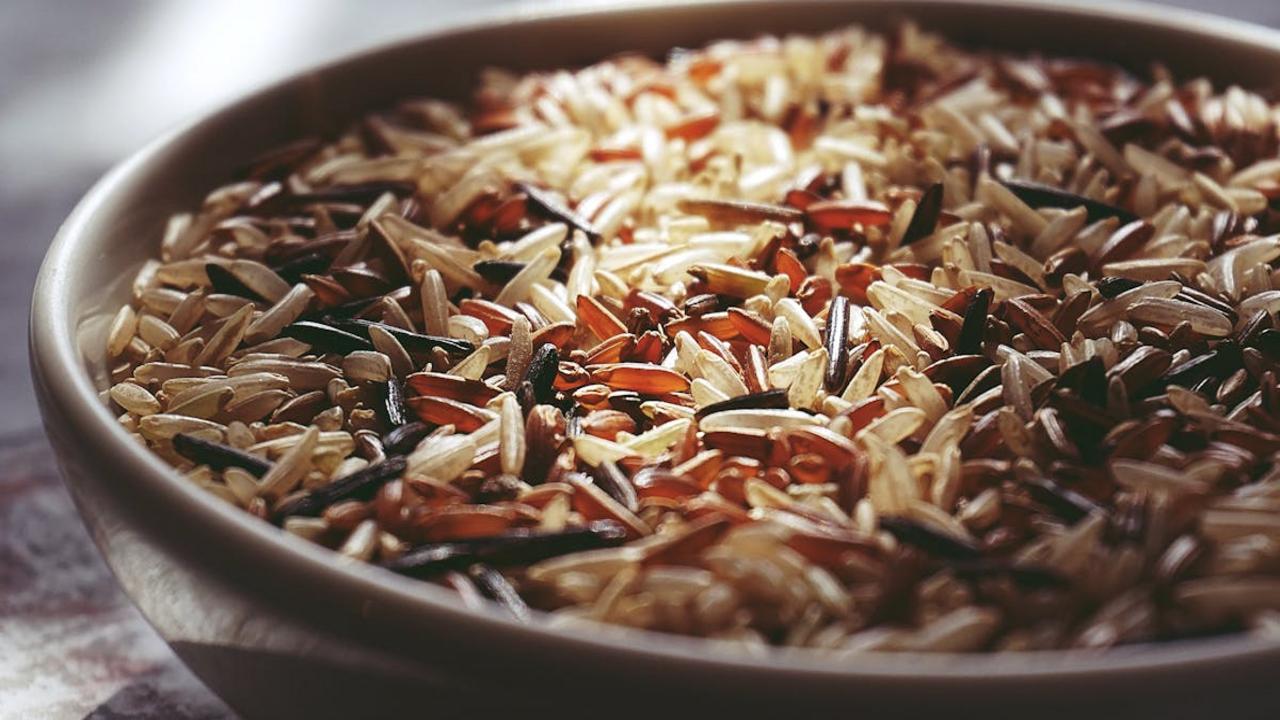
Korean short-grain rice forms the foundation of every Korean meal, and once you experience its sticky, slightly sweet texture, regular long-grain rice will never quite satisfy you the same way. This particular variety clings together beautifully when cooked, making it perfect for eating with chopsticks and creating those satisfying bites alongside banchan and main dishes. I always keep at least a 10-pound bag in my pantry because good Korean rice transforms even the simplest meal into something special. The grains have a pearlescent quality that catches light, and when properly cooked, each kernel maintains its shape while offering that signature chewiness that makes Korean cuisine so texturally interesting.
What makes Korean rice truly shine is how it absorbs flavors while maintaining its integrity – whether you’re making bibimbap, kimbap, or simply serving it as a base for bulgogi and kimchi. I recommend rinsing your rice until the water runs clear, then letting it rest in fresh water for 30 minutes before cooking. This extra step ensures each grain cooks evenly and achieves that perfect tender-yet-firm texture. You can find quality Korean rice at Asian markets, and brands like Nishiki or Calrose work wonderfully if you can’t locate specifically Korean varieties. Trust me, once you stock your kitchen with proper short-grain rice, you’ll understand why Koreans consider it the heart of their dining table.
Soy Sauce
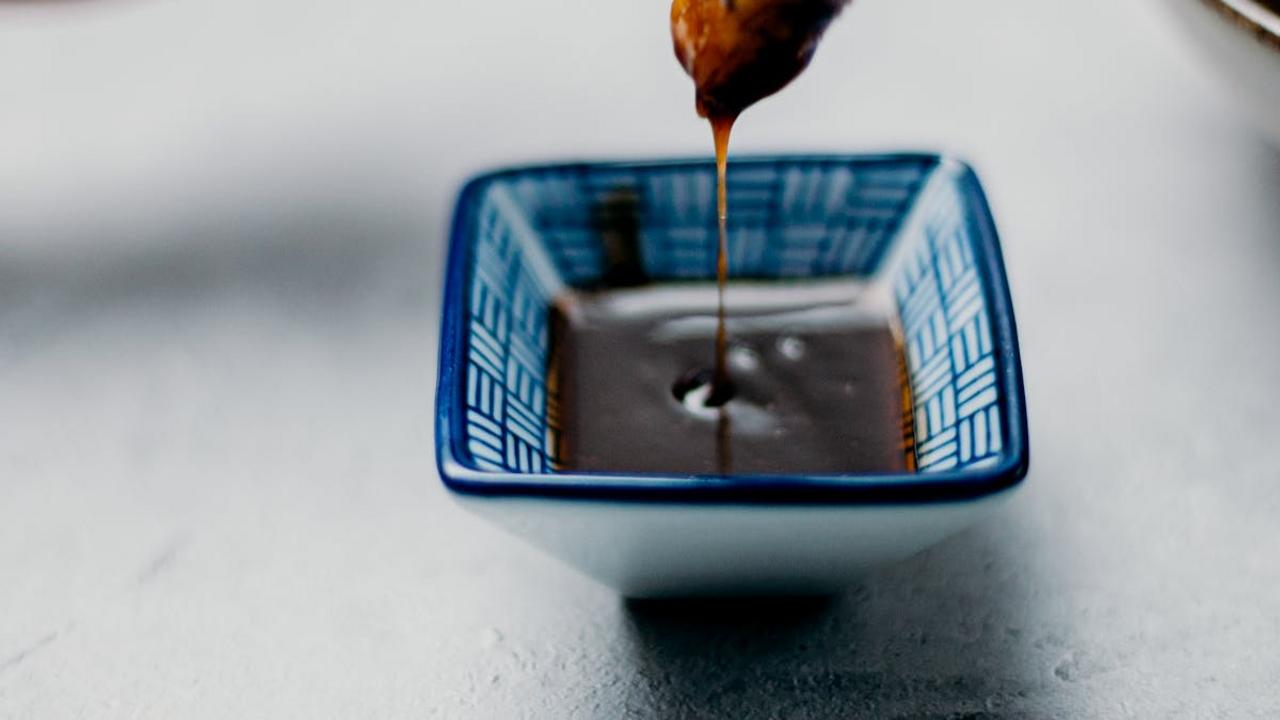
You know that bottle of soy sauce sitting in your fridge right now? I’m betting it’s not the Korean kind, and friend, you’re missing out on something incredible. Korean soy sauce—specifically guk-ganjang (soup soy sauce) and yangjo-ganjang (brewed soy sauce)—brings a completely different flavor profile to your cooking than the Chinese or Japanese versions you might be used to. Korean soy sauce tastes cleaner, less aggressive, with this beautiful umami depth that doesn’t overpower your ingredients. I keep both types in my pantry because they serve different purposes: the lighter guk-ganjang for soups and delicate dishes where you want that salty backbone without the dark color, and the richer yangjo-ganjang for marinades and heartier preparations.
Here’s what changed my cooking game completely—I started using Korean soy sauce in non-Korean dishes too. That morning scrambled egg? A splash transforms it into something extraordinary. Roasted vegetables, simple pasta dishes, even my go-to salad dressings benefit from that clean, complex saltiness. Korean soy sauce plays beautifully with other ingredients instead of competing with them, which makes it perfect for my intuitive cooking style where I’m constantly mixing global flavors. Look for brands like Sempio or Chung Jung One at your local Korean market, and once you taste the difference, you’ll understand why Korean cooks guard their soy sauce choices so carefully. Trust me on this one—your cooking will never be the same.